Today across South Korea flags are flying and a nation is remembering — and living here makes you understand why this day carries the weight it does.
Today, August 15th is Gwangbokjeol in South Korea. Literally, the “Restoration of Light Day”. Commemorating South Korea’s liberation from Japanese colonial rule in 1945 and the creation of the South Korean government 3 years later in 1948.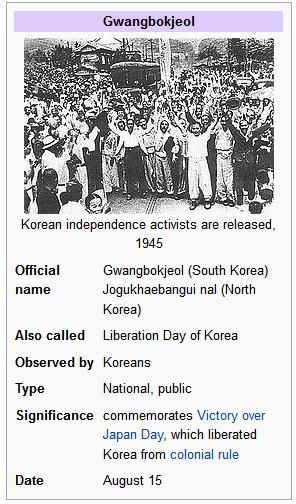
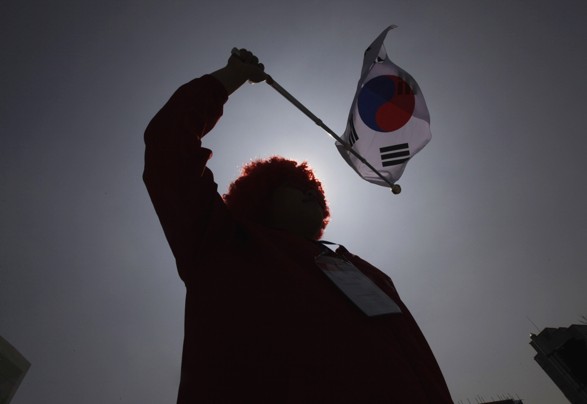
Encouraged to fly the countries flag, Gwangbokjeol is a proud day full of nationalistic pride and commemoration for the Koreans and a day to appreciate the growth and continues prosperity of a nation.
Never one to let a day go by without a funky Goog-logo, Google’s homepage observes the occasion as well. 
Celebrate Freedom,
Adam
Q: What is Gwangbokjeol in South Korea? A: Gwangbokjeol — literally translated as Restoration of Light Day — is South Korea’s National Liberation Day observed every August 15th. It commemorates two historic milestones — South Korea’s liberation from 35 years of Japanese colonial rule in 1945 and the establishment of the South Korean government three years later in 1948. It is one of the most significant national holidays in the Korean calendar and is marked by flag flying ceremonies and deep national pride across the country.
Q: How do Koreans celebrate Gwangbokjeol? A: Koreans are encouraged to fly the national flag Taegukgi outside their homes and buildings on this day. Official ceremonies are held in Seoul and cities across the country marking both the liberation and the founding of the republic. Living in Korea during Gwangbokjeol gives you a genuine sense of how deeply this day resonates — the pride and commemoration are visible and palpable in a way that is genuinely moving to witness as a foreigner.
Q: What was Japanese colonial rule in Korea? A: Japan colonized Korea from 1910 to 1945 — a period of 35 years during which Korean culture language and identity were systematically suppressed. The liberation on August 15th 1945 following Japan’s surrender at the end of World War II remains one of the most significant moments in Korean history. The relationship between Korea and Japan remains complex and layered to this day and Gwangbokjeol is a reminder of how recent and how significant that history is.
Q: Why is Gwangbokjeol important to understand as an expat in South Korea? A: Because Korean national identity and the historical relationship with Japan are subjects that surface regularly in daily life conversation and cultural context throughout the year. Understanding Gwangbokjeol and what it represents gives you essential context for conversations with Korean colleagues students and friends and shows a genuine respect for the history of the country you are living in.
Q: How does living in South Korea change your perspective on national holidays? A: Profoundly. Observing a national holiday from inside the country that celebrates it — rather than reading about it from the outside — gives it an entirely different weight and meaning. Seeing flags on every building hearing the significance explained by Korean friends and students and understanding the living memory of events that feel recent rather than distant makes history feel genuinely alive in a way that changes how you think about your own country’s holidays too.
Discover more from Adventures We Seek
Subscribe to get the latest posts sent to your email.

