South Korea’s economy is booming — and walking our city streets past smiling elderly workers sweeping platforms and working market stalls makes the statistics behind that success genuinely heartbreaking.

As South Korea’s economy continues to grow amidst a turbulent global economic forecast, the proud successes of the hard working Korean population are masking an issue that has grown to be amongst the worst in the world. Poverty within the elderly sect has grown to levels that are disturbing to say the least when you read the statistics. Ranked only behind Ireland in terms of poverty levels among seniors worldwide, I was able to locate some numbers that detail just how severe the problem is. Korean’s 65 and up are only bringing in an annual income of only 66.7% of the median income for the entire nation.(nationmultimedia.com 7/9/12). Of that income, only 15% is from pensions. The Organization for Economic Cooperation and Development determines that globally, 21.4% of people 65 and up take in earned income……in Korea, its 60%. (nationmultimedia.com 7/9/12) Just to add some perspective to these figures, in France, seniors receive 87.6% of their income from a pension system and have an earned income of 6.4%. (nationmultimedia.com 7/9/12)
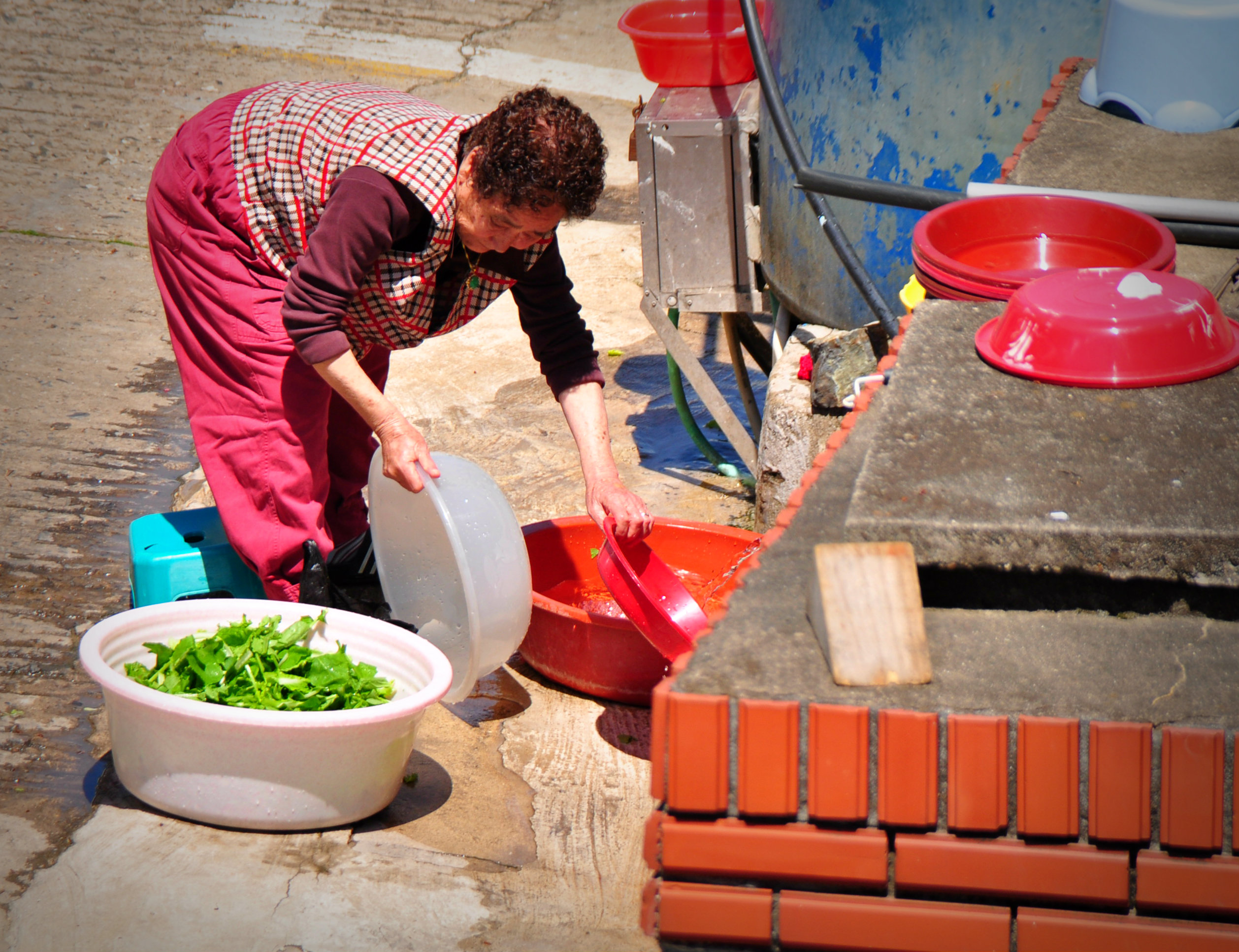
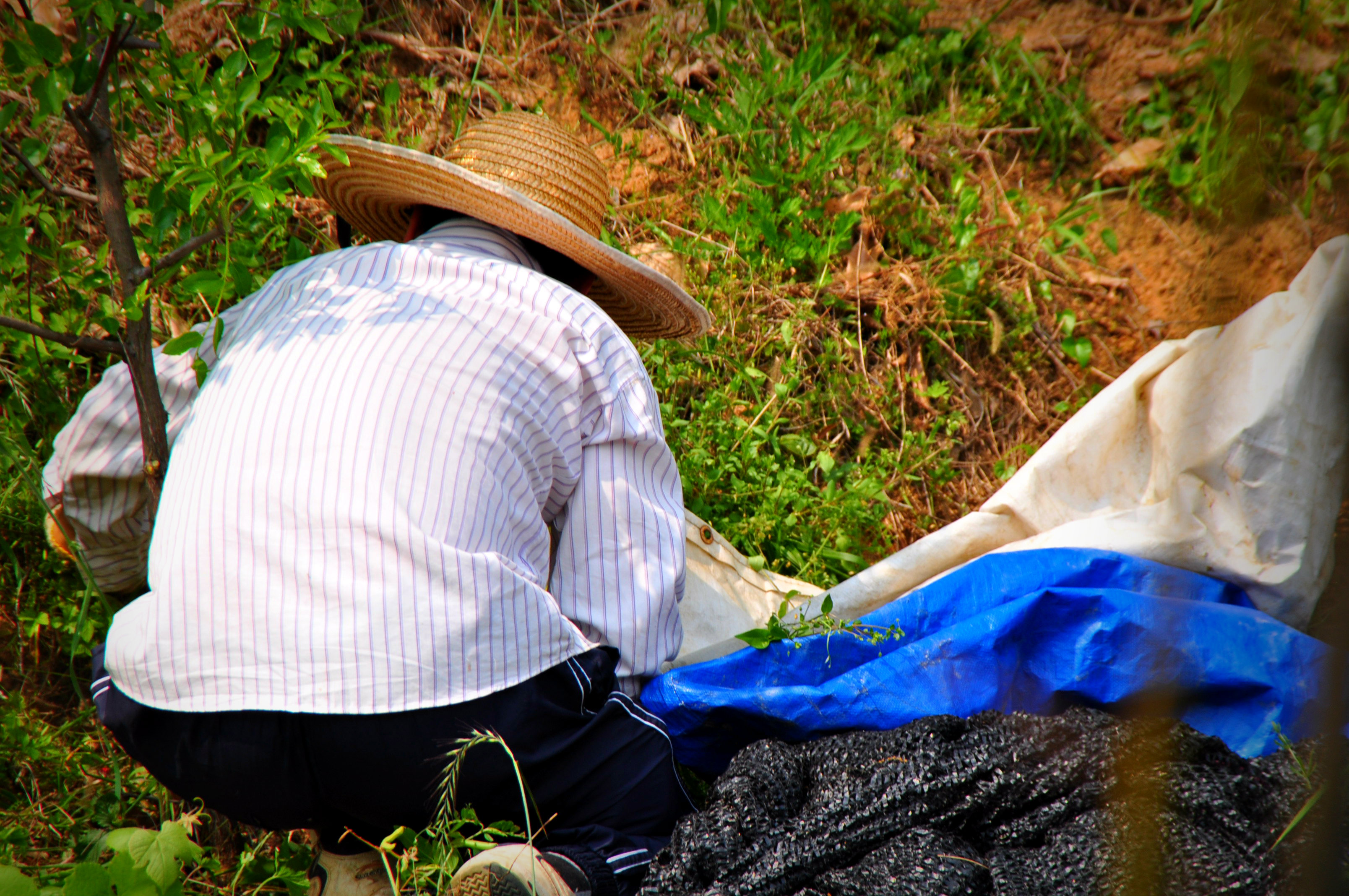
The issues stem from several definitive inadequacies in Government policy and planning. The main causes have been a weak safety net that drives employees to work longer hours coupled with a weak subsidy granted to the poor elderly that offers relief of roughly $80 US dollars a month in aid. Add that to the lack of education that the population receives on creating their own retirement savings plans and you have a nation that is very ill equipped for life after work.
This is made harder to swallow when Nicole and I roam the streets of our city and see our friendly old workers that never miss a chance to share a smile and a wave as we pass by. Sweeping streets, mopping subway platforms, delivering food, working market stalls and construction are just a few of the jobs that are held by the older populous. Its hard to not feel sad that instead of getting to enjoy the golden years of their life that so many are forced to work such labor intensive jobs just to keep their heads above water.
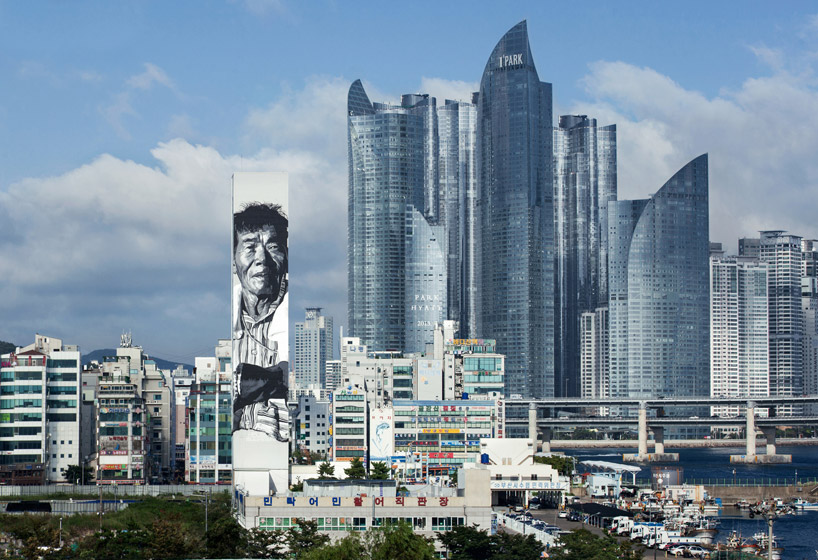
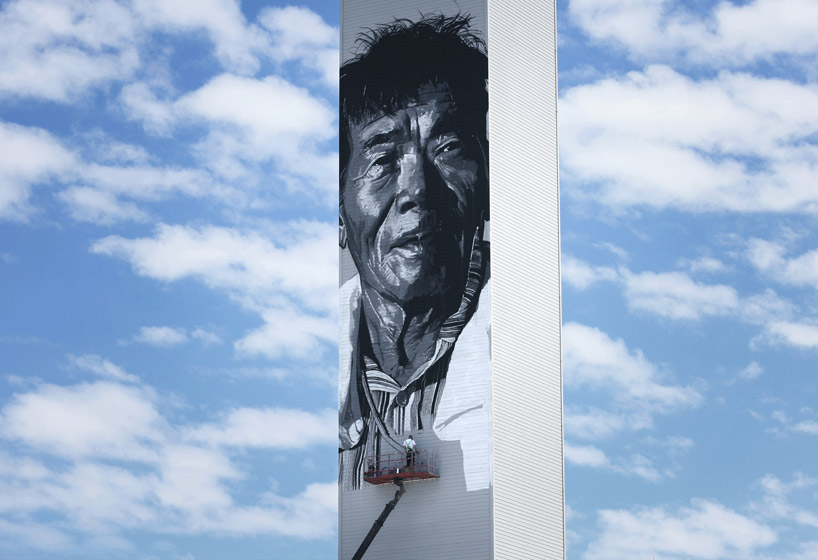
To read more about Hendrik’s mural, check out the link to Designboom here.
Thanks for reading,
Adam
Q: How bad is elderly poverty in South Korea? A: Severe enough to rank among the worst in the developed world — second only to Ireland globally according to available data. Koreans aged 65 and over earn only 66.7 percent of the national median income and a staggering 60 percent of seniors continue working earned income compared to a global average of 21.4 percent. In France by contrast seniors receive 87.6 percent of their income from pensions and only 6.4 percent work for earned income. The contrast is stark and deeply troubling.
Q: Why is elderly poverty so high in South Korea despite its strong economy? A: The crisis stems from several compounding failures in government policy and planning. A weak social safety net pushes older workers to continue laboring well into their senior years. The government subsidy for poor elderly citizens amounts to roughly $80 US dollars per month — entirely inadequate for basic living. A lack of public education around retirement savings means most Koreans arrive at old age without meaningful personal savings. The pension system covers only 15 percent of senior income leaving the vast majority dependent on continuing to work.
Q: What kinds of jobs do elderly Koreans typically work? A: Street sweeping subway platform mopping food delivery market stall operation and construction are among the most common jobs held by Korea’s elderly population. Living in Korean cities you see these workers every single day — always smiling always working always dignified in their labor. The warmth they showed us as foreigners made the statistics behind their circumstances all the more difficult to sit with.
Q: How does South Korea’s elderly poverty compare to other developed nations? A: The comparison is sobering. While OECD nations average 21.4 percent of seniors earning income through work Korea sits at 60 percent — nearly three times the global average. European nations with strong pension systems like France see their seniors receiving the vast majority of income through government support allowing genuine retirement. Korea’s rapid economic growth has not translated into adequate social protection for the generation that built that growth.
Q: What needs to change to address elderly poverty in South Korea? A: A stronger pension system that provides meaningful income replacement expanded government subsidies for poor elderly citizens and widespread public education around personal retirement savings are the most frequently cited solutions by economic analysts. The political will to prioritize the welfare of an aging population over economic growth metrics remains the central challenge.
Discover more from Adventures We Seek
Subscribe to get the latest posts sent to your email.


That was a really moving article. I hope a solution is found sooner rather than later.
Lisa
http://sheslosingit.net
LikeLike
Gosh, it is so sad. I never realized the magnitude of it. I hope things will change.
LikeLike
I know….breaks your heart knowing how hard some of them work for so little. Amazingly though they seem to smile as much as anyone else so they’ve got the important stuff nailed down I think 🙂
LikeLike