I used to be a Korean car skeptic. Living surrounded by them every single day in South Korea completely changed my mind — and the numbers back me up.
It’s been on my mind since I got to Korea that I should do a quick blog about the automobiles since about 97% of the ones you see on the road here are of the domestic breed. For instance, Hyundai-Kia, Daewoo (yes, they are still around), and Renault Samsung. Now…i’ll admit, for a while I was on the Korean car hater bandwagon that ran on the campaign that the stuff out of Asia that wasn’t Japanese was in essence…crap. However, my tune has since changed and i’m apparently not the only one…and for good reason.
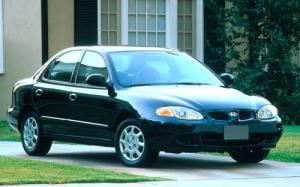
First, the styling has improved on Korean cars ten fold since the mid to late 90’s gross-fest that were the Sonata, Elantra and Accent models. Remember these bad boys?
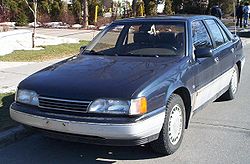
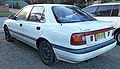
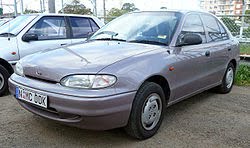
My mom actually bought an Elantra in 2000 which was a year after the companies internal overhaul of production facilities and the introduction of the 10yr – 100,000 mile warranty. I was actually pretty impressed with the cars build but still not in love with the stying, although better than its predecessors.
Fast forward to now…Hyundai has just taken top honors as the most fuel efficient automaker in the US beating out Honda and VW just one year after publicly vowing to achieve the top spot. Averaging 30.1 mpg overall for all models in the 2009 lineup is a pretty swift move for a car company in this economy while you’ve got US automakers trying to sell cars through multiple ipod hookups. Autoblog write-up. Impressive but even better is the fact that only 3 automakers posted a sales sheet in the green and while Subaru got top honors, Kia and Hyundai pulled up in the 2 and 3 spot respectively. Truth in numbers.(c/o Autoblog.com)
I hate to bore you with stats but its kinda neat to see the Korean car industry quickly pulling up in the rear view of the Japanese automakers.
Ok, I might love cars just a bit more than you, but you should check out this last part. There are a few vehicles that you may not have seen before that will debut later this year in the US from Korea which are pretty darn noteworthy in my opinion.
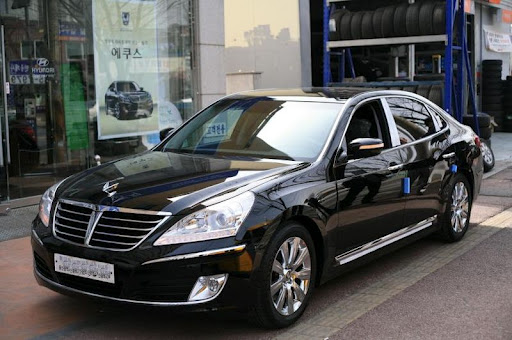
First, the Hyundai Equus. On the Forbes list of “10 exciting cars for 2010” its Hyundai’s most expensive model with a price tag of around $85k its not cheap, but its the real deal when it comes to luxury. More Photos(c/o Autoblog.com)
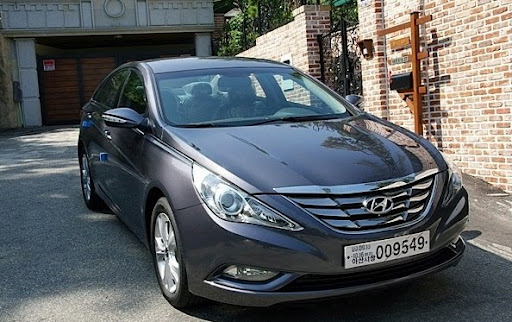
Next, the newly redesigned 2010 Hyundai Sonata. Its not even the companies flagship anymore but its just gotten a face-lift and whoever she went to did a fine job in my opinion. Hybrid on the way later this year. Photo Gallery(c/o Autoblog.com)
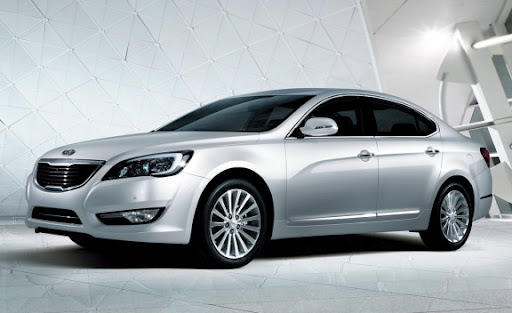
Last but not least, the Kia K7 Cadenza. Ain’t she purrrrty? Taking some cues from a former Audi chief designer, the K7 should have everyone rethinking if they’d wanna be seen in a Kia by late 2010 in the states. Photo Gallery(c/o Autoblog.com)
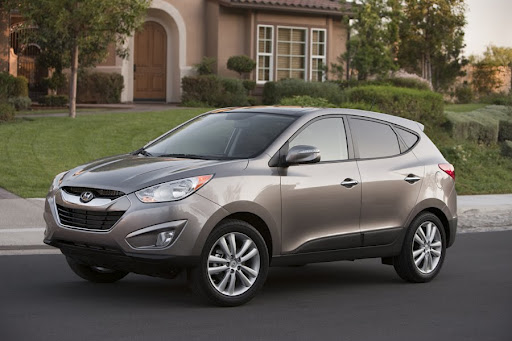
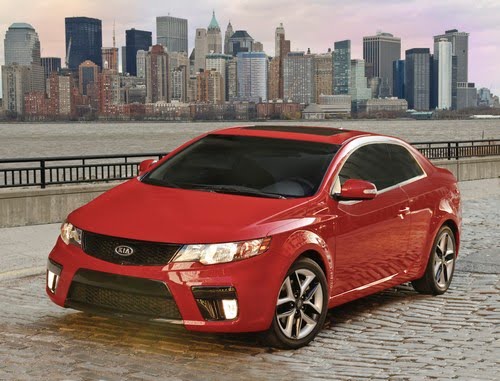
Alright wait, two more. I don’t particularly love SUV’s of any kind, but I think the new Hyundai Tucson (Photo Gallery) (c/o Autoblog.com)gives Lexus RX owners something to scratch their heads over while the new Kia Forte Coupe gives us a new way to stand out in a world of overpopulated Civics and Carollas. Photo Gallery(c/o Autoblog.com)
Maybe, its the no frills approach, maybe its the economy, whatever it is, the Korean automakers are moving forward and now rank among the top 5 car manufacturers in the world. I honestly can’t wait to see what the response to some of these vehicles is like in 2010 back home.
-adam
🇰🇷 Adam and his beloved Korean cars 😄 Here we go:
🏷️ New Title:
Korean Cars Are Taking Over the World — And Living in Korea Made Us True Believers
✏️ One Line Intro — Add at the Very Top:
I used to be a Korean car skeptic. Living surrounded by them every single day in South Korea completely changed my mind — and the numbers back me up.
❓ 5 Q&As — Add at the Bottom:
Q: Are Korean cars as good as Japanese cars? A: Having lived in both Japan and Korea we can say confidently that Korean cars have closed the gap dramatically. Hyundai and Kia have transformed from the budget afterthoughts of the 1990s into genuinely impressive vehicles that now compete directly with Honda, Toyota and even luxury brands. Hyundai taking top honors as the most fuel efficient automaker in the US — beating out Honda and VW — is not a fluke. It is the result of serious investment in design, engineering and quality.
Q: What are the most popular car brands in South Korea? A: The Korean road is almost entirely domestic — roughly 97 percent of vehicles you see are Hyundai, Kia, Daewoo or Renault Samsung. Foreign brands are rare and expensive due to import taxes. Driving through Korean cities is essentially a masterclass in how far the domestic auto industry has come since the awkward Sonatas and Elantras of the late 1990s.
Q: What Korean cars should Americans look out for? A: The Hyundai Equus luxury sedan competes directly with European luxury brands at around $85,000. The redesigned Hyundai Sonata received a dramatic styling overhaul that finally gave it genuine curb appeal. The Kia K7 Cadenza — designed with input from a former Audi chief designer — is genuinely stunning. And the Hyundai Tucson gives Lexus RX owners something to seriously consider.
Q: How has Hyundai improved so much since the 1990s? A: The turning point was Hyundai’s internal overhaul of production facilities in the late 1990s combined with the introduction of their industry leading 10 year 100,000 mile warranty which forced the company to build cars good enough to back that promise. Design investment followed and the results speak for themselves — Hyundai now consistently ranks among the top five automakers in the world.
Q: Why are Korean cars so dominant in South Korea? A: A combination of national pride, import tariffs that make foreign vehicles expensive and genuinely competitive domestic products means Koreans buy Korean overwhelmingly. Walking the streets of any Korean city you see the full evolution of Hyundai and Kia design on display — from early modest models to the sleek contemporary vehicles that are now turning heads globally.
Discover more from Adventures We Seek
Subscribe to get the latest posts sent to your email.

