Living in South Korea you quickly understand why the people here are living longer than almost anywhere else on earth — and the data just confirmed it officially for the first time.
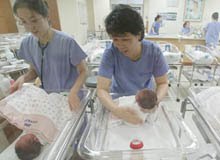
According to Statistics Korea, babies born last year are expected to live an average of 80-point-one years unless they are affected by disease or other unforeseen causes.
The number is up six months from last year and five-point-three years from 1999.
Male infants are expected to live an average of 76-point-five years, slightly higher than the current OECD average. Female infants are expected to reach an average age of 83-point-three years, one-point-five years higher than the OECD average.
Statistics Korea also says that according to their findings, men who are now 45 years old are expected to live 33-point-three more years on average, while women of the same age will likely live about 39-point-six more years.
Cancer was found to be the deadliest disease for South Korean men, followed by circulatory organ failure and respiratory diseases. Nearly 29 percent of men in the nation die from cancer.
Circulatory diseases are the most fatal killer of South Korean women. More than 28 percent of women die from circulatory organ failure. The second and third deadliest diseases are cancer and respiratory disorders.
Information in this post was reported by KBS world radio
Q: What is the life expectancy in South Korea? A: South Korean life expectancy has topped 80 years for the first time in the nation’s history according to Statistics Korea. Male infants can expect to live an average of 76.5 years — slightly above the OECD average — while female infants are expected to reach 83.3 years which is 1.5 years above the OECD average. The number has risen by 5.3 years since 1999 reflecting dramatic improvements in healthcare and living standards.
Q: Why do South Koreans live so long? A: Several factors contribute to South Korea’s impressive life expectancy including a diet rich in vegetables, fermented foods like kimchi, lean proteins and low processed food consumption. Universal healthcare provides broad access to medical treatment. Daily physical activity is deeply embedded in Korean culture through hiking, walking and cycling. Strong social bonds and community connection also play a significant role in overall wellbeing and longevity.
Q: What are the leading causes of death in South Korea? A: Cancer is the leading cause of death among South Korean men accounting for nearly 29 percent of male deaths followed by circulatory organ failure and respiratory diseases. Among women circulatory diseases are the primary killer with over 28 percent of female deaths attributed to circulatory organ failure followed by cancer and respiratory disorders.
Q: How does South Korean healthcare compare to other countries? A: South Korea operates a universal national health insurance system that provides broad coverage to all citizens at relatively low cost. The system is consistently ranked among the most efficient in the world and contributes significantly to the country’s improving health outcomes and rising life expectancy figures.
Q: How does the Korean diet contribute to longevity? A: The traditional Korean diet is widely considered one of the healthiest in the world. Rich in fermented vegetables like kimchi which support gut health, low in saturated fat, high in fiber and featuring a wide variety of plant based foods it aligns closely with dietary patterns associated with long healthy lives in research around the world. Living here makes eating well feel completely natural rather than effortful.
Discover more from Adventures We Seek
Subscribe to get the latest posts sent to your email.

