- Home
- About Nicole
- Explore the World
-
Travel Library ▾
Proud affiliate of Favorite Grampy Travels

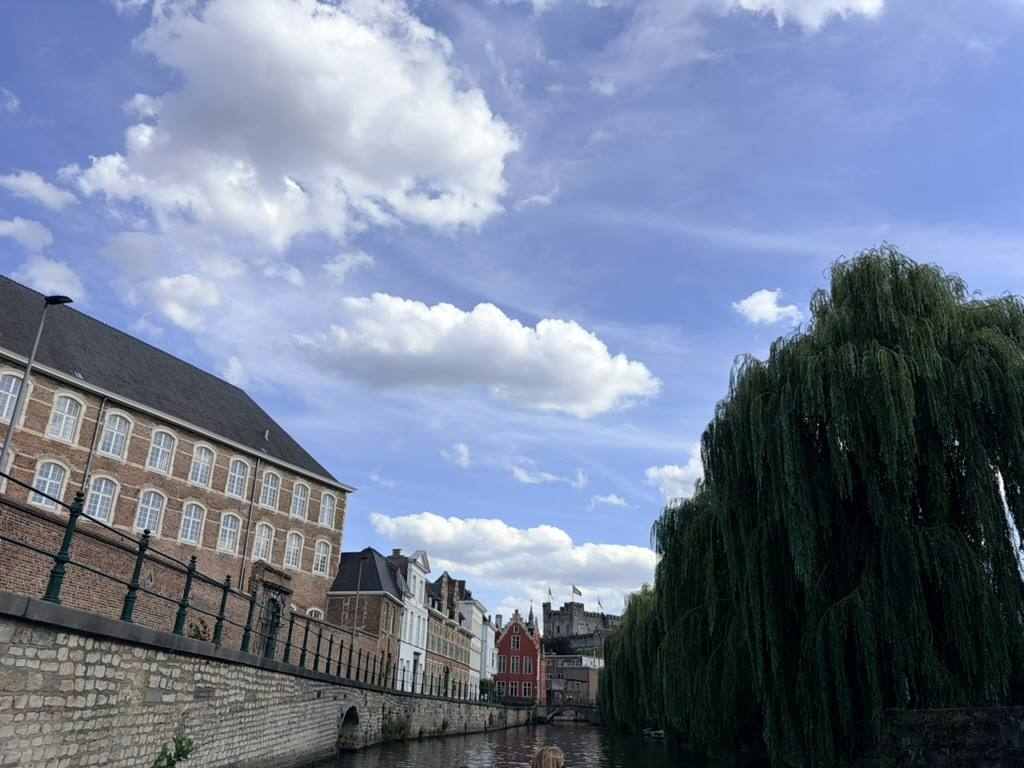
The Graslei in Ghent from a boat on the Leie, August 2026. This is the view everyone goes to Bruges for, in a city half as crowded · photo: ours
Belgium — Everything We Know
“We ordered a Belgian waffle, complete with strawberries, nutella and cream. Delish. We saw the famous Manneken Pis, which unknown to us was a whole foot tall and a bit of a let down.”
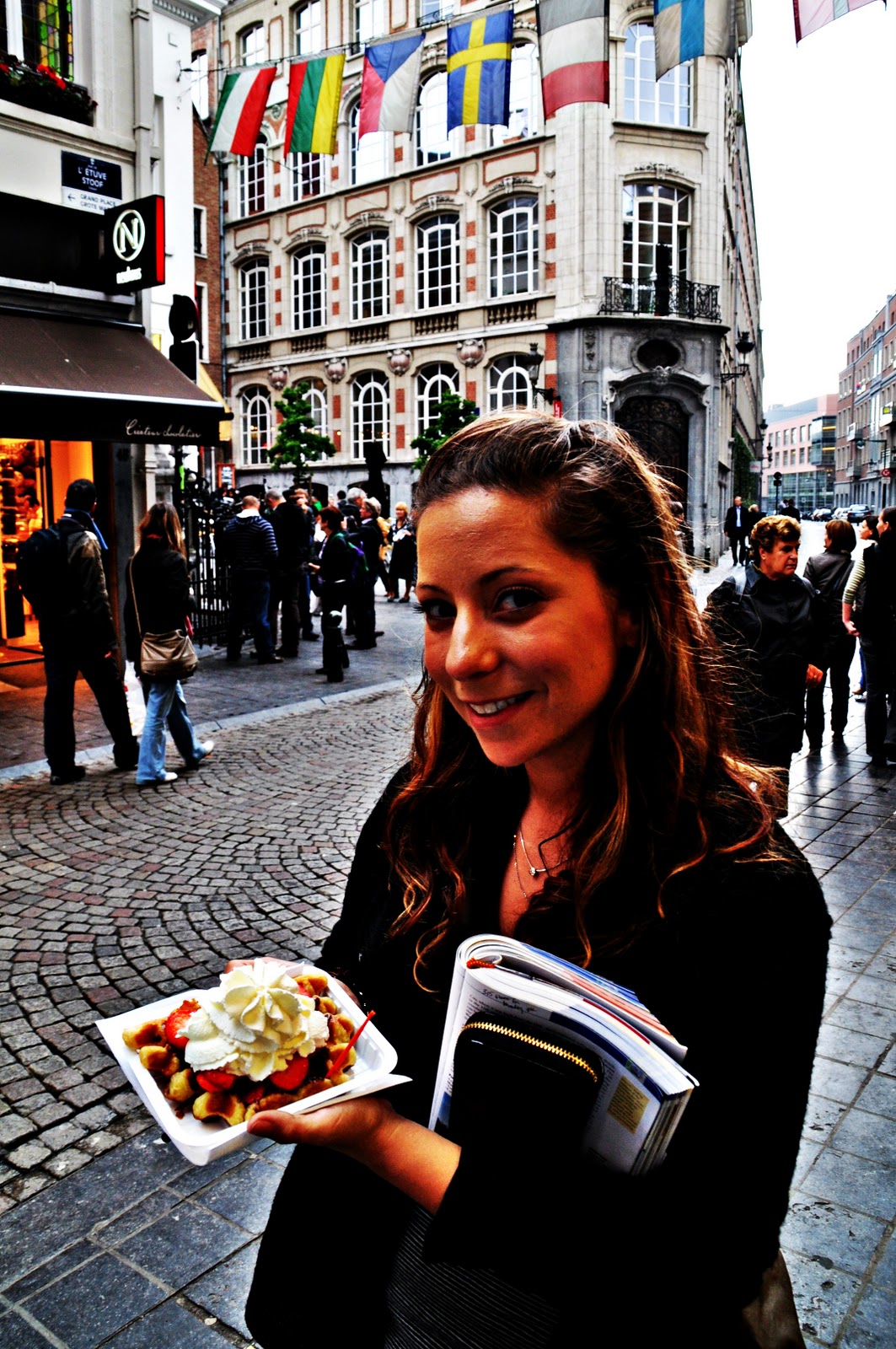
Belgium is the country people give three hours to and then wonder why they were not impressed. That is exactly what we did in 2010. We slept at a truck stop, drove into Brussels, clipped a guard post with the mirror in a tunnel, spent forever hunting a parking space, walked the Grand Place, ate one waffle, looked at a statue the size of a toddler, paid seven euros for parking and left for France.
I have been back twice this year and I was wrong about it. In March I went Amsterdam to Antwerp to Brussels to Bruges in three days on trains. In August we took Avilene and Poppy to Ghent for two days and then out to Waterloo. Belgium rewards you the second you stop treating it as a corridor between the Netherlands and France.
The honest version. Brussels is not beautiful. Most of it was rebuilt after the wars and it looks a bit like Washington DC with roundabouts, which is what Adam said in 2010 and it still holds. The Grand Place is genuinely one of the great squares in Europe and it is one square. Bruges is beautiful and by eleven in the morning it belongs to the day trip coaches. Ghent is the one I would send you to.
And the food is not a cliche. The fries really are better. The chocolate really is different. The waffle I am holding in that 2010 photo is the reason I still order one every single time.
Belgium City by City
You can cross the entire country by train in about three hours. Nothing here needs its own hotel unless you want one. These are the eight I would build a first trip around.
Brussels
Bruges
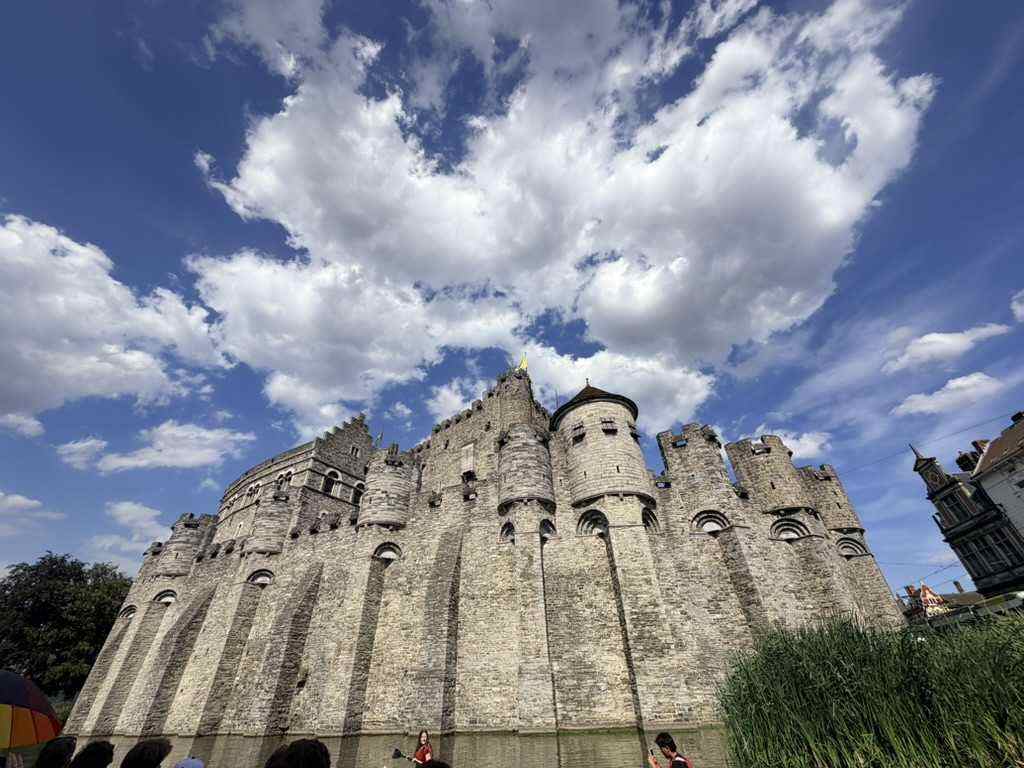
Ghent
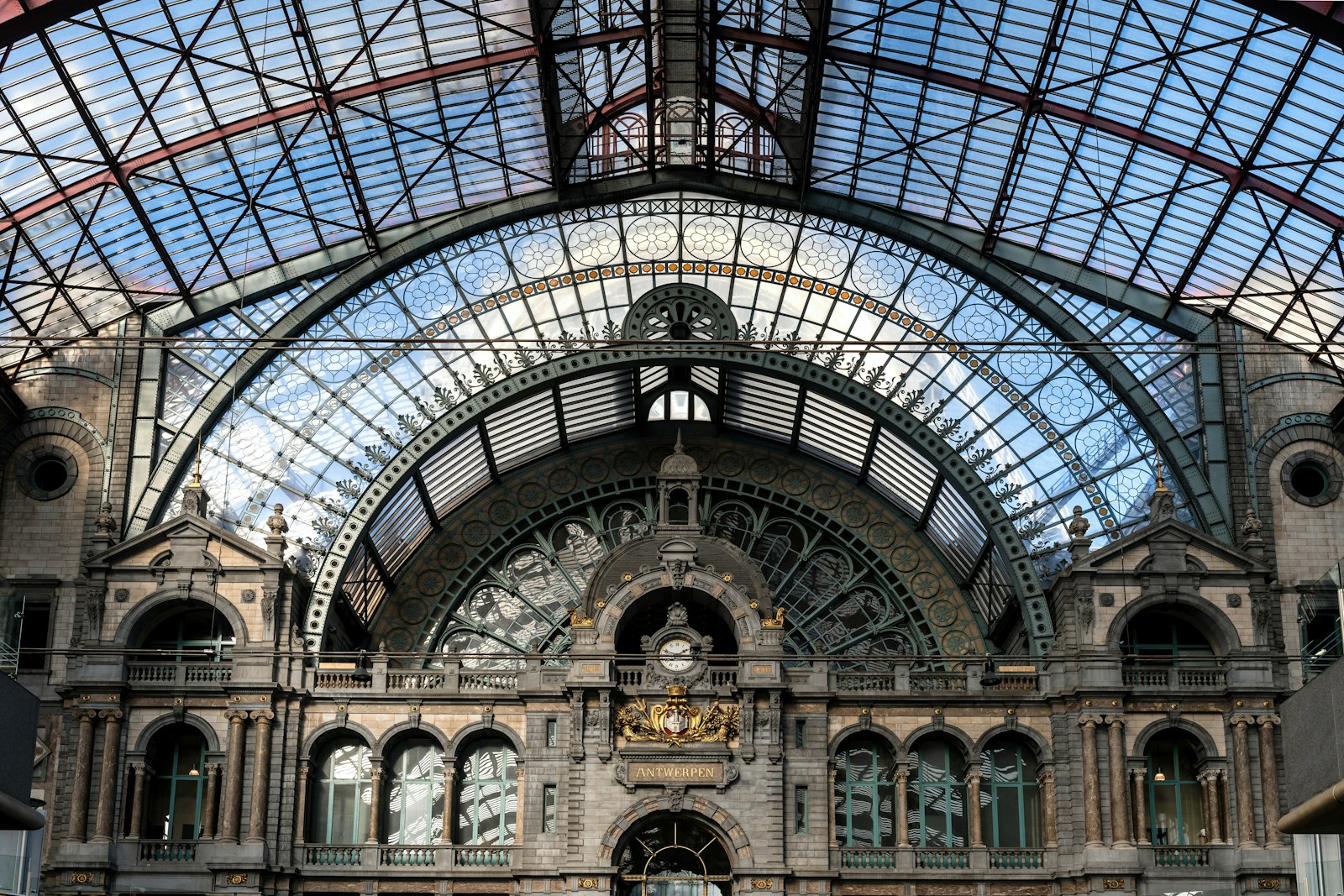
Antwerp

Leuven

Dinant
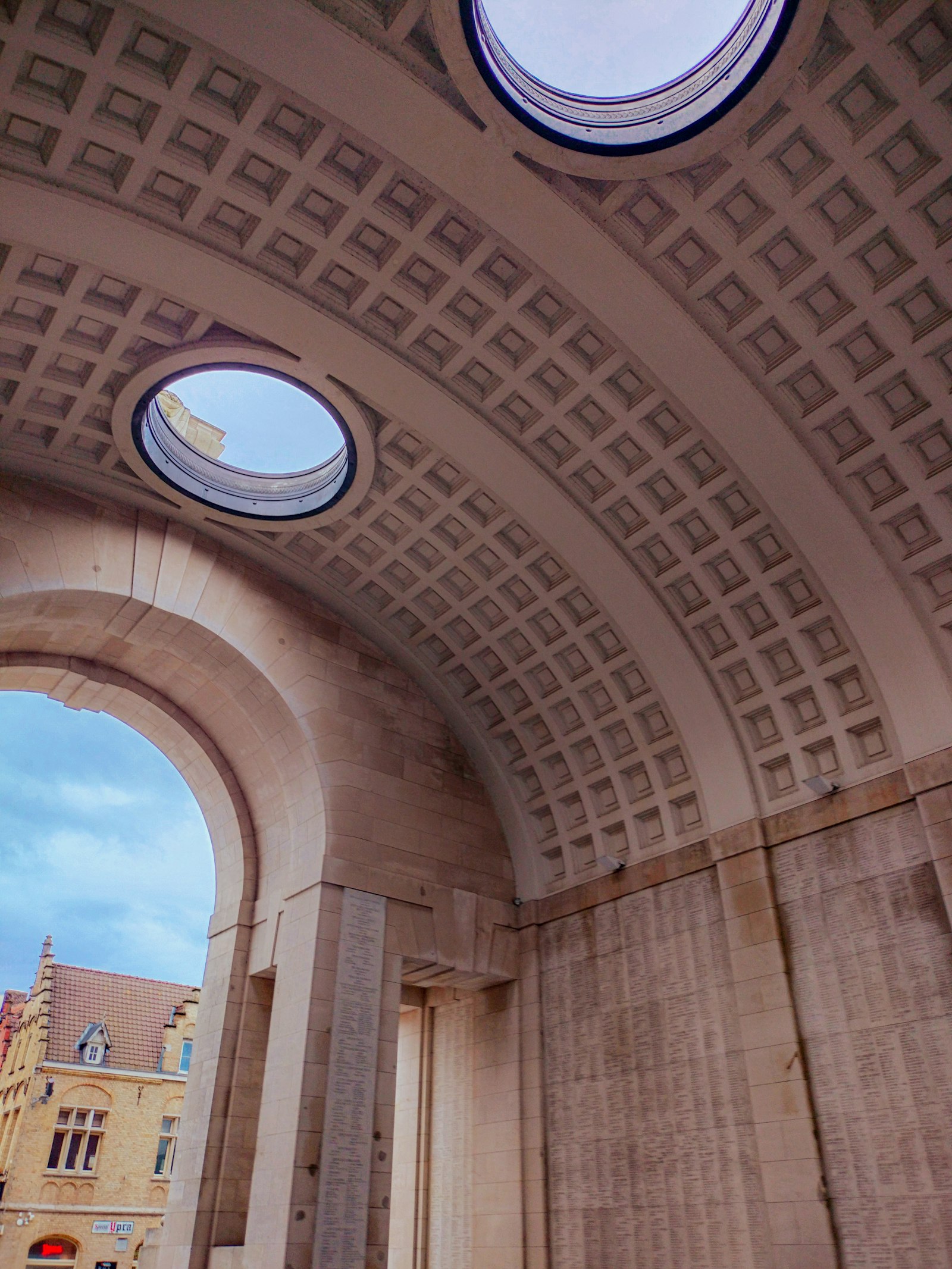
Ypres
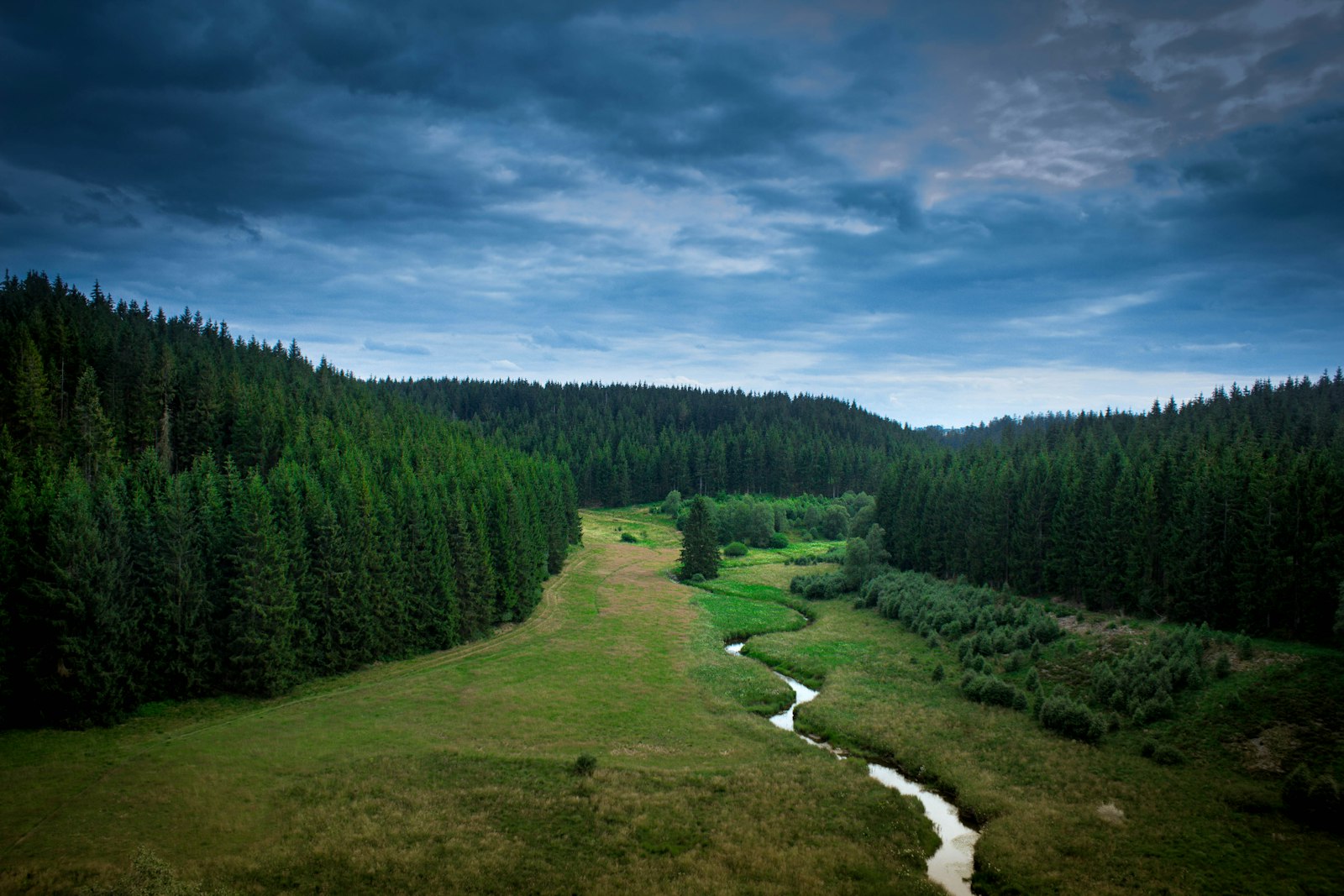
Ardennes
Why Belgium
Belgium is the easiest country in Europe to add to a trip you were already taking.
It sits between the Netherlands, France and Germany, it is smaller than Maryland, and the trains from all three run into it constantly. You do not need to build a holiday around Belgium. You need to stop refusing to give it more than an afternoon.
It is on the way to everything
Antwerp is an hour from Amsterdam. Brussels is under two. Paris is an hour and a half on Eurostar, London two. Adding three days here costs almost nothing in travel time.
The food is the reason
Fries, waffles, chocolate, mussels, beer. It sounds like a cliche until you eat it. The fries are fried twice, the waffles are two completely different things, and there are more than a thousand beers.
Three languages, one small country
Dutch in the north, French in the south, German in a small eastern corner, and everyone in Brussels switching between them. English works everywhere a tourist goes.
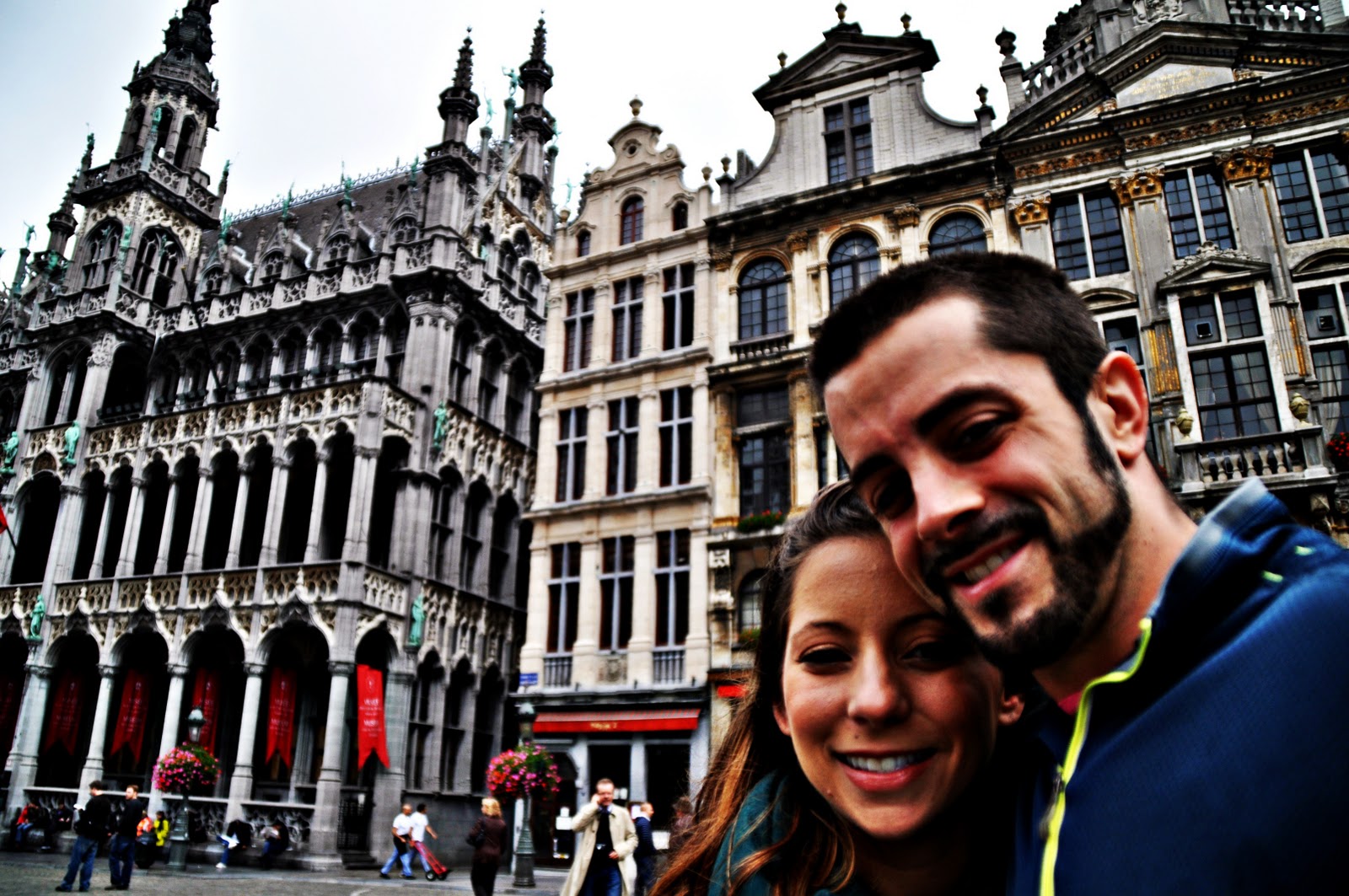
Brussels turned out to be quite nice and fairly new, due to a lot of war damage most of the buildings had to be rebuilt. The city has a similar look to DC, with a bit of age and roundabouts to make it more European.
Nicole Damiano, Brussels, September 2010Culture and Etiquette
Belgium is two cultures wearing one flag and it matters more than the guidebooks admit.
Open in the right language. Bonjour in Brussels and Wallonia, goedendag in Flanders. Opening in French in Ghent or Bruges lands badly. If you are unsure, say hello in English. That is neutral and nobody minds.
Beer is treated like wine. Each one has its own glass and the bartender will care about that. Do not order a pint of lager in a Trappist cafe and expect enthusiasm. Ask what they recommend instead.
Lunch is a real stop. Kitchens close, often from two until six or seven. If you turn up at half four hungry with kids, you are eating fries from a window, which honestly is not the worst outcome here.
Do not call it France, ever. Or the Netherlands. Belgians are funny and self deprecating about their own country and will happily insult it in front of you. That is theirs to do, not yours.
Rounding up is enough. Service is included. Leaving five to ten percent for a good sit down meal is generous and normal. Nobody is doing twenty here.

Ghent by boat in August 2026 with Avilene and Poppy. Forty minutes, about ten euros a head, and the dog was welcome without anyone blinking.
What to Eat
This is the one country where the food cliches are all true and all worth doing.
You will spend less on food here than in Amsterdam or Paris and eat better than in either. A frietkot, a chocolate shop and a bakery will feed a family of five for about twenty euros.



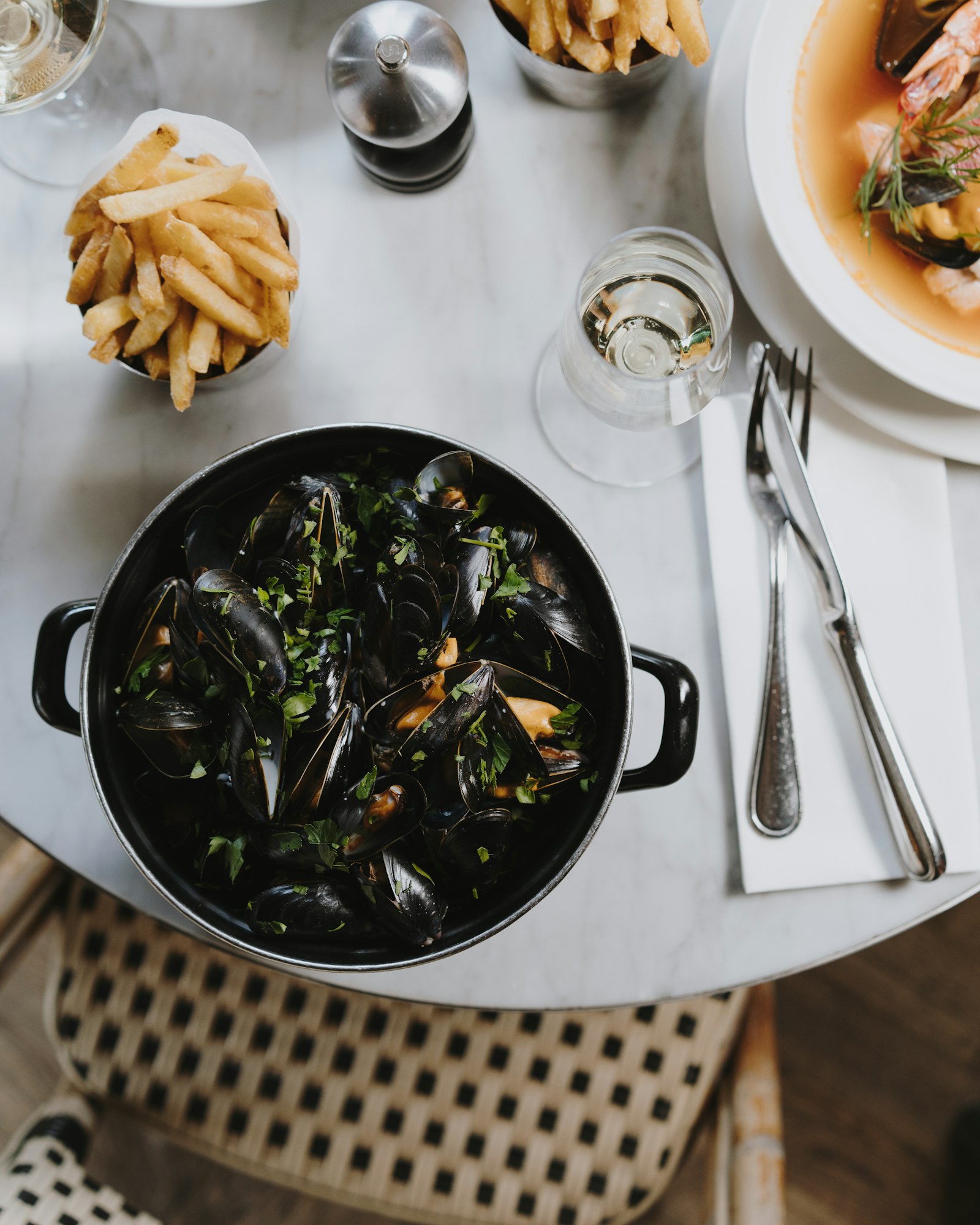
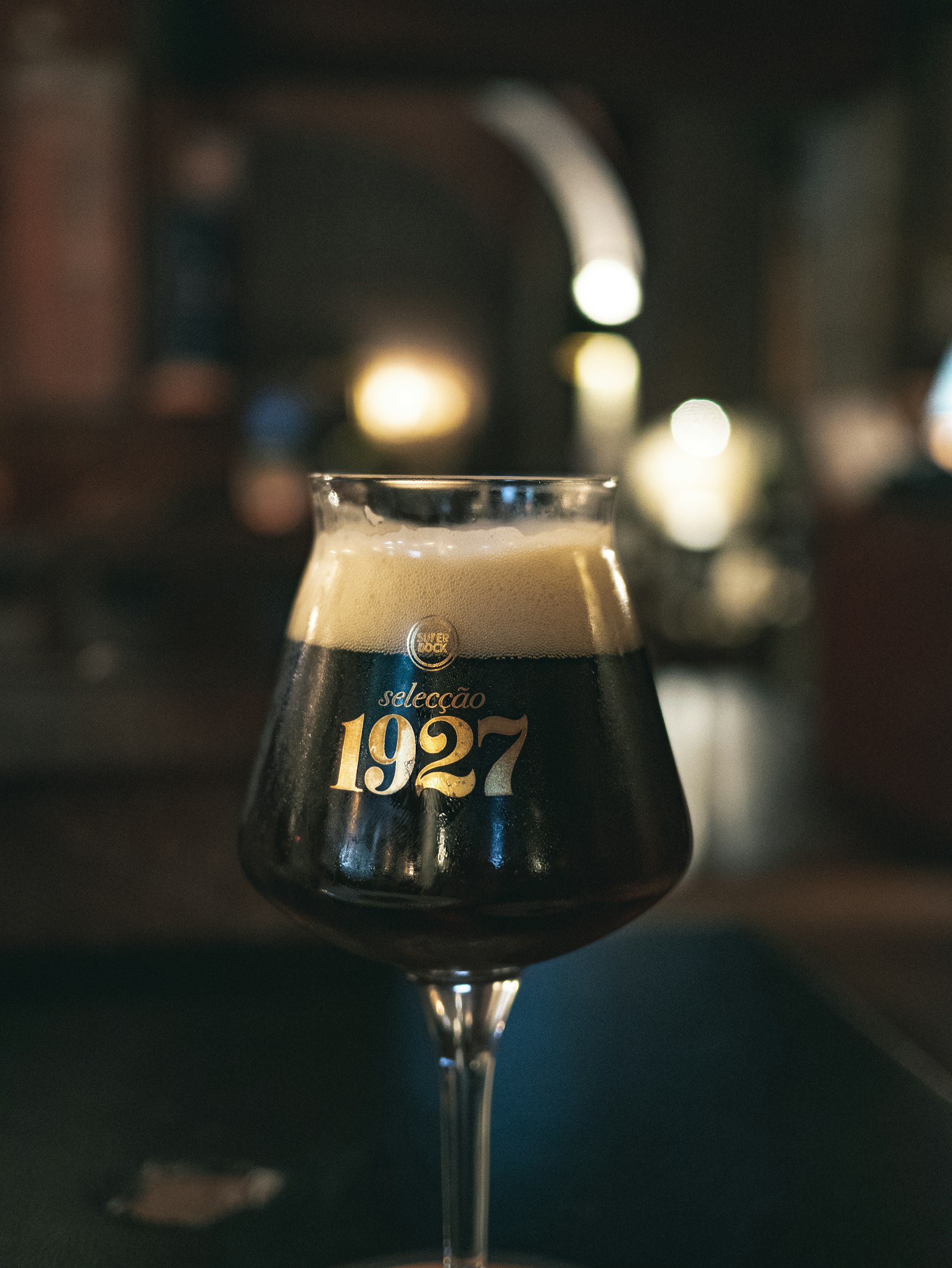
One more. Stoofvlees, beef slow cooked in dark beer, served with fries. It is what Belgians actually eat in winter and no tourist ever orders it.
Getting Around
Trains. Do not drive into the cities. We tried it in 2010 in an RV and it went exactly as badly as you would expect.
Belgian rail is dense, frequent and cheap by European standards. Brussels to Ghent is half an hour, Brussels to Bruges an hour, Antwerp to Brussels forty minutes. Almost every city centre station puts you inside walking distance of the old town.
There is a weekend return discount and a ten trip Rail Pass that works out cheaper than singles if you are moving around. Kids under twelve travel free with an adult, which is a genuinely large saving for a family of five.
Brussels driving is the part I would warn you about. On our first visit we clipped a guard post with the mirror inside a tunnel, hunted for a legal space for what felt like an hour, and then crept out of the city with the mirrors folded in because eighty thousand people were arriving for a rally. A police officer told us to just park and wait it out. He was right.
If you do want a car, keep it for Wallonia. Dinant, the Ardennes and the Battle of the Bulge sites are genuinely hard without one, and the roads down there are empty.
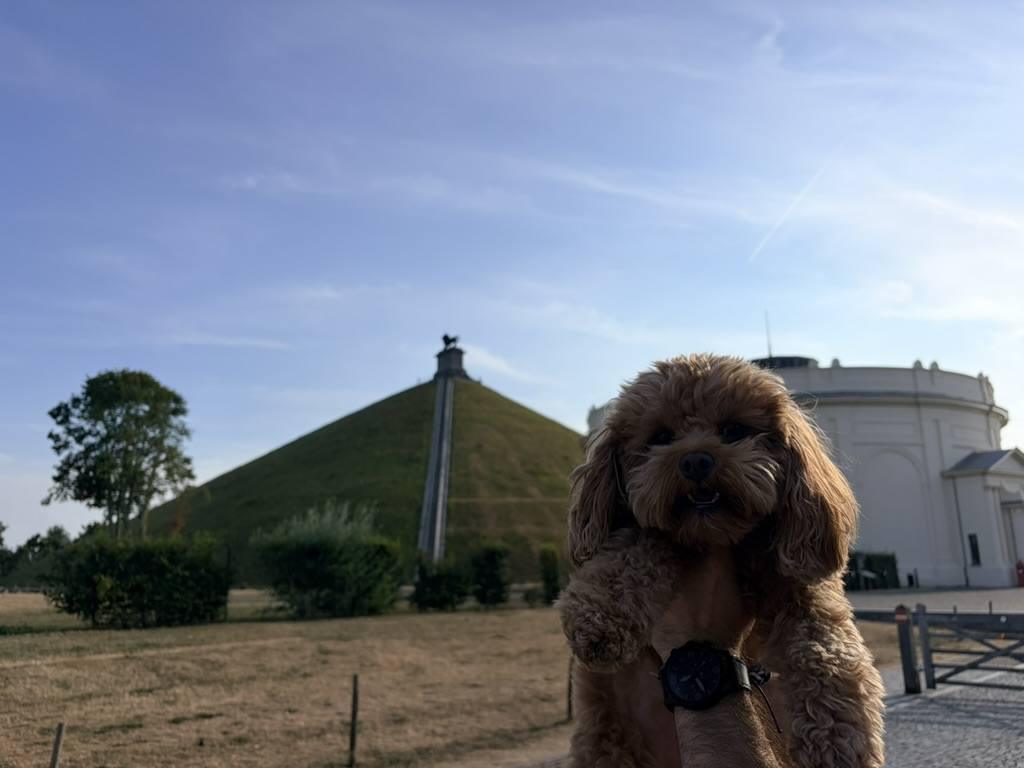
Waterloo, twenty minutes south of Brussels. The Lion Mound is a man made hill with two hundred and twenty six steps and a very good view of a very flat field. Poppy did not climb it.
Money and Practical Basics
Euros, and cheaper than its neighbours. A family room runs roughly 120 to 190 euros a night in Ghent or Bruges, more in central Brussels during EU summit weeks. Food is noticeably cheaper than Amsterdam.
Cards work almost everywhere but frietkots, market stalls and some small cafes are cash only or have a card minimum. Carry twenty euros in coins and small notes.
Toilets cost fifty cents to a euro including in some train stations and fast food places. There is often a person sitting at the door with a saucer. Have coins.
Brussels parking is punishing. We paid seven euros for a three hour visit in 2010 and it has not got cheaper. Use a Park and Ride on the metro line and take the train in.
Almost nothing needs booking weeks ahead. This is one of the real pleasures of Belgium after the Netherlands. The exception is the Ghent Altarpiece viewing slots and the Christmas market weekends.
Dogs are welcome nearly everywhere. Poppy came on the canal boat in Ghent, sat in cafes and rode the trains. Nobody asked a single question.
When to Go
Same weather as the Netherlands. Grey, damp, changeable, and it rains a bit in every month. Nobody comes to Belgium for the climate.
Spring
April and May. Cool, wet, and the cheapest window before the summer coaches arrive. I did Antwerp, Brussels and Bruges in early March and it was cold, bright and almost empty. Bring layers and go anyway.
Summer
June to August is warm, busy and the best time on the water. We did Ghent by boat in August and it was perfect. Bruges in the same month is a wall of people from eleven to four.
Autumn
September and October. Mussel season starts, the coach traffic drops off, and the light on the canals is at its best. If you can only pick one month, pick September.
Winter
Cold, dark and genuinely lovely from late November. The Christmas markets in Brussels, Bruges and Ghent are some of the best in Europe and the cities are otherwise quiet. January and February are dead.
How Many Days and How to Route It
Here is the honest answer nobody selling you a tour will give. Belgium does not need a week.
One day. Do not do Brussels. Do Ghent or Bruges instead, straight from Brussels Midi, and be back on a train by evening. One day in Brussels gets you the Grand Place and a queue for a small statue.
Three days. The right answer for most families. Base in Ghent. Bruges as a half day, Brussels as a half day, one full day in Ghent itself. Everything is under an hour apart.
Five days. Add Antwerp for the station, the zoo and the diamond quarter, and either Ypres and the Flanders battlefields or Dinant and the Ardennes. Those two pull in opposite directions, so pick one.
Bolt it on. The best way to do Belgium is inside a bigger trip. Amsterdam to Antwerp is an hour. Brussels to Paris is an hour and a half. That is what we did in March and it barely felt like moving.
Regions at a Glance
Flanders
The Dutch speaking north. Bruges, Ghent, Antwerp, Leuven. Canals, belfries, gabled houses and almost all of the postcards. This is where most first trips stay.
Brussels
Its own bilingual region in the middle. The Grand Place, the EU quarter, Art Nouveau houses, comic strip murals and the best museums in the country.
Wallonia
The French speaking south. Dinant, Namur, Liege, the Meuse valley and the Ardennes forests. Hills, caves, castles, kayaks and hardly any American tourists.
The Coast
Forty two miles of North Sea beach linked end to end by a single tram line, the Kusttram. Ostend and De Haan. Windy, sandy and where Belgian families actually go.
Where to Go in Belgium
Marked Ours where we have actually stood there, and Advisor guidance where I am telling you what I know from planning it rather than from my own feet.
Ghent. Ours. The best city in Belgium and the one nobody plans for. Gravensteen castle sits in the middle of town with a moat and a dungeon and it costs about thirteen euros. The boat trip on the Leie is forty minutes and the dog came with us. Students everywhere, so it is cheap and it is awake at night.
Brussels. Ours. Give it a half day and give that half day to the Grand Place, which really is extraordinary. Manneken Pis is a foot tall and you will laugh at yourself for walking to it. Go anyway, it is two minutes away, and he is usually dressed in something ridiculous.
Antwerp. Ours. The central station is the reason to stop. Four levels of platforms under a stone and glass dome that people call the railway cathedral, and it is free to walk through. The zoo is next door and it is one of the oldest in the world.
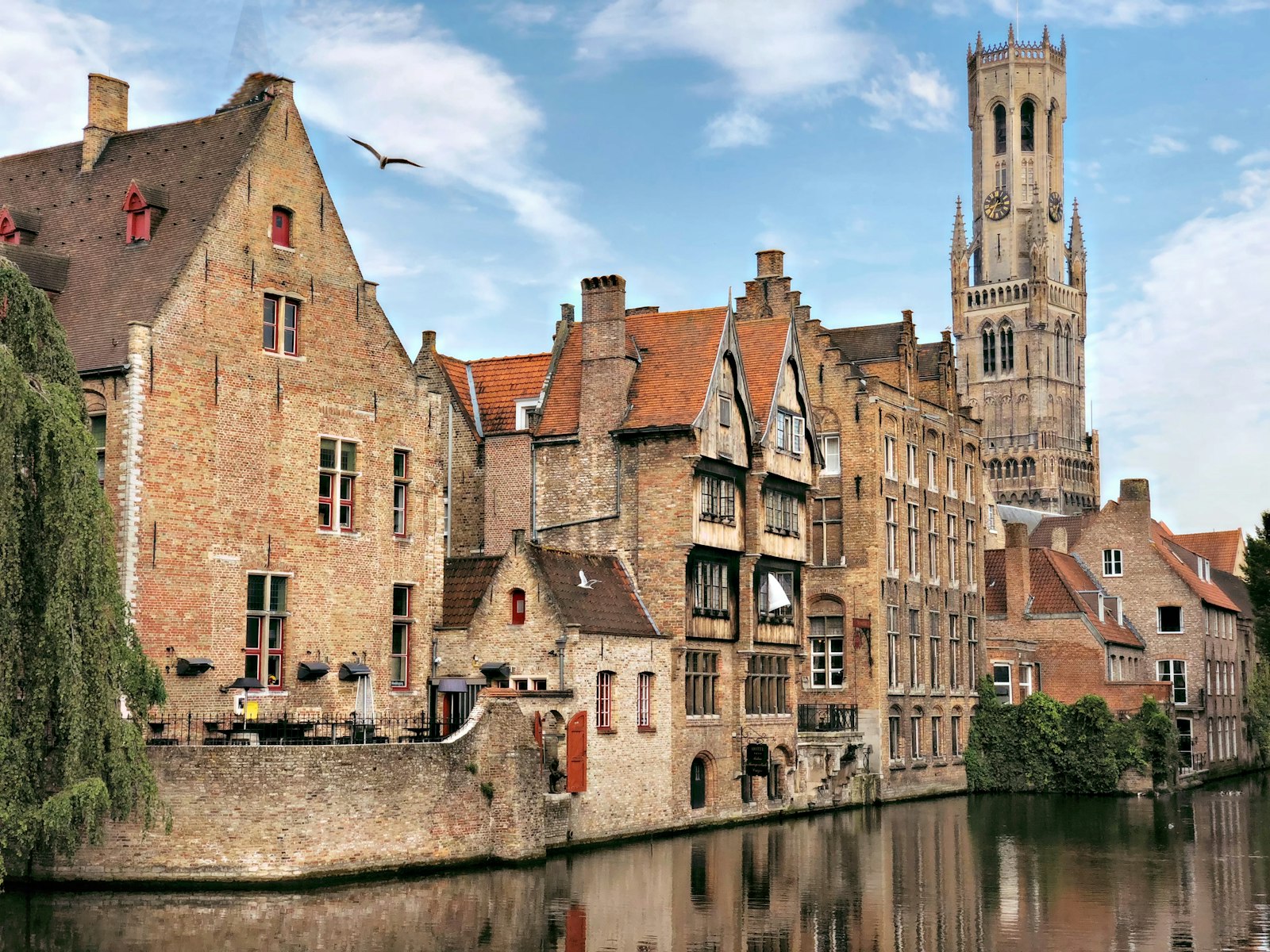
Bruges. Ours. Beautiful, and I will not pretend otherwise. Also completely overrun between about eleven and four when the day trip coaches and the cruise passengers from Zeebrugge arrive. Stay the night or come in the morning. The Church of Our Lady holds a Michelangelo, which almost nobody expects.
Waterloo. Ours. Twenty minutes south of Brussels. A very flat field, a very large artificial hill with two hundred and twenty six steps, and a good underground museum. Worth it if anyone in your family cares about history. Genuinely boring if nobody does.
Leuven. Advisor guidance. Twenty minutes from Brussels and half an hour from the airport. A university town since 1425 with a town hall covered in three hundred statues. Great first or last stop if you are flying in or out of Zaventem.
Ypres and Flanders Fields. Advisor guidance. The Last Post has been sounded under the Menin Gate every single evening since 1928, except during the German occupation. It is free and it takes five minutes and it is the most affecting thing in the country. Best for kids over about eleven.
Dinant and the Ardennes. Advisor guidance. The other Belgium. A town wedged between a cliff and the Meuse, the birthplace of the saxophone, and then forest, caves and kayaking rivers south of it. You want a car and two nights minimum.
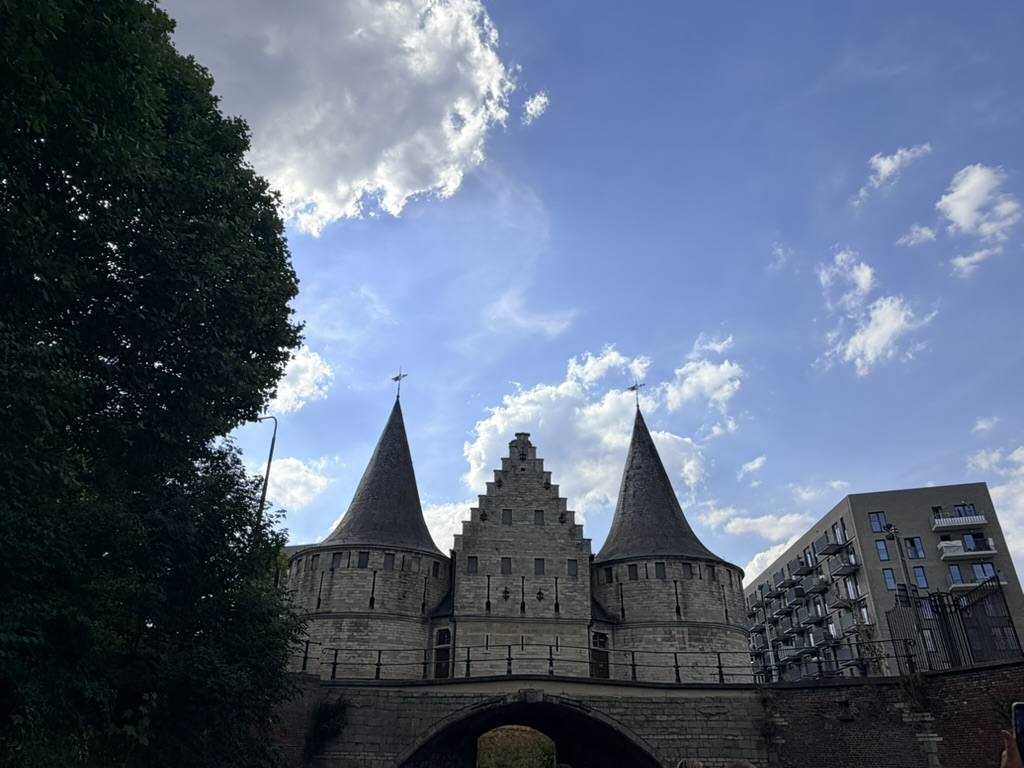
The Rabot in Ghent, a fifteenth century water gate now sitting in the middle of an ordinary neighbourhood. No queue, no coach park, and nobody there but us.
Family Travel Considerations
We did Ghent and Waterloo in August 2026 with a nine year old and a dog, so this part is from this summer.
Kids under twelve ride the trains free. Up to four children with each paying adult. For a family of five moving between cities every day, that is the difference between Belgium being cheap and Belgium being expensive.
Gravensteen is the win. A real moated castle in the middle of a real city, with a genuinely funny audio guide the kids will actually listen to. Around an hour and a half and it converts the child who is tired of churches.
Comic strips are a national art form. Tintin and the Smurfs are Belgian. Brussels has a comic book museum and a walking route of enormous painted murals on the sides of buildings, and it is free.
Build in a chocolate workshop. An hour, usually 30 to 45 euros a child, and they make and keep their own bar. It is the single easiest rainy afternoon fix in the country.
Distances are tiny, so let them be bored slowly. Nothing is more than an hour away. Skip the third church. Sit on a square, order fries, and let the day go.
Splurge-Worthy Experiences
A night inside Bruges
The whole trick to Bruges is being there when the coaches are not. Sleeping in the old town costs maybe 60 euros more than a day trip and buys you the square at seven in the morning and again at nine at night with nobody in it.
A proper beer tasting with a guide
Around 35 to 50 euros a head for two hours and five or six beers with someone who can explain why a lambic tastes like that. Do it early in the trip so the rest of the week you know what to order.
The Ghent Altarpiece up close
The Adoration of the Mystic Lamb in Saint Bavo Cathedral, in its restored state, with the augmented reality guide. About 16 euros. It is a six hundred year old painting and it looks like it was finished last year.
Kayaking the Lesse in the Ardennes
Twelve or twenty one kilometres of river from Houyet or Gendron down to Anseremme, past the castle at Walzin. Around 25 to 30 euros a person, half a day, and it is the version of Belgium nobody photographs.
What Surprises First-Timers
Manneken Pis is tiny. A foot tall, behind railings, on an ordinary corner. Everyone is briefly disappointed and then everyone takes the photo. He has a wardrobe of about a thousand costumes and a museum for them.
Fries are Belgian, not French. They will tell you. There is a national museum of fries in Bruges and it is not a joke. The good ones come from a frietkot, a shack, not a restaurant.
Brussels is genuinely international. Around a third of the population was born abroad. It does not feel like a small European capital, it feels like a working city that happens to run a continent.
The country runs on compromise. Two languages, two governments, one king, and a period in 2010 and 2011 when it went 541 days without a federal government and nothing much happened. Belgians find this funny.
Go Deeper
The posts behind this guide. The 2010 one was written from the road, in the middle of a six week drive across ten countries.