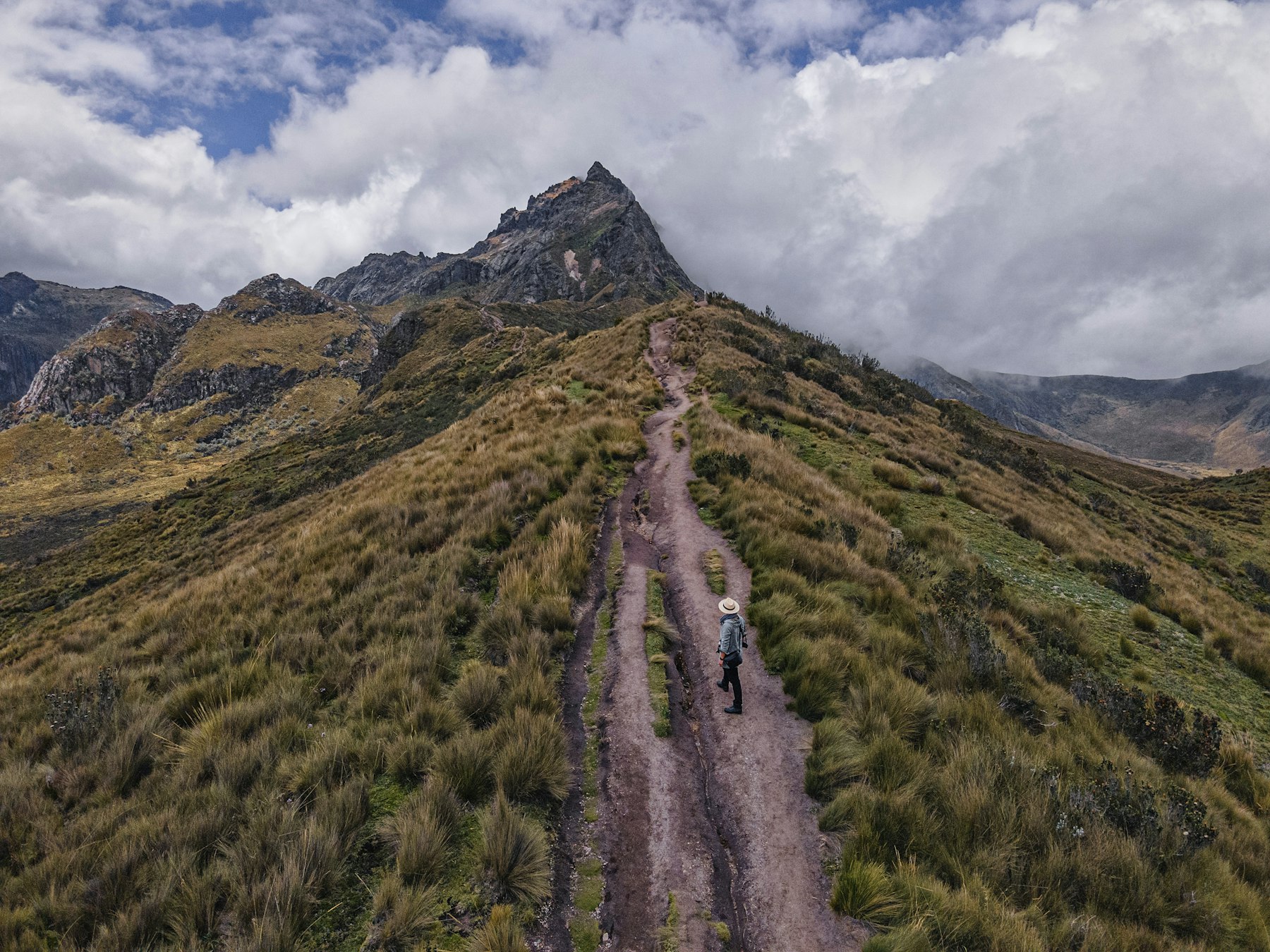
The Andes. Seven thousand kilometers of them, running the whole length of the continent, and they decide almost everything about a South American trip
South America: Everything We Know
“South America is not one trip. It is six or seven completely different ones, and the single most useful thing an advisor can do is stop you from booking three of them at once.”
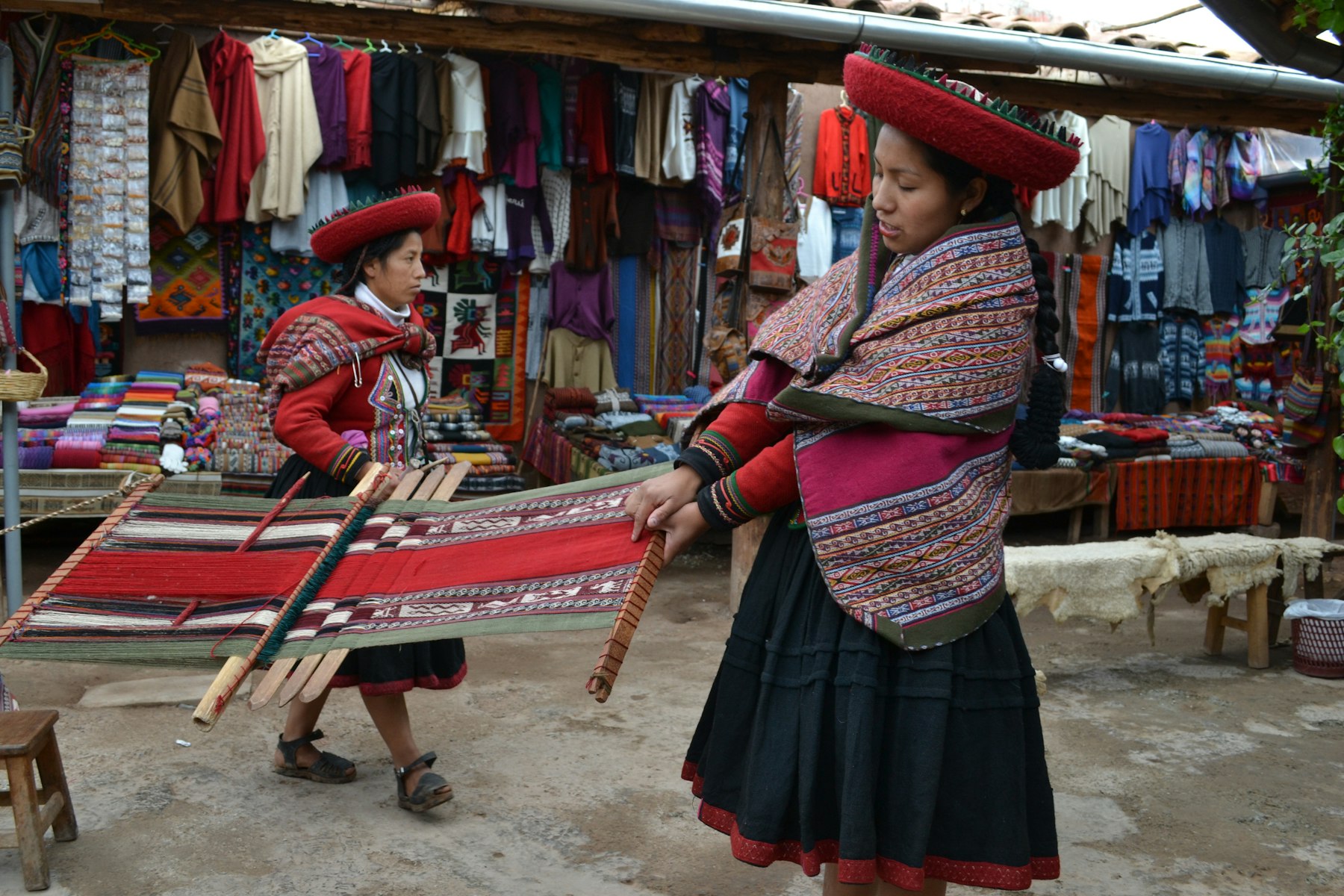
South America is the continent people put off. It is further than Europe, it feels harder than the Caribbean, and there is a vague sense that you need to be a certain kind of traveler for it. None of that is really true any more, and the families I send come back changed in a way that a week in Cancun does not do.
Adam and I did Peru in September 2025. Lima, the Sacred Valley, Machu Picchu, Cusco. The rest comes from planning it, from the operators I work with, and from the debriefs afterwards.
The mistake is almost always the same. An itinerary with four countries and eleven nights, because they all fit on one page of a map. Brazil alone is bigger than the contiguous United States. Chile is four thousand kilometers long. Buenos Aires to Bogota is a longer flight than New York to Los Angeles. Pick one country, or two that share a border you can actually cross, and give them the time.
Explore South America by Country
Six full country guides so far, each with what it is good at, who it suits, and who should skip it. More are coming as we build them.


How Many Countries in One Trip
This is the question that decides whether a South American trip works. The honest answer for a two week trip is one country, or two if they share a border crossing you can use. Everything else is arithmetic you will lose.
The scale is hard to picture. South America is one and a half times the size of the United States. Bogota to Buenos Aires is six and a half hours in the air. Lima to Santiago is three and a half. There is no equivalent of a two hour European hop between capitals except in a few specific cases.
Almost nothing connects directly. Regional flights route through Lima, Bogota, Sao Paulo, Santiago or Panama City. A leg that looks like it should take two hours frequently takes seven with a connection. Budget three hundred to five hundred dollars a person for each international hop.
The pairings that work. Peru and Ecuador, because both are Andean and the flight is short. Argentina and Chile, because Patagonia straddles both and there is a bus. Argentina and Brazil, because Iguazu sits on the border and you walk across it. Colombia and Ecuador, because it is a short hop and the cultures rhyme.
The pairings that do not. Peru and Brazil. Colombia and Chile. Anything with three countries in under sixteen nights. These are the itineraries I talk people out of every year and nobody has ever come back and told me I was wrong.
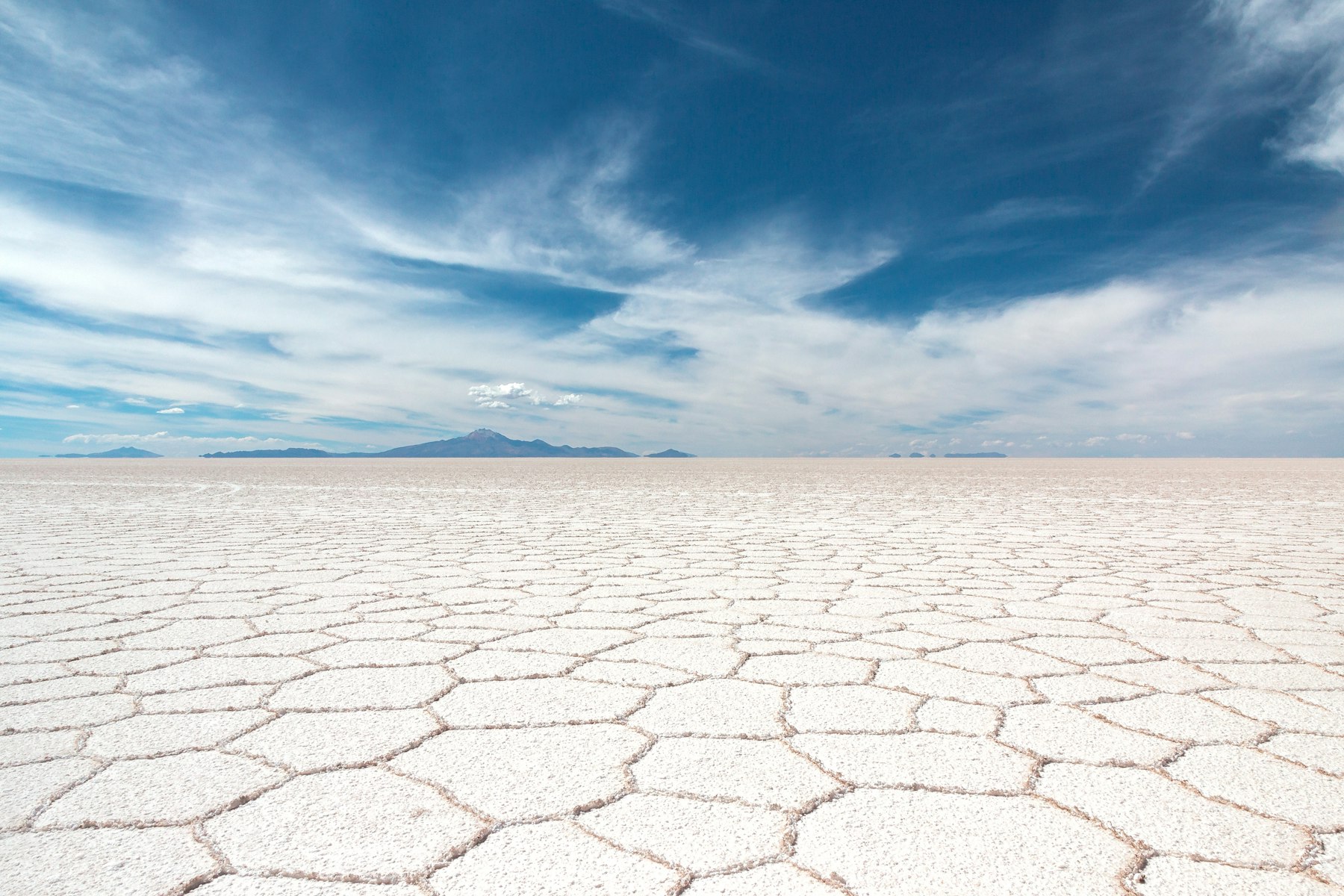
The Salar de Uyuni in Bolivia. There is no guide for Bolivia on this site yet and it is high on the list, because this and the Death Road and Lake Titicaca are all in one country nobody plans properly.
Altitude Is the Thing That Ruins Trips
Half of South America sits above two thousand five hundred meters. It is the single most common reason a family loses days, and it is completely manageable if you plan for it rather than discovering it.
The numbers you actually need. Cusco is three thousand four hundred meters. La Paz is three thousand six hundred and forty. Quito is two thousand eight hundred and fifty. Bogota is two thousand six hundred and forty. For comparison, Denver is one thousand six hundred. These are not the same category of problem.
Sleep low, climb high, and never on night one. Land somewhere lower and go up in stages. In Peru that means the Sacred Valley before Cusco. In Ecuador it means two easy nights in Quito before Cotopaxi. In Bolivia it means not flying straight into La Paz, which almost everybody does.
Children get it too and hide it. A child who is quiet, off their food and has a headache after a flight into the Andes is not tired. Build a empty day into the first forty eight hours and treat it as non negotiable.
Talk to your doctor before you go, not after. Acetazolamide has to start a day or two before ascent. That means the conversation happens at home. Whether it suits your children is a paediatric question, not a travel blog question.
The Regions of South America at a Glance
It helps to stop thinking of the continent as twelve countries and start thinking of it as five regions, because the regions are what actually determine the trip.
The Andes. From Colombia down to Chile, and the reason for the altitude, the ruins, the alpacas and the markets. Peru, Ecuador and Bolivia are the heart of it and Colombia is its northern edge.
The Amazon basin. Nine countries share it and Brazil has most of it. Go for the scale and the river and the lodges. Do not go expecting a wildlife documentary, because the canopy is closed and the animals are in it.
The Caribbean and Atlantic coast. Cartagena, Santa Marta, Tayrona, the Bahian beaches and the whole Brazilian shoreline. Warm water, colonial ports, and the part of the continent that feels closest to the islands.
Patagonia and the far south. Shared between Argentina and Chile. Glaciers, granite, wind and expense. It is a trip of its own and it deserves to be treated as one.
The desert north and the Pacific coast. The Atacama, the Peruvian coastal desert, the Nazca lines and the Humboldt current. Almost no rain, extraordinary night skies, and cold gray sea the entire way up.
Getting Around a Continent
Fly the long legs and stop trying to be clever. Domestic flights inside Peru, Colombia and Ecuador are cheap. Inside Brazil, Chile and Argentina they are not, and they need booking months out. LATAM, Avianca, GOL, Azul and Sky cover most of the map.
The buses are far better than their reputation. Argentina, Chile and Brazil run long distance coaches with seats that lie flat and meals included. An overnight is a comfortable way to save a hotel night between adults. With small children it is a long night.
Drive in Chile, Argentine Patagonia and small pockets elsewhere. Chile is the easiest driving country on the continent. The Colombian coffee region and Ecuador work with a driver rather than a rental. Do not plan to drive between regions in Brazil or Peru.
Use ride apps in every city. Uber, 99, DiDi, Cabify, Beat. They are tracked, cheap and the local default. This is the most useful single security habit on the continent and it costs nothing.
Money Across the Continent
Every country is different and one uses the dollar. Ecuador is officially dollarised, which removes the whole question. Argentina has its own currency situation that changes faster than any printed advice. Peru, Colombia, Brazil and Chile are ordinary and card friendly in the cities.
Cards in cities, cash in markets. That rule holds everywhere. Take money out at a bank ATM inside a branch, never a standalone machine on the street, and always decline the machine’s offer to convert to your own currency.
What things actually cost. Roughly, from cheapest to dearest for the same family week: Colombia, Ecuador, Peru, Argentina, Brazil, Chile. Chile costs about what southern Europe costs. Colombia costs about half that. Patagonia and the Galapagos sit outside the pattern entirely and cost what they cost.
The flight is the big line and it does not scale. Getting five people to South America is the single largest cost in most of these trips, and it is the same whether you stay nine days or nineteen. That is the strongest argument for going for longer and for fewer countries.

An Andean condor. Three meter wingspan, and the reason the Colca canyon in Peru is on so many second trip lists.
Safety, Said Plainly
This is the conversation that stops families booking, and it deserves a straight answer rather than either reassurance or alarm.
Read advisories by region, never by country. Every one of these countries has areas at the reassuring end and areas at the alarming end, and the tourist regions are almost always at the reassuring end. A country level headline tells you nothing useful about the place you are actually going.
The real risk is theft, not anything dramatic. Phones and bags in crowds. It is the same risk profile as Barcelona, Naples or Paris, at a somewhat higher frequency. Nothing flashy, nothing in your hands on the street, a cheap phone for the beach.
Cars at night, walking by day. Universal advice from everybody who lives there. Ride apps after dark, even short distances. This is not fear, it is the local norm.
Where I would not take a family right now. Venezuela. The Colombian and Ecuadorian border departments. Coastal Ecuador around Guayaquil, which has changed for the worse since 2023. Rural areas away from established tourist corridors in most countries. There is more than enough continent left.
When to Go
The continent crosses the equator, so there is no single season. Roughly, the northern countries run on wet and dry and the southern ones run on an inverted summer and winter.
December to March is southern summer. Patagonia is open, Brazil is hot and at peak, Buenos Aires is emptied out by locals going to the coast. It is the only window for deep Patagonia and it is the priciest one.
April, May, September and October are the sweet spot for most of it. Shoulder everywhere. Peru and Ecuador are between rains, Argentina and Chile are pleasant, Colombia is fine, Brazil is drier in the southeast. If you can travel outside school breaks, go now.
June to September is the Andean dry season and southern winter. Best weather at Machu Picchu and in the Atacama, best wildlife in the Pantanal, skiing in Chile and Argentina, and Patagonia largely shut. It also lines up with the northern summer trips, which is why it is busy.
January to March is wet in the Andes. Cloud on the ruins, the Inca Trail closed for February, and much lower prices. Perfectly travellable if you are flexible about views.
Food, Continent Wide
The single most underrated thing about South America and the thing people talk about most when they get home. Six countries and six different cuisines, with almost nothing in common except that none of them are spicy in the way people expect.
Peru is the best of them and it is not close. Ceviche, lomo saltado, anticuchos, and four hundred years of Japanese and Chinese influence layered onto an Andean larder. Lima is a serious eating city by any measure.
Argentina is beef and Italy. Asado, empanadas, milanesa, and ice cream that would hold its own in Rome. It is the easiest country on the continent for a fussy child and the hardest for a vegetarian.
Brazil is regional to the point of being three cuisines. Beef in the south, Japanese and Italian in Sao Paulo, and West African cooking in Bahia that tastes like nowhere else in the Americas.
Colombia and Ecuador are corn, plantain and extraordinary fruit. Arepas, bandeja paisa, llapingachos, and a dozen fruits that have no English name and never leave the continent. Order the fresh juices at every meal.
Chile is the sea. Four thousand kilometers of cold Pacific and shellfish that people fly in for. Mild, simple, and superb when it comes out of the water.
Doing It With Children
Eight is roughly the floor
Below that the flights, the altitude and the archaeology are hard to justify. Costa Rica and Mexico do the same job for a young family and this site has guides for both. From eight upward South America is one of the great trips of a childhood.
Children are welcome
Across the whole continent. Late dinners, no sighing when a toddler is in a restaurant, and strangers who talk to your children rather than round them. It resets what families expect after Europe.
Longer, not more
The flight cost is fixed. Sixteen nights in one country beats eleven nights across three, every single time, and it is usually the same money.
Where I Would Actually Start
If you have never been to South America and you are choosing one country, here is the order I recommend and why.
Peru first. It has the single biggest set piece on the continent, the best food, easy internal flights and a tourism industry built for exactly this trip. It is the only one of the six I have been to and it is still the one I recommend most.
Ecuador if the budget is tight or the children are younger. Same Andes, half the distance, uses the dollar, and the Galapagos sitting there if you can stretch to it. The best value country on the continent.
Colombia if you want warmth and a short flight. Closest to the United States, cheapest of the six, and the easiest first step for a family that is nervous about the continent.
Brazil for beaches and a great city in one trip. And nothing else on this list gives you that combination.
Combine It With
South America is not the only half of this hemisphere we have written up. If it is not the right trip this year, these are the guides to read next.
The other half of the map. The United States, Canada and Mexico, plus every Caribbean island we have covered.
The soft landing. Rainforest, volcanoes and wildlife with none of the altitude and half the flying, and it works with much younger children.
Two to four hours away, ruins, food and coast. If South America is not this year, this is the trip that scratches the same itch.
Every South America & the Caribbean guide, in one place
Country by country, city by city. Start anywhere.
Caribbean & Central America
Further south
