- Home
- About Nicole
- Explore the World
-
Travel Library ▾
Proud affiliate of Favorite Grampy Travels

Torres del Paine. Four thousand kilometres from the Atacama, in the same country, and that sentence is the whole planning problem
Chile — Everything We Know
“Chile is two thousand six hundred miles long and eleven miles wide at its narrowest. You cannot do Chile. You can do one Chile, and you have to choose which.”

I have not been to Chile. This page is advisor knowledge, from planning it and from the operators I use in Santiago and Puerto Natales, and I would rather put that at the top than write around it.
The mistake I stop most often is the itinerary that tries to have everything. Somebody sends me Santiago, Atacama, Easter Island and Torres del Paine in twelve days. That is four flights, two of them five hours, and it is not a holiday. The Atacama and Patagonia are not two stops on one trip. They are two separate trips that happen to share a passport.
What I actually recommend for a first Chile is unglamorous and it works. Santiago and Valparaiso for three nights, then pick one end of the country, and give it eight. Everyone who has done it that way has come home saying they want to go back for the other end, which is exactly the right outcome.
Chile Place by Place
Eight places worth naming, running roughly north to south. The distance between the first and the last is the distance from Norway to Morocco.

Santiago

Atacama

Patagonia

Valparaiso

Torres del Paine

Easter Island

Pucon

Chiloe
A Four Thousand Kilometre Country You Cannot Do
Chile runs from the driest desert on earth to glaciers, through wine country, lake district and temperate rainforest, in a strip narrow enough to drive across in two hours. That geography is the reason it is extraordinary and the reason it defeats most itineraries.
Everything goes through Santiago. Santiago to Calama for the Atacama is two hours. Santiago to Punta Arenas for Patagonia is three and a half. Doing both means four internal flights and a day and a half in the air. There are no useful north to south connections that skip the capital.
Choose one end and commit. North for desert, salt flats, altiplano lagoons and the clearest night sky on the planet. South for glaciers, fjords, granite towers and wind. They have nothing in common and both are worth a whole trip.
The middle is the easy add. Santiago, Valparaiso and the Casablanca and Colchagua wine valleys sit within two hours of each other and of the airport. Three or four nights there attaches to either end without another flight.

San Pedro de Atacama. The driest place on earth means no cloud and no humidity, which is why half the world’s big telescopes are pointed at the sky from here.
The Atacama
The driest non polar desert on earth, sitting at around two thousand four hundred metres with volcanoes on the horizon. San Pedro de Atacama is the base, a low adobe town with one main street and an enormous number of tour operators.
The stargazing is the thing. Zero humidity, no light pollution, and observatory tours that put a family on a real telescope. This is the single best night sky most people will ever see and children remember it for years.
The days are geology. The Valle de la Luna at sunset, the Tatio geysers at dawn, salt flats with flamingos, and altiplano lagoons at four thousand metres. That last number matters. Acclimatise in San Pedro for two days before any high altitude excursion.
Thirty degrees by day and near freezing at night. Every single time. Layers, and a proper coat that people find ridiculous to pack for a desert until the first evening.
It is genuinely dry. Nosebleeds, cracked lips and headaches are normal. Drink more than feels sensible and bring lip balm and moisturiser you would not normally think about.

The Marble Caves on General Carrera lake. Deep Patagonia, a long way from anything, and the reason people drive the Carretera Austral.
Chilean Patagonia
The other Chile. Torres del Paine is the headline and it earns it, but the region is much bigger than one park and the logistics are the hard part.
Torres del Paine is a park you stay inside. Puerto Natales is the gateway town, two hours away. Staying in the park costs more and saves you four hours of driving a day, and with children that is the right trade. The W trek is five days. The day walks give families most of the same views.
The wind is a genuine planning factor. Sixty and seventy mile an hour gusts are ordinary in summer. It knocks people over. Windproof outer layers, hats that fasten, and low expectations for exposed ridges with small children.
The fjords are the underrated version. The ferry through the Chilean fjords from Puerto Montt, or the Carretera Austral by car, gives you glaciers and rainforest and almost nobody else. It takes longer and costs less than the Torres del Paine circuit.
It pairs with Argentina, easily. Puerto Natales to El Calafate is a five hour bus and a straightforward border. Almost every serious Patagonia trip does both countries and it would be strange not to.

Valparaiso. Forty two hills, fifteen surviving Victorian funiculars, and more street art than anywhere else in South America.
Santiago and Valparaiso Are the Base
Santiago gets written off as a stopover and that is a mistake, mostly because it is the only place in Chile where the logistics are easy.
Santiago is orderly, safe and slightly dull, and that is useful. A clean metro, good restaurants, Providencia and Lastarria to stay in, and the Andes visible at the end of the street. Two nights, not five. The Museum of Memory and Human Rights is superb and heavy, and worth it with teenagers.
Ski in the morning, sea in the afternoon. In July and August the resorts above Santiago are an hour from the airport. Valle Nevado and Portillo are proper mountains. Very few capital cities can offer this.
Valparaiso is ninety minutes away and completely different. Chaotic, painted, steep, scruffy, and the best hours in central Chile. Ride the ascensores, walk Cerro Alegre and Concepcion, eat lunch on a terrace. Vina del Mar next door is the beach resort version and much duller.
The wine valleys are a day trip. Casablanca for white, Colchagua for red, both easy with a driver. Chilean wineries are enormous and organised, and most have gardens and food that work for a family lunch.
Food
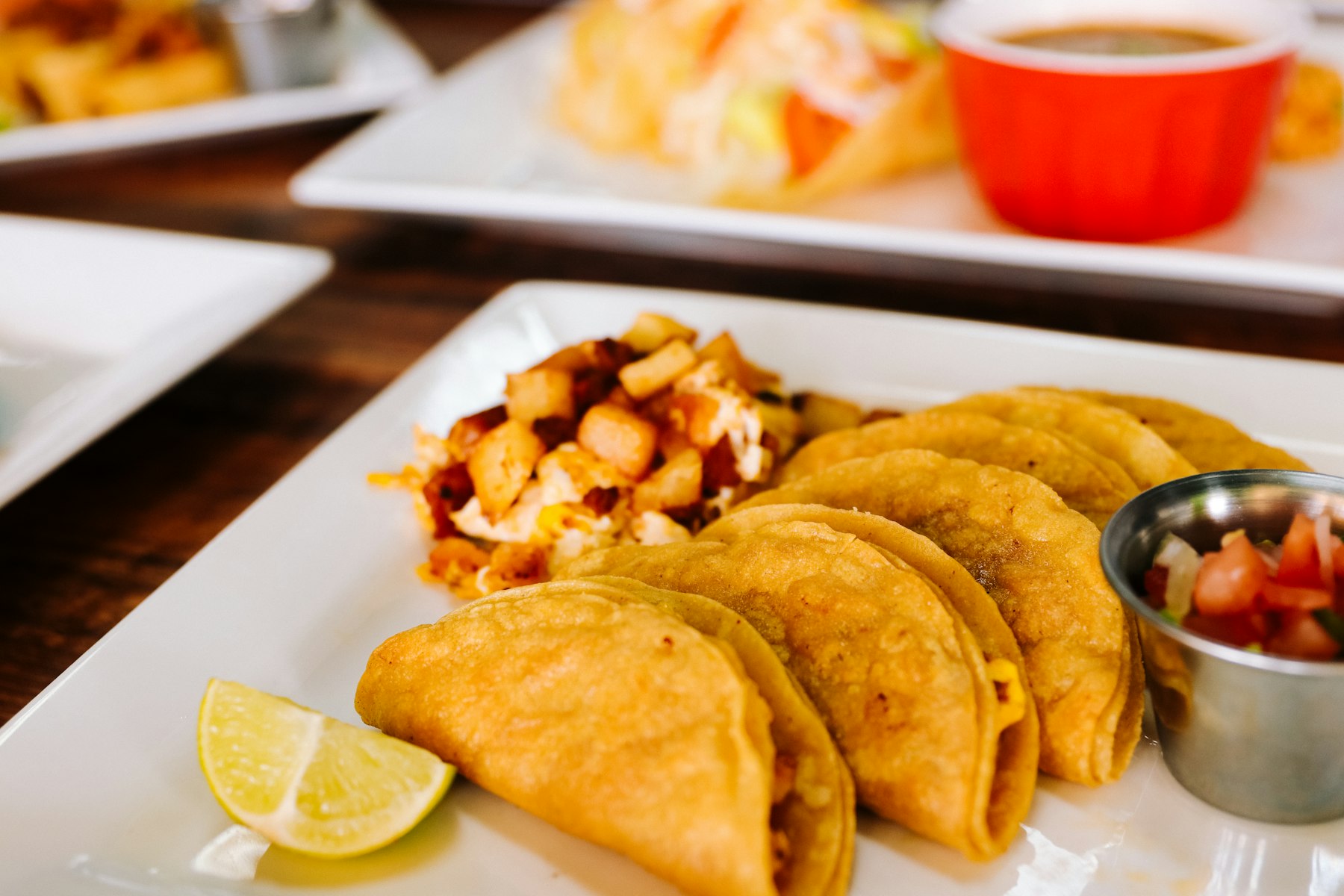
Chilean food is milder than its neighbours and quietly excellent when it involves the sea. Four thousand kilometres of cold Pacific means shellfish that people fly in for. It is not a spicy cuisine and it is not a complicated one. Five things to order by name.


Getting Around
LATAM and Sky, always through Santiago. Book internal flights with the international ones so a delay is somebody else’s problem. Baggage rules on the low cost fares are strict and enforced.
Chile is the easiest South American country to drive in. Good roads, clear signs, sober driving culture, and reliable rental. The lake district, the wine valleys and the Carretera Austral are all better with a car.
The long distance buses are excellent and slow. Salon cama seats, reliable timetables, and journeys measured in the high teens of hours. Fine for adults, hard with children.
Money and Practical Basics
Pesos, and Chile is not cheap. It is the most expensive country in South America and roughly comparable to southern Europe. Cards work everywhere including small towns. Patagonia and the Atacama carry a remoteness premium on everything.
Tap water is safe. In Santiago and most of the country. In the Atacama it is very high in minerals and locals drink bottled, so do the same there.
No visa for most Western passports. Ninety days on arrival. Chile is strict on agricultural imports, so declare food honestly at the airport. The fines are real and they check.
Earthquakes are normal. Chile is one of the most seismically active countries on earth and its buildings are engineered for it. A tremor during your stay is likely and almost always nothing. Read the tsunami evacuation signs on the coast once and then forget about it.
When to Go
The country is so long that the answer depends entirely on which end you picked.
December to February for Patagonia. The only reliable window. Long days, everything open, and it is peak and expensive and windy. Book Torres del Paine lodging six to nine months ahead.
March to May and September to November for everywhere else. Santiago and the wine country at their best, the lake district green, and the Atacama fine all year because it is a desert.
June to August for skiing. And for a cheap Santiago. Patagonia is largely shut, the south is wet, and the Atacama is cold at night and beautiful.
Doing It With Children
It suits older children better
Chile is a landscape country. There are no ruins and few obvious set pieces for a seven year old. From about ten upward, with hiking, sandboarding, stargazing and volcanoes, it is superb.
Budget like Europe, not like Peru
This is the surprise. Chile costs roughly what Spain costs, and Patagonia costs more than that. Families who priced South America on Peru numbers get a shock.
Layers, always, everywhere
Desert nights, Patagonian wind and lake district rain. There is no part of Chile where one set of clothes covers the day.
Who Chile Suits, and Who Should Skip It
Book it if landscape is the point. Hikers, photographers, stargazers, families with teenagers who want the trip to be about being outside. Chile has the most dramatic scenery on the continent and the best infrastructure to reach it.
Skip it if you want culture and history. There is very little pre Columbian architecture and no colonial set piece to rival Cartagena or Cusco. Chile is nature and it does not pretend otherwise.
Skip it if the budget is the constraint. You will get twice the trip in Peru, Colombia or Ecuador for the same money. That is not a criticism of Chile, it is arithmetic.
How it compares to its neighbours. Argentina is the same mountains from the other side, warmer in the cities and cheaper. Peru has everything Chile lacks in history. Ecuador does volcanoes and altitude for a third of the price. Chile wins on organisation, safety and sheer scenery, and loses on cost and on soul.
Things That Surprise First Timers
How European it feels. Orderly queues, functioning bureaucracy, German bakeries in the south, and a general sense that things work. People arrive expecting Latin America and find something closer to New Zealand with better wine.
Chilean Spanish is the hardest in the region. Fast, clipped, full of local slang and dropped consonants. If you learned Spanish anywhere else you will struggle for a week. It is a running joke in the rest of South America.
The Pacific is freezing. The Humboldt current runs the length of the country. Even in January the sea at Vina del Mar is bracing. Chile has beaches and it is not a beach holiday.
There are street dogs everywhere and they are looked after. Whole neighbourhoods feed and name them, and many wear coats in winter. It is one of the more endearing things about the country.
Pairs Well With
If you have the time to add a second country, these two sit naturally beside Chile.
More South America Guides
Every other South American country we have written up so far. More are coming as we build them.


