
A river village with a castle sitting on top of it, which over here is just a normal Tuesday · photo: Unsplash
Europe: Everything We Know
“We sold the house in Kansas and moved here. Everything on this page is written from inside it.”

We are not writing this from Kansas. We sold the house, sold most of what was in it, had a garage sale that emptied the place with forty one days to go, and moved a family of five plus the dog to Europe. Gavin is almost thirteen. Jake is ten. Avilene is nine. Poppy is a Cavapoo who has been through more airports than most people.
Adam and I got here the first time in 2010 with no kids and very little money. We picked up a camper outside Düsseldorf, found out it was a manual, and I drove because Adam cannot. Seven weeks, a lot of borders, one police stop in the Czech Republic and one supermarket run that fed us for most of the trip. That is the trip that turned me into a travel advisor.
Sixteen years later we are doing it again. Slower, with three kids, a dog, and a school year in Arendal, Norway behind us. This page is the continent level stuff. The things you have to decide before you pick a country.
Explore Europe by Country
Ten countries have a full guide of their own so far. Each one is what I actually know about that country, from living in it or selling it or both. Start with the one you are already leaning toward, or read two side by side and see which one sounds like your family. More get added as I finish them.
The tiles without a link are countries we have actually been to. I just have not written them up yet. They are on this page because we went, and the guide is coming.

Norway
We lived a year of it. Fjords, tunnels, and the most expensive groceries in Europe.

France
Bigger and slower than Paris. The country most people underrate after one city.

Italy
Loud, chaotic, wonderful with kids. Also the easiest place to overplan.

Germany
The country I have sold the most of. Trains that work and castles that sell themselves.

Spain
Late dinners, cheap food, and kids welcome absolutely everywhere.

Switzerland
Expensive and worth it once. Nowhere else does mountains this easily.

Croatia
Avilene and I just did this one. Coastline, islands, and far fewer crowds inland.

Denmark
Small, flat, calm and built for kids. We stayed longer than we planned.

Portugal
The affordability story everyone is chasing right now, and mostly deserved.

Ireland
No language barrier, short drives, and rain you plan around instead of fighting.
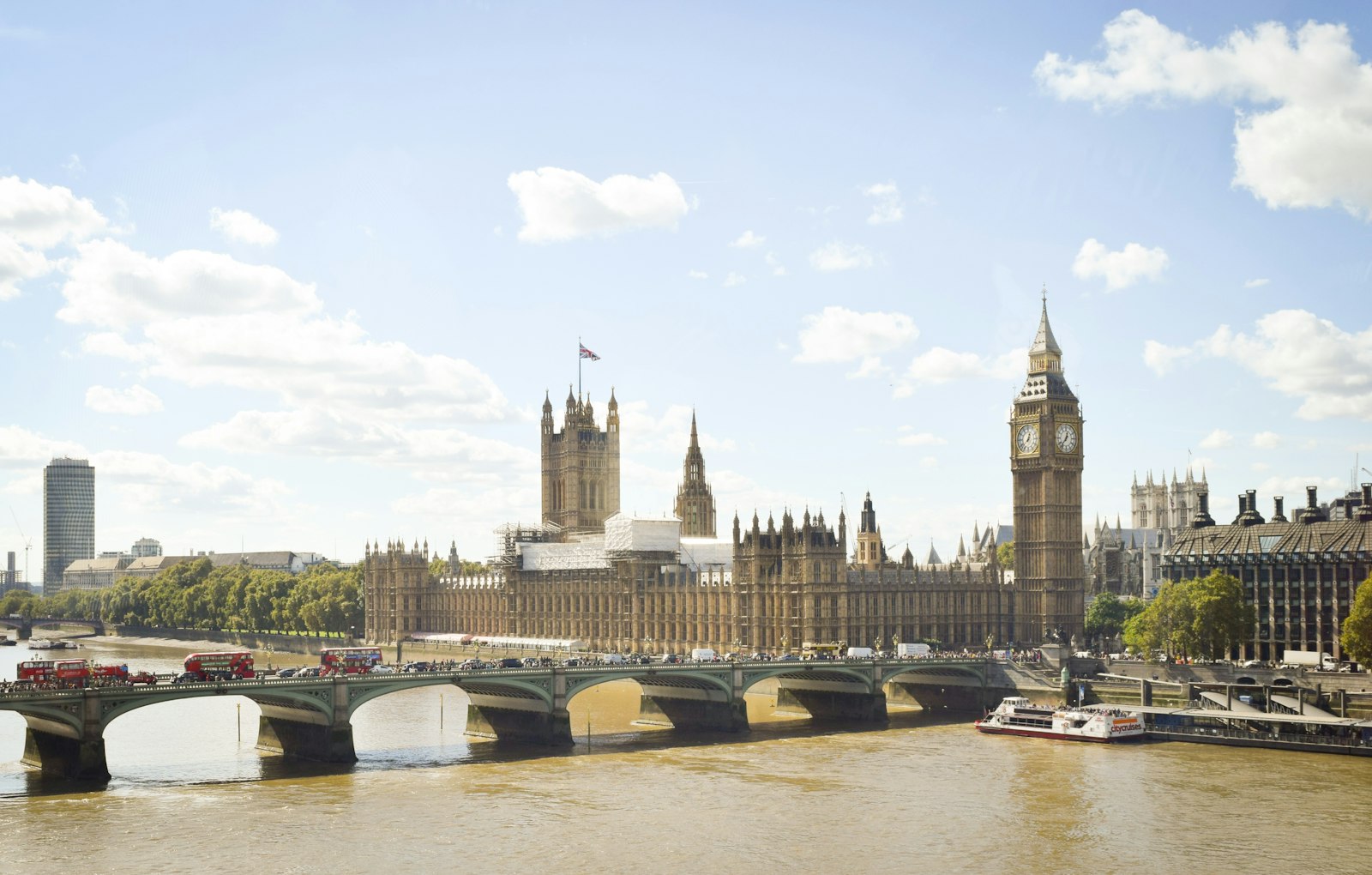
United Kingdom
We have been back more than anywhere else in Europe. Trains that work, rain you dress for, and far more country than London suggests.
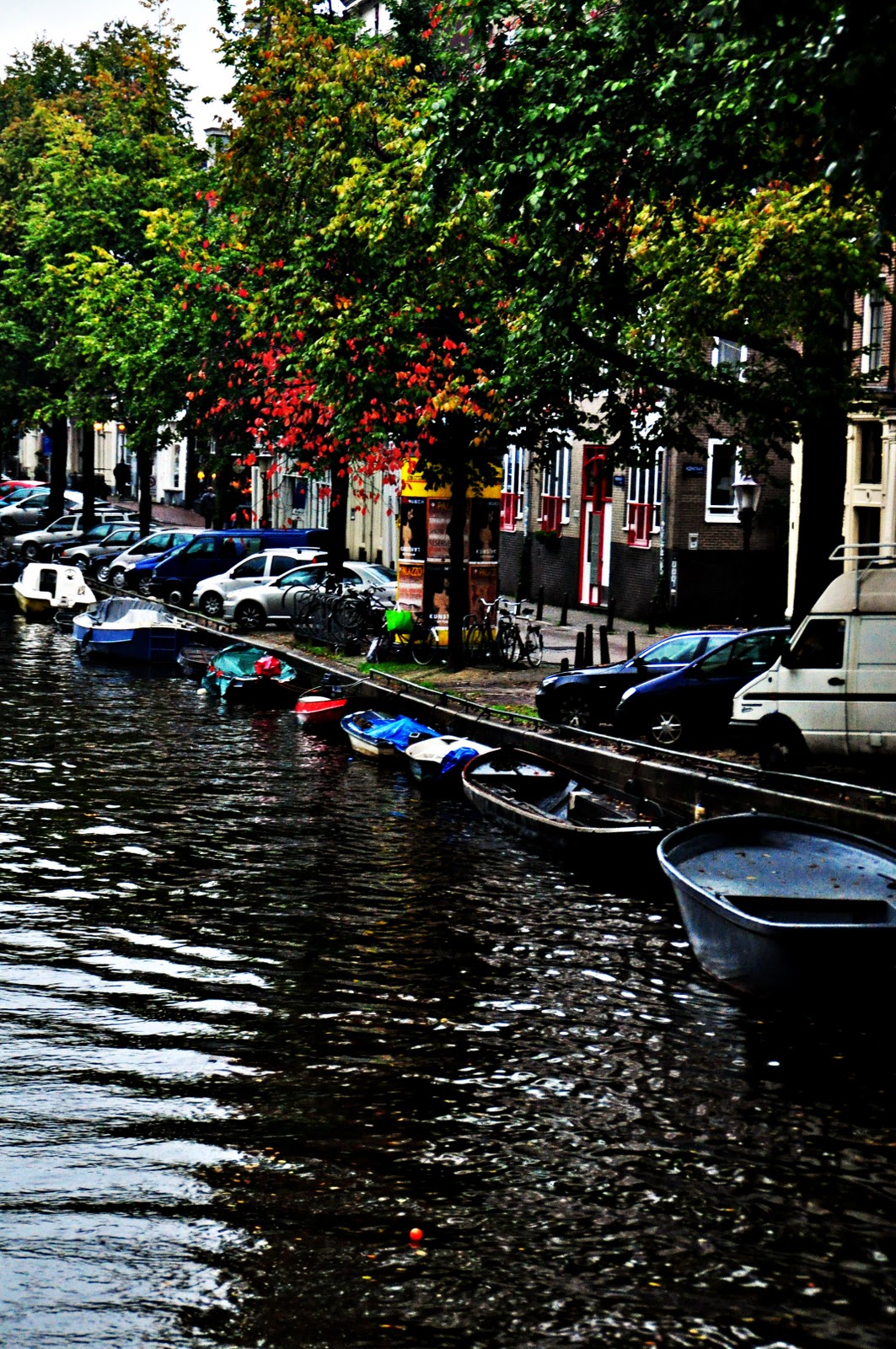
Netherlands
Flat, bike friendly, and small enough to cross in an afternoon. Amsterdam is not the whole story.
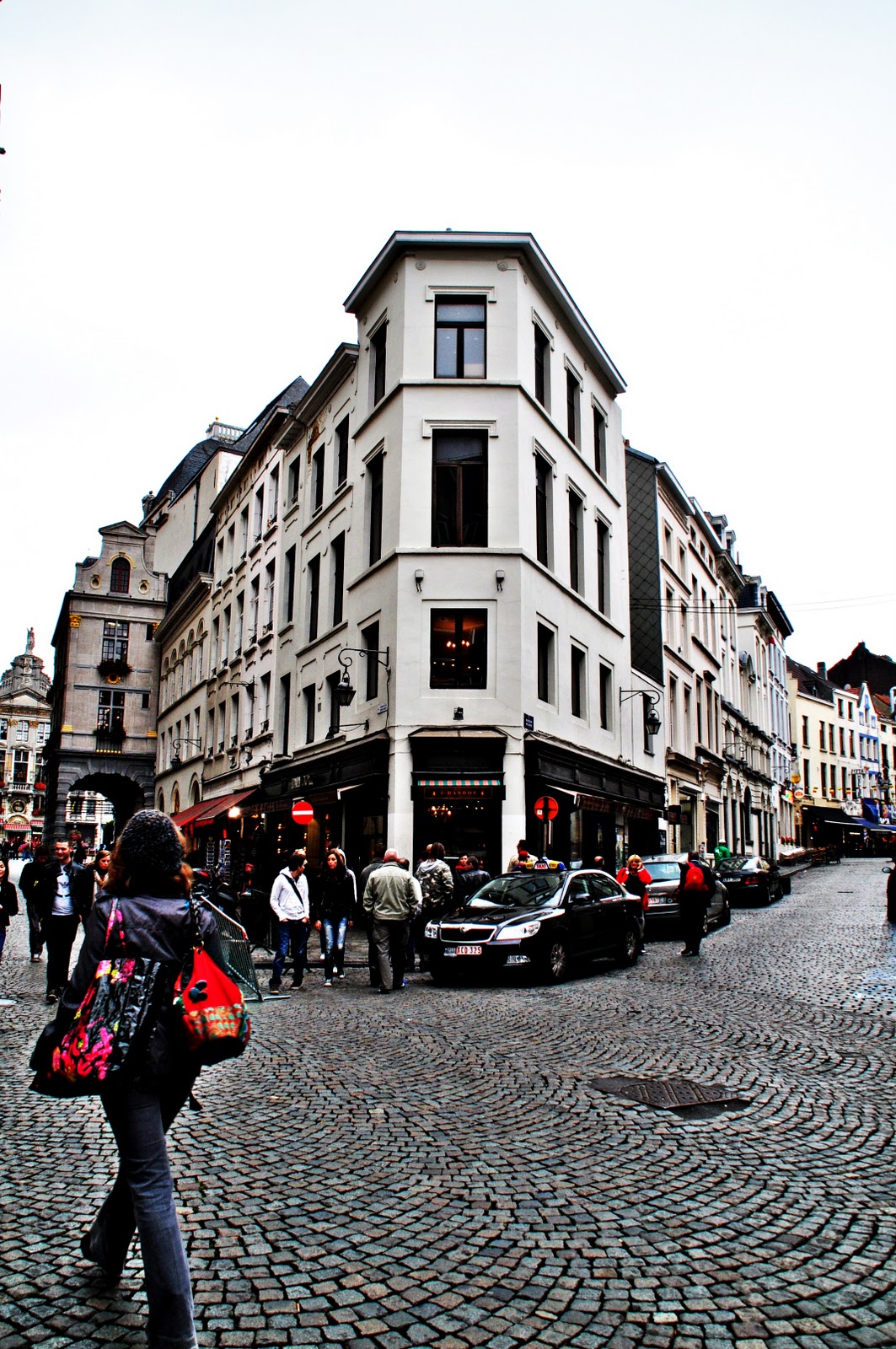
Belgium
Small country, serious food. We have driven through it more than once and kept finding reasons to stop.
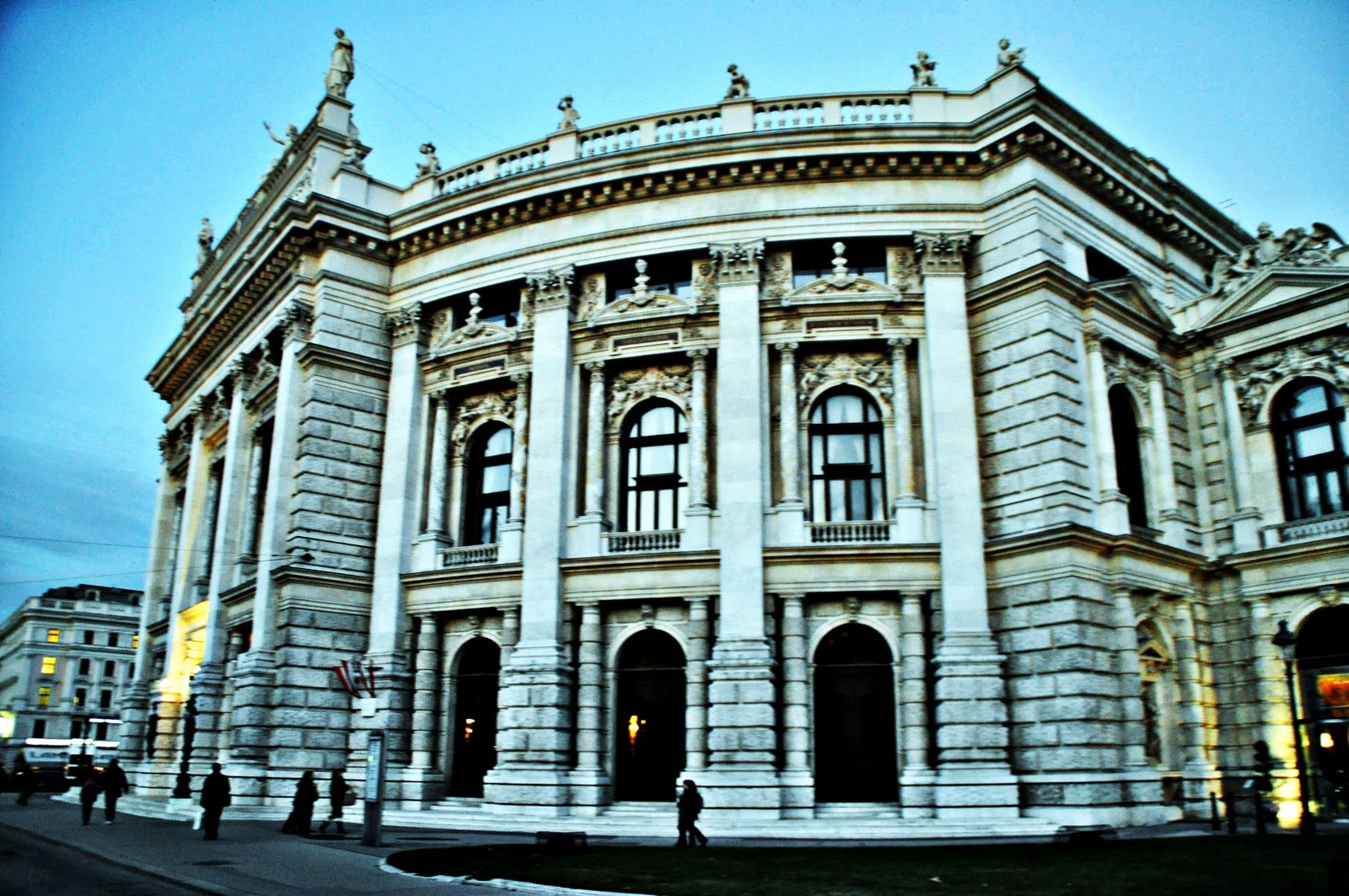
Austria
The 2010 camper trip. Vienna, then mountains, on roads that are a real pleasure to drive.
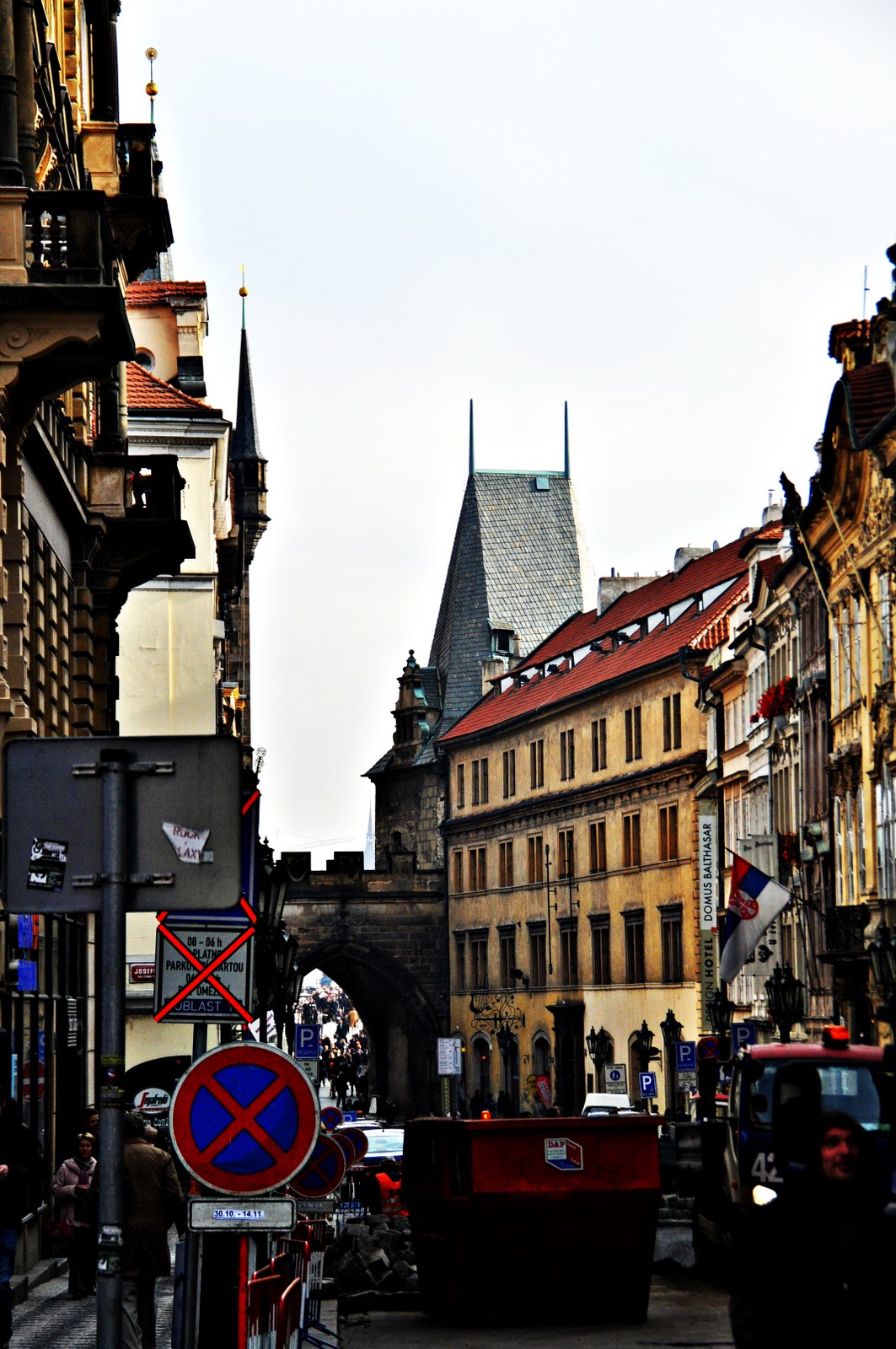
Czechia
Prague on the same camper run. Also where we found out how Czech speed cameras work.

Cyprus
Still swimmable in November, when the rest of Europe has shut the shutters and gone home.

Greece
We are planning this one right now. I will tell you what I know and what I am still figuring out.

Hungary
Budapest is extraordinary. It is also where I send families doing their first river cruise.

Iceland
We had tickets once and flew home instead. I have thought about it every winter since.

Poland
Krakow is beautiful and the history is heavy. Both are true, and kids handle more than we think.

Sweden
The Scandinavian country that does not make you flinch when the bill arrives.

Turkey
Istanbul from the ferry, and then the parts of Turkey nobody puts on a list.
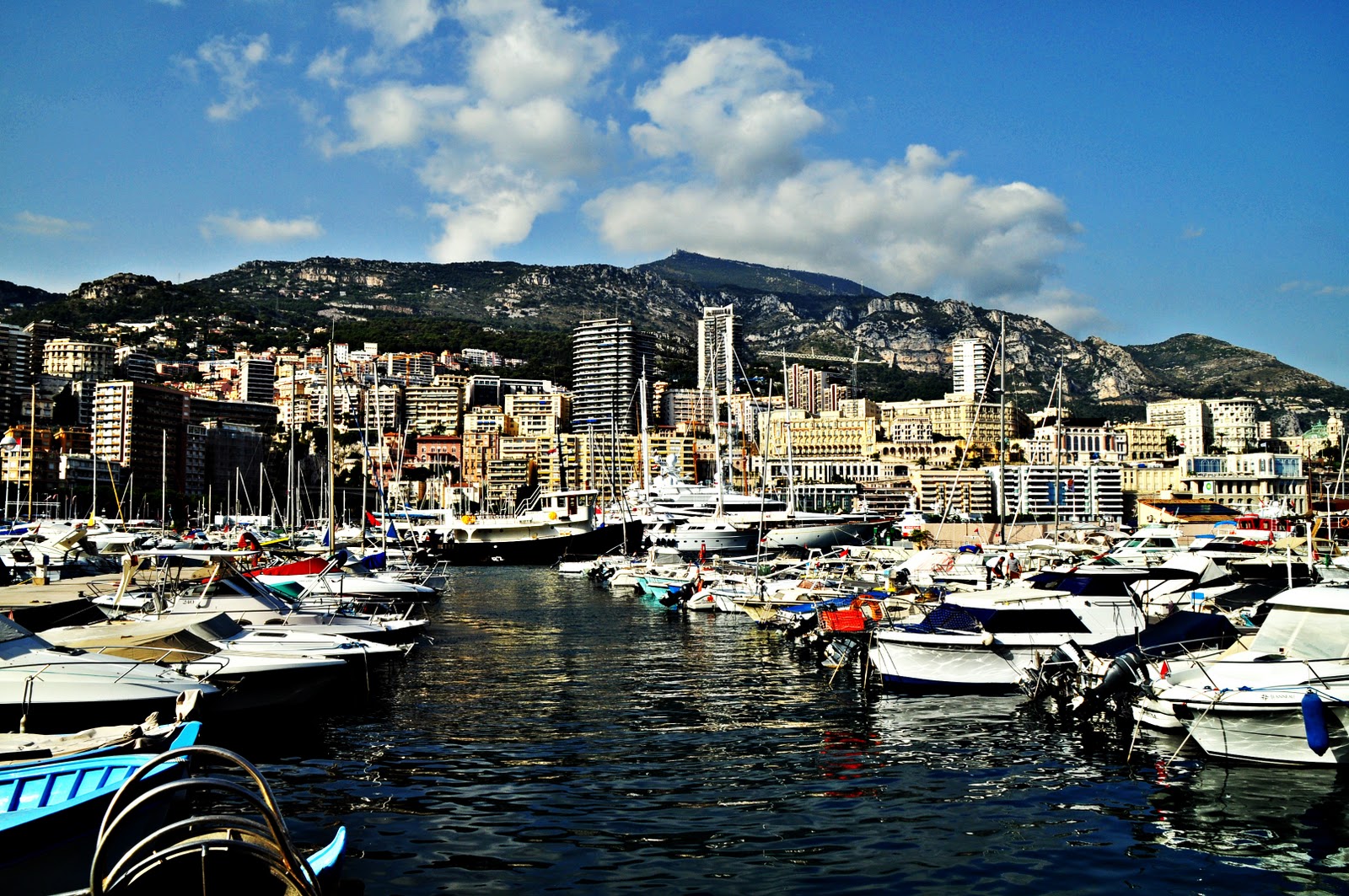
Monaco
Two square kilometers of boats and money. Worth an afternoon, not a week.
Visited · guide in progressWhy Europe With Kids
 Poppy marks the family parts. Wherever you see her, that section is written for travelling with children.
Europe is the easiest hard trip you can take with children. Far enough to feel like a real change, close enough together that nothing takes all day. The part people get wrong is thinking it is a luxury trip. It is one of the cheapest ways to travel well with a family if you go where the trains go and cook a few of your own meals.
Distance Stops Being a Problem
Paris to Amsterdam is about three hours on a train. Munich to Venice is a day of scenery. Kids handle a train in a way they will never handle a car, because they can get up and walk.
School Subjects Turn Into Places
Rome stops being a chapter. So does a castle, a canal lock, a border crossing. Our nine year old learned more history standing in Dubrovnik than she did in a year of worksheets.
Kids Are Welcome, Not Tolerated
In most of Europe a child in a restaurant at eight at night is normal. Nobody rushes you out. Nobody hands you a laminated menu with chicken fingers on it. They just feed your kid real food.
Who should skip it. If your family needs air conditioning, ice in every drink and a pool at the hotel, Europe will annoy you for two weeks and you will come home calling it overrated. If somebody cannot walk several miles a day, look hard at where you go, because the best parts are cobblestone and stairs. And if you have a toddler and eight days, pick one city and stay in it. That is the better trip.
“The GPS said eight hours. It took us three days. That is Europe working correctly.”
Nicole DamianoHow Many Countries in One Trip
This is the question I get more than any other, and the answer people want is not the answer. Six countries in ten days is not a trip. It is a list. You will spend a third of it moving, a third of it checking in and out, and the rest exhausted in places you cannot describe afterward.
Seven to ten days. One country. Two bases. Rome and Florence. Paris and the Loire. Lisbon and the Algarve. You will actually remember it.
Two weeks. Two countries, maybe three if they touch. Switzerland and Italy. Germany and Austria. Denmark and Sweden. Neighbors, short hops, one border crossing that is basically a road sign.
Three weeks or more. Three to four countries. Now a rail pass or a camper starts to pay for itself, and you can afford to lose a day to weather without it wrecking the plan.
Minimum three nights anywhere. Two nights is one real day. You arrive tired, you leave early, and the middle is laundry. Three nights is where a place stops being a photo stop.
Build in one empty day per week. No museum, no train, no plan. Kids need it and so do you. Every trip I have ever booked that skipped this came home frayed.
Our 2010 camper trip covered a lot of Europe in seven weeks and it still felt rushed. On paper it was a straight drive. In practice we lost a day to a border, a day to a wrong turn on the SS12 in Italy, and an afternoon to a Czech police stop. That stretch is the part I remember best. Leave room for it.

Me on the bus heading into Bath. Twenty minutes of staring out a window at somebody else’s stone walls and I was completely happy.
Getting Around: Trains, Cars, Campers & Cheap Flights
Pick the wrong one and the trip gets expensive and tense. Here is roughly what each costs a family of four or five, and what each one is actually good at.
Trains
Best for city to city and for anything with kids in it. Book high speed routes weeks out and you pay about a third of the walk up fare. Regional trains never sell out. Under six usually rides free, and in several countries under twelve or fifteen is free with a named adult. Budget forty to ninety euros per adult on a booked fast leg.
Rental Car
Best for countryside, coastlines and anything the train does not reach. Expect thirty five to eighty euros a day for something that fits five with luggage, plus fuel at roughly twice US prices, plus tolls and parking. Automatics cost more and sell out, so book one early if nobody drives a manual.
Camper or RV
Best for long trips where accommodation is the biggest line item. Ours in 2010 was roughly a hundred euros a day all in and it replaced hotels, most meals and the transport. It is not relaxing. You cook, you empty tanks, you park badly. But seven weeks in a camper cost us less than two weeks of hotels would have.
Budget Flights
Best for skipping a long boring stretch. The twenty euro fare is real and so are the extras. A checked bag and seats together can triple it for a family of five, and the airport is often an hour outside the city. Worth it over about six hours of ground travel, rarely under that.
If you drive, learn the rules before the border and not after. Vignettes are prepaid highway stickers and several countries require them. Austria, Switzerland, Slovenia and Czechia all do, and the signage is not equally good everywhere. We got stopped an hour into the Czech Republic in 2010 because we never saw a sign, bought the ten dollar sticker at a gas station under police escort, and paid an eighty five dollar ticket that afternoon.
Two more that catch Americans. Daytime headlights are required in a lot of countries, all day, all year. And Italy has camera monitored ZTL zones in old town centers, where a wrong turn arrives as a fine in the mail six months later. Many German and French cities need a low emission windscreen sticker too. Easier to sort out at home than at a roadside.

Me driving, Adam navigating, for seven weeks. The camper was a manual and he has never driven one.
Schengen, Borders & the 90/180 Rule
Most people find out about this rule after they have booked. It is the single most misunderstood thing about traveling in Europe and it is not complicated once somebody explains it plainly.
Schengen is a shared border area, not the EU. Twenty nine countries have agreed to drop passport checks between them. Once you are inside, you can drive from Portugal to Norway without showing a passport again.
Ninety days in any one hundred and eighty. On a US, Canadian, Australian or UK passport you get ninety days inside the whole Schengen area, counted across a rolling one hundred and eighty day window. Not ninety per country. Ninety total.
Rolling means it moves with you. On any given day, look back one hundred and eighty days and count the days you were inside. That number has to stay under ninety one. Leave for a while and days drop off the back end.
Ireland and the UK are outside it. They run their own rules, usually ninety days for Ireland and up to six months for the UK, and time spent there does not count against your Schengen ninety. Handy if you need to reset.
Some non EU countries are inside it. Norway, Switzerland and Iceland are all in Schengen without being in the EU. Croatia joined Schengen in 2023, so your Adriatic trip counts against the same ninety days as France does.
Overstaying is not a shrug. It can mean a fine, an entry ban, or a very bad hour at an airport. If you want longer than ninety days, that is a visa conversation, and it is worth having early.
ETIAS is coming and the date keeps moving. It is a cheap online authorisation for visa free visitors, not a visa. Check the official EU site before you book rather than a blog post, because that includes this one.
One practical thing. Your passport needs at least three months of validity past your departure date and most airlines want six. Keep a note of your entry and exit dates, because border officers count and you should be able to count too.
Money: Euro, Krone, Franc, Pound
Europe is not one currency, and the countries that kept their own are usually the expensive ones. That is not a coincidence.
The euro covers most of it. France, Germany, Italy, Spain, Portugal, Ireland, Austria, the Netherlands, Belgium, Greece, Croatia and more. One currency, no exchanging, and prices you can compare across borders.
Norway and Denmark both use a krone and they are different kroner. Sweden has a krona. None of them are interchangeable, and none of them are cheap. Norway in particular will shock you on groceries and alcohol.
Switzerland uses the franc and it is the most expensive country on this page by a wide margin. Shops near the border will take euros and give you a terrible rate back in francs. Pay in francs.
Cards work almost everywhere. Tap works even more. The Nordics are close to cashless. Germany and rural Italy still surprise people with cash only bakeries, market stalls and small restaurants, so keep some notes.
Always decline the offer to pay in dollars. That prompt on the card machine is dynamic currency conversion and it is a hidden markup of several percent. Choose the local currency every single time.
Tipping is not American tipping. Service is included. Round up, or leave five to ten percent for something good. Twenty percent is not generous here, it is confusing.
When to Go
Summer is the worst value and the most crowded, and it is when most American families can travel. If you have any flexibility at all, use it. September is the single best month on this continent.
Spring
April into early June is the sweet spot. Long light, everything open, prices still reasonable, and the Mediterranean warm enough to sit by if not swim in. Easter week and the early May trips are the two crowded blocks to route around.
Summer
Hot, busy, expensive. Southern Europe in July and August is uncomfortable and a lot of older buildings have no air conditioning. If you can only travel now, go north. Norway, Denmark and Ireland are at their best exactly when Italy is at its worst.
Autumn
The best season and it is not close. September and October give you summer weather without summer crowds, harvest food, cheaper flights and hotels that will actually negotiate. Our 2010 camper trip was autumn and that is not an accident.
Winter
Cheap and quiet, with two big exceptions. Christmas markets from late November to just before Christmas are worth building a trip around, and the Alps are full and expensive from Christmas through February. Everywhere else, you get the museums to yourself.
One thing nobody warns Americans about: August. Southern Europe partly shuts down. In Italy, Spain and France, families leave for the coast and a lot of small restaurants, bakeries and shops close for two or three weeks. The coast is packed and priced for it. If August is your only option, pick a place that wants tourists then rather than one tolerating them.
The Regions of Europe at a Glance
People say Europe like it is one place. It is closer to five, and they travel completely differently. Here is the rough shape of it and which of my guides sit where.
Nordic. Norway, Denmark, Sweden, Finland, Iceland. Expensive, safe, spotless, and set up for children better than anywhere else on earth. Summer days that never end and winters that barely get light. Go for nature and for how easy daily life is, not for nightlife or food scenes.
Western. France, Ireland, the Netherlands, Belgium, the UK. The version of Europe most first timers picture. Big famous cities, excellent trains, high prices in the capitals and much lower ones an hour outside them.
Central and Alpine. Germany, Switzerland, Austria, Czechia, Poland, Slovenia, Hungary. Mountains, castles, punctual trains and the widest price range on the continent. Switzerland will empty your account and Poland will refill it.
Mediterranean. Italy, Spain, Portugal, Croatia, Greece. Late dinners, warm sea, loud streets and the friendliest countries in Europe for traveling with small children. Slower, hotter and less punctual, and that is the point.
Eastern. Romania, Bulgaria, the Baltics, the rest of the Balkans. The best value left in Europe and the least crowded. Fewer direct flights, more driving, a bigger jump in language and alphabet. Not a first trip. Exactly the right fourth one.

No kids menu, no chicken fingers, no rush. Just an enormous pizza and three kids who ate all of it.
Family Logistics That Actually Matter
This is the part that decides if the trip is fun or a fight, and almost none of it shows up in guidebooks.
Apartments beat hotels once you are more than four. European hotel rooms are built for two, sometimes three. A family of five usually means two rooms, which is two of everything. An apartment gives you a kitchen, a washing machine and a door you can close after bedtime, and it is normally cheaper.
Car seat rules vary and rental seats are grim. Most countries require a seat or booster to around twelve years old or a set height. Rental company seats are expensive, filthy and sometimes not there when you arrive. Bring a lightweight travel booster if your child is at that stage. Taxis are often exempt, which does not make it safe.
Plan laundry, do not react to it. Book one apartment a week with a machine, or find a laundromat and treat it as an afternoon off. Dryers are rare, so everything hangs. Pack for eight days and wash, not for three weeks.
Dinner is late and that is fine. Spain does not really start eating until nine. Italy from around eight. Order early elsewhere and you will be the only table in the room. Feed the kids a real afternoon snack and shift the whole day back a couple of hours.
School age travel is more doable than it sounds. We did a year of worldschooling in Arendal, Norway. Most US districts will work with you if you ask properly and early. Museums, cathedrals and border crossings do more for a nine year old than a worksheet, and the kids come back different.
The dog is possible and it is paperwork. Poppy came with us. Europe is far more dog friendly than the US once you are there. Getting there is vet visits, microchips, rabies timing and an airline that will take her. Start that four months out, not four weeks.
What Surprises First-Timers
None of these are complaints. They are just what comes up in every debrief I have with a family who has come home.
Public toilets cost money. Half a euro to a euro, often a turnstile, sometimes an attendant. Keep coins. Train stations and department stores are your friends.
Air conditioning is not standard and neither is ice. You will get three cubes if you ask nicely. There are no free refills. Water is served bottled and you pay for it, though the tap water is fine nearly everywhere.
Rooms are small and beds are two singles. A European double is often two mattresses pushed together with separate duvets. Elevators fit one person and a bag. Ground floor is zero, so the first floor is up a flight.
Wine costs less than water in Italy. A perfectly good bottle at a supermarket is three euros. Nobody is precious about it and nobody gets drunk in front of their kids either.
Everything is closer and slower than the map says. Two hundred miles is not two hours if half of it is a mountain pass, a ferry line, or a town center you are not allowed to drive into.
The language barrier is smaller than you fear. In the Nordics and the Netherlands English is close to universal. In rural France, Spain and Italy it is not, and learning ten words changes how people treat you completely.
Trying to figure out where in Europe your family fits
That is the whole job. I plan family trips across this continent as an ASTA Verified Travel Advisor, and I live here.
Every Country Guide in Europe
Every country in Europe we have a full guide for. Tap one and go.


Every Europe guide, in one place
Country by country, city by city. Start anywhere.
Countries in Europe
Also worth knowing
Free printable
Ways to travel
Europe is not one kind of trip
How you move through it changes the trip more than which places you pick.
 01Road TripsYour own pace, your own stops.Open this guide →
 02Rail JourneysThe space between two places, made part of the trip.Open this guide →
 03Ocean CruisingYou unpack once and the world comes to you.Open this guide →
 04River CruisingEurope from the middle of it.Open this guide →
 05Walking & HikingThe slowest way, and often the best one.Open this guide →
 06Guided & Small GroupSomebody else handles it.Open this guide →
 07Independent TravelYou handle it, and it is cheaper.Open this guide →
 08Yacht & ExpeditionFewer people, further out.Open this guide →
