- Home
- About Nicole
- Explore the World
-
Travel Library ▾
Proud affiliate of Favorite Grampy Travels
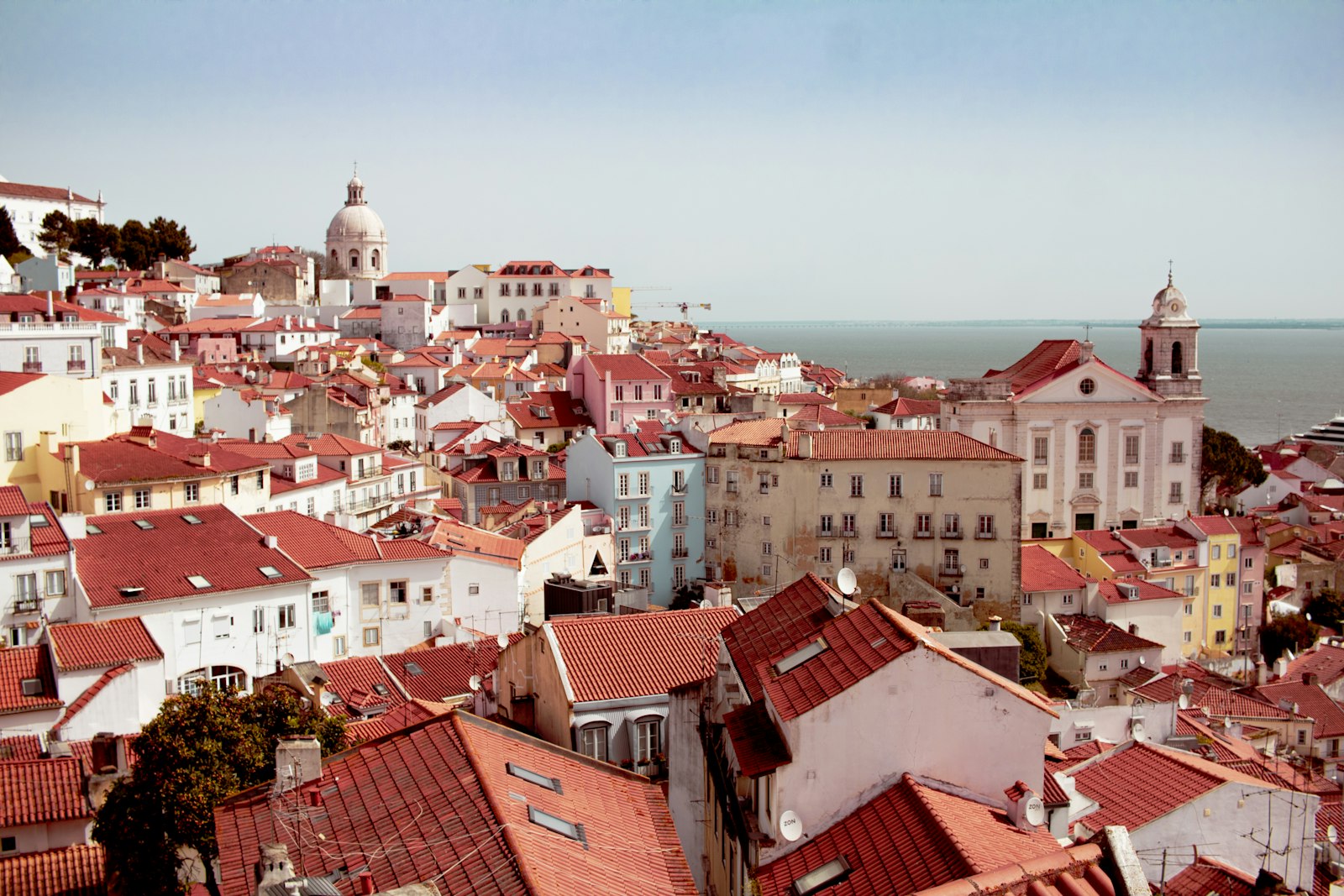
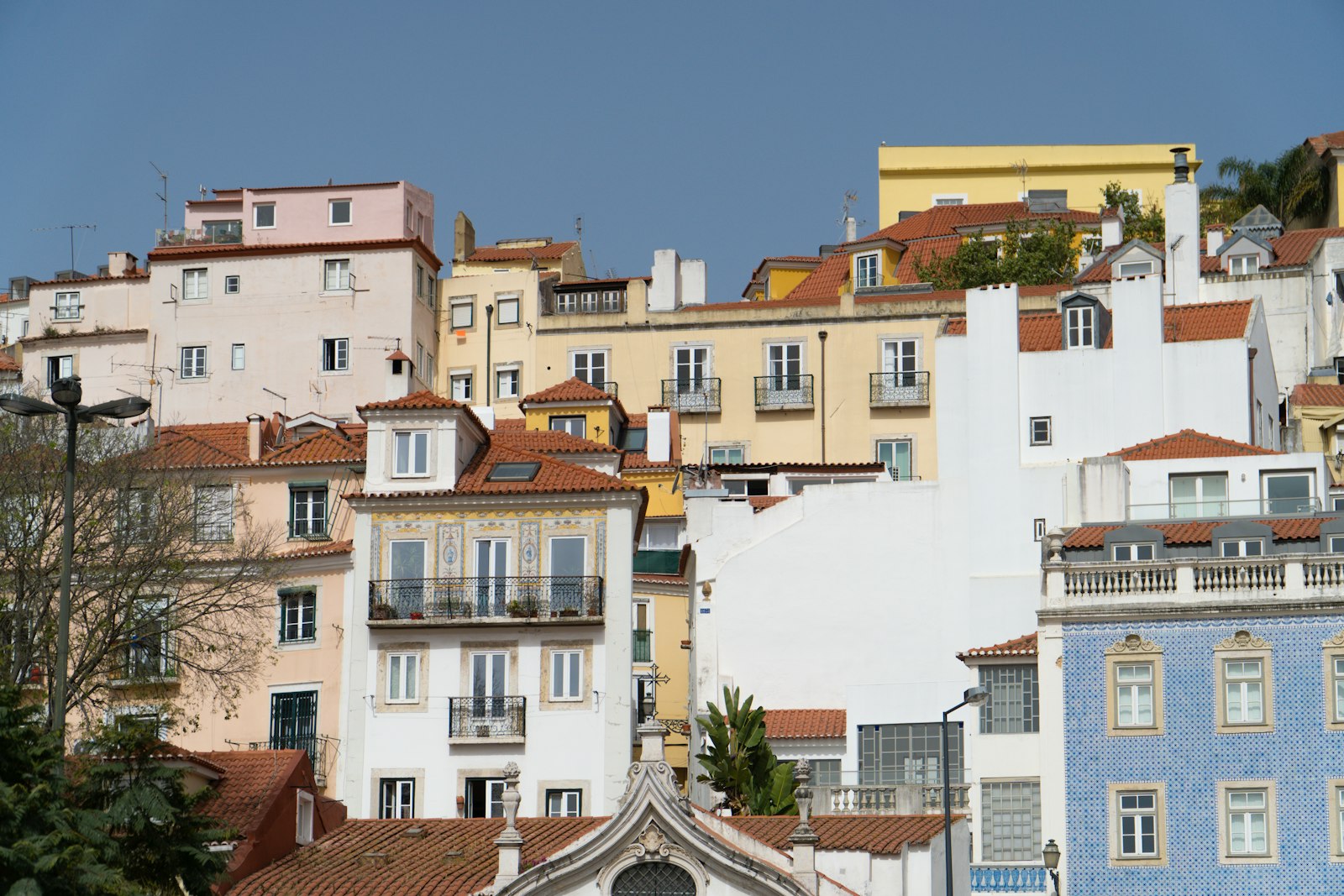
Alfama rooftops running down to the Tagus in Lisbon.
Portugal — Everything We Know
“Portugal is what families ask me about now that they used to ask about Spain. Smaller, cheaper, and the ocean is right there. It is also hillier and hotter than the photos let on.”
I have not been to Portugal yet and I am not going to pretend otherwise. Everything on this page is advisor work. Rates I have quoted, itineraries I have built for other families, hotel contracts I have actually read, and a lot of reading. When we get there in the Europe year I will come back and rewrite whatever I got wrong.
Here is why the page exists anyway. Portugal is the country clients ask me about most that I have not personally walked. Five years ago they asked about Spain and Italy. Now somebody sends me a reel of a cliff in the Algarve and asks if it is real and what it costs. It is real. It costs less than Italy. That combination is why everybody is going.
The one piece of Portugal I have genuinely sold is the Douro. River cruising is a real part of my business and the Porto to the Spanish border run is what I put in front of families who want Europe without repacking every three days. That part is not theory.
So read the Where to Go section knowing which is which. I label it.
Portugal City by City
Eight places worth building a trip around. Some of these you will hit on a first visit. Some are a second trip, or a flight of their own.

Lisbon

Porto

Sintra
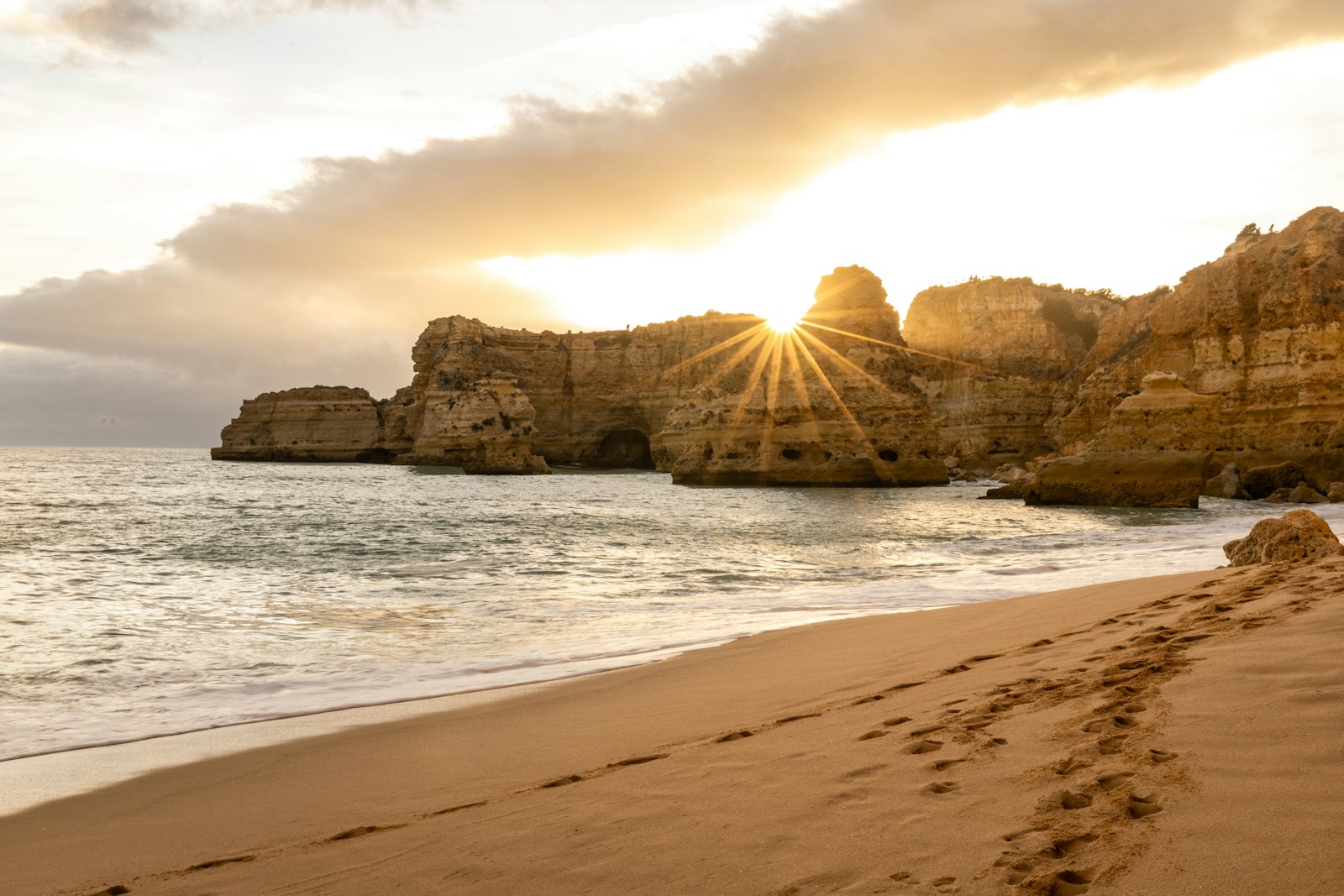
Algarve
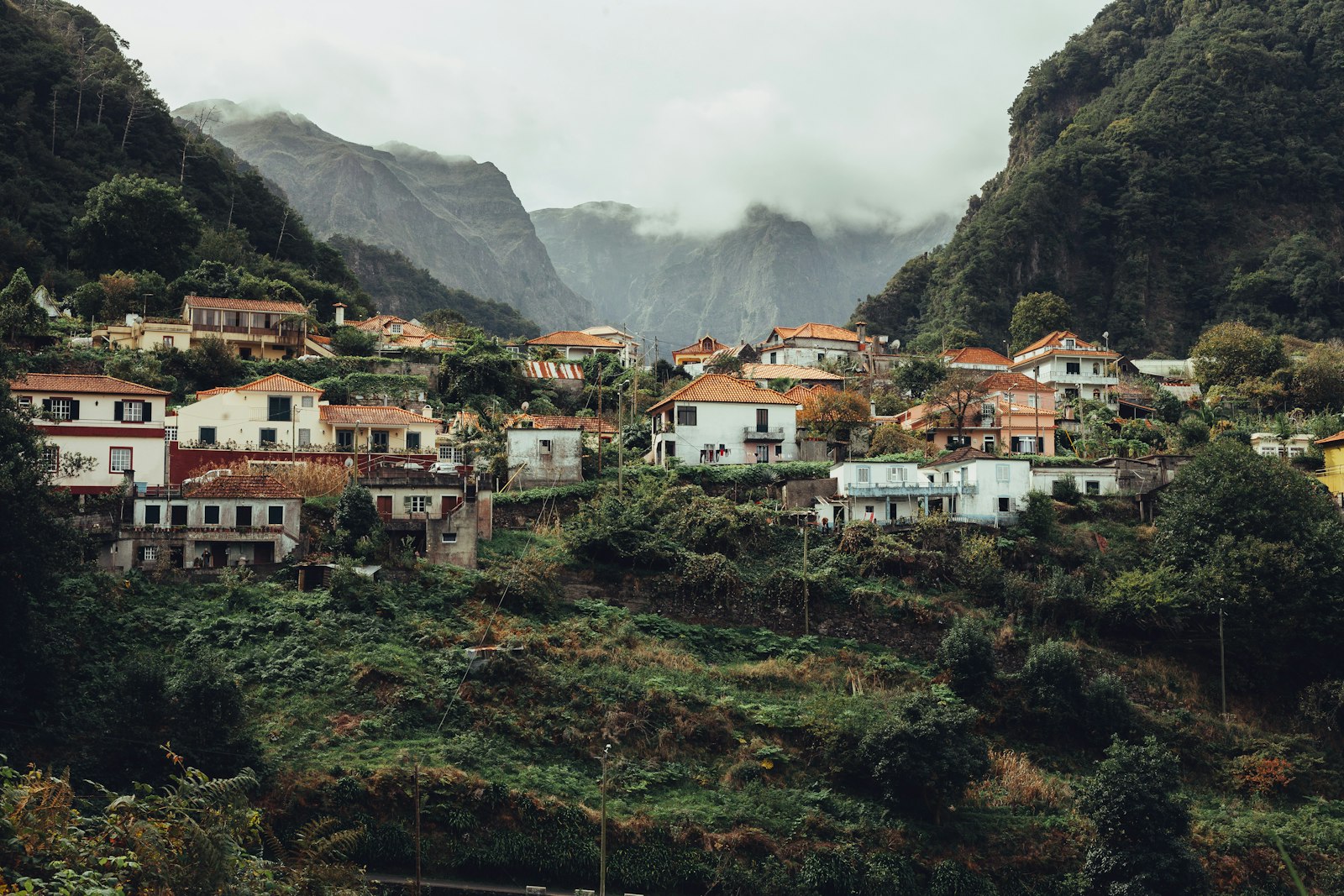
Madeira
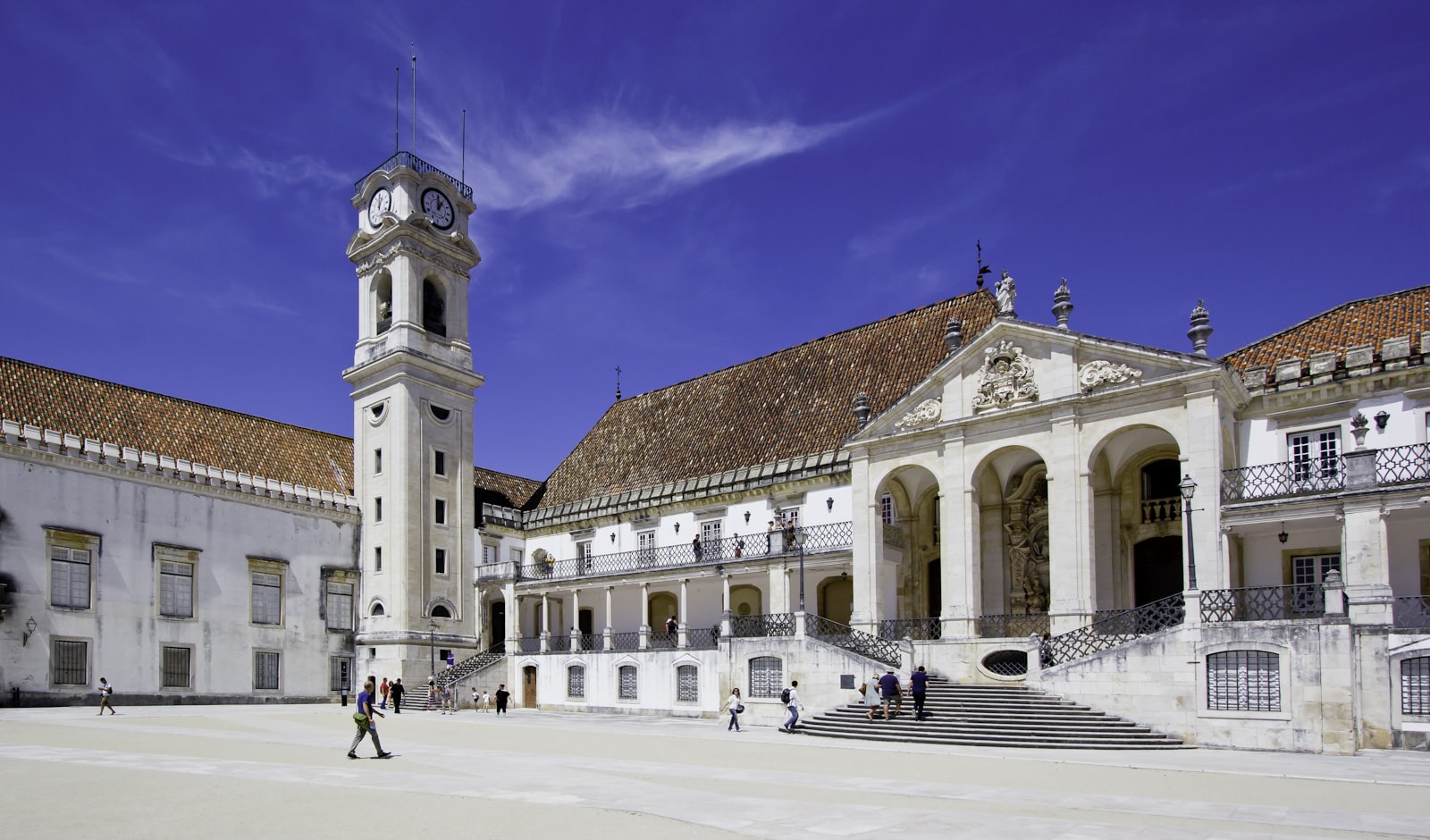
Coimbra

Evora
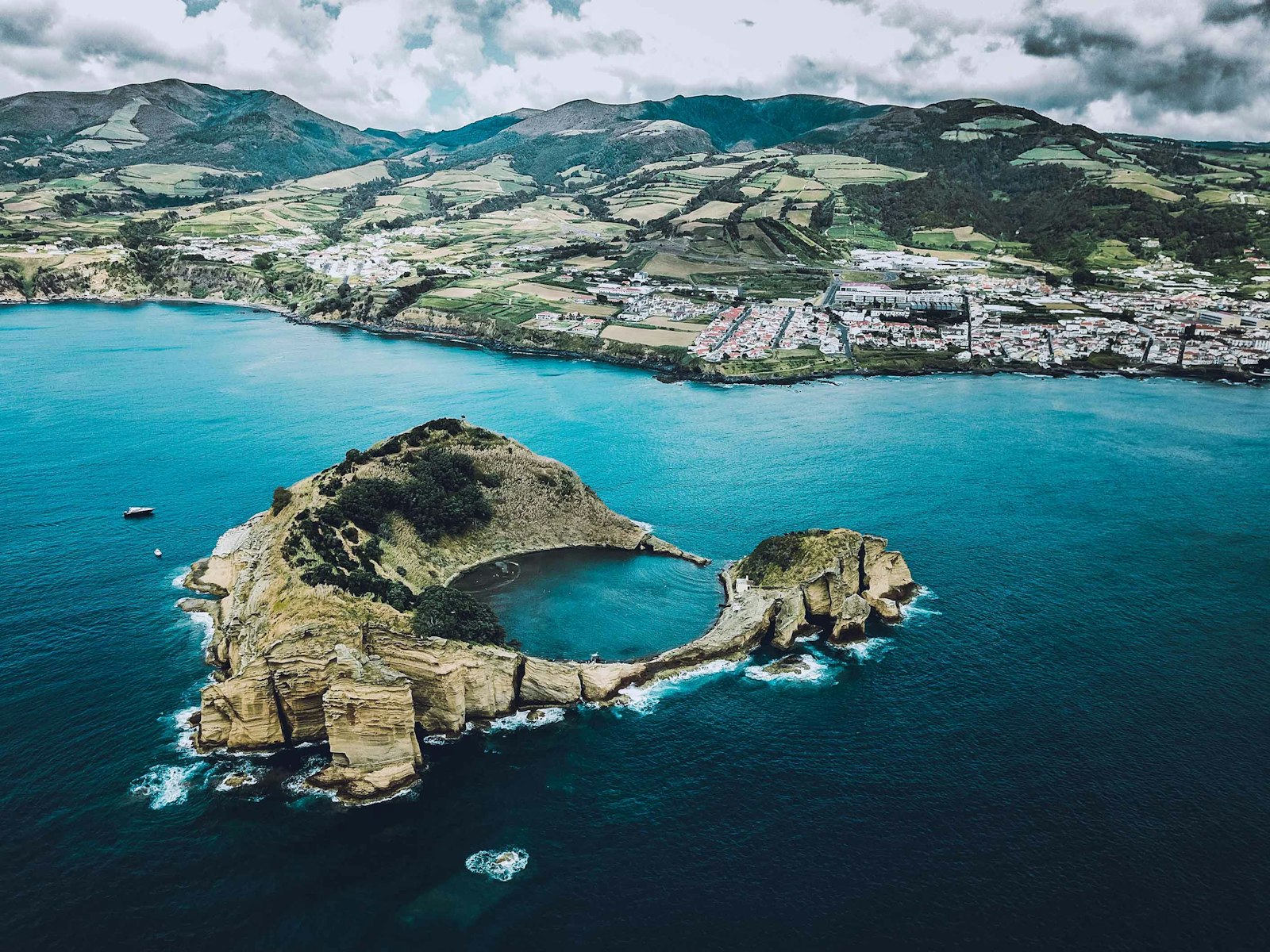
Azores
Why Portugal
Portugal is small, cheap by Western European standards, and pointed at the Atlantic the whole way down. You can drive the length of it in about six hours. That is the entire pitch and it is a good one.
It is for you if you want a city and a beach in the same week without a four hour transfer between them, you are watching the budget, you have teenagers who need surf or a boat to stay interested, or you want a soft landing for a first trip to Europe. English is widely spoken. People are patient. Nothing about it is intimidating.
Skip it if you are chasing big mountains, if heat flattens you, or if you want one perfect museum city. Portugal is not a blockbuster museum country. And skip the Algarve in August unless you love crowds and booked eight months out.
The Ocean Is Cold
The Atlantic here is not the Mediterranean. Even in August the water off Lisbon and the whole west coast runs cold enough to take your breath away. The south facing Algarve is warmer. Nobody warns you about this and it changes how you plan a beach day.
Lisbon Is Vertical
Seven hills is not a slogan. The sidewalks are polished limestone and they get slick when wet. If anybody in your group has bad knees, book on the flat, use the trams and the funiculars, and stop treating it as cheating.
Still the Value Play
For a family of five, Portugal prices out roughly a third under Italy for the same standard of hotel and the same length of stay. That gap is closing every single year. It is still there.
Portugal is the answer I give when a family wants Europe to feel easy and still wants it to feel foreign.
Nicole Damiano, advisor notes, 2026Culture and Etiquette
Portugal is warm but formal. A little effort goes a long way and the bar is genuinely low.
It is not Spanish. Portuguese is its own language and saying gracias instead of obrigado lands badly. Obrigado if you are male, obrigada if you are female. Learn those, plus bom dia, and you are fine.
Meals run late but not Spain late. Lunch around one, dinner from seven thirty. You can eat at seven with kids in most places and nobody blinks.
The couvert is not free. The bread, olives and cheese that appear on your table are charged if you eat them. Push the plate away if you do not want it. Nobody is offended.
Volume is low. Portuguese restaurants and trains are quieter than Spanish or Italian ones. Loud American family is a real look and we work on this constantly.
Older people get deference. Give up the seat. Let them go first in the queue. Kids who do this get treated very well in return.
Fado is not background music. In a fado house you sit still and stay quiet while somebody sings. It is not a dinner show. Bring kids who can handle forty minutes of silence, or do not bring them.
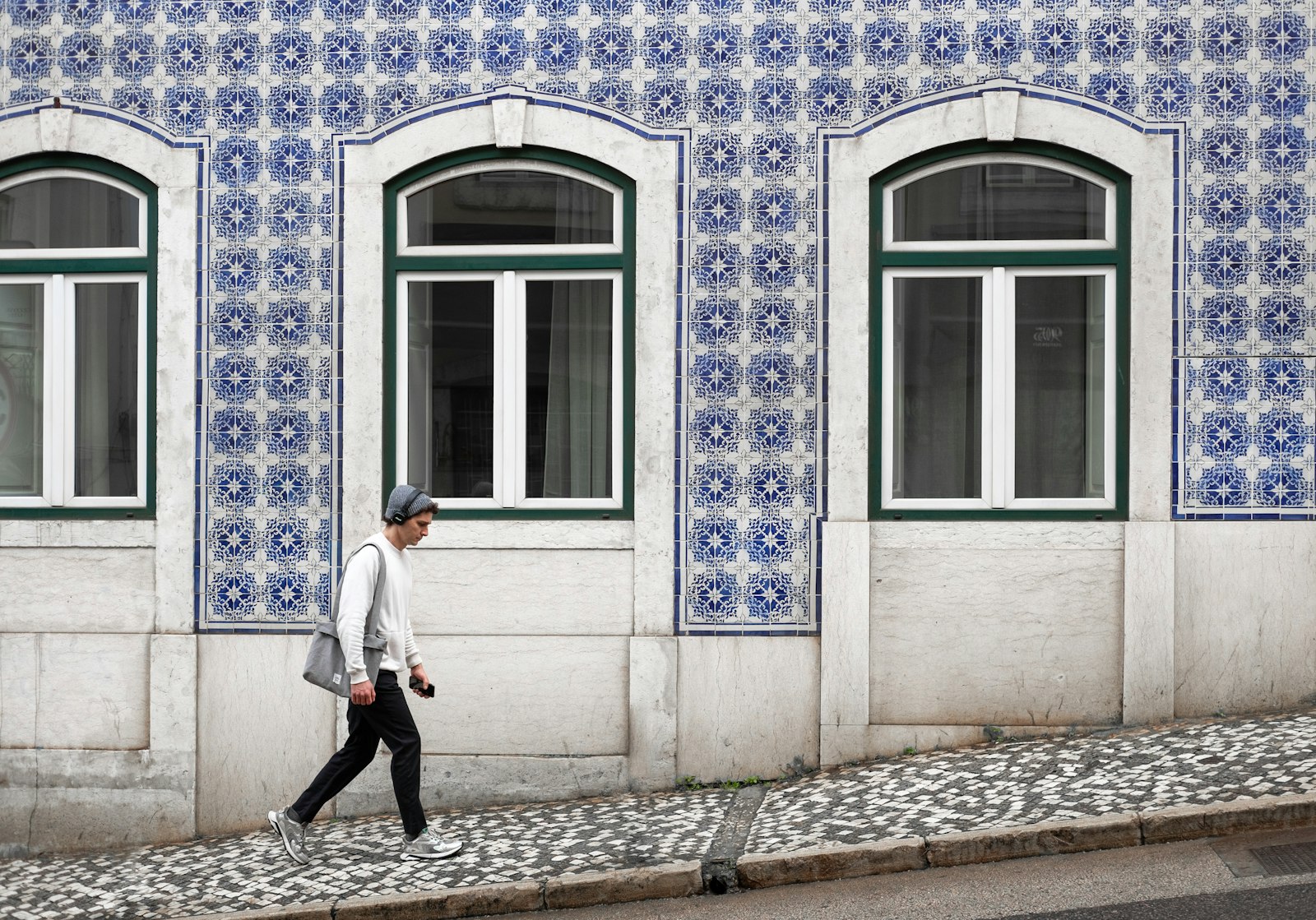
Azulejo tile on an ordinary street facade in Lisbon. Whole neighbourhoods look like this and nobody local treats it as remarkable.
Food
Portuguese food is plain in the best way. Grilled fish, pork, rice, bread, olive oil, salt. It is not fussy and it is not expensive.
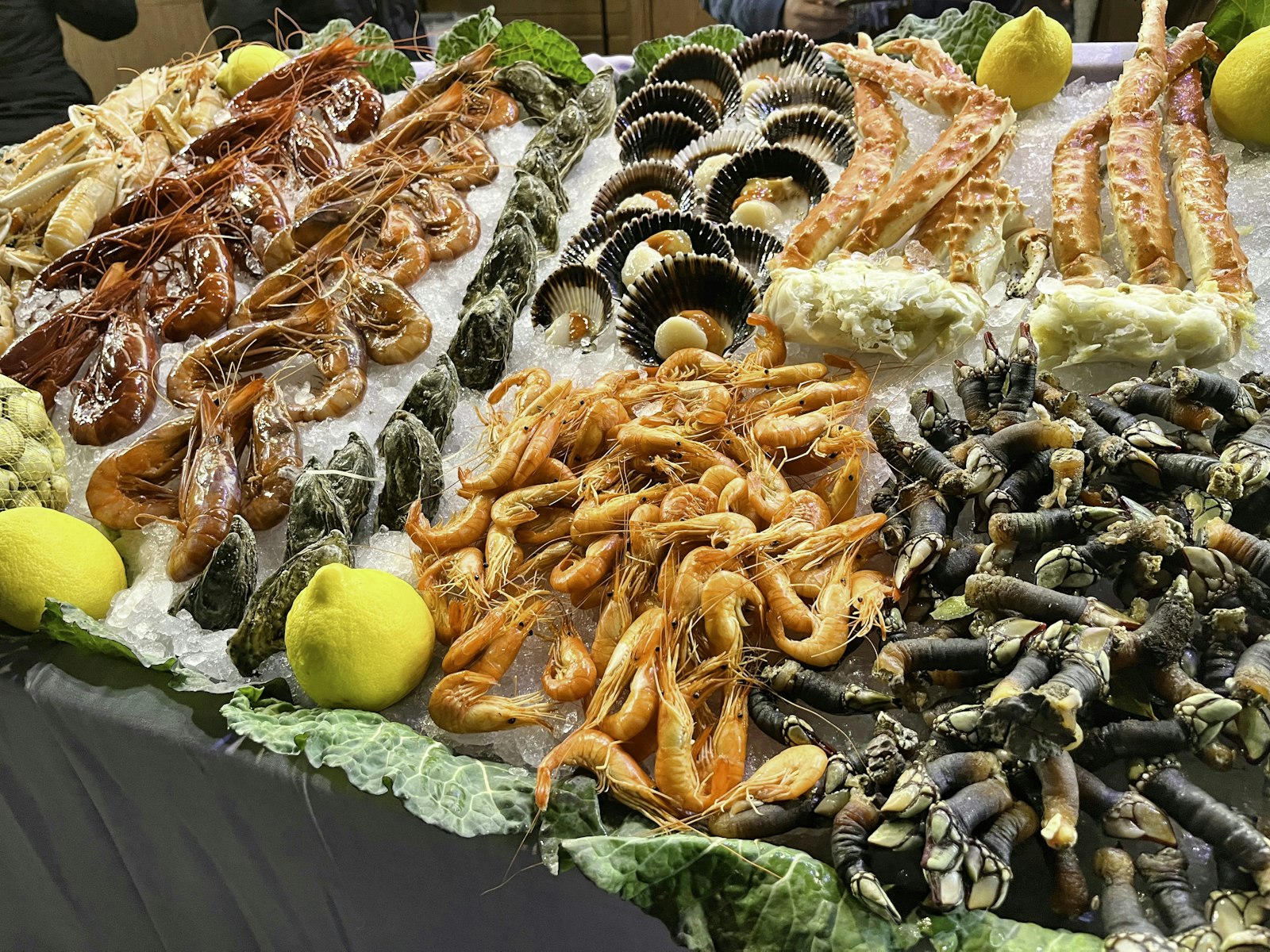
The thing to understand is the seafood. Sardines in summer, grilled whole over charcoal and eaten off the bone with bread. Bacalhau, salt cod, which turns up in a hundred forms and which kids either love or refuse outright. Arroz de marisco, a wet seafood rice that arrives in a pot for the table. Order that one for the family and let everybody dig in.
For picky eaters there is frango piri piri, grilled chicken with chilli, which you can order mild. There is always bread. There is always the option of a plain grilled fish and a plate of potatoes. Portugal does not fight you on this and no waiter is going to make your nine year old feel bad about it.



Getting Around
Portugal is easy to move around and you do not need a car for most of it.
Trains handle the spine of the country. Lisbon to Porto is about three hours on the Alfa Pendular. Book ahead and it is cheap. Lisbon to Coimbra is under two. Lisbon out to Sintra and Cascais is a suburban commuter train that costs a few euros and runs constantly. Buses cover what the trains do not, and the long distance coaches are clean and reliable.
You want a car for two things. The Algarve, where the good beaches are strung along a coast road and moving between them by bus eats the day. And the Alentejo, which is empty and beautiful and effectively unreachable otherwise. Everywhere else a car is a parking problem you paid for.
Driving is on the right. Motorways are excellent and tolled, and a lot of the tolls are electronic only, so take the transponder from the rental desk or you will be sorting out fines by mail for months. City driving in Lisbon and Porto is genuinely unpleasant. Narrow, steep, one way, and the trams have priority over you.
Madeira and the Azores are flights, roughly two hours from Lisbon. They are not day trips and they are not add ons. Give either one four days minimum or leave it for another trip.
Money and Practical Basics
Euro. Portugal is in the eurozone. Cards work almost everywhere, but carry twenty or thirty in cash for markets, small cafes and the tram.
Schengen. Americans get ninety days in any one eighty across the whole zone. Portugal draws down the same clock as Spain, France and Italy. Watch it if you are doing a long Europe run.
Tipping is small. Round up, or five to ten percent for a proper sit down meal. There is no twenty percent expectation and adding it marks you out.
VAT refunds are real. Twenty three percent is already baked into the price. Spend over about fifty euros in one shop and you can claim it back at the airport if you fill in the form at the till.
City tax. Lisbon and Porto charge a couple of euros per adult per night, collected at the hotel and not included in your booking total. Small, but budget for it.
eSIM before you fly. Ten to fifteen dollars for a week of data. Do it at home, not standing at the airport.
Tap water is fine. It tastes slightly mineral in the south. Bring bottles and refill them.
When to Go
Portugal has two great windows and one that will test your patience.
Spring
March into May. This is the best window and I will die on that hill. Wildflowers across the Alentejo, comfortable walking weather in Lisbon, ocean still too cold to swim but everything else at its best. Easter week gets busy and prices jump for it.
Summer
June through August. Hot, dry, and the Algarve is full. Lisbon on an August afternoon is brutal on hills with no shade. If you must come then, book early, plan mornings and evenings outside, and write off one until four.
Autumn
September and October. The other great window. The ocean is at its warmest of the year, the crowds thin out by mid September, and the Douro harvest runs through September. If school ties you to a break, October is the one to use.
Winter
November through February. Mild and wet. Lisbon rarely freezes and you can walk the city in a jacket, but the Algarve mostly shuts and the Atlantic turns grey. It is cheap though. Very cheap.
How Many Days and How to Route It
The most common mistake I see is trying to fit the whole country into one week. Portugal is small, but it is long.
Five days. Lisbon plus one day in Sintra. That is it. Do not add Porto.
Seven to eight days. Lisbon three nights, Sintra as a day trip, train up to Porto, Porto three nights. This is the classic and it works.
Ten to twelve days. Add the Algarve on the end, or add the Douro instead if you want quiet over beach. One or the other, not both.
Two weeks or more. Now Madeira or the Azores earns its flight, or you drive the Alentejo slowly between Lisbon and the south coast.
What not to do. Lisbon, Porto, the Algarve and Madeira in ten days. I get asked for this every spring. It is four unpacks and two flights and you will mostly see airports.
Regions at a Glance
Lisbon and Around
The capital, plus Sintra, Cascais, Estoril and the surf coast at Ericeira. Base here on a first trip. Everything is a train ride and the trains are cheap.
The North
Porto, the Douro valley, Braga and Guimaraes. Greener, cooler, more wine and fewer crowds. It feels older than Lisbon and a little more worn in.
The Alentejo
The empty middle. Cork oaks, whitewashed hill towns, and Evora with its Roman temple and its bone chapel. You need a car and you will not regret having one.
Algarve and the Islands
The south coast, plus Madeira and the Azores out in the Atlantic. Beaches, cliffs and boats, and in the islands, hiking and whales.
Where to Go in Portugal
Every entry below is advisor guidance. We have not walked any of it yet and I would rather say that plainly than dress up research as memory.
Lisbon. Base the trip here. Alfama for the old streets and the fado, Belem for the tower and the monastery and the original pastel de nata, and the miradouros, the viewpoints, which is where the city actually happens in the evening. Tram 28 is famous, packed, and a pickpocket favourite. Ride it at opening or ride the 12 instead.
Sintra. Forty minutes out by train. Pena Palace on the hill looks like a child painted it, which is exactly why kids love it. Book timed entry, go at opening, and pick two sites rather than four. The whole valley is a traffic jam by eleven.
Porto. Smaller, steeper and grittier than Lisbon in a way I think families actually prefer. The Douro riverfront, the double deck bridge, the port lodges on the far bank. Two full days is right.
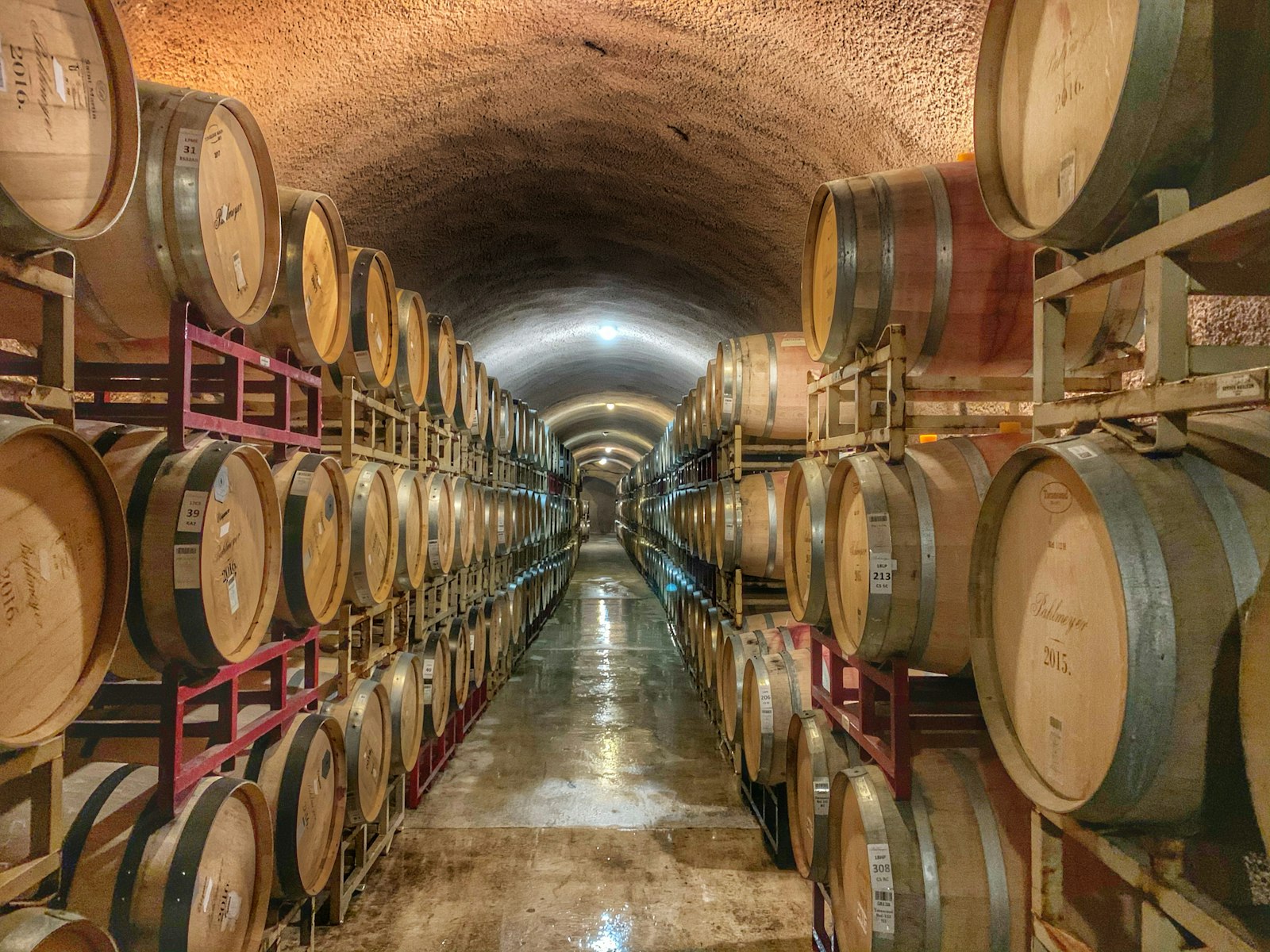
The Douro Valley. Terraced vineyards stacked on both sides of a green river. This is the river cruise route and the one I sell. By land you can do it as a long day from Porto, but staying a night is better.
The Algarve. Lagos and the cliffs west of it are the postcard. Tavira in the east is calmer and more Portuguese. August is packed and expensive. June or September is the same coast for half the aggravation.
Evora. A walled town in the Alentejo with a Roman temple standing in the middle of it and a chapel lined with human bones. That last one is either the highlight of the trip for your ten year old or a hard no. You know your kid.
Coimbra. The old university on the hill and one of the most beautiful libraries in Europe. A good stop if you are driving between Lisbon and Porto. Not worth a special trip on its own.
Madeira. Two hours out in the Atlantic. Levada walks along old irrigation channels, cliffs, a proper mountain interior, and almost no beaches. Mild all year. Excellent for families who actually hike.
The Azores. Further out and wilder. Green craters, hot springs, and whale watching that is genuinely reliable. Sao Miguel is the entry point. The weather changes hourly and you have to be relaxed about that.
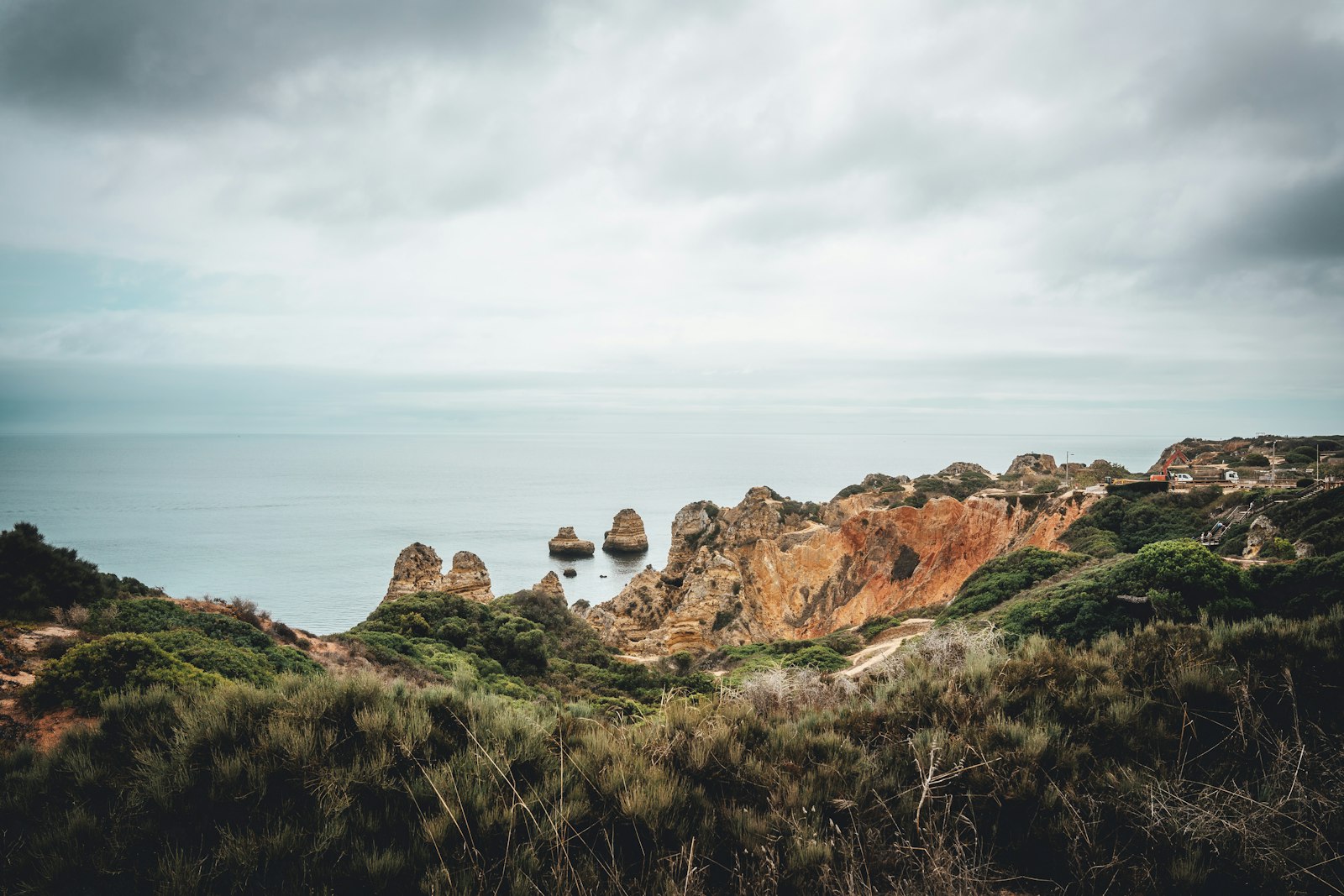
The Atlantic coast. The water is colder than it looks in every single photo ever taken of it.
Family Travel Considerations
Advisor guidance again, drawn from what I brief client families on before they go.
Strollers lose. Cobbles, hills and polished stone. A carrier beats a stroller in Lisbon and Porto every single time.
Kids are welcome everywhere. Restaurants do not have a kids section and do not need one. Half portions, meia dose, are a completely normal thing to order.
Pick your water carefully. If swimming matters, the south facing Algarve coast is warm. The west coast is for surfing in a wetsuit, not for a five year old paddling.
Watch bags on trams and the metro. Lisbon pickpocketing is opportunistic and it works the obvious tourist routes. Nothing violent. Just do not put a phone in a back pocket on the 28.
Dogs are workable. Portugal is reasonably dog friendly on terraces and in parks, and trains take small dogs in carriers. For Poppy this looks like one of the easier countries in Europe.
Heat is the real risk with kids. Not crime, not food, not language. Shade, water, and a hotel with a pool for the middle of the day in summer.
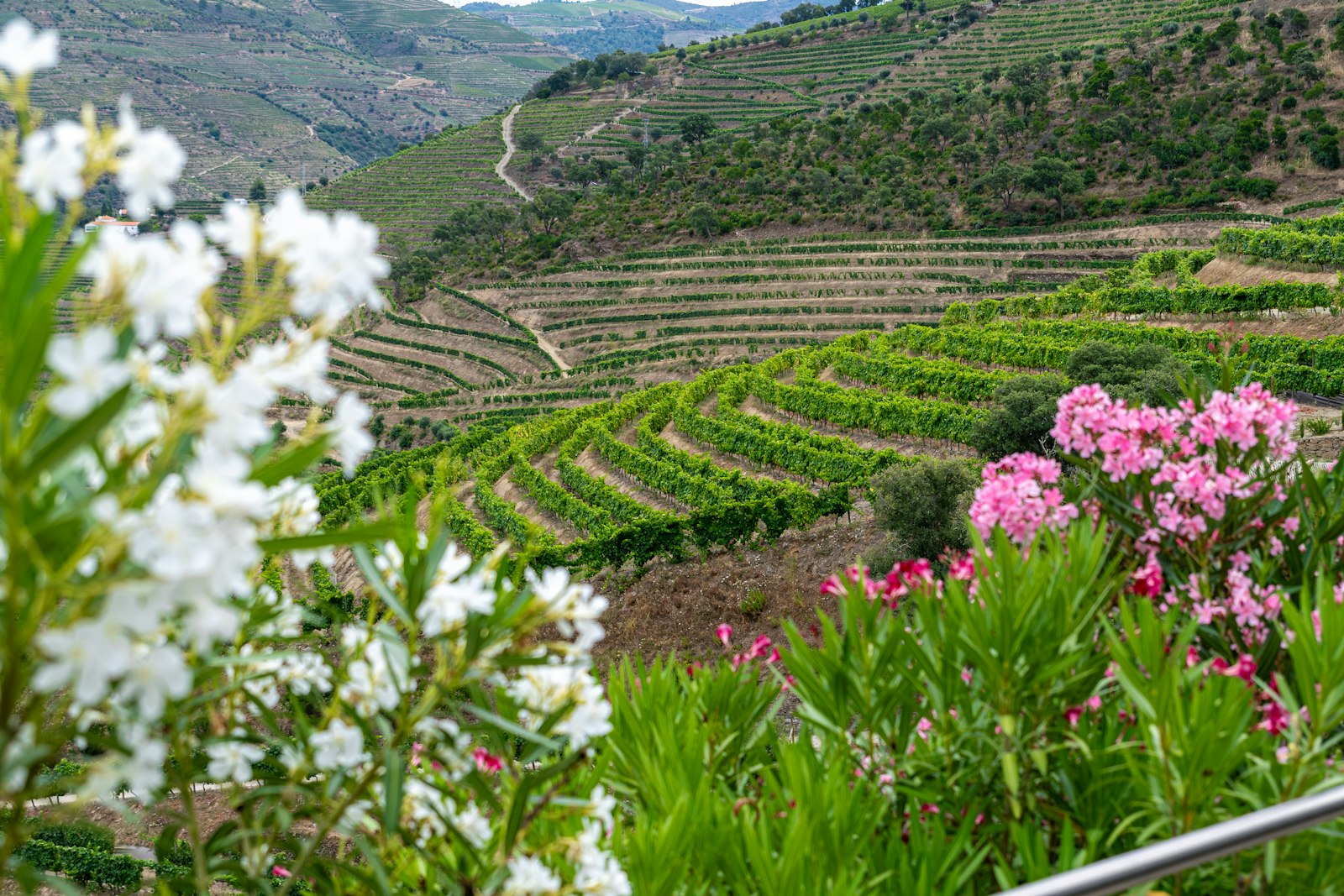
Terraced vineyards above the Douro. The river cruise route runs from Porto up to the Spanish border and back again.
Splurge-Worthy Experiences
A Douro river cruise
Seven nights, Porto up to the Spanish border and back. You unpack once, the scenery moves past the window, and the ship handles every meal. For families who fight over logistics, this removes the fight entirely. It is the Portugal product I book most.
A private tuk tuk morning in Lisbon
It sounds gimmicky. It is not. A driver takes five of you up the hills you did not want to climb, stops where you want to stop, and covers Alfama and the viewpoints in two hours instead of one long hot day.
A boat into the Algarve sea caves
Benagil and the caves along that stretch only work from the water. A private boat for a couple of hours beats a crowded group tour and for a family of five it is barely more money.
A night in a pousada
Historic buildings, convents and castles converted into hotels and run as a chain. Evora and Obidos are the two I would pick. Sleeping inside a walled town after the day trippers have gone home is worth the money.
What Surprises First-Timers
The hills. Everybody knows Lisbon has hills. Nobody expects to be genuinely out of breath on the way to dinner.
The cold ocean. Kids run at the Atlantic in July and come straight back out. Manage that expectation before you get to the sand.
Electronic tolls. The single most common thing that goes wrong on a Portugal road trip. Sort the transponder at the rental desk and forget about it.
The English. It is better than in Spain, France or Italy. Portugal does not dub its television, so people grew up hearing it. This surprises Americans every time.
The scaffolding. Lisbon and Porto have a lot of buildings mid renovation and a lot sitting empty. The photos are all of the finished streets. The real city is patchier, and I think better for it.
Go Deeper
We have not published Portugal posts yet. Here is what is closest, plus the neighbours we have actually walked.