- Home
- About Nicole
- Explore the World
-
Travel Library ▾
Proud affiliate of Favorite Grampy Travels
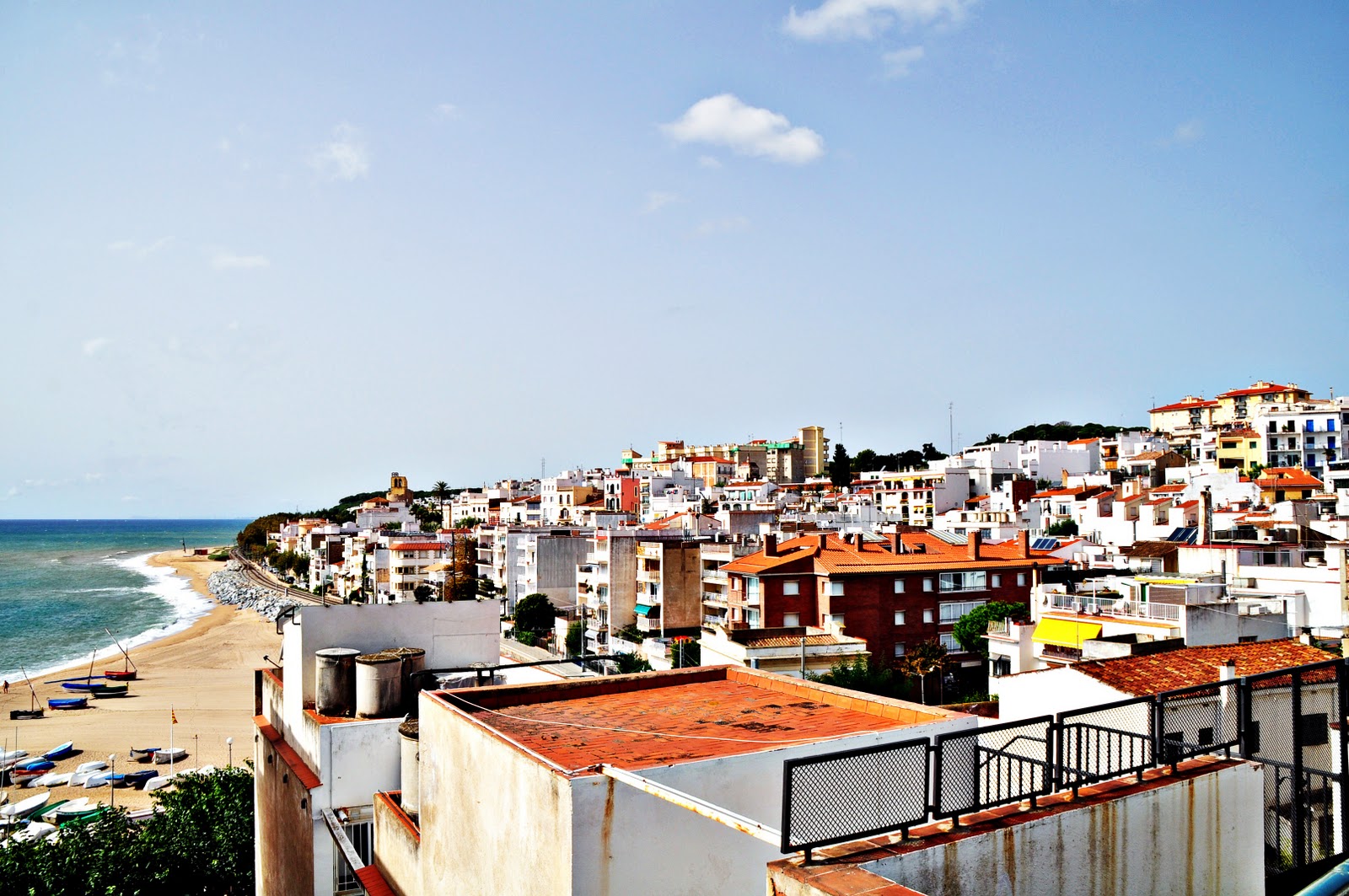
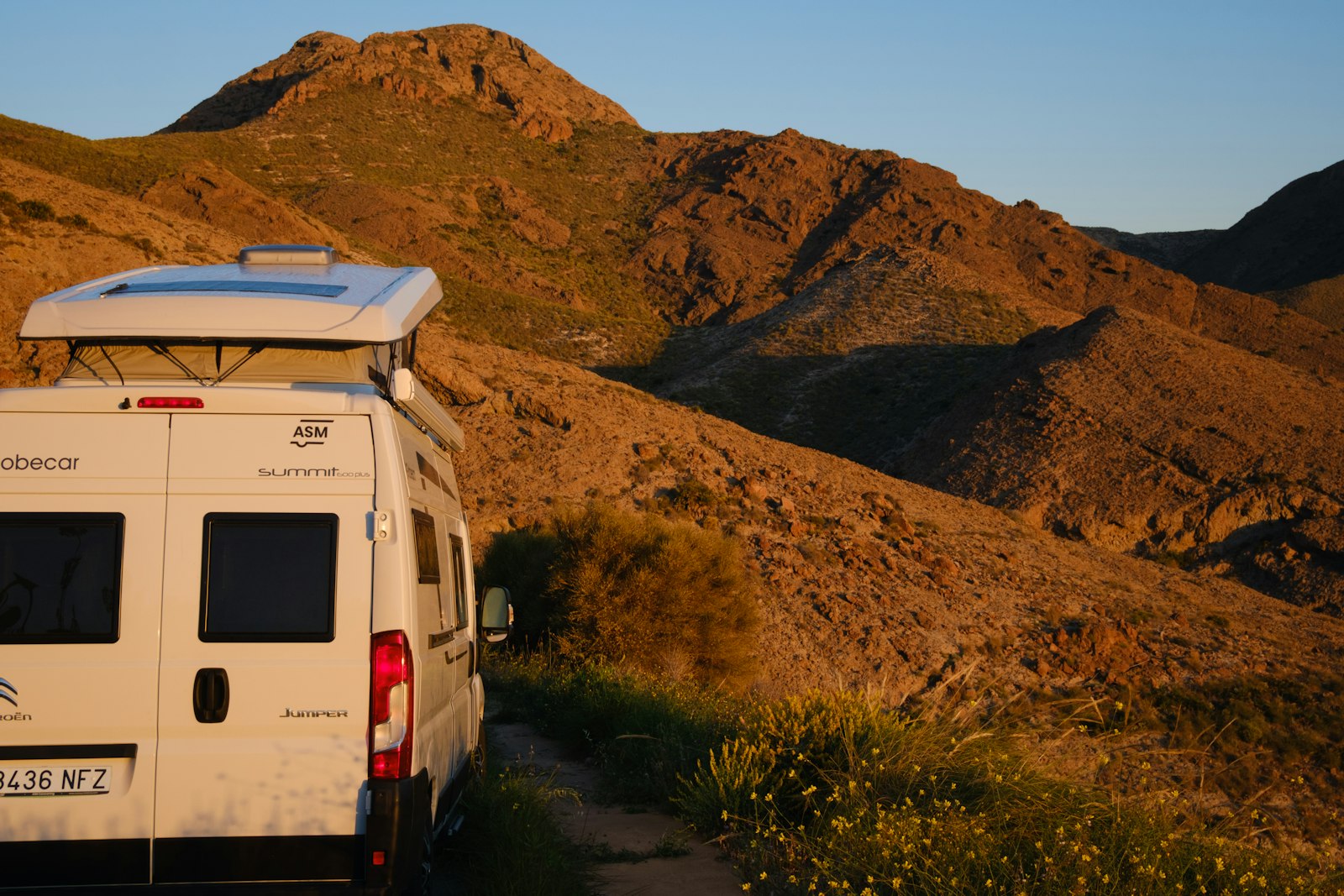
Calella on the Catalan coast, where we parked the camper · photo: Nicole Damiano
Spain — Everything We Know
“We crossed the border out of France and the ground turned the colour of clay. I have never gotten over it.”
Spain is my third biggest earning destination. Four client families, forty five thousand dollars in bookings, behind only Orlando and Germany. That is not small for a country I have only driven a corner of. It keeps happening because Spain does something to families that they cannot stop talking about at home.
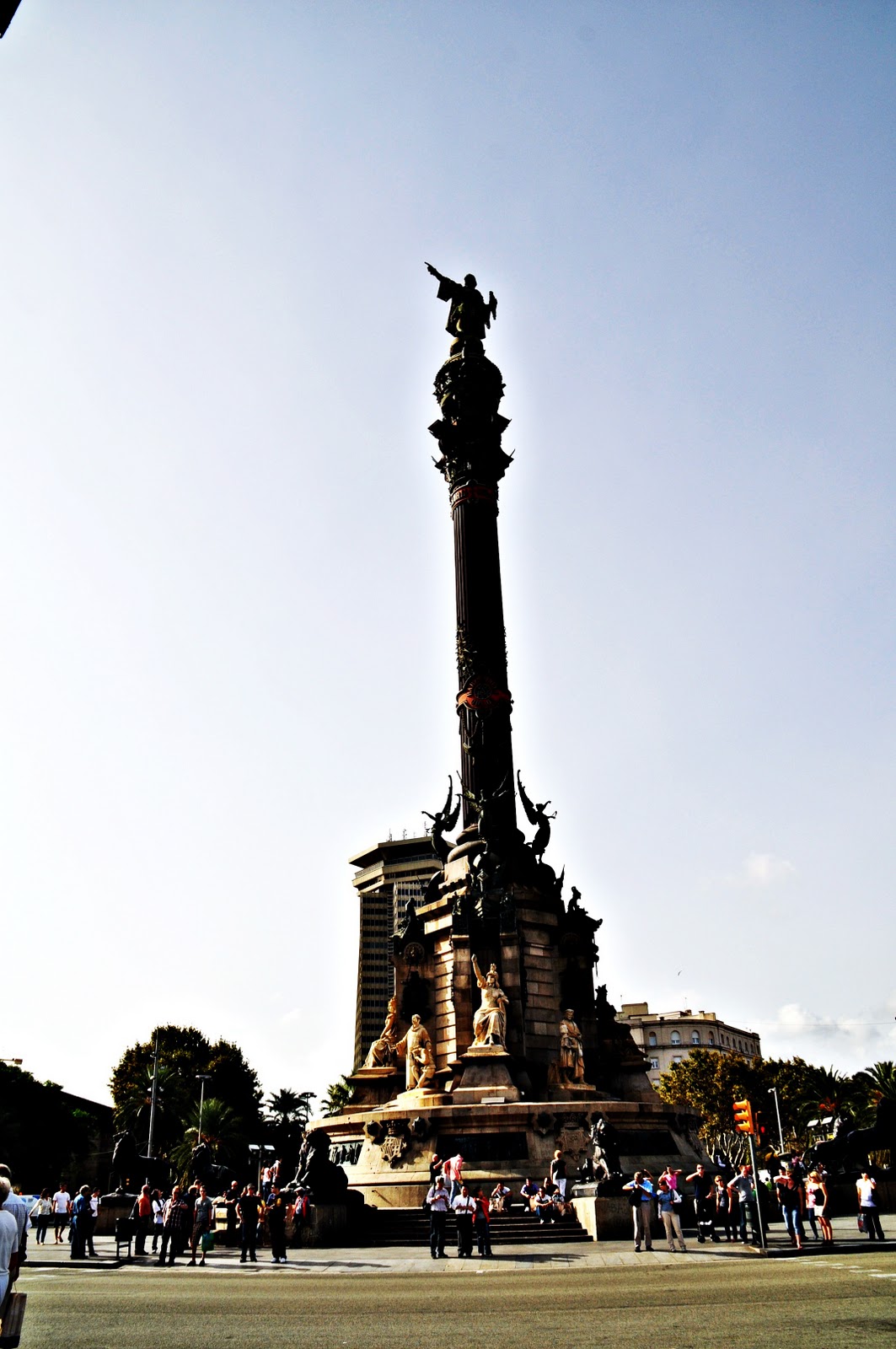
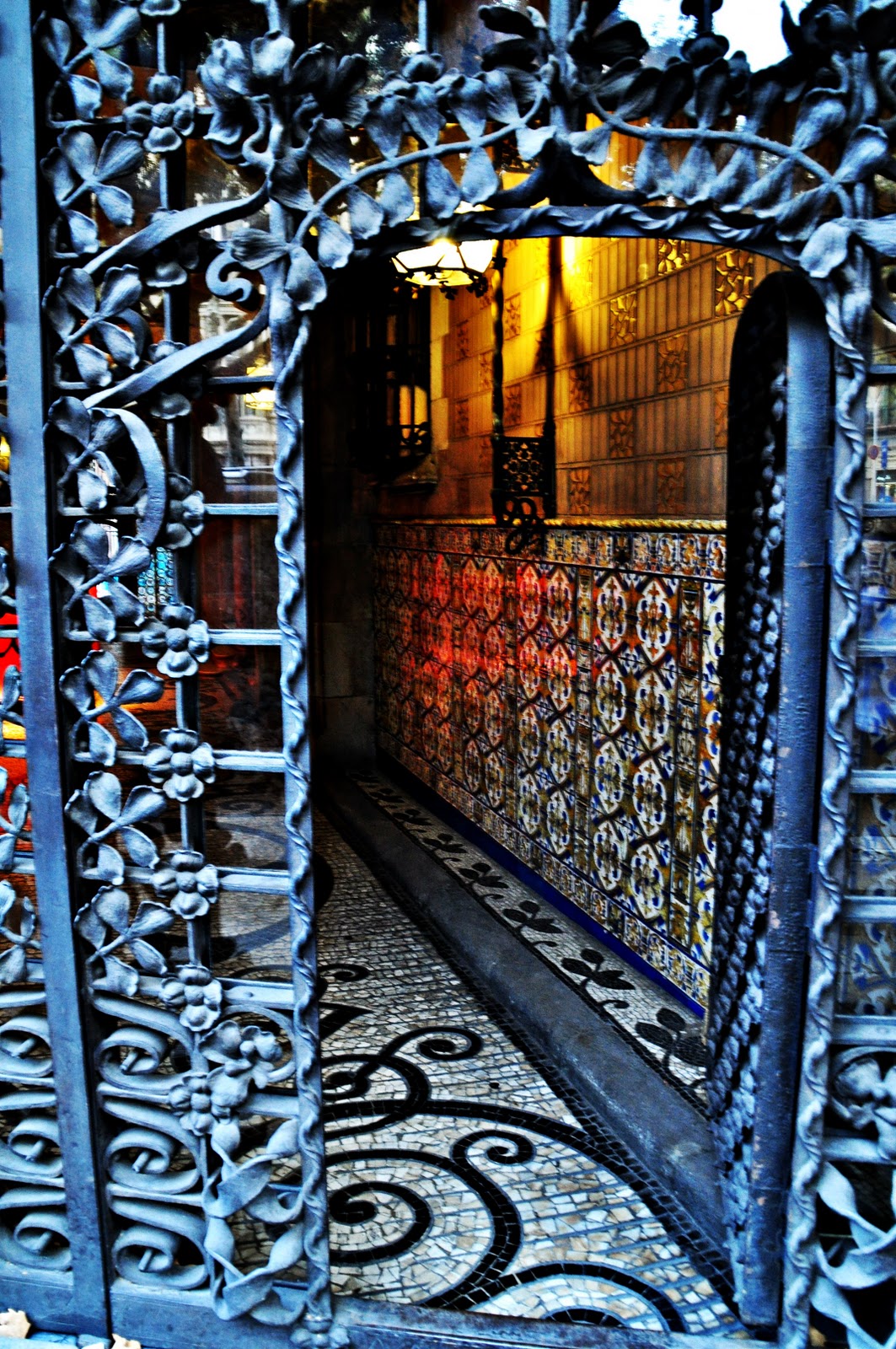
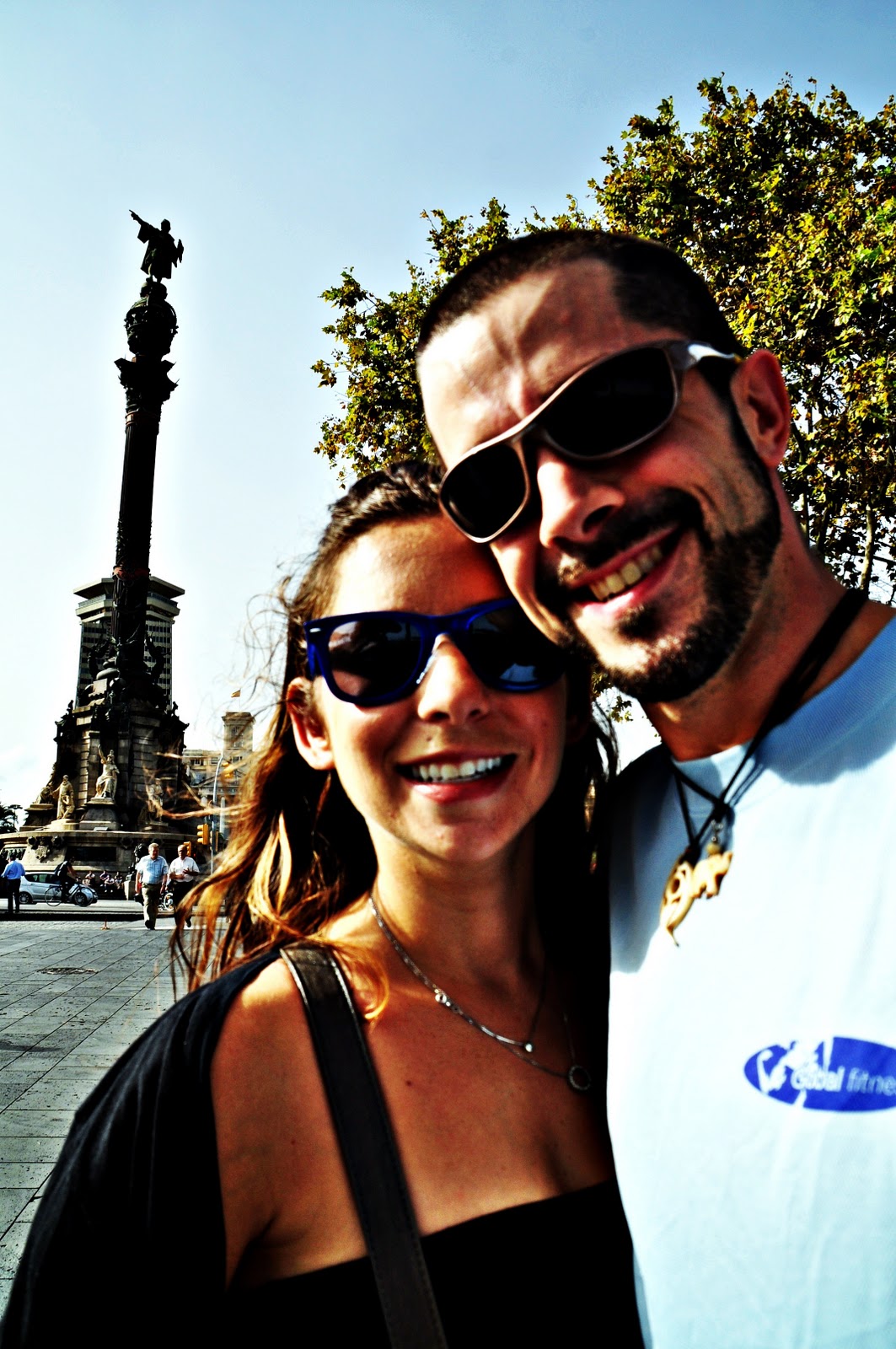
Adam and I drove into Spain in an RV in October 2010, before we had kids. We came down out of France and the fields went from green to brown and clay. We camped on a hillside above Calella and the host brought us a fresh loaf of bread every morning. We took the train in from Sant Pol de Mar, right along the Mediterranean the whole way. Sangria, paella, human statues on the Rambla, Gaudi buildings dropped into ordinary streets, and a market with more eyeballs in the meat than I wanted to see.
I wrote at the time that I wished we had a month just to drive the Spanish coast. Fifteen years later that is still the sentence I would write. Spain is the trip I am the most impatient to give my own kids.
Spain City by City
Eight places worth building a trip around. Cities, islands, and one beach town that happens to have the best food in Europe. Pick two and it will feel like two countries.
Barcelona
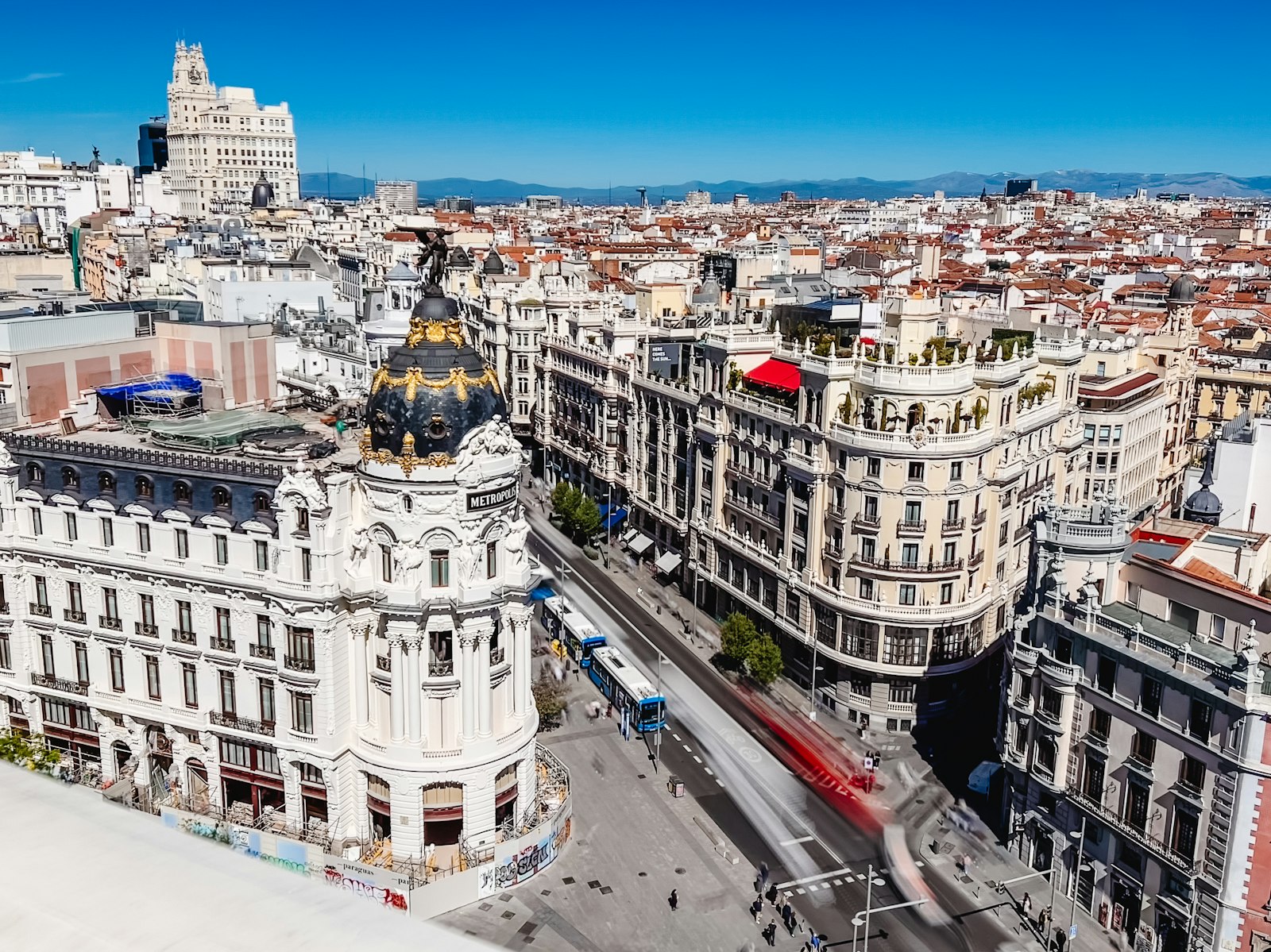
Madrid
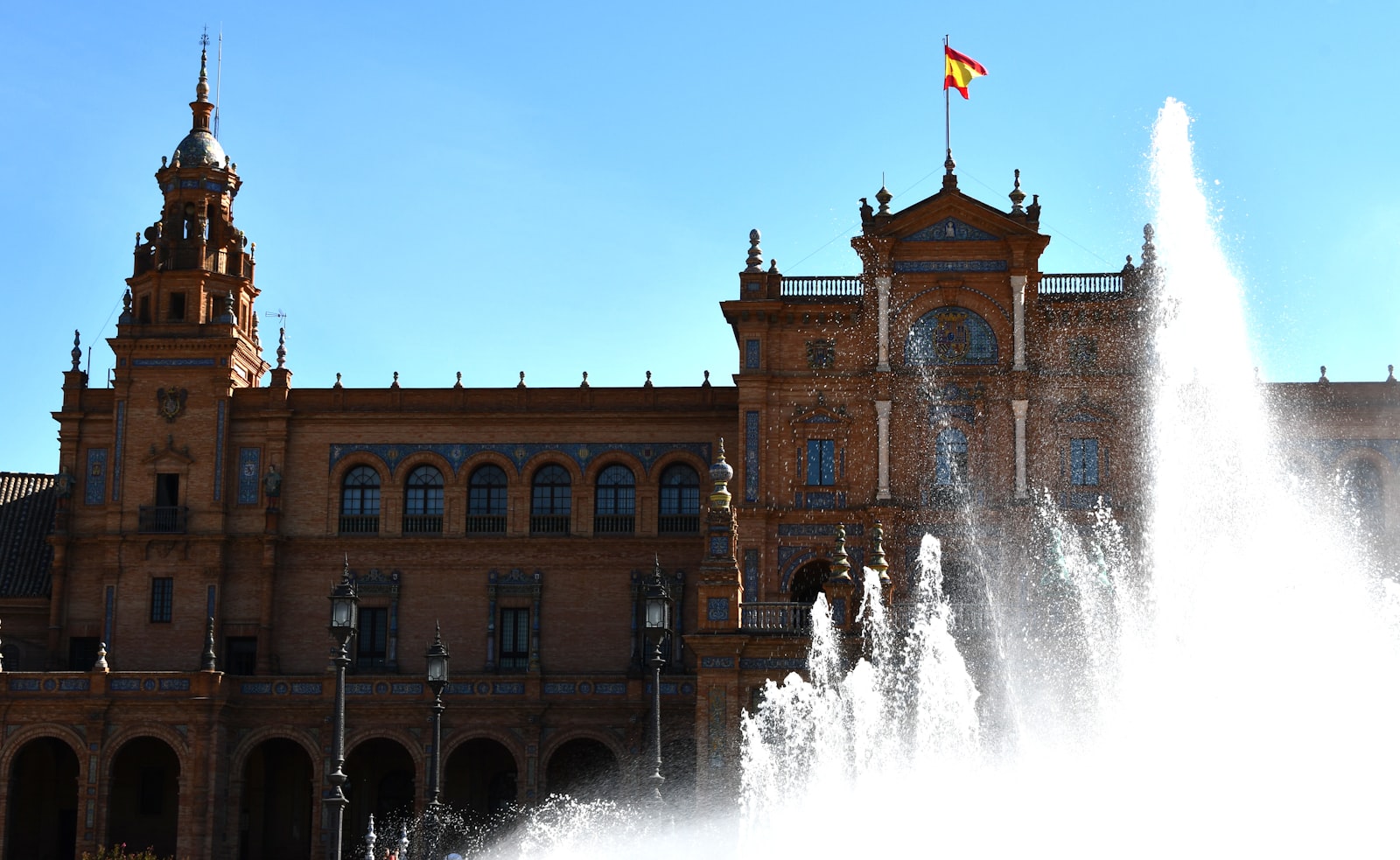
Seville

Granada

Valencia

San Sebastian

Mallorca

Cordoba
Why Spain
Spain is the easiest country in Europe to travel with children and I do not say that lightly. In a lot of Europe kids are tolerated. In Spain they are wanted. Nobody looks at the clock when your nine year old is still eating at ten at night, because the Spanish nine year old at the next table is too.
Who Spain is for. Families who want warmth, art, beaches and food without paying Italy or France prices. First timers who want one country that has everything. Anyone whose kids are picky, because tapas lets a child try six things and commit to none. Who should skip it. Anyone who needs dinner at six and bed by nine, because Spain will fight you every night. Anyone who cannot handle heat in July or August, because the interior is brutal. And anyone hoping for empty streets in Barcelona.
The AVE Changes Everything
Madrid to Seville in two and a half hours. Madrid to Barcelona in about three. Renfe, Ouigo and Iryo all compete, so the same seat can cost thirty euros or ninety depending on when you buy.
Cheaper Than You Expect
The best value of the big Western European countries. A menu del dia is still around fifteen euros for three courses and a drink, and museums are often free late in the day.
The Sun Is Real
Andalusia gets around three hundred days of sun a year. It is also why nobody sensible walks around Seville at three in the afternoon in August.
I wished we had a month just to drive the Spanish coast. Fifteen years later I still do.
Nicole Damiano, Hola Barcelona, October 2010Culture & Etiquette
Spain is warm and informal and easy to get along with. The only thing that trips Americans up is the clock. Everything happens two to three hours later than you think, and once you stop resisting that the country gets easier.
The day runs late. Lunch is two to four. Dinner starts at nine. Kitchens in a lot of towns do not open before eight thirty. Plan an afternoon snack and stop fighting it.
Siesta is not a nap, it is a closing time. In smaller towns shops shut in the early afternoon and reopen around five. Do your errands in the morning.
Spain has four languages, not one. Castilian everywhere, plus Catalan in Barcelona, Basque in San Sebastian, Galician in the northwest. Menus in Barcelona are often Catalan first. It is not a snub. It is where you are.
Greet the room. Walk into a small shop or bar and say buenos dias, and adios on the way out. It changes the temperature of the whole interaction.
Tipping is small. Round up, or leave a euro or two per person for a good meal. Ten percent is generous, not standard here.
Pickpockets are the real risk, not violence. Spain is a very safe country. La Rambla, the Barcelona metro and Puerta del Sol are where thieves work. Front pockets, bags zipped, phone off the table. Almost nobody gets hurt. Plenty of people get emptied.
The overtourism backlash is real. Barcelona residents have marched about it and some sprayed tourists with water guns in 2024. It is not aimed at your family, it is aimed at a city priced out of itself. Stay in a licensed hotel, spend money in neighbourhood places, and do not be the group shouting in a residential street at one in the morning.

The white towns of Andalusia. An hour from the coast and a different century.
Food
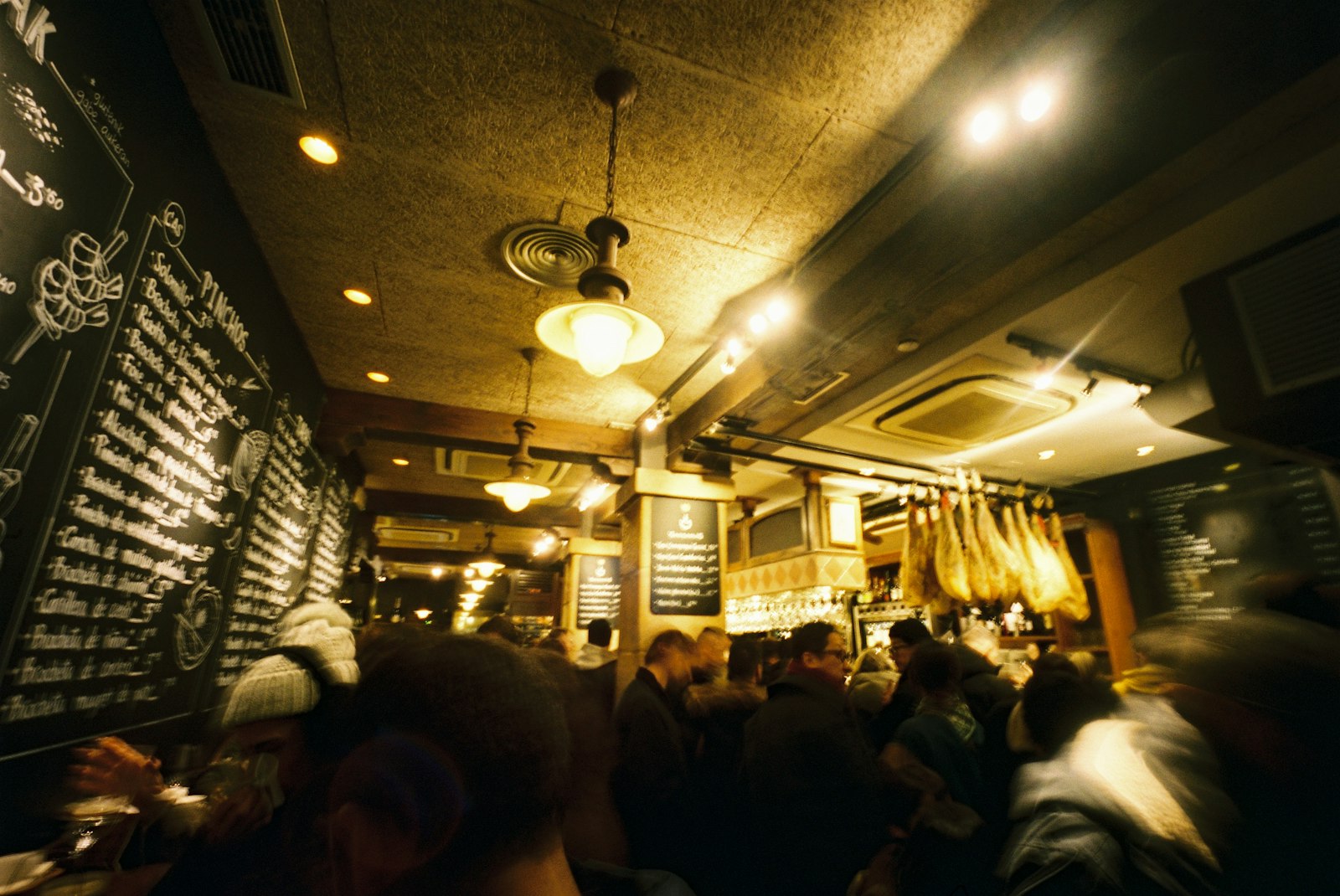
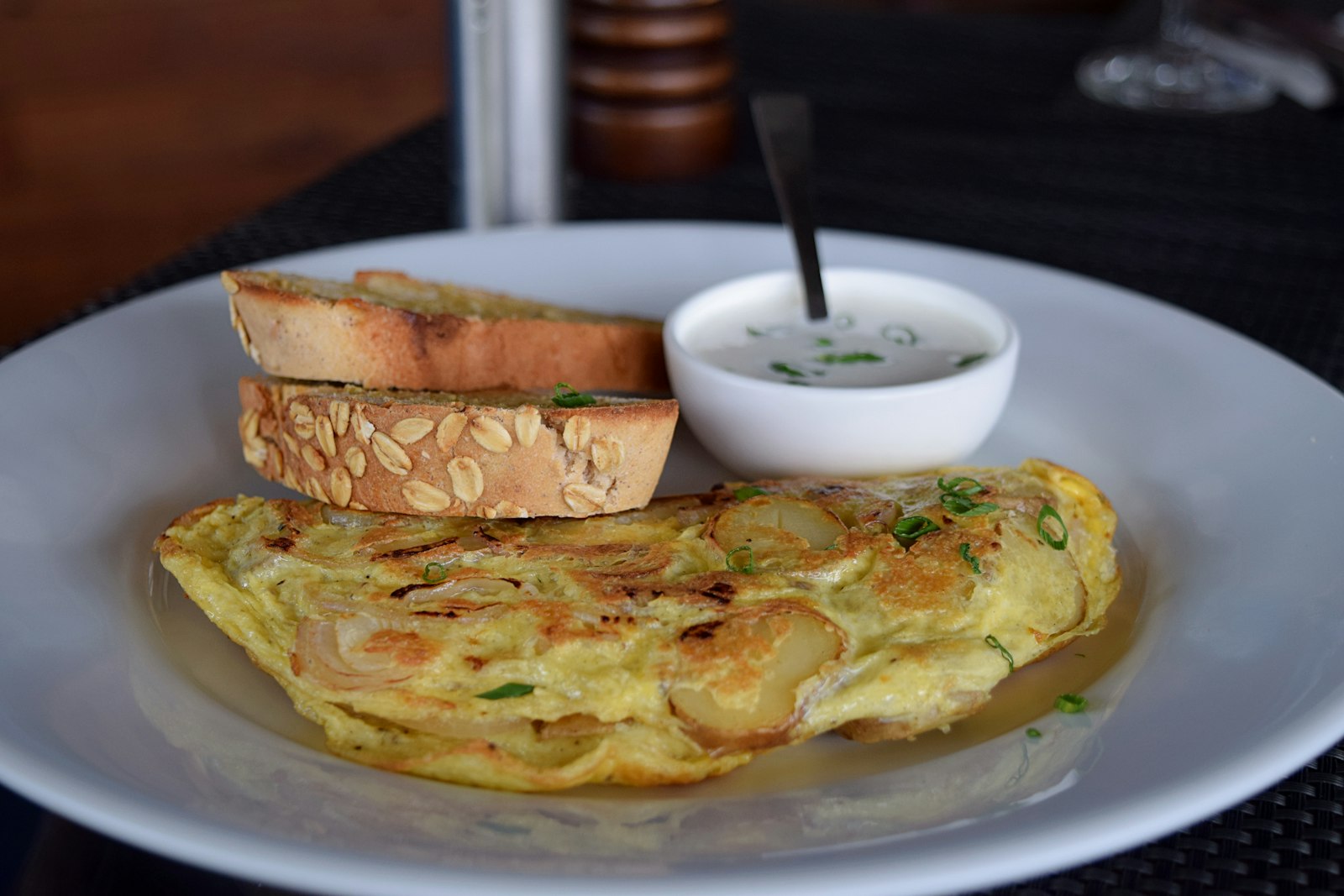
Spanish food is the most kid friendly food in Europe and it is not close. Tapas exist so you can order five small things and let a child hate four of them without wasting a meal. Jamon, tortilla de patatas, croquetas, patatas bravas, pan con tomate. Most kids find something they love on day one.
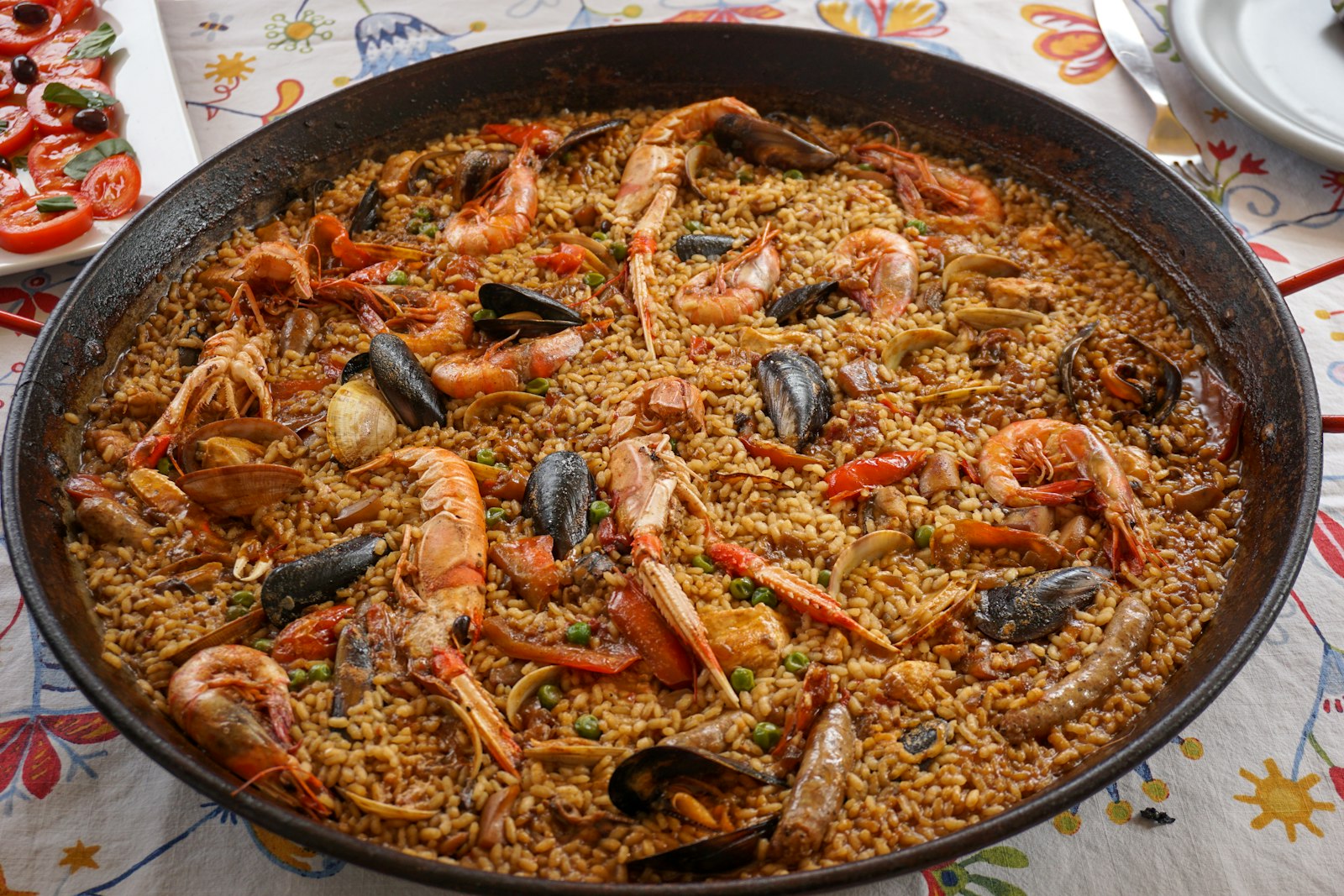
Regional is the whole point. Paella belongs to Valencia and Spaniards eat it at lunch. Pintxos belong to San Sebastian, where you take what you want off the counter and pay on the honour system. Ordering paella in Seville is like ordering a lobster roll in Kansas.
Two things. The menu del dia is the best value in European travel, three courses with a drink for twelve to eighteen euros on weekdays. And any restaurant with a laminated picture menu and a man outside waving you in is for people who will never come back.

Getting Around
Fly into Madrid or Barcelona. Both have direct service from a lot of North American cities and both are easy airports with kids. Malaga, Seville, Valencia and Palma are cheap second stops by connecting flight or train.
The high speed train is the answer for most family trips. The AVE network runs out of Madrid like spokes on a wheel and it is fast, clean and civilised in a way that flying inside Europe is not. Madrid to Seville is two and a half hours, Madrid to Barcelona about three. Book sixty days out and pay thirty euros, or book the week of and pay ninety for the same seat.
Rent a car for the countryside and not for the cities. Andalusia, the white towns, the Costa Brava and Mallorca are better with a car. Barcelona, Madrid and Seville are worse with one, and most historic centres are camera enforced restricted zones where the ticket arrives at your house months later.
A note that costs people money. Manual transmission is the default in Spain, so reserve an automatic early if nobody in your family drives a stick. We learned that the hard way in Germany, where our camper turned out to be a manual and I did all the driving because Adam could not.
Barcelona and Madrid both have clean, cheap metros. Ferries to the Balearics run out of Barcelona and Valencia and take three to eight hours, or you can fly it in forty minutes for about the same money.
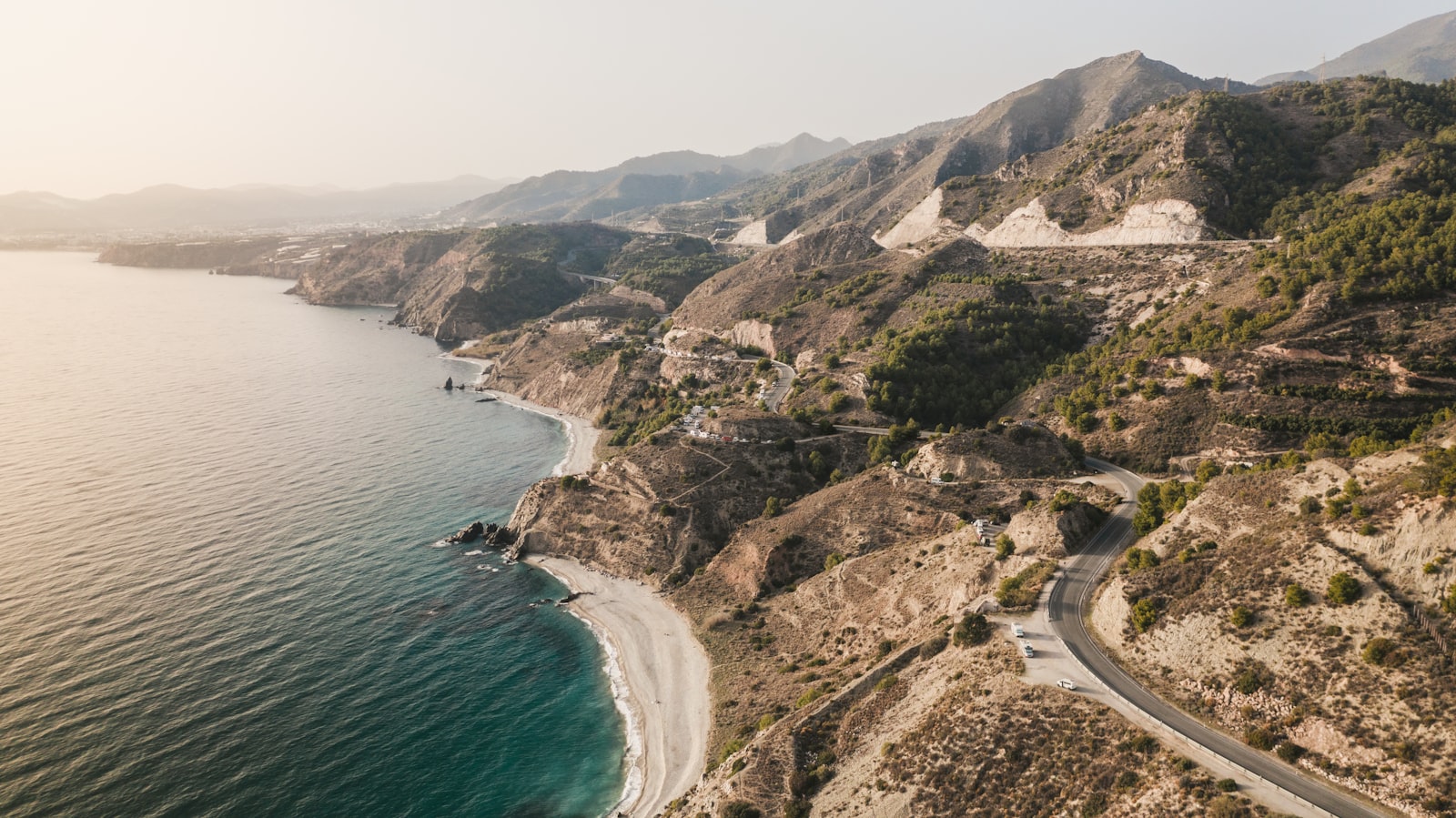
The coast road. This is the Spain I keep telling clients to give themselves a week for.
Money & Practical Basics
Cards work almost everywhere now. Spain went contactless fast. Tap your phone on the metro, in taxis, in bars. Carry forty or fifty euros for markets and village bars, but not a wallet full of cash the way you need one in Germany.
Schengen and ETIAS. Spain is in the Schengen zone, so US and Canadian passports get ninety days in any one hundred eighty across the whole zone. The EU entry exit system began rolling out in late 2025 and ETIAS is expected to follow. Check the official EU site before you book, not a blog, because the date keeps moving.
Get an eSIM before you fly. Ten to fifteen dollars for two weeks of data, bought at home while you still have wifi. Navigating a Spanish train station on wifi you do not have is a bad afternoon.
City tax is extra. Barcelona charges a regional tax plus a city surcharge per person per night and it keeps rising. The Balearics charge a summer sustainability tax. Budget a few euros per person per night.
Pharmacies do a lot. Look for the green cross. Spanish pharmacists handle most minor things without a doctor and they are excellent with kids. You will not need a hospital for a scraped knee.
When to Go
Everyone books July and August, and those are the two months I would tell most families to avoid unless you are going straight to a beach.
Spring
April into June is the best window in the country. Andalusia is warm and not yet cruel, the orange trees in Seville are in blossom. Holy Week and the Feria are extraordinary and they triple hotel prices, so decide which side of that you want to be on.
Summer
July and August are hot, expensive and full. Seville and Cordoba pass forty degrees Celsius, over one hundred four Fahrenheit, and that is a stay indoors heat. The coasts and the north are lovely. The interior is not.
Autumn
September and October are my pick if spring does not work. The sea is still warm, prices drop after the first week and the crowds go home. This is when we were there, and the coast was perfect.
Winter
Andalusia in winter is mild and cheap and half the world does not realise it. Fifteen to eighteen degrees in Seville in January. The north is wet, Madrid is cold, and Sierra Nevada is a ski resort three hours from a beach.
How Many Days & Routing
The mistake I fix most often is four cities in ten days. Spain punishes that harder than most countries, because the good part of Spain happens when you are not going anywhere.
Seven days. One city and one day trip. Barcelona and nothing else is a real answer. So is Madrid plus Toledo, or Seville plus Cordoba.
Ten days. Two bases, three to four nights each. Barcelona and Madrid, or Seville and Granada with a couple of nights on the coast. Take the AVE and do not fly.
Fourteen days. Three bases, and now add a car for the middle stretch. Barcelona, the AVE to Seville, a car through the white towns to Granada, fly home out of Malaga.
First trip, no debate. Barcelona for four nights, AVE to Madrid for three. Two great cities, one train, no car. Everything else is your second Spain trip, and there is almost always a second one.
Regions at a Glance
Catalonia
Barcelona, the Costa Brava and the Pyrenees. Its own language, its own food, its own opinion about being part of Spain. The coves north of Barcelona are the piece most Americans miss.
Andalusia
Seville, Granada, Cordoba, Malaga and the white towns. Eight hundred years of Moorish rule left buildings nowhere else in Europe has. Also the hottest and the cheapest.
Basque Country & the North
San Sebastian, Bilbao, the Rioja vineyards and the green Atlantic coast. Cooler, rainier, and the best food in the country by a wide margin. Nothing like the Spain on the postcards.
The Islands
Mallorca, Menorca, Ibiza, Formentera in the Mediterranean, and the Canaries out in the Atlantic where it is warm in February. Mallorca is the one with the best family infrastructure.
Where to Go in Spain
Barcelona and the Costa Brava I have driven and walked. The rest I have booked for other families and am going back for myself. I am not going to pretend a hotel contract is the same as standing there.
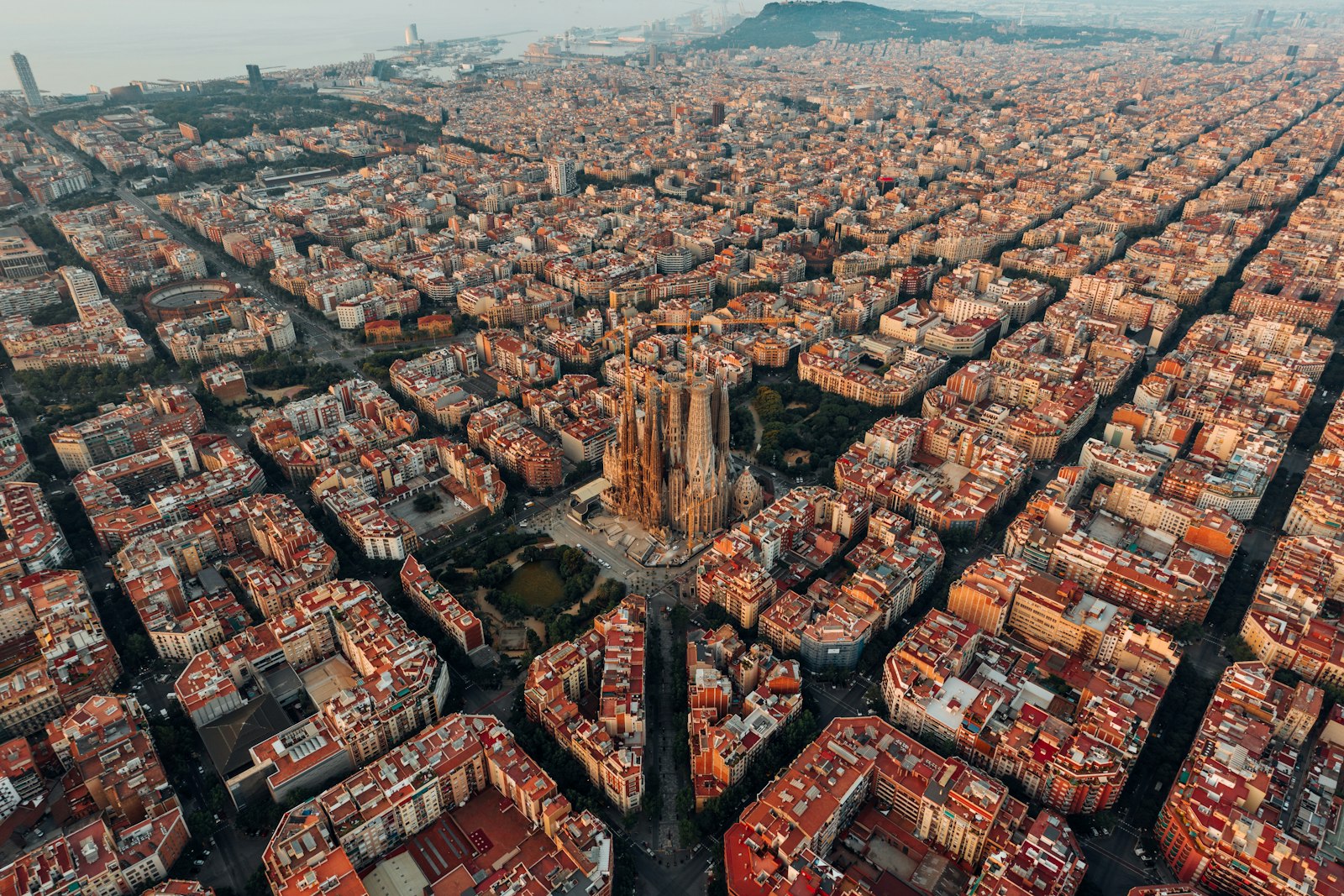
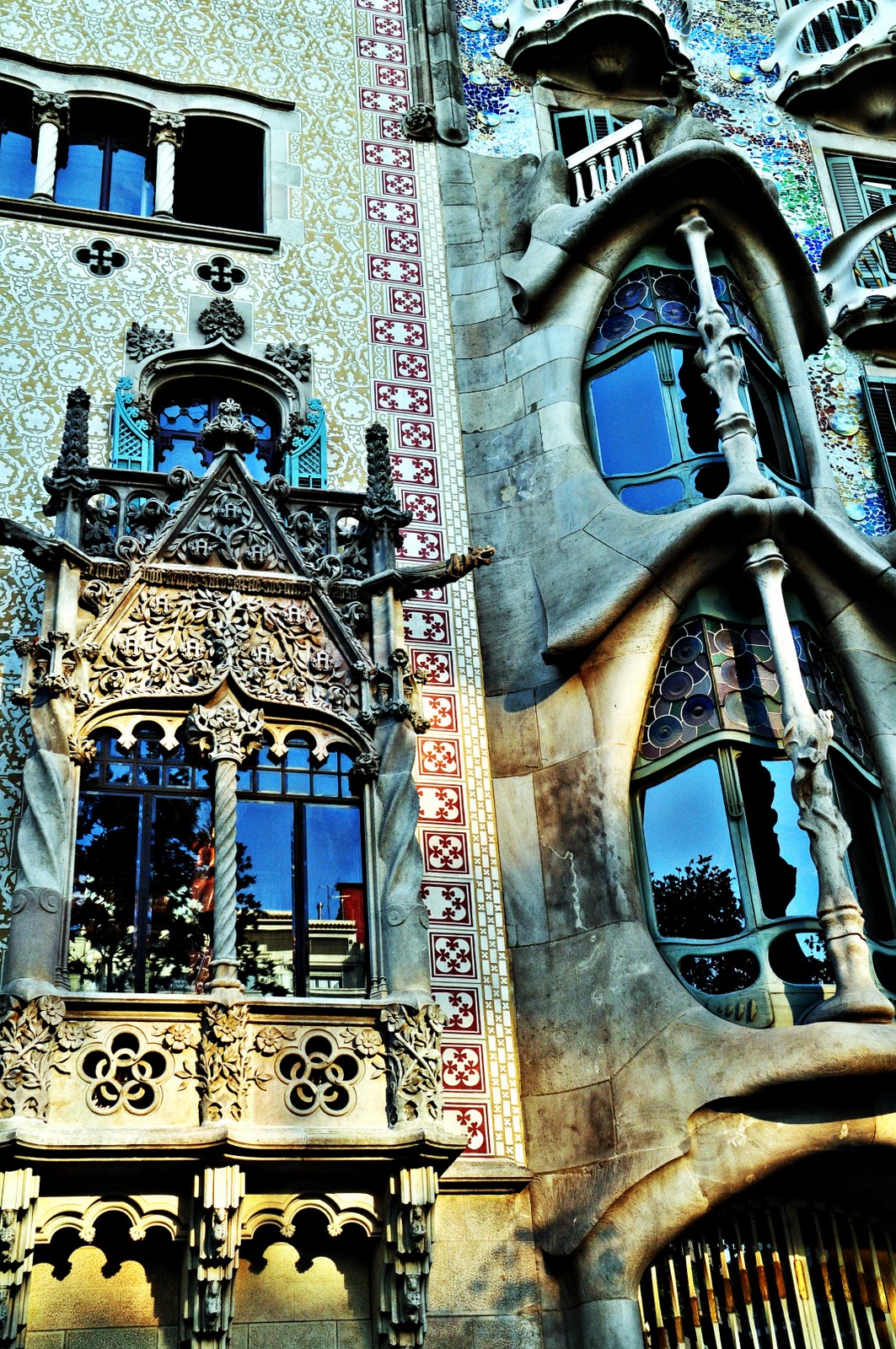
Barcelona. The one everybody starts with and it earns it. Gaudi is the reason. The Sagrada Familia is not a church you look at, it is a building that stops a thirteen year old mid sentence, and Casa Batllo and Park Guell do it on a smaller scale. A real beach twenty minutes from the Gothic Quarter. Book Gaudi tickets weeks ahead because they sell out, and watch your pockets on La Rambla.
Madrid. A working capital rather than a tourist set. The Prado, the Reina Sofia with Guernica in it, the Royal Palace, and Retiro Park with a lake you can row on. Kids who like history like Madrid. Kids who do not like the park.
Seville. The most beautiful city in Spain and the easiest to walk. The Real Alcazar is a working royal palace with Moorish courtyards, and it doubled as Dorne in Game of Thrones, which lands with teenagers. Orange trees down every street. Flamenco in small rooms, not dinner shows. Go in April or November, not August.
Granada. The Alhambra is the single best thing I could send a family to see in Spain and tickets sell out months ahead. Buy them the day they release. The city underneath is a student town where tapas still come free with a drink, one of the last places that happens.
Cordoba. Forty five minutes from Seville by train. The Mezquita is a mosque with a cathedral built inside it, and that forest of red and white arches explains eight centuries faster than any book. Go early.
Valencia. Paella came from here, and so did the strangest city block in Spain. The City of Arts and Sciences has an aquarium, a science museum you are allowed to touch and an IMAX in one white complex. Plus a beach. My pick for families with kids under ten.
San Sebastian. The food town. More Michelin stars per head than almost anywhere, but the point is the pintxos bars in the old town where you go in, eat one thing and leave. La Concha is a beautiful city beach. It rains more here.
Mallorca and the Balearics. Mallorca has the best beaches and infrastructure, plus a mountain range along the north coast most people never see. Menorca is quieter, and Ibiza is two islands in one where families want the quiet north.
Costa Brava. The coast north of Barcelona. Coves, pine trees, small fishing towns and the Dali museum in Figueres. This is the stretch I drove, and it is why I keep telling people to give Spain a car for part of the trip.
Family Travel Considerations
Spain is the country I recommend most often to families who are nervous about Europe, and the reason is temperament rather than infrastructure. Spanish adults like children. Your kids will be spoken to and fussed over. Nobody sighs.
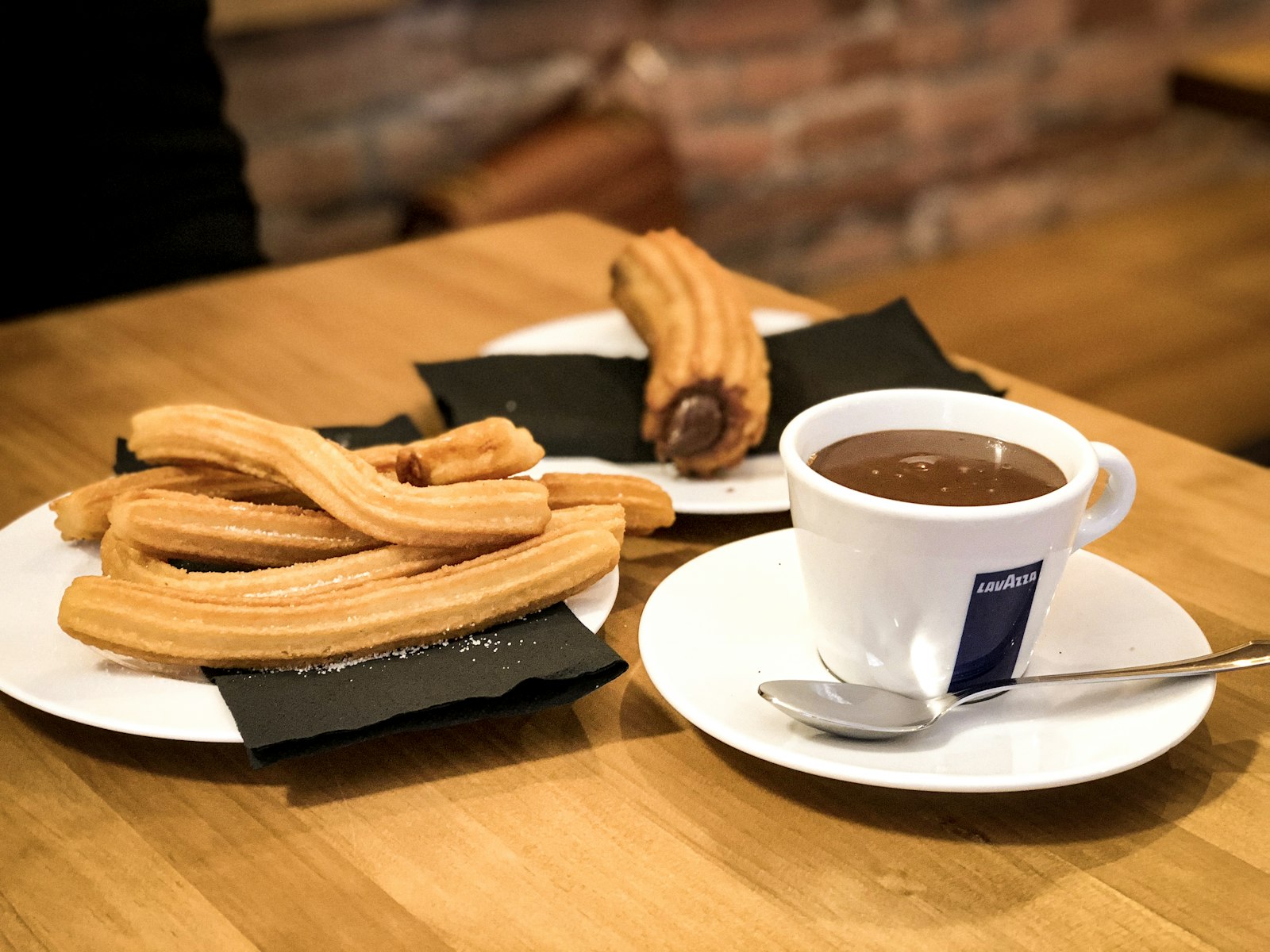
The clock is the only real adjustment. Dinner before nine is unusual and before eight is close to impossible outside tourist strips. Do a proper merienda around five, a bocadillo or churros, then eat late when everyone is actually hungry. Two nights in, your kids will be running around a plaza at eleven with Spanish kids doing the same, and you will stop worrying about it.
Practical things. Strollers are miserable on old cobblestones, so bring a carrier for anyone under three. European hotel rooms are small and a family of five almost always needs two rooms or an apartment. Car seats are required up to one hundred thirty five centimetres. Public bathrooms are scarce, so walk into a bar, buy a coffee and use theirs.
Heat is the thing I actually worry about. An August afternoon in Seville or Cordoba is dangerous for small children, not just uncomfortable. Go north or go to the coast, and if you go south anyway, build the day around a long indoor middle. That is what siesta was invented for.

Flamenco in a small room in Seville. Skip the dinner shows, find a tablao that seats forty.
Splurge-Worthy Experiences
The Alhambra, with a guide, first entry
The Nasrid Palaces are timed and the ticket is cheap. The guide is what makes it. Somebody who can tell a nine year old what the writing on the walls says turns it into the best morning of the trip.
A parador for two nights
Paradores are state run hotels in castles, convents and monasteries. The one inside the Alhambra grounds and the one on the cliff at Ronda are worth rearranging a trip for, and they cost less than a boutique hotel.
A private pintxos crawl in San Sebastian
Four bars, one dish at each, somebody local ordering. This is the experience that comes back in the thank you email every single time.
A day on a boat in the Balearics
A small skippered boat to coves you cannot reach on foot. With kids over six this is the day they name as their favourite.
What Surprises First-Timers
How late late really is. You read that dinner is at nine and think it is a suggestion. At eight thirty a Spanish restaurant is empty and the staff are eating in the corner.
How cheap the good stuff is. A three course lunch for fifteen euros. A bottle of very good Rioja in a restaurant for twenty. Spain has not caught up to Italian or French pricing.
How crowded Barcelona is. Around thirty two million visitors a year in a city of one and a half million. La Rambla is shoulder to shoulder and the Gaudi sites sell out. Still worth it, but buy every ticket in advance.
That August empties the cities. Spaniards leave, so there is less traffic and the neighbourhood restaurant you read about is closed for three weeks with a note on the door.
Go Deeper
Our own Spain writing, plus the Europe guides that pair with it. Several of the 2010 posts have the wrong photo attached in the archive, so these cards use a real photo from the same stop instead.