- Home
- About Nicole
- Explore the World
-
Travel Library ▾
Proud affiliate of Favorite Grampy Travels

Chalets hanging over the Lauterbrunnen valley. Switzerland does not look real, and then you get there and it still does not look real · photo: Unsplash
Switzerland — Everything We Know
“It is the most beautiful country we ever drove through and the one that emptied our wallet fastest. Both of those are true at the same time.”
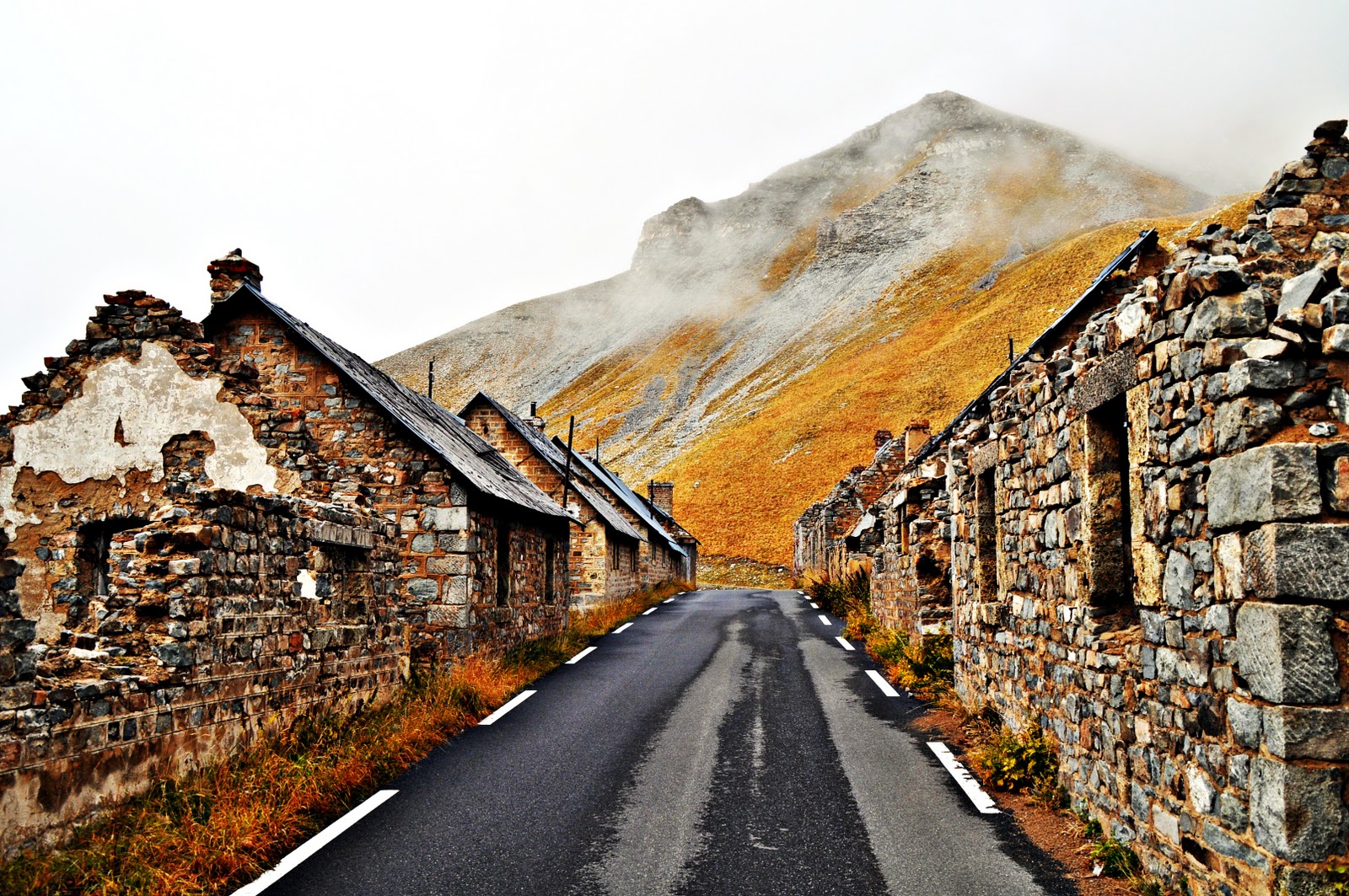
We drove into Switzerland over the French Alps in a rented RV and I cried on the way in. Not because it was beautiful, although it was. Because the road was two narrow lanes of wet tarmac with no guard rail and a drop I could not see the bottom of. Adam navigated. I drove. The GPS said eight hours from Cannes to Geneva. It took us three days.
Then we came down out of the fog and Switzerland just started. Villages that look painted. A bus stop in every hamlet even when there is no shop. We crawled through Geneva looking for RV parking, gave up, slept above the lake, went on to Bern, then drove north to stay with a family we had met months earlier in Vietnam.
That is the honest version of my Switzerland. Fifteen years old, before we had children, six weeks in a camper rather than a family trip. The rest of what I know is professional. Switzerland is one of my highest value booking destinations and one of the places clients ask about most and understand least.
Everything on this page that is not ours is written as advisor guidance and I say so where it matters.
Switzerland City by City
Switzerland is small. Zurich to Geneva is under three hours by train and you spend the whole ride looking out of the window. These are the eight places I would build a first trip around. Most families do two or three of them properly and that is the right call. Trying to do all eight is how you spend a fortune on trains and remember none of it.
Zurich

Lucerne
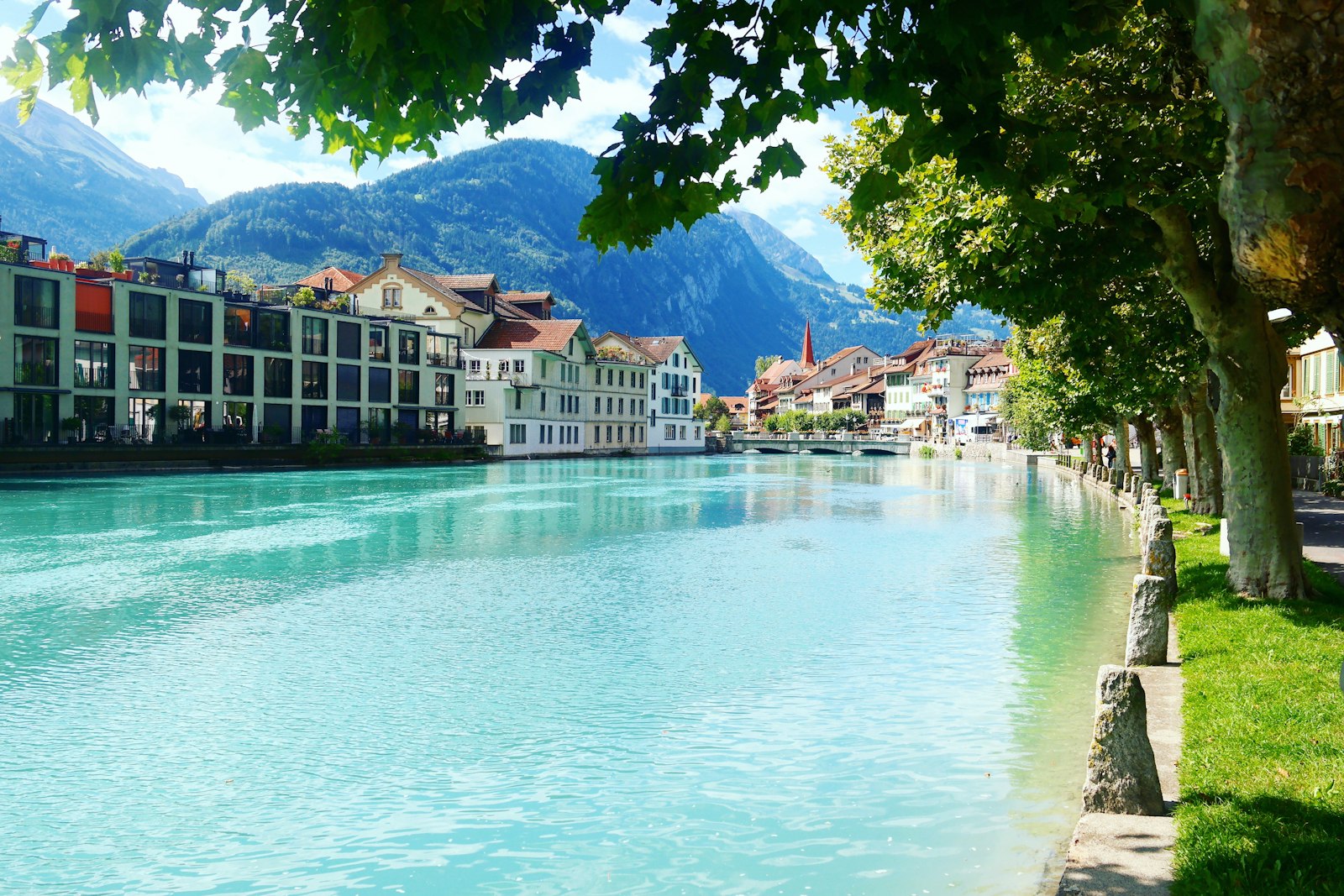
Interlaken
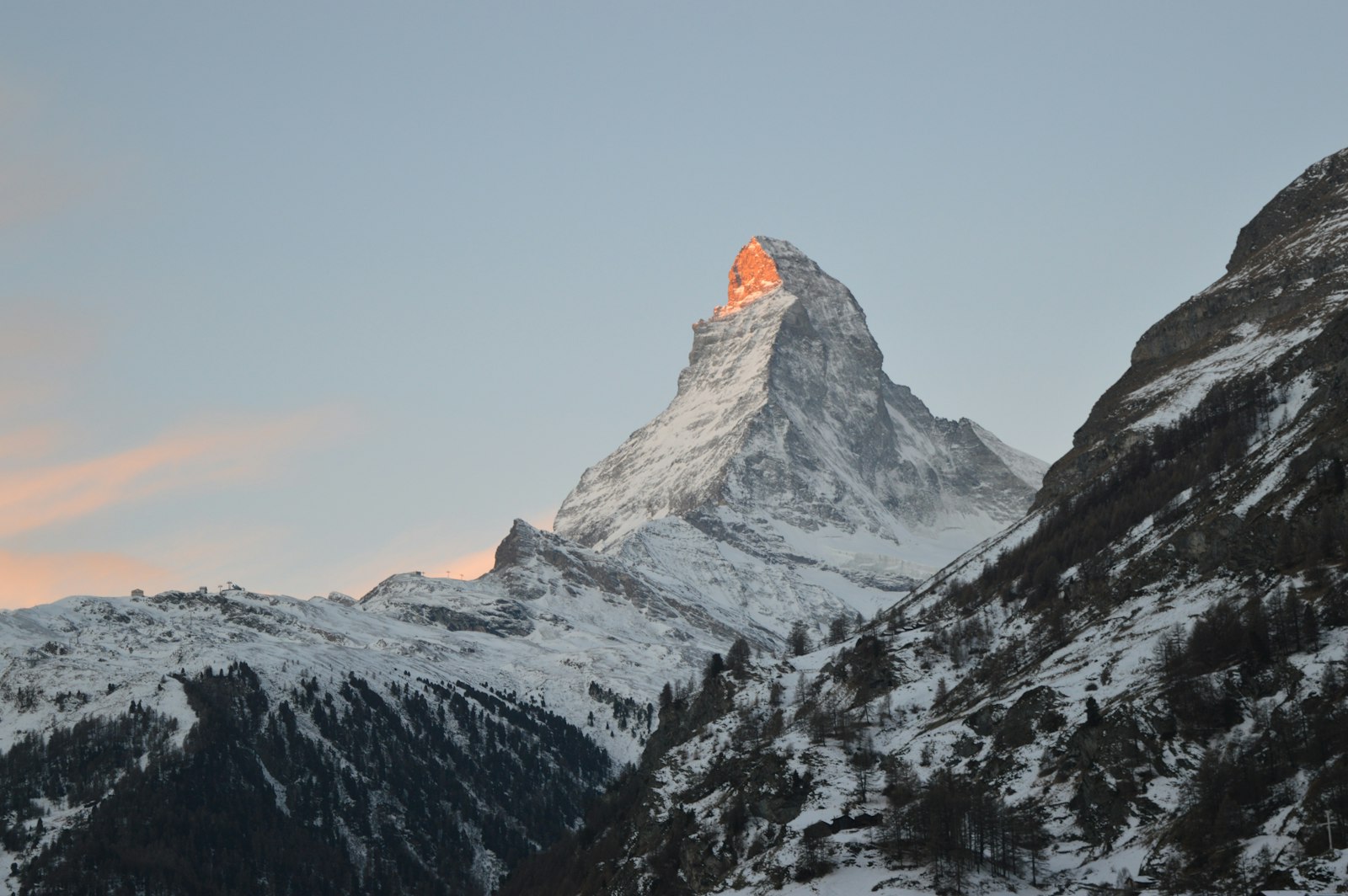
Zermatt
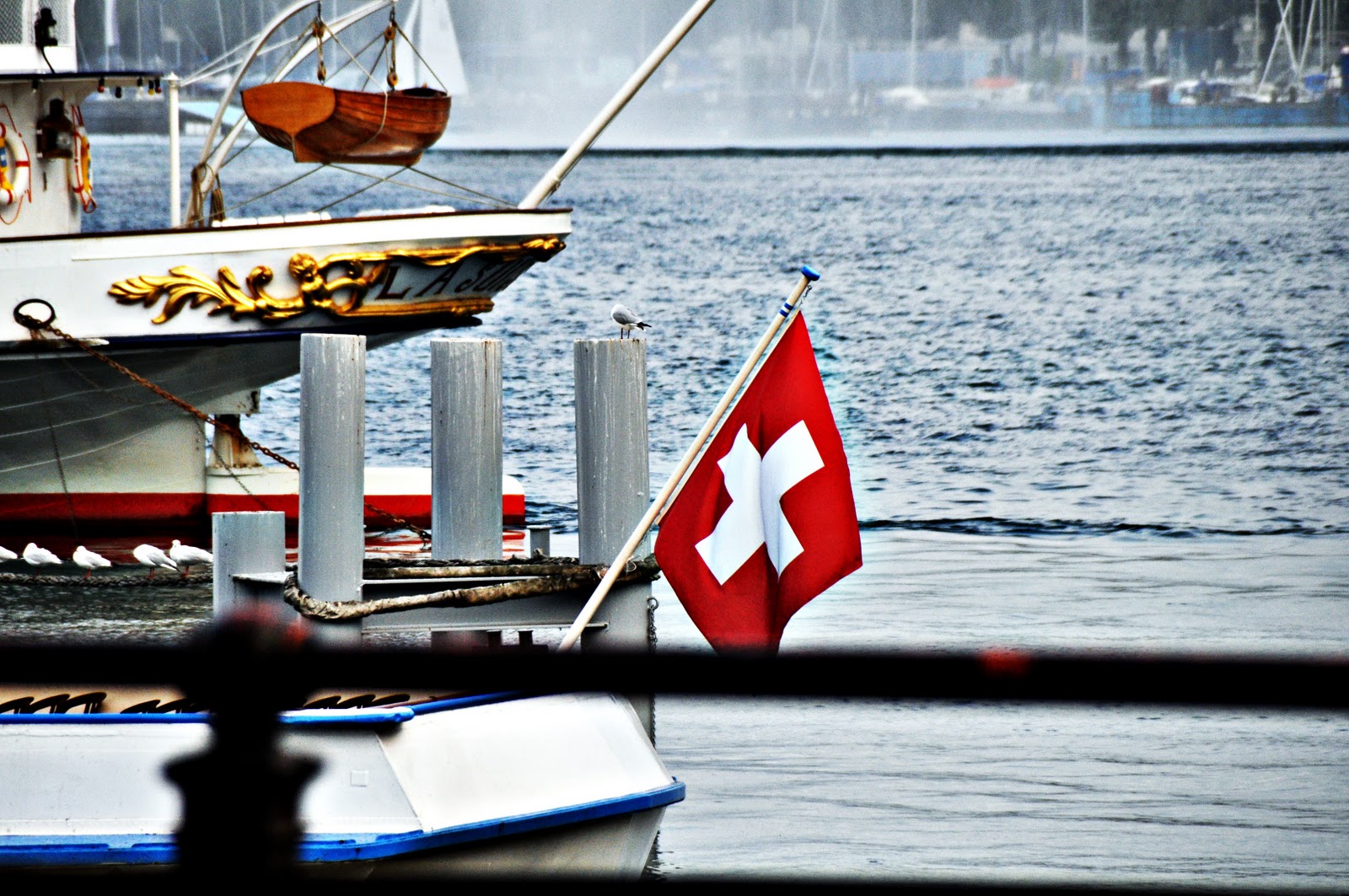
Geneva
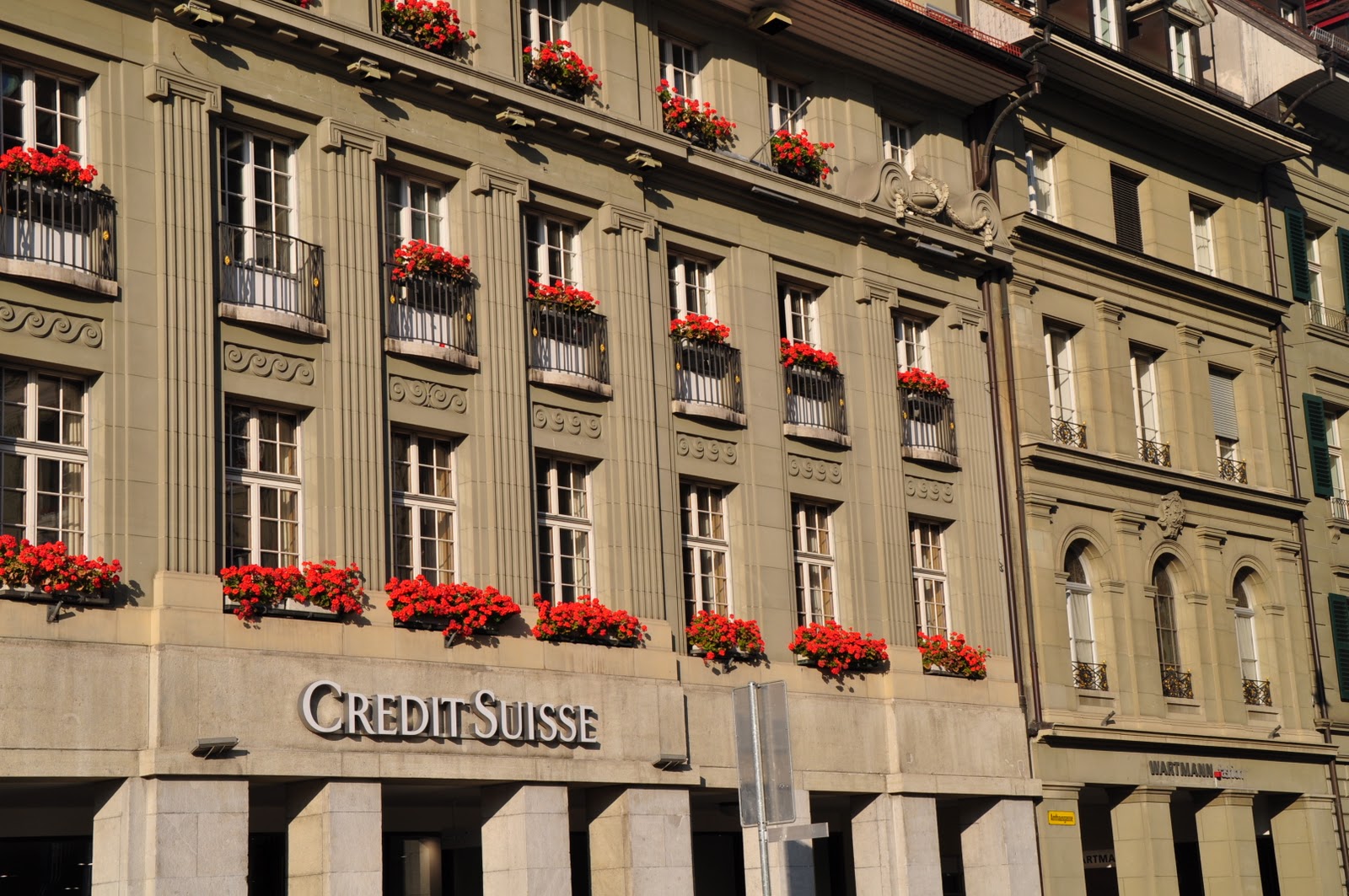
Bern
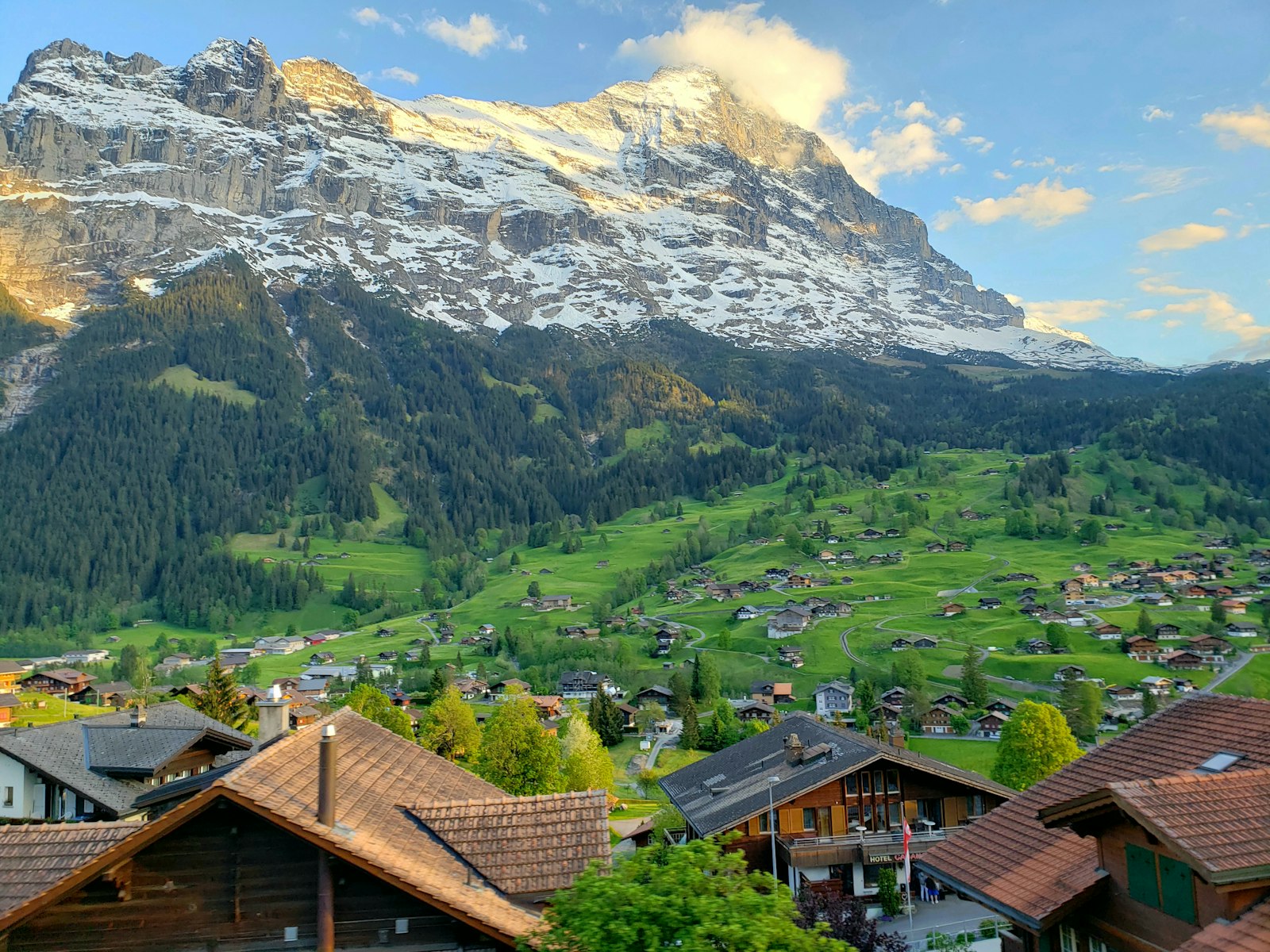
Grindelwald

Lauterbrunnen
Why Switzerland
Switzerland makes the rest of Europe look sloppy. The trains leave when they say they will. The mountains are thirty minutes from a city and you reach them on a train a nine year old could ride alone. Nothing is broken. Nothing is dirty.
Who it is for. Families who want mountains without roughing it. Anyone travelling with grandparents or a stroller, because a cable car does the climbing for you. Train people. And anybody who has been putting off the Alps because they think you need to be a hiker. You do not.
Who should skip it. Anyone on a budget. I am not going to soften that. Switzerland will cost you roughly double what Italy or Spain costs for the same week and there is no clever workaround. Also skip it if you want cities, because Zurich and Geneva are pleasant and expensive and neither one is why you came.
The Train Is the Attraction
Transport is not how you get to the good part here. The Glacier Express, the Bernina, the climb to Jungfraujoch. The window is the point, and kids who hate sightseeing tend to love it.
It Really Is That Expensive
When we drove through, dinner out ran over twenty five francs a head and thirteen items of groceries came to more than fifty. Fifteen years on, that gap has not closed.
Not the Euro, Not the EU
Switzerland is in Schengen so your passport days count, but it is not an EU member and it uses the Swiss franc. Do not arrive with a wallet full of euros expecting an easy day.
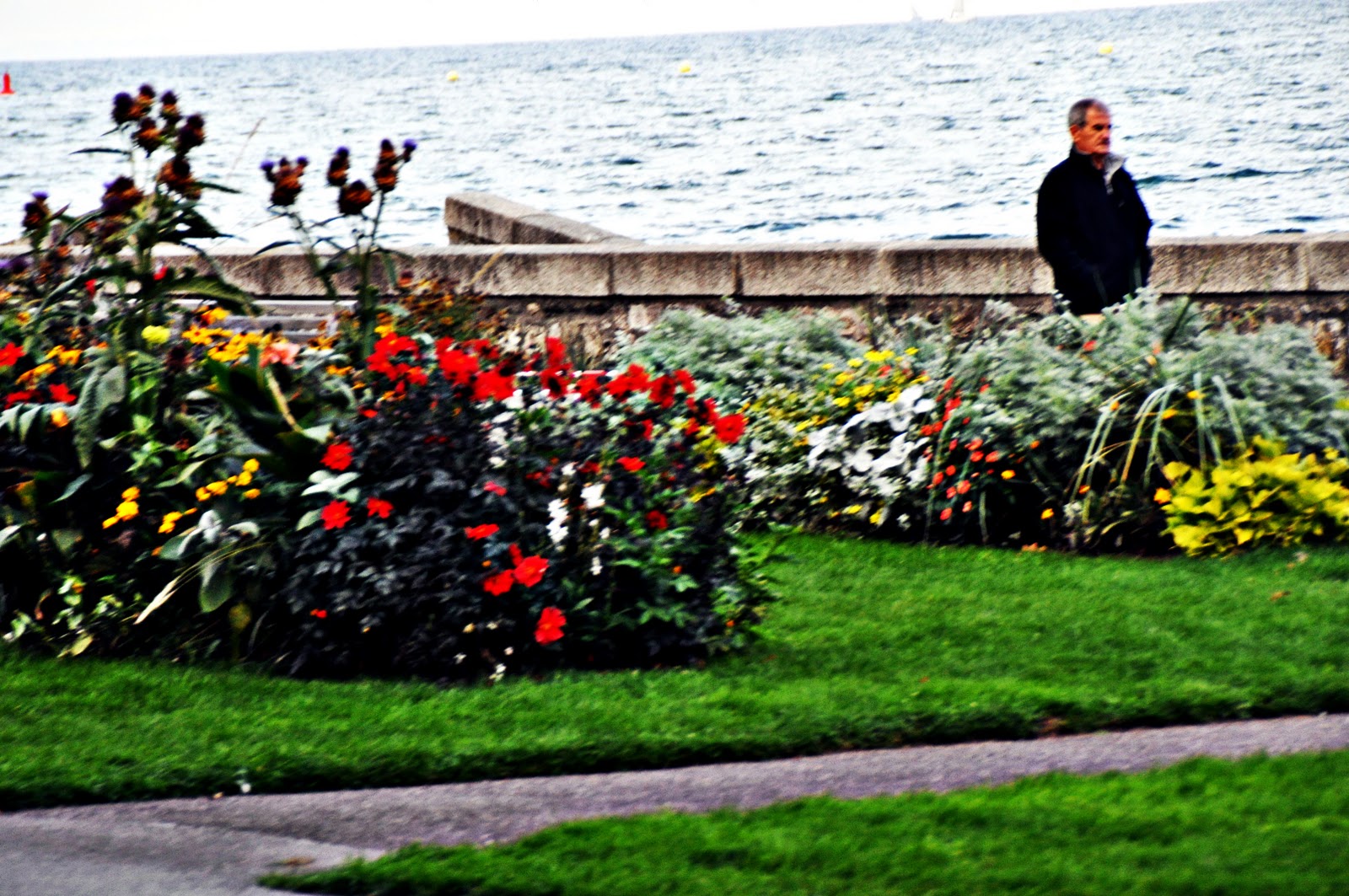
The scenery and villages coexist as a watercolor puzzle that you pick up from the store.
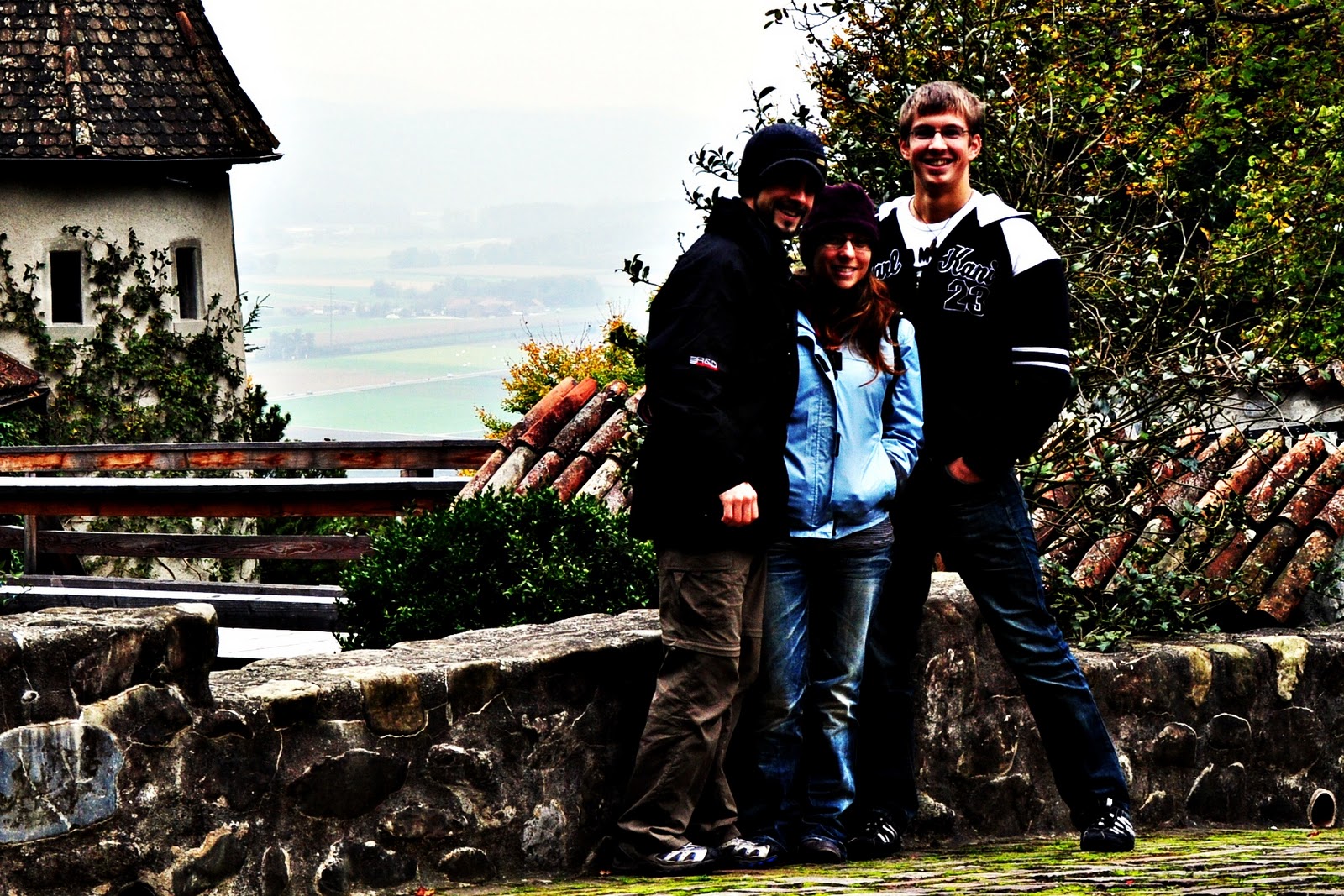
Nicole Damiano, Geneva and Morges, October 2010Culture and Etiquette
The Swiss are polite, private and extremely rule bound. Nobody will be rude to you and nobody will be warm to you either, at least not on day one. Get past that and the hospitality is real. We were fed fondue by a family who had met us once, in a different country, months earlier.
Rules are followed. There are strict rules and people actually obey them. Nobody crosses against a light. Do not be the family that treats a posted sign as a suggestion.
Quiet hours are law, not manners. Most buildings have a rule about noise after ten at night and on Sundays. Worth explaining to three kids before you check in.
Four national languages. German in the middle and east, French in the west around Geneva, Italian in Ticino, Romansh in one corner of the southeast. Learn grüezi in the German half and bonjour in the French half.
On time means on time. A train scheduled for 9.04 leaves at 9.04. A four minute connection is real and it is enough. Show up late and it is gone.
Sundays are closed. Shops and supermarkets shut, with station shops the exception. Buy Sunday food on Saturday or you are eating whatever the kiosk has.
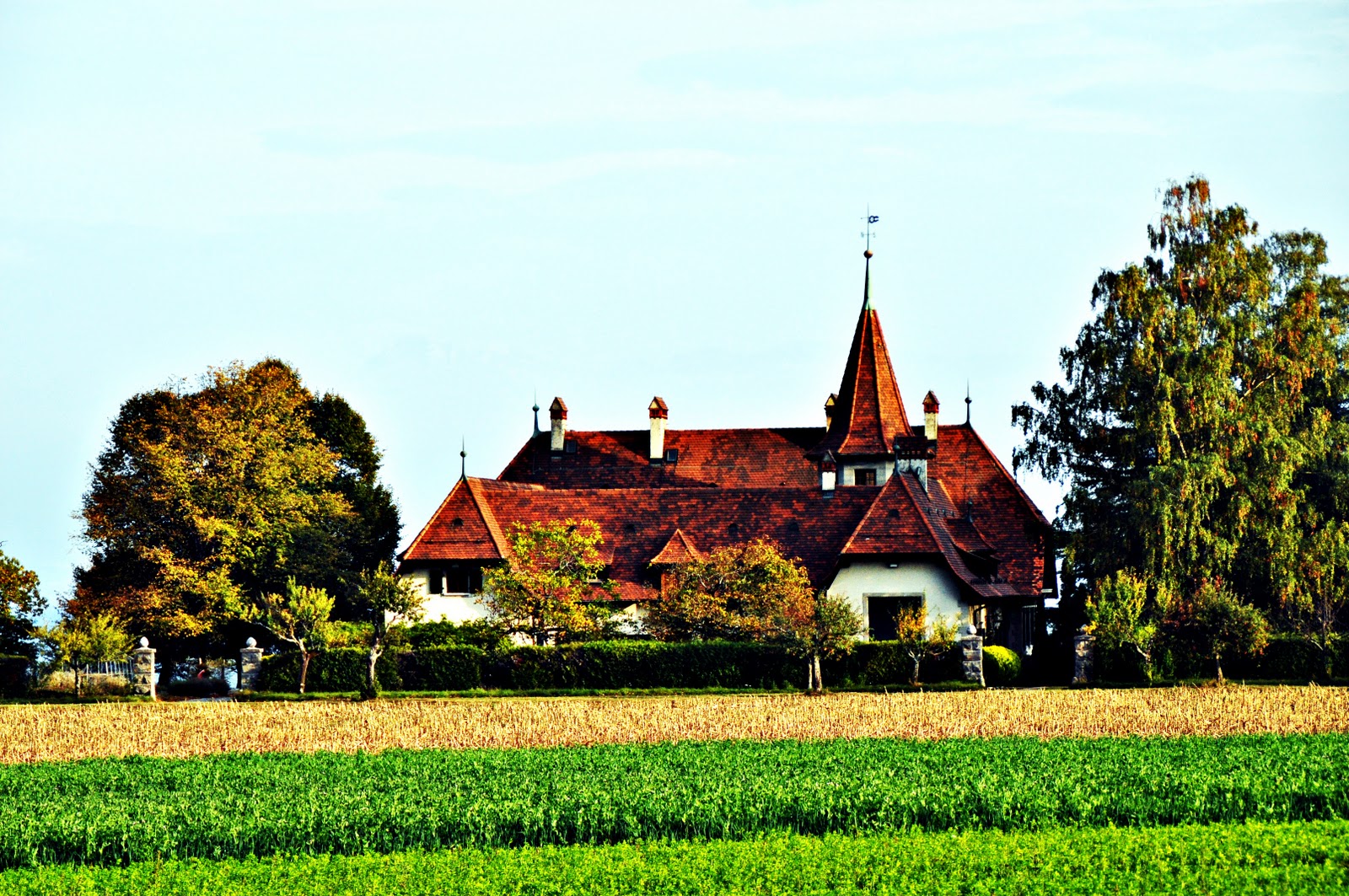
Swiss farmland north of the lake. Every village has a bus stop even when it has no shop and no bakery.
Food
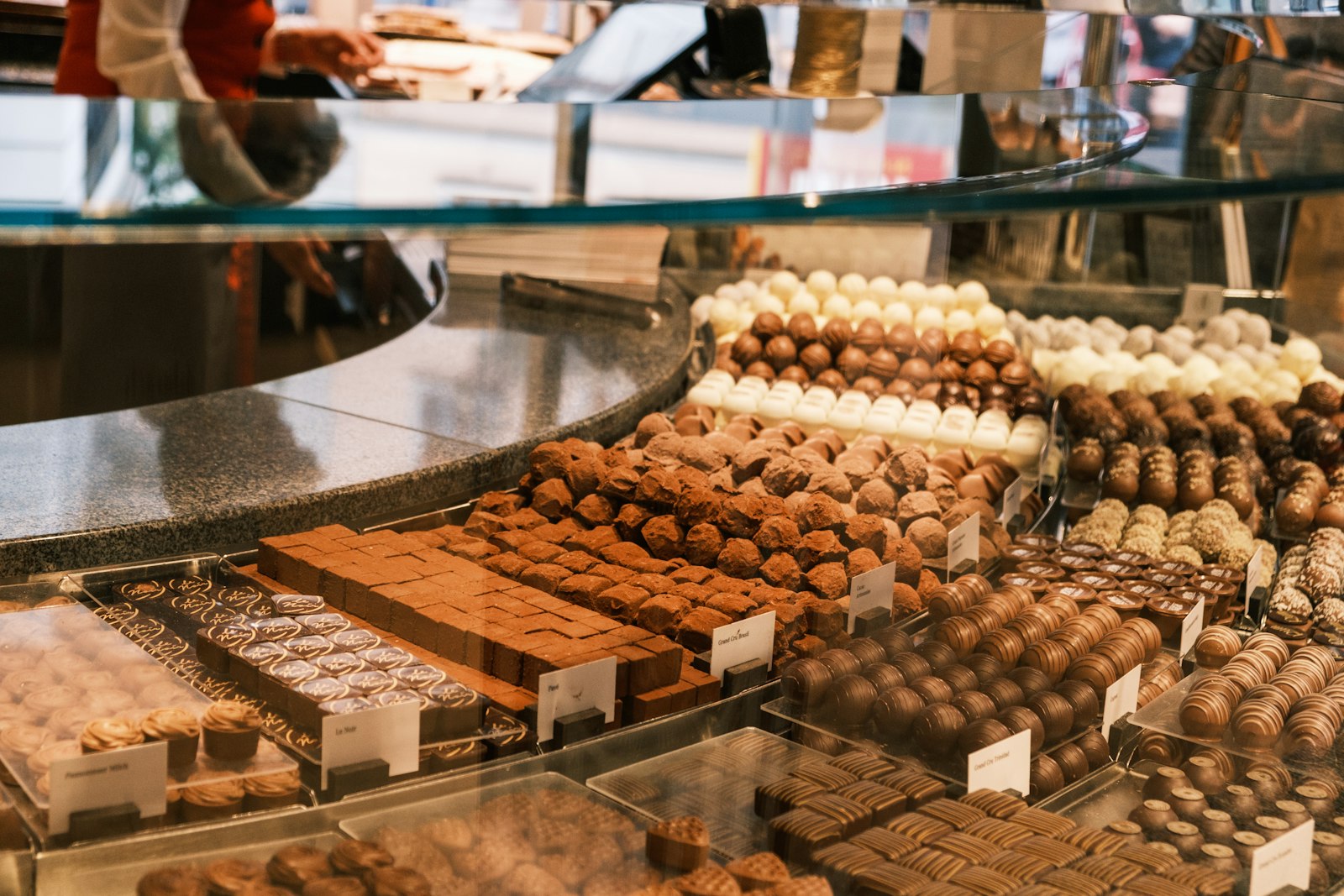
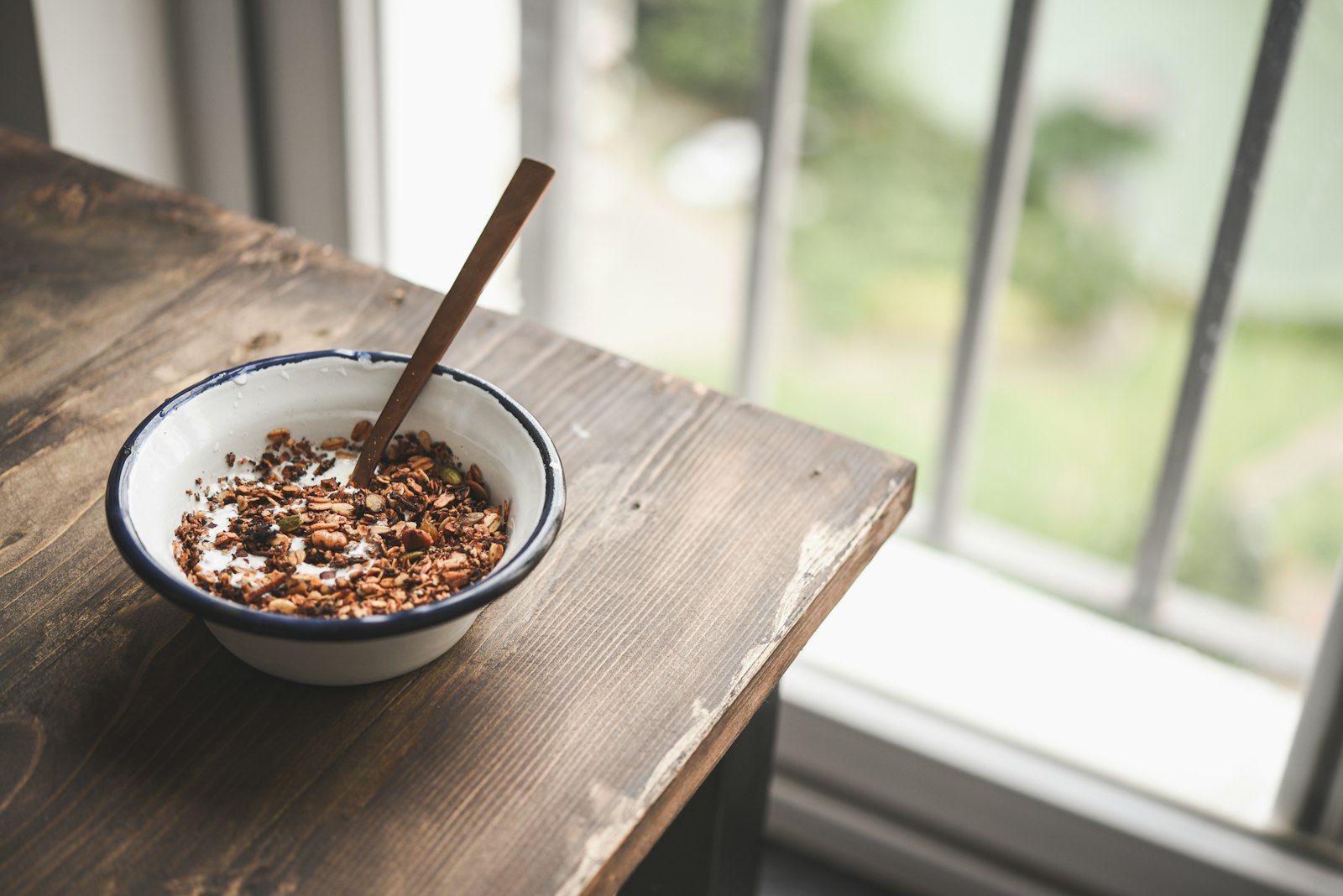
Swiss food is heavy, dairy heavy and better than its reputation. It is also the fastest way to blow a budget. Eating out for a family of five is a real decision here, not a default.
The best meal we had in the country was cooked in a farmhouse kitchen by a woman who had known us for a day. Homemade fondue, everyone helping, the fire lit afterwards. The second best was rösti and a bratwurst and hot apple cider in Appenzell on a cold October afternoon, which cost a fraction of a restaurant dinner.
Practical version. Rent an apartment with a kitchen, shop at Coop or Migros, eat one good meal out and make the rest yourself. Nobody will feel deprived and you will not spend three hundred francs on a Tuesday.


Getting Around
Take the train. That is the whole answer for most families. The network reaches places that anywhere else would need a car and a nerve, and it connects to buses, boats and cable cars on one ticket and one timetable.
The Swiss Travel Pass covers trains, buses, boats and city transport plus a long list of museums, and discounts the big mountain railways. Whether it pays depends on how much you move. Children under six travel free, and a Swiss Family Card lets children under sixteen travel free with a parent who holds a pass, which changes the maths for a family of five completely. Run it against individual tickets before you buy.
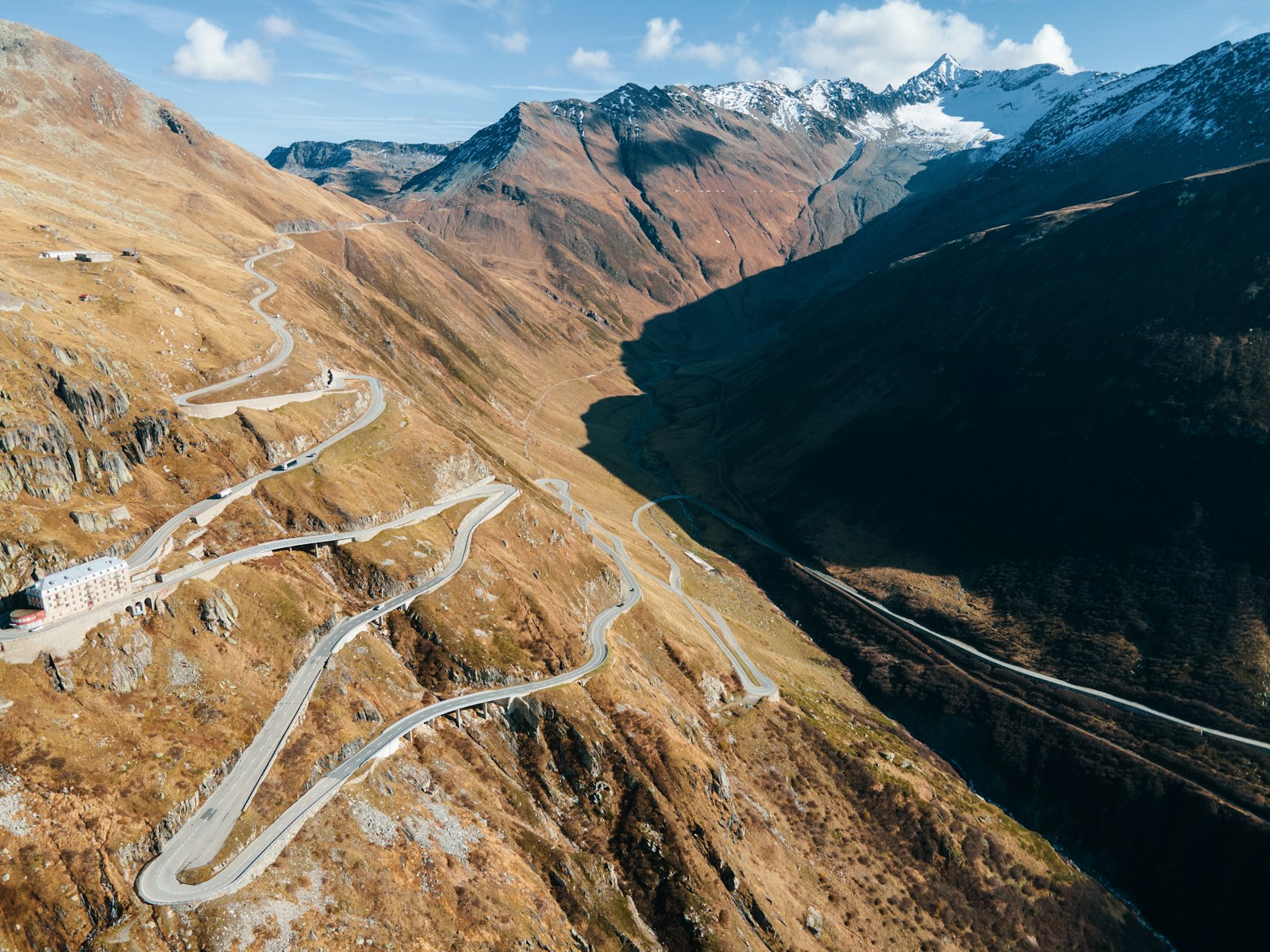
If you drive, you need a motorway vignette. It is a windscreen sticker, forty francs, a flat annual fee rather than a toll, bought at the border or a petrol station. We bought ours on the way in. Skipping it is a fine and Swiss enforcement is not casual. Mountain roads are well built and narrow, so if you have never driven a manual on a switchback, book an automatic early because they run out.
One more thing. Zermatt, Wengen and Mürren are car free. You park in a valley town and take a train up. That is one of the nicest parts of the trip, but you need to know before you arrive with a boot full of luggage.
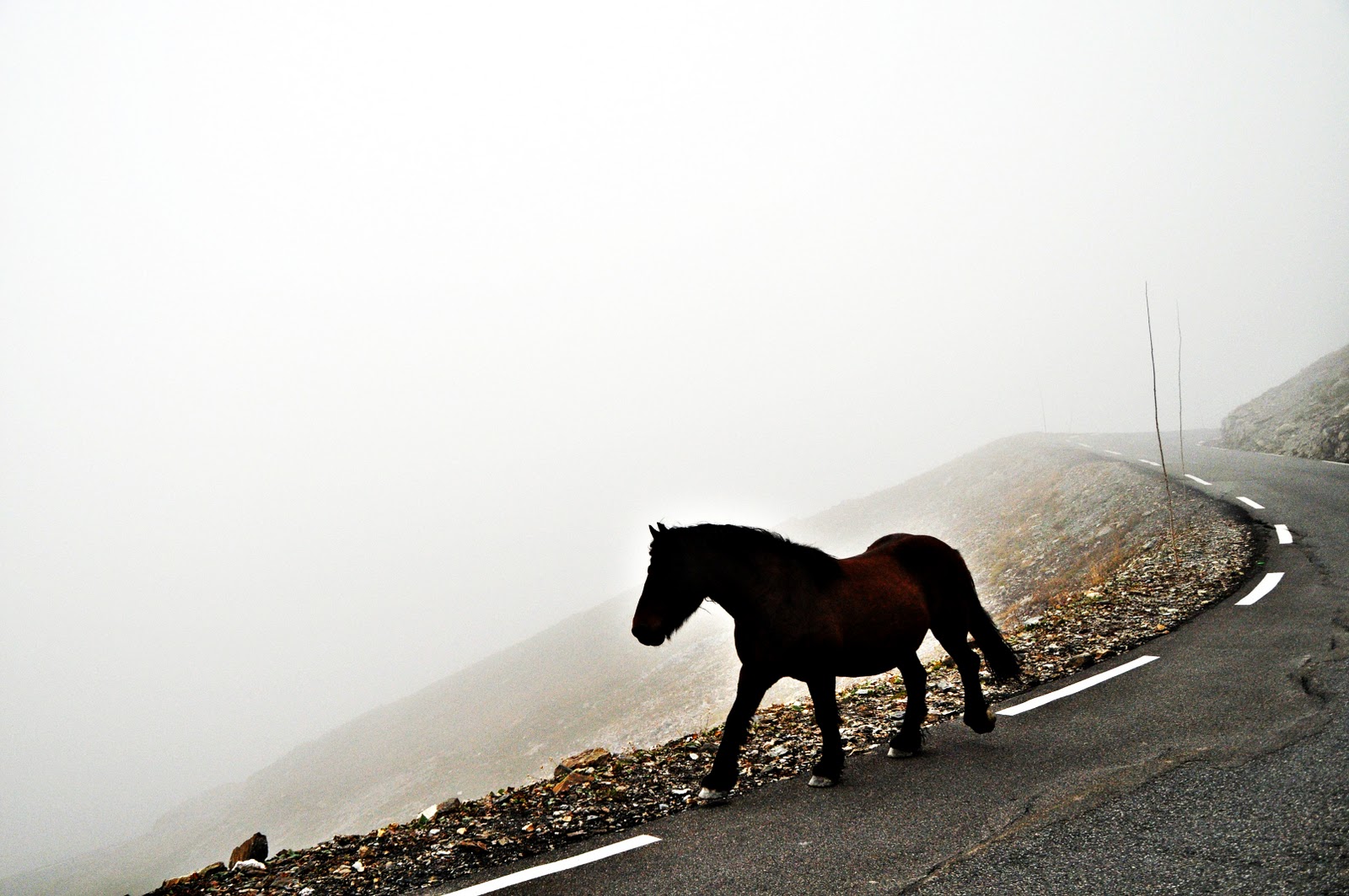
The drive in. Somewhere above the cloud on the way to Geneva a horse came trotting out of the fog. We happened to have the camera running.
Money and Practical Basics
The Swiss franc, not the euro. Roughly one franc to the dollar, so you can read prices straight off the menu and know exactly how much they hurt. Some tourist businesses take euros and hand back change at a terrible rate. Do not do that.
Cards work everywhere. Bring one with no foreign transaction fee. Keep fifty francs in cash for mountain huts, village bakeries and the odd honesty box on a farm road.
Schengen but not the EU. US passports get ninety days in any one eighty across Schengen and Switzerland counts against that. It is outside the EU customs union, so you can be stopped and asked what you are carrying even with no passport check.
Drink the tap water. It is excellent, and so are the public fountains in nearly every old town. Buying bottled water in Switzerland is money set on fire.
Insure for mountain rescue. Not because Switzerland is dangerous, but because a helicopter off a mountain is billed to you. Check the policy covers altitude and rescue, not just a doctor visit.
Swiss plugs and Swiss roaming are their own thing. Sockets are type J, so bring the Swiss specific adapter. And Switzerland sits outside EU roaming rules, so a European SIM that works fine in France can bill you hard the moment you cross.
When to Go
Switzerland has two good seasons and two awkward ones, and the awkward ones are cheaper for a reason. Plan around what the mountain is doing, not around the calendar.
Spring
April into early June. Green valleys, waterfalls at full volume from the snowmelt, wildflowers by late May. The catch is that high passes and some mountain railways are still shut. Check what is open before you book.
Summer
Late June through August. Everything running, long days, meadows the way the posters promise. Also the crowds and the prices. Interlaken and Lucerne in August are mobbed and Jungfraujoch sells out days ahead.
Autumn
September and October. My pick. Fewer people, clear cold mornings, and the mountain cows walking down from the high pastures with bells on. Fog is the risk. Ours cost us a cable car ride.
Winter
December through March. Ski season and priced like it. Short days and closed hiking trails against Christmas markets and villages under snow. Not the season for a first family trip unless skiing is the point.
How Many Days and How to Route It
Switzerland rewards staying still. Pick one or two bases, take day trips out, and let the trains do the work. Moving hotels every second night is the most expensive way to see the least.
Four days. One base. Lucerne if you want a pretty town with a lake and a mountain on the doorstep. Interlaken if the Jungfrau region is the whole reason you came.
Seven days. Two bases. Lucerne, then Lauterbrunnen or Grindelwald. Three nights and four, one scenic rail day between them. This is the trip I book most often and the one that works best with kids.
Ten days. Three bases. Add Zermatt for the Matterhorn and a car free village, or Ticino for palm trees, lakes and a completely different country on the same passport.
Three days bolted onto something bigger. Switzerland pairs naturally with northern Italy, the French Alps or southern Germany. Take one base and do not try to see the country.
Regions at a Glance
Bernese Oberland
Interlaken, Lauterbrunnen, Grindelwald, Wengen, Mürren. The postcard Switzerland. If you only go one place, go here.
Central Switzerland
Lucerne, Lake Lucerne, Pilatus and Rigi. Easiest to reach from Zurich and the softest landing for a first trip.
Valais and the Southwest
Zermatt, the Matterhorn, the Rhône valley and the Aletsch glacier. Higher and more dramatic, and further from everything.
Lakes and the Cities
Geneva, Lausanne, Bern, Zurich and the Lavaux vineyards. Where the country lives and works. Bern is the one I would spend a day in.
Where to Go in Switzerland
We drove Geneva, Bern and the northeast around Appenzell and Lake Constance. Everything we have not walked ourselves is written as advisor guidance and I say which is which rather than pretending.
Bern. Ours, and my favourite city in the country. The whole old town is a world heritage site, white sandstone under arcades with red flower boxes hanging off every window. A daily market, a bear park, and a university tucked inside the old buildings so the streets are full of students on bikes. We found parking straight away, which after Geneva felt like a personal gift. If I ever had to job hunt in Europe, Bern is where I would look first.
Geneva. Ours, sort of. We crawled through it in an RV, failed to park anywhere at all, decided we had seen enough and drove north to a campsite on the lake. That is an honest report, not a recommendation. Good lakefront, the Jet d’Eau, and prices that shock even by Swiss standards. Fine for a night at either end of a trip. Not a base.
Appenzell. Ours, and the one nobody tells you about. A small traditional town southeast of Lake Constance, painted buildings, and in the first week of October the mountain cows walking down into the valley for winter. There is a cable car up to a rotating restaurant on the ridge. We skipped it because the fog was too thick to see anything, which is the Switzerland problem in one sentence.
Lauterbrunnen and Grindelwald. Advisor guidance. Two valleys under the Jungfrau, twenty minutes apart, holding most of what people picture when they picture Switzerland. Seventy two waterfalls come off the Lauterbrunnen cliffs. Busy in summer and worth it anyway.
Zermatt. Advisor guidance. Car free, reached by train from Täsch, with the Matterhorn standing over the end of the street. The Gornergrat railway is the ride to take with kids because it is a normal train that happens to climb to three thousand metres.
Lucerne. Advisor guidance. The wooden Chapel Bridge, a lake with steamers on it, two mountains within an hour. The best first base for families new to Europe, and also the most day trip coaches per square metre in the country. Get out early.
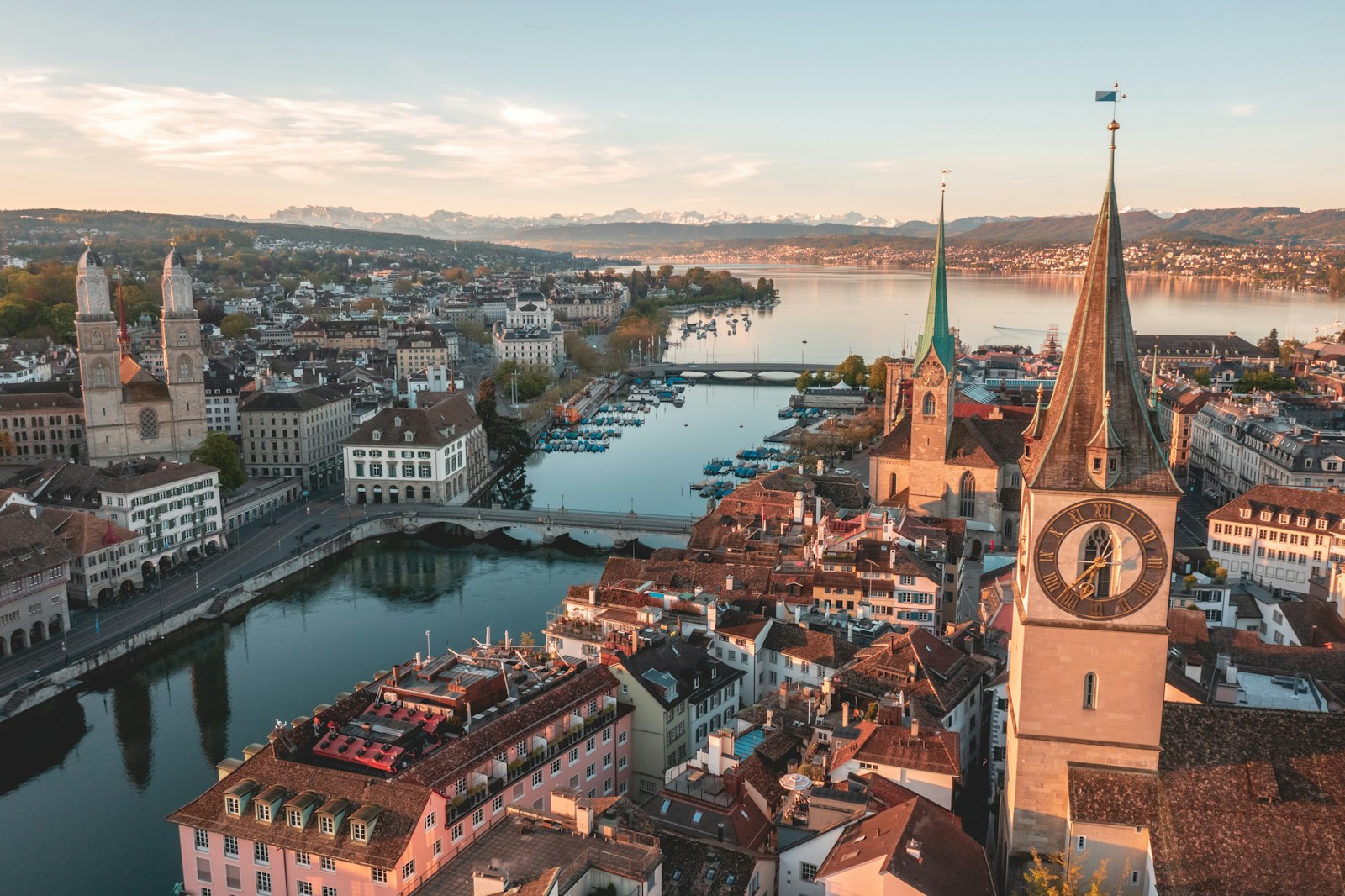
Zurich and Interlaken. Advisor guidance. Zurich is the main airport, a swimmable lake and a very good transport museum, worth a day at the front of a trip. Interlaken is a base rather than a destination, where you sleep and catch the train up.
Lake Constance and the northeast. Ours. Quiet farm country, orchards, and the German border close enough that our night out was in Konstanz on the other side of it. Switzerland without the mountain crowds.
Ticino. Advisor guidance. Italian speaking Switzerland south of the Alps. Lugano, Locarno, palm trees and lake towns. Swiss efficiency with Italian food and weather.
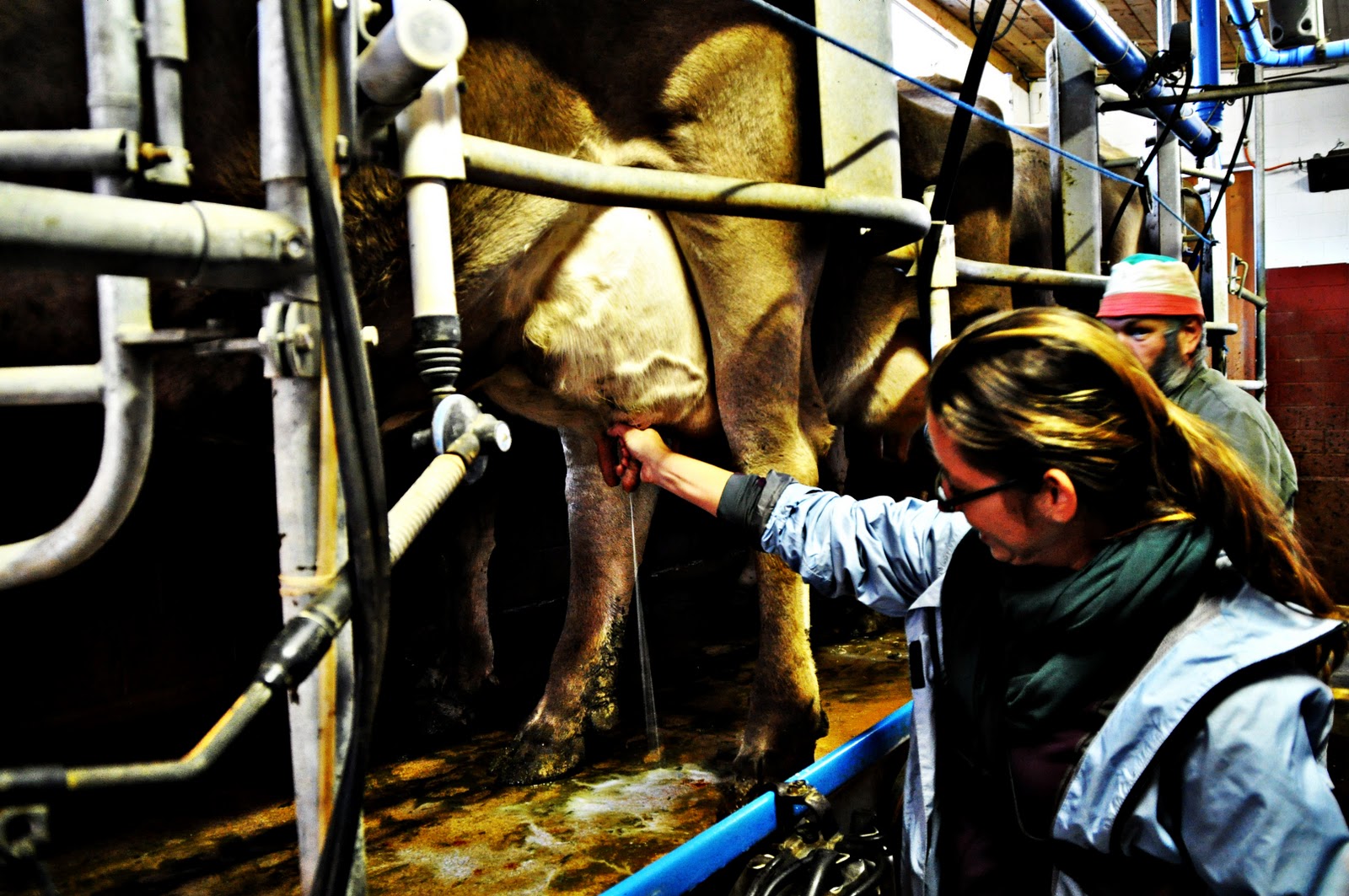
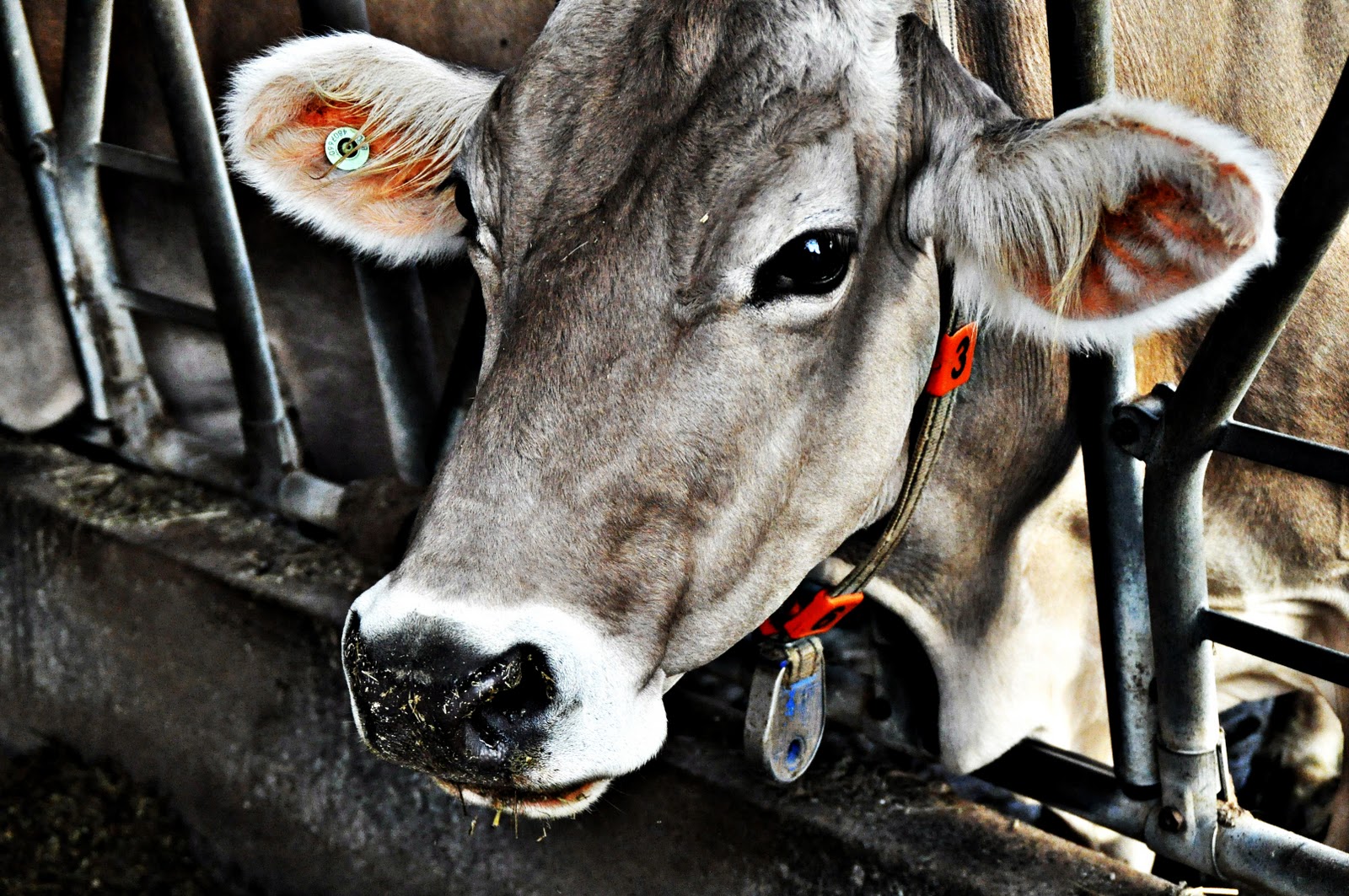
Learning to milk a cow on the Werner family farm. Two live in workers, a herd, chickens, and five generations in the same farmhouse.
Family Travel Considerations
Switzerland is one of the best countries in Europe to travel with children and one of the worst to travel with children on a budget. Most guides only tell you the first part.
Kids ride free, and it is a big deal. Under six travel free on Swiss trains, and with a Swiss Family Card children under sixteen travel free alongside a parent holding a pass. For a family of five that is the single biggest cost lever in the country.
The mountain does the work. You do not have to hike. Cable cars, funiculars and cog railways take you up and there is usually a playground and a restaurant at the top. It works with a stroller and a grandparent in the same group.
Altitude is real with small kids. Jungfraujoch sits at 3,454 metres and you get there in under two hours from the valley floor. Headaches and nausea are common and children do not always say what is wrong. Keep the visit short, drink water, and skip it with a toddler.
One rainy day can waste the trip. If you booked three days to see a mountain and the cloud sits at eight hundred metres for all three, you have paid a lot of money to look at fog. Build in a spare day and buy mountain tickets on the morning where you can.
Dogs travel well. Dogs are welcome on trains, in most cable cars and in a lot of restaurants. If you travel with a dog the way we do with Poppy, this is one of the easiest countries in Europe for it.
Splurge-Worthy Experiences
Jungfraujoch, on a clear morning only
The highest railway station in Europe and one of the priciest tickets in the country. Worth it on a blue day and a total waste on a grey one. Watch the webcam the night before.
A scenic rail day, done properly
The Glacier Express, the Bernina or the GoldenPass. Book the panoramic car, bring snacks, and let the day be the day. This is the one thing in Switzerland genuinely worth the sticker price.
A night in a car free village
Mürren, Wengen or Zermatt after the last train down. The coaches leave, the village goes quiet, and the mountain is yours for fourteen hours. That is the difference between visiting and staying.
A farm stay or a mountain hut dinner
Cheaper than a hotel, and the version of Switzerland we still talk about fifteen years on came from sitting in somebody’s kitchen, not from a viewing platform.
What Surprises First-Timers
How expensive it is, even when you were warned. Groceries, not just restaurants. Socks. Coffee. We walked out of a supermarket with thirteen items and a bill over fifty francs and we were not buying anything special.
How crowded the famous bits get. Lauterbrunnen in August has a queue for the viewpoint. The Chapel Bridge in Lucerne has a coach park’s worth of people on it by ten. The country is calm. The five most photographed spots in it are not.
How often you cannot see the mountain. Nobody puts the fog in the brochure. We skipped a cable car to a ridge because the view would have been white. It happens more than you think in spring and autumn.
How warm people are once you are past the front door. The reserve is real and it is not coldness. A family we had met once in Vietnam handed us a car, drew us a map of their countryside, and cooked us fondue two nights running.
Go Deeper
These are the posts this guide is built on. Every one of them is ours, and several were written in the middle of the drive rather than after it.