- Home
- About Nicole
- Explore the World
-
Travel Library ▾
Proud affiliate of Favorite Grampy Travels

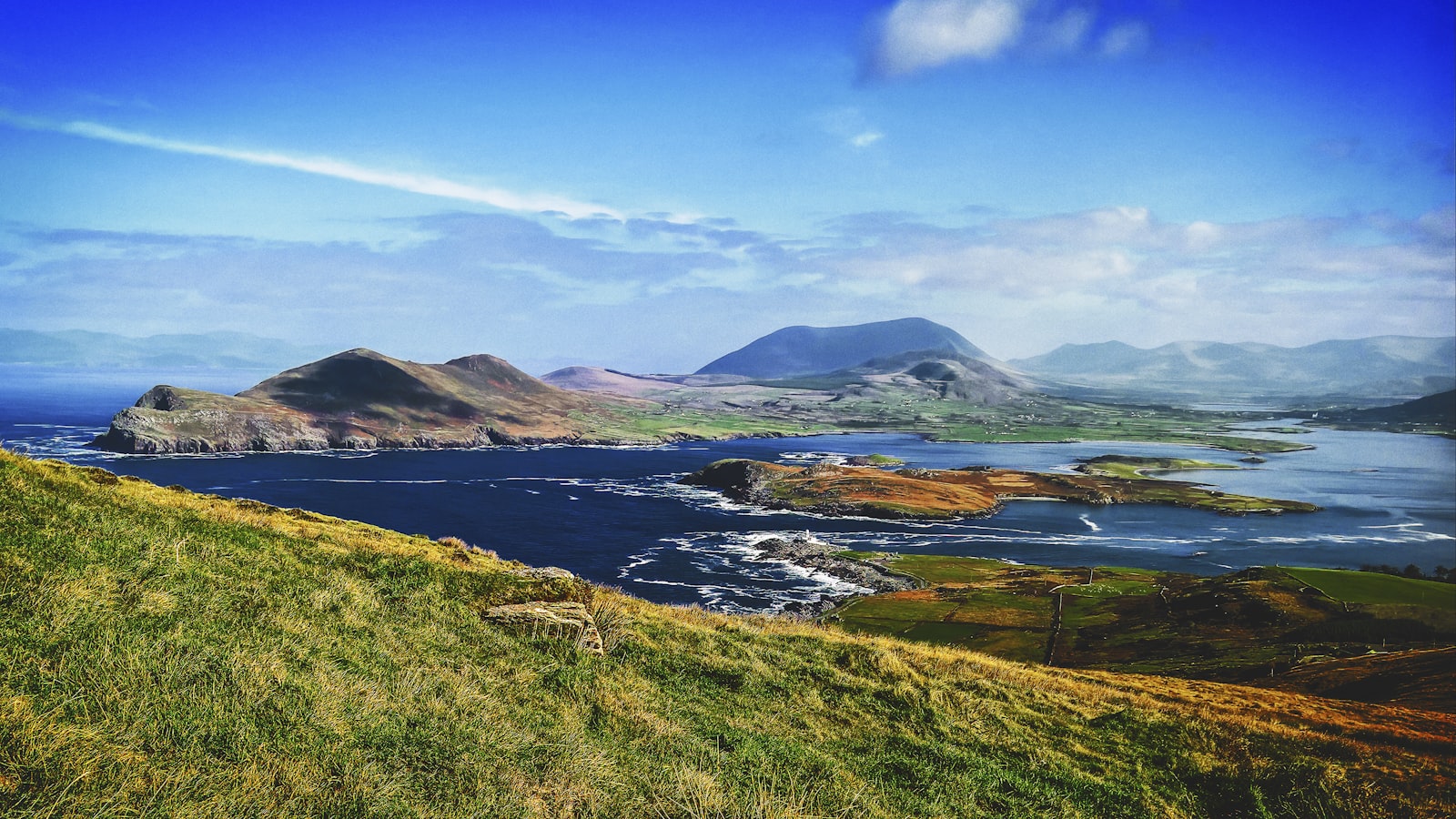
The coast near Petra tou Romiou on the road between Paphos and Limassol · this one is not ours, we have not photographed Cyprus yet
Cyprus — Everything We Know
“Cyprus is still swimmable in November, when the rest of Europe has shut the shutters and gone home. That single fact is why I sell it.”

We have not been to Cyprus. This page is advisor work and I am not going to pretend otherwise. No trip report, no anecdotes about a taverna we found. What you are getting is what I know from booking it, from clients who go back every year, and from reading it properly. When we go, this page changes and you will be able to tell the difference.
Here is why Cyprus is on my list at all. I spend a lot of my working life telling American families that Europe in late October is cold, wet and half closed. Cyprus is the exception. The sea is still warm in November. The season runs from about March to November, which is four months longer than almost anywhere else on the continent, and it costs meaningfully less than Greece or Italy while doing a very similar thing.
The part nobody tells you until you have booked is that Cyprus is a divided island, and that changes how you plan. It is not dangerous and it is not difficult. It is just a thing you need to understand before you rent a car, and I will explain it plainly further down rather than skipping past it the way most guides do.
Cyprus Place by Place
Cyprus is small. You can drive from one end to the other in about three hours, which means you do not have to choose one base and stay in it. These are the eight places that come up in every conversation.

Paphos

Limassol

Nicosia

Ayia Napa

Larnaca

Troodos

Kyrenia

Akamas
Why Cyprus
Because of the calendar. Cyprus has the longest warm season in Europe by a distance, and it is the only place on the continent where I can honestly tell a family that half term in October will mean swimming rather than raincoats.
And because of value. Cyprus does the same job as Greece or the Italian coast at a lower price, in English, on the left hand side of the road, with an NHS style familiarity that British families in particular find very easy. It is not undiscovered and I am not going to pretend it is. It is just good and it is affordable and those two things rarely sit together in the Mediterranean.
March to November
The sea stays swimmable into November and warms up again by May. That is a season most of Europe would kill for.
English everywhere
A British colony until 1960, so English is genuinely universal, road signs are bilingual, and nobody will struggle to help you.
Beach plus real history
Roman mosaics at Paphos, Bronze Age sites, painted Byzantine churches in the mountains. Not a filler day, actual UNESCO material.
Cyprus is the country I book when a family wants the Mediterranean and has to travel in October.
Nicole Damiano
Evening on the south coast. The light in October here is the reason people rebook before they fly home
Culture, Etiquette and the Divided Island
This is the section most Cyprus guides skip and it is the one that actually affects your trip. The island has been divided since 1974. The south is the Republic of Cyprus, in the EU, using the euro. The north is administered by Turkish Cypriots, uses the Turkish lira, and is recognized only by Turkey. A UN buffer zone runs through the middle, including straight through the capital.
Crossing is easy and it is normal. You walk or drive to a crossing point, show passports, and go. In Nicosia the Ledra Street crossing is on foot in the middle of the shopping street and takes about two minutes. Thousands of people do it every day. It is a formality, not a border drama.
The catch is the rental car. Most southern rental agreements do not cover you in the north, and southern insurance is not valid there. You either buy separate cover at the crossing, which is available and cheap, or you park and walk across. Ask your rental company directly before you book and get the answer in writing.
Fly into the south. Larnaca and Paphos are the international airports. Ercan in the north is only reachable via Turkey and complicates everything including your travel insurance.
Do not lecture anyone about it. Cypriots on both sides have complicated family histories and it is not a debating topic for visitors. Ask, listen, do not argue.
Meals run late and children are welcome at all of them. Nobody eats dinner at six. Restaurants fill from about half eight and children are simply part of the evening. This is one of the great things about the eastern Mediterranean with kids.
Cover shoulders and knees in monasteries. Kykkos and the painted Troodos churches are working religious sites. Take a scarf.
What to Eat
Cypriot food is Greek and Turkish and Levantine all at once and it is very good. The thing to know is meze. You order it for the table, it arrives in fifteen or twenty small dishes over two hours, and it is the single best value meal on the island for a family. Do not order it if anyone needs to be in bed by eight.


Getting Around
Rent a car. There is no railway at all in Cyprus, the intercity buses are slow, and the good bits of the island are the bits you drive to. This is not a negotiable one.
They drive on the left, a hangover from British rule, which is a pleasant surprise for British families and a genuine adjustment for American ones. Roads are good, motorways are free and empty, and distances are short. Larnaca to Paphos is about ninety minutes on the motorway.
Book the car before you fly rather than at the desk, and read the insurance carefully for the reason in the section above. If you know you want to cross into the north, tell the rental company at booking and get their written policy. Some allow it with extra cover, some refuse outright, and finding out at the crossing is a bad afternoon.
Parking is easy and mostly free outside Limassol. Petrol is cheaper than the rest of the EU. Child seats are legally required and rental companies will supply them, but bring your own if you can because the ones on offer are usually tired.

The sea caves and arches along the eastern coast. Easy to reach, free, and the sort of stop that makes a driving day worth it
Money and Practical Basics
The south uses the euro. The north uses the Turkish lira. If you cross for the day, plenty of places in the north will take euros but at a rate that favours them. Take a small amount of lira or use a card.
Cards are fine in the south, cash still matters in villages. Mountain tavernas and roadside stalls are often cash only. Carry fifty euros and you will never be stuck.
Type G sockets. The British three pin plug. Not the European two pin. This catches out almost every visitor arriving from the continent, and Americans need a UK adapter, not a European one.
Tap water is safe but tastes heavily of chlorine. Most people drink bottled. Buy the big supermarket bottles rather than small ones.
Tipping is appreciated, not obligatory. Round up, or ten percent for a proper meal. A service charge is sometimes already on the bill so check.
The sun is stronger than it looks. July and August routinely hit forty degrees inland. Factor thirty sunscreen, hats and a genuine plan for midday if you are traveling in high summer.
When to Go
Cyprus is the rare European destination where the shoulder seasons are not a compromise, they are simply better than the peak. Do not go in August unless the school calendar forces you.
Spring
March to May. Wildflowers, green hills, hiking weather, and the sea warm enough from about mid May. Easter is a big deal here and worth seeing. My favorite window.
Summer
June to August. Hot, then very hot. Thirty five to forty inland, cooler on the coast with a breeze. Beach mornings, indoor afternoons, late evenings. Prices peak in August.
Autumn
September to November. The best of the lot. The sea is at its warmest in September and still swimmable in early November, and the crowds are gone by the end of September.
Winter
December to February. Mild on the coast, around sixteen degrees, and genuinely snowy in the Troodos. You can ski in the morning and sit on a beach in the afternoon, which is a real thing people do here.
If you are choosing one week, make it the last week of September or the first week of October. Warm sea, half the price, and you will not queue for anything.
How Many Days and How to Shape Them
Cyprus is a one week island for most families and a two week island if you want the mountains as well as the sea. Because it is small, you can also base once and day trip everywhere, which is a rare luxury.
Seven days, one base near Paphos. Beach mornings, the mosaics, the Akamas peninsula, one day up into the Troodos. This is the version I book most and it is the least tiring.
Ten days, two bases. Five nights west near Paphos or Polis, five nights east near Protaras or Larnaca. Different beaches, different feel, one easy transfer in the middle.
Two weeks, add the mountains. Three or four nights in a Troodos village between the two coasts. Cooler, greener, cheaper, and the part of Cyprus that feels least like a holiday resort.
The Regions, Quickly
West
Paphos, Coral Bay, Polis and the wild Akamas peninsula. The best mix of beach, archaeology and quiet. Where I would put a first trip.
South Coast
Limassol and Larnaca. The working cities, the marinas, the airports, the best restaurants. Less pretty, more real.
East
Ayia Napa and Protaras. The famous turquoise water and the best sandy beaches on the island, plus the nightlife you can easily avoid.
Troodos and the North
Mountain villages, painted churches, Mount Olympus. And across the line, Kyrenia and the Karpaz peninsula, which are the emptiest coast in Cyprus.
Where to Go and What to Skip
Cyprus has a reputation problem in some quarters and it is mostly earned by one town. Here is what I would actually do.
The Paphos mosaics are the real thing. Roman floors, in situ, some of the best preserved in the Mediterranean. Ninety minutes, shaded walkways, and the pictures of the gods keep children moving from house to house.
Lara Bay for turtles, if the timing is right. Loggerhead and green turtles nest on the Akamas beaches between June and August. It is a protected area, you need a proper vehicle to get there, and it is worth it.
Do the Troodos even on a beach holiday. Ten painted Byzantine churches with UNESCO status, cool air, cherry orchards, and villages where lunch costs half what it costs on the coast. One day minimum.
Walk across the Ledra Street crossing in Nicosia. It is a genuinely extraordinary thing to do with older children. Two currencies, two alphabets, two versions of the same story, four hundred meters apart.
Skip central Ayia Napa in July and August. The beaches around it are magnificent. The strip itself is a British nightlife town in high season and it is not what you came for. Protaras next door does the same water with none of the noise.
Be careful with all inclusive. Cyprus sells a lot of it and it is decent value, but eating on site every night means missing the thing Cyprus is actually best at. Half board and two dinners out is the better call.

A village in the hills above the coast. Twenty minutes inland and the prices halve and the noise stops
Cyprus With Kids
The beaches are the easy sort. Shallow, calm, blue flag, with sand rather than pebbles on the east coast. Fig Tree Bay and Nissi are the famous ones and they earn it. This is not a place where you spend the week watching for undertow.
Let bedtime go. The whole island eats late and children are out with their families until eleven. Shift the day rather than fighting it. Nap or pool in the afternoon, late dinner, everyone happier.
Plan around the midday sun in summer. Twelve to four is not beach time in July. Museums, the water park, the hotel pool under shade. Treat it the way you would treat weather.
Food is the easiest sell in Europe. Grilled meat, chips, halloumi, bread, watermelon. Even the fussiest child eats well in Cyprus and meze means nobody has to commit to one plate.
Dogs are manageable but not effortless. The EU pet passport rules apply in the south, plenty of villas accept dogs, and most beaches do not in season. Cyprus in August is too hot for a Cavapoo and I would not take Poppy.
Healthcare is good and pharmacies are everywhere. Private clinics in the tourist areas are used to visitors. Bring your EHIC or GHIC if you have one and proper travel insurance regardless.
Where to Spend and Where to Save
Spend on a villa with a pool
For five people this often beats two hotel rooms outright, and a private pool in a Cypriot summer is not a luxury, it is the thing that makes the afternoons work.
Save on the flights
Cyprus is served by low cost carriers from all over Europe and fares collapse outside August. Move your dates by two weeks and the saving is enormous.
Spend on one proper meze night
A real village taverna doing a full meze is one of the best meals in the Mediterranean and it costs less than a mediocre dinner in Santorini.
Save by going inland to eat
Twenty minutes up the hill from any resort strip, the same food is roughly half the price and better. Ask your host where they go.
Things That Surprised Me
There is skiing in Cyprus. Mount Olympus in the Troodos runs lifts from about January to March. It is small and it is real and it is an hour and a half from a beach.
They drive on the left. One of only four countries in Europe that do. Nobody expects this and it changes which side of the car your children get out on.
Nicosia is the last divided capital in the world. Since Berlin, there is nowhere else like it, and you can walk from one side to the other in the middle of an ordinary shopping street.
Commandaria is the oldest named wine still in production. Made here since antiquity, sweet, and every village in the Troodos will pour you some whether you asked or not.
Go Deeper
Cyprus belongs to a bigger eastern Mediterranean decision, so start with the Europe guide and then compare it against Greece and Turkey. If you want somewhere we have actually swum with the kids, the Croatia guide is the honest version of a Mediterranean summer.


Pairs Well With
If you have the time to add a second country, these are the ones I would actually pair this one with. Not a list of neighbors. A list of trips that work.
More Europe Guides
Every other country in Europe we have a full guide for. Tap one and go.