
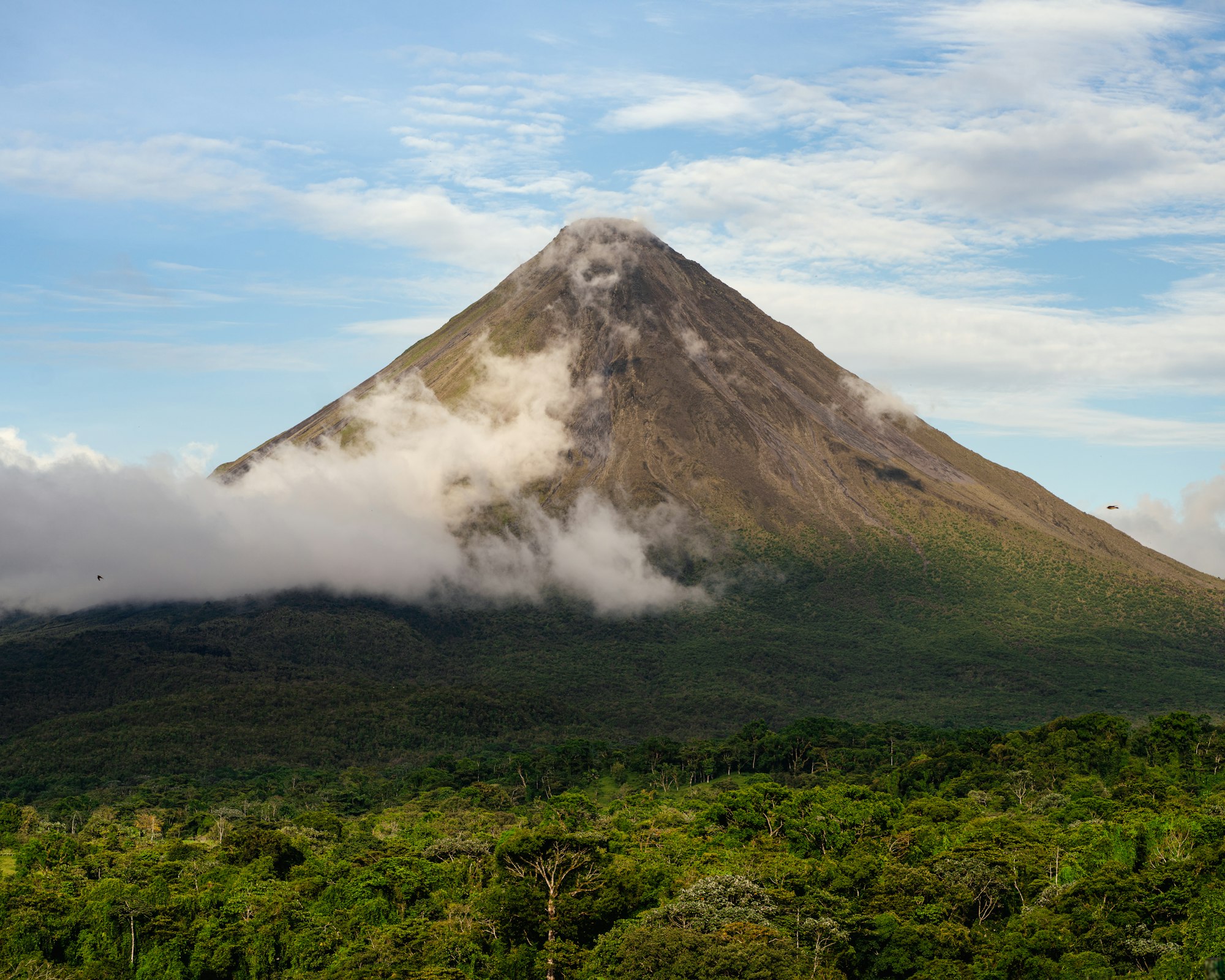
Arenal. We stayed in a cabin at the base of it in 2008, with no GPS and Adam navigating off a paper map
Costa Rica: Everything We Know
“Adam had never left the USA before, so we decided to go to Costa Rica.”
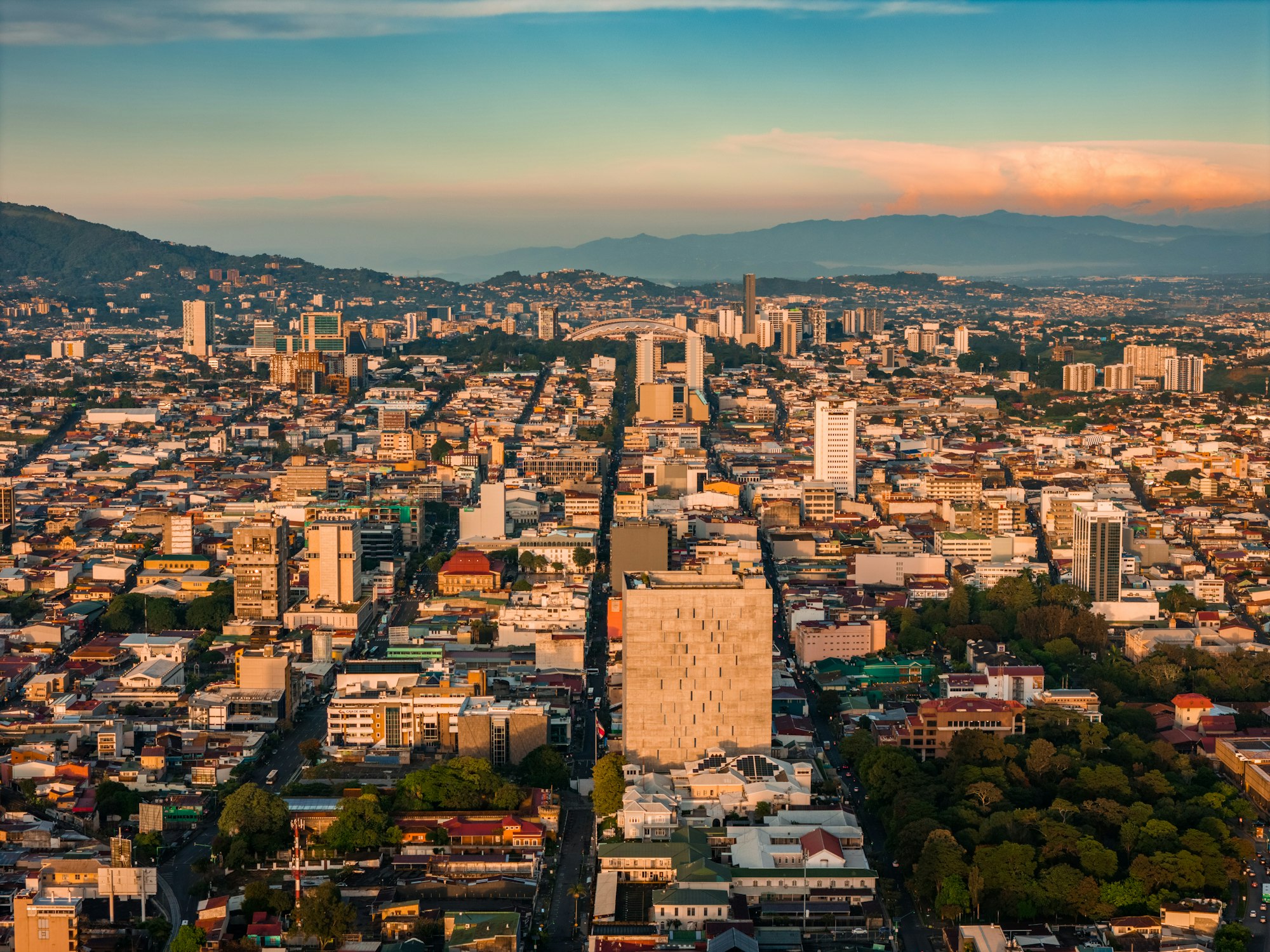
Costa Rica is where Adam left the country for the first time. He had never had a passport stamped. We flew into San Jose in 2008, stayed one night at the Hotel Colonial, then picked up a rough little Daihatsu and drove into the mountains having no real idea what was ahead of us.
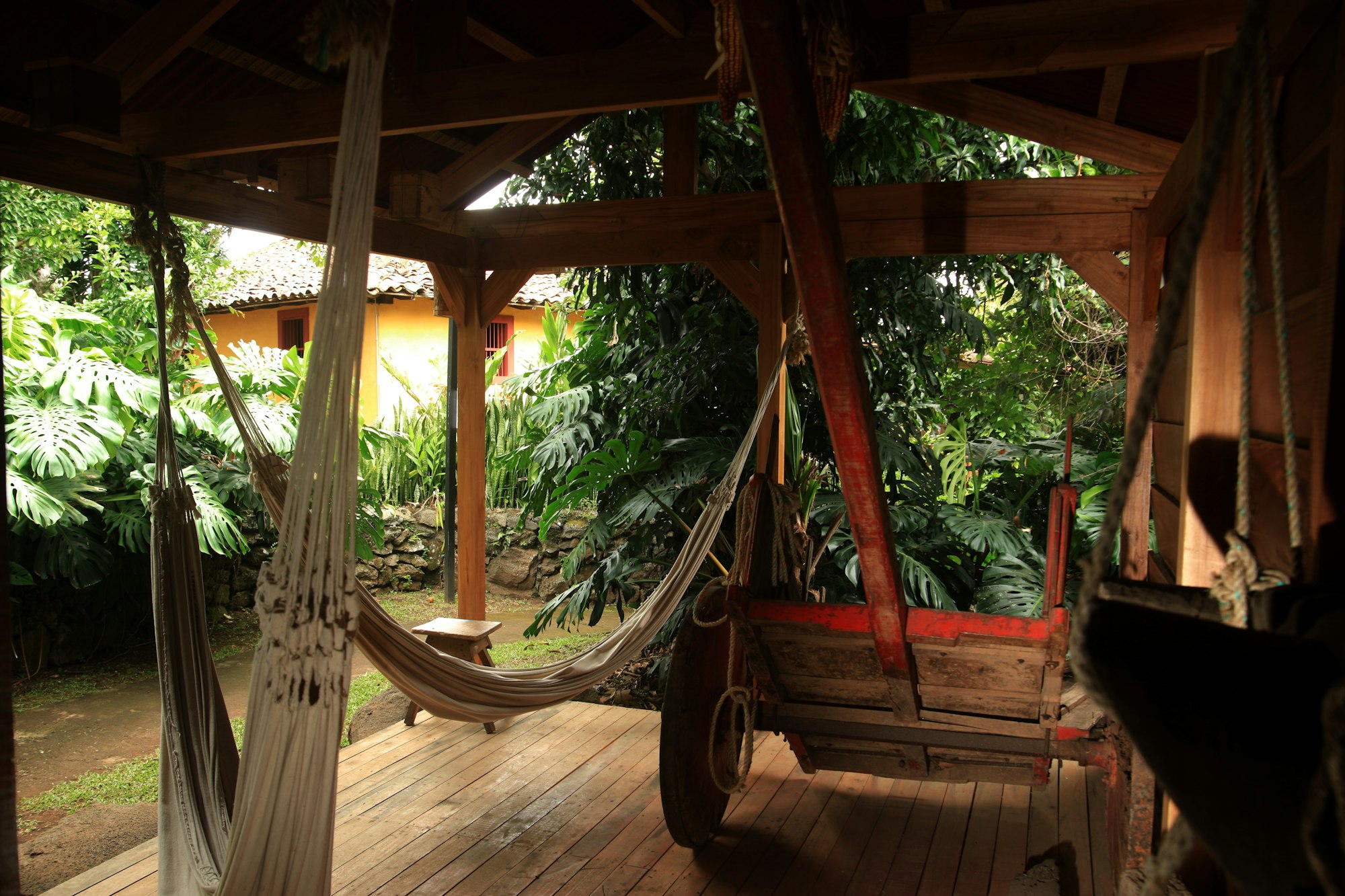
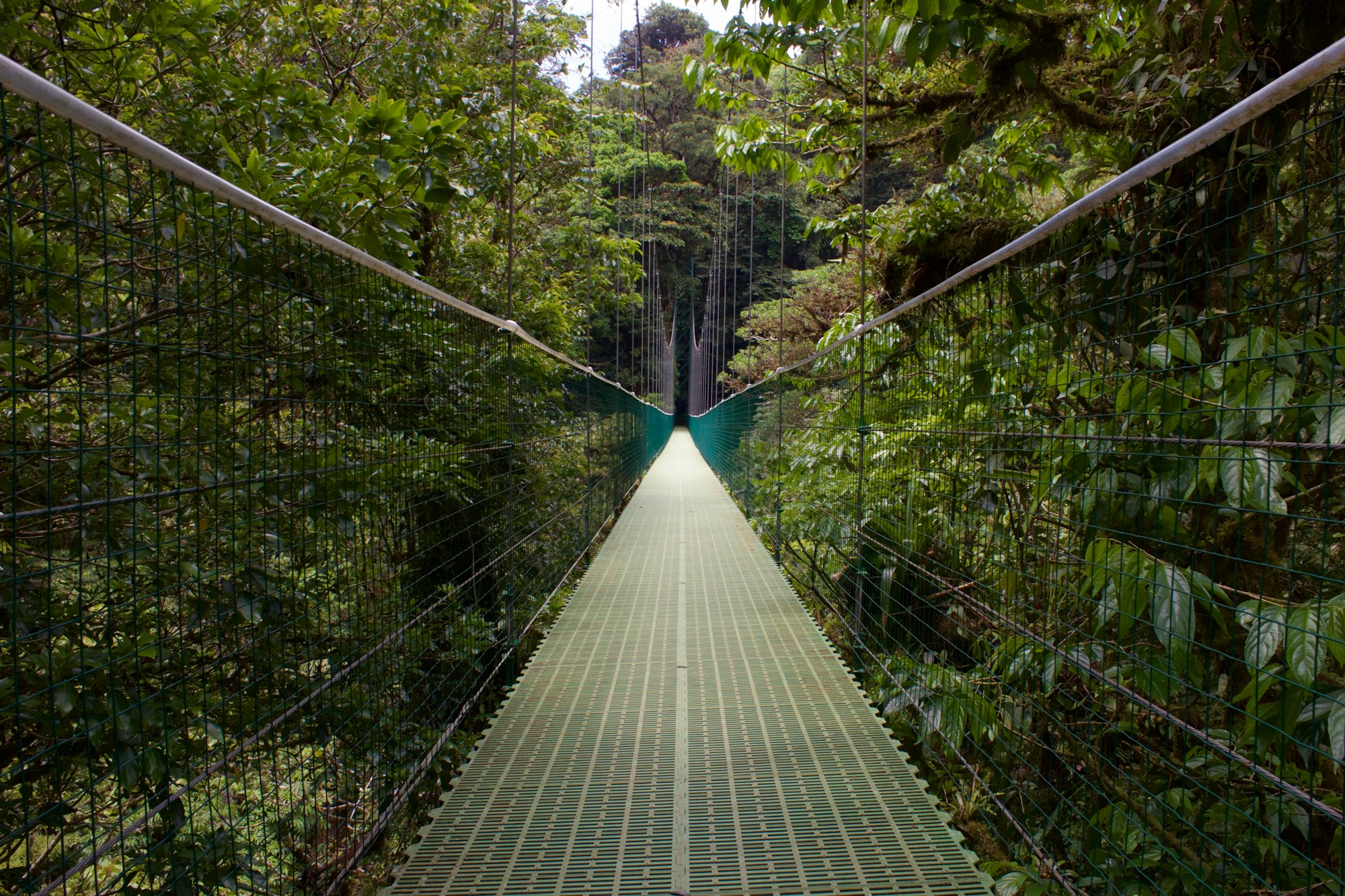
We wound up the highway to Arenal and stayed in a cabin at the base of the volcano. We hiked the forest, crossed footbridges over the canopy and ate tico food in places with four tables. Then we drove south to Dominical down the Pan American, which took a great deal longer and was a great deal bumpier than the map had promised, and stayed at the Bella Vista Lodge. It was not the smartest or the cleanest place we have ever stayed. It was high up, with a view and a hammock, and the owner put us on horses and took us to the biggest waterfall either of us had ever seen.
We finished at a resort in Puntarenas and I have never quite forgiven us for it. What I wrote at the time still stands: if you only stay in the all inclusive, it is pretty much worthless to visit a new country. You never see how people actually live. That trip is the reason I say that to clients now.
What is here about doing it with kids comes from planning Costa Rica for other families.
Costa Rica Place by Place
The country is smaller than West Virginia and has two coasts, a mountain spine down the middle, and a dozen distinct ecosystems inside a few hours of each other. That is the appeal and it is also the trap, because everything looks close together on a map and nothing is.
San Jose
Arenal
Monteverde
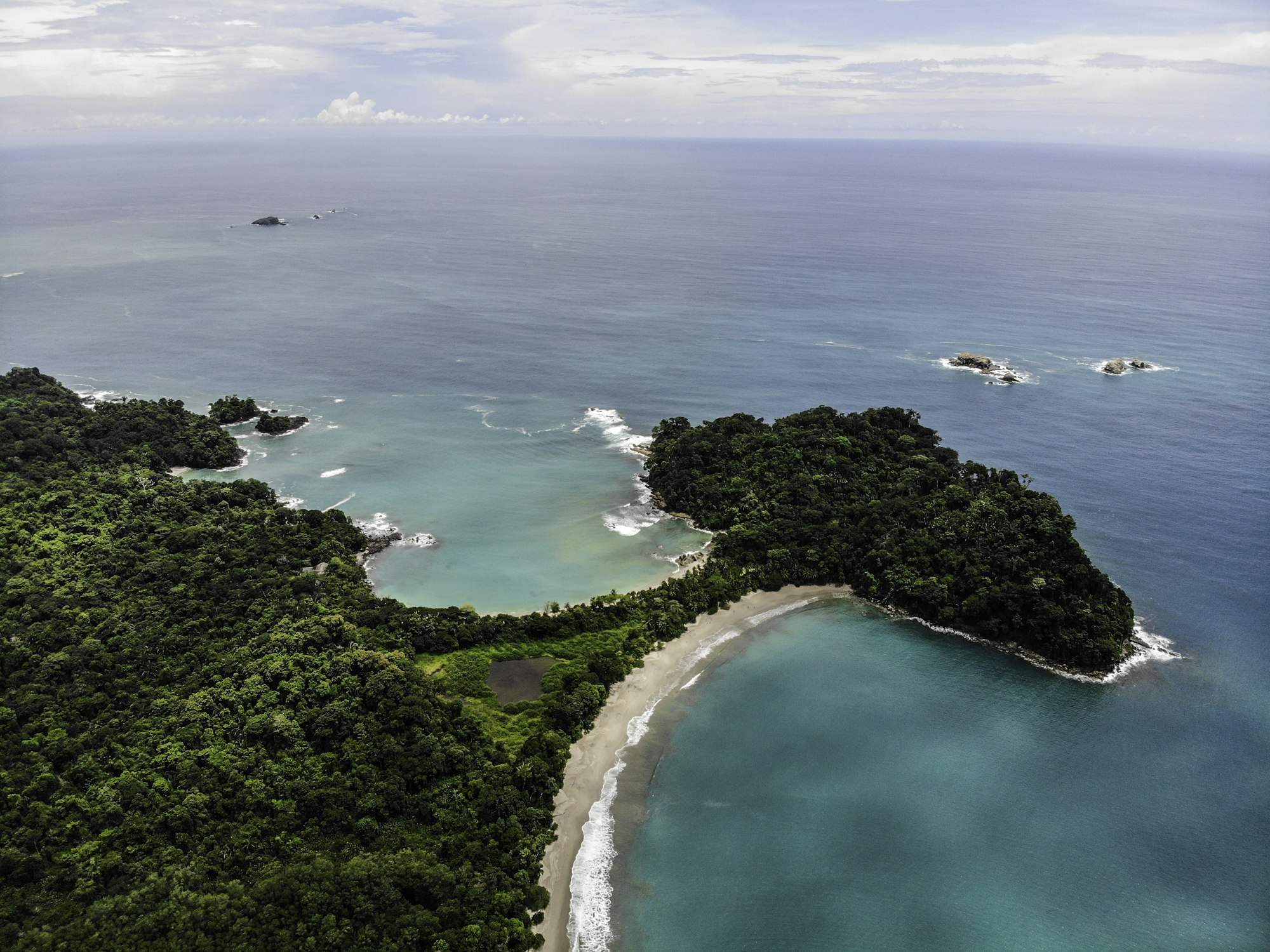
Manuel Antonio
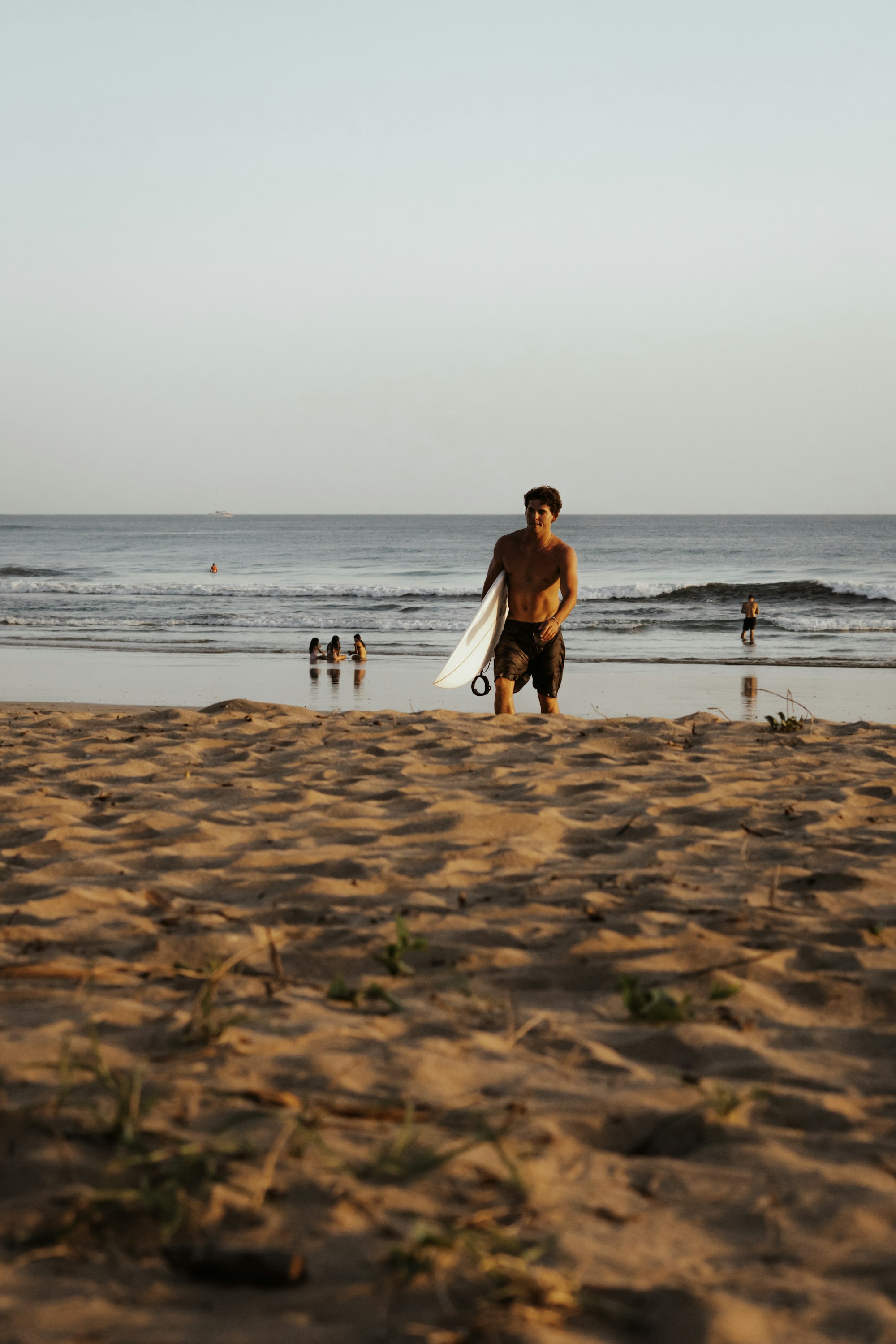
Tamarindo
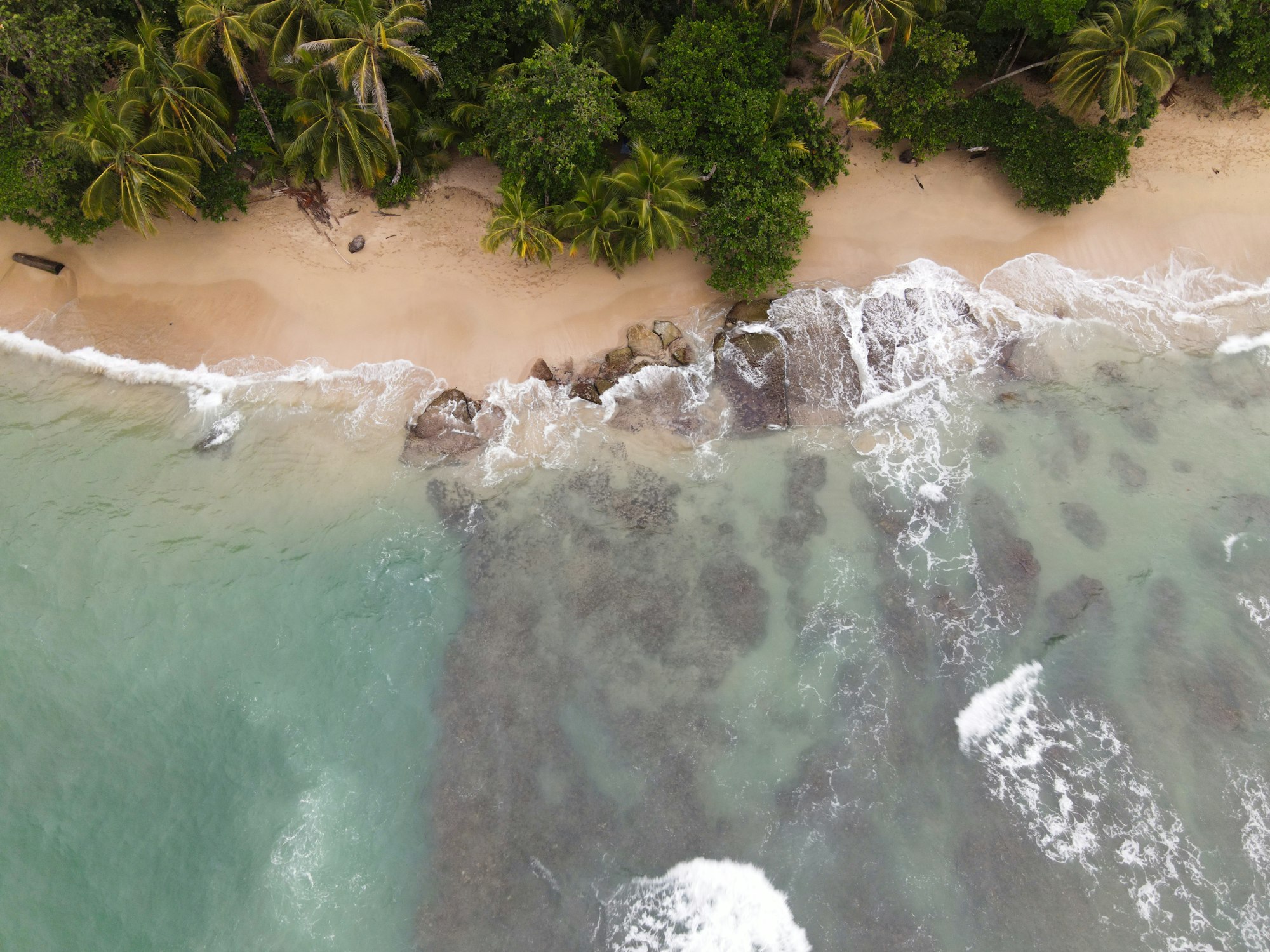
Puerto Viejo
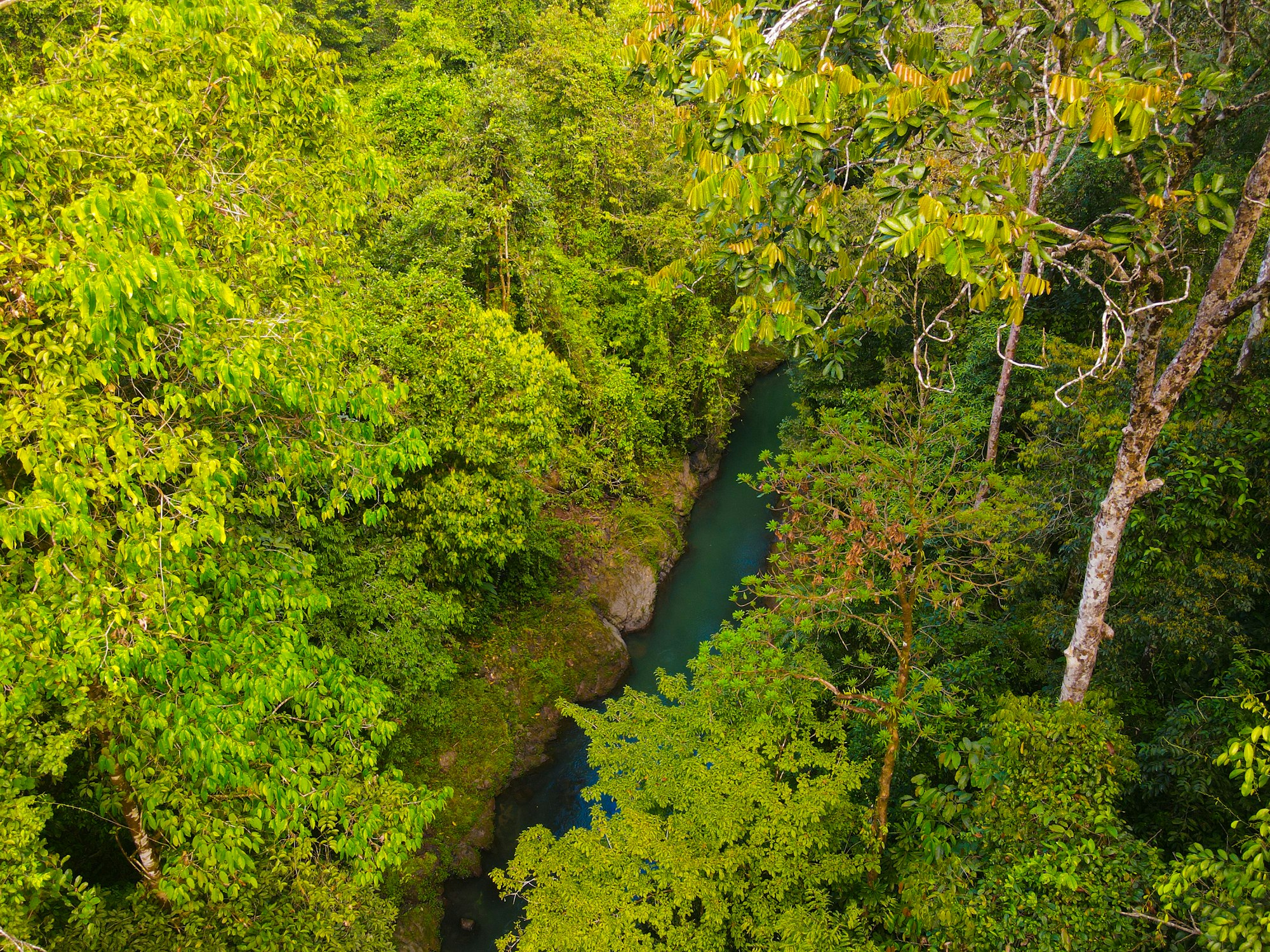
Osa Peninsula

Tortuguero
Why Costa Rica Works With Kids
The wildlife shows up
Sloths, monkeys, toucans and iguanas in the actual trees rather than in an enclosure. A child who has spotted a sloth themselves through a guide’s scope is a different child for the rest of the trip.
It is the easy one in the region
Stable, no standing army since 1948, good private healthcare, drinkable tap water in most of the country and tourism infrastructure built over forty years. It is the least demanding country in Central America to travel with children.
A quarter of it is protected
National parks and reserves cover roughly a quarter of the land. That is not marketing, it is policy, and it is why so much is still standing when the countries either side of it lost theirs.
Who should think twice. It is not cheap. Costa Rica costs more than Mexico and considerably more than Nicaragua or Guatemala, and families arriving expecting Central American prices get a shock at the first supermarket. And if nobody wants to be hot, damp or in a car for three hours, this is the wrong country.

A three toed sloth. You will not find one yourself. Every single good sighting we had came from a guide who knew which tree to look at
The Eco Label, and Who Has Actually Earned It
Almost every lodge in Costa Rica calls itself eco something. Most of them mean they have a bin for recycling and a sign asking you to reuse the towel. A handful of them mean they bought degraded cattle pasture thirty years ago, replanted it, and now run a private reserve. Telling the two apart is most of what an advisor is for here.
Look for the CST rating, then look past it. The Certificado de Sostenibilidad Turistica is the government scheme and it runs one to five leaves. Five leaves is a real hurdle. Three leaves is not. Anyone can print a leaf logo on their own website, so check the property on the official register rather than taking the badge at face value.
Ask one question: how much land do you protect, and since when? A real lodge answers instantly and in hectares, with a date. A greenwashed one talks about LED bulbs and locally sourced breakfast. The good ones are usually family owned, usually thirty or forty years old, and usually have a biologist on staff rather than an activities coordinator.
Community owned beats foreign owned. A great deal of Guanacaste is owned by international hotel groups and the money leaves. The lodges around Sarapiqui, the Osa and the Caribbean side are far more often locally held, and your guide is usually somebody who grew up in that forest.
Say no to anything you can hold. Sloth selfies, monkeys on shoulders, drugged wildlife by the roadside. It is illegal in Costa Rica and it still happens where tourists pay for it. A real rescue center will not let you touch anything and will tell you which animals are going back out.
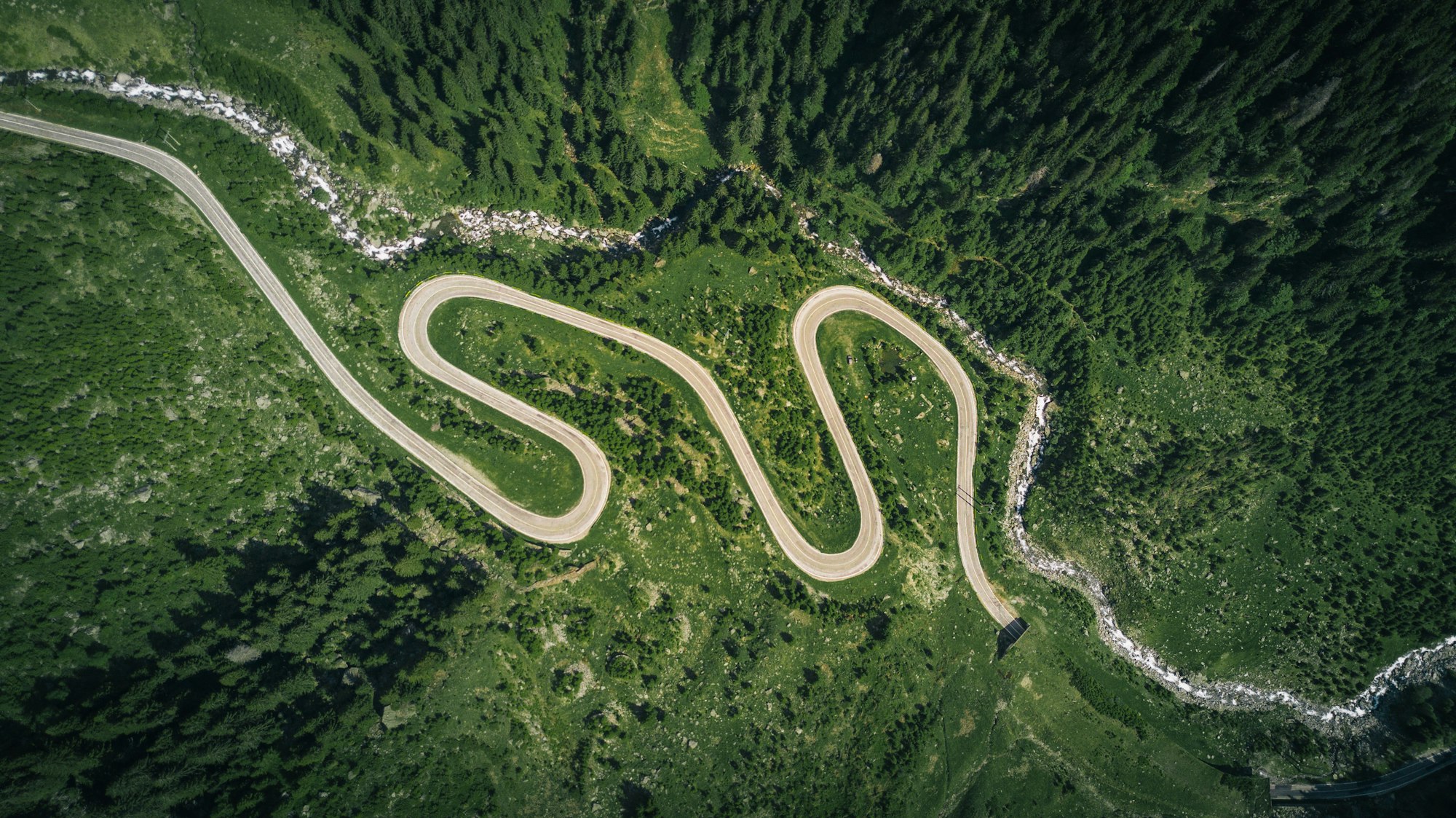
This is what the road between two dots on the map actually looks like. Google’s estimate is optimistic by roughly half
The Map Is Lying About the Drive Times
This is the single most common way a Costa Rica itinerary falls apart, and it happened to us on our own trip. San Jose to Dominical looked like a morning. It was most of a day on the Pan American, and it was rough.
Add fifty per cent to whatever the app says. Mountain roads, single lane bridges you have to line for, roadworks, fog on the passes above Cartago, and lorries that cannot climb. Arenal to Monteverde is about seventy five miles and takes three and a half hours, or ninety minutes if you take the jeep boat jeep across the lake, which is the right answer.
Book a 4×4 if you are going anywhere unpaved. Monteverde, the Osa, Nosara and most of the good lodges sit at the end of a dirt road with a river crossing in it. A standard hire car will physically not get there in the green season and your insurance will not cover the attempt.
Do not drive at night. No street lighting, no verges, livestock, cyclists with no lights and potholes you will not see. Be where you are sleeping before dark, which is about half past five all year because the country sits near the equator.
Domestic flights are cheap enough to be worth it. Sansa flies out of San Jose to Drake Bay, Tortuguero, Nosara and Puerto Jimenez in twenty five minutes for what a shuttle costs. If your trip includes the Osa, fly. Six hours of road each way with children is a poor trade.
Wildlife, and How to Actually See It
Hire the guide. Every time. This is the one piece of advice I would fight anybody about. A family walking Manuel Antonio alone sees trees. The same family behind a guide with a spotting scope sees sloths, a viper coiled on a branch a meter from the path, bats under a leaf and three species of monkey. Twenty five dollars a head and it changes the entire trip.
Go at dawn, not at ten. Animals are active early and again at dusk, and asleep in between. Park gates open at seven. The families who turn up mid morning and leave disappointed are the ones who slept in.
Night walks are the best thing you will do. Red eyed tree frogs, kinkajous, tarantulas, sleeping birds at eye level. Most lodges run one. Children who are bored by scenery are rarely bored by a torch and a frog.
Do not feed the monkeys, and shut your door. White faced capuchins will take food out of a bag and out of a hand and they bite. Feeding them makes them aggressive and sick, and half the beach signs in Manuel Antonio exist because people did it anyway.
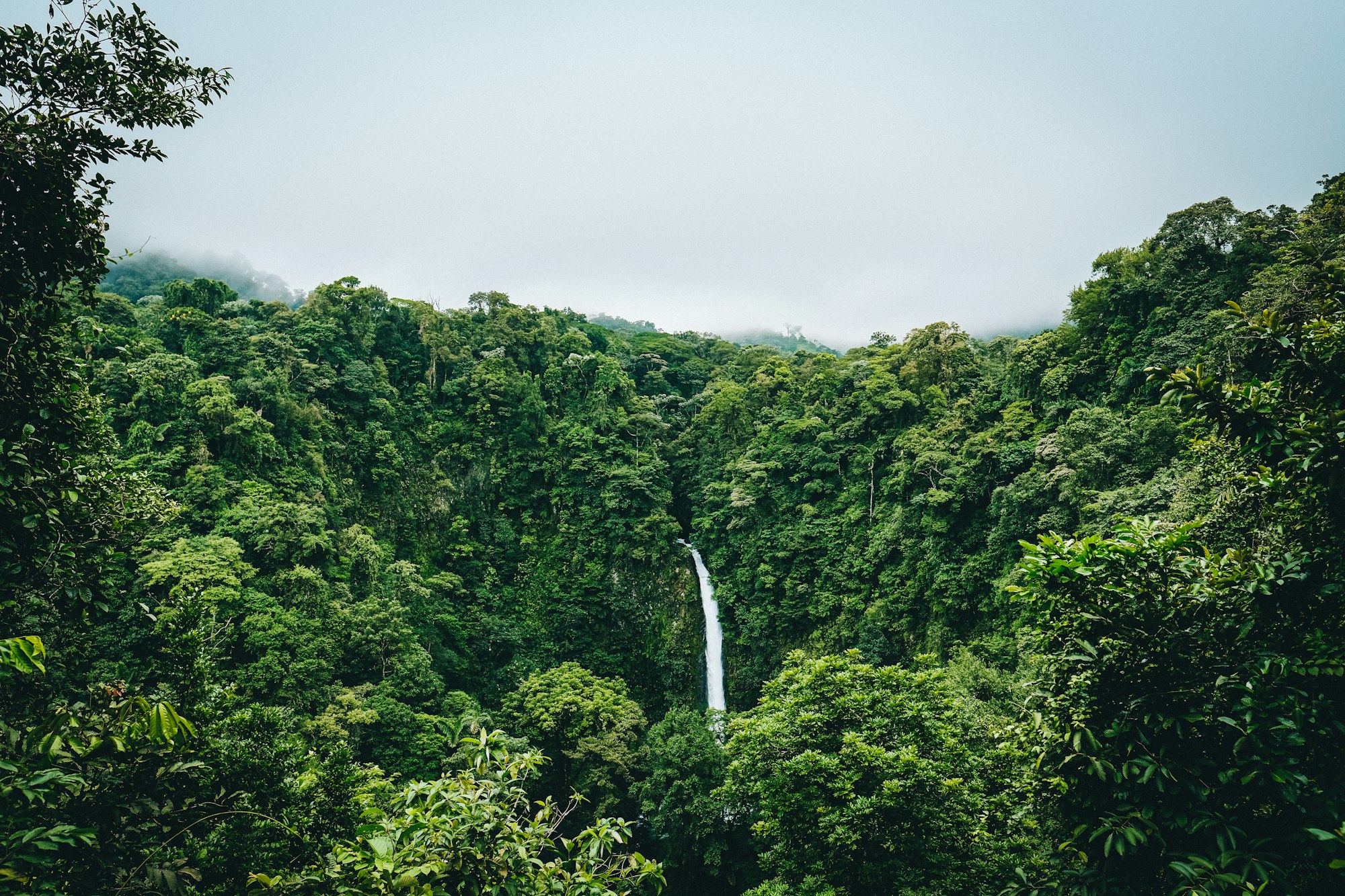
The kind of waterfall you get to on a horse down a track nobody has mapped. Ours was near Dominical and I still have not seen a bigger one
How Many Regions to Attempt in Ten Days
Three. Fewer if the children are small. Almost every family I speak to arrives with five on the list and I spend the conversation taking two off. Given the drive times above, a four region trip is a driving trip with some rainforest attached.
The classic ten days, and it works. Arenal for three nights, Monteverde for two, and the Pacific coast at Manuel Antonio for four, with the last night near the airport. Volcano, cloud forest, beach. Nobody has ever come back from that unhappy.
The better ten days, if they are older than eight. Sarapiqui or Arenal for three, then fly to the Osa Peninsula for four or five. Corcovado is the most biologically intense place in the country by a wide margin and it is where the serious wildlife is. It costs more and it is worth it.
The Caribbean side is a different country. Puerto Viejo and Cahuita are Afro Caribbean, the food is coconut and jerk rather than rice and beans, and the pace is slower. It rains on a different schedule from the Pacific side, so September and October are actually good there while the rest of the country is drowning.
Two weeks buys you a fourth region. Not ten days. If you have fourteen nights, add Tortuguero for the turtles or the Nicoya coast for the surf. Under fourteen, take something off the list instead.
Food
Tico food is not spicy, not complicated and good when you eat it where ticos eat it, which is a soda, a small family run diner with a handwritten board. Ours in 2008 had four tables and cost about three dollars a head. Resort food is a different and much worse cuisine.
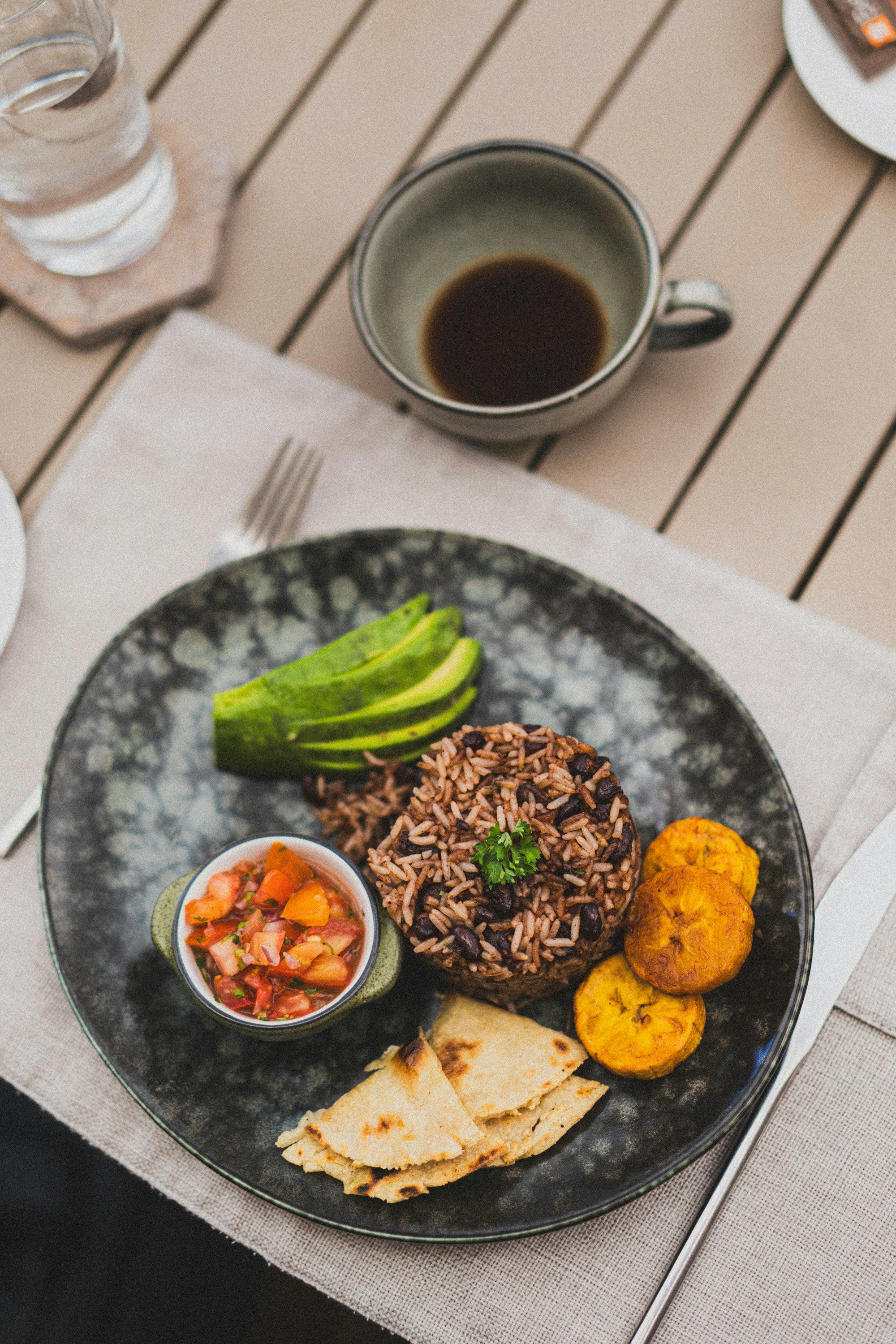
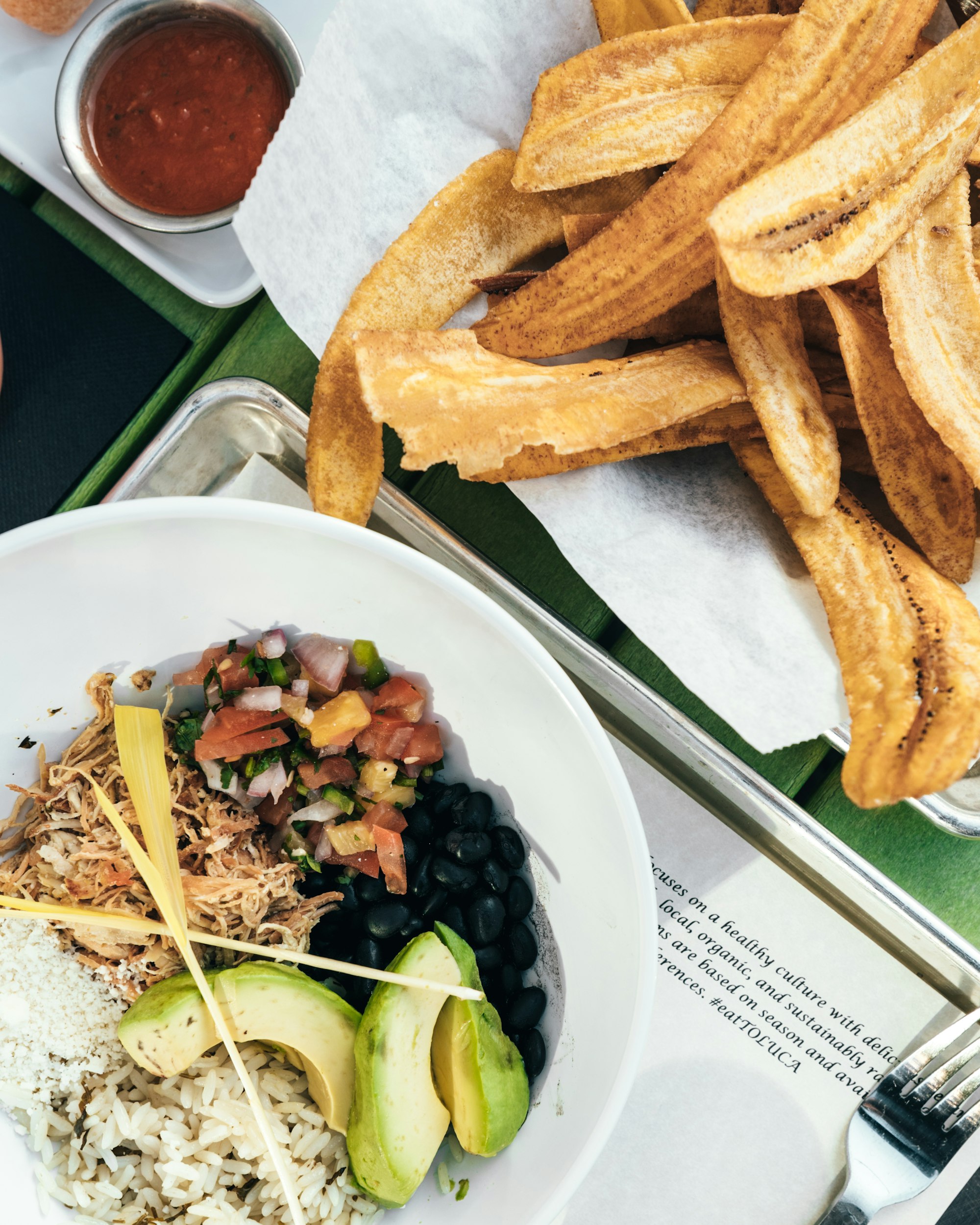

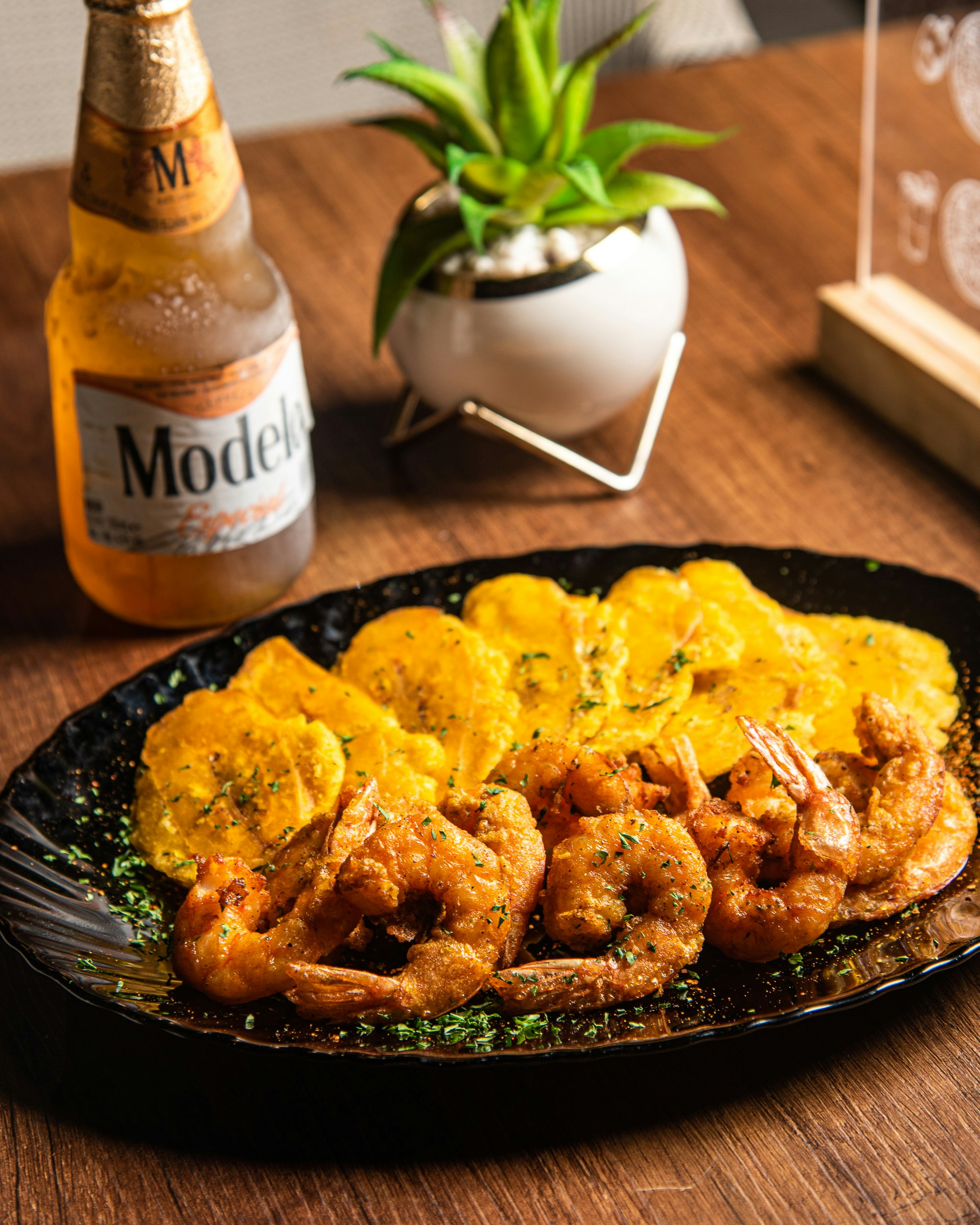

Two notes. Salsa Lizano is the brown sauce on every table and it goes on everything. Buy a bottle at the airport. And the fruit is extraordinary, so get the batidos, blended fruit with water or milk, rather than another bottle of something fizzy.
Getting Around
Hire car or private shuttle, and it is a real decision. A car gives you the sodas, the roadside fruit stands and the ability to stop when somebody spots a sloth. A shuttle means nobody is driving those roads tired with three children in the back. If you are doing three regions in ten days, I usually put families in shuttles between bases and a car locally.
Understand the car hire insurance before you land. Costa Rica requires a mandatory third party liability policy that is almost never included in the price you were quoted online. A forty dollar a day car becomes ninety at the desk. It is not a scam, it is the law, but it is the number one complaint I hear.
Shared shuttles are cheap and civilised. Interbus and Grayline run air conditioned minibuses between every tourist town on a fixed timetable, hotel door to hotel door, for around sixty dollars a person. For two adults and three children it is often the same as a car once you add the insurance.
Fly into Liberia if the beach is the point. Liberia serves Guanacaste and saves four hours of driving compared with San Jose. San Jose is right for Arenal, the Caribbean and anything in the middle. Booking the wrong airport costs a day at each end.
Money and Practical Basics
Colones and dollars both work, colones are better. Dollars are accepted almost everywhere and the exchange rate you get is poor. Pay in colones where you can, and always decline the offer to charge your card in dollars.
Budget more than you think. Costa Rica is the most expensive country in Central America. A good family lodge runs two to four hundred dollars a night, guided walks are twenty five to sixty a head, and park entry is worth it but adds up. It is closer to a European budget than a Mexican one.
Tap water is fine in most of the country. Drinkable in San Jose, the Central Valley and the main tourist areas. Bottled on the Caribbean coast, the Osa and anywhere remote. Ask at the lodge, they will tell you honestly.
Healthcare is good and the mosquitoes are the real issue. Private clinics are excellent. Dengue is present year round and there is no vaccine you will be offered, so repellent with DEET or picaridin, long sleeves at dusk and a fan or net over the beds is the actual defense.
When to Go
Two seasons, and the local names for them tell you what to expect. Dry season is verano, wet season is invierno, and the wet season is called the green season by the tourist board for a reason that is actually true rather than a euphemism.
Dec to Apr
The dry season and the expensive one. Reliable sun on the Pacific side, everything open, and Christmas and Easter at double rates and fully booked six months out. February and March are the best weather of the year.
May to Jul
The start of the green season and my favorite window. Mornings are usually clear, rain comes in the afternoon for a couple of hours, the countryside is green rather than brown, prices drop by a third and the crowds go home. This is not a compromise, it is a better trip.
Aug to Oct
The heaviest rain on the Pacific side, September and October especially, and some Pacific lodges close. The Caribbean side is at its best in exactly this window, so it is not a write off, it is a different itinerary. Roads wash out, so this is when the 4×4 matters.
Turtle timing
Green turtles nest at Tortuguero from July to October. Leatherbacks on the Pacific from October to March. Arribadas at Ostional, when tens of thousands come ashore at once, cluster around the last quarter moon in the wet season. Worth planning a trip around.
Doing It With Children
Give them a job. A cheap pair of binoculars and a checklist of ten animals turns a walk from something they endure into something they are running. This is the single best thing I tell families about Costa Rica and it costs fifteen dollars.
Respect the Pacific rip currents. Costa Rica has serious rips and very few lifeguards. Manuel Antonio’s main beach is patrolled and calm. A lot of the Guanacaste and Nicoya beaches are not. Ask at the hotel which end of the beach is safe today rather than assuming.
Age eight is roughly the line. Under eight, do Arenal and a beach and keep the drives short. Over eight, the hanging bridges, the night walks and Corcovado all open up and the trip becomes a much better one. Zip lines usually start around five with a guide riding tandem.
Everywhere feeds children happily. Rice, beans, plantain, chicken and fruit is the default and none of it is spicy. Costa Rica is one of the easiest countries in the world for a fussy eater, which is not something you can say about much of Latin America.
Things That Surprised Us
How long everything took. San Jose to Dominical looked like a morning on the map. It was most of a day, most of it bumpy, and it is the single thing I would change about that trip.
That the best place we stayed was the roughest. The Bella Vista Lodge was not modern and it was not spotless. It was high up with a view and a hammock and an owner who put us on horses. The resort at the end cost more and I remember almost nothing about it.
That it is expensive. We went expecting Central American prices. Costa Rica is not that, and it has got further from it since. Families should budget for something closer to a European trip.
How much you do not see without a guide. We walked plenty of trails on our own and saw green. I did not properly understand what we had missed until years later when I started sending clients out with naturalists.
Combine It With
If you have the time to add a second country, these are the ones I would actually pair this one with. Not a list of neighbors. A list of trips that work.
Two very different Latin trips. Mexico for the ruins and the food, Costa Rica for the wildlife and the driving.
More North America Guides
Every other country in North America we have a full guide for. Tap one and go.


Keep exploring from Costa Rica
Cities, neighbors, and the wider region.
More of the Caribbean & Central America
