- Home
- About Nicole
- Explore the World
-
Travel Library ▾
Proud affiliate of Favorite Grampy Travels
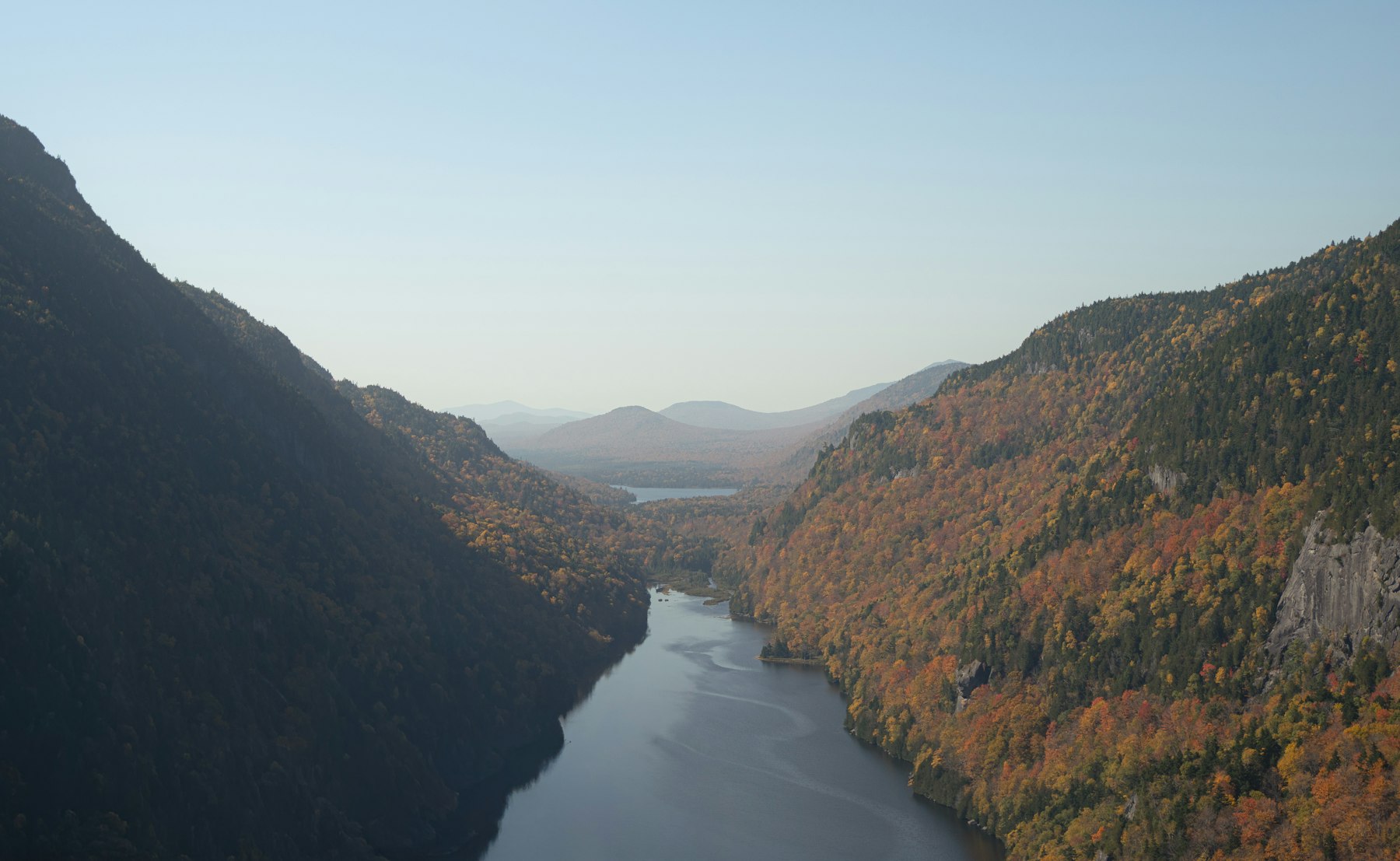
The Adirondacks in October. Six million acres of this, and most people who say they are going to New York never see a single tree of it
New York With Kids — Everything We Know
“New York City is about six tenths of one percent of New York State. Almost every family I talk to plans the other ninety nine percent as an afterthought, if they plan it at all.”

Let me be straight with you before you read another line. I have been to New York three times in my life. Twice to the city, once to Niagara Falls with my mother during my freshman year of college. That is it. I have never taken Gavin, Jake or Avilene to New York, not to the city and not to any of the country above it. Everything on this page that is not my own memory is advisor work. Verified numbers, current seasons, and the things I would tell a friend on the phone. I would rather tell you that up front than dress up somebody else’s trip as mine.
What I do remember is the scale problem, and it started at Niagara. I was a teenager, my mother drove, and I could not get over the fact that we were still in the same state as the skyline on television. That is the thing nobody tells you. New York State covers a little over 47,000 square miles of land. New York City covers about 300 of them. The city holds roughly 43 percent of the state’s twenty million people and about six tenths of one percent of its ground. Everything else is farmland, mountains, lakes, vineyards, small brick towns and a very long way between them.
So here is my honest read. If you have four days, do the city, do it properly, and come home. The New York City guide handles that trip in detail and this page is deliberately not about the five boroughs. If you have eight days or more, the interesting decision is which piece of the rest of the state you are adding, because you cannot add all of them. This page is the one that helps you choose that, and it is the page I wish somebody had handed my mother before she got in the car.
New York Place by Place
Eight places, and they are genuinely not interchangeable. One of them is a city of eight and a half million people. One of them is a mountain park larger than several national parks put together. They are in the same state and they are about seven hours apart. Read the drive times before you fall in love with an itinerary.

New York City

Niagara Falls

The Adirondacks

The Hudson Valley
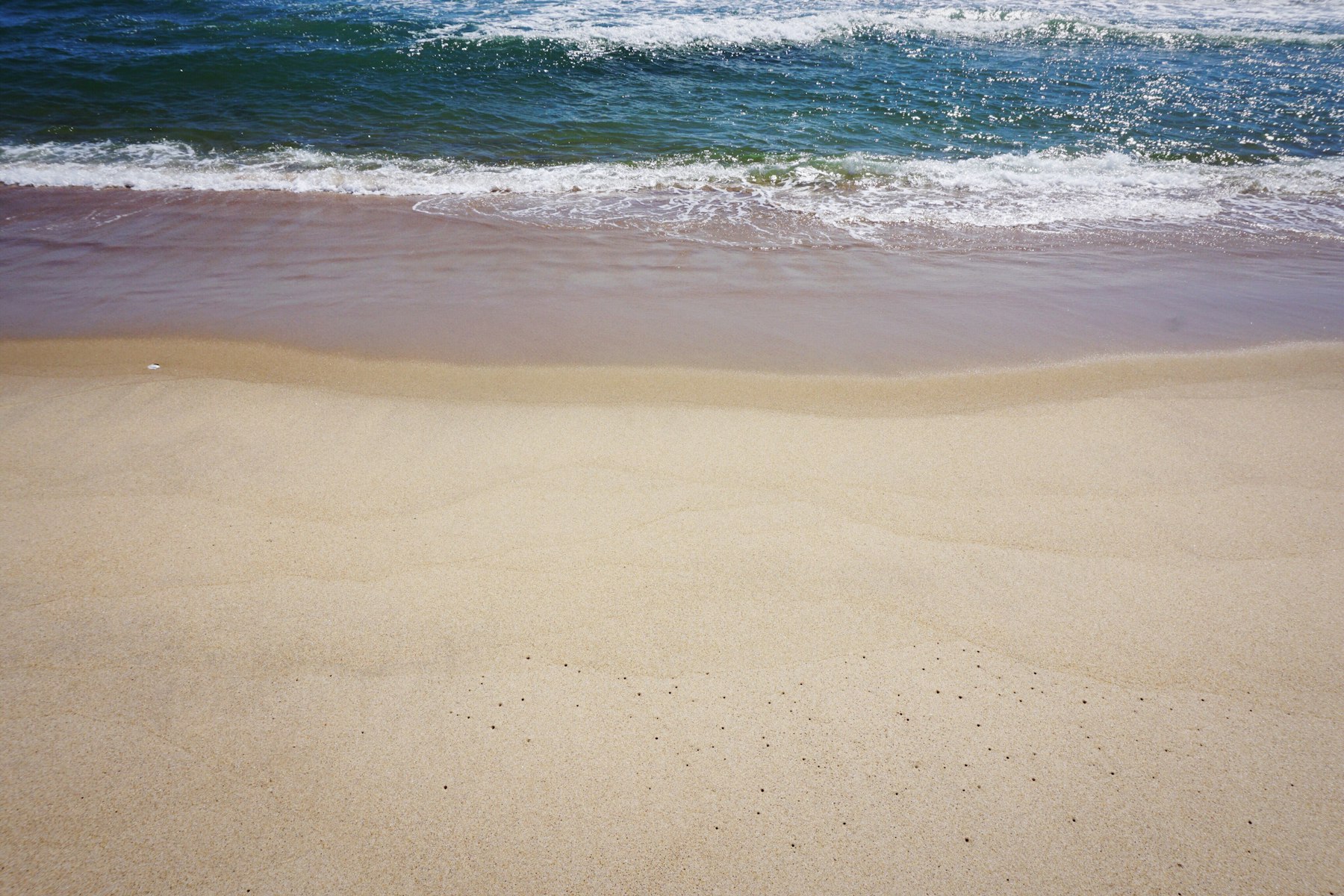
Long Island
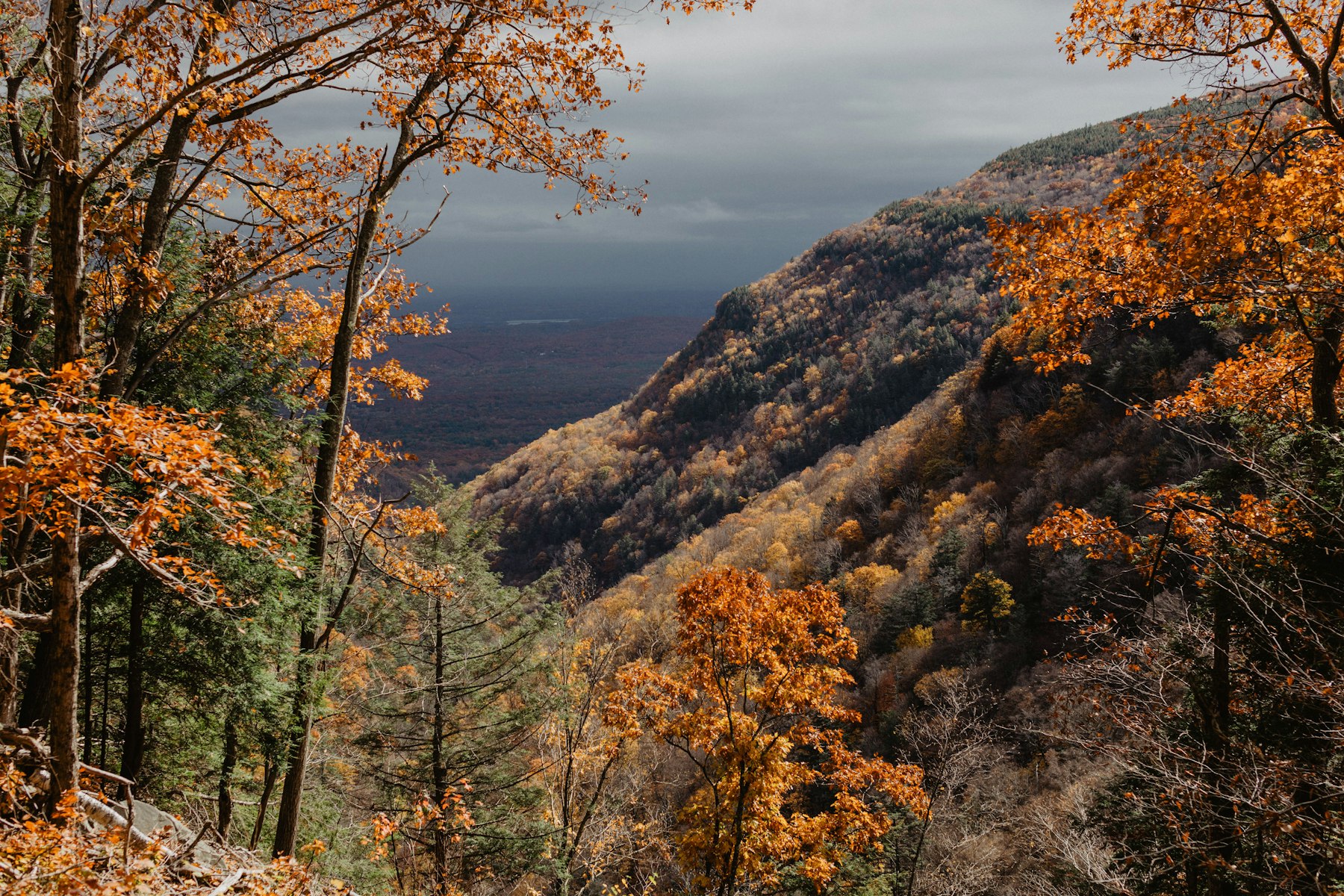
The Catskills

Lake Placid
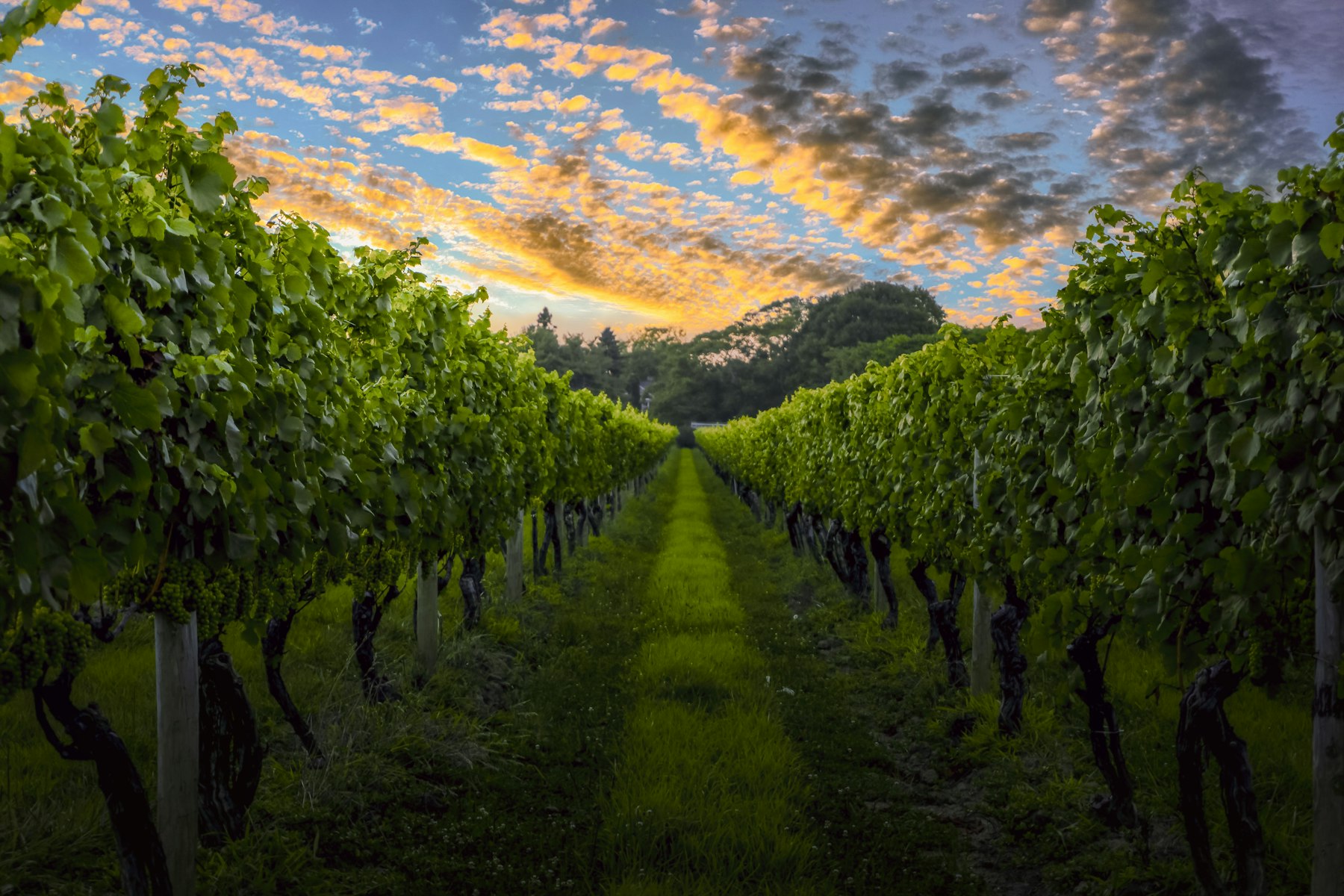
The Finger Lakes
New York City already has its own guide and it is the one to read if the city is your trip. The other seven are the reason this page exists, and they are the ones almost nobody books.
Must See and Do
Six things, named, priced and checked in 2026. Five of the six are nowhere near Manhattan, which is rather the point.
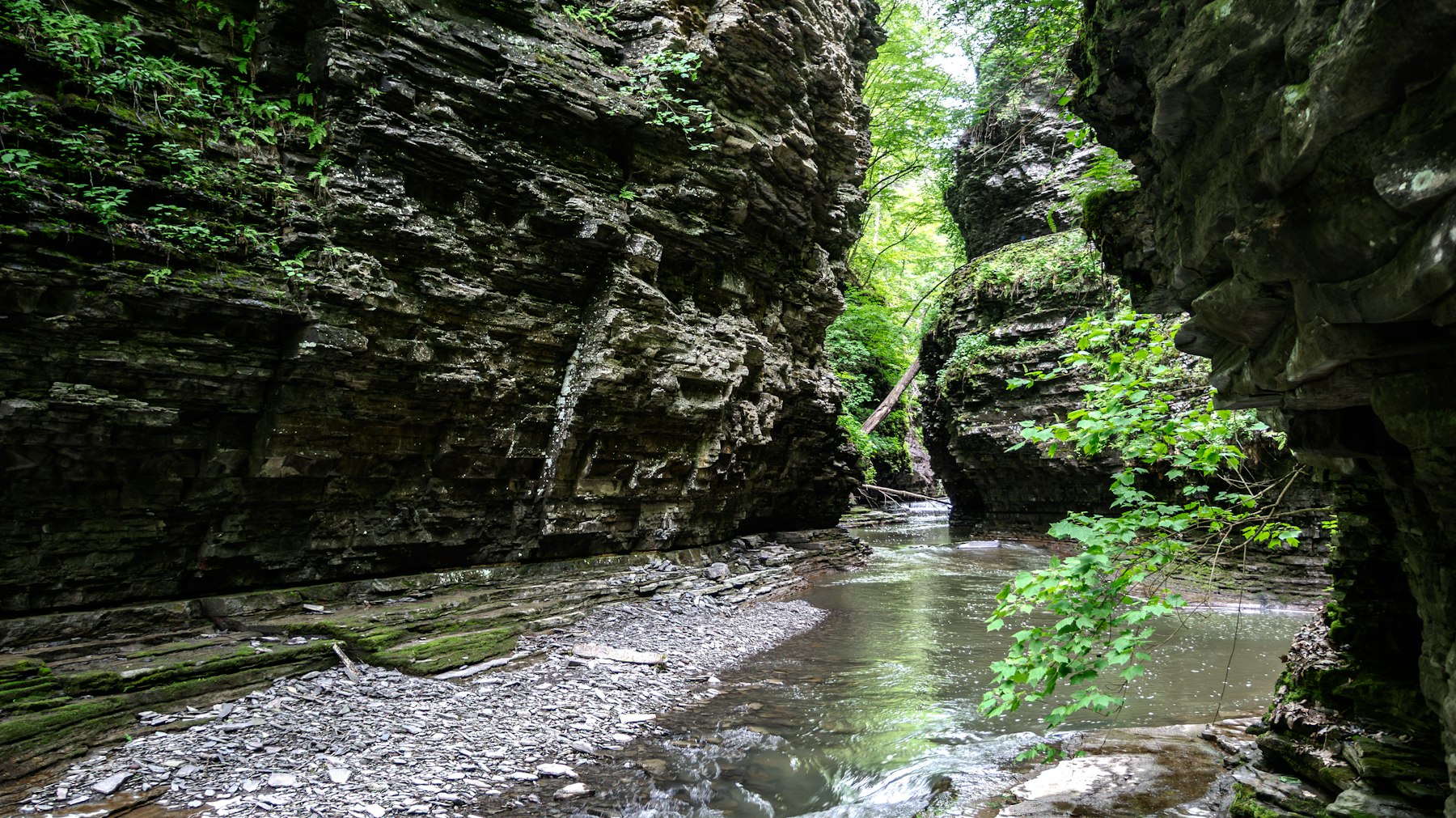


This is what most of New York State actually looks like. The state’s own foliage report runs from late September into November, and this is the fortnight the whole calendar is built around
The City Is Not the State, and the Numbers Are Absurd
This is the single most useful section on the page, so I have put it first. Families book New York, mean Manhattan, then add a day trip to Niagara Falls because it looked close on the map. It is not close. Here is the arithmetic, measured on real driving routes from Midtown.
New York State is 47,123 square miles of land. New York City is 300. Those are US Census figures. The city is about six tenths of one percent of the state’s ground and holds roughly 43 percent of its people, twenty million of whom live in New York State altogether. Every mental picture you have of this place comes from that six tenths of one percent.
Manhattan to Niagara Falls is about 390 miles. That is six and a half to seven hours of driving on a clear day, and it is not a day trip in any universe. It is not even a comfortable overnight. If Niagara is what your children want to see, fly to Buffalo and drive up from there, or make it a genuine three night leg of a longer loop.
Manhattan to Lake Placid is about 285 miles, five to five and a half hours. Manhattan to Ithaca in the Finger Lakes is about 225 miles and four hours. The state is wide and the interesting parts are at the far end of it. Nobody warns you because the brochures only ever photograph the skyline.
The near escapes are genuinely near, though. Manhattan to Beacon in the Hudson Valley is about 70 miles and an hour and a half. Manhattan to the Catskills around Woodstock is about 105 miles and two hours. Manhattan to Montauk at the tip of Long Island is about 115 miles and three hours on a clear road. Those three you can do without rearranging your life.
Pick one direction and commit to it. North to the mountains, west to the falls and the lakes, or east to the beaches. Families who try two directions in one week spend the week in the car, and the children remember the car. This is the same advice I give about Florida and California and it is the advice people ignore most often.
Niagara, and the Canadian Side Question
I have been here once, a very long time ago, and it has stayed with me more than most things I did that decade. It is genuinely worth the drive. But there is a decision to make before you book a hotel, and almost everybody makes it by accident.
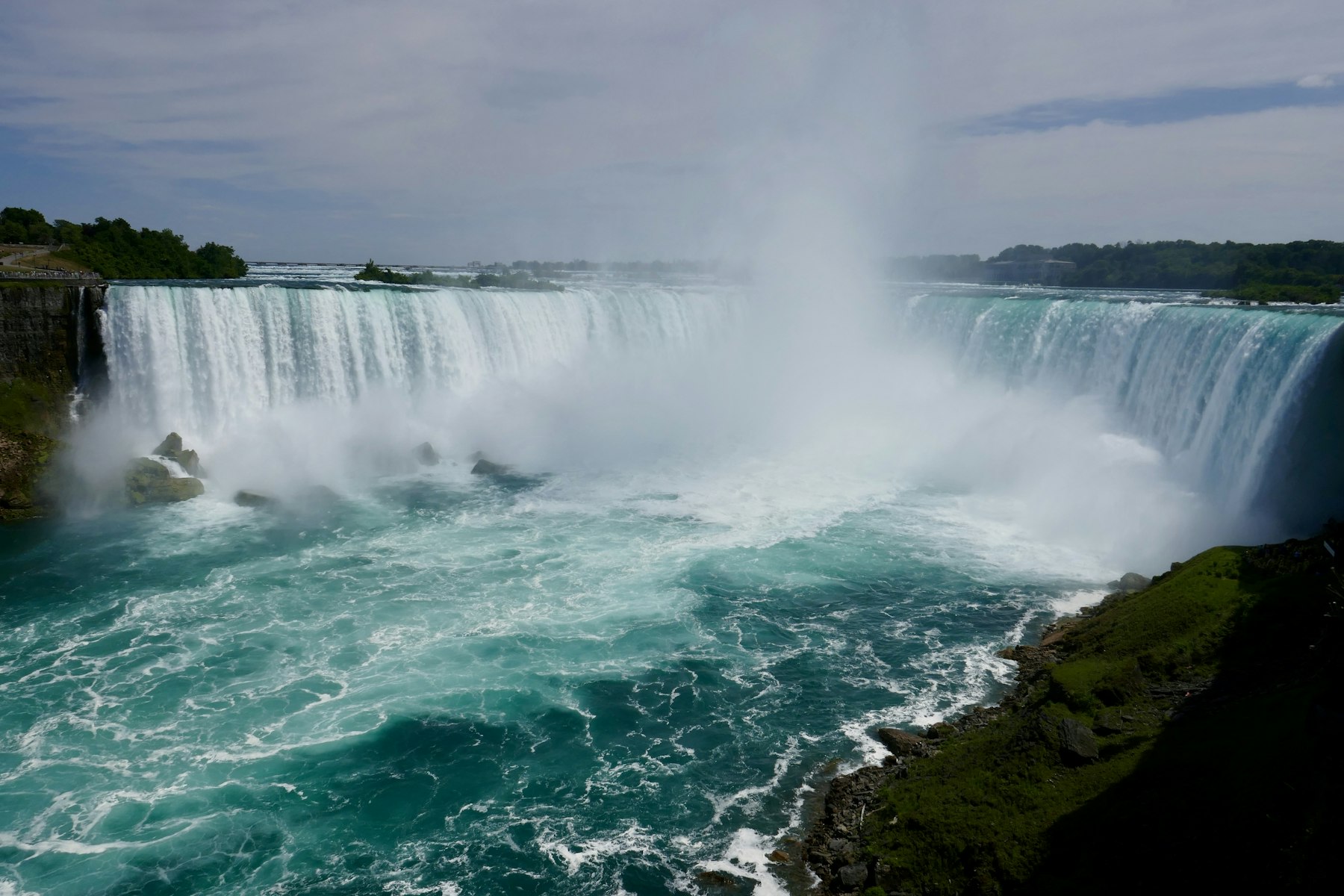
The view really is better from the Canadian side, and the reason is geometry. The Horseshoe Falls, the big one, curves away from Canada. Stand in Ontario and you are looking straight into the face of it. Stand in New York and you are standing on top of it, side on, looking along the edge. The American side gives you the closer, wetter, more physical experience. The Canadian side gives you the photograph.
Crossing means passports for everyone, including the children. There is no way around this and it catches families out constantly. If anybody in your party does not have a valid passport, or if your immigration status makes a re entry awkward, plan the American side only and do not build the trip around a border crossing you may not clear.
The boat is cheaper on the American side, and that surprises people. Maid of the Mist from New York runs 30.25 dollars for adults and 19.75 for children aged 6 to 12 in 2026, with under sixes free alongside a paying adult, sailing 24 April to 9 November. Niagara City Cruises from the Canadian side is 47.95 Canadian dollars for anyone 13 and over and 32.95 for children 3 to 12, plus 13 percent tax, running April to November. Same water, same falls.
Cave of the Winds is the American side’s real answer and it runs all year. 23 dollars for adults and 19 for youth through 18 October 2026, then 14 and 10 from 19 October into March. You go down into the gorge on wooden decks and stand near the base of the Bridal Veil Falls. Wet, loud, and the thing my clients’ children talk about afterwards rather than the view.
The park itself is free and the parking is the cost. Niagara Falls State Park, the oldest state park in the country, is open every day of the year and costs nothing to walk into. Lots 1 and 2 are 10 dollars a day, rising to 15 on Fridays to Sundays between 22 May and 11 October. Budget for parking and attractions, not admission.
Winter here is underrated and nearly empty. The falls do not stop. The mist freezes onto everything within reach and the whole gorge turns into ice sculpture, Cave of the Winds drops to 14 dollars, and you will share the railing with almost nobody. It is bitterly cold and it is spectacular.
The Adirondacks Are Bigger Than You Think
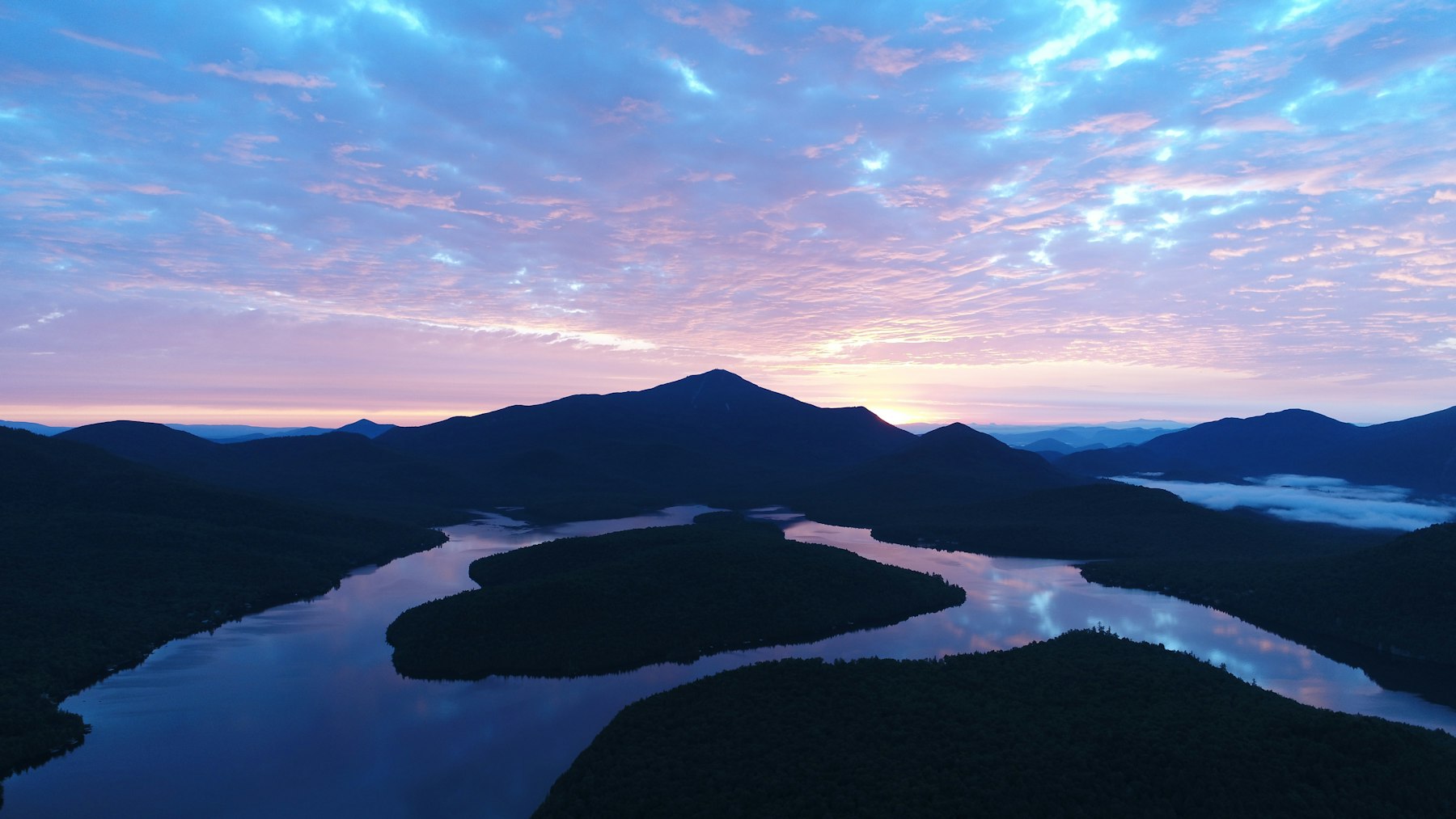
This is the fact that reframes the whole state for people, so I will give it to you plainly. The Adirondack Park covers approximately six million acres. The Adirondack Park Agency describes it as the largest publicly protected area in the contiguous United States, greater in size than Yellowstone, Everglades, Glacier and Grand Canyon National Park combined. That is inside New York. The same New York.
About 2.6 million acres of it, roughly 44 percent, is state Forest Preserve. The New York constitution says it stays forever wild, which is a stronger protection than most national parks carry. The rest is private. Towns, farms, timber land and homes, which is why the park has villages and diners inside it rather than a gate and a ranger station.
There are more than 3,000 lakes and ponds in it. This is the practical difference between the Adirondacks and a mountain holiday anywhere else. You are not choosing a hike, you are choosing a body of water and then hiking from it. For families with children under ten, a cabin on a lake with a canoe beats any summit you could name.
Lake Placid is the village at the centre of it and it has hosted the Winter Olympics twice, in 1932 and 1980. The ski jumps, the bobsled track at Mount Van Hoevenberg and the Olympic Museum are all still there and all still working. It is the rare place where the sporting history is genuinely legible to a ten year old.
Whiteface is New York’s fifth highest peak at 4,867 feet and you can drive most of the way up it. The Veterans Memorial Highway climbs the mountain in summer and autumn, which means a family with small children or a grandparent who cannot hike still gets the summit view. Very few big mountains anywhere let you do that.
Mobile signal is patchy and that is not a complaint, it is a plan. Download your maps before you leave the motorway. Tell somebody your route. Assume the petrol station in the next village closes at six. The Adirondacks are not remote in a dangerous way, but they are remote in a way that punishes people who assumed otherwise.
Leaf Season Is the Real Reason to Come
If you are going to build one New York trip in your life around a date, build it around this one. The state’s own foliage programme tracks colour across eleven regions and describes the season as typically starting in late September and ending in November. That is a long window, and where you stand inside it matters enormously.
Colour moves from north to south and from high ground down. The Adirondacks turn first, usually from the last days of September into the first week or two of October. The Catskills and the Hudson Valley follow through the middle and back end of October. Long Island and the coast are last, often into early November. Pick the region to match your dates rather than hoping.
Book accommodation in leaf season months ahead, not weeks. This is the busiest and most expensive fortnight of the year in the Hudson Valley, the Catskills and the Adirondacks, and small inns in those regions genuinely sell out. If you are reading this in August for an October trip, book today. If you are reading it in September, look at a Sunday to Thursday stay instead.
The drives are the attraction, so plan short ones. Ninety minutes of back roads with three stops beats four hours on the interstate. Route 73 through the Adirondack high peaks, Route 28 across the Catskills and the roads along the west side of Seneca and Cayuga lakes are the ones people come back for.
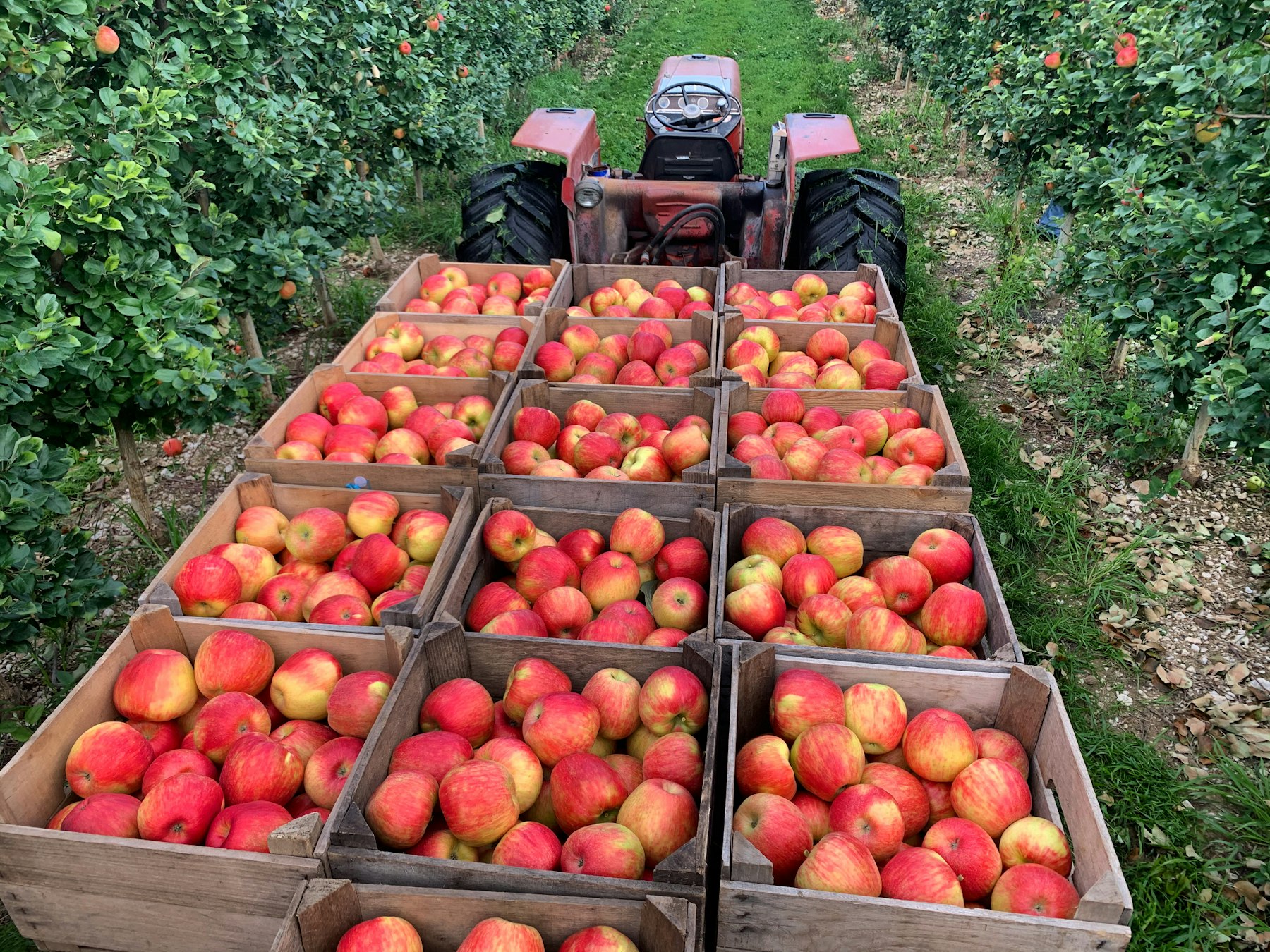
Combine leaves with an orchard and the day plans itself. Pick your own apples, a corn maze, cider doughnuts, a pumpkin, home. It is cheap, it is outdoors, it works for a four year old and a fourteen year old at the same time, and it is the most reliably good family day in the whole state.
Peak is a moving target and one bad week of wind ends it. Do not book a non refundable week on a foliage prediction. Book the accommodation, keep the daily route flexible, and check the state foliage report the week you travel. Colour that is two weeks early or ten days late is completely normal.

Upstate in February. Half the state’s tourism happens in weather like this, and almost none of the families who visit New York ever see it
Winter and Summer Are Two Different States
Upstate New York does not have a high season and a low season. It has two separate high seasons that happen to share a postcode, and they attract completely different families. Working out which one you are is more useful than working out which town you want.
Summer upstate is a lake holiday, and it is short. July and August are the weeks the water is warm enough to swim, the gorge trails are open, and the boats are running. Watkins Glen’s Gorge Trail does not even open until 9 May 2026. If your picture of New York involves a canoe, you have a two month window and everybody else wants it too.
Winter upstate is a snow holiday, and it is long and serious. Lake Placid and Whiteface, Gore Mountain, the Catskills resorts, and the lake effect belt east of Lake Ontario, which takes serious snow every winter. If your family skis or wants to learn, this is a real destination and not a consolation prize.
Take the cold seriously with children. January and February in the Adirondacks regularly sit below freezing all day and can go far below it at night. Proper layers, waterproof boots, hats and gloves for everybody, and a plan for what you do at four in the afternoon when it is dark and everyone is done. Rent the ski kit locally rather than flying with it.
The shoulders are the traps. Late March through April is mud season upstate. The snow has gone, the leaves have not arrived, the trails are wet and half the small businesses close for a few weeks. November after the colour drops is the same story. Cheap for a reason.
The city runs on the opposite calendar to all of this. New York City is at its most expensive when upstate is quiet and often at its best when upstate is frozen. If you are combining the two, that mismatch is worth using rather than fighting.
When to Go
The calendar I would actually work from for a family, assuming you are going for the state and not only the city.
Best overall: the last week of September through mid October. Leaf colour somewhere in the state on any given day, warm afternoons, cold mornings, everything still open, and the Gorge Trail at Watkins Glen still running until roughly mid October. It is the reason to come and it is worth planning a year out.
Good: mid June to early September, if water is the point. The lakes are swimmable, the state parks are fully open, and Niagara’s boats and decks are all running. Busy and hot in the city, pleasant upstate. School holidays, so price accordingly.
Good, differently: January and February in the mountains. Skiing, skating, the Olympic venues in their natural weather, and frozen Niagara with nobody there. Cheap accommodation upstate. Not a beginner trip if your family has never dealt with real cold.
Reasonable: May. Everything reopens, the waterfalls are at their fullest from snowmelt, the crowds have not landed and the rates are low. Bring layers and accept some rain. This is my quiet favourite for a Hudson Valley or Finger Lakes week.
Avoid: late March into April, and the fortnight after the leaves drop. Mud, bare trees, closed kitchens and shut attractions. There is no version of upstate New York that is charming in the first week of April, and I would rather tell you that than sell you a cheap week.
Money and Practical Basics
The Empire Pass is the single best value in the state if you are doing parks. It starts at 80 dollars for 2026, with a lifetime version at 750, and it waives day use vehicle entry at most New York State Parks and state land facilities. Day use is commonly around 10 dollars a vehicle in season, so it pays for itself in about eight park days.
Good news for international families, and this one matters. From 2026 the National Park Service charges non residents aged 16 and over an extra 100 dollars per person at eleven parks, and there is a 250 dollar non resident annual pass. Not one of those eleven is in New York. A New York trip is not touched by it, which is not true of a Utah, Arizona or Wyoming trip.
You need a car everywhere except the city, and tolls are electronic. The New York State Thruway is cashless and bills by plate. Take the rental company’s transponder or expect an administration fee on every crossing. In the city itself a car is an active liability and parking will cost more than your dinner.
Sales tax is added at the till and it is not shown on the shelf. The state rate is four percent and counties add on top, so most of the state lands around eight. Hotel occupancy taxes are separate again. Budget roughly ten percent above the sticker on everything and you will not be caught out.
Cards are accepted almost everywhere, but carry some cash upstate. Small orchards, farm stands, roadside cider stalls and a few of the smaller state park kiosks are still happier with notes. Twenty or thirty dollars in the glovebox solves it.
Worth knowing before you set a budget. American fourth graders get a free pass to federal lands, which helps a little at Fire Island and Gateway and helps enormously if New York is one stop on a bigger American trip. Claim it here.
Doing It With Children
I have not taken mine to New York. What follows is what I know from booking it for other families and from what has worked for us in country that looks and behaves like this.
Base in one place and drive out from it. Upstate accommodation with a kitchen, four or five nights, day trips out and back. Moving hotels every second night in a state this size is how you lose two days to packing. It also halves the cost.
Niagara is the one attraction that reliably lands with every age. Under fives are happy with the noise and the railing. Six to twelve want the boat and Cave of the Winds. Teenagers who are pretending not to be impressed are still impressed. Very few things in family travel work across that whole range.
Pick water over summits. A gorge trail with waterfalls beside the path, a lake with a canoe, a swimming hole. Children will walk twice as far along a river as they will up a hill, and nobody has to be carried back down.
Build in the museum day before you need it. Corning is free for anyone 17 and under and it is exactly the kind of place that rescues a wet day in the Finger Lakes. Know where yours is in each region before the forecast turns.
Cap the driving at two hours in a day, three if the destination is worth it. This is the rule I break least often and regret breaking most. New York’s distances will tempt you into a five hour push. Split it and sleep somewhere in the middle.
Who New York Suits, and Who Should Skip It
It suits families who want a city and a wilderness in the same trip. Very few places on earth let you do four days of subways, museums and Broadway and then be on a lake with a canoe five hours later. If your family has one member who wants a city and one who wants trees, this is the state that settles the argument.
It suits autumn travellers more than any other state I book. If your dates are fixed to late September or October, New York should be at the top of the list ahead of almost anywhere. That is the state at its absolute best and it is not close.
It suits families with older children and teenagers. Olympic venues, gorge hikes, a real city, history that they have actually studied. Ten and up gets more out of New York than any other age band, which is the opposite of Florida.
Skip it if you have under a week and you want more than the city. Four days is a city trip. Trying to bolt Niagara or the Adirondacks onto four days produces a week of driving and a family who saw neither properly. Do the city, do it well, come back for the rest.
Skip it in high summer if you want reliable beach weather. The Atlantic off Long Island is cold and the season is short. If a beach holiday is the brief, the Carolinas, Florida or the Caribbean will serve you better and cost you less stress.
Skip it if the budget is tight and inflexible. New York City is among the most expensive cities in the world to sleep in, and leaf season upstate is not far behind for two weeks of the year. It can be done affordably outside those windows, but do not plan a peak October week on a thin budget and hope.
How New York Compares to Its Neighbours
Ontario is the other half of Niagara and it is right there. If you are already at the falls you are a bridge away from a completely different country, and Toronto is a straightforward onward leg. Passports for everyone, and check the wait times before you commit to a day of it. The Canada guide covers the entry side of that.
Vermont and New Hampshire do leaf season too, and they do it smaller. Prettier villages, shorter drives, fewer people, less to see beyond the leaves. If foliage is the entire brief and you do not want a city attached, New England is arguably the tighter trip. New York wins when you want range.
Pennsylvania and Washington DC are the history alternative. If your children are at the age where the American story is the draw, those two beat upstate New York for density of it. New York’s history is spread thin across a very large state.
California is the closest match in structure and the opposite in climate. Both are enormous, both have a world famous city that is a tiny fraction of the whole, and both punish families who try to do all of it in a week. The California guide makes the same argument about distance and it is worth reading beside this one.
Things That Surprise First Timers
New York is a serious farming state. Dairy, apples, maple syrup and a genuinely good wine industry in the Finger Lakes. Visitors who expect concrete for 47,000 square miles are startled by how much of the drive is barns and silos.
Upstate does not sound or feel like the city at all. Different accent, different pace, different politics, different prices. People upstate will gently correct you if you use New York to mean Manhattan, and after a week up there you will understand why.
Large parts of the state have poor mobile coverage. The Adirondacks, the Catskills and the back roads of the Finger Lakes all have long dead patches. Download offline maps and do not rely on live navigation to find your cabin after dark.
Deer on the road at dusk are a genuine hazard, not a novelty. Autumn is the worst season for it and the back roads are where it happens. Slow down between sunset and full dark, and assume that where there is one there are three.
The train up the Hudson is one of the great rides in the country and almost nobody books it. The line runs along the water for miles north out of the city. For a family without a car it turns the lower Hudson Valley into a day trip, and the children will look out of the window the whole way.
Go Deeper
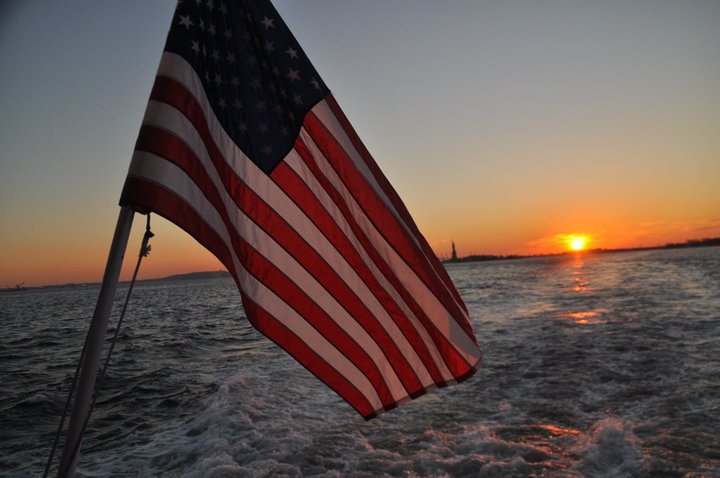
The city guide that sits under this page, and the two posts I wrote from my own trips to New York in 2011. The second card uses my own photo from the day, because the original featured image on that post is a picture of a figure skater and has nothing to do with anything.


Pairs Well With
The five boroughs in detail, which this page deliberately leaves alone. Where to stay with five people, how the subway actually works with children, and what is worth the money.
The country guide this page sits under. Entry rules, driving, tipping, park fees and how the other states compare.
One bridge from Niagara and a genuinely different country. Worth reading before you decide which side of the falls to sleep on.
