
If you are planning a trip to Tokyo let me tell you something the guidebooks politely leave out.
The trains are world class. Clean, punctual, affordable and color coded for your convenience. On a quiet morning the experience is genuinely meditative. On a Tuesday evening heading out of Shibuya however — it is an entirely different situation.
I am Nicole. I have a slight claustrophobic nut job thing going on inside me. And this is my honest account of surviving Tokyo rush hour.
We take the train almost every day to get to and from work, at least one of the campus’s. It costs 150 yen each way. Some times the experience is very serene and the stations are empty.


http://www.youtube.com/get_player


Hense, me totally freaking out!
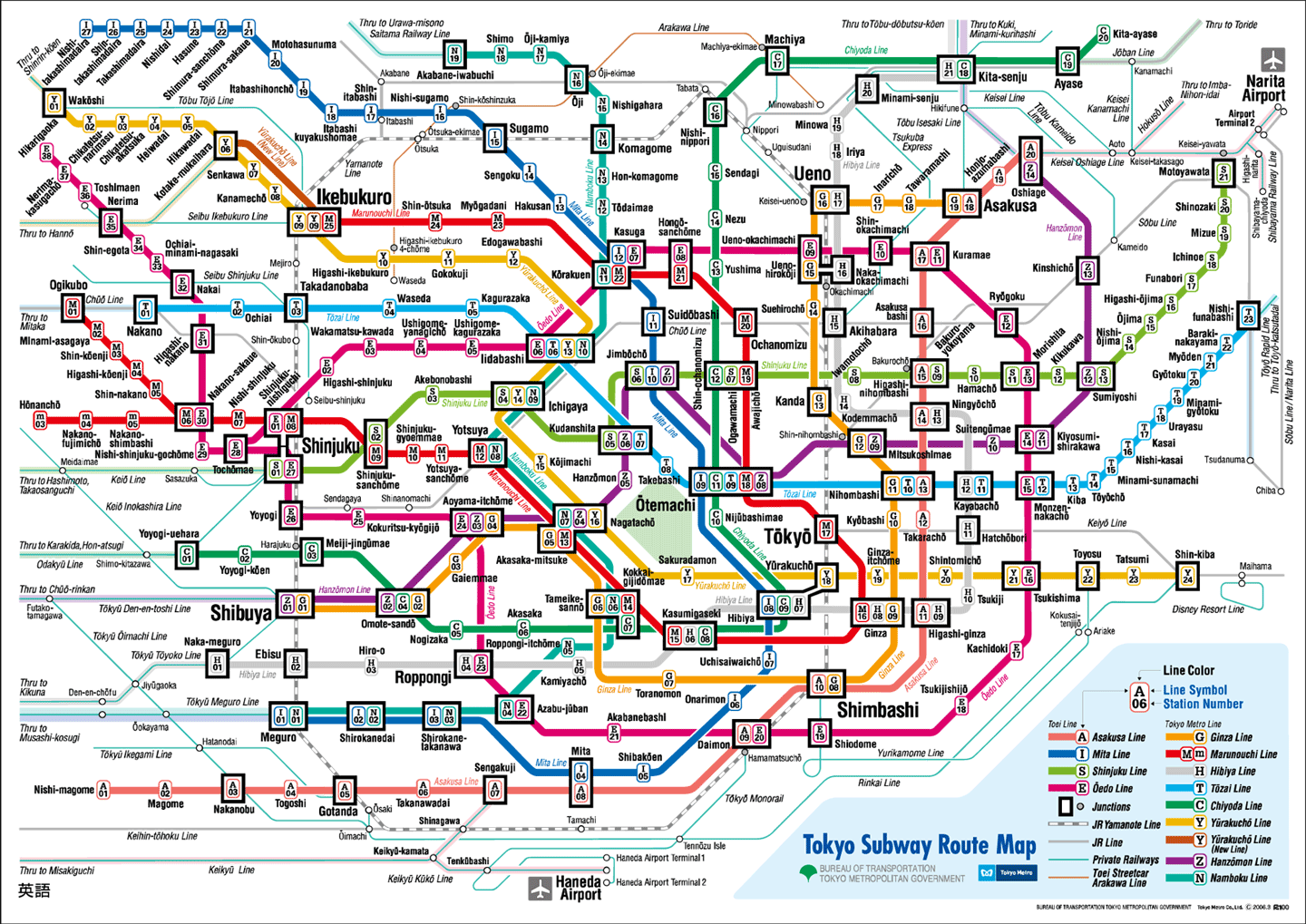
Just for fun, below is a subway map of Tokyo. We have traveled to such a small amount of the huge city!
📋 Practical Tokyo Train Guide:
The Denentoshi Line runs from central Tokyo out to the suburbs — great for commuters and travelers staying outside the city center.
Cost: Around 150-200 yen for local journeys. IC cards like Suica or Pasmo make paying seamless.
Express vs Local: The express is faster but packed during rush hour. The local is slower but you will actually be able to breathe.
Rush Hour Times: Avoid 7:30-9:30am and 5:30-8:00pm if you are even slightly claustrophobic. You have been warned.
Train etiquette: Silence is golden. No phone calls. Bags go on the overhead rack. Masks are common especially during allergy season. Nobody will make eye contact. This is normal and not unfriendly.
Pro tip: If you are a tourist visiting Tokyo the subway map looks intimidating but is actually very logical once you understand the color coded lines. Pick up a day pass at major stations for unlimited travel.
Q: Are Tokyo trains really as crowded as everyone says? A: During rush hour — absolutely yes. The famous white gloved platform staff whose job is to push passengers into overcrowded carriages are a real thing. Outside of peak hours however Tokyo trains are clean, quiet and incredibly efficient.
Q: What is the Tokyo train system like for tourists? A: It is genuinely one of the best in the world once you get the hang of it. Color coded lines, English signage at major stations and IC cards like Suica make navigation straightforward even without Japanese language skills.
Q: How much does the Tokyo subway cost? A: Local journeys typically cost between 150-300 yen depending on distance. Day passes are available at major stations and great value if you plan to travel extensively.
Q: What is the Denentoshi Line in Tokyo? A: The Denentoshi Line is a major Tokyo Metro line running from Shibuya in central Tokyo out through the southwestern suburbs. It connects neighborhoods like Tama Plaza, Aobadai and Fujigaoka and is one of the busiest commuter lines in the city.
Q: What should you know about Tokyo train etiquette? A: Keep your voice low, set your phone to silent, avoid phone calls, give up priority seats to those who need them and wear a mask during allergy season. Trains are remarkably quiet even when packed to capacity — the silence is part of what makes the experience so surreal.
More from Japan
More from Japan
More from Asia
Intentionally and incrementally. Most families who live this way did not leap from conventional to adventurous overnight. They built remote work capacity, paid down debt, tested longer trips, and had increasingly honest conversations about what they actually want from their lives. The leap feels bigger from outside than from inside.
Different for every family. For some it is long-term travel. For others it is weekend adventures close to home. What connects them is intentionality about how time is spent and a preference for experiences over accumulation. The version that fits your family is the right one.
By finding stability within the adventure rather than treating them as opposites. Routines, rituals, and family rhythms travel with you. Familiar foods, bedtime routines, and predictable family dynamics provide stability even when the location changes. Kids need consistency in relationships more than consistency in geography.
That people are fundamentally similar across cultures in what they want for their families. That comfort zone is a smaller circle than it feels from inside. That the things worth having in life require effort and discomfort to get. And that time together doing hard interesting things is the most reliable source of family closeness.
By getting clear on why you made the choices you made and returning to that clarity when the outside noise gets loud. Most families living unconventionally describe an initial period of explaining themselves that gradually gives way to just living the life. The explaining becomes less necessary as the results become visible.
Share this:

Discover more from Adventures We Seek
Subscribe to get the latest posts sent to your email.