- Home
- About Nicole
- Explore the World
-
Travel Library ▾
Proud affiliate of Favorite Grampy Travels

Bora Bora. This is the photograph that sells the whole country, and it is worth knowing that most of French Polynesia does not look like this.
French Polynesia — Everything We Know
“People book French Polynesia for the overwater bungalow. Then they find out the bungalow is the cheapest surprise in the whole trip.”

We have not been to French Polynesia.Everything on this page is advisor knowledge. I sell this destination, I quote it, I have watched a lot of people plan it and I have watched a few of them get it wrong. But I have not stood on that sand and I am not going to write you a paragraph that pretends I have.
Here is the honest version. French Polynesia is the most expensive place I sell, and it is not close. It is also the one people are least prepared for, because the marketing has trained everyone to think about one thing, the bungalow, and the bungalow is not where the money goes.
What people actually book it for is a milestone. Honeymoon, tenth anniversary, twenty fifth, the trip after the hard year. That matters, because a milestone trip has a different tolerance for compromise than a family holiday does. If you are spending this much you should not be surprised by anything, and most of what surprises people here is knowable in advance.
I will tell you plainly further down whether I think it is worth taking children. The short answer is that it can be, on one island, and it is not the island in the photographs. If you want the version that is genuinely built for kids at a fraction of the price, read Fiji instead and come back to this page in ten years.
Island by Island, and What Each One Is Actually For
French Polynesia is 118 islands spread across an area the size of Western Europe. You will not see them all and you should not try. These are the eight names that come up when you start booking, and the useful thing to know is that they are not interchangeable.

Bora Bora

Moorea
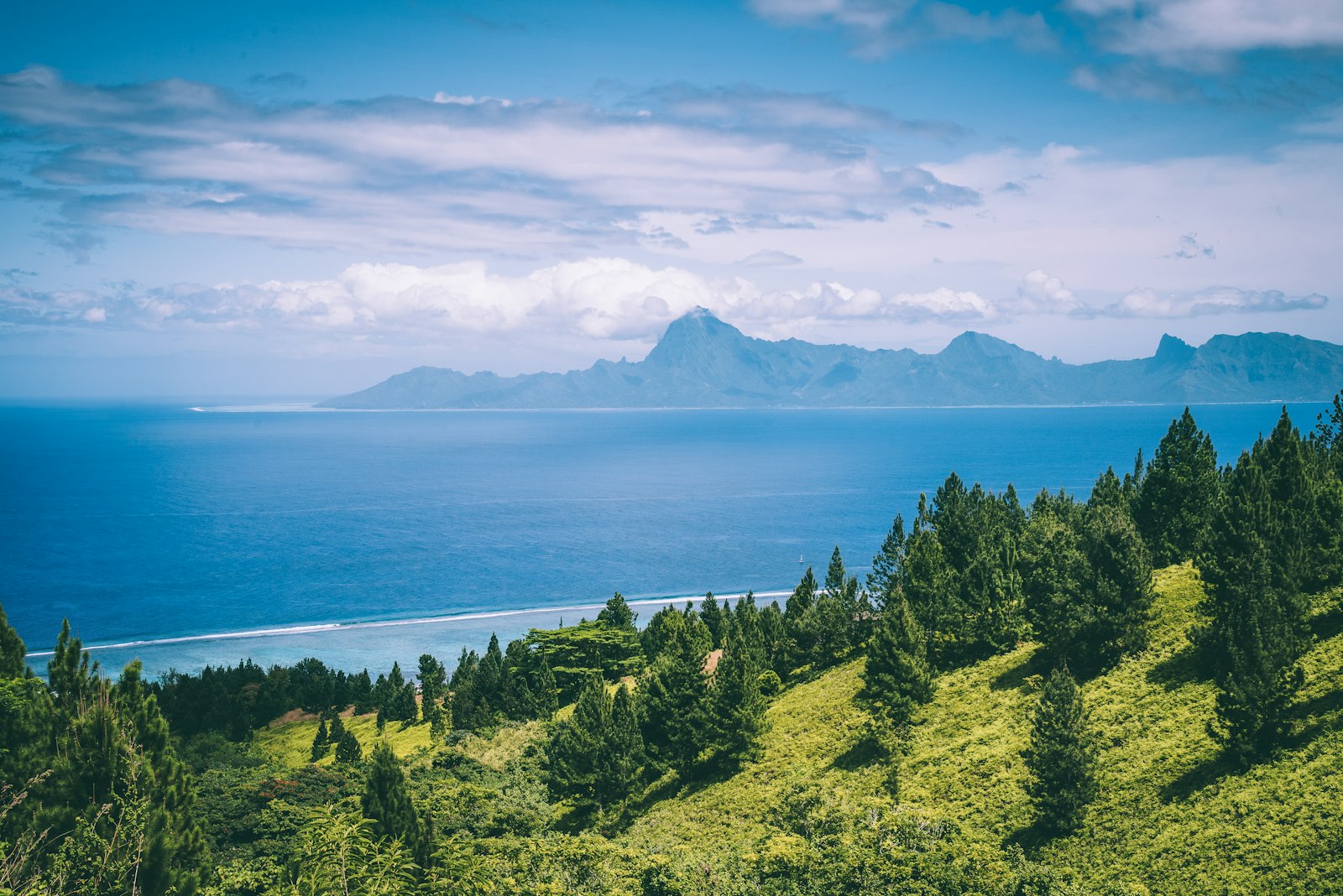
Tahiti

Rangiroa
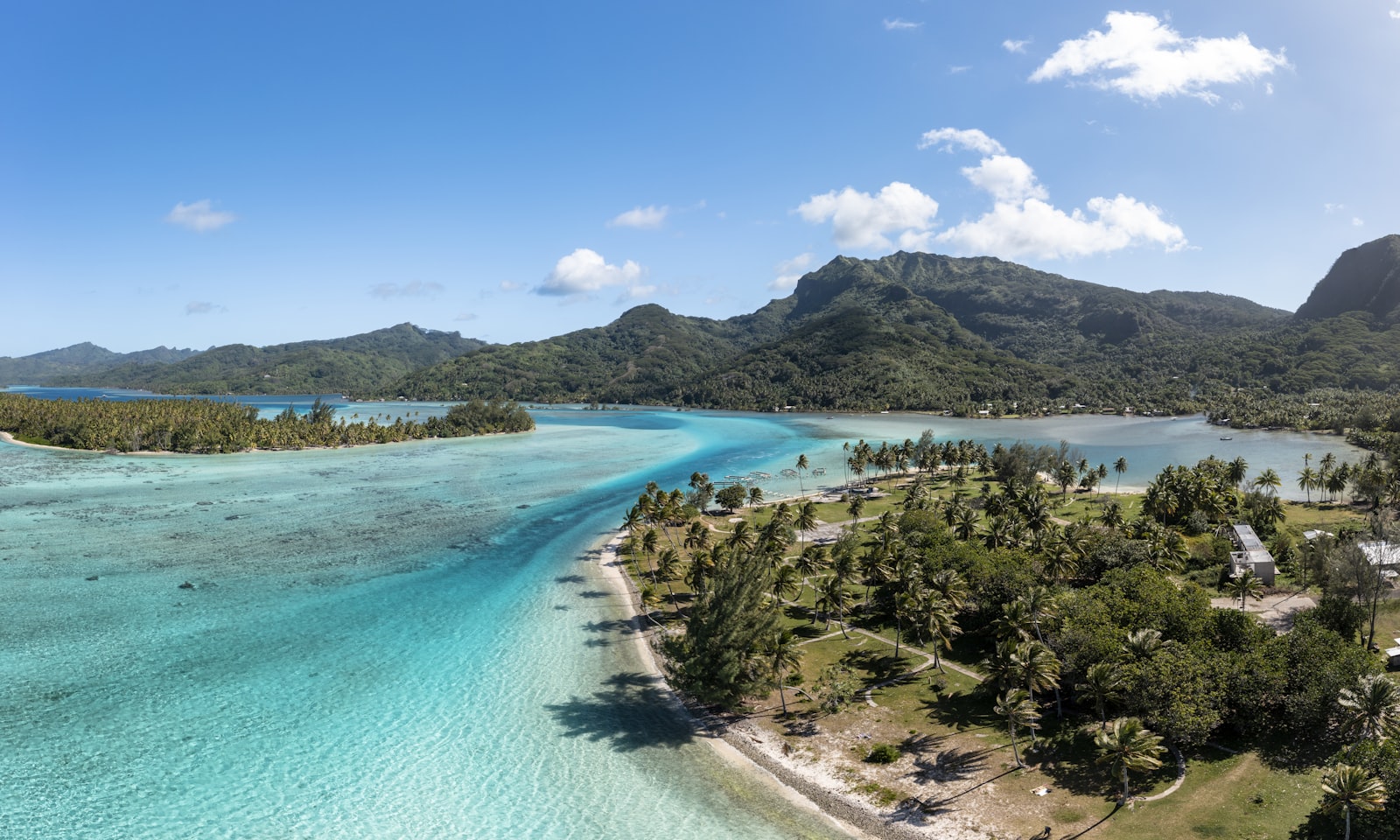
Huahine

Taha’a

Raiatea
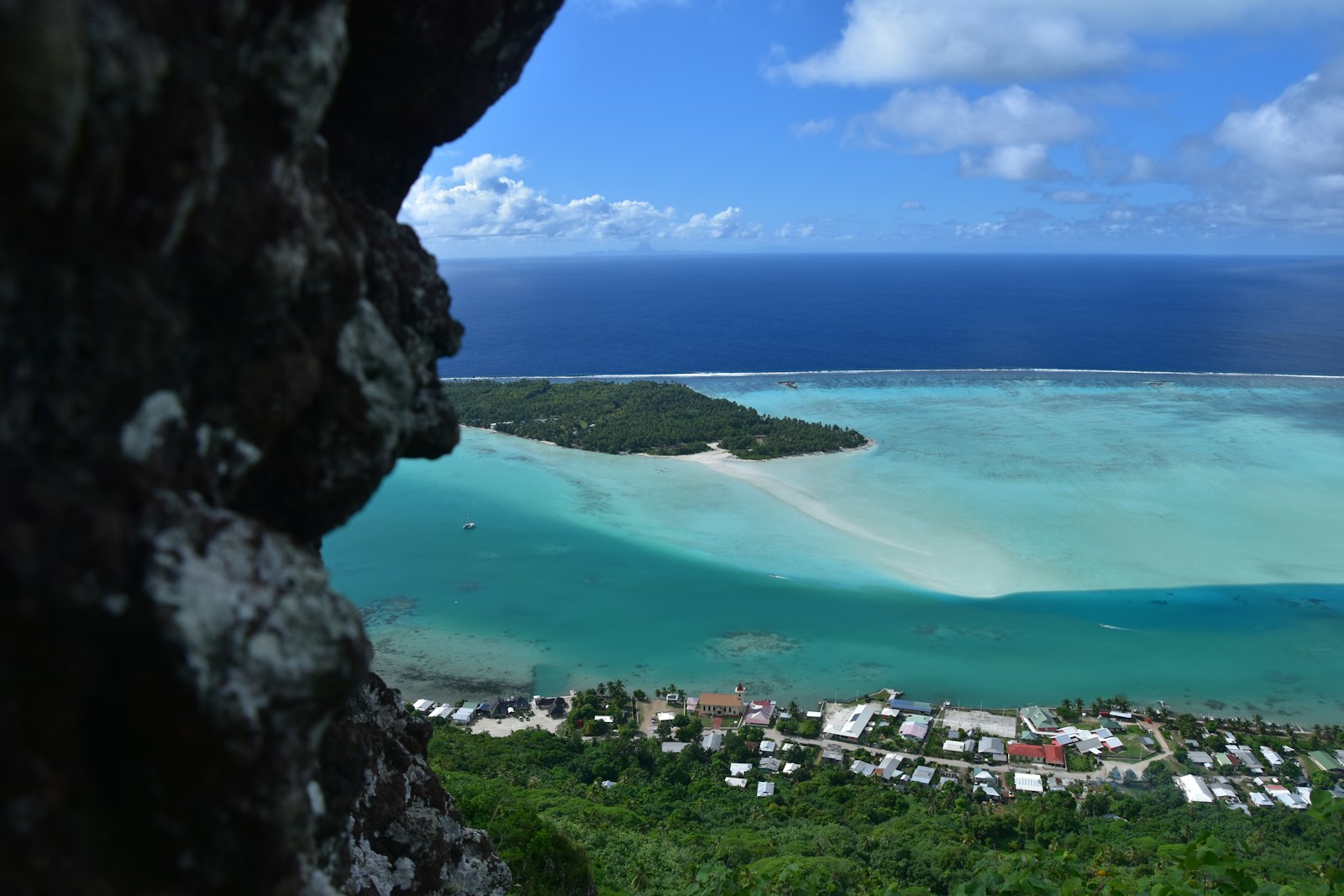
Maupiti
Overwater Bungalows and What They Actually Cost
This is the thing everybody asks about first, so let us do it first and get the number out in the open.
The entry level number
A basic overwater bungalow at a mid tier property runs roughly 800 to 1,200 US dollars a night before tax. That is the floor, not the average, and it is usually a garden facing or lagoon view unit at the back of the row.
The famous ones
The Four Seasons, the St Regis, the Conrad and the Brando sit between 1,600 and well past 3,000 a night. The Brando on Tetiaroa is its own category and starts above 3,500 all inclusive.
What is not included
Almost nothing. Breakfast is often extra. Dinner for two at a resort restaurant lands around 150 to 250 dollars. There is nowhere else to eat on most of these motus, and the resorts know it.
The transfer
Bora Bora airport sits on its own motu. Every arrival takes a boat. Resort boat transfers are commonly 100 to 200 dollars per person return, and the far properties are more.
Here is what I tell people. The bungalow is not the expensive part of a French Polynesia trip. Food, transfers and the inter island flights are. Two people who budget carefully around a 900 dollar bungalow will still spend another 400 to 600 a day on everything else, and that is the number that catches people out.
The other thing worth saying out loud. You do not have to sleep over water. A beach bungalow at the same resort is frequently 40 to 50 percent cheaper, you get sand instead of a ladder, and you get the same lagoon, the same sunset and the same restaurant. If the photograph is the point, book two nights over water and the rest on the beach. I have put a lot of honeymoons together that way and nobody has ever complained.
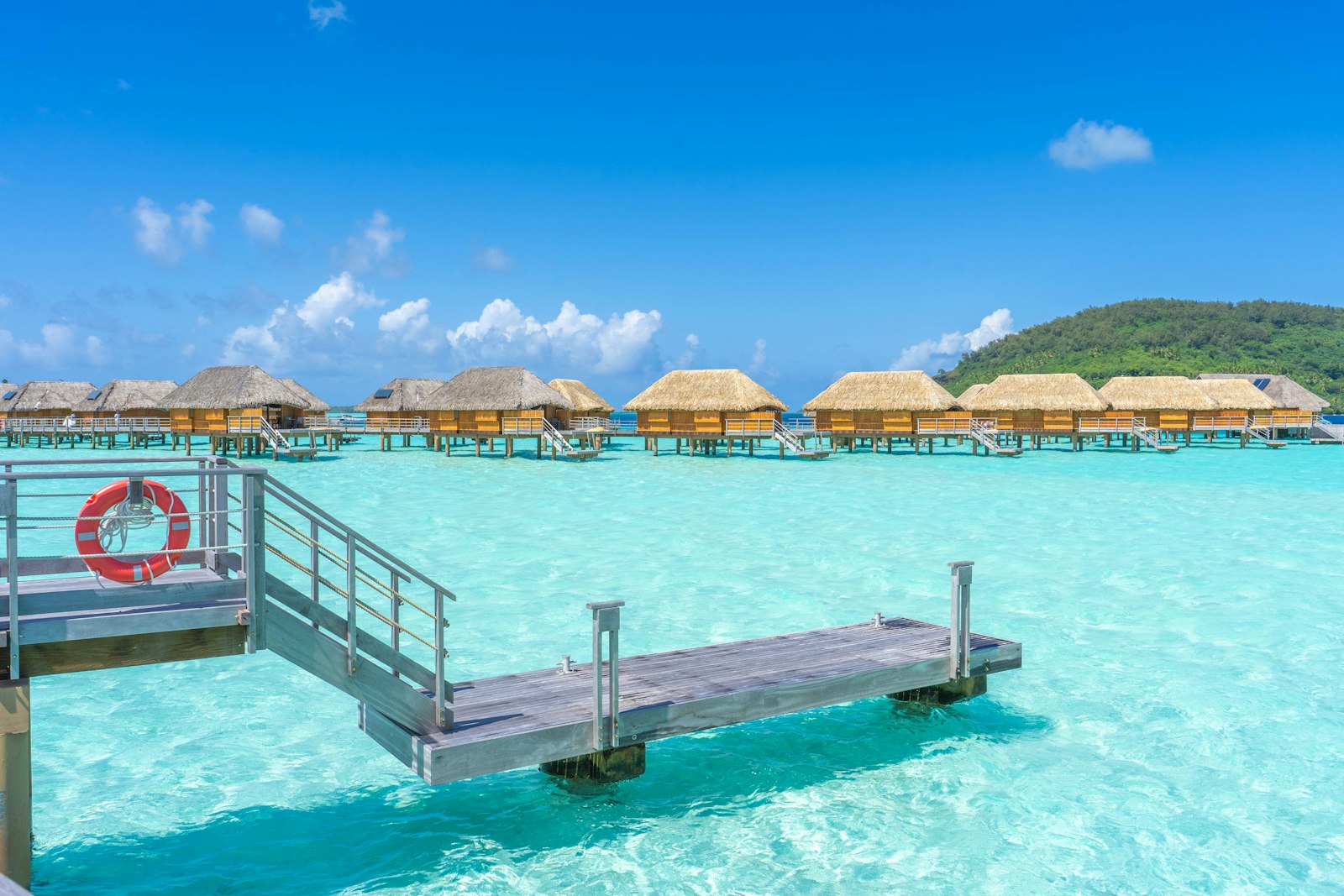
The walk out to the bungalow. It is genuinely as good as it looks. It is also the single most photographed and least honestly priced thing in the Pacific.
Tahiti Is the Airport, Not the Destination
This confuses people more than anything else on this page. Tahiti is the name of one island. It is the biggest one, it holds the capital Papeete, and it is where every international flight lands. It is not where the postcards were taken.
Papeete is a working Pacific port city. There is a good market, there is a genuinely excellent line of food trucks called Les Roulottes on the waterfront, and there is traffic. The black sand beaches on the far coast are real and dramatic and not what most people flew twelve hours for.
So the practical advice is this. Do not build your trip around Tahiti and do not skip it entirely either. One night at the start or the end, near the airport, is right for almost everybody. It absorbs a late arrival, it lets you catch an early inter island flight without panic, and it gives you one evening in a real town eating from a roulotte for twenty dollars instead of two hundred. Some people plan three nights in Papeete because it is the name they recognise. That is three nights in the wrong place.
The exception is if you want the interior. Tahiti has waterfalls, a serious mountain spine and lava tube hikes that most visitors never see. If that appeals, give it two nights and a guide. If it does not, one night and move.
Moorea or Bora Bora, and Which One Is Yours
If you only take one thing from this page, take this. These two islands are not competing for the same traveller and picking wrong is the most expensive mistake available here.
Moorea is the one for families and for anyone who wants a real place.It is thirty minutes by ferry from Tahiti, which means no extra flight and no seaplane. It has villages, roads, a supermarket, restaurants you can drive to, pineapple fields, a genuine mountain interior with hiking, and a lagoon with rays and reef sharks in waist deep water. You can rent a car. You can buy groceries. A family can stay in a rental and eat outside a resort, which is basically impossible on Bora Bora.
Bora Bora is the one for the milestone.It is smaller, quieter, more beautiful in the specific way the photographs promise, and almost entirely built around resorts on outer motus. Once you are on your motu you are there. That is wonderful for two adults with nothing to do and slowly maddening for a nine year old on day four. The lagoon really is the most extraordinary colour I have ever seen in a photograph, and the mountain, Otemanu, does earn the fuss.
Rangiroa and Fakarava are for divers, and only for divers.These are Tuamotu atolls. Flat rings of coral with world class drift diving through the passes and very little else. If somebody in the party dives seriously, they will remember this above everything. If nobody does, skip them.
Huahine, Taha’a, Raiatea and Maupiti are the quiet ones.Less developed, far fewer resorts, much more Polynesian daily life visible. Huahine in particular is the island people come back talking about. If you have been to French Polynesia once already, this is where the second trip goes.
The combination I recommend most often is Moorea plus Bora Bora, five nights and four, with a Tahiti night bookending it. Moorea first, because it is cheaper and busier and you will not mind leaving it, then Bora Bora last so the trip ends on the quiet one.
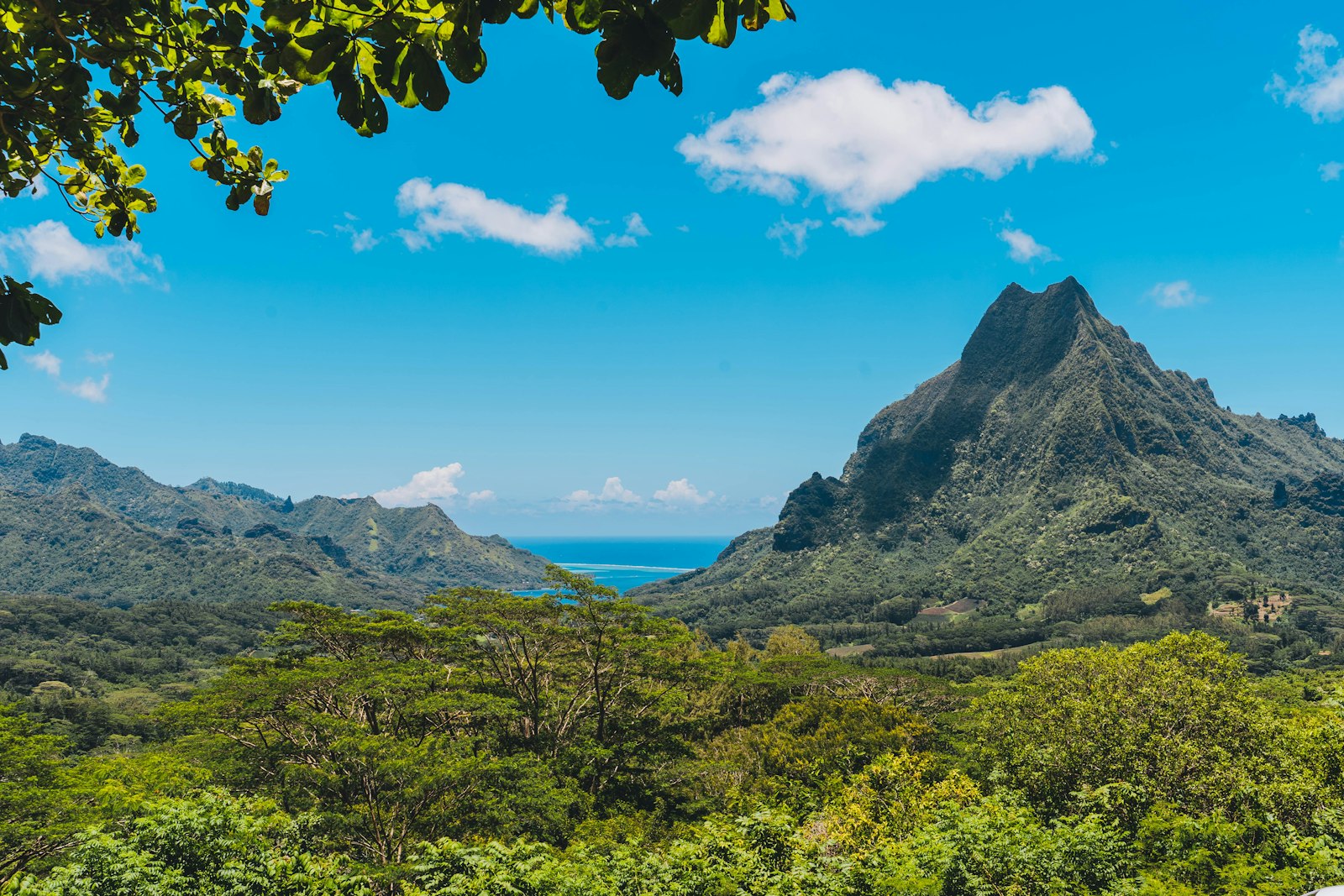
Moorea from the Belvedere lookout, above Cook’s Bay and Opunohu Bay. This is the part of French Polynesia the brochures underuse and the part families actually enjoy.
The Inter Island Flights Are the Hidden Budget
Nobody plans for this and everybody pays for it. Air Tahiti, the domestic carrier, is the only practical way between most islands, and the fares are not cheap.
A one way Papeete to Bora Bora hop is roughly 200 to 300 US dollars per person. Bora Bora to Moorea, or any route that is not a straight line out of Papeete, often routes back through Papeete and costs accordingly. A family of four moving between three islands can quietly spend two thousand dollars just changing islands, before a single night of accommodation.
Two things help. Air Tahiti sells multi island passes, and if you are visiting three or more islands the pass is usually cheaper than individual tickets. Book it before you leave home. And Moorea is reachable by ferry from Tahiti for well under twenty dollars per person in about thirty minutes, which is another reason Moorea keeps earning its place in these itineraries.
The other piece of advice is to move less. Three islands in ten nights sounds efficient and is not. Every island change costs you a flight, a transfer, a check in and most of a day. Two islands and a Tahiti night is the shape that works.
Five Things to Eat
Polynesian food plus a hundred and fifty years of French influence, which is a better combination than it sounds. There is a baguette in this story and it is a good one.
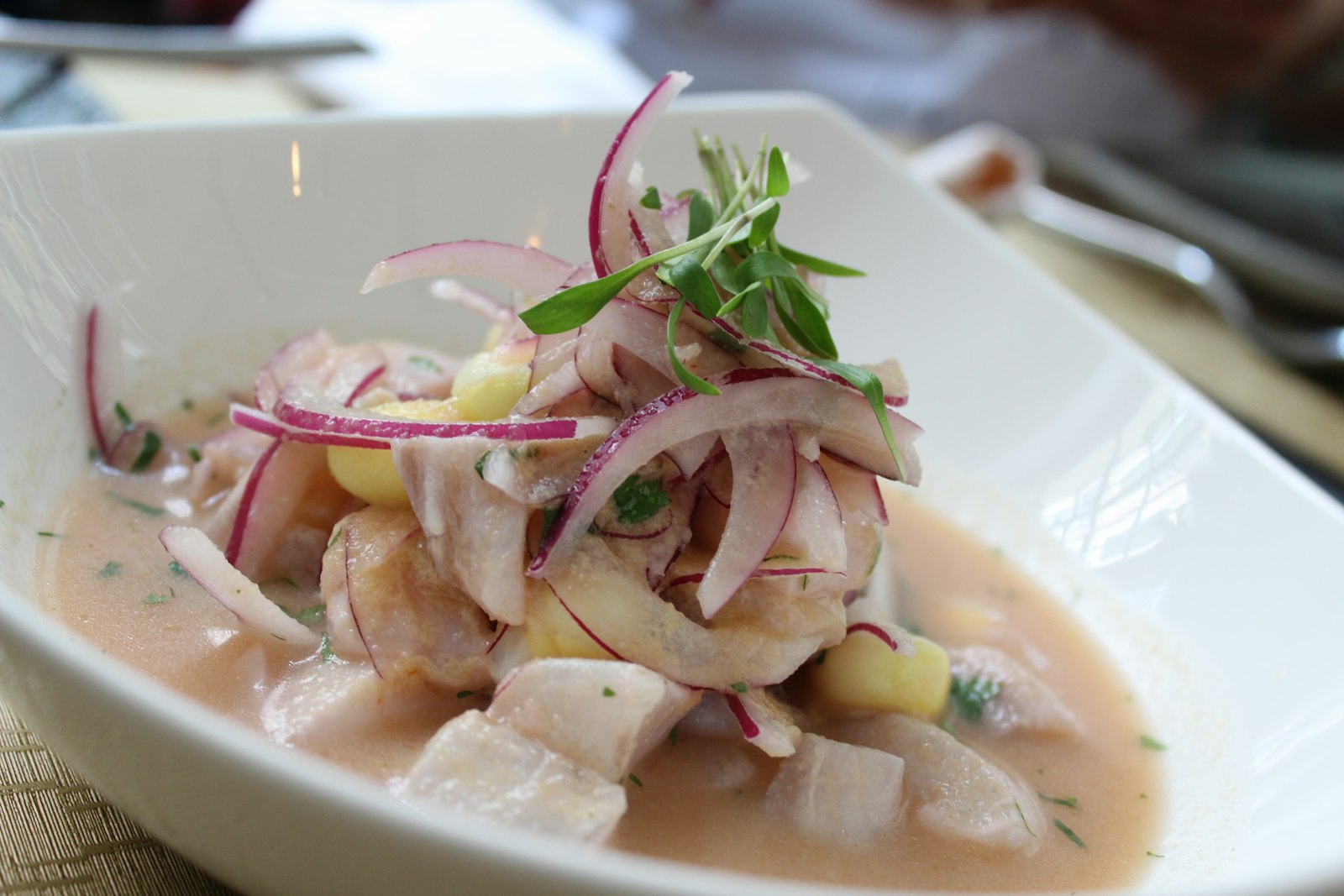
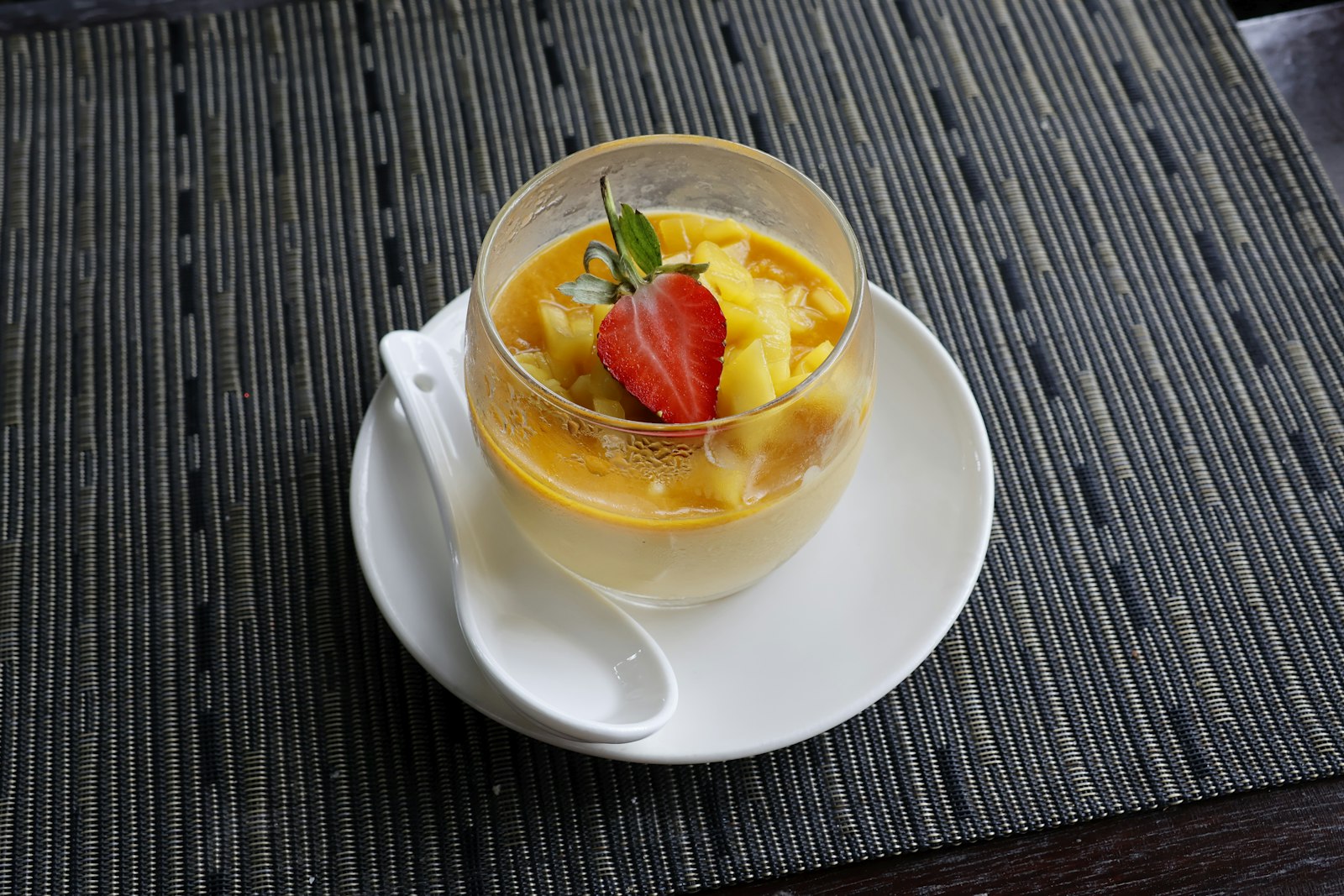
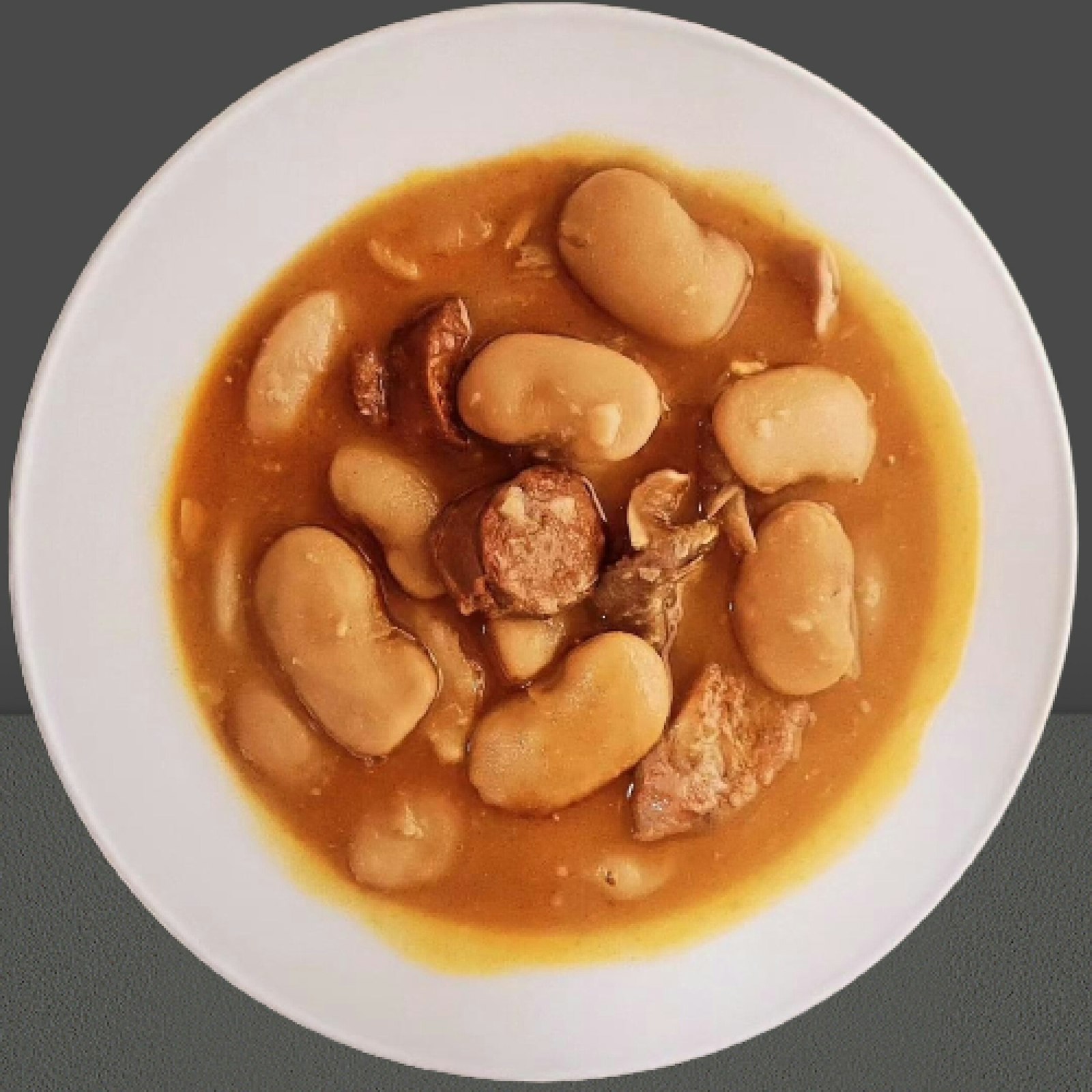
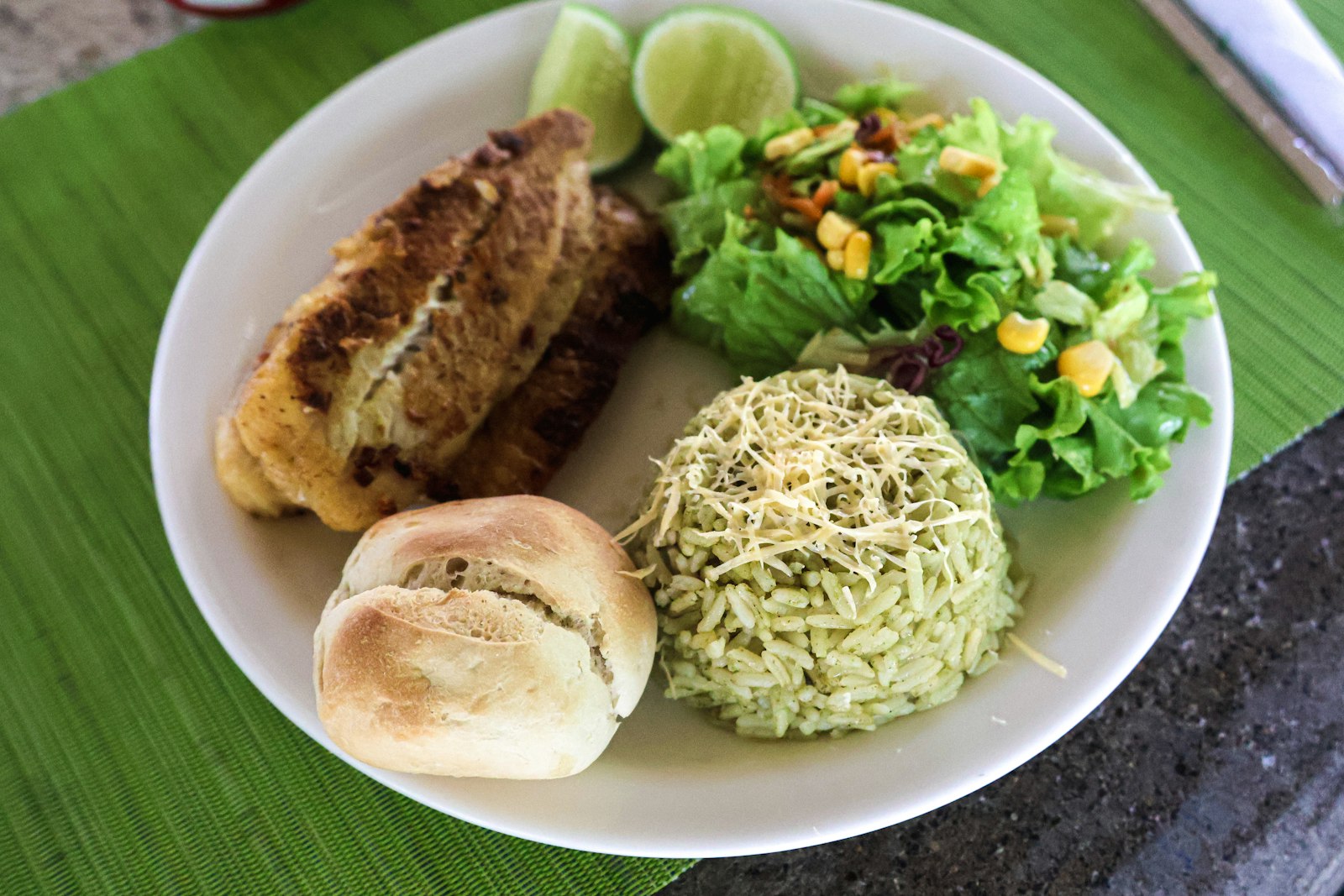
One practical note. Eat at Les Roulottes in Papeete at least once. The food trucks set up on the waterfront in the evening, the plates are enormous, and a full dinner costs what a single cocktail costs on Bora Bora.
What It Actually Costs
I am going to give you real numbers because vague ones do not help anybody. These are two adults, per day, excluding international flights, in US dollars.
Pension level, 250 to 400 a day
Family run guesthouses, called pensions, on Moorea, Huahine or Maupiti. Self catering some nights, ferry not flights where possible. This version of French Polynesia exists and almost nobody markets it.
Mid range resort, 700 to 1,100 a day
Beach bungalow at a four star, breakfast, one restaurant dinner, an excursion every other day. This is where most honeymoons actually sit once the spreadsheet is honest.
Overwater at a name resort, 1,400 to 2,500 a day
The version in the photographs. Bungalow, transfers, resort dining, a private lagoon tour. Add the inter island flights on top.
Getting there
Papeete is served from Los Angeles in about eight hours, plus from Paris, Auckland, Tokyo and Honolulu. From most of the US that is a domestic flight plus a transpacific one. Budget a full travel day each way and a day of jet lag on arrival.
When to Go
The climate is gentler than the rest of the tropical Pacific, and cyclones are rarer here than in Fiji, but the wet season is still real.
May to October
The dry season and the obvious answer. Lower humidity, steady trade winds, clear lagoons. July and August are the busiest and priciest because that is when Europe and North America travel. May, June and September are the sweet spot.
November to April
Warm, humid and wetter, with heavy afternoon rain rather than all day drizzle. Prices drop meaningfully. Cyclone risk exists but is low compared with Fiji or Vanuatu. If you can only travel in February, you can still go, and you will pay a lot less.
August to October
Humpback whales come through to calve, and you can swim with them legally with licensed operators around Moorea and Rurutu. For a lot of people this is the single best reason to pick a month.
July
Heiva i Tahiti, the big month long festival of Polynesian dance, music, sport and canoe racing. Genuinely spectacular and genuinely local. It is also peak price. Both things are true.
Is It Worth It With Children, Honestly
People ask me this constantly and they usually want me to say yes. Here is the real answer, which is a qualified one.
On Moorea, yes, and it is wonderful.Rays and blacktip reef sharks in water your eight year old can stand up in. A lagoon tour that is thirty minutes from your door. Pineapple farms, a juice factory, mountain lookouts, a real village to walk through, a hire car and a supermarket. Rentals and pensions that cost a third of a resort. This is a genuinely great family island and almost nobody sells it that way.
On Bora Bora, usually not, and I will say so.You are on a motu with one restaurant complex and one beach. There is no town to walk to, nothing costs less than a lot, and the kids clubs are thin compared with what Fiji or Hawaii offer. Children get bored on day three and then you are paying two thousand dollars a night for a bored child. Some resorts do it well. Most are not built for it.
The maths is brutal for four people.Bungalows are priced for two. A third and fourth occupant frequently means a second room or a suite, which is not a small increment here. A family of four often lands at double a couple’s total rather than the fifty percent more they expected.
Practicalities are fine.It is French territory. Water is safe on the main islands, healthcare in Papeete is good, there is no malaria, dengue exists but is manageable, and nappies and formula are available in Papeete and on Moorea. This is not a hard place to travel with a small child. It is an expensive one.
My actual recommendation.If you want French Polynesia with kids, do Moorea for eight nights in a pension or rental, ferry over, hire a car, and skip Bora Bora completely. You will spend a third of the money and your children will have a better week. Save Bora Bora for the anniversary trip when it is just the two of you.
Who Should Skip French Polynesia
I would rather lose the booking than send the wrong person here. This destination is not for everybody and the failure mode is expensive.
Skip it if you need things to do.The thing you do here is be somewhere beautiful. There is snorkelling, diving, a lagoon tour, a 4×4 into the interior on the high islands, and then you have largely done the list. If a week without an itinerary makes you restless, this will be a very expensive kind of bored. New Zealand is the trip you actually want.
Skip it if the budget is tight and the beach is the point.If what you want is a warm lagoon, a good resort and somebody watching your children for a few hours, Fiji gives you that for roughly a third of the money, with better kids clubs, and it is a shorter flight from Australia and New Zealand. There is no shame in this. It is just true.
Skip it if you have under eight nights.Between the transpacific flight, the jet lag, the Tahiti night and the inter island hop, a seven night trip gives you about four usable days. At these prices that is a poor trade. Ten to twelve nights is where it starts to feel worth what it cost.
Skip it if you want culture more than water.The Marquesas are extraordinary and deeply cultural, but they are a four hour flight from Papeete and a different trip. The Society Islands, which is what almost everyone means by French Polynesia, are about the lagoon. Papeete’s market and the Heiva festival are the exceptions and they are worth building around if that is your priority.
How It Compares to the Places People Weigh It Against
Almost every French Polynesia enquiry I get has one of three other destinations sitting behind it.
Versus Fiji.Fiji wins on price, on kids clubs, on ease and on how warmly children are treated. French Polynesia wins on scenery, and it is not a small win. Otemanu over that lagoon is on another level from anything in Fiji. Couples on a milestone go here. Families go to Fiji. That is the honest split.
Versus Hawaii.Hawaii is cheaper, far easier to reach from the US mainland, and has infinitely more to do. French Polynesia is quieter, emptier and more beautiful, and it does not feel like a US state. If you want a holiday, Hawaii. If you want to feel like you went somewhere far away, here.
Versus the Maldives.The closest comparison and the one people get wrong. Similar price, similar bungalows. The Maldives are flat coral atolls and the resort is the whole world. French Polynesia has mountains, villages, culture and a place you can actually leave the resort into. If you want to see nothing but water, Maldives. If you want the island to be a real place, here.
And if you are already flying to this side of the world, the pairing that makes the most sense is stitching this onto New Zealand or Australia. Papeete connects to Auckland in about five hours, which turns two long haul trips into one.
Pairs Well With
Five hours from Papeete to Auckland. Two weeks of driving and walking, then a week of doing absolutely nothing. The best long haul pairing available here.
The cheaper, warmer, more child friendly cousin. Worth reading side by side before you commit, because a lot of people who ask about Bora Bora actually want Fiji.
Only if you have the weeks. Both are long flights and doing them badly means spending the trip in airports. Three weeks minimum.
The continent overview, with how the region fits together and which country to start with.
More Oceania Guides
The rest of the region, written the same way.


