- Home
- About Nicole
- Explore the World
-
Travel Library ▾
Proud affiliate of Favorite Grampy Travels

Back Bay from across the Charles. Boston is one of the very few American cities where you can park the car on day one and not touch it again
Massachusetts With Kids — Everything We Know
“Massachusetts is small enough to look easy on a map and expensive enough to punish you for believing that. The water is what costs money here, not the miles.”
I have not been. I am going to say that at the top rather than bury it. In 2017 we drove a big loop of this country with the kids and I wrote the route out on the blog. It read Washington DC, then Long Island, then Boston, then Bangor, then Quebec. We got as far as DC and the trip quietly ended there. Raleigh, Orlando, Norfolk, and then home. Boston has been the one that got away ever since, and I have booked it for other families more times than I can count.
So what follows is the other half of my job. Not the part where I tell you what my kids did, the part where I sit with a client and work out what a week actually costs and where the money leaks. Massachusetts is a state I price constantly, because it is deceptively small. It is about 190 miles from Boston to the far end of Cape Cod, and people look at that and assume it is a nothing drive. On a July Friday afternoon it is not a nothing drive.
The honest headline is this. The single best value family day in America might be free, and it is in this state. Walking the Freedom Trail costs nothing. The National Park Service confirms there is no entrance pass for Boston National Historical Park and no fee for ranger guided tours. Then the second you point yourself at an island or a beach, the price goes vertical. That gap, between the free city and the expensive water, is the whole trip. Get it right and Massachusetts is the cheapest good week in the northeast. Get it wrong and it is the most expensive.
Massachusetts Place by Place
Eight places, and they are not variations on a theme. Boston is a walking city with 250 years of argument built into the pavement. The Cape is a sandbar with traffic. The islands are a ferry ticket and a different budget. The Berkshires are two and a half hours west and feel like another state entirely. Pick two of these, not six.

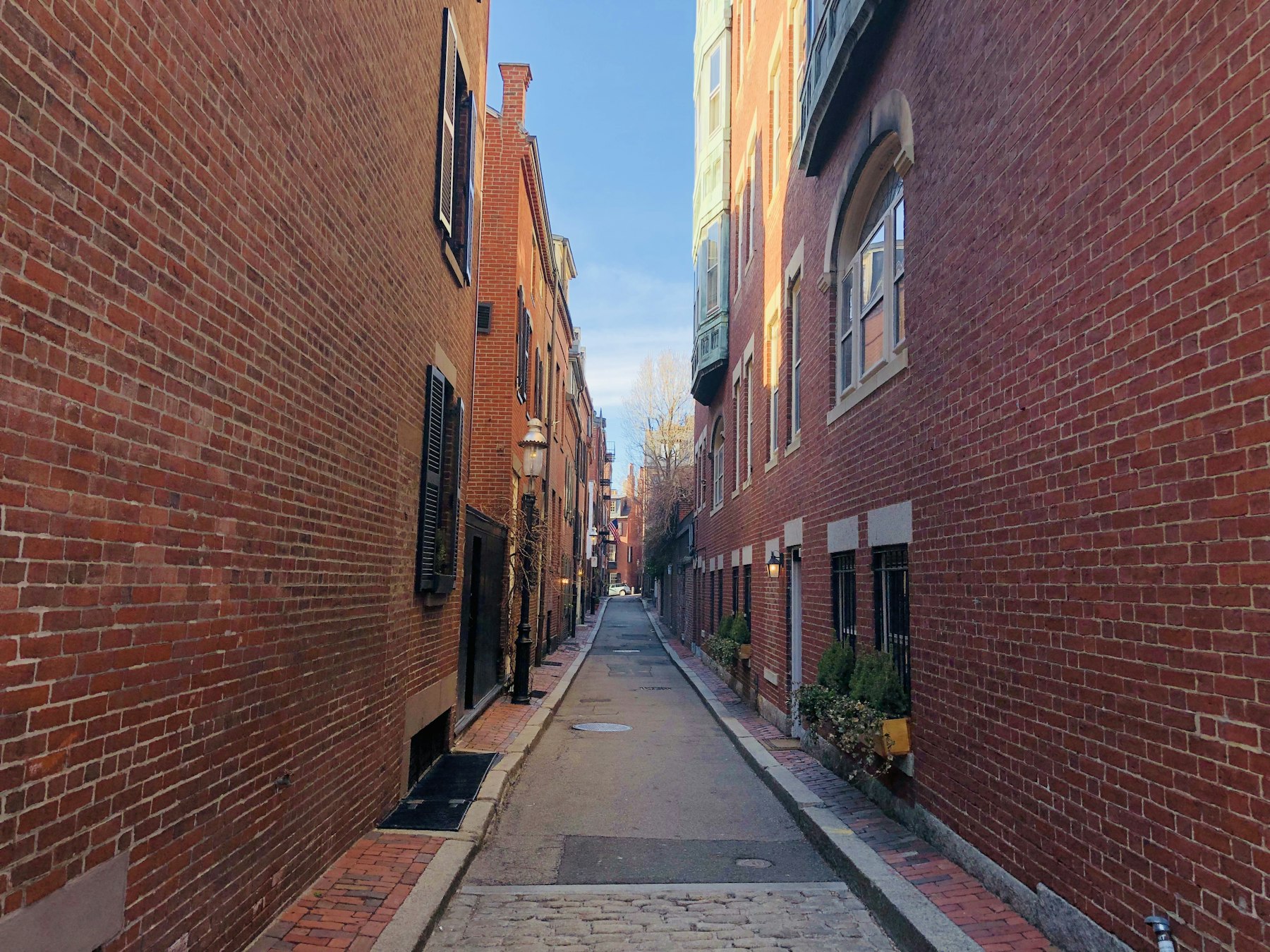
Boston
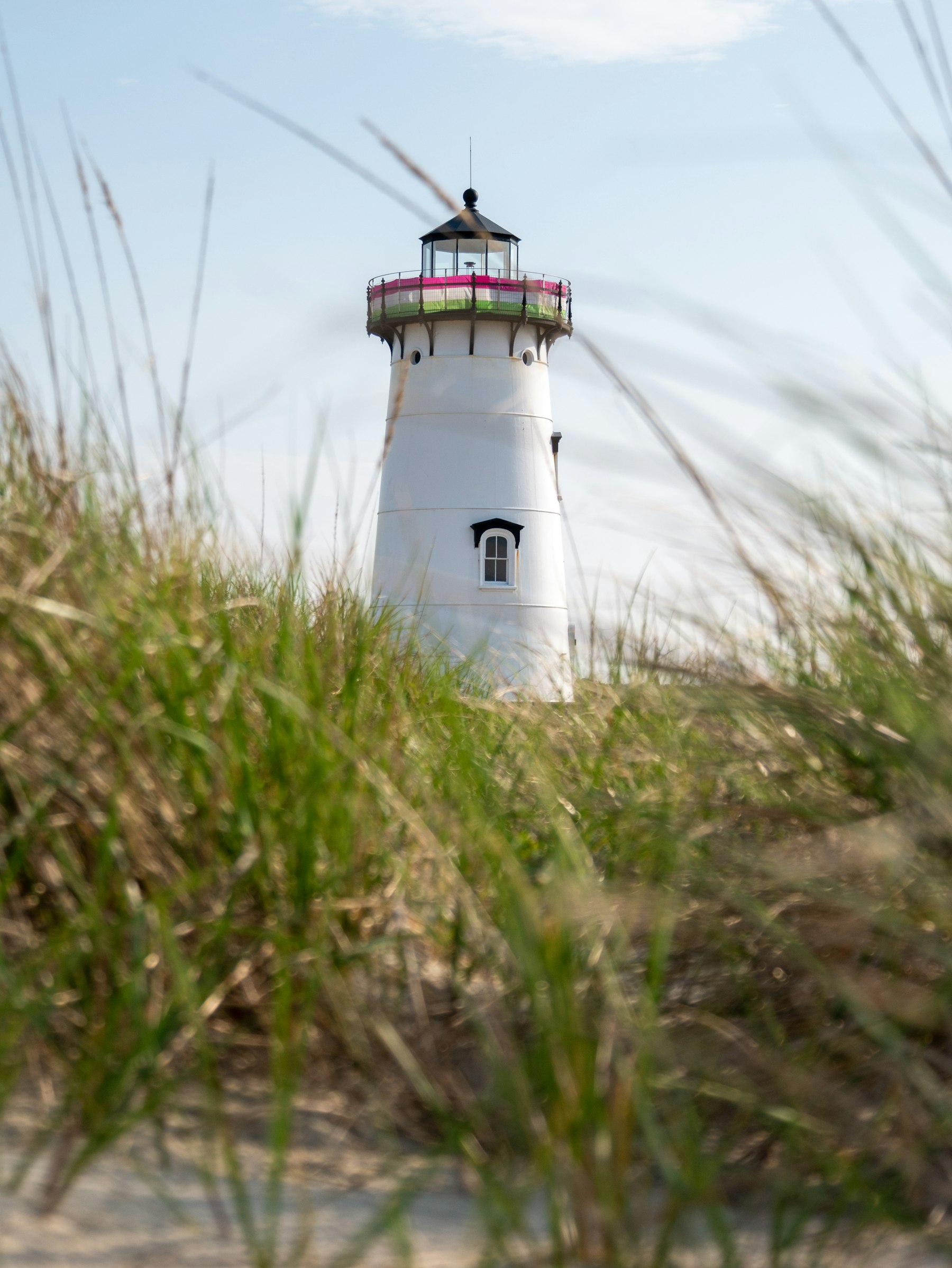
Cape Cod
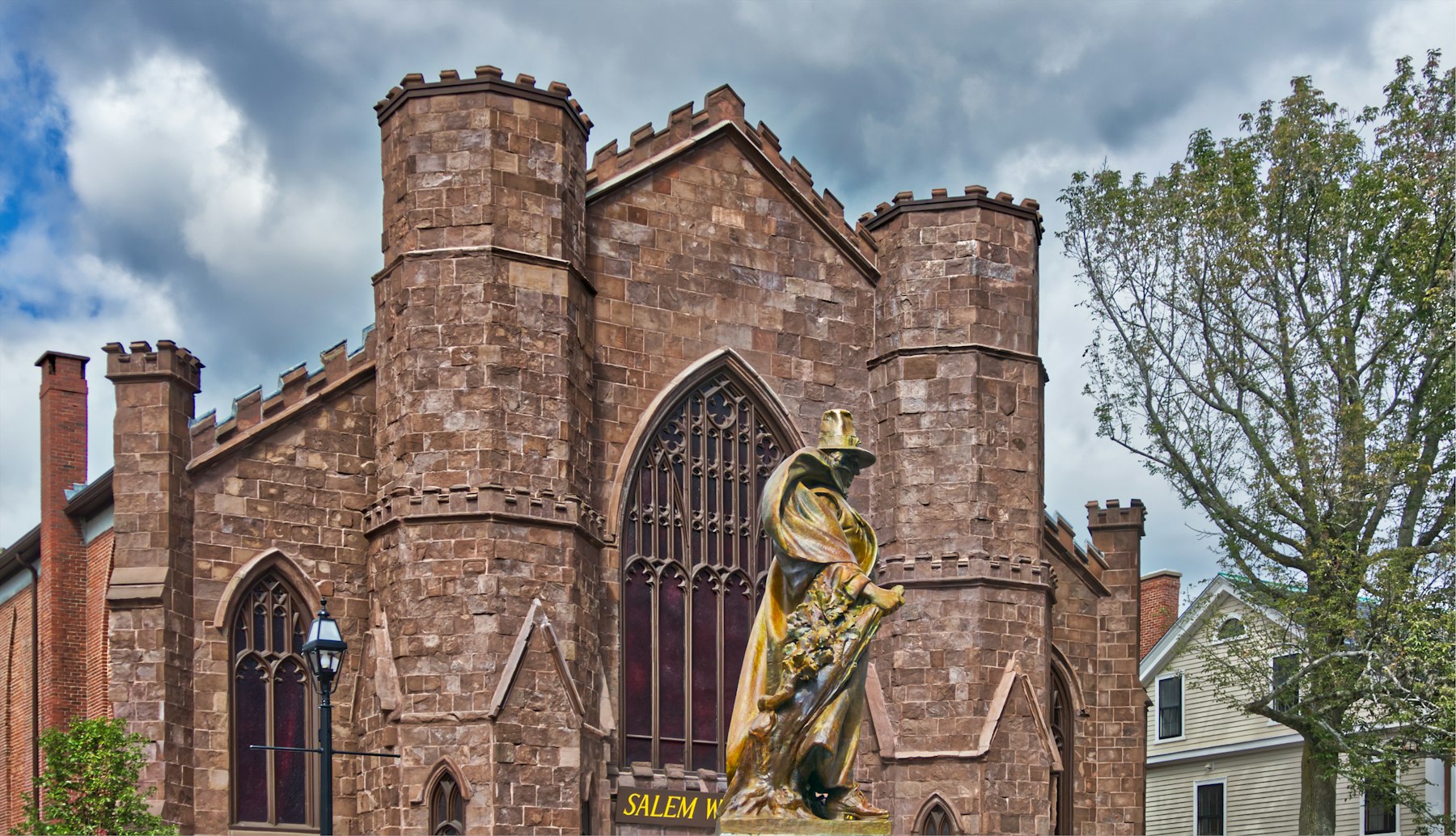
Salem
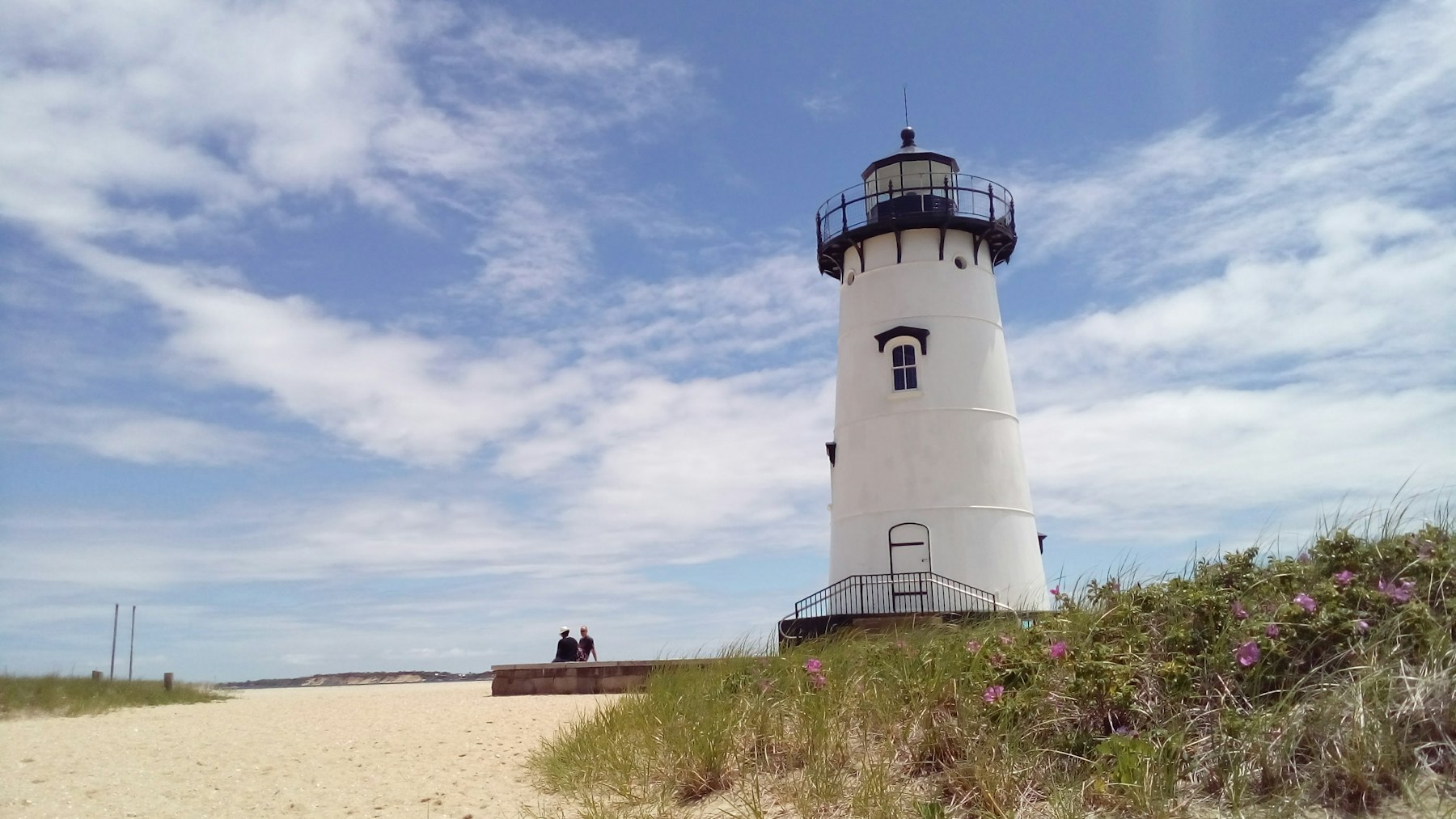
Martha’s Vineyard
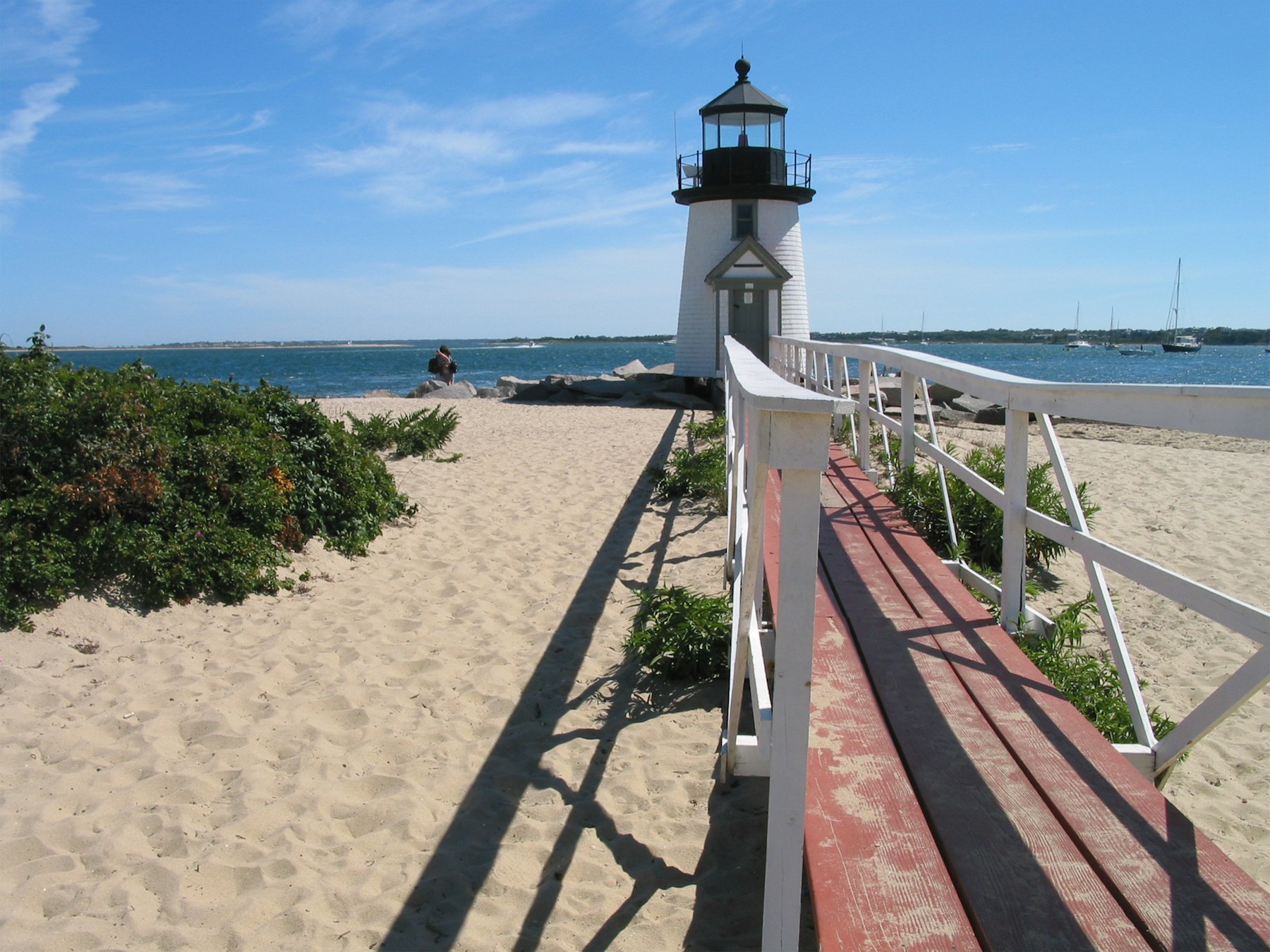
Nantucket

The Berkshires
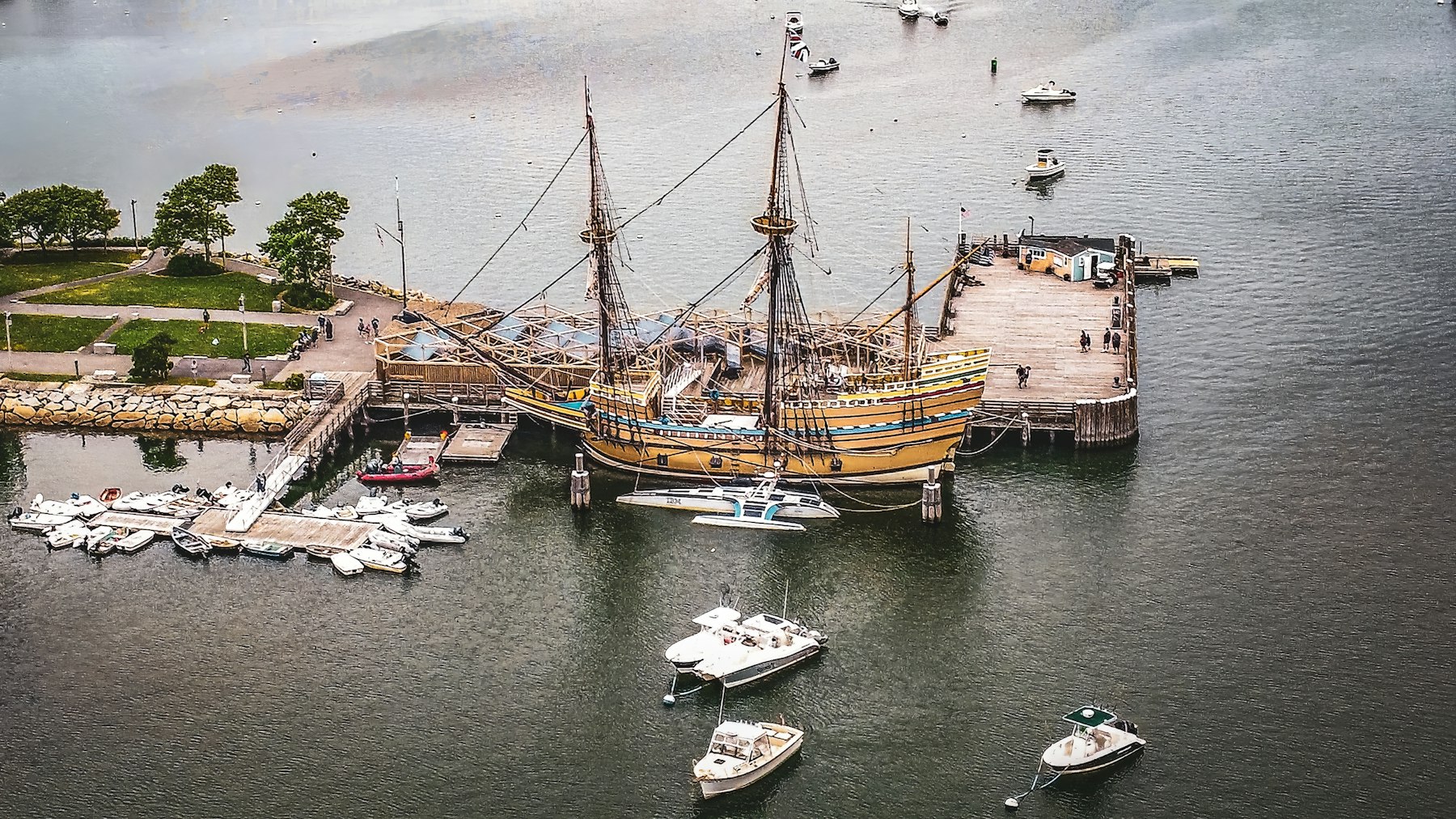
Plymouth
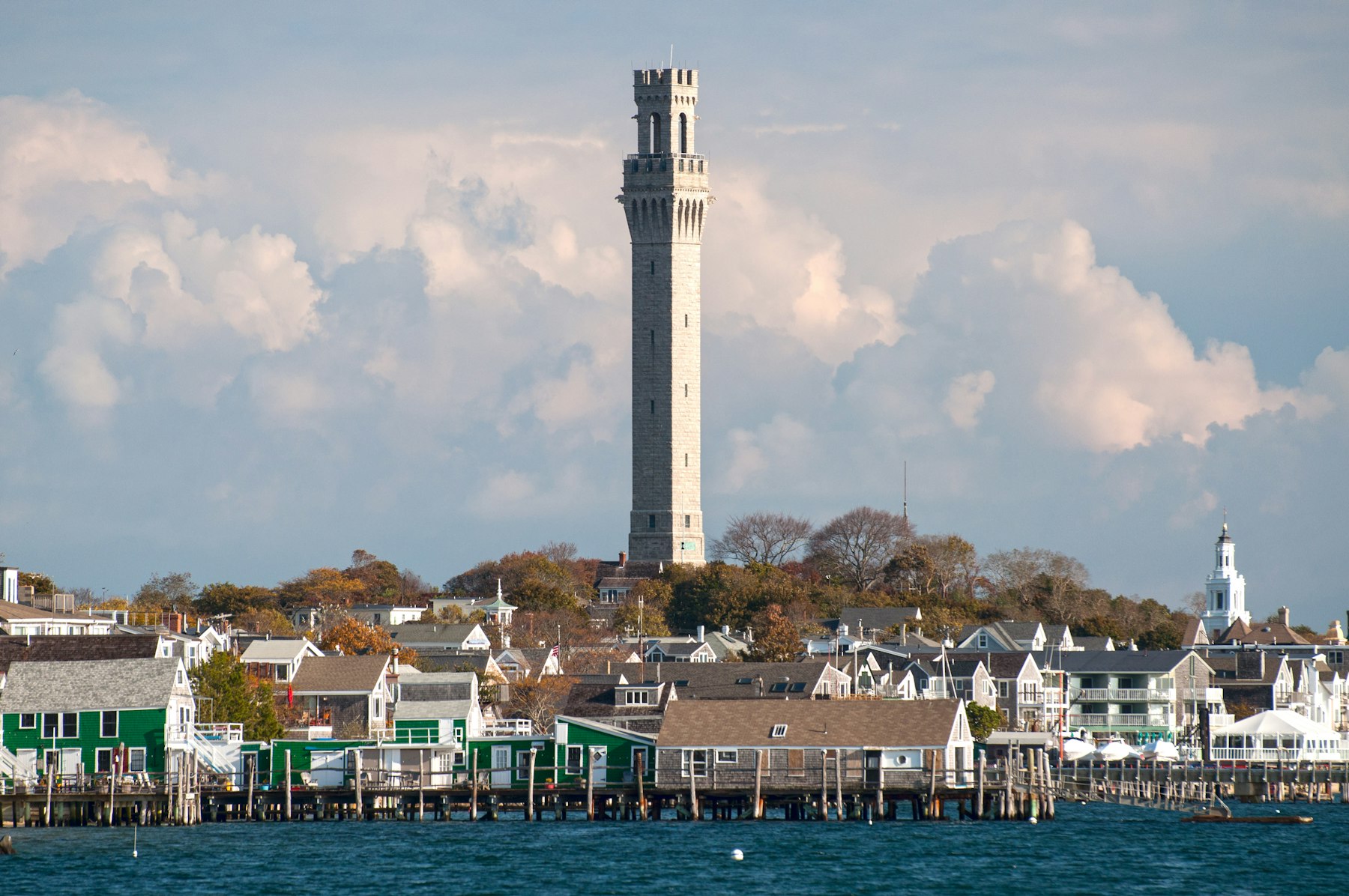
Provincetown
Boston is the anchor and it should get your first decision. Everything else on this list follows from how many days the city gets.
Must See and Do
Six things, named, with what they cost in 2026. Not categories.


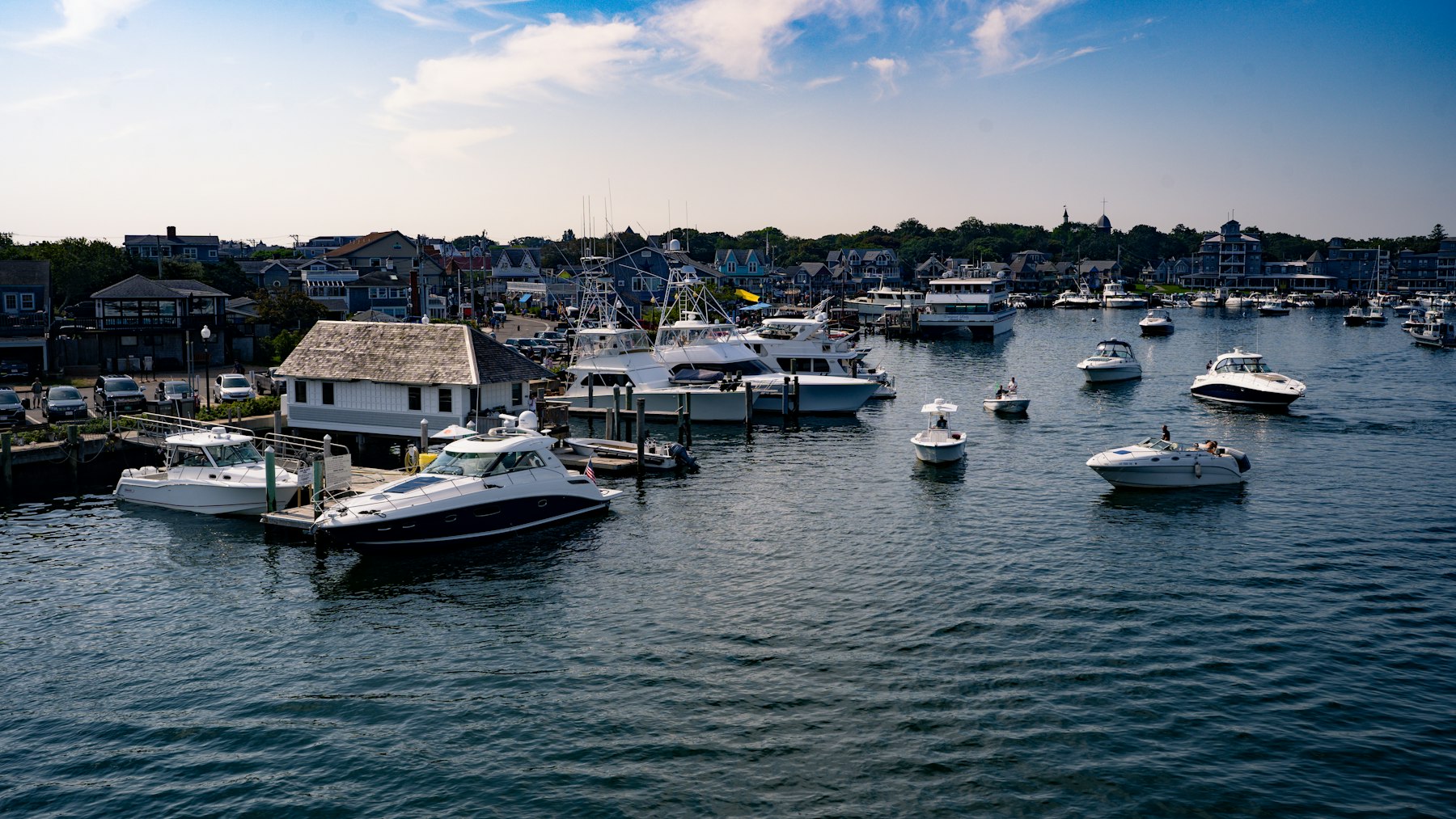
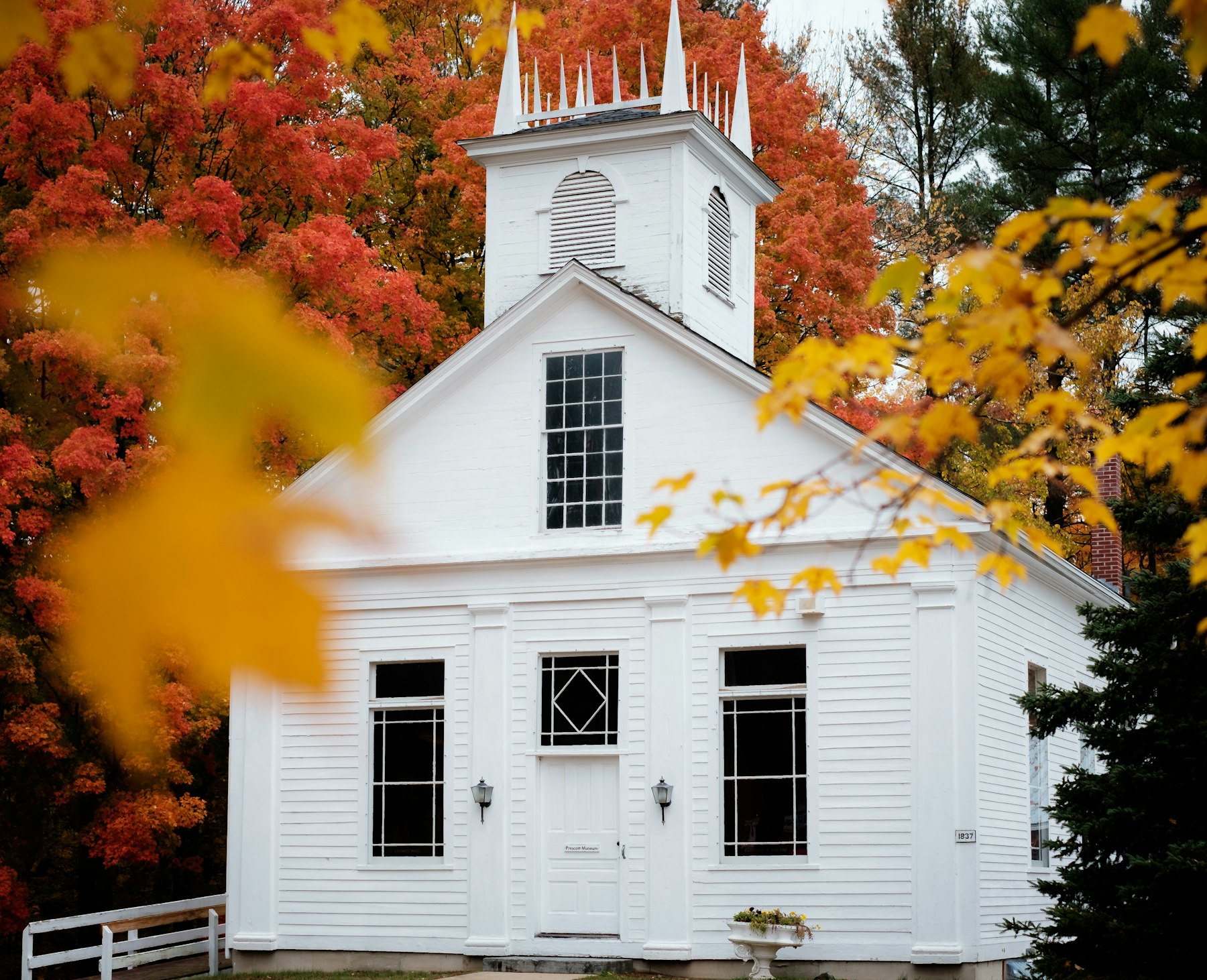

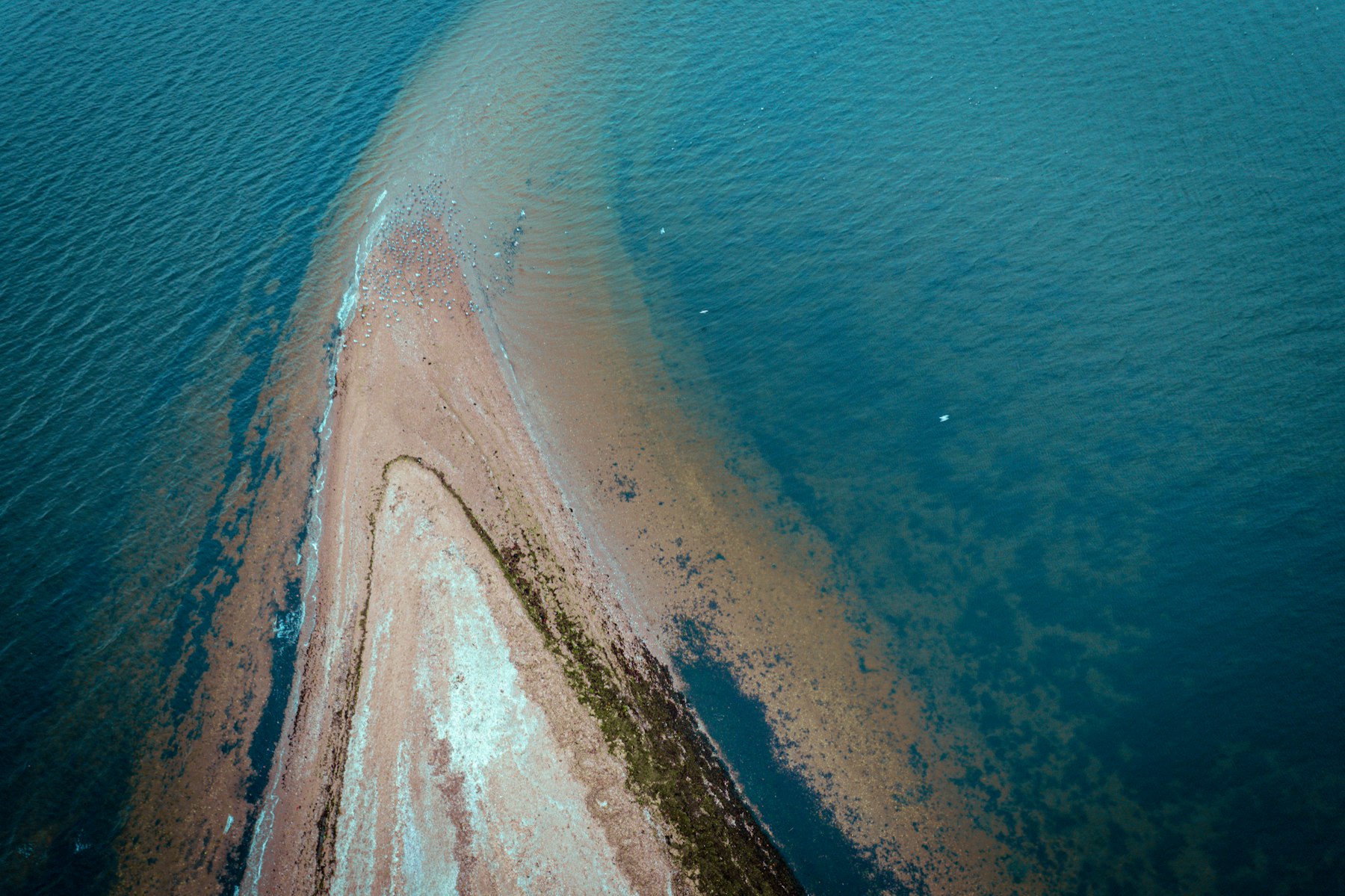
Cape Cod from the air. It is a sandbar with one road down the middle, and every car going to the same six beaches uses it at the same time on the same Friday
The Freedom Trail, and Why Boston Actually Works
I will say the thing I believe and then show you the numbers behind it. The Freedom Trail is the best value family day in the United States. Not the best day. The best value day. Here is why.
Walking it is free, and the red line does the navigating for you. Two and a half miles, sixteen sites, laid into the pavement in red brick and paint. There is no gate, no ticket and no queue to start. The National Park Service is explicit that no entrance pass is required for Boston National Historical Park, and that there are no fees for ranger guided tours, talks or education programmes. For a family of five that is a full day of American history for the cost of nothing.
The tours are not free, and that is the bit people conflate. The Freedom Trail Foundation runs costumed guided walks, around 90 minutes and about a mile, and those are ticketed separately. They are good. They are also entirely optional. If your budget is tight, take the free ranger programmes and skip the costumed guide. Nobody at the Old State House checks which one you did.
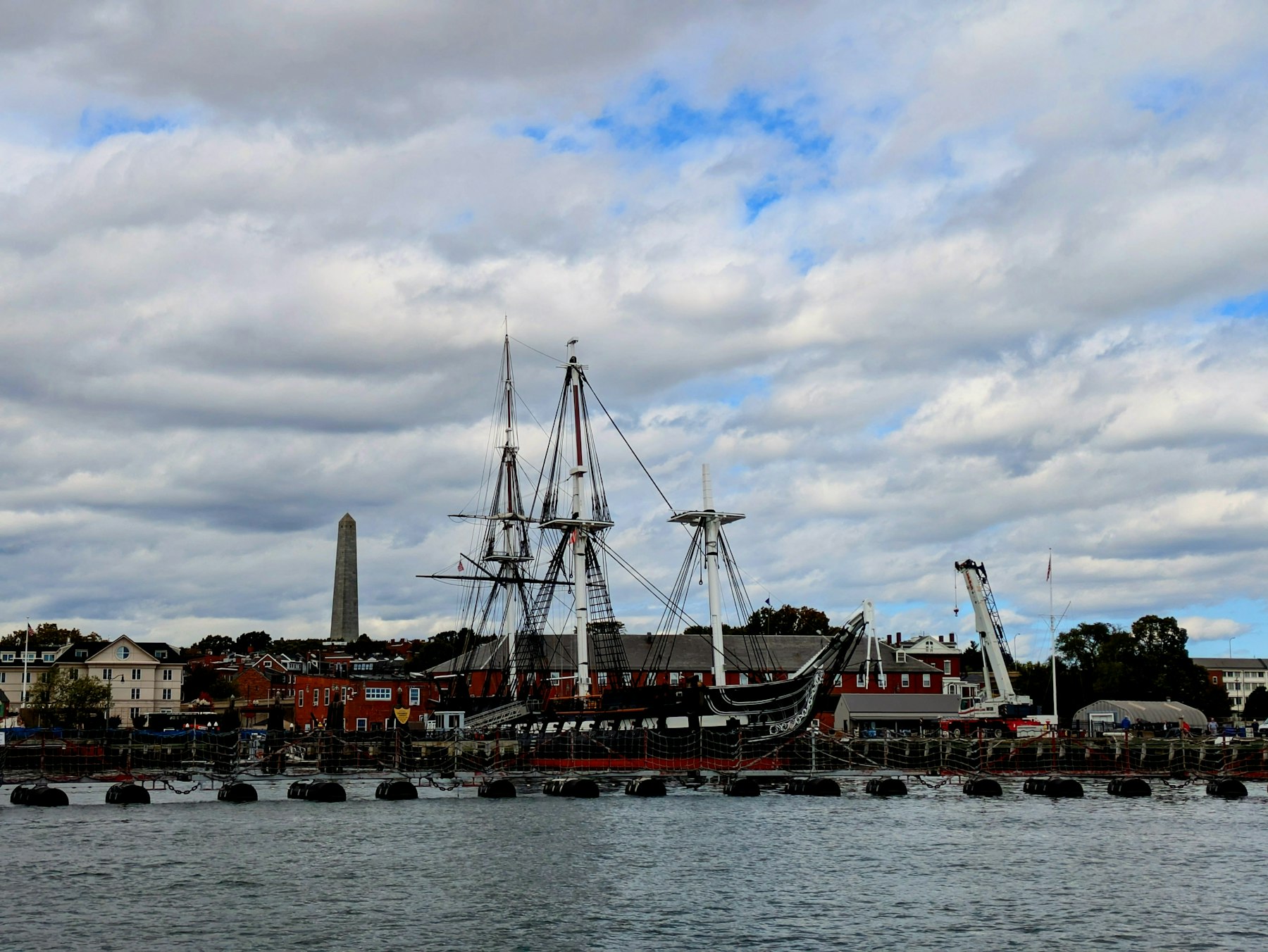
Know which sites are free and which are not, because they sit side by side. Free: Faneuil Hall and its Great Hall, Bunker Hill Monument and Museum, USS Constitution, Dorchester Heights, and the Charlestown Navy Yard. Paid: the Old South Meeting House, the Old State House, the Paul Revere House and the Old North Church. Those four are privately run partner sites and they do not accept National Park passes. The USS Constitution Museum runs on donation, which means you decide.
Boston is genuinely walkable, which is rare enough in America to be the reason to come. The whole trail is under three miles. The subway is 2.40 dollars a ride, the local bus is 1.70, a one day LinkPass is 11.00 dollars and a seven day pass is 22.50. Children aged 11 and under ride free. Five of you can cross the city all week for less than one day of parking in the Seaport.
The corollary is that a hire car in Boston is a liability, not an asset. Downtown hotel parking is one of the largest avoidable line items in a Massachusetts trip. If your plan is Boston plus one island, do not collect the car until the morning you leave the city. If your plan is Boston plus the Cape, collect it the day you go and drop it the day you come back.
When the history runs out, Fenway is the release valve. A public tour of Fenway Park is 30 dollars for adults and 21 dollars for children aged 3 to 12, runs 60 minutes and departs at the top of each hour. April through October it runs 9am to 5pm, and on game days the last tour leaves three hours before first pitch. November through March it starts at 10am.
For a wet day, the Museum of Science is the safest 33 dollars in the city. Adults 33, children aged 3 to 11 at 28, seniors 60 and over at 29, and under 3s free. It sits on the Charles River dam between Boston and Cambridge and it will absorb four hours without anybody complaining.
The 250th, and What Is Actually Left of It
This is the part everybody gets wrong, so read it before you book anything. Yes, 2026 is the 250th anniversary of American independence. No, that does not mean Massachusetts is about to be overrun. The truth is almost the opposite, and it is good news if you are reading this now.
Massachusetts already had its two biggest anniversaries, and they were in 2025, not 2026. The battles that made this state the centre of the story happened in 1775. Lexington and Concord fell on 19 April 2025 and Bunker Hill on 17 June 2025. Those were the days when Lexington Green and Charlestown were genuinely full. If you were dreading them, you missed them, and the towns have gone back to normal.
The 2026 Massachusetts dates have also now passed. Revolution 250, the Boston based body coordinating all of this, ran the Henry Knox Noble Train of Artillery commemoration from 16 January to 17 March 2026, tracking the 300 mile route by which Knox dragged 59 guns across the state in the winter of 1776. It climaxed with the 250th of the Evacuation of Boston on 17 March 2026 at Dorchester Heights, with a mass at St Augustine’s Chapel at 9am, a procession at 10.15 and commemorative exercises at 11. The Battle of Gloucester reenactment ran 20 and 21 June 2026 at Stage Fort Park. The 4th of July itself has been and gone.
What that means for you, practically, is that autumn 2026 is a quietly excellent time to be here. Every site has spent five years being restored, reinterpreted and re-signed for these anniversaries. The new exhibits are in. The wayfinding is better than it has ever been. And the crowd that came for the set piece dates has gone home. You are getting the upgrade without the queue.
Do not assume the pricing follows the crowds down immediately. Hotels in Boston, Lexington, Concord and Charlestown set their 2026 rate cards against anniversary demand that has now partly evaporated. That is a negotiating position, not a fixed cost. If you are booking Boston for late 2026, ask for the rate rather than accepting the rate, and check the same room across two or three dates.
One honest caveat. The programme is not finished being published. As of late August 2026 Revolution 250’s own page for the Declaration of Independence 250th commemoration has still not been filled in. Some of what has been promised for the back half of this year has not been posted anywhere I can verify. Check the site before you build a day around a specific event, and do not book flights around something you have only seen on a blog.
The Islands, and What the Ferry Really Costs
Martha’s Vineyard and Nantucket are the two line items that blow up a Massachusetts budget, and it is never the hotel that does it. It is the boat, and specifically it is the car on the boat. These are the Steamship Authority’s published 2026 fares, effective 5 January to 31 December 2026.
Walking on to Martha’s Vineyard is almost absurdly cheap. Woods Hole to Vineyard Haven is 45 minutes. An adult is 11.00 dollars one way or 22.00 round trip. Children 5 to 12 are 5.75 and 11.50. Children 4 and under are free. Our family of five would cross for about 44 dollars return. That is less than lunch.
Putting a car on that same 45 minute boat is where it detonates. A vehicle under 17 feet crossing to the Vineyard is 73.50 dollars one way in January through March. From 1 April to 14 May it is 115.50. From 15 May to 14 September it is 127.00 on a weekday and 168.00 on a weekend. Round trip on a summer weekend, that is 336 dollars for the car alone. The car costs roughly fifteen times what the people cost.
So do not take the car, take bicycles. A standard bike is 5.25 dollars one way to the Vineyard, 10.50 return. The island has a serious paved bike path network between the down island towns and it is flat enough for a competent ten year old. Five bikes across and back is about 53 dollars, against 336 for the car. This single decision is the difference between an affordable island day and an expensive one.
Nantucket is a different order of money and you should treat it as a treat, not a base. The high speed boat from Hyannis is one hour and costs 48.50 dollars one way or 93.00 round trip for an adult, with children 5 to 12 at 24.75 and 47.00. The traditional ferry takes 2 hours 15 minutes and drops that to 21.50 one way or 43.00 return for an adult, and 11.00 and 22.00 for a child. If your children can handle the slower boat you halve the cost of the day.
And never, ever take a car to Nantucket. A vehicle under 17 feet is 205.00 dollars one way in the January to March window, which is the cheap season. It goes up from there. Nantucket town is walkable from the wharf and the island runs seasonal shuttle buses. There is no version of this where the car is worth it for a day trip.
Book vehicle space months ahead or accept you are walking on. Summer car reservations on both routes go early and stay gone. Passenger space is a far softer constraint. This is another reason the walk on and bike plan is the right one for most families, quite apart from the money.
Cape Cod, and the Friday Afternoon Problem
Cape Cod is a hook of sand about 65 miles long hanging off the southeast corner of the state, and everything about the traffic follows from one fact. It is an island in practice. Everyone drives on and off across the same two bridges over the Cape Cod Canal.
Two bridges, the Sagamore and the Bourne, carry the entire Cape. On a summer Friday afternoon the whole of greater Boston is trying to get over them southbound, and on Sunday afternoon the whole of the Cape is trying to get back. A drive that is comfortably 90 minutes off peak can double or worse. This is not a rumour, it is the defining logistical fact of a Cape holiday.
The fix is boring and it works. Travel at the wrong time on purpose. Go down on a Thursday, or go on Friday before ten in the morning, or go after eight in the evening. Come back Monday morning instead of Sunday afternoon. Changing your arrival day is free. Sitting in traffic with three children is not.
Cape Cod National Seashore charges by the vehicle and only at the beach gate. A daily vehicle pass is 25 dollars, a motorcycle is 20, and walking or cycling in is 15 dollars for anyone 16 and over. An annual pass for the six Seashore beaches is 60 dollars and covers late May through mid September of that calendar year. If you are on the Cape for four days or more, the annual pass pays for itself immediately.
They do not take cash, and you cannot buy the pass in advance at a visitor centre. Passes are sold at the six beach entrances only, and payment is card or debit only. Arriving with a wallet full of notes and no card is a genuinely common way to be turned around at a gate.
Provincetown at the far tip is the reason to go all the way out. It is the whale watching port, it is the most visually distinctive town on the Cape, and the Pilgrim Monument sits over the whole thing. From Boston you can skip the driving entirely. The fast ferry runs Long Wharf to MacMillan Wharf in about 95 minutes and operates mid May to mid October. Pricing on that boat is dynamic and moves with the day of the week and the departure time, so check it rather than budgeting a number.
Cape Cod National Seashore is run by the National Park Service, so the free fourth grade pass works here. It does not cover beach parking, which is the fee that actually stings, but the pass itself costs nothing and it travels with you. everykidoutdoors.gov.
Salem in October, Salem in May
Salem is 16 miles up the coast from Boston and it is two completely different towns depending on the month you pick. I have talked more families out of October Salem than into it.
Salem in October is unbearable, and I mean that as a description rather than an insult. Destination Salem calls Haunted Happenings the largest celebration of Halloween in the world and puts the October figure at more than a million visitors. That is a town of roughly 44,000 people absorbing a million in 31 days. Streets close, parking fills by mid morning, restaurant waits run to hours and the museums sell out.
Salem in May is lovely and almost nobody tells you that. Same harbour, same 1600s houses, same museums, same witch trial history, with none of the crush. You can park. You can walk into the Peabody Essex without a timed slot. You can actually hear the guide. If your children are old enough for the subject matter at all, May is when they will take it in.
The Peabody Essex Museum is the single best value in Salem for a family. Adults are 25 dollars, seniors 23, students 15, and children under 16 are free. Salem residents are free, and people who work in Salem get in free on a business card or employee ID. It is open Thursday to Monday, 10am to 5pm, and closed Tuesdays and Wednesdays, which catches people out.
The Salem Witch Museum is 19 dollars for an adult, 17.50 for a senior 62 and over and 16 dollars for a child aged 6 to 14. It runs 10am to 5pm year round, extends to 7pm in July and August, and runs extended hours through October. It is the one everybody queues for and it is the one to pre book.
One extra thing about 2026 specifically. This is Salem’s 400th year. The town was founded in 1626 and Salem 400+ has been running quadricentennial programming across the whole year, including work that properly acknowledges Naumkeag, the community that was here long before 1626. It is genuinely interesting. It also means October 2026 will be busier than a normal October, not quieter. If you were considering Halloween in Salem this year, that is the argument against.
When to Go
Massachusetts has four genuinely distinct seasons and they are not equally good with children. Here is the ranking I actually give clients.
September and early October is the best window and it is not close. The water is still warm enough to swim from Cape beaches, the summer crowds have gone back to school, ferry car rates drop after 14 September, and the foliage starts inland. The one exception is Salem, which you should avoid entirely in October.
Late May and June is the second best, and it is the cheapest good weather you will get. Vineyard car fares are 115.50 dollars one way before 15 May against 168.00 on a summer weekend after it. Everything is open, nothing is full, and the school groups thin out after mid June.
July and August is when everything is open and everything is worst. Peak ferry pricing, peak bridge traffic, peak accommodation. If this is your only window then commit to it properly, book the ferries months out, and build the trip around avoiding Friday and Sunday movements.
Winter is for Boston only, and Boston in winter is genuinely good. The city museums, the Freedom Trail in a coat, cheap hotel rates, and no queues anywhere. The Cape largely shuts. The Provincetown fast ferry does not run outside mid May to mid October. The islands go quiet and the Seashore beach fees are not even collected.
For foliage, go west and go the second and third week of October. The Berkshires colour up earlier and more reliably than the coast, and MASS MoCA and the Norman Rockwell Museum give you an indoor plan if it rains. Just remember MASS MoCA is closed on Tuesdays.
Money and Practical Basics
The specific numbers that decide whether this trip lands on budget.
Plymouth is better value than its reputation and the ticket structure is confusing, so here it is. Plimoth Patuxet Museums sell a Heritage Pass covering all sites plus Mayflower II plus the Grist Mill, valid two days, at 46 dollars adult, 41.40 senior and 29 child. A combination pass of the main site plus Mayflower II is 44, 39.60 and 27. The main site alone is 35, 31.50 and 20. Mayflower II on its own is 19, 17.10 and 13, and the Grist Mill is 11, 9.90 and 8. Open seven days, 9am to 5pm, through the Sunday after Thanksgiving.
Buy the Mayflower II ticket alone if you are short on time. Nineteen dollars for an adult and 13 for a child buys the thing the children actually came to see, which is a full size ship they can walk onto. The village is excellent and it is also two more hours. Know which trip you are on.
Plymouth Rock itself is free, and it is also a rock. It sits under a portico on the waterfront and takes about four minutes. Manage expectations before you walk down there. The Mayflower II is moored a short walk away and is the part worth the money.
Parking is the hidden tax of this state. Boston downtown garages, Cape beach lots, Salem in October and every island town all charge, and they charge properly. Every dollar you spend on parking is a dollar you did not need to spend if you had planned the transport differently. This is the single biggest correctable leak I see.
Carry a card and stop worrying about cash. Cape Cod National Seashore is card only at the gate. Most museums are timed entry and online. The MBTA takes contactless. There is very little in Massachusetts that needs notes.
Who It Suits, and Who Should Skip It
I would rather tell you this now than have you find out in week two.
Families with children aged roughly 8 to 14. This is the sweet spot. Old enough to care that something happened on that spot, young enough to be thrilled by a tall ship and a whale. Our Gavin at almost 13 and Jake at 10 would be exactly right for this state. Avilene at 9 would love the boats and tolerate the rest.
Families who want a city that does not require a car. If you have been put off American cities by parking and driving, Boston is the correction. It is small, it is dense, the subway is 2.40 dollars and under 12s ride free.
Anyone doing a northeast loop. Boston sits neatly with New York and Washington DC, and the three of them together make a genuinely coherent two week trip in a way that most American routes do not.
Families with toddlers and preschoolers. The core of Massachusetts is walking, reading and boats. A two year old gets nothing from the Freedom Trail except tired legs, and the ferry costs are not refunded for a meltdown. Wait three years.
Anyone whose children need a pool and a theme park to be happy. This state does not do that and it does not pretend to. If that is the holiday your family wants, book Florida and enjoy it, and come here when they are older.
Budget travellers who plan to do the islands properly. One island day trip is achievable on a normal budget. Staying on Nantucket or the Vineyard in August is a different tier of spending entirely and there is no clever way around it.
What Surprises First Timers
The things people tell me afterwards that they wish someone had said first.
How small it is, and how little that helps. Boston to Provincetown is about 115 miles and can take three hours or five. Boston to the Berkshires is around 130 miles west. The distances are nothing. The chokepoints are everything.
How cold the Atlantic is. The water on the outer Cape does not get warm the way people from Florida or California expect. August is swimmable. June frequently is not. Bring a wetsuit top for a child who wants to stay in.
How much of the good stuff is free. Faneuil Hall, Bunker Hill Monument, USS Constitution, Dorchester Heights, the whole Freedom Trail, Boston Common, Plymouth Rock, and every child under 16 at the Peabody Essex. You can build a serious week here and pay for very little of it.
How many places close on Tuesdays and Wednesdays. The Peabody Essex is shut Tuesday and Wednesday. MASS MoCA is shut Tuesday. Losing a museum day to a closure is the most avoidable disappointment on this list and it happens constantly.
How different it is from New York, three and a half hours south. New York is scale and spectacle. Boston is compression and argument. Families who loved one do not automatically love the other, and it is worth knowing which of the two your children actually respond to before you book both.

The Berkshires in the second week of October. Two and a half hours west of Boston and skipped by almost every family who comes to this state
Go Deeper

The Learned of Travel
What the children actually take away from a place. Worth reading before you spend a day walking them round 250 year old buildings.

Hotels, Get With the Kid Program
Written from the road in 2017. What a family of five actually needs from a room, and how rarely we get it.

The Hard Days
The honest one. Travelling with three children is not a highlight reel, and a walking city day will find your limits.
Pairs Well With
New York
Three and a half hours south and the natural other half of a northeast trip. Scale and spectacle against Boston’s compression.
Washington DC
Where our 2017 road trip actually ended. Free museums, and the other end of the same American story you walked in Boston.
The USA
The wider country guide. Fees, driving, seasons and the things that catch international families out.
