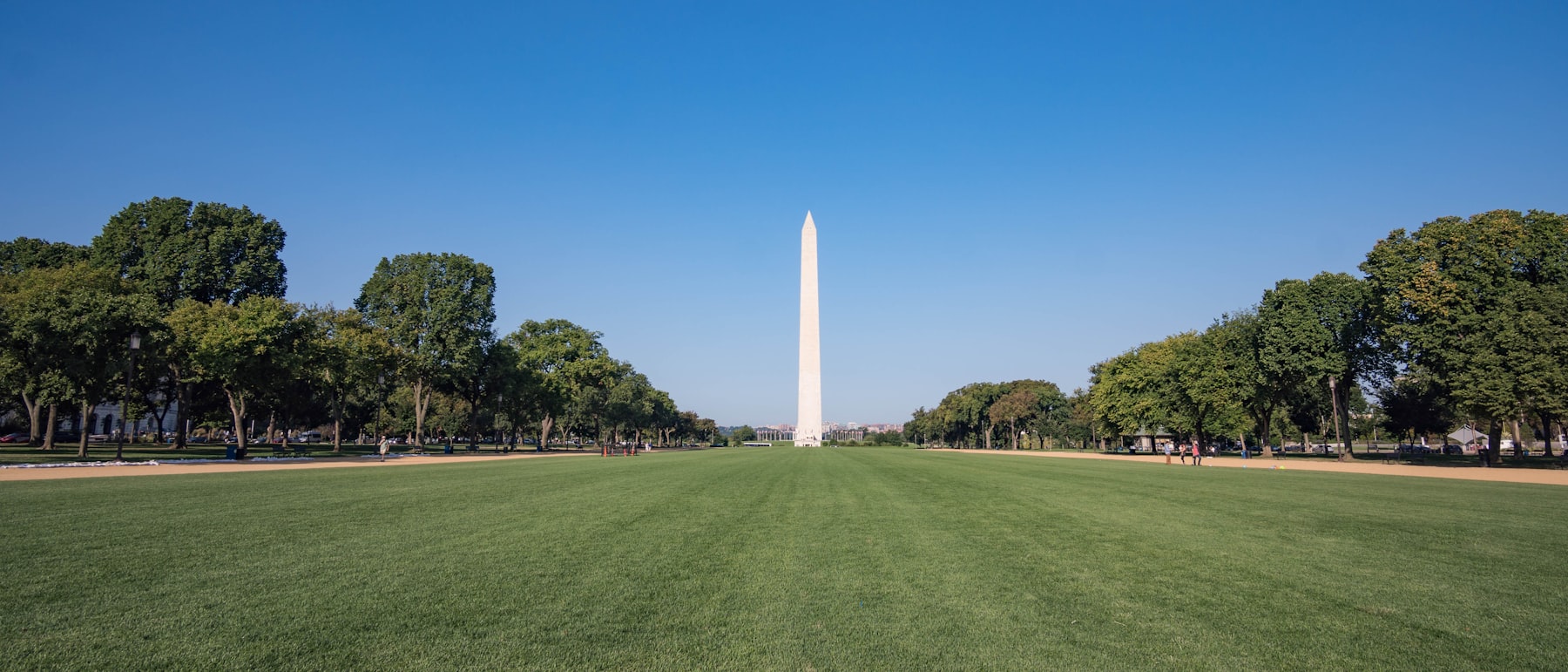
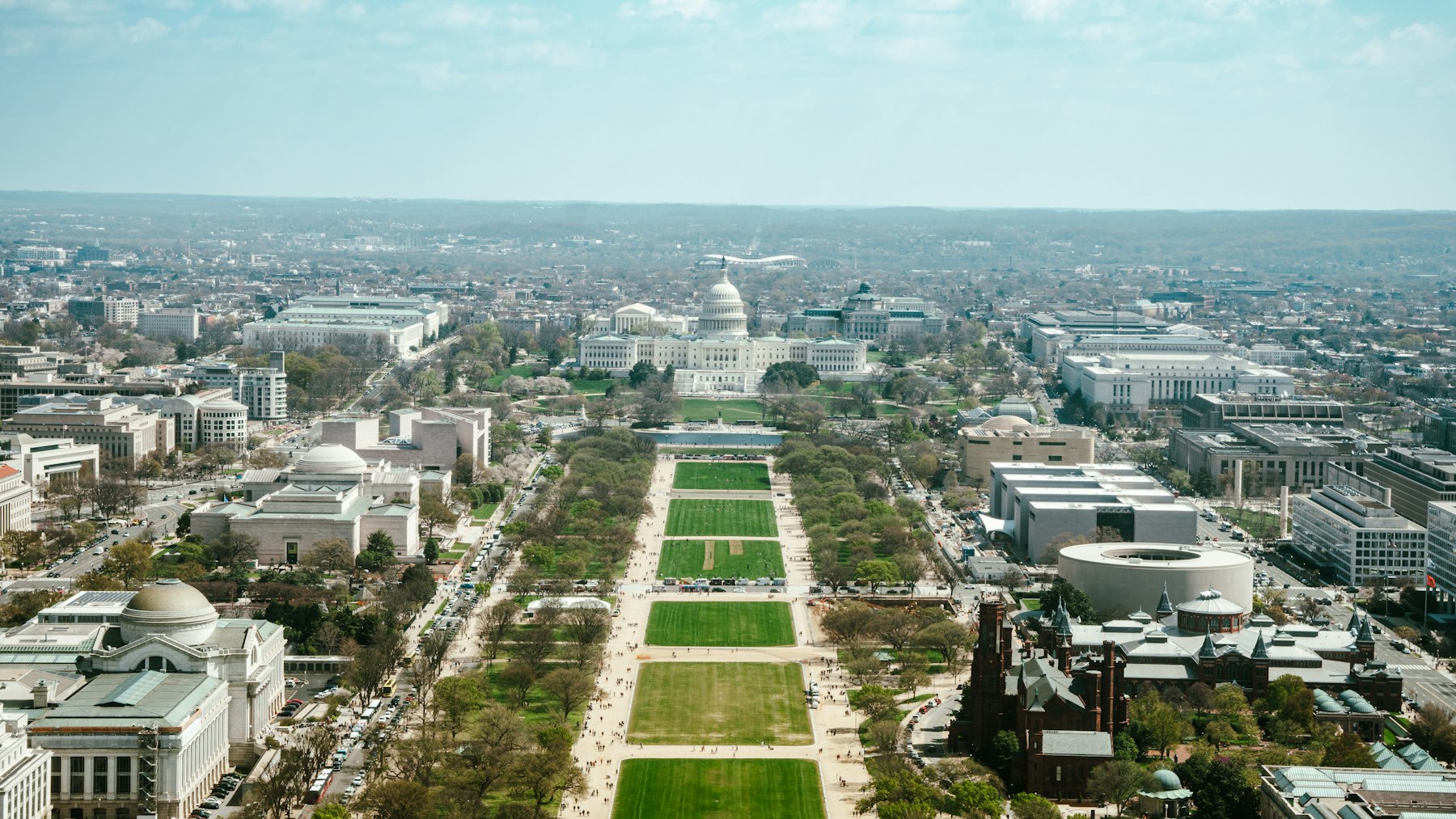
The National Mall looking west. It is two miles from the Capitol steps to the Lincoln Memorial and that photo makes it look like about four hundred yards
Washington DC With Kids Family Travel Guide
“Almost everything worth doing in Washington DC is free. Not cheap. Free. It is the single best value family trip in America and most of the world has no idea.”
Nicole Damiano, ASTA Verified Travel Advisor with FG Luxury Travel
How many days do we need?
Three full days covers the Mall, two or three Smithsonians and the monuments at night. Four adds Mount Vernon or the zoo. Kids hit a museum wall after two a day, so plan one big museum in the morning, a run around on the Mall, and something outdoors in the afternoon.
Is it all free?
Nearly. Every Smithsonian, the zoo, the monuments and the memorials are free. The Capitol tour is free with a booking. The Washington Monument elevator is free with a timed ticket that goes fast. You will pay for food, the Spy Museum and the Metro, and that is about it.
Which museums for which ages?
Natural History and Air and Space for everyone from about four up. American History for the older ones who want the flag and the First Ladies. The National Museum of African American History and Culture for kids over about ten, and it needs a timed pass. The Spy Museum is the paid one that teens rate highest.
Where should we stay?
Near a Metro stop. Foggy Bottom, Capitol Hill and Dupont Circle are the walkable ones. Crystal City and Arlington across the river are cheaper with a short Metro ride in. Downtown hotels near the Mall save the most walking with tired kids.
When is the best time?
Late March for the cherry blossoms is beautiful and packed. April, May, September and October have the weather without the crowds. Summer is hot, humid and busy but the museums are air conditioned and the monuments at night are lovely. The Fourth of July on the Mall is a family event worth planning around once.
Nicole’s Perspective
Why families hire me for Washington DC

I have been, and I have almost nothing to show for it, and that is the most useful thing I can tell you. We rolled into Washington DC over Memorial Day weekend 2017, day forty something of our great American road trip. Gavin was four. Jake was two. Avilene was eight months and arm crawling. The kids were napping at four in the afternoon and going to bed somewhere between eleven and midnight, and I remember writing at the time that I could barely stay awake long enough for them to fall asleep. I did not blog a single monument. Not one. I have the geotagged photos to prove we were there and that is about it.
Here is why I am telling you that instead of pretending otherwise. DC is the city where parents most often try to do the thing I did, which is arrive with small children, no plan, and a mental list of eleven landmarks, on the one weekend of the year when the entire country is also there. It does not work. What I would do differently is almost the whole of this page.
The second thing, and the thing that surprises people I book, is the money. There are seventeen free Smithsonian museums in the DC area plus the National Zoo, and every one of them is free. No ticket, no charge, no family rate, free. The memorials are free and open twenty four hours a day. The Capitol tour is free. The White House tour is free. I have clients who budget for DC the way they budget for New York and then find they have spent almost nothing except on hotels and food. If you are coming from outside America, where the great national museums usually cost thirty euros a head, this is worth understanding properly before you plan anything else.
Beyond the Bookshelf
A shelf of Washington DC stories, capital movies, and White House recipes to get everyone ready for the monuments.

- All the President’s MenWoodward & Bernstein
- Washington: A History of Our National CityTom Lewis
- Advise and ConsentAllen Drury
- The Lost SymbolDan Brown
- H Is for HonorMarie & Roland Smith
- Woodrow, the White House Mouse
- The Capital MysteriesRon Roy
- The White House Cookbook
- The White House Family CookbookHenry Haller
- Dining at the White HouseJohn Hanny
Book links go to Bookshop.org, which supports local bookstores. Film and music links go to JustWatch and Spotify. As an affiliate we may earn from qualifying purchases.
Why this state, for this family
Why Washington DC works with kids
 Poppy marks the family parts. Wherever you see her, that section is written for traveling with children.
We rolled in over Memorial Day 2017 with a four year old, a two year old and an eight month old, and I did not blog a single monument. What I would do differently is the whole of this page, and the first thing is the money.
Seventeen free museums and a free zoo
No ticket, no charge, no family rate. The memorials are free and open around the clock. Families budget for DC like New York and spend almost nothing except hotels and food.
The best thing in the city is at night
The Lincoln Memorial after dark, lit marble, cooler air, rangers on duty until ten, and almost no crowd. It costs nothing and children remember it.
A city you never need a car in
The Metro from the airport, stations that are cool in August, and a hotel within a mile of the Mall so everyone can go back at three and come out again at seven.
The map
Washington DC Place by Place
This is how I plan things to do in Washington DC with kids. Eight places, and they are not evenly spaced. Six of these sit within about two miles of each other along one long lawn. Two of them, Georgetown and Arlington, are off the Mall and need a plan to reach. Understanding which is which is most of what makes a DC trip work.


Song Washington, the Star of Hope, though nobody in the city could sing you a line of it. Good to know Eastern time. Sales tax six percent. Almost every museum is free, the Metro goes everywhere, and a car is a mistake.

Air and Space

Arlington
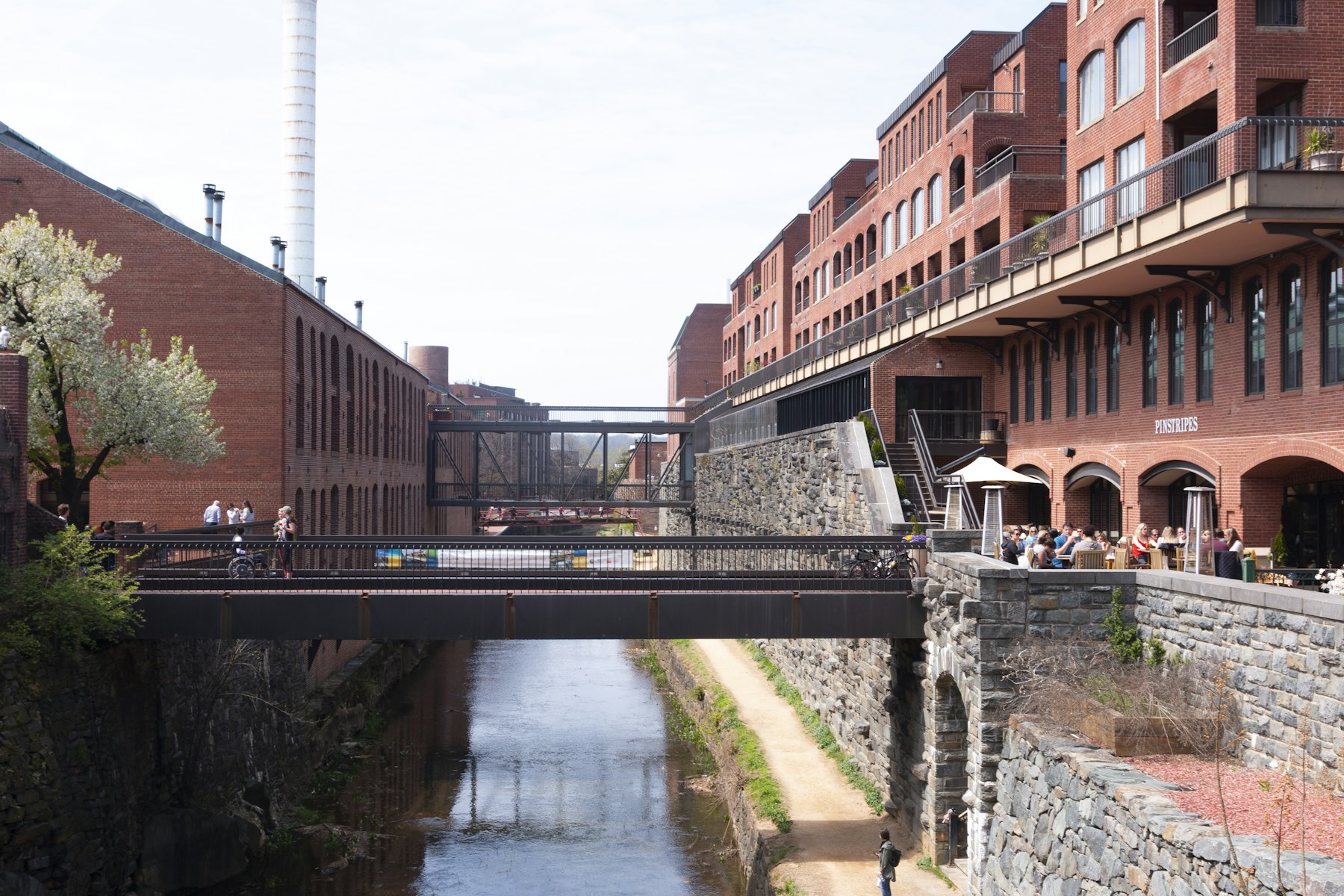
Georgetown

Lincoln Memorial

The Capitol
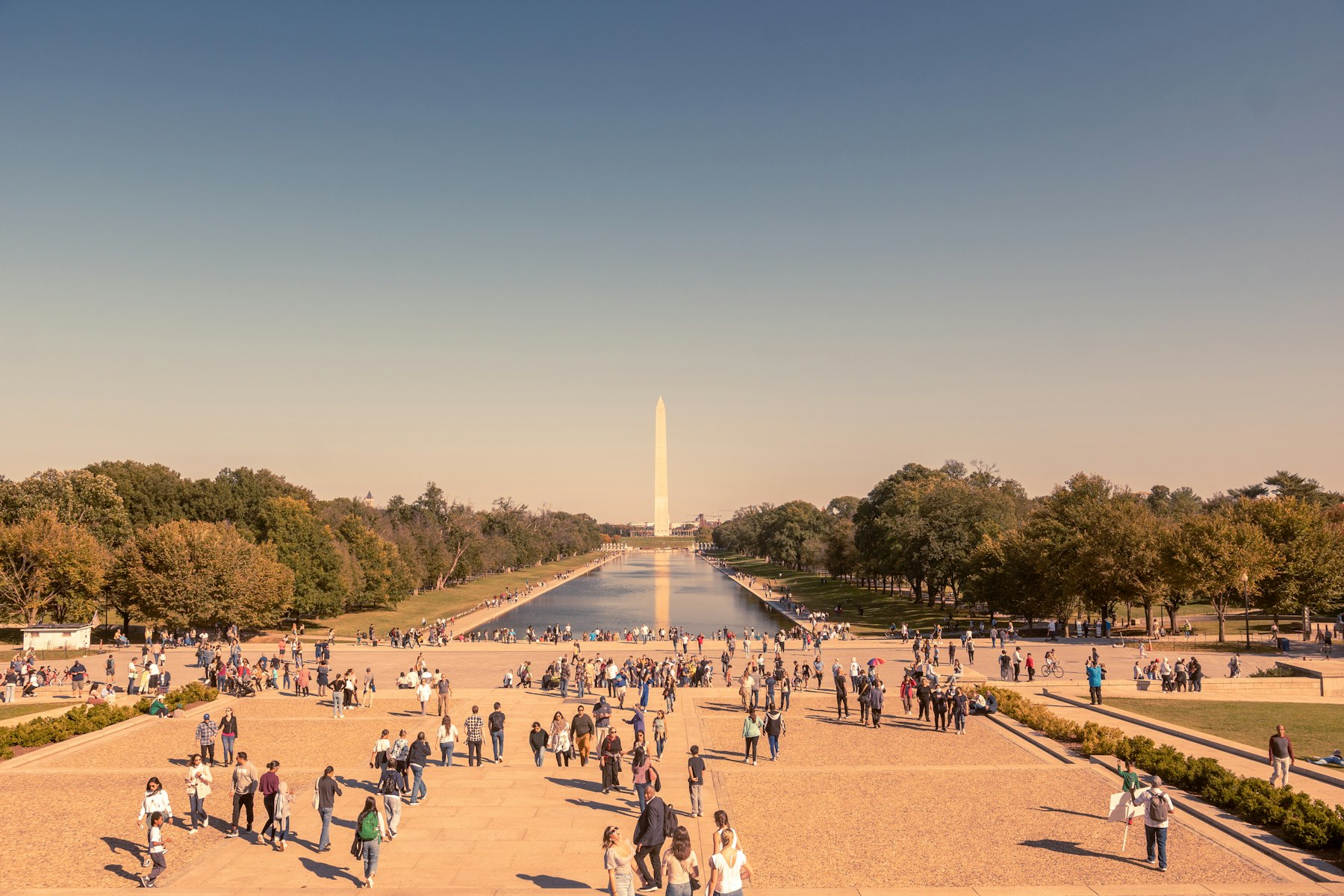
The National Mall

The Smithsonians
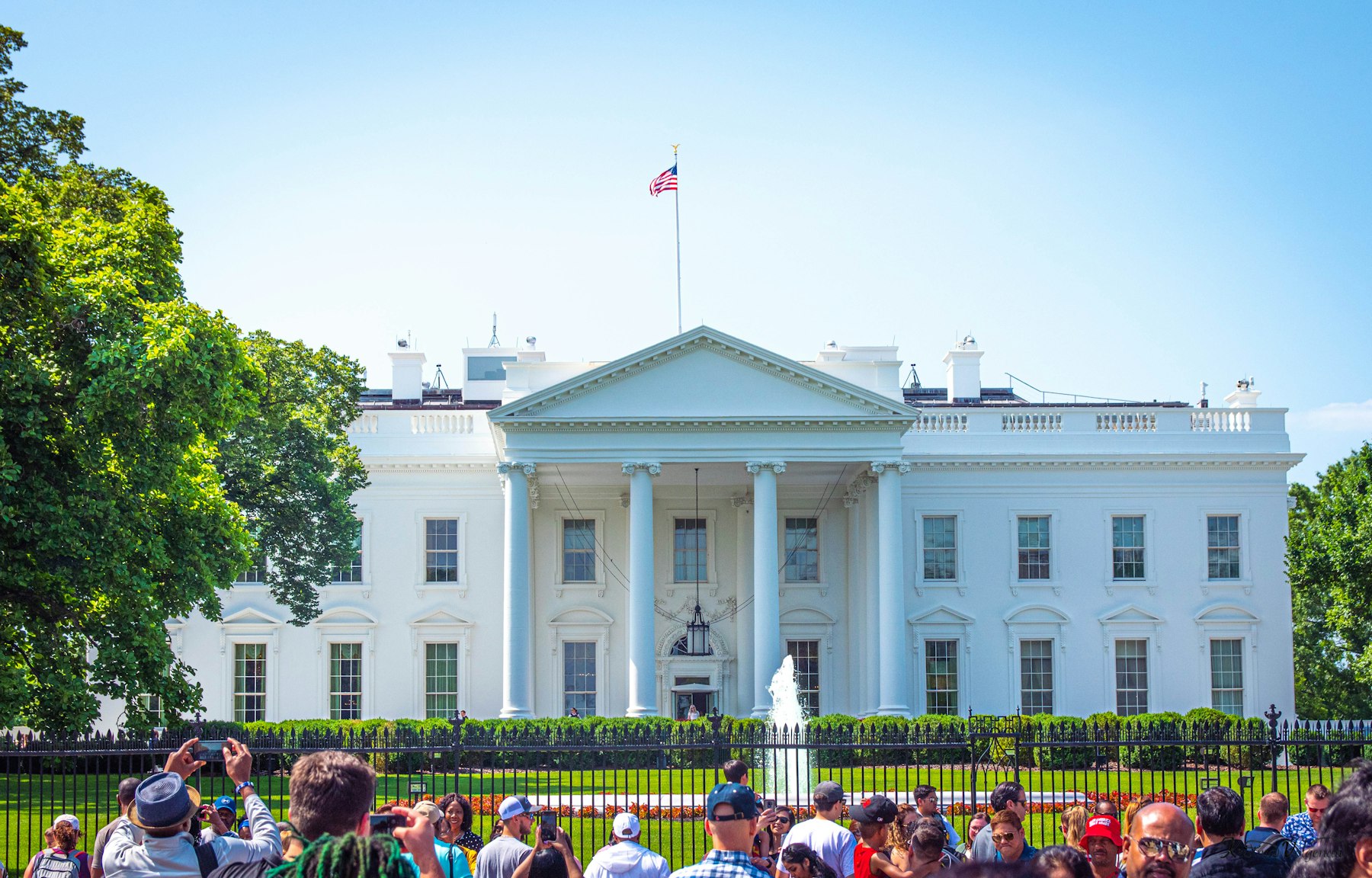
The White House
Washington Is the Capital and Also a City
The monuments belong to the country. The neighborhoods belong to the people who live here, and the two feel nothing alike.
The Mall is a planned idea. Pierre L’Enfant laid it out in 1791 as a two mile axis from the Capitol to the river, and every memorial on it was argued over for decades. The Smithsonian Castle in the middle is where the free museums started.
The National Archives holds the originals. The Declaration, the Constitution and the Bill of Rights, under glass in a dim rotunda. Free, a line, and the ten minutes that make the founding real for a child who has just seen Independence Hall.
The Museum of African American History and Culture. The newest and the best Smithsonian, with a timed pass that goes fast. The history floors below ground are hard and honest, and the culture floors above are joyful. Children over ten, with a plan.
U Street and Go-go. Black Broadway before the war, Duke Ellington’s neighborhood, Ben’s Chili Bowl since 1958, and go-go, the city’s own music, played on street corners. The DC that is not the Mall.
Arlington across the river. The Changing of the Guard at the Tomb of the Unknown Soldier, on the hour or half hour depending on the season, and the Kennedy graves. Free, quiet, and the morning that stays with older children.
What to Eat in Washington DC
Museum cafés will rob you. The city outside them eats from everywhere.
A half smoke at Ben’s Chili Bowl. Half pork, half beef, split, griddled and buried in chili, on U Street since 1958. The one DC food that is from DC.
Ethiopian in Adams Morgan or on U Street. The biggest Ethiopian community outside Africa. Injera bread, everything eaten with hands, and a platter for five that costs less than one museum café lunch. Children like the hands part.
The Museum of the American Indian café. Mitsitam, the one Smithsonian café worth the money, with food from the native nations of the Americas. The rest of the museum cafés are where the budget goes to die.
Mumbo sauce on wings. A sweet, red, DC only sauce on carry out wings and fries. Every corner Chinese carry out in the city has it and the children will ask for it twice.
Food trucks on the Mall and a picnic. The trucks park along the Mall at lunch, and a supermarket picnic on the grass by the Washington Monument beats any café. Water bottles refilled at the museum fountains.
The Walking Nobody Warns You About
This is the trap. Every photograph of the National Mall makes it look like a park. It is not a park, it is a two mile corridor, and the buildings on it are enormous. The single most common way a DC family day falls apart is that everyone walks four miles before lunch without meaning to and then there is nothing left in the tank.
Capitol to Lincoln Memorial is about two miles and forty to fifty minutes of pure walking, before you stop to look at anything. Capitol to the Washington Monument is roughly a mile, about twenty minutes. Washington Monument to Lincoln is another mile, another twenty. A relaxed end to end visit with actual stops runs three to four hours. The Tidal Basin loop is about two miles on its own, on top of that.
Add the inside of the museums, which people never do. Natural History and American History are each big enough to put three or four miles on your legs without leaving the building. A day that looks like “the Mall plus two museums” is comfortably eight to ten miles on foot for an adult, and children walk shorter strides, which means more of them.
The free tourist bus that older guides recommend does not exist any more. The DC Circulator, including its National Mall route, ran its last service on 31 December 2024. If a blog or guidebook tells you to hop the Circulator round the monuments, it is out of date. Plan on Metro, walking, a paid hop on hop off, or rideshare.
Bring the stroller even if your child has outgrown it. This is the advice I give every DC family and the one I most wish somebody had given me in 2017. A five or six year old who never uses a stroller at home will use one here, and the alternative is carrying them across the Mall at four in the afternoon in August. Jake was two on our trip and the note I wrote at the time was that he embraced our adventures as long as he was carried. That was the whole trip in one sentence.
Split the Mall into two halves and do them on different days. East half is the Capitol, the museums and the National Gallery. West half is the Washington Monument, the war memorials, Lincoln and the Tidal Basin. Trying to sweep the whole two miles in one push is the thing that ruins the day. Two half days beats one heroic day, every time, at every age.
Use Metro to skip the boring legs. Smithsonian, Federal Triangle, L’Enfant Plaza and Archives all put you on or beside the Mall. Off peak fares run 2.25 to 2.50 dollars and peak fares 2.25 to 6.75. Up to two children aged four and under ride free with each fare paying adult, so a family of five with a toddler pays for fewer people than it has. The Kids Ride Free program you will see mentioned is for DC school students, not for visiting children.

Air and Space. Free, and a timed pass for every visitor including the baby.
Money, Getting There, and Practical Basics
Three airports, and the choice matters more than usual. Reagan National is the closest and sits on the Metro Blue and Yellow lines, minutes from the Mall. Dulles is further west and takes the Silver Line. Baltimore Washington International is in Maryland and cheapest to fly into but the longest transfer. With children and luggage, paying more to land at National is almost always the right call.
Metro is clean, safe and easy, and it is the reason you do not need a car. Peak fares run 2.25 to 6.75 dollars, off peak 2.25 to 2.50. Buses are 2.25. Up to two children aged four and under travel free with each fare paying adult. Metro is deep, the escalators are long, and the stations are cavernous and cool, which on an August afternoon is a feature rather than a complaint.
Do not bring a car if you can avoid it. Parking in central DC is expensive and scarce, the traffic circles are hostile to strangers, and there is nowhere on the Mall to leave a vehicle. If you are driving in as part of a road trip, pick a hotel with parking, leave the car there for the whole stay, and walk or ride. This is one of the few American cities where that is true.
Where you sleep decides how much walking you do. Anywhere within about a mile of the Mall means you can go back mid afternoon for a rest and come out again at night, and mid afternoon rests are what make DC work with children. Foggy Bottom, Penn Quarter, Capitol Hill and the Southwest Waterfront all qualify. Staying out in Virginia to save money buys you a Metro commute at both ends of every day.
Food on the Mall is the weak link and it is where the budget quietly leaks. The museum cafes are captive audiences and priced accordingly, and the food carts on the Mall are worse. Bring water bottles and lunch, eat on a bench, and spend your food money in the evening in a neighborhood instead. This is the single biggest saving available in a city where the attractions are already free.
Toilets are the real Mall problem and nobody writes about it. The open stretch between the Washington Monument and the Lincoln Memorial has very few. The museums and the National Gallery are your reliable stops. Plan the walk around them rather than hoping, because with a four year old hope is not a strategy and I learned that the hard way.
Who It Suits and Who Should Skip It
It suits families on a real budget. This is the point of the whole page. You can give three children four great days in a world capital for the cost of a hotel and some sandwiches. Nowhere else in America comes close, and very few places anywhere do.
It suits children aged roughly eight to fourteen better than any other age. Old enough to know why the Lincoln Memorial matters, young enough to be thrilled by a space shuttle. Gavin is almost thirteen and Jake is ten and this is exactly the window I would take them back in.
It suits first time visitors to America. Everything is in English, the Metro is simple, the museums are the best in the country, and you can do the whole thing without hiring a car. For a European family nervous about American distances and driving, DC is the gentlest possible introduction.
It suits a short trip. Three or four days is enough to do DC well. That is unusual. Most American destinations punish you for arriving with less than a week.
Skip it with children under four, or at least lower your ambitions to almost nothing. I have done this and I am telling you it was not the trip. Under fours will remember none of it, cannot walk it, and the museums are looking rather than doing. Go when they are old enough to get something back.
Skip it if your family needs to be entertained rather than shown things. There are no rides, no water parks and no beaches. DC rewards curiosity. If your children are happiest at a theme park, book Orlando and come to DC in three years.
Skip high summer if anyone struggles with heat. Marble, humidity, no shade and long walks. It is not a preference, it is the difference between a good day and a medical one for older relatives and small children.
How Washington DC Compares
New York is the same trip with the money switched on. Both are walkable American cities you do without a car. In New York the museums, the observation decks and the ferries all charge, and charge properly, per person, per child. Do them both and the DC bill will be a fraction of the New York one. If you can only afford one, and you have three children, this is not a close call.
Florida is the opposite in every direction. Florida is the most expensive family week in America and DC is the cheapest. Warm water and rides against marble and history. Families who combine the two into one long American trip usually love the contrast, and it is a two hour flight between them.
Georgia is what you add if you are driving south. Richmond, then the Carolinas, then Savannah. That is roughly the way we came in 2017 in reverse, and it is a good corridor with children because the drives between stops are short enough to survive.
Tennessee is the other end of the same road trip. We did Memphis on days 23 and 24 and Nashville on 25 and 26 before we ever reached the east coast. Music and mountains instead of marble and museums, and a completely different kind of American week.
When to Go, and the Cherry Blossom Gamble
Washington DC has two lovely seasons and two difficult ones, and the loveliest fortnight of all cannot be booked in advance because nobody knows when it is. I will be straight about that rather than sell you a date.
Peak bloom in 2026 was 26 March, and that is the whole problem in one number. The National Park Service predicted 29 March to 1 April and came closest of all the forecasters, and it was still wrong. Peak bloom means the day 70 percent of the blossoms are open, not a fortnight, and it moves with the weather. The 2026 National Cherry Blossom Festival ran 20 March to 11 April. Average peak is the last week of March into the first days of April.
If you book the blossom you are gambling, so gamble sensibly. The forecast does not firm up until roughly two to three weeks out, by which point flights and hotels for that window are expensive and thin. Book the last week of March, accept you may get bare branches or you may be a week late, and choose a trip that is worth taking either way. Anyone who tells you they can book you peak bloom is guessing with your money.
October is the quiet answer and it is the one I give most often. Warm days, cool evenings, the summer school crowds gone, the memorials pleasant to walk at night, and hotel rates well below spring. The Changing of the Guard at Arlington moves to hourly from 1 October, which is the only small loss.
July and August are hot and humid in a way that catches Europeans out badly. This is a swamp city with a marble Mall and very little shade between the monuments. The heat is the reason to do memorials at night and museums in the afternoon, not the other way round. If you are coming in high summer, build the day around air conditioning and accept it.
April to early June is school trip season and it is relentless. Every middle school in America comes to Washington in spring, in matching t shirts, in coaches. It does not spoil anything but it changes what a line looks like. Late August, when the school groups have gone and the tourists are thinning, is quietly one of the better windows despite the heat.
Memorial Day weekend, which is when we went, is the busiest weekend of the year and also the most moving. The city fills with veterans, motorcycles and families. Arlington is worth it and the tours there start at 2pm rather than 8:30am on Memorial Day itself. Go with your eyes open. It is not the weekend to try to see eleven things.
How Many Days & First-Trip Routing
How many days do we need? Three full days covers the Mall, two or three Smithsonians and the monuments at night.
Four adds Mount Vernon or the zoo.
Kids hit a museum wall after two a day, so plan one big museum in the morning, a run around on the Mall, and something outdoors in the afternoon.
Which Smithsonian for Which Child
Seventeen free museums sounds like a gift and it is, but it is also a trap, because free removes the natural filter. Nobody drags a bored six year old round a fourth gallery when they have paid ninety dollars to get in. When it costs nothing you keep going, and that is how a family ends up wrecked by three in the afternoon. Pick two a day. Two.
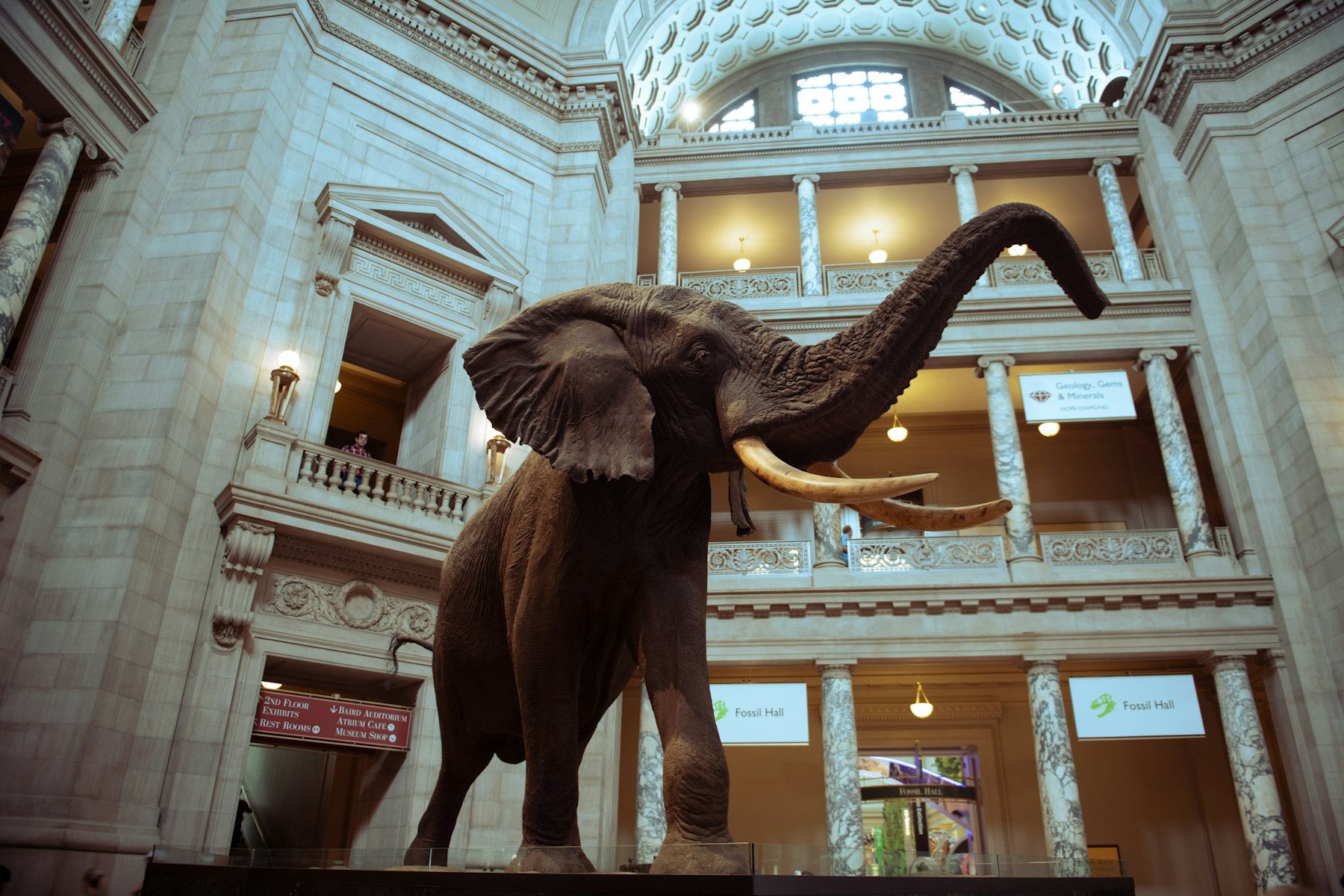
Under six: Natural History, and only Natural History. The elephant, the dinosaurs, the ocean hall, the gems. No timed pass, no line at the door, open every day 10am to 5:30pm. It is the most reliably child proof building on the Mall. If a day goes wrong, this is where you go.
Six to ten: Air and Space, but book the pass first. Free timed entry passes are required for every visitor regardless of age, batches release roughly a month before your date, and same day passes go online at 8:30 in the morning for slots from 10am to 4pm. Turning up at the door without one and finding a wall of NASA hardware you cannot reach is a specific kind of misery with a seven year old.
Eight and up: the National Museum of American History. The Star Spangled Banner, the First Ladies’ gowns, Julia Child’s kitchen, the transport hall. Free, no ticket. It rewards a child who has done any American history at school and it bores one who has not, so be honest about which you have.
Eleven and up: the National Museum of African American History and Culture. Free, but all visitors regardless of age need a timed entry pass, released 30 days ahead on a rolling basis, with same day passes online by 8:15 in the morning. It is the hardest ticket in the city and it is worth the effort. The history galleries start below ground with slavery and climb upward, and it is heavy going. Younger children generally do better starting on the upper culture floors and working down.
The Holocaust Memorial Museum needs a decision, not a drift. Free, with a 1 dollar online transaction fee, and the permanent exhibition needs a timed ticket. It is not a museum you wander into with mixed ages. There is a separate exhibition, Daniel’s Story, made for younger children and it does not need a ticket. Note that the current permanent exhibition closes to the public in January 2027 for a rebuild running to 2029, so a 2026 visit is the last of that version.
The one people forget: the National Portrait Gallery and American Art Museum share a building with a covered courtyard. Free, no ticket, indoors, with somewhere to sit and a cafe. On a day when it is 96 degrees outside or raining sideways, that courtyard is the most useful room in Washington.
The National Zoo is free but not free of admin. Entry passes are required for all visitors. Regular hours are 8am to 6pm with last entry at 5pm, dropping to a 4pm close from 15 September. It is uphill from the Metro and downhill on the way back, which is the correct way round with tired children. Parking is the real cost at 30 dollars a vehicle in advance or 40 on the day, so take the train.
Seeing the Capitol and the White House, Especially If You Are Not American
Both of these are free. Both of these need arranging weeks ahead. And the route in is completely different depending on which passport you hold, which is the single thing my international clients most often get wrong, usually about ten days before they fly, which is too late.
The Capitol is the easy one and anybody can book it. Tours and entry are free. Individuals and small groups reserve up to 90 days in advance through the Capitol Visitor Center online system, large groups 120 days ahead. The Visitor Center is open Monday to Saturday 8:30am to 4:30pm and the last tour starts at 3:20pm. Same day passes are often available at the information desks. No Member of Congress required, no citizenship question. If you are visiting from abroad and want one photograph of your children inside the American government, this is the one to book.
The White House is the hard one and Americans go through their Member of Congress. Free, self guided, about 45 minutes, Tuesday to Saturday. Requests must be submitted between 7 and 90 days before your preferred date, through your Representative, found at house.gov. Submit at the far end of that window, not the near end. Demand exceeds supply by a wide margin and there is no waiting list to appeal to.
If you are not American, you go through your embassy in Washington DC, and almost nobody tells you this. Same 7 to 90 day window, but you contact your own country’s embassy rather than a Congressional office. Everyone over 18 needs valid government issued photo identification and foreign nationals need a passport. British, Irish, Australian, Canadian and German families all have embassies in DC that handle this, and every one of them wants more notice than you think. Start it the day you book the flights.
Assume it might not happen, and have a plan that does not depend on it. White House tours are suspended at short notice for reasons nobody explains. Build the trip so that a cancellation is a disappointment and not a ruined day. The White House Visitor Center is open regardless, has the scale models and exhibits, and is free.
The Washington Monument is the other one worth booking. No admission fee, but a non refundable 1 dollar service charge per advance ticket. Advance tickets are released daily at 10am, 30 days ahead of the date. Same day walk up tickets are first come first served with no service charge and the ticket window opens at 8:45 in the morning. If you miss both, the Old Post Office clock tower is free, 270 feet up, and needs no ticket at all.
Arlington National Cemetery is free to walk into and it is not optional with older children. The Changing of the Guard at the Tomb of the Unknown Soldier runs every half hour from 1 April to 30 September and every hour on the hour from 1 October to 31 March. It is across the river in Virginia, on the Metro Blue Line. The paid tram tour is a continuous 45 minute loop departing the Welcome Center 8:30am to 4pm, useful if legs are done, unnecessary if they are not.
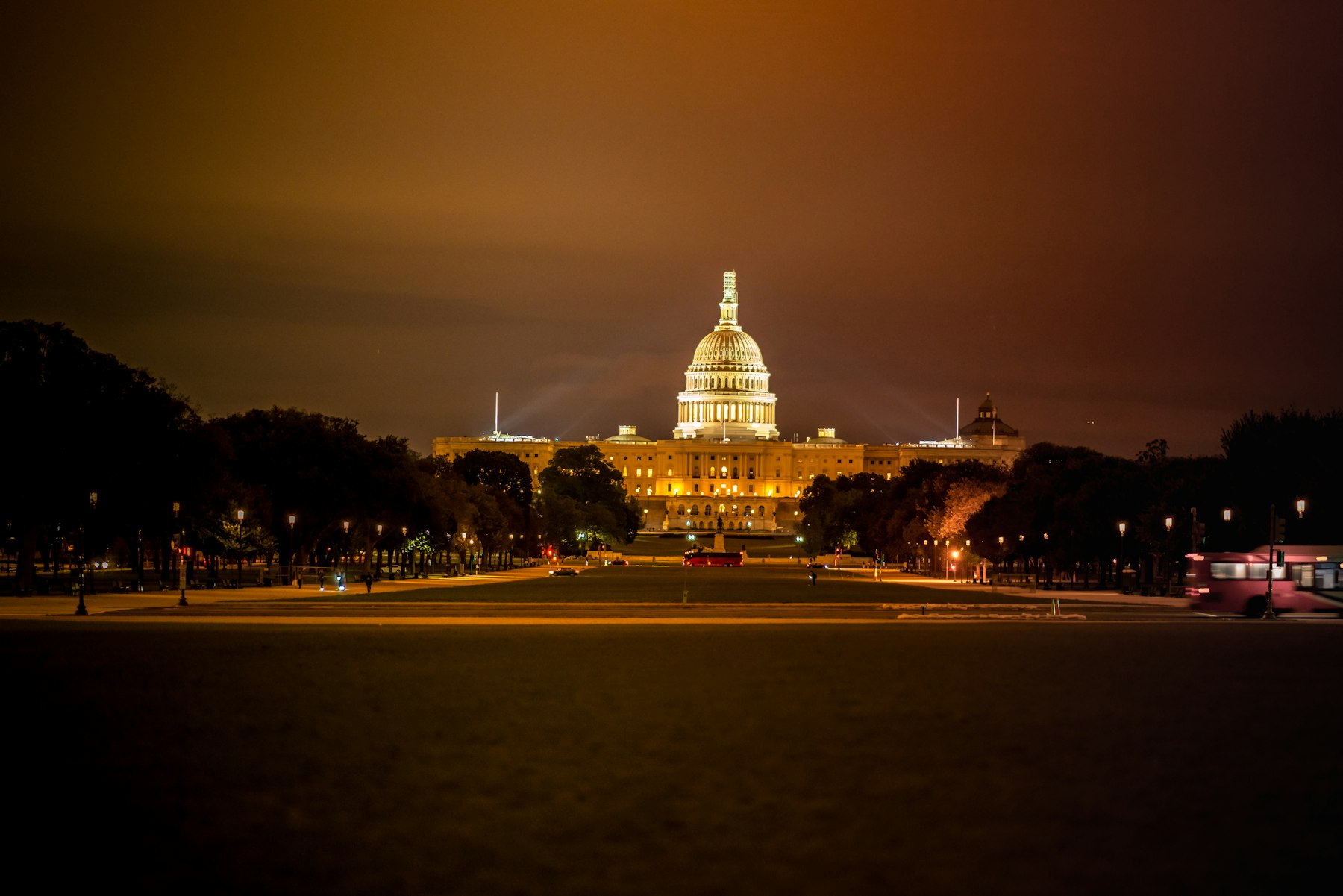
The Capitol from the far end of the Mall at night. Free to look at, free to walk to, free to tour if you booked it 90 days ago. That last clause is the whole trick of this city
Regions at a Glance
The National Mall
The memorials, the Smithsonian museums, the Capitol and the White House. Two miles of lawn with everything on it, and where most of a first trip happens.
Penn Quarter, Capitol Hill and Foggy Bottom
The neighborhoods within a mile of the Mall. The Spy Museum, Eastern Market, the Kennedy Center and the hotels that make the trip work.
U Street, Adams Morgan and the Zoo
Ben’s Chili Bowl, Ethiopian food, go-go on the corners and the free zoo on the hill. The city the locals live in.
Georgetown, Arlington and Beyond
The canal towpath and the shops, the cemetery across the river, Mount Vernon down the Potomac and the Shuttle out near Dulles.
Must See and Do
Six things, named specifically, with what they cost. Five of the six are free and I have said so plainly. If you take six lines off this page, take these.




Peak bloom 2026 landed on 26 March. The National Park Service had predicted 29 March to 1 April and was the closest of anybody. That is what booking a cherry blossom trip actually looks like
What Is Free, and What Is Not
This is the part I most want people outside America to read. In London or Paris or Berlin a family expects to hand over real money at the door of the big national museums. In Washington DC you do not, and the scale of it is hard to believe until you are standing in it. But free is not the same as frictionless, and a few things do cost, so here is the honest ledger.
Every Smithsonian museum in Washington DC is free, and there are seventeen of them plus the zoo. Natural History, American History, Air and Space, African American History and Culture, the American Indian, Portrait Gallery, American Art, Hirshhorn, Freer and Sackler, the Renwick, Postal, Anacostia. No admission, no family ticket, no concession rate, because there is nothing to concede. The Smithsonian Castle has been shut for renovation since 2023 with part of the first floor open only through 7 September 2026, so do not build a day around it.
Every memorial and monument on the National Mall is free and open twenty four hours a day. Lincoln, Jefferson, Vietnam, Korean War, World War II, Martin Luther King Jr, Franklin Delano Roosevelt. No tickets, no gates, no closing time. Rangers answer questions from 9:30 in the morning until 10 at night. If you have ever paid to walk up to a national landmark somewhere else, this takes a minute to sink in.
The National Gallery of Art is free, every day, 10am to 5pm, no ticket. Not a Smithsonian, still free. It has the only Leonardo da Vinci painting in the Americas. Its Sculpture Garden runs late in summer. If your children have a twenty minute art tolerance, this is the building where twenty minutes is enough and nobody has lost thirty pounds on the door.
The Capitol tour is free and the White House tour is free. Both need arranging in advance and both are covered further down this page. Arlington National Cemetery is free to enter. The Holocaust Memorial Museum is free. Ford’s Theatre issues free entry tickets, though check before you go because the historic theater and museum have been closed for maintenance work while the rest of the campus stays open.
Here is what does cost money, and it is a short list. The Washington Monument has no admission fee but charges a non refundable 1 dollar service fee per advance ticket. The Holocaust Museum’s permanent exhibition ticket carries a 1 dollar transaction fee if you book online. The Lincoln Memorial Undercroft tour is 1 dollar a ticket. The International Spy Museum is a real commercial ticket at around 26.95 dollars. Parking at the National Zoo is 30 dollars a vehicle bought a day ahead, 40 dollars on the day, which is more than most European museum entry.
Run the math for a family of five and it stops being an abstraction. Two adults and three children can spend four full days in the best museums in the country, walk to every monument, and tour the seat of the government, and the total admissions bill can be under twenty dollars. Your money goes on the hotel, the food and the transport. Nothing else. I do not know another world capital where that sentence is true.
Almost everything on the Mall is already free, so this will not save you a dollar in DC. It will on the rest of your American traveling, and it costs nothing, so claim it while free things are on your mind. Any US fourth grader, September to August, at everykidoutdoors.gov.
Doing It With Children
DC works with children when the day is built around one museum, one memorial and a rest in between.
One museum before lunch, not three. Free removes the filter that stops you dragging a bored six year old round a fourth gallery. Natural History for the elephant and the T rex, Air and Space with the pass, and stop.
The Mall is two miles, not a park. Four miles before lunch is how a DC day falls apart. The Circulator bus loops the Mall for a dollar, and a stroller for anyone under six even if they have outgrown it at home.
Back to the hotel at three, out again at seven. The mid afternoon rest is what makes DC work. Memorials after dark, Lincoln lit up, the Washington Monument reflected, and cooler air.
The carousel and the gardens are the breaks. The carousel on the Mall by the Castle, the Enid Haupt Garden behind it, and the sculpture garden fountain. Small children need these between buildings.
The zoo is free and uphill. The pandas, the elephants and a hill that runs the length of it. Take the Metro to Woodley Park, walk down through the zoo, and Metro home from Cleveland Park at the bottom.
Worth the Money in Washington DC
Almost nothing costs money here. These are the four things worth paying for.
A hotel within a mile of the Mall. The single splurge that changes the trip. The afternoon rest and the night walk depend on it.
The International Spy Museum. The one paid museum worth the ticket, with a mission the children carry through the building. Half a day.
A night monuments tour by bus or bike. Lincoln, Jefferson, the war memorials and the Capitol lit up, with a guide and no walking. The best two hours for tired legs and the one tour I book for every family.
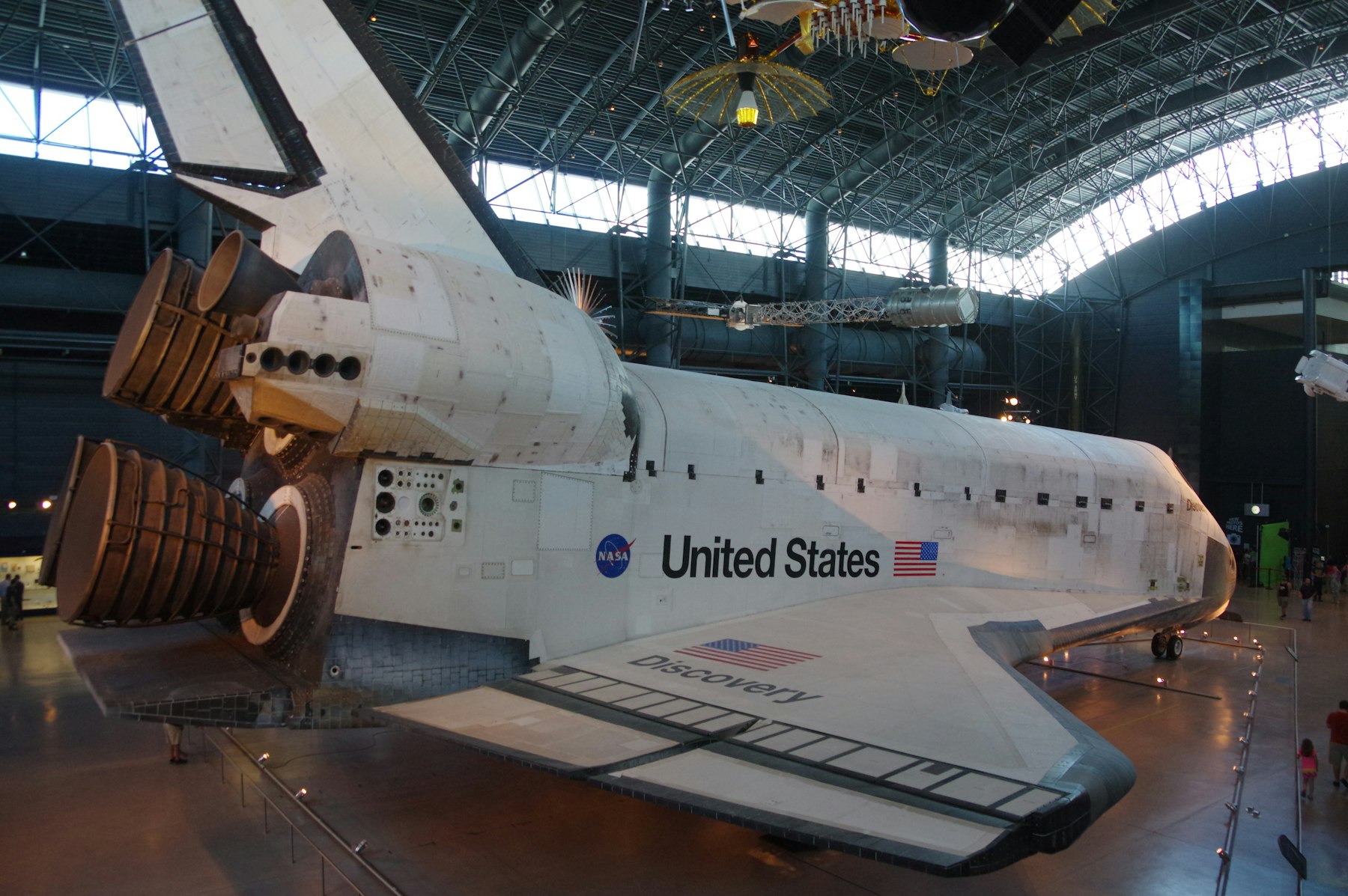
Udvar-Hazy and the Shuttle. The Air and Space annex near Dulles with Space Shuttle Discovery in a hangar. Free to enter, fifteen dollars to park, and a taxi or the bus from the Silver Line. A full morning for a space child.
Things That Surprise First Timers
There are no skyscrapers, and it changes how the city feels. Building heights in Washington are restricted, so the skyline is low and wide and the monuments actually dominate it. People arriving from New York or Chicago find it startlingly horizontal. It also means views from 270 feet up see everything.
Georgetown has no Metro station. The prettiest, most photographed neighborhood in the city is the one you cannot reach by train. You walk in from Foggy Bottom, or you take a bus or a rideshare. Families discover this at four in the afternoon with tired legs and it is a bad moment. Plan Georgetown as its own half day, not as a bolt on.
Free does not mean walk in, and the two get confused constantly. Natural History, American History and the National Gallery you simply walk into. Air and Space, African American History and Culture and the zoo all need a free pass booked ahead. Getting that distinction wrong is the most common way a DC day breaks, and it costs nothing to get right.
The air conditioning is arctic and the outside is a swamp. The temperature difference between the Mall in August and the inside of a Smithsonian is startling. Everyone needs a light layer in a bag, in summer, including the children who were complaining about the heat forty seconds earlier.
The monuments at night are better than the monuments by day and almost nobody does it. Cooler, quieter, lit, free, open all night, rangers on duty until ten. If you do one thing differently from the standard itinerary, do the memorials after dinner. It is the memory the children keep.
Something big is always shut for renovation and it changes yearly. The Smithsonian Castle has been closed since 2023. Air and Space has been rebuilding gallery by gallery for years with new spaces still opening through late 2026. Ford’s Theatre has had its historic theater and museum closed for maintenance. Check the specific building’s own website the week before you fly, not a travel article from last year.
Where I Would Start
Five people, the third week of October, four nights in Penn Quarter.
Natural History and the Lincoln at night. The elephant and the T rex before lunch, a picnic on the Mall, the hotel at three, and the Lincoln Memorial lit up after dinner.
Air and Space with the pass, the Archives after. The timed pass booked weeks ago, the Wright Flyer and the moon rock, then the Declaration under glass and a half smoke on U Street.
Arlington in the morning, the zoo in the afternoon. The Changing of the Guard, the Kennedy graves, the Metro to Woodley Park and downhill through the pandas.
The Capitol tour, the Old Post Office tower and the train. The free Capitol tour arranged weeks ahead, the free clock tower for the view, and Amtrak south to Williamsburg or north to New York.
Washington DC by the numbers
Facts to know before you go
Ways to travel
Washington DC is not one kind of trip
How you move through it changes the trip more than which places you pick.
Walking and hiking
The Mall is two miles end to end and the memorials are best on foot after dark. The C and O Canal towpath in Georgetown is the flat green walk away from the marble.
For example: the Lincoln to the Washington Monument after dark with a ranger to ask.Rail journeys
The Metro from the airport to the Mall, and Amtrak from Union Station to New York, Philadelphia and Williamsburg without a car.
For example: Union Station to Williamsburg on the Northeast Regional.Guided and small group travel
A night monuments tour by bus or bike, the Capitol tour arranged through a member of Congress or the visitor centre, and a Smithsonian docent walk.
For example: a night monuments bus tour with no walking.Road trips
DC is the start of the Virginia loop. Mount Vernon down the Potomac, Shenandoah two hours west, Williamsburg three hours south. Leave the car at the hotel for the city days.
For example: DC to Mount Vernon to Williamsburg with the car parked for the first four days.Explore by interest
What families come to Washington DC for

Sports
Nationals and Capitals
The Nationals at Navy Yard on a summer evening with the cheapest seats in baseball, the Capitals and Wizards downtown, and the Commanders out in Maryland.

History
The originals
The Declaration under glass at the Archives, the Lincoln Memorial, Arlington, and a museum of African American history that is the best building on the Mall.

Food and drink
Half smokes and injera
A half smoke at Ben’s, Ethiopian platters eaten by hand, mumbo sauce on wings, and the food trucks along the Mall at lunch.

Museums
Seventeen for free
Natural History for the elephant, Air and Space for the moon rock, the Spy Museum for the ticket, and a zoo with pandas that costs nothing.
Only In Washington DC
Only in Washington DC

Read
Where Lincoln Sits And Watches
The statue faces east down the Reflecting Pool toward the Capitol. Standing on the steps where Martin Luther King Jr. gave his 1963 speech is a real moment even for younger kids.Photo via Unsplash.

Watch
National Treasure
The movie’s stunt of stealing the Declaration of Independence is fiction, but the real document really is inside, guarded and lowered into a vault every night.Photo via Unsplash.

From Here
Where Every Law Starts
The Capitol dome you see on every DC postcard was actually built during the Civil War, when Lincoln insisted work continue as a sign the Union would hold.Photo via Unsplash.

Only Here
A Gift That Still Blooms
Japan gave DC over 3,000 cherry trees in 1912 as a gesture of friendship. They still bloom every spring around the Tidal Basin, and timing a trip around peak bloom is worth the effort.Photo via Unsplash.
Combine It With
The country guide this page sits under. Entry rules, driving, tipping, national park fees and how the rest of the country compares.
The other great American walking city, a few hours up the corridor, and the direct comparison that shows you what DC being free actually saves a family.
The opposite trip. Warm water and theme parks against marble and museums, two hours apart by air, and the pairing families combine most often.

Plan Washington DC with Nicole
Tell me who is coming, and when.
Washington DC is the city where families arrive with small children, no plan and eleven landmarks on the one weekend the whole country is there. I did it. Send me the ages and the dates and I will build the four days around one museum, one memorial and a rest in between.
Nicole Damiano, ASTA Verified Travel Advisor with FG Luxury Travel. Adventures We Seek is my travel blog and planning resource. Trips are booked through Favorite Grampy Travels.
Washington DC, Answered
How many days do we need? Three full days covers the Mall, two or three Smithsonians and the monuments at night. Four adds Mount Vernon or the zoo. Kids hit a museum wall after two a day, so plan one big museum in the morning, a run around on the Mall, and something outdoors in the afternoon.
Is it all free? Nearly. Every Smithsonian, the zoo, the monuments and the memorials are free. The Capitol tour is free with a booking. The Washington Monument elevator is free with a timed ticket that goes fast. You will pay for food, the Spy Museum and the Metro, and that is about it.
Which museums for which ages? Natural History and Air and Space for everyone from about four up. American History for the older ones who want the flag and the First Ladies. The National Museum of African American History and Culture for kids over about ten, and it needs a timed pass. The Spy Museum is the paid one that teens rate highest.
Where should we stay? Near a Metro stop. Foggy Bottom, Capitol Hill and Dupont Circle are the walkable ones. Crystal City and Arlington across the river are cheaper with a short Metro ride in. Downtown hotels near the Mall save the most walking with tired kids.
When is the best time? Late March for the cherry blossoms is beautiful and packed. April, May, September and October have the weather without the crowds. Summer is hot, humid and busy but the museums are air conditioned and the monuments at night are lovely. The Fourth of July on the Mall is a family event worth planning around once.
Keep exploring from Washington, D.C.
The rest of the states, and the wider map.
Click any card to open that page
More of the United States
 Montana
 South Carolina
 Louisiana
 Alaska
 Massachusetts
 Oregon
 Washington
 Wyoming
 Maine
Maine Texas
Texas New York City
 Illinois
 Nevada
 North Carolina
 Hawaii
 Georgia
 Tennessee
 Arizona
 Colorado
 Utah
Utah California
 Florida
 All of the United States
 All of North America
 Explore the world
 The Travel Library