
Arts
& Culture
museums, music, and making something
Culture with children fails when it is passive and works when it is not. A gallery is a room where you are told to look and not touch and be quiet, which is close to the worst possible design for a nine year old. The same city will have a pottery class, a street musician and a workshop where they make something, and those are the things they will talk about afterwards.
The museum rule
One museum per city, two hours maximum, and go and see three things rather than everything.
Pick the three before you go in. Let each child choose one of them. A child looking for a specific painting behaves entirely differently from a child being walked past four hundred of them.
Buy tickets in advance for anything popular. Lining up is the part children cannot do.
Many major museums have children’s trails, backpacks or activity sheets at the desk and almost nobody asks. Ask.
Then leave and get ice cream. Ending on a high is the entire technique.
Making it beats looking at it
Any workshop where a child produces an object is worth three museums. Pottery, printing, mosaic, cooking, calligraphy, weaving, glass.
We did a traditional tea and dessert making class in Gwangju and it is the thing my kids still bring up about Korea. Not the palaces. The afternoon where they made something with their hands.
These are usually inexpensive, widely available and almost never on a standard itinerary. You have to look for them and they are always worth it.
And the object comes home, which means the trip stays in the house.
Theater, architecture and the stuff with a local tradition attached
A puppet show in Prague or a shadow play in Bali does not need the language to land. Watch the kids faces instead of the subtitles.
Buildings count as art too. Gaudi in Barcelona, the pagodas in Kyoto, the half timbered houses in half of Germany. Point out what makes one different from the next town over and they start noticing on their own.
Local festivals, dances, textiles and food traditions are culture too and none of it requires a ticket. A market selling the same lace pattern for two hundred years is a museum that happens to be outside.
We stop for whatever is happening. A parade, a craft fair, a group of kids doing a traditional dance in a square. You cannot plan for it and that is the point.
Live music, which is underrated with children
Live music requires nothing of a child except being there, which makes it the easiest cultural experience of all.
Street performers, church concerts, folk sessions in Irish pubs in the early evening, buskers in a metro station. Free or nearly free, and children are captivated by proximity to somebody actually playing.
Many cities have short lunchtime concerts in churches, often free, usually about forty five minutes. Perfect length.
Flamenco in Spain, traditional sessions in Ireland, opera rehearsals in Italy, jazz in New Orleans. All of these work with children far better than parents expect.
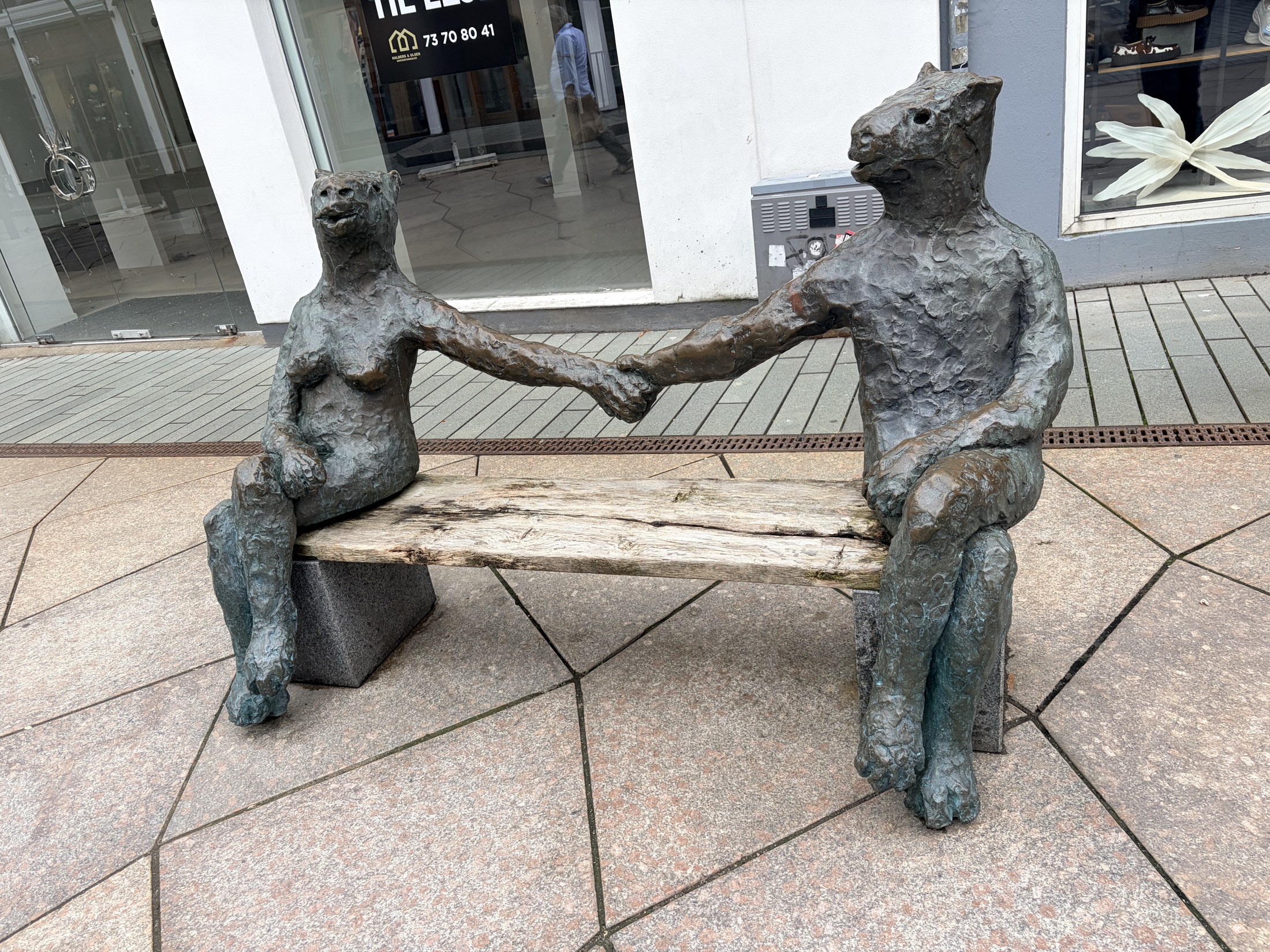
Where it works
- ParisThe Louvre, but also the workshops, the parks and the street music.
- FlorenceWhere Renaissance art is on the street rather than behind glass.
- ViennaMusic as a civic institution, and concerts pitched at families.
- BarcelonaGaudí, which children respond to because it looks like it melted.
- AmsterdamGreat museums with good children’s programming.
- South KoreaCraft classes, hanbok, and traditional arts you take part in.
- JapanCalligraphy, ceramics, and craft treated with total seriousness.
- ItalyMosaic, glass, marbled paper, and workshops in every city.
- IrelandMusic in pubs from six in the evening, and children are welcome.
- MexicoColor, murals, markets and craft everywhere you look.
- MoroccoTilework, leather, metal, and workshops you can visit.
- PraguePuppets, marionettes and a long tradition of making them.
Religious sites, which count and are free
Cathedrals, mosques, temples and synagogues are usually the most impressive buildings in any city and are free or nearly free to enter.
They are also where the art is, for most of European history, which means you get the paintings and the sculpture without a ticket or a line.
Dress requirements apply and vary. Covered shoulders and knees in most of Europe, shoes off and heads covered in others. Have something in the bag rather than being turned away.
Talk about it before going in. Quiet, respectful, this is somewhere people come to pray. Children manage this well when they understand why.
And they are cool and quiet in the middle of a hot day, which is not a spiritual argument but is a practical one.
Finding the workshops and the small concerts in a city takes local knowledge, and it is exactly the sort of thing worth asking me about. Those are the days families remember.
Questions people actually ask
The ones that come up before anyone books. If yours isn’t here, ask me.
How long should children spend in a museum?
Around two hours at most, focused on three chosen exhibits rather than complete coverage. Letting each child select one item in advance changes how they engage with the visit.
Do museums have activities for children?
Many major museums offer children’s trails, activity backpacks or worksheets at the entrance desk, though they are rarely advertised prominently. It is worth asking on arrival.
What cultural activities work best with children?
Workshops where children make an object, such as pottery, printing, mosaic or cooking, are consistently more memorable than gallery visits. Live music also works well as it requires nothing of a child but attendance.
Are religious sites worth visiting with children?
Yes. They are usually the most impressive buildings in a city, are free or inexpensive, and contain much of the historic art. Dress requirements vary, and explaining expectations beforehand helps children behave appropriately.
Where is best for arts and culture with kids?
Paris, Florence, Vienna and Barcelona for European art and music, South Korea and Japan for hands-on craft traditions, Italy for workshops in most cities, and Ireland for accessible live music from early evening.
More in Themes and Interests
- HistoryWhere the past is still standing.→
- Books & StoriesGo and stand where the book happened.→
- Food & DrinkEat the thing the place is known for.→
- Nature & WildlifeAnimals in the wild, not in an enclosure.→
- SportsWatching, and playing, abroad.→
- Seasonal JourneysAutumn color, winter markets, spring bloom.→
- Festivals & TraditionsTurn up on the right week.→
- Adventure & OutdoorsThe trips that need a change of clothes.→
Keep reading
Written and kept current by Nicole Damiano, ASTA Verified Travel Advisor with FG Luxury Travel. If something here is out of date, tell me and I will fix it.
Tell me who is coming and how long you have.
That is usually enough to know if this is a ship, a train, or a car with the windows down.
