
History
where the past is still standing
Children do not care about dates. They care about if somebody died there, if you can climb it, and if anyone was hiding. Every history trip we have done that worked, worked because there was a story attached to a place you could stand in. Every one that failed was a room of glass cases with small labels.
How to make history actually interesting to kids
One story per site. Not the whole history of the building. One person, one thing that happened to them, one place you can point at.
Physical is better than informational. A staircase they can climb, a wall they can touch, a tunnel they can go down. My kids remember the staircase in Dubrovnik because they walked it, not because anybody explained it.
Let them be gruesome. Children are drawn to the grim bits and there is nothing wrong with that. Sieges, prisons, plagues and executions are how a lot of children get interested in the past, and it works.
Get a guide for the one site that matters most. A person who tells it well is worth more than five audio guides.
And keep it short. Ninety minutes at a historic site with a good story beats four hours of thorough coverage every single time.
History Hunts turn a site visit into a search, so kids are hunting for details instead of trailing behind you.
See History HuntsWhere we would start
If your children are new to this, start somewhere the history is obvious and physical. A castle with walls to walk. A battlefield with the ground still shaped by it. A city with a wall around it.
Save the museums and the subtle places until they are older and already interested. Nothing kills a child’s appetite for history like being made to walk slowly past objects.
- RomeThe Colosseum, the Forum, and a city where you trip over the ancient world.
- LondonThe Tower, the crown jewels, and a thousand years in walking distance.
- EgyptTombs, temples and the trip that turns children into historians.
- GreeceRuins you are allowed to walk through rather than look at.
- ItalyEvery era stacked on top of the last one.
- PeruInca stonework nobody has fully explained.
- CroatiaWalled cities, Roman palaces, and steps to climb.
- DenmarkVikings, castles, and battlefields like Dybbøl.
- TurkeyWhere east and west have been arguing for three thousand years.
- Washington DCFree museums and the founding documents in a case.
- MassachusettsWhere the American story starts, and it is walkable.

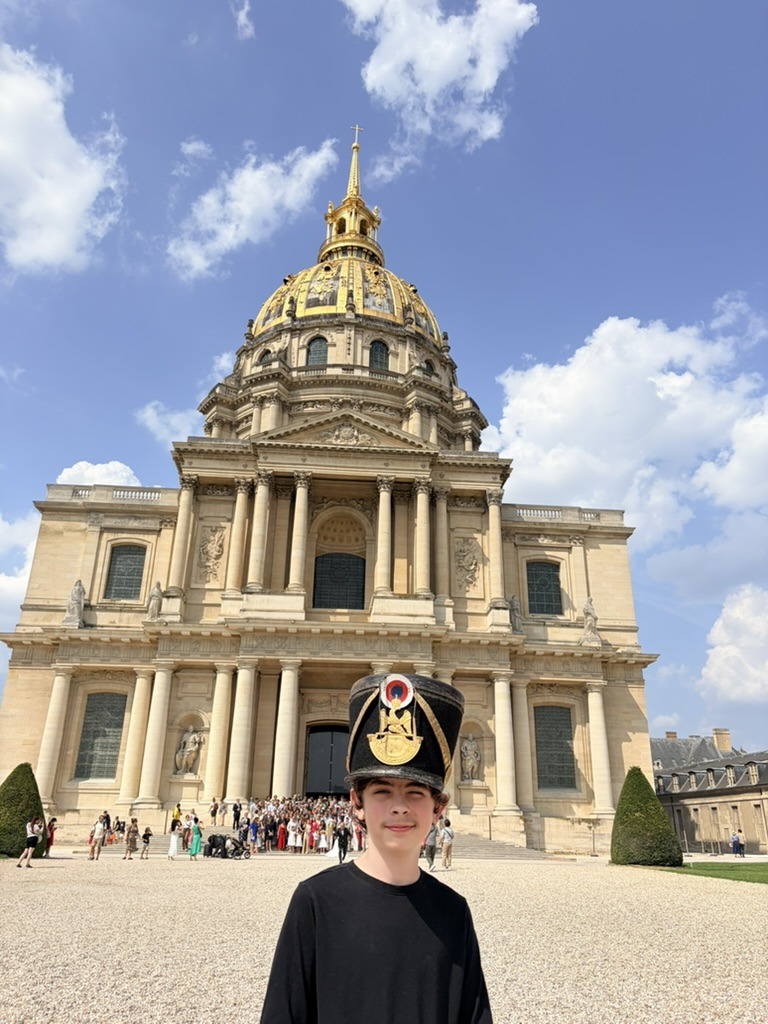
Doing it well on the day
Go early. Historic sites are empty at opening and unbearable by midday, and the atmosphere of an empty ruin is half of what you came for.
Read something first. One picture book, one film, one chapter. A child who arrives already knowing who lived there behaves completely differently.
Buy the guidebook aimed at children if there is one, and let them lead you round with it.
And leave while they are still interested. The instinct to get your money’s worth is what turns a good morning into a bad afternoon.
If your family has one period or one story they are already interested in, tell me and I will build a trip around it. Those are my favorite ones to plan because the children arrive already caring.
Questions people actually ask
The ones that come up before anyone books. If yours isn’t here, ask me.
How do you make historic sites interesting for children?
Focus on one story per site rather than complete coverage, prioritize physical experiences such as climbing walls or walking tunnels, allow the grimmer subject matter that children find compelling, and keep visits to around ninety minutes.
What is the best first history destination for kids?
Somewhere the history is visible and physical, such as a walled city, a castle with accessible ramparts or a battlefield. Museum-based destinations work better once children are already interested.
Should you hire a guide for historic sites?
For the single most important site of a trip, yes. A guide who tells the story well engages children far more effectively than audio guides or signage.
How long should a family spend at a historic site?
Around ninety minutes is usually optimal. Leaving while children are still engaged preserves their interest for the rest of the trip.
How can you prepare children before visiting a historic place?
Read a picture book, watch a film or read a single chapter about the place beforehand. Children who arrive knowing who lived somewhere engage very differently on arrival.
More in Themes and Interests
- Books & StoriesGo and stand where the book happened.→
- Food & DrinkEat the thing the place is known for.→
- Arts & CultureMuseums, music, and making something.→
- Nature & WildlifeAnimals in the wild, not in an enclosure.→
- SportsWatching, and playing, abroad.→
- Seasonal JourneysAutumn color, winter markets, spring bloom.→
- Festivals & TraditionsTurn up on the right week.→
- Adventure & OutdoorsThe trips that need a change of clothes.→
Keep reading
Written and kept current by Nicole Damiano, ASTA Verified Travel Advisor with FG Luxury Travel. If something here is out of date, tell me and I will fix it.
Tell me who is coming and how long you have.
That is usually enough to know if this is a ship, a train, or a car with the windows down.
