
Zion Canyon. We came into Utah from Colorado in a rented Ford Fusion with camping gear in the trunk and no plan past the next park
Utah With Kids Family Travel Guide
“Utah has five national parks and only about three of them work with young children. Nobody tells you that before you book the loop.”
Nicole Damiano, ASTA Verified Travel Advisor with FG Luxury Travel
Can we do all five national parks in one trip?
Yes, in about ten days, but it is a lot of driving and a lot of red rock in a row. Zion and Bryce together in four days is the family favorite. Add Arches and Canyonlands from Moab for a full loop and leave Capitol Reef for the family that wants the quiet one.
Which park is best for small kids?
Bryce Canyon. The rim walk is flat and paved, the hoodoos look like a fairy tale, and the short Queen's Garden trail goes down among them without being scary. Zion's Riverside Walk and the Narrows wading are close behind for kids who like water.
Is the Narrows safe for kids?
The first mile from the end of Riverside Walk is knee deep and calm in summer and kids from about six wade it happily in rented water shoes and a walking stick. Check the flash flood rating at the visitor center every morning and do not go in when it is high. Turn around before anyone is cold.
When is the best time to go?
April, May, September and October. Summer is hot in Zion and Arches, over a hundred degrees by noon, and the shuttle lines are long. Bryce is higher and cooler. Winter is quiet and Bryce under snow is one of the prettiest things in the country, but some trails close.
Do we need reservations?
Angels Landing needs a permit lottery. Arches has timed entry in the busy season. Zion's shuttle is first come but the parking fills by eight. Lodges inside Zion and Bryce book out a year ahead. Springdale and Moab have plenty of hotels if you book by winter.
Nicole’s Perspective
Why families hire me for Utah

We drove into Utah from Colorado once with a cooler, a tent, and a paper map. Arches first. We hiked, set up camp, and the temperature dropped to 24 degrees overnight. I still am not sure how we survived that night, and it is still one I talk about most.
The next morning we drove south and the landscape changed every twenty minutes. Red sandstone arches giving way to hoodoos, then slot canyons, then something that looked almost lunar.
Bryce Canyon at sunrise turns a deep, glowing orange that no photo quite captures. Zion’s canyon walls rise straight up on both sides of the road like the earth just opened.
Utah packs five completely different landscapes into one state, and none of them look like they belong on the same planet, let alone the same road trip.
Beyond the Bookshelf
A shelf of red rock and pioneers, Abbey out in the desert, Imagine Dragons for the long drives and a pioneer table to bring it all home.

- Desert SolitaireEdward Abbey
- RefugeTerry Tempest Williams
- The 19th WifeDavid Ebershoff
- Roughing ItMark Twain
- The Monkey Wrench GangEdward Abbey
- Good Night UtahAdam Gamble
- Everybody Needs a RockByrd Baylor
- The Way to Start a DayByrd Baylor
- RoxaboxenAlice McLerran
- This Immeasurable PlaceBlake Spalding & Jen Castle
- The Lion House Cookbook
Book links go to Bookshop.org, which supports local bookstores. Film and music links go to JustWatch and Spotify. As an affiliate we may earn from qualifying purchases.
Why this country, for this family
Why Utah works with kids
 Poppy marks the family parts. Wherever you see her, that section is written for traveling with children.
We drove in from Colorado with a cooler, a tent and a paper map, camped at Arches and survived a 24 degree night I still talk about. Utah packs five landscapes into one state and none of them look like the same planet. Children notice.
The best playground in America is a state park
Goblin Valley, twenty dollars a car, thousands of mushroom shaped rocks and no ropes, no cliff edges. Children are meant to run loose in it.
A river you walk up between thousand foot walls
The Narrows in Zion, from the paved Riverside Walk into the Virgin River, no permit needed as far as Big Spring. Wet shoes and a walking stick and a nine year old is thrilled.
Junior Ranger badges at five parks
A booklet at every visitor centre, a ranger swearing them in, a badge. It turns driving days into a project and it is free.
The map
Utah Place by Place
This is how I plan Utah national parks with kids. Eight places worth planning around. Southern Utah is where the parks are and where most families spend their time. The north is where the airport, the cities and the ski mountains sit. Decide which half your trip belongs to before you book a flight, because they are four hours apart and the drive is not the point.


State song Utah, This Is the Place, from what Brigham Young said in 1847. Good to know Mountain time. Sales tax about seven percent. Beer and wine have their own rules here, and Sunday is quiet in the small towns.
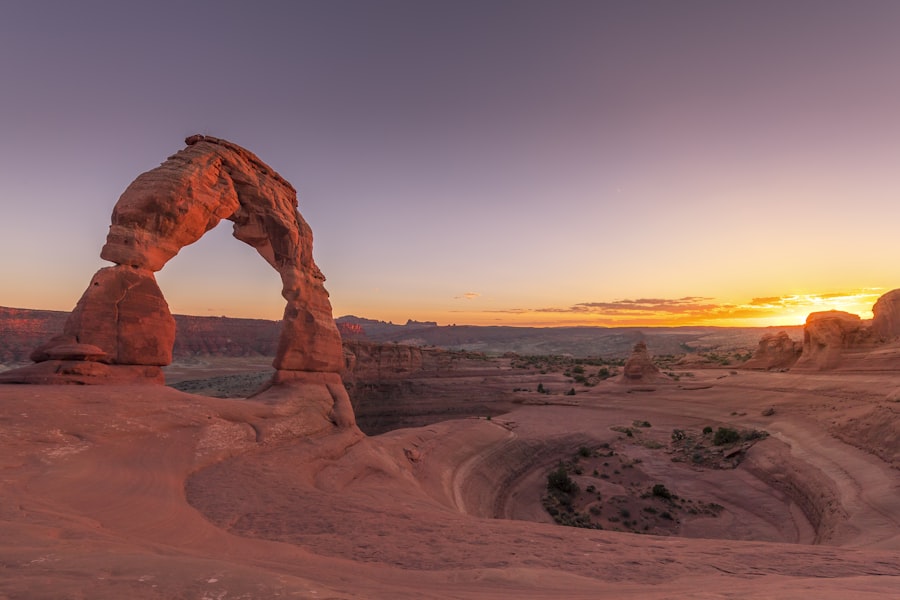
Arches

Bryce Canyon
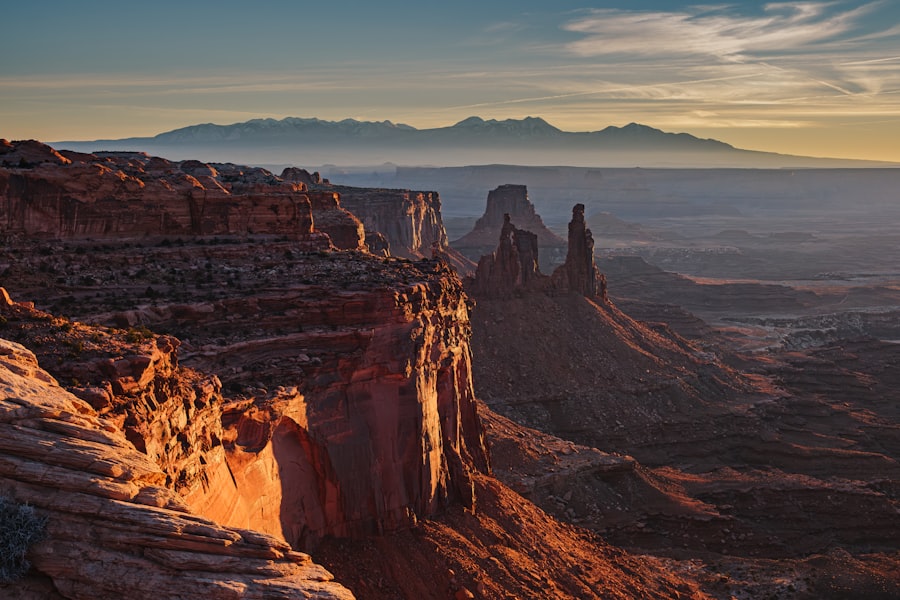
Canyonlands

Capitol Reef
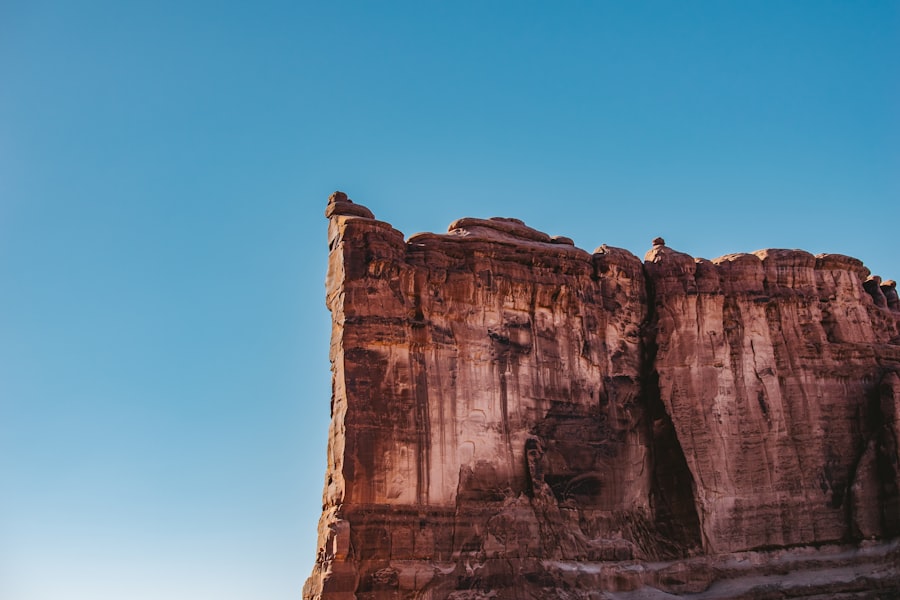
Moab

Park City

Salt Lake City
Zion
Utah Is Pioneers, Dinosaurs and a Salt Lake
The Mormon pioneers walked here in 1847, the dinosaurs died here 150 million years earlier, and the whole state still runs on a Sunday quiet that surprises visitors.
Temple Square and the pioneer story. Salt Lake City was laid out by Brigham Young around the temple, and the visitor centres, the Tabernacle organ and the handcart story at This Is the Place park are told well and free. Children like the organ.
Dinosaurs, everywhere. Dinosaur National Monument has a wall of bones you can touch, the Natural History Museum of Utah in Salt Lake has the best gallery in the west, and Moab has tracks in the rock outside town. The state fossil is the Allosaurus.
The Ancestral Puebloans and the Fremont. Petroglyph panels at Newspaper Rock and along the Capitol Reef scenic drive, cliff granaries in Canyonlands. A thousand years old and a short walk from the car.
The Olympics came twice. Park City hosted in 2002 and the games come back in 2034. The Olympic Park lets children ride the bobsled track in summer and the ski jumps land in a pool.
Sunday is quiet and the beer is weak. Many shops and restaurants close on Sunday outside the tourist towns, grocery beer is capped, and the state liquor store is a separate errand. Not a problem, just different.
What to Eat in Utah
Utah food is diner food with one strange sauce, and the small towns near the parks do it well.
Fry sauce. Mayonnaise and ketchup mixed together, Utah’s contribution to food. On fries, on burgers, at every drive in. Every child in your car will demand it for the rest of the trip.
A burger and a shake at Milt’s in Moab. Open since 1954, the oldest restaurant in town, a buffalo burger and a thick shake. The dinner after Arches.
Pie in Torrey and Capitol Reef. The Gifford House inside the park sells fruit pies from the orchards, and the Fruita orchards let you pick in season. The best cheap thing in the Mighty Five.
Navajo tacos near Monument Valley. Frybread with beans, meat and cheese from the stands at the Utah end of the valley. Big enough to share and the right lunch on the way to Arizona.
Scones and funeral potatoes. Utah scones are fried dough with honey butter, and funeral potatoes are a cheesy hash brown bake served at every gathering. Order both at a small town café and ask about the name.
Getting Around and Real Drive Times
You will drive. There is no version of this trip without a car, and the distances are the part people underestimate most.
Two airports, two trips. Salt Lake City is the main hub and sits four hours from Moab and four and a half from Zion. Las Vegas is 170 miles and two and a half hours from Zion, which makes it the better arrival for a Zion and Bryce trip even though it is in another state.
The legs,. Zion to Bryce is 84 miles and about two hours. Bryce to Capitol Reef is 105 miles and two hours. Capitol Reef to Moab is 164 miles and three hours. Salt Lake City to Moab is 240 miles and four hours. None of those are motorway hours.
Fill up before you think you need to. There are stretches of Highway 24 and Highway 95 with 60 or 70 miles between fuel stops and no mobile signal. Download offline maps before you leave Moab or Torrey.
Winter closes things. Highway 12 over Boulder Mountain and parts of the high country close or get treacherous with snow. Bryce is open all winter and beautiful in it, but the road in is a mountain road.

Goblin Valley. Twenty dollars a car and the best playground in the state.
Money and Practical Basics
Buy the America the Beautiful pass. 80 dollars for US residents, valid a year at every federal site. Zion plus Bryce plus Arches alone is 100 dollars in gate fees. It pays for itself on park three. Fourth graders get one free for their family through the Every Kid Outdoors program.
Non US residents, read this twice, because almost nobody has written it up for families. From 1 January 2026 there is an extra 100 dollar charge per person aged 16 and over at eleven headline national parks, on top of the normal entrance fee, and it is charged at each of those parks. In Utah that means Zion and Bryce Canyon. Arches, Canyonlands and Capitol Reef are not on the list, which really changes how you route a trip. Children 15 and under are exempt from the surcharge and from the standard entrance fee. Photo ID is checked at the gate. The America the Beautiful Non Resident Annual Pass went from 80 dollars to 250 and waives the surcharge, while US residents still pay 80. Two adults doing both Zion and Bryce is 400 dollars in surcharge alone, so the 250 dollar pass stops being a luxury and starts being the obvious move.
Most park gates are cashless. Card only at the entrance stations. Small towns like Torrey and Escalante still have places that are cash friendly and patchy card signal, so carry some anyway.
Utah’s alcohol rules are their own thing. Beer in grocery stores is capped at 5 percent, anything stronger comes from a state liquor store, and restaurants have their own licensing quirks. It surprises people. It is not a problem, it is just different.
Campgrounds book six months out. Devils Garden in Arches and Watchman in Zion release on a rolling six month window on Recreation.gov and go in minutes. If you want to camp in a park, set a calendar reminder.
When to Go
April to mid May is the best window. Warm days, cold nights, water still running in the canyons and the crowds not yet at full volume. This is what I book for clients when they have a choice.
Late September to October is the second best. The heat breaks, the light goes gold and the summer families have gone home. Nights get properly cold at Bryce, which sits above 8,000 feet, so pack for two seasons.
June through August is the hardest. It is also when most families can travel, so if that is your window, start hikes at 6am, be off the rock by 11, and spend the afternoon in water or at elevation. Do not try to power through it.
Winter is the secret. Zion’s shuttle stops running and you can drive the scenic road yourself. Bryce’s hoodoos with snow on them is the single best sight in the state. Fewer than a fifth of the annual visitors are there. Roads can close, so keep the plan loose.
Free entrance days in 2026. 16 February, 25 May, 14 June, 3 to 5 July, 25 August, 17 September, 27 October and 11 November. Every fee charging park in the country is free on those days, which also means every one of them is busier.
How Many Days & First-Trip Routing
How many days do we need in Utah? Four nights in Moab covers Arches, Island in the Sky, Dead Horse Point and a half day on the river.
You unpack once and drive out to all of it.
A week lets you add Capitol Reef or Bryce, with one more base on the way.
Moab As A Base
If you only have one southern Utah base, make it Moab. Arches is five minutes from town. Canyonlands Island in the Sky is about 45 minutes. Dead Horse Point is half an hour. You can unpack once and still see three headline landscapes.
Book early and expect to pay. Moab is a small town of a few thousand people absorbing millions of visitors. Spring and autumn weekends sell out months ahead and rates roughly double. Green River, 50 minutes north, is the pressure valve.
You do not need a Jeep. Every rental desk in town will try to sell you one. The paved roads in Arches and Island in the Sky are ordinary two wheel drive roads. Book a guided four wheel drive half day instead if the kids want that, and let somebody else own the tires.
The Colorado River is the reset button. A half day rafting trip on the calm stretch upstream of town is the thing that saves a trip that has gone sour on hiking. Flat water, cold, and everybody gets wet.
Look up. Arches, Canyonlands, Capitol Reef, Bryce and Dead Horse Point are all certified Dark Sky places. On a moonless night in Moab you can see the Milky Way from a parking lot. That is free and it is the thing my kids would rank first.
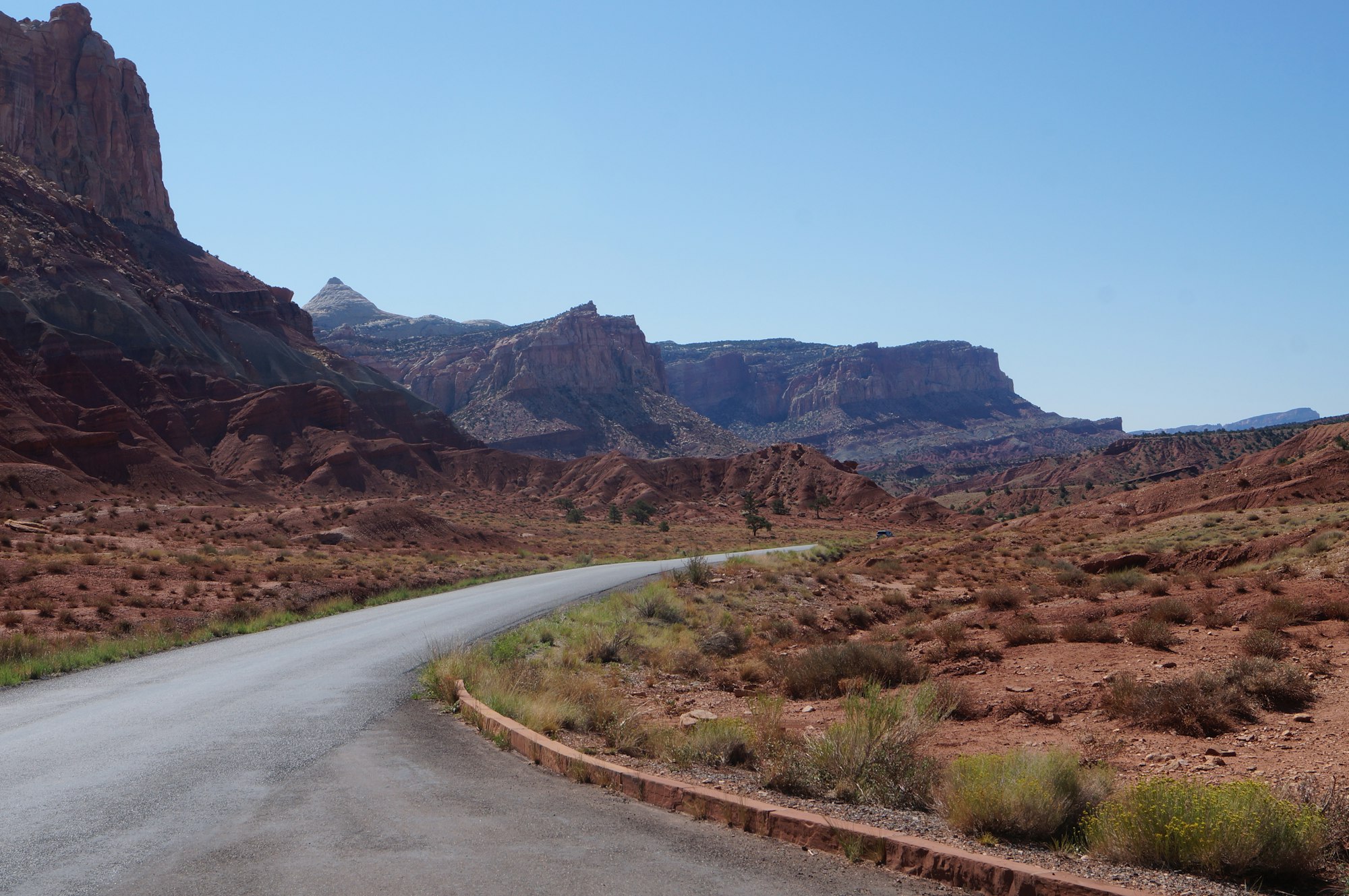
The Mighty Five loop from Salt Lake City runs roughly 1,040 miles. That is the number most families do not price in
Utah Is More Than the Mighty Five
The state parks are the most underrated thing in Utah and they are cheaper, quieter and often better suited to children than the national parks beside them.
Goblin Valley State Park. 20 dollars a vehicle. Thousands of eroded hoodoos on an open valley floor with no ropes and no cliff edges. Children are meant to climb on them. There is nowhere else in the country like it.
Dead Horse Point State Park. 20 dollars a vehicle, fenced overlooks, a proper visitor center and the same 2,000 foot canyon view as Canyonlands with a fraction of the people.
Park City and the Wasatch. Forty minutes from Salt Lake City airport, which is the shortest airport to ski slope transfer in America. Utah elevator tickets are not cheap but the drive time you save is real, and Main Street is walkable in a way Vail is not.
Dinosaurs. Utah is one of the best dinosaur states. The Cleveland Lloyd Dinosaur Quarry, Dinosaur National Monument on the Colorado border, and the Natural History Museum of Utah in Salt Lake City. If you have a five year old in a phase, plan around this.

Bryce at sunrise. Above 8,000 feet, and the fleeces come out in July.
Regions at a Glance
Zion and the Southwest
Springdale, Zion, St George and the road from Las Vegas. The park to keep, the shuttle, the Narrows and the heat.
Bryce and Scenic Byway 12
Bryce Canyon, Escalante, Boulder Mountain and Capitol Reef. High, cool, hoodoos, pie and the best drive in the state.
Moab and the Southeast
Arches, Canyonlands, Dead Horse Point and Goblin Valley. One base, three landscapes and the scenic flight.
Salt Lake and the North
The airport, Temple Square, the dinosaur museum, Park City and the ski mountains. Four hours from the parks and a winter trip of its own.
Must See and Do
Six things, named specifically, that I would build a Utah week around. Not a wish list. These are the ones that hold up when you are tired, hot and traveling with people under twelve.



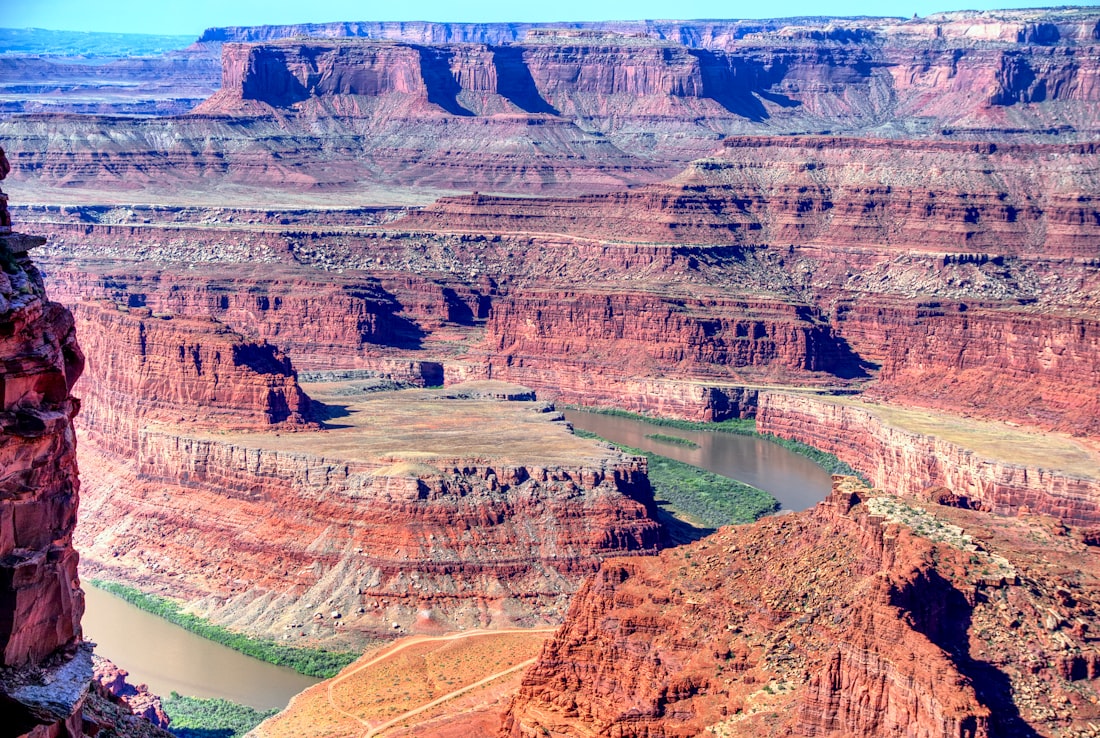
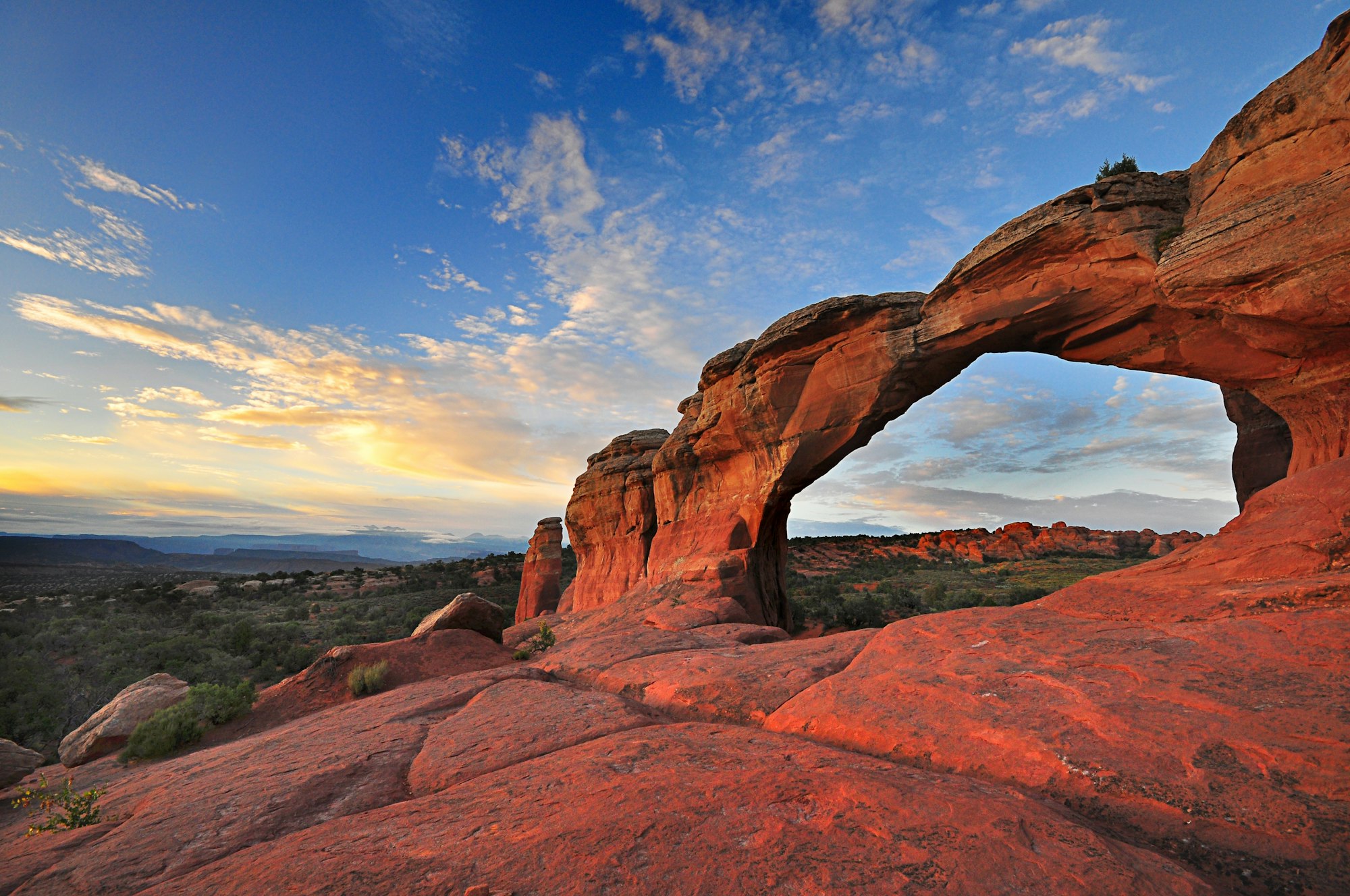
Arches holds more than 2,000 documented natural arches, the greatest concentration anywhere in the country
The Mighty Five
Utah Mighty 5 with kids means treating it as five trips, not one. Utah markets these five as a set. They are not a set. They are five very different parks separated by long empty drives, and the honest ranking for families is not the honest ranking for photographers.
Zion is the one to keep. It took 4,984,520 recreation visits in 2025, second busiest national park in the country behind the Smokies. Entry is 35 dollars a vehicle for seven days, 20 dollars if you walk in. It has a river you can play in, shade, a paved riverside trail and a free shuttle. It is the most child friendly of the five by a distance.
The Zion shuttle is not optional in season, and this is the rule people get wrong most often. The 2026 season opened on Saturday 7 March. While it is running, private cars are banned from the Zion Canyon Scenic Drive completely. No permit, no exception, no dropping somebody at a trailhead. The shuttle itself is free, you do not book it, and the first bus leaves the visitor center at 7am. Last year the autumn service finished on 30 November and cars were let back onto the scenic drive from 1 December. So if driving that road yourself matters to you, you are talking about winter. The Zion Mount Carmel Highway, Kolob Terrace Road and Kolob Canyons Scenic Drive stay open to cars all year, and bicycles are allowed on the scenic drive year round.
Arches dropped timed entry for 2026. The park service announced on 18 February 2026 that no timed entry reservation is required this year, after four seasons of the pilot. Entry is 30 dollars a vehicle. You still need reservations for Devils Garden campground and the ranger led Fiery Furnace walk. Visitation there rose 74 percent between 2011 and 2021, which is why the system existed at all.
Bryce is the easiest big view in Utah and by a long way the coldest. 35 dollars a vehicle. It took 1.97 million visits in 2025, down 21 percent on the year before, which makes it the quietest of the famous three. The rim sits above 8,000 feet and Rainbow Point at the end of the road is 9,115, nearly 4,000 feet higher than the visitor centers at Zion and Arches. The park service says that from October to May the temperature there drops below freezing nearly every night. The amphitheatre view is about forty steps from the parking lot, so if you have a child who does not hike, Bryce still works.
The Bryce shuttle is the exact opposite of Zion’s. It is free with your entry receipt and it is completely optional, so you can still drive to every viewpoint yourself. In 2026 it runs 3 April to 18 October, 8am to 8pm through the middle of summer and 8am to 6pm either side. Take it anyway on a busy day, because the parking lots at Sunrise and Sunset Point fill by mid morning.
The one Bryce hike to do with children is Queen’s Garden into Navajo Loop. 2.9 miles, 625 feet of climb, two to three hours, rated moderate by the park service. Go clockwise, down from Sunrise Point and back up to Sunset, because the steep Navajo section is where most of the injuries happen when people try to descend it. Remember you are starting above 8,000 feet, so the climb out is harder than the number looks.
Canyonlands is enormous and mostly for grown ups. 30 dollars a vehicle, or share the 55 dollar Southeast Utah annual pass with Arches. Island in the Sky is the district you want with children, ten miles north of Moab on US 191 and about forty minutes door to door, sitting on a mesa more than 1,000 feet above everything around it. The Needles is roughly an hour and a half from Moab on its own separate road. The Maze needs a proper four wheel drive and a plan. There is no direct road between any of the districts and the park service puts it at two to six hours by car to get from one to another, so treat them as different trips, not a loop.
Capitol Reef is the quiet one and the cheapest. 20 dollars a vehicle, and that fee only applies once you drive the Scenic Drive itself. The historic Fruita orchards let you pick fruit, and the season is specific. Cherries mid June to early July, apricots in July, peaches and pears in August, apples from September to mid October. You weigh what you pick at a self pay station on the way out, and eating ripe fruit while you are standing in the orchard is free and allowed, which children find very hard to believe. The Gifford House sells pie, jam and ice cream from mid March through October. It is the park I would keep if you are traveling with someone who has run out of patience for canyons.
If one of your kids is in fourth grade this year, Zion, Bryce, Arches, Canyonlands and Capitol Reef are free. Every US fourth grader can claim a federal lands pass that covers entrance fees for everyone in one vehicle, September through August. It is called Every Kid Outdoors, it costs nothing, and you print it yourself at everykidoutdoors.gov.
Which Park For Which Child
Under five. Zion and Bryce. Both have paved, flat, buggy friendly walks with a serious view at the end. Skip Canyonlands entirely, the drop offs are unfenced and the walk from parking lot to viewpoint is often exposed slickrock.
Six to ten. Zion, Arches and Goblin Valley. This is the age where scrambling on rock becomes the whole point. Delicate Arch is a three mile round trip that climbs 480 feet across open slickrock with a narrow ledge section near the end, and the park service says plainly that rangers frequently rescue people who underestimated it. Fine for a confident eight year old, miserable for a reluctant one. If you are not sure, the lower viewpoint is a level hundred yards from the parking lot and the upper viewpoint is half a mile with stairs.
Eleven and up. Add The Narrows, Angels Landing if they have a permit and a head for it, and a half day of canyoneering out of Moab. This is the age Utah stops being scenery and starts being an actual adventure.
Any age,. Nobody enjoys three hours in a car in the desert. Break the Capitol Reef to Moab leg with a stop. It is 164 miles and three hours and there is very little in between.
Angels Landing, and Why It Is Not a Family Hike
This is the hike everyone has seen a photograph of, and it is the one I spend the most time talking clients out of. Two things have changed since the pictures that made it famous. You cannot simply turn up and walk it any more, and the part everybody photographs is dangerous. Both are worth understanding before somebody in your family sets their heart on it.
Everyone going past Scout Lookout needs a permit, and permits only come from a lottery. The park service brought this in during April 2022 because of crowding and safety. There are two ways in. The seasonal lottery, which opens months ahead of your dates, and the day before lottery, which takes applications from 12:01am until 3pm Mountain Time the day before you want to hike. In 2026 the seasonal lotteries opened on 13 February for spring, 1 April for summer, 1 July for autumn and 1 October for winter.
It costs 6 dollars to apply and 3 dollars a person if you win. The 6 dollar application fee is non refundable, win or lose. One application covers up to six people including you. Zion issues more than 200,000 of these permits a year, so it is not hopeless. Apply for the seasonal lottery, apply again the day before, and have a plan for the day you do not get one.
The final stretch is less than three feet wide with chains bolted into the rock. That is the park service’s own description, not mine, and there are steep drop offs on both sides. I would not take a child on it, and I say that as somebody who takes her own children up things. If your eleven year old is set on it, you are the one who has to be honest about if they hold onto a chain when they get frightened.
Walk up to Scout Lookout and stop there instead. You get the West Rim Trail, the switchbacks at Walter’s Wiggles and a huge view straight down the canyon, and you need no permit for any of it. For nearly every family this is the right call, and I have never had one come back disappointed by it.
If your children want a hard Zion day, give them The Narrows. Water instead of exposure, no permit for the bottom up route, and far more fun for a ten year old than waiting in line on a chain. It is the swap I suggest every single time and it has never once been the wrong one.
Desert Heat, Said Plainly
Southern Utah in July is not the same category of hot as a beach trip. Moab regularly sits at 100 degrees and the rock radiates it back at you. This is the single thing that ruins family trips here.
Elevation changes everything
Moab sits around 4,000 feet, Zion’s canyon floor near 4,000, and the Bryce Canyon rim above 8,000 with Rainbow Point at 9,115. July highs at Zion average about 97 degrees and rarely drop below 90. At Bryce in the same month the daytime high is high seventies to low eighties and the night falls to around 50. That is one state, one week and two completely different sets of clothes. Weight a summer trip toward the high parks.
Water is not a suggestion
The park service line is a gallon per person per day in summer, and with children I would carry more than you think is silly. There is no water on most trails and no shade on the slickrock. Rangers pull people off the Delicate Arch trail every summer.
Flash floods are the real risk
Monsoon storms build in July and August. The Narrows closes when flow gets high and so do slot canyons across the region. A blue sky above you means nothing if it is raining thirty miles upstream. Check the forecast at the visitor center, every single morning.
Doing It With Children
Junior Ranger badges are the best free thing in America. Every one of the five parks has a booklet at the visitor center. Children work through it, a ranger swears them in, they get a badge. Mine would have done anything for those badges and it turned driving days into a project.
Proper shoes, not sandals. Slickrock is grippy when dry and lethal when wet, and there is broken rock everywhere. This is the one bit of kit I would not compromise on.
The drop offs are unfenced. This is the honest safety point about Utah. Canyonlands, Dead Horse Point and most of Arches have viewpoints with no railing at all. If you have a runner, hold hands, and choose Bryce and Zion where the popular overlooks are fenced.
Two nights minimum per base. One night means you arrive, you sleep, you pack. Two nights means you get a whole day. This is the single change that improves a Utah trip more than anything else.
Who Utah Suits, and Who Should Skip It
It suits families who like being outside all day. If your children are happy scrambling, wading, hiking and looking at rock, this is possibly the best state in the country for you and it is not close.
It suits a first big American road trip. The driving is easy, the roads are empty, the scenery changes constantly and the payoff per mile is enormous.
Skip it if you want a resort trip. Southern Utah has motels, lodges and campgrounds. It does not have the kind of place where you park the car and never move again. Park City is the exception and it is a different trip.
Skip it in July with toddlers. I will say this plainly because clients do not want to hear it. Nap schedules and 100 degree slickrock at 4,000 feet do not mix. Go to Bryce and the mountains, or go another month.
Skip it if nobody in the group wants to drive. There is no train, the bus network is not built for this, and the parks are hours apart. Utah without a car is not really Utah.
How Utah Compares to Its Neighbors
Against Arizona. Arizona has the single biggest sight in the region and Utah has the best week. The Grand Canyon is one view you look at. Utah is five landscapes you walk into. If you have seven days, do Utah. If you have three, do the Grand Canyon and Sedona.
Against Colorado. Colorado is greener, higher and cooler, and the altitude is a real issue there in a way it is not in Moab. Colorado suits summer better. Utah suits spring and autumn better. We drove from one to the other in a day and the change is startling.
Against Nevada. Las Vegas is two and a half hours from Zion and it is the cheapest way into this whole region. Fly into Vegas, spend one night if you must, and drive out. Nobody needs four nights on the Strip with children.
Against Florida. Opposite ends of the family trip. Florida is engineered, air conditioned and expensive per day. Utah is raw, cheap per day and demands more of you. Families who love one often find the other exhausting.
Worth the Money in Utah
A cheap camping state with expensive gateway towns. Spend it on a bed inside the view and one flight.
A scenic flight out of Moab. Around 315 dollars an adult for the family tour, children twelve and under free with two adult tickets. The only way a small child sees the scale of Canyonlands without a ten mile hike.
A lodge inside Zion or Bryce. Zion Lodge is the only bed inside the canyon and Bryce Canyon Lodge sits on the rim. Both go the day the window opens. Waking up inside the park solves the shuttle and the parking.
A guided canyoneering half day. Outfitters in Springdale and Moab take children from about eight into a real slot canyon with ropes and a guide. The afternoon the teenagers pick.
The Narrows in rented gear. Dry pants, canyon boots and a stick from a Springdale outfitter for about thirty dollars a person. Cheap for what it buys, which is a warm child three miles up the river.
Things That Surprise First Timers
How cold the desert gets at night. Our first night at Arches dropped to 24 degrees in November and we were not remotely prepared. Even in May the swing between afternoon and 4am can be forty degrees.
How far apart everything is. The parks look close together on a map of the state. They are not. Southern Utah is bigger than most European countries and almost nobody lives in it.
How little signal there is. Large parts of Capitol Reef, Canyonlands and Highway 12 have nothing. Download your maps, your music and your boarding passes.
How good the state parks are. Everyone plans the five national parks and then tells me Goblin Valley or Dead Horse Point was their favorite day. Every single time.
How dark it gets. Utah has more certified Dark Sky parks than anywhere on earth. If your children have only ever seen a suburban sky, this will stop them talking.
Where I Would Start
Five people, the first two weeks of May, and Las Vegas in, Salt Lake out.
Two nights in Springdale for Zion. The shuttle from town, the Watchman at sunset, Riverside Walk and the Narrows as far as the kids will go. Junior Ranger badge on day one.
Two nights at Bryce. Two hours north and four thousand feet higher. The rim walk between Sunrise and Sunset Point, the Navajo Loop down among the hoodoos, and the sunrise everyone talks about. Pack the fleeces.
Capitol Reef and Goblin Valley on the way east. Scenic Byway 12 over Boulder Mountain, pie at the Gifford House, and an afternoon running loose in Goblin Valley. A night in Torrey or Hanksville.
Three nights in Moab, then Salt Lake. Arches early, Dead Horse Point at sunset, Island in the Sky with hands held, the flight if the budget stretches. Four hours to the airport with dinosaur tracks on the way.
Utah by the numbers
Facts to know before you go
Ways to travel
Utah is not one kind of trip
How you move through it changes the trip more than which places you pick.
Road trips
Scenic Byway 12 from Bryce to Capitol Reef over Boulder Mountain is one of the great drives in the country, and Highway 128 along the Colorado into Moab is the other.
For example: Las Vegas to Salt Lake through all five parks over ten days.Walking and hiking
The Narrows, the Bryce rim walk, the Delicate Arch trail at dawn and the slickrock at Goblin Valley. Short trails with enormous payoffs, and proper shoes.
For example: the Navajo Loop down among the hoodoos at Bryce.Guided and small group travel
A canyoneering guide in Springdale, a Colorado River raft out of Moab, and the scenic flight over Canyonlands. The guided days are the ones the drop offs need.
For example: a half day family raft on the Colorado from Moab.By water
A half day float on the Colorado, a Lake Powell houseboat out of Bullfrog, and the Narrows on foot. Water is the afternoon answer to the desert heat.
For example: a Lake Powell houseboat week from Bullfrog Marina.Explore by interest
What families come to Utah for

Sports
Skiing and the Olympics
The greatest snow on earth at Park City, Alta and Snowbird, the Jazz in Salt Lake, and the Olympic Park bobsled you can ride in summer.

History
Pioneers and petroglyphs
Temple Square and the handcart pioneers, Ancestral Puebloan petroglyphs a short walk from the car, and a wall of dinosaur bones you can touch.

Food and drink
Fry sauce and pie
Fry sauce on everything, a buffalo burger at Milt’s in Moab, orchard pie inside Capitol Reef, and a Navajo taco on the way to Monument Valley.

Nature
The Mighty Five and the state parks
Zion, Bryce, Arches, Canyonlands and Capitol Reef, plus Goblin Valley and Dead Horse Point, which are cheaper, quieter and often better with children.
Only In Utah
Only in Utah

Read
The Arch On The License Plate
Delicate Arch stands 65 feet tall and completely freestanding. It’s a 3 mile round trip hike to reach it, and every kid who makes it wants a photo standing underneath.Photo via Unsplash.

Watch
Sundance Takes Over Every January
Park City’s Main Street turns into the center of independent film for ten days every year. Outside festival season it’s just a charming old mining town.Photo via Unsplash.

From Here
Not A Canyon, Technically
Bryce isn’t actually a canyon, it’s a collection of natural amphitheaters carved into the edge of a plateau. The orange hoodoo spires look almost man made until you’re standing among them.Photo via Unsplash.

Only Here
Too Salty To Sink In
The Great Salt Lake is roughly eight times saltier than the ocean, so you float without even trying. My kids thought this was basically magic the first time they tried it.Photo via Unsplash.
Combine It With
The parent guide. Where Utah sits in a country most families only see one corner of.
The other end of the American family trip. Engineered, air conditioned, and the perfect contrast trip.
The continent hub, if you are still deciding which part of it you want.

Plan Utah with Nicole
Tell me who is coming, and when.
Utah is five trips marketed as one, and the mistake is treating the Mighty Five as a set. Send me the ages and the dates and I will tell you which parks, which airport, and if the 250 dollar pass saves you money at the gate.
Nicole Damiano, ASTA Verified Travel Advisor with FG Luxury Travel. Adventures We Seek is my travel blog and planning resource. Trips are booked through Favorite Grampy Travels.
Utah, Answered
Can we do all five national parks in one trip? Yes, in about ten days, but it is a lot of driving and a lot of red rock in a row. Zion and Bryce together in four days is the family favorite. Add Arches and Canyonlands from Moab for a full loop and leave Capitol Reef for the family that wants the quiet one.
Which park is best for small kids? Bryce Canyon. The rim walk is flat and paved, the hoodoos look like a fairy tale, and the short Queen’s Garden trail goes down among them without being scary. Zion’s Riverside Walk and the Narrows wading are close behind for kids who like water.
Is the Narrows safe for kids? The first mile from the end of Riverside Walk is knee deep and calm in summer and kids from about six wade it happily in rented water shoes and a walking stick. Check the flash flood rating at the visitor center every morning and do not go in when it is high. Turn around before anyone is cold.
When is the best time to go? April, May, September and October. Summer is hot in Zion and Arches, over a hundred degrees by noon, and the shuttle lines are long. Bryce is higher and cooler. Winter is quiet and Bryce under snow is one of the prettiest things in the country, but some trails close.
Do we need reservations? Angels Landing needs a permit lottery. Arches has timed entry in the busy season. Zion’s shuttle is first come but the parking fills by eight. Lodges inside Zion and Bryce book out a year ahead. Springdale and Moab have plenty of hotels if you book by winter.
Keep exploring from Utah
The rest of the states, and the wider map.
Click any card to open that page
More of the United States
 Montana
 South Carolina
 Louisiana
 Alaska
 Massachusetts
 Oregon
 Washington
 Wyoming
 Maine
Maine Texas
Texas New York City
 Illinois
 Nevada
 Washington, D.C.
 North Carolina
 Hawaii
 Georgia
 Tennessee
 Arizona
 Colorado
 California
 Florida
National park guides
 Zion National Park
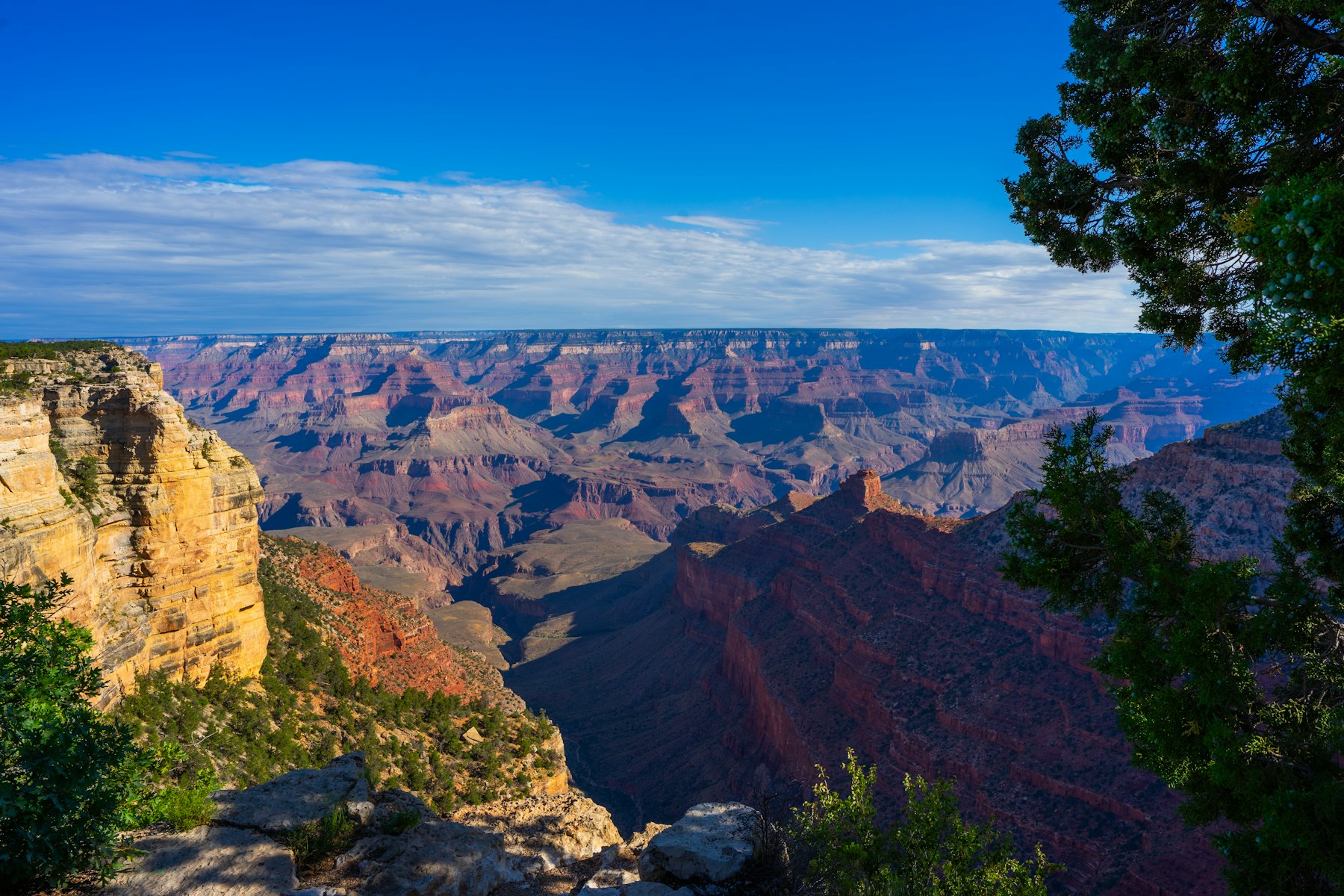 The Grand Canyon
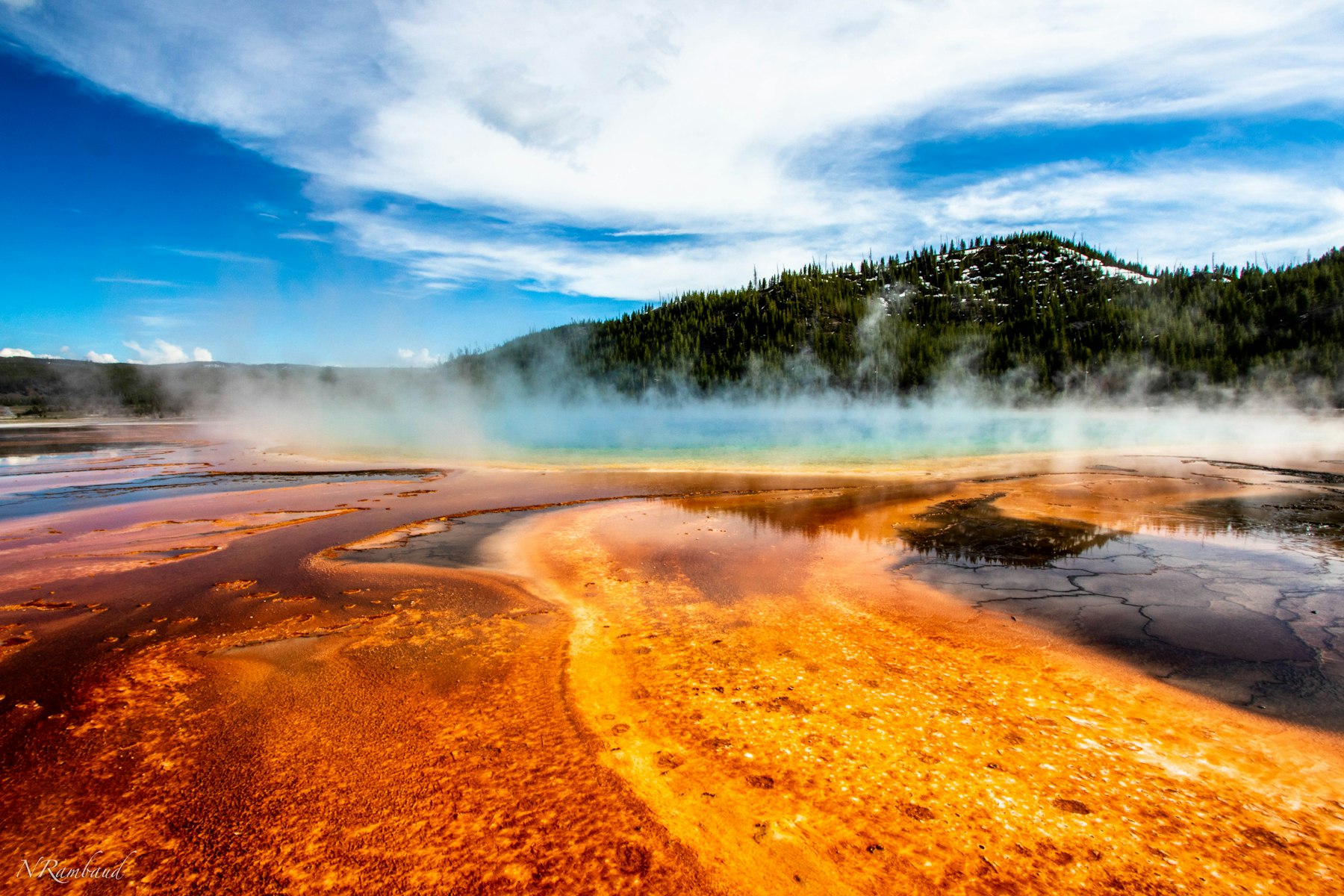 Yellowstone National Park
 All of the United States
 All of North America
 Explore the world
 The Travel Library