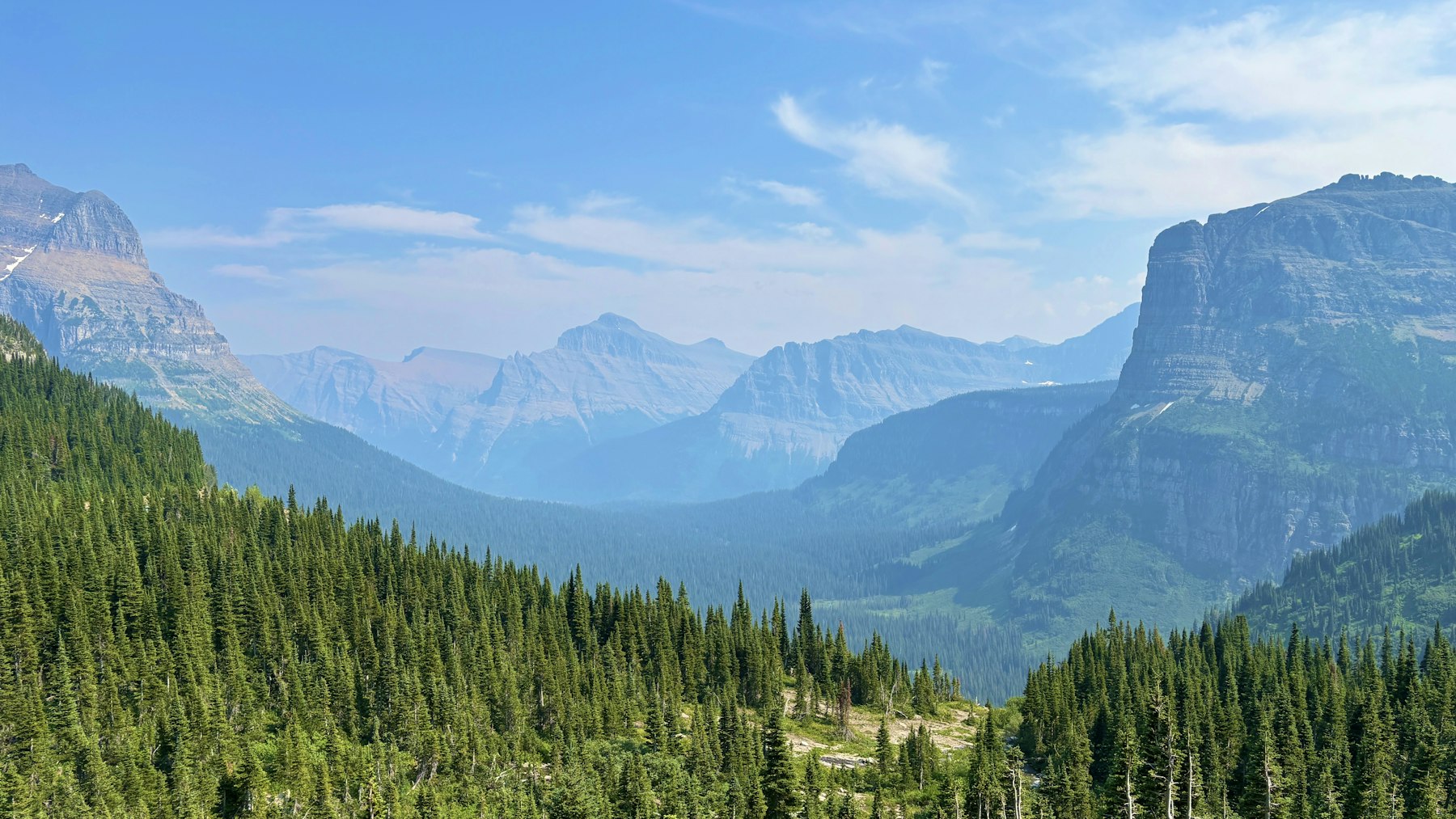
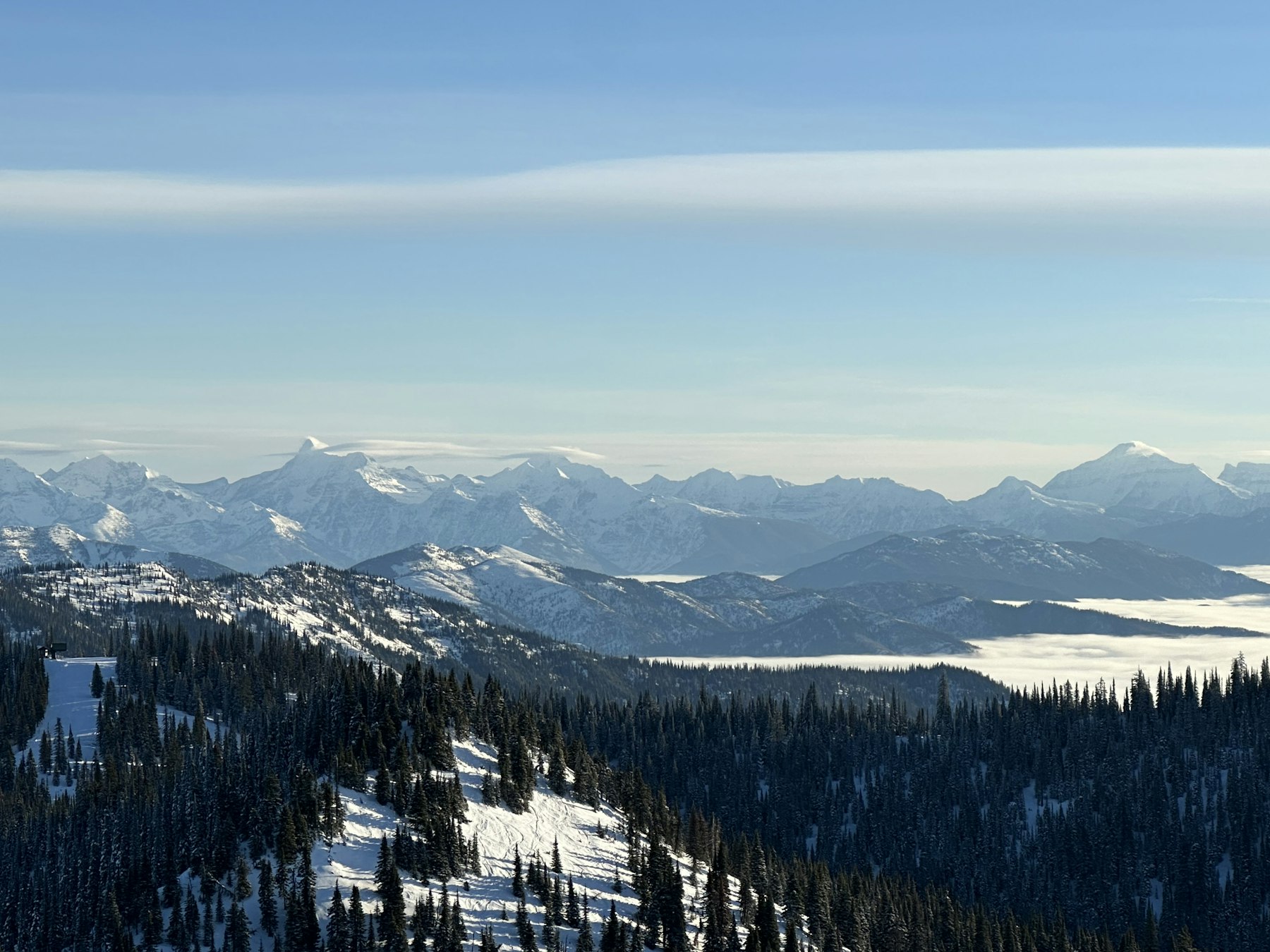
Glacier National Park. The whole state is sold on this view, and the road that reaches it is open for about four months of the year
Montana With Kids Family Travel Guide
“Montana is the fourth largest state in the country with fewer people in it than Kansas City. That is the whole trip in one sentence. Everything is far apart and nothing is crowded except the four places everybody goes.”
Nicole Damiano, ASTA Verified Travel Advisor with FG Luxury Travel
Do we need a reservation for Glacier?
In summer, yes, for the Going to the Sun Road corridor and some other areas. They are released months ahead with a few the day before. A lodging or activity booking inside the corridor also gets you in. Check the current rules before you fix dates.
When does the Going to the Sun Road open?
Fully from late June or early July until October, depending on snow. The lower sections open earlier. Logan Pass at the top can have snow in July, which the kids treat as a bonus.
How many days in Glacier?
Four or five. One for the Sun Road and Logan Pass, one for Avalanche Lake and Lake McDonald, one for Many Glacier and the boats, one for Two Medicine or a rest. Stay inside the park if you can, booked a year ahead.
Is it safe with grizzlies?
Yes, with the rules. Carry bear spray on every trail, keep it reachable, make noise on the trail, and never leave food out. Rangers give the talk and kids listen. Most sightings are at a distance through a scope in Many Glacier.
What else is there beyond Glacier?
Whitefish for the mountain resort and the lake beach. Flathead Lake for cherries and a house on the water. Bozeman for the dinosaur museum and Yellowstone's north entrances. A dude ranch week for the horse family. Distances are long, so plan one region per few days.
Nicole’s Perspective
Why families hire me for Montana

We came through Montana on the school bus once, all three kids, during the stretch when we sold what we had, converted a bus, and drove the country off grid on solar. Glacier was one of the stops that slowed everyone down.
Going to the Sun Road climbs through country that looks unreal even out the window of a moving bus, waterfalls dropping straight off cliff faces, mountain goats standing on ledges that should not hold anything.
Swiftcurrent Lake is the kind of clear where you can see stones on the bottom from a rowboat, glacier fed and cold enough to take your breath the first time you put a hand in.
This park rewards slowing down even more than most. The wildlife, grizzlies especially, means you move through the landscape carefully rather than rushing it, and that changes how the whole trip feels.
Beyond the Bookshelf
A shelf of Montana stories, big sky movies, and ranch cooking to get everyone ready for the mountains.

- A River Runs Through ItNorman Maclean
- The Horse WhispererNicholas Evans
- The Power of the DogThomas Savage
- This House of SkyIvan Doig
- B Is for Big Sky CountrySneed B. Collard III
- Good Night Montana
- Hattie Big SkyKirby Larson
- A Taste of MontanaSeabring Davis
- The Montana CookbookSeabring Davis
Book links go to Bookshop.org, which supports local bookstores. Film and music links go to JustWatch and Spotify. As an affiliate we may earn from qualifying purchases.
Why this state, for this family
Why Montana works with kids
 Poppy marks the family parts. Wherever you see her, that section is written for traveling with children.
We came through on the school bus with all three kids, off grid on solar, and Glacier was one of the stops that slowed everyone down. Montana is the state where the driving is the trip and the wildlife changes how you walk.
A road that looks unreal from a bus window
Going-to-the-Sun Road climbs past waterfalls dropping off cliff faces and mountain goats on ledges that should not hold anything. Fifty miles, two hours, and you will stop.
Water clear enough to count the stones
Swiftcurrent Lake from a rowboat, the colored pebbles at Lake McDonald, glacier fed and cold enough to take your breath. It held our children longer than anything with a ticket price.
Grizzly country makes you slow down
Nearly a thousand bears in Glacier. Walking in a group, making noise, giving every child a job on the trail. It turns a hike into something they understand the point of.
The map
Montana Place by Place
Eight places, and the honest thing to say first is that they are not close to each other. Glacier sits in the far northwest corner. Little Bighorn is in the far southeast. Between them is most of a day at the wheel and a change of landscape so complete it feels like a different state. Pick a corner. Do not try to sweep the whole thing.


State song Montana, plus a state ballad, Montana Melody, and a state lullaby. Good to know Mountain time. No sales tax, one of five states without it. The state is bigger than Germany and has a million people, so everything is a long drive with a view.
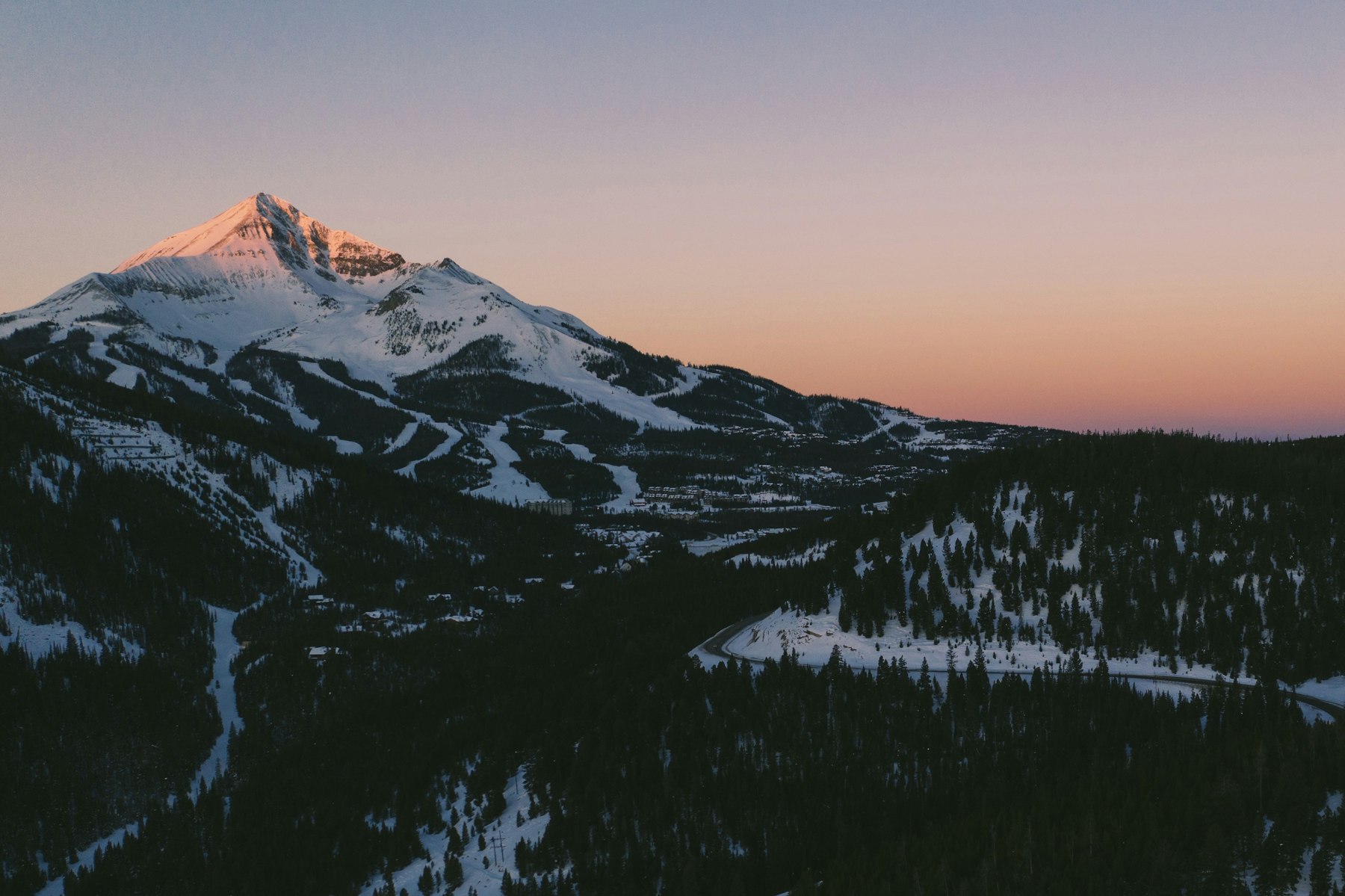
Big Sky
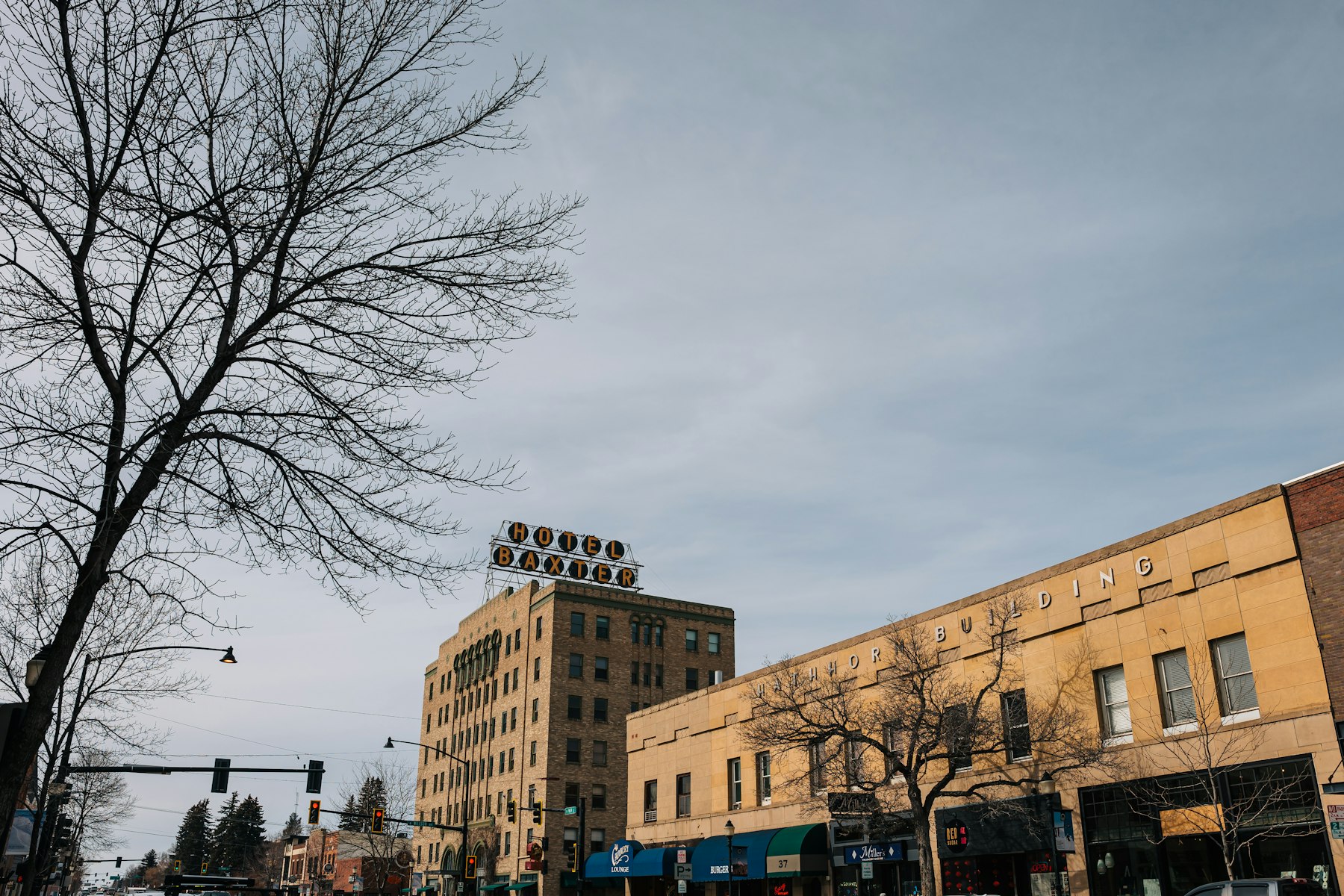
Bozeman
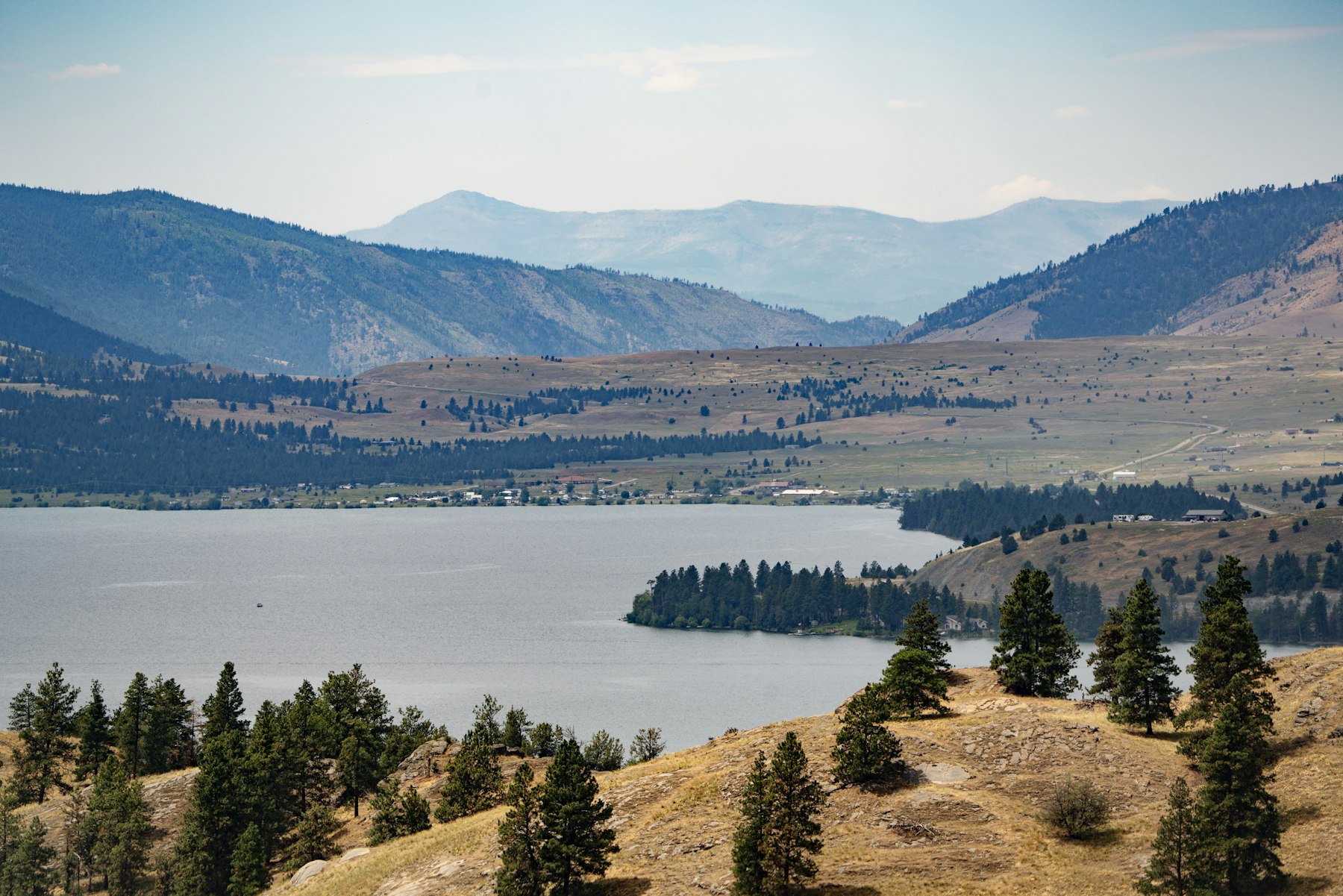
Flathead Lake
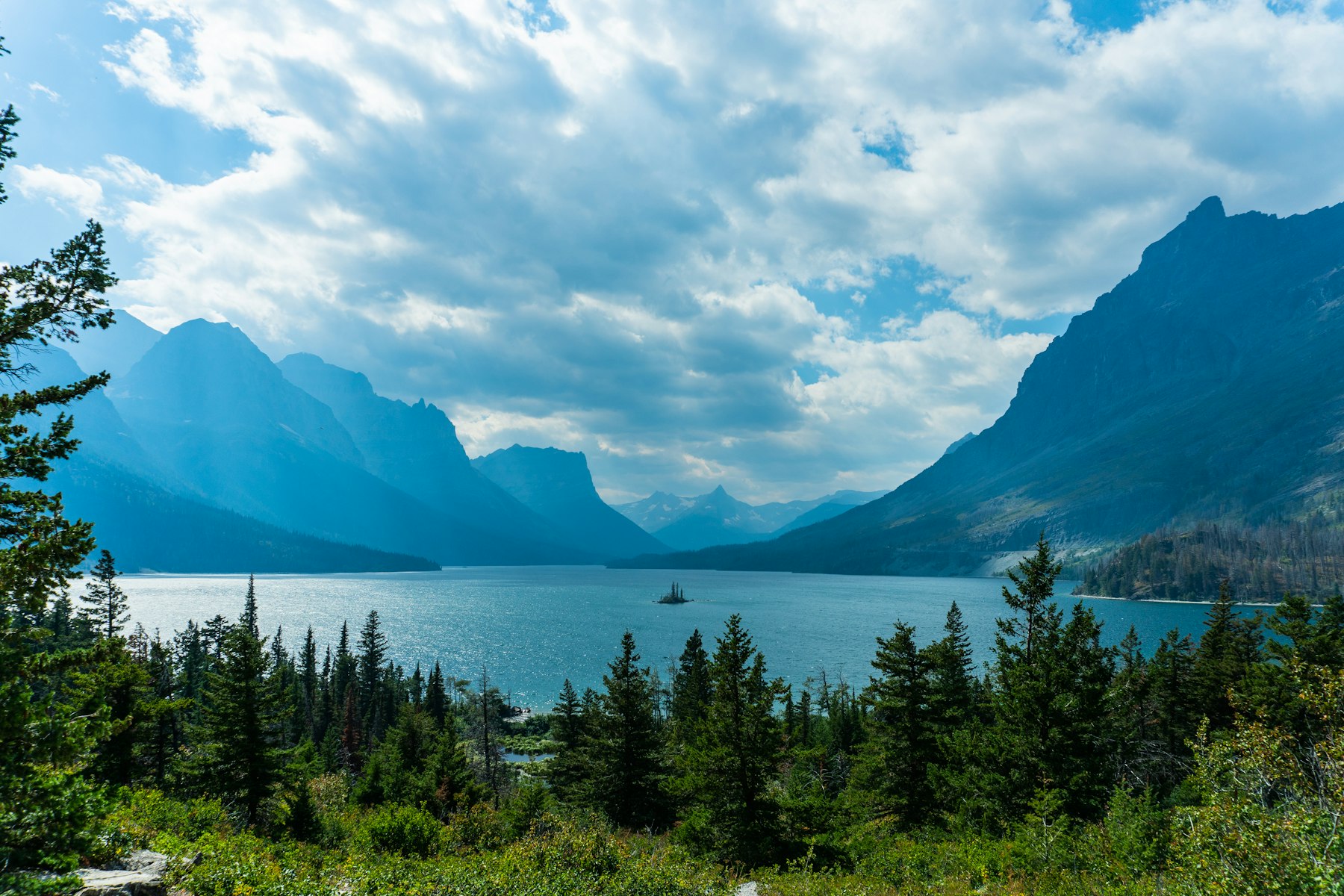
Glacier National Park
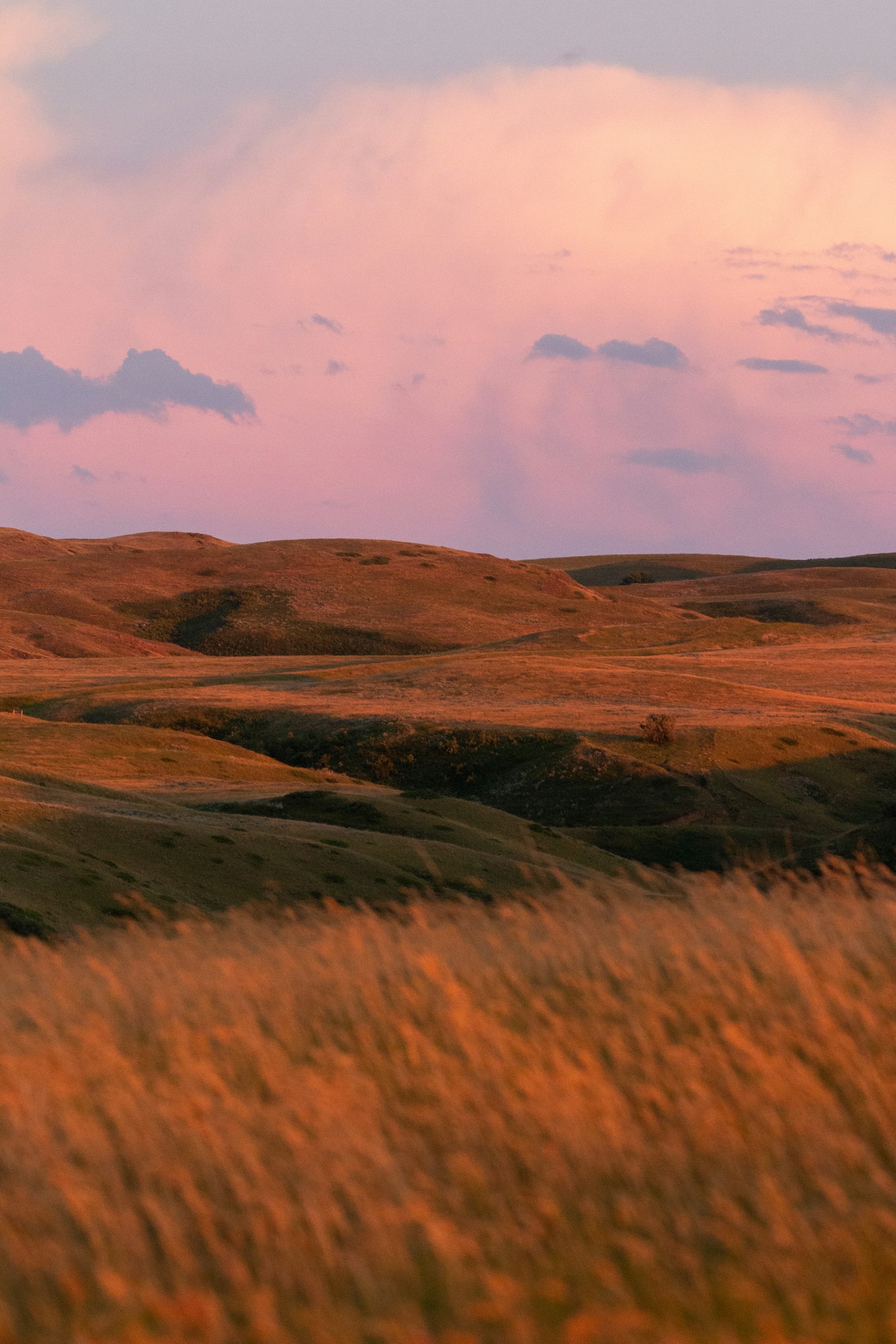
Little Bighorn
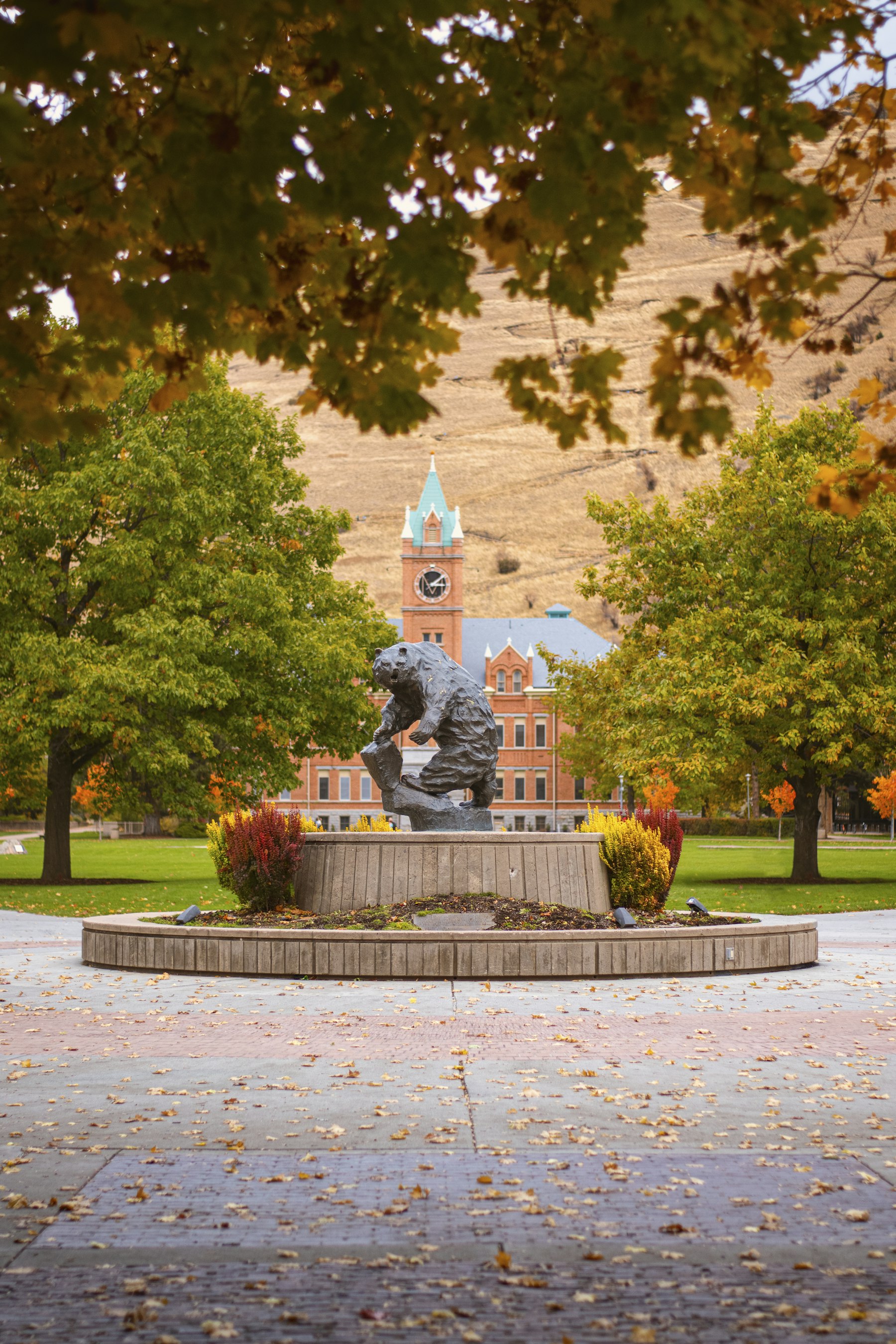
Missoula
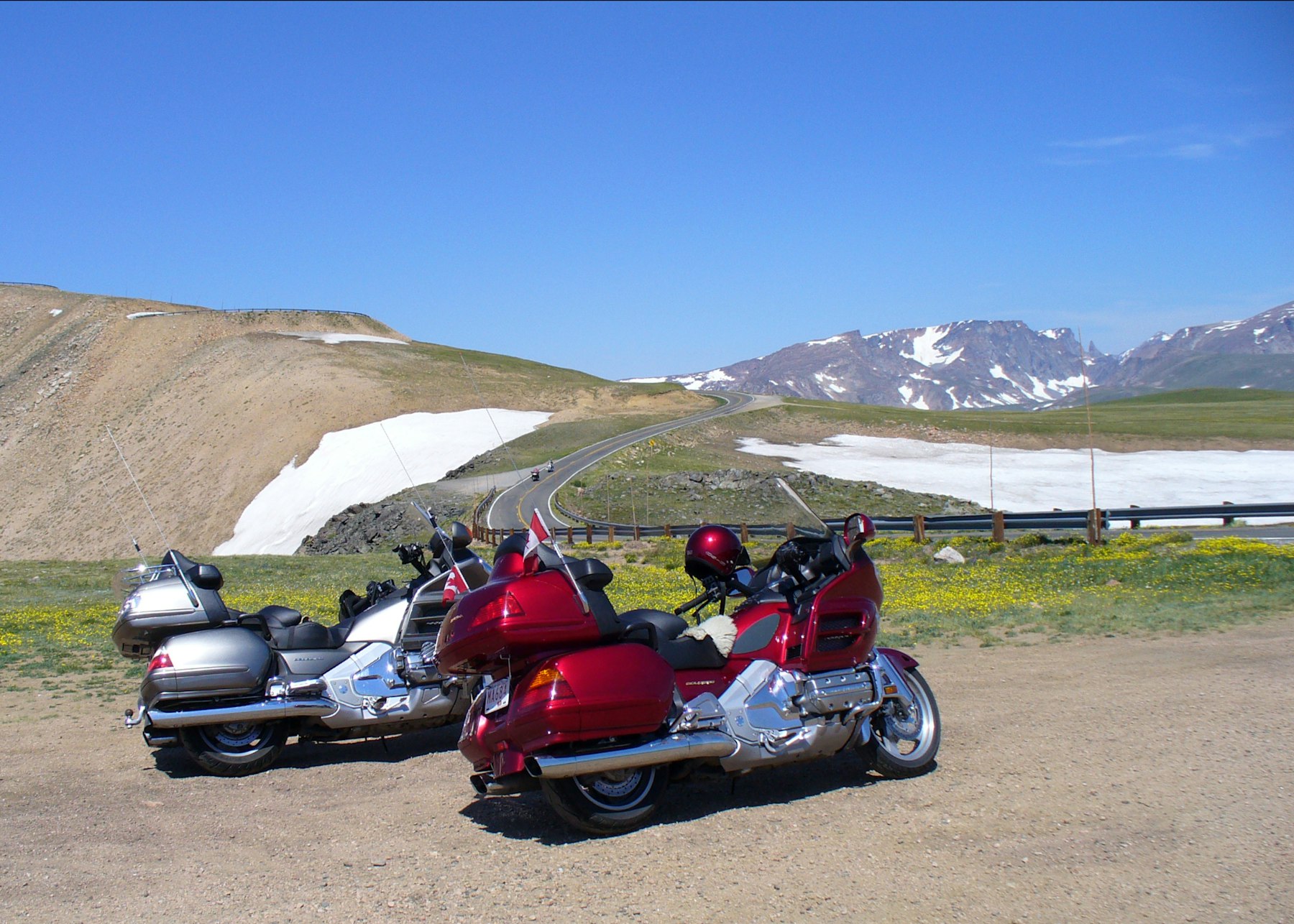
The Beartooth Highway
Whitefish
Montana Is Ranches, Copper and the Crow Nation
Big Sky Country is a marketing line and also true. Underneath it is a state of cattle ranches, a copper town that was once the richest hill on earth, and seven tribal nations still on their land.
Little Bighorn tells both sides. The battlefield in the southeast corner tells the Crow, Northern Cheyenne, Lakota and US Army story side by side, with a Crow guide if you time it right. Free with a park pass and the most honest hour of history in the state.
Lewis and Clark spent more time here than anywhere. Pompeys Pillar near Billings has the only physical evidence of the expedition, William Clark’s name carved in the rock. Great Falls has the interpretive centre and the portage that nearly broke them.
Butte was the richest hill on earth. Copper built a city of headframes and mansions on a hill, and the Berkeley Pit is the hole that ended it. The World Museum of Mining lets children go underground. Strange, and worth the stop on Interstate 90.
Rodeo is a summer sport, not a show. Small town rodeos run every weekend from June to August. Livingston on the Fourth of July, Big Timber, Red Lodge. A local rodeo beats the state fair and the kids can sit on the fence.
The dinosaurs are real and they are here. The Museum of the Rockies in Bozeman holds one of the largest collections of dinosaur fossils in the world, including Maiasaura nests found in the state. The T. rex is the reason to stop in Bozeman.
What to Eat in Montana
Montana beef, wild huckleberries, and not much else, which is fine because both are very good.
Huckleberry anything. Pie, shake, bear claw, jam, ice cream. Wild picked, not farmed, and the one flavour of northwest Montana. Children who will not eat a vegetable eat this.
A bison burger or a Montana steak. On every menu for a reason. A steakhouse in Whitefish or Bozeman with a baked potato the size of a shoe is the family dinner after a Glacier day.
Flathead cherries in July. The lake shore orchards sell them at roadside stands for three weeks in midsummer. Buy a bag for the Sun Road.
A pasty in Butte. The Cornish miners brought it, and Butte still sells them from bakeries downtown. The Interstate 90 lunch with a copper town attached.
Breakfast at a diner before six. Glacier rewards a six in the morning start, and the diners in Columbia Falls and St Mary open for it. Pancakes, then the pass.
Getting Around Montana
Montana is 550 miles wide. Pick the airport by the corner and the car by the road.
Kalispell for Glacier, Bozeman for Yellowstone. Kalispell is 33 miles from West Glacier. Bozeman serves Yellowstone and Big Sky. Billings for the Beartooth and Little Bighorn. Flying into the wrong one adds a driving day at each end.
The car must fit the Sun Road. Under 21 feet long, 8 feet wide and 10 feet tall between Avalanche Creek and Rising Sun. No trailers, no big RVs. Book the vehicle before the hotel in summer because the fleets run out.
The Empire Builder stops at the park. Amtrak from Chicago or Seattle overnight, stepping off at East Glacier or Whitefish. A real way in without a rental car, with the park shuttles doing the rest in summer.
The free park shuttle on the Sun Road. Runs from Apgar and St Mary to Logan Pass in season. Slow, popular, and the answer to the three hour parking cap at the top.
Fuel and signal. Fill up when you see fuel, especially east of Billings. Assume no signal inside either park and download the maps and tickets before you go in.

Flathead Lake. Cherries in July and the warm water Glacier does not have.
Money and Practical Basics
The short version. Montana is not expensive to be in. It is expensive to get to and expensive to drive across.
Pick your airport by which corner you are doing. Kalispell for Glacier and Whitefish, with West Glacier about 33 miles away. Bozeman for Yellowstone and Big Sky. Billings for the Beartooth and Little Bighorn. Missoula for the middle. Flying into the wrong one adds a whole driving day at each end and it is the most expensive mistake on this page.
You need a car and it must be under 21 feet if you want the Sun Road. Under 8 feet wide and 10 feet tall too, between Avalanche Creek and Rising Sun. Book the vehicle before the hotel in peak summer, because the Kalispell and Bozeman fleets run out and the price goes vertical when they do.
Fill up when you see fuel, not when you need it. Eastern Montana in particular runs long distances between anything. This is basic and it is still the thing that catches European visitors who are used to a services every twenty miles.
Assume no signal inside the parks and download everything before you go in. Maps offline, tickets saved as images, the Recreation.gov confirmation screenshotted. There is no version of arriving at the Logan Pass shuttle stop and loading a booking page.
Montana is on Mountain Time, and the shuttle release windows are quoted in it. 8am mountain on 2 May for the sixty day window, 7pm mountain daily from 30 June for next day tickets. If you are booking from the UK that 7pm is the early hours of your morning, so set it or lose it.
Who It Suits, and Who Should Skip It
I would rather talk somebody out of a trip than sell them the wrong one. Montana is not the right answer for every family and it is emphatically the right one for some.
Families with children over about seven who like being outside. The pay off here is scenery and space and it is delivered on foot. If your children ask to go for a walk, Montana will be the best trip you take in the States.
Anybody who wants a national park without the Grand Canyon crowds and can travel in September. Post Labor Day Glacier is a different park, the parking cap is off and the road usually holds to mid October.
Drivers. People who think the road is the trip. Going-to-the-Sun and the Beartooth back to back is one of the great driving fortnights anywhere, and Montana is unembarrassed about that being the whole point.
Families with a toddler and a schedule. Six in the morning at a trailhead with a two year old is not a trip. Come back in four years and it will be a completely different experience.
Anyone whose dates are locked to the first half of June and whose heart is set on Logan Pass. The road usually does not open fully until late June at the earliest. Book a different state or reframe the trip around the lakes.
Non resident families doing exactly one park on a tight budget. Two adults at Glacier is 235 dollars at the gate before you have parked. If that number changes the trip, look at states without surcharge parks in them, and know that the money is going to a real place rather than disappearing.
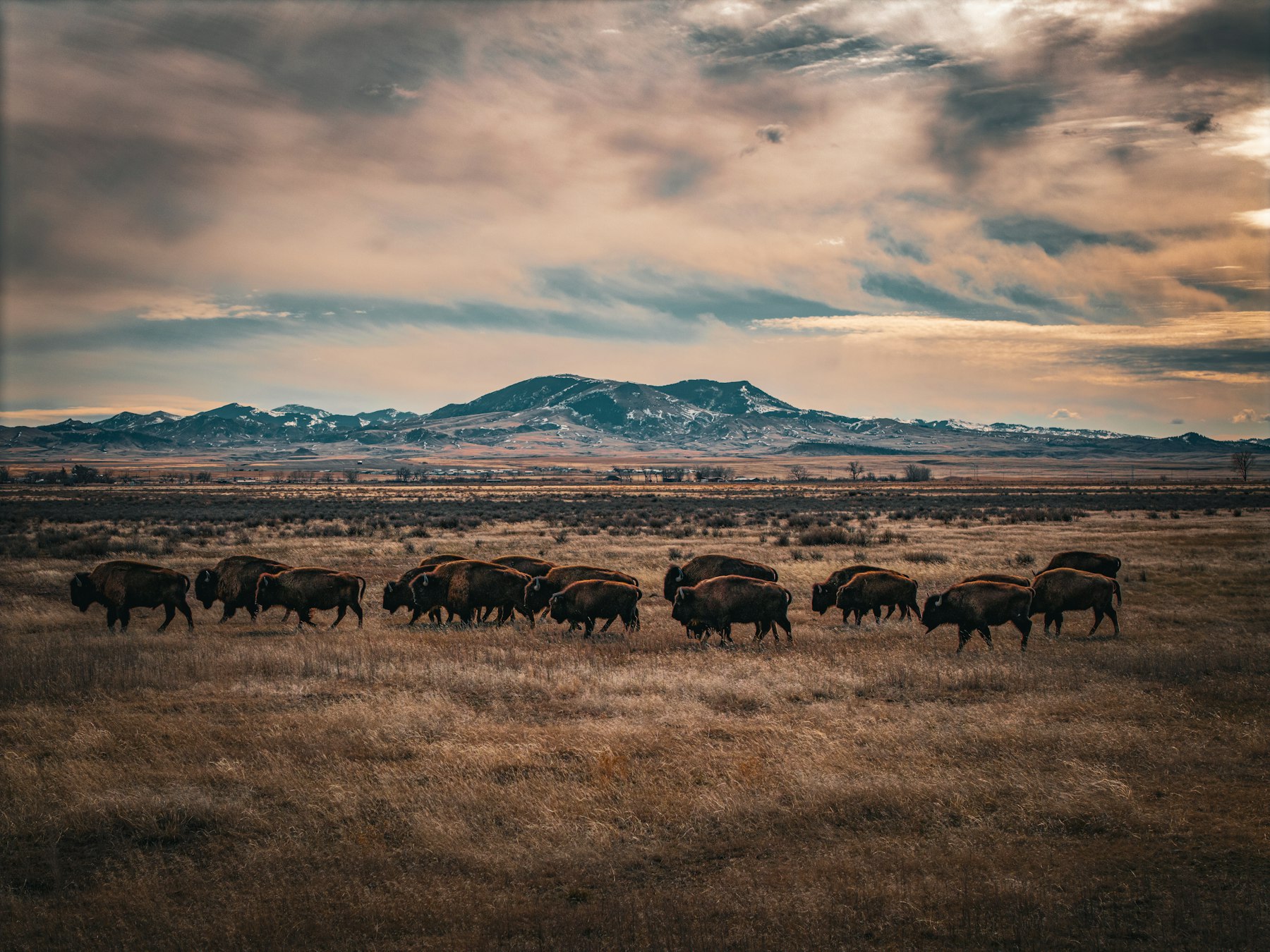
Eastern Montana. Little Bighorn is 8.30 to 5.30 in summer, 25 dollars a vehicle, no surcharge for anybody, and it is the half of the state that most itineraries never reach
How It Compares to Its Neighbors
Montana is usually chosen against Wyoming, Colorado or Washington, and the differences are real.
Against Wyoming, Montana is the harder park and the easier state. Yellowstone and Grand Teton are both on the surcharge list, same 35 dollars and same 100 per adult non resident, and Wyoming packs them close together. Glacier is more dramatic on foot and much less forgiving on season. The Wyoming guide has that side of it.
Against Colorado, Montana is emptier and further. Colorado gives you a major airport, more towns and a longer usable season. Montana gives you fewer people in the frame. If it is your first western parks trip with children, Colorado is the softer landing. Colorado is written up here.
Against Washington, it is mountains versus coast plus mountains. Washington gives you sea, city and rainforest in one trip and a far longer driving season. Montana gives you one thing and does it better than almost anywhere. Washington State is over here.
Glacier’s other neighbor is Canada, and Waterton sits directly over the line. The two are managed as an international peace park. If you are already crossing, remember only USEPA labeled bear spray is allowed over that border, and check passport requirements for every child before you plan a day trip out of the country and back.
When to Go
Montana’s calendar is not a preference, it is a set of hard gates. The roads decide, not you.
Mid July to late August is the only window when everything is reliably open at once. Going-to-the-Sun Road fully open, Beartooth open, Many Glacier and Two Medicine accessible, Yellowstone loops all running. It is also when about three million people move through Glacier in a single May to September season, and when Logan Pass is on its three hour parking cap. You are paying for certainty with crowds and there is no version where you get both.
June is the trap month. The valleys are green, the flights are cheaper, the photographs look identical, and the top of the road is very likely still shut. The Park Service says the entire road does not usually open until late June at the earliest. If your dates are locked to early June, plan a Lake McDonald and Two Medicine trip and treat Logan Pass as a bonus you might not get.
September is the quiet answer and the one I would book. After Labor Day on 7 September 2026 the Logan Pass parking cap comes off, the alpine road usually holds until around the third Monday of October, and the crowds thin sharply. The risk is early snow closing things a fortnight before you expected. It is the right trade for a family that can travel outside school terms.
Winter Montana is a completely different trip and a good one, but Glacier is not the point of it. The entrance fee drops to 25 dollars a vehicle from 1 November to 30 April, and most of the park’s road network is snow. Winter here means Whitefish or Big Sky, and it means the only Yellowstone road you can drive is Gardiner to Cooke City.
If you are chasing the fee free days, know what you are trading. 16 February, 25 May, 14 June, 3 to 5 July, 25 August, 17 September, 27 October and 11 November in 2026. Saving 35 dollars on the day when every other family in the northwest has had the same idea is not a saving. The February and November ones are the honest bargains.
How Many Days & First-Trip Routing
How many days in Glacier? Four or five.
One for the Sun Road and Logan Pass, one for Avalanche Lake and Lake McDonald, one for Many Glacier and the boats, one for Two Medicine or a rest.
Stay inside the park if you can, booked a year ahead.
The Yellowstone Question
Montana is the state with two national park gateways, and the single most common planning mistake I see is a family assuming they are near each other because they are in the same state. They are not. Montana is 550 miles wide.
Glacier is in the far northwest corner and Yellowstone hangs off the far south. The Park Service puts Missoula about 150 miles south of Glacier’s west entrance, and West Yellowstone is a long way beyond Missoula again. Treat the gap between the two parks as a full driving day, not a morning, and check your own route rather than trusting a headline number. Doing both in one week with children is a week spent mostly in the car.
Yellowstone charges exactly what Glacier charges, and carries the same surcharge. 35 dollars per private vehicle, 30 by motorcycle, 20 per person, seven days, annual pass 70. Non US residents pay the same 100 dollars per person aged 16 and over on top, unless admitted with an annual pass. Two parks, two surcharges, and it is the clearest argument there is for the 250 dollar pass.
Only one Yellowstone road is generally open year round, and both ends of it are in Montana. It runs from the North Entrance at Gardiner through the park via Tower Junction to Cooke City. Everything else closes to regular vehicles from early November to late April, with commercially guided snowmobiles and snowcoaches from mid December to mid March. In winter, Cooke City is reachable only through Yellowstone itself.
The Beartooth Highway opens on the Friday of Memorial Day weekend and closes in mid October. In 2026 that Friday is 22 May. US 212 climbs from Red Lodge over the top and drops to Cooke City at Yellowstone’s northeast entrance, and its season is even shorter than Going-to-the-Sun Road’s. Snow closes it in both shoulders without much warning. If it is on your itinerary, have a plan B written down before you leave, because you may find the gate shut in June.
Be honest with yourself about if the Beartooth suits your children. It is switchbacks, sheer drops and no barrier in places, at altitude, for an hour and a half. Adults who love driving call it the best road in America. A nine year old who gets carsick calls it something else. Ours would be split down the middle and I would drive it anyway, in the morning, with the windows down.
The Towns, and What Each One Is For
Montana’s towns are not interchangeable and choosing the wrong base costs you two hours a day for a week. Here is what each of the six on our tile list is good at.
Whitefish is the Glacier base that is also a real town. Whitefish Mountain Resort has been running since 14 December 1947, past 75 seasons, with a summit at 6,800 feet and summer operations that include alpine slides, scenic elevator rides, a zip line and an aerial adventure park. In summer that is the wet weather day that saves your Glacier week. Kalispell airport sits between the town and the park, and the Park Service puts West Glacier about 33 miles from Kalispell.
Bozeman is the Yellowstone base, and the Museum of the Rockies is the reason to give it a whole morning. Admission is 20 dollars for adults 18 to 64, 14 for youth 5 to 17, free under five, 17 for over 65, open 9am to 5pm. For our five that is 40 plus 42, so 82 dollars, and the Taylor Planetarium is another 6 a head for ages five up. Montana’s own T. rex is in the Hall of Horns and Teeth. If you have a dinosaur child, this is the best indoor hour in the state.
Big Sky is an hour south of Bozeman and it is a resort, not a town. 5,850 acres of skiable terrain, Lone Peak summit at 11,166 feet, Mountain Village base at 7,500, 320 named runs, roughly 40 elevators and surface elevators including two gondolas and a tram, and about 400 inches of snow a year. Come here to ski or to hike from the elevators in summer. Do not come expecting a high street.
Missoula is the university town and the one that feels lived in. It sits about 150 miles south of Glacier’s west entrance, which makes it a stop rather than a base for the park, and it is the natural overnight if you are driving the length of the state. The riverfront carousel and the smokesweater base are the two things families always mention afterwards. Check current opening hours directly before you build a day around either.
Flathead Lake is the largest natural freshwater lake in the western United States by surface area, outside Alaska. The Flathead Lake Biological Station puts it at 191.5 square miles, 27.3 miles long, 15.5 miles wide, 370.7 feet at its deepest with a mean depth of 164.7 feet, and 187.6 miles of shoreline. You will hear it called the largest west of the Mississippi. The precise version is the one above and it is still a huge number. It sits directly between Missoula and Glacier, so you end up driving its length even if you never planned to.
Little Bighorn Battlefield is the one that changes the tone of the trip. From 22 May to 7 September the gate and visitor center run 8.30am to 5.30pm and the tour road closes at 5pm. Outside those dates it is 8am to 4pm with the road shutting at 3.30. The Park Service asks that you arrive by 4pm if you want the full nine mile round trip on the tour road, and states there is no park access outside open hours. The visitor center is under construction, with a temporary trailer handling orientation and the bookstore.

The Beartooth Highway in June, snowbanks and all.
Regions at a Glance
Glacier and the Flathead
West Glacier, Whitefish, Kalispell, Flathead Lake and the Sun Road. The northwest corner and the reason most families come.
Yellowstone Country
Bozeman, Big Sky, Livingston, Paradise Valley and the Gardiner gate. The south, a different airport, and the second trip.
The Beartooth and the East
Red Lodge, the Beartooth Highway, Billings and Little Bighorn. High passes, prairie and the battlefield.
The Middle
Missoula, Helena and Butte. The university town, the capital and the copper hill, strung along Interstate 90.
Must See and Do
Six things with real numbers attached. Every price here came off the operator or the National Park Service, not off a blog. This is the list I start with for things to do in montana with kids, and it holds up as the core of a montana family vacation.
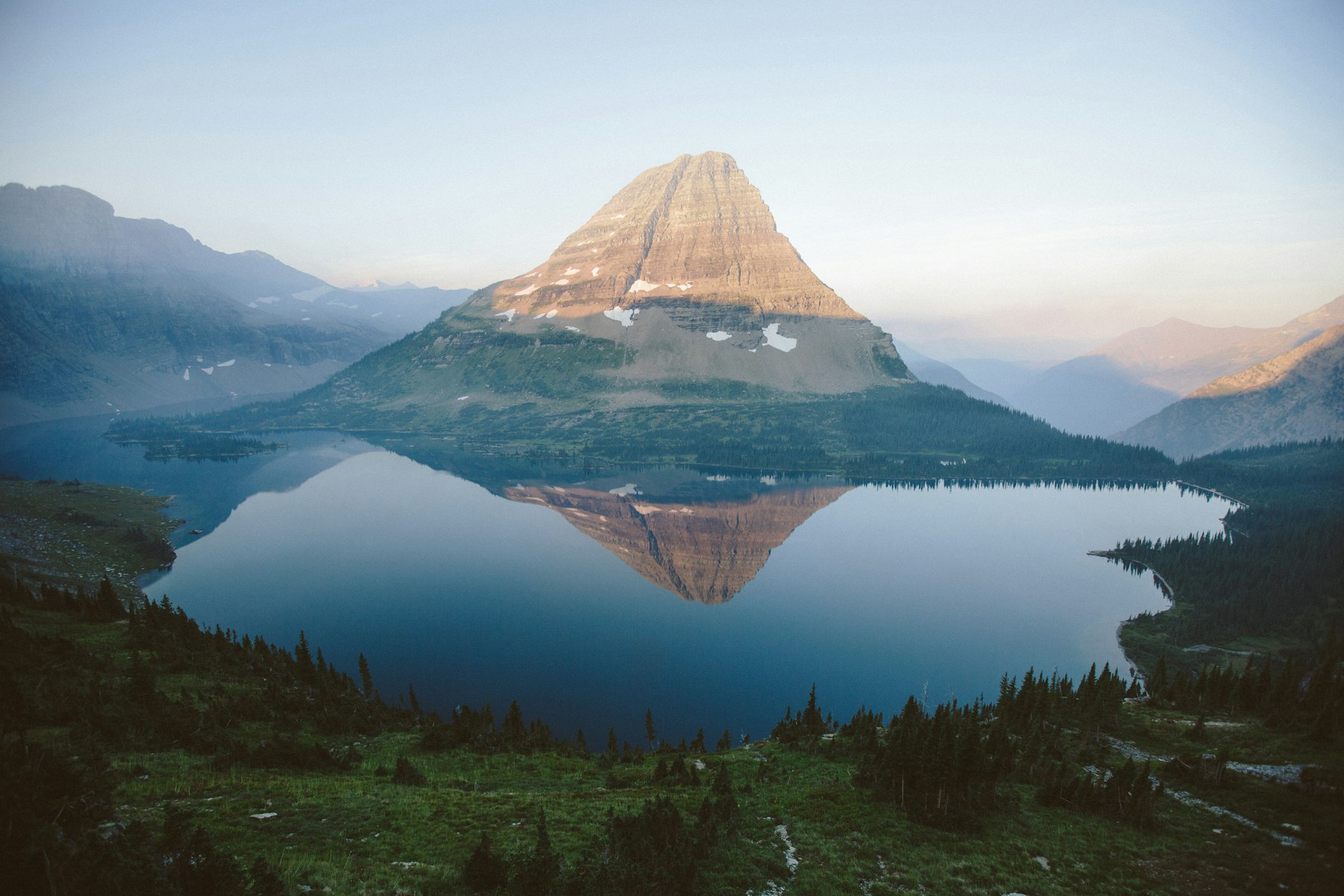
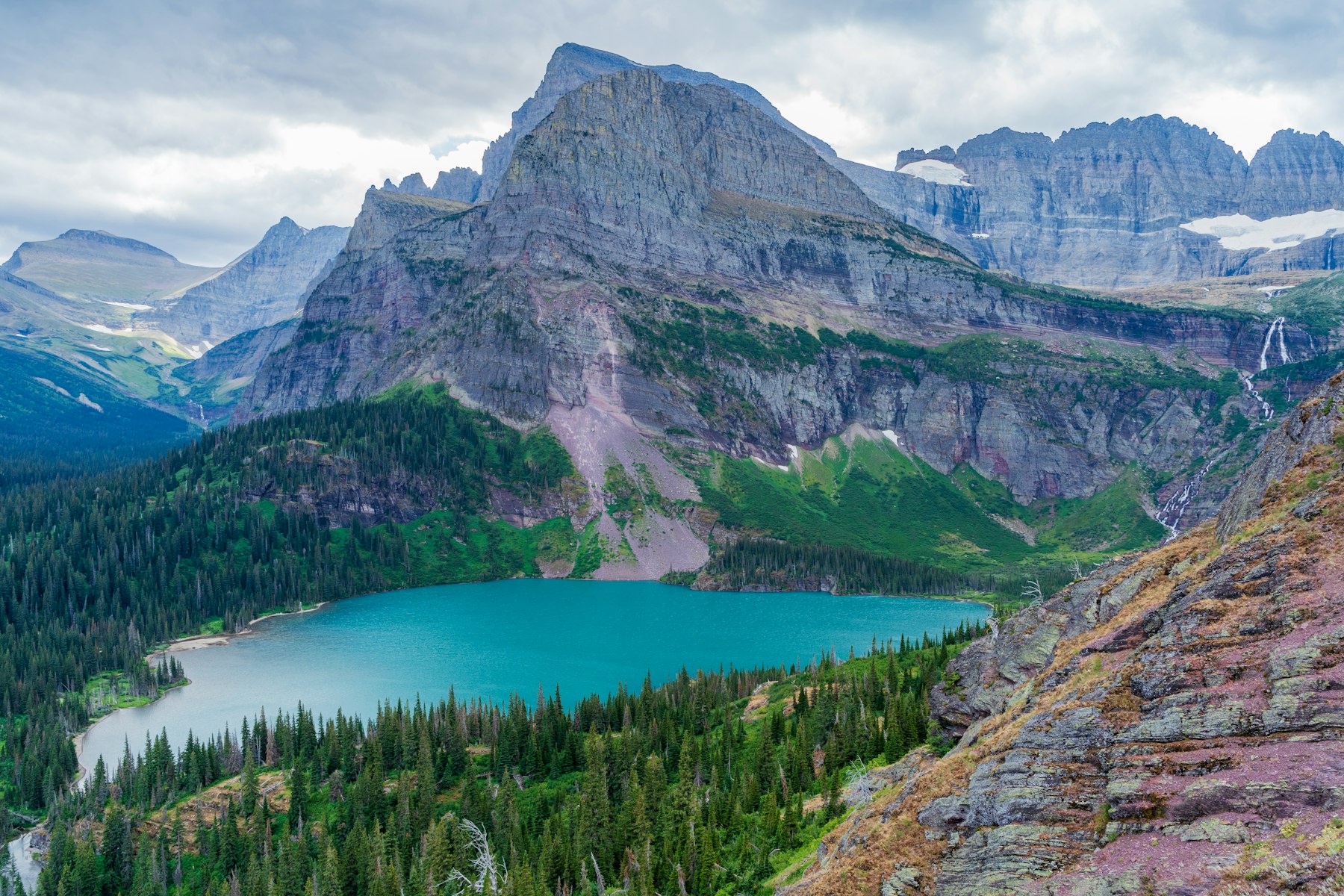
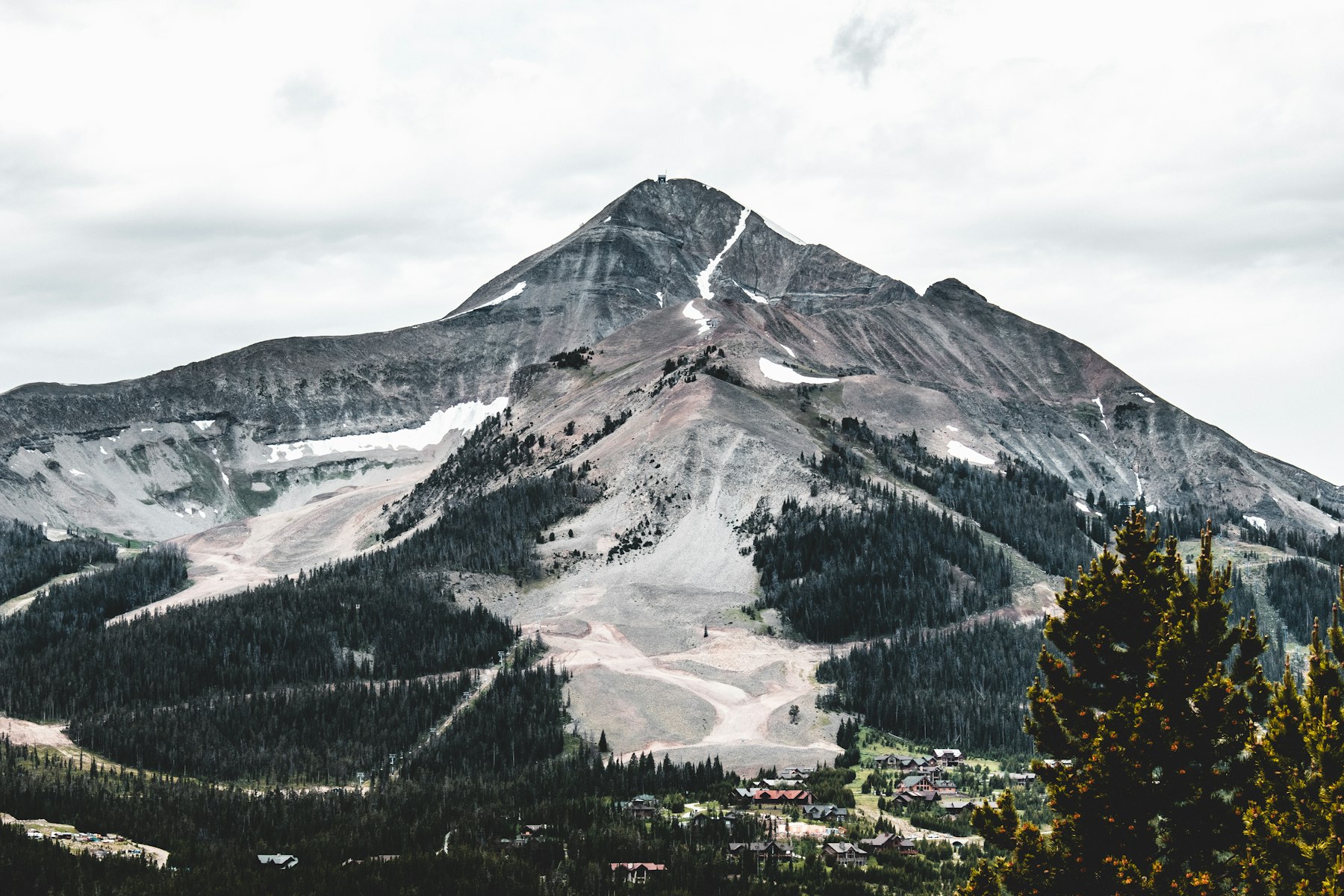
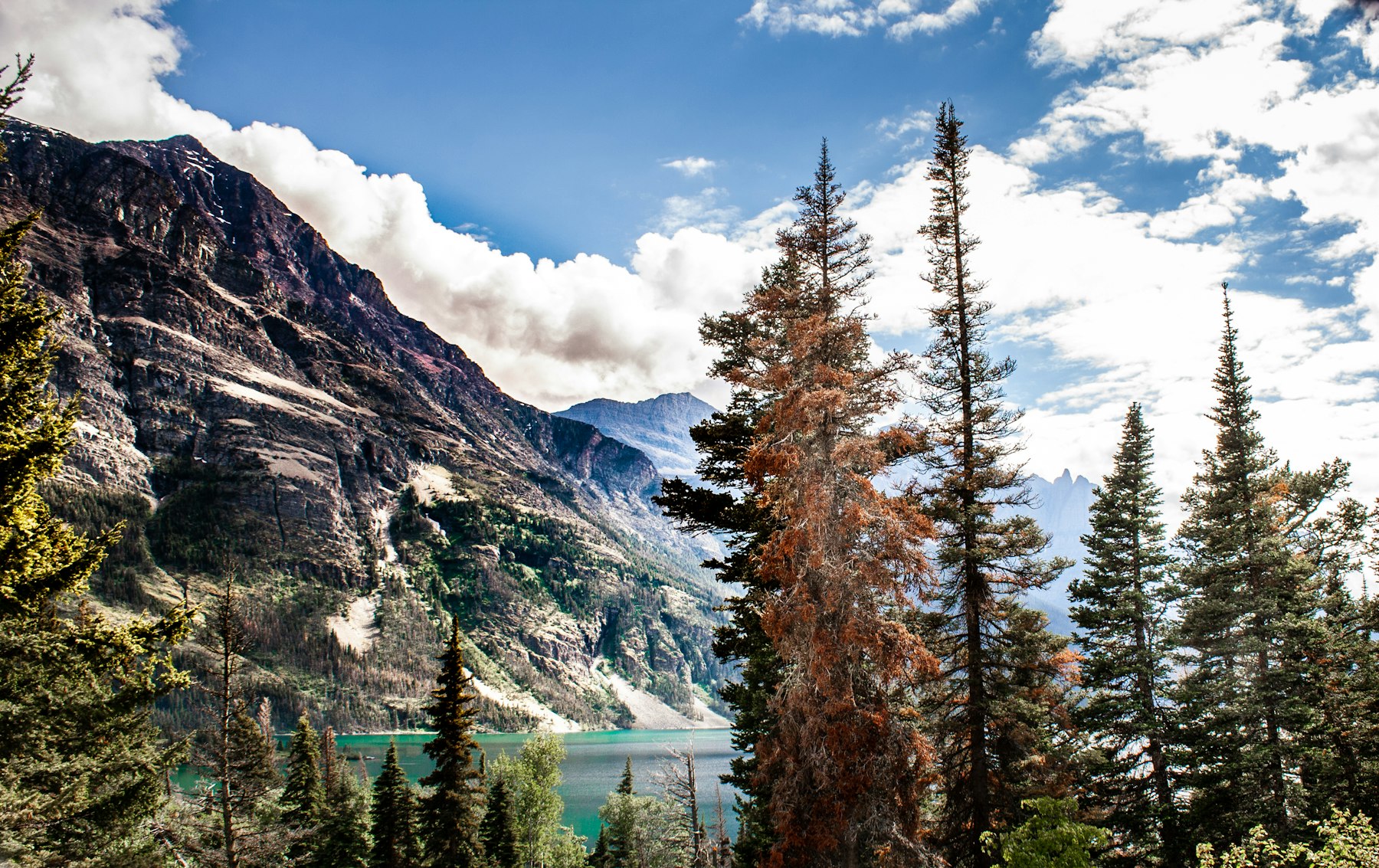
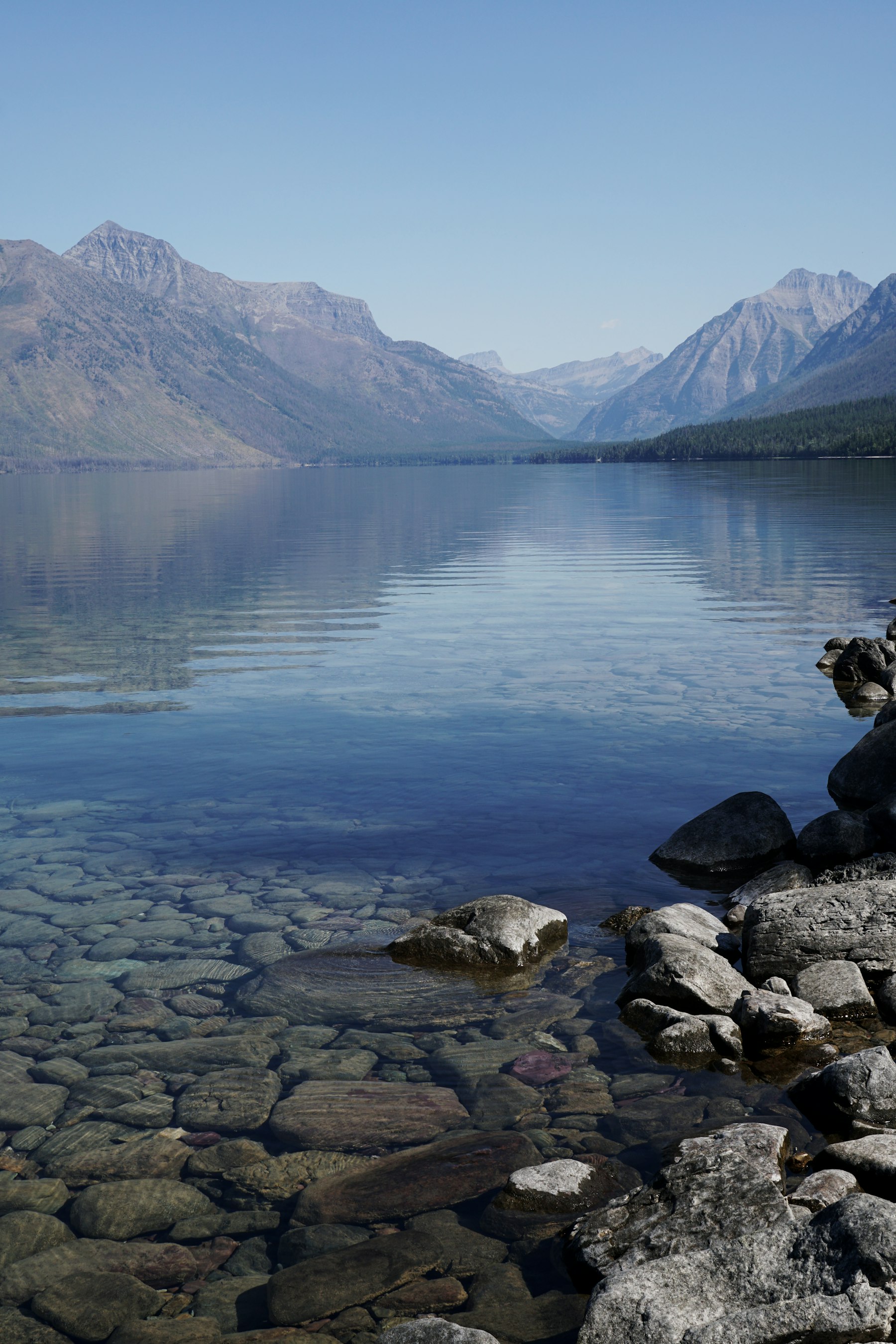
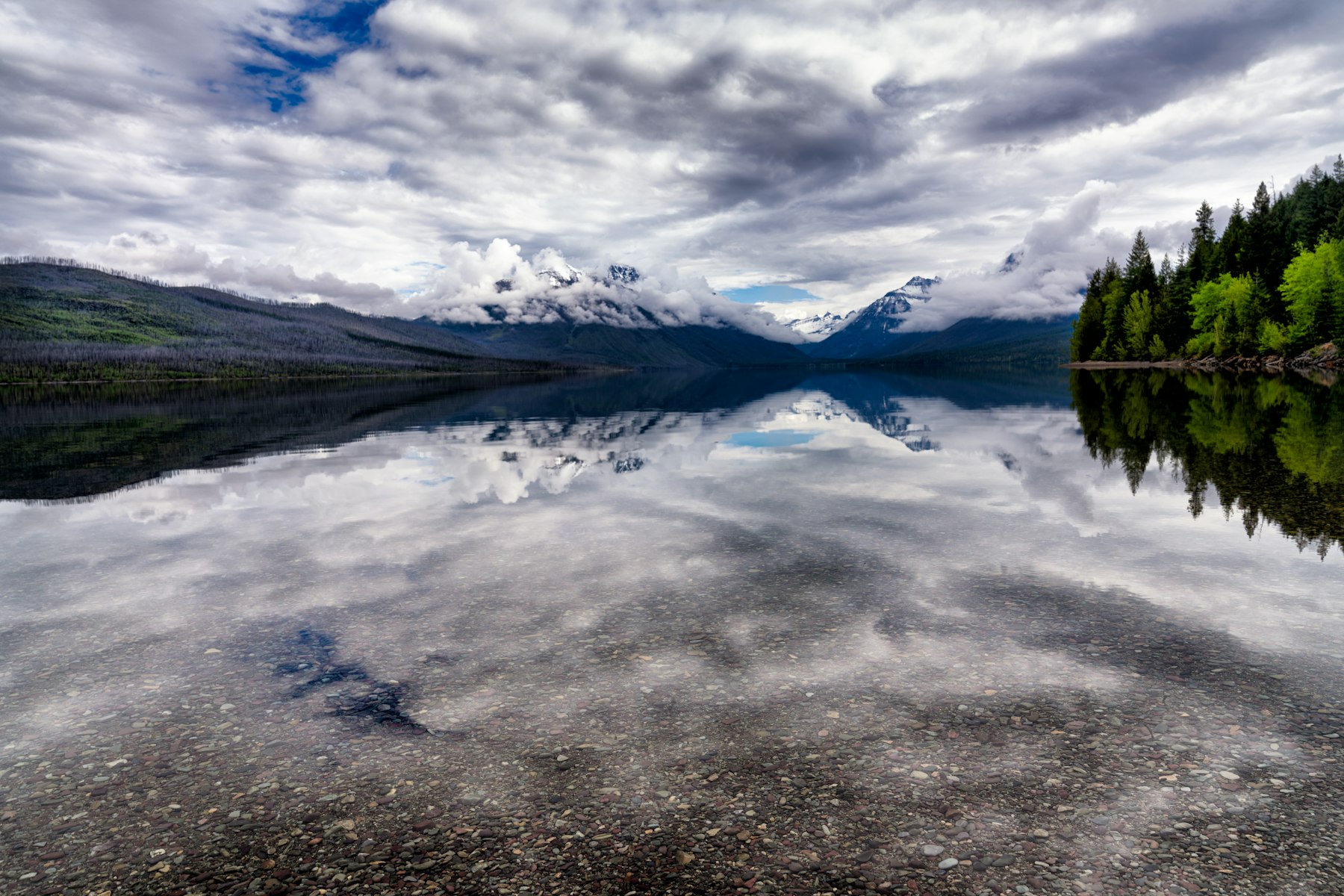
Glacier holds nearly a thousand bears and 734 miles of trail across 13 campgrounds and 1,009 sites. About three million people come through in a single summer season, and almost all of them use the same forty miles of road
What Glacier Costs in 2026
This is the section I built the page around, because the rule changed on 1 January 2026 and most of what is written about Montana online predates it. Every figure below is off the National Park Service fee pages, read in August 2026. If you are a US resident, skip to the second half. If you are not, read all of it, because the number you have in your head is wrong.
The standard Glacier entrance fee is 35 dollars per private vehicle, good for seven days and non transferable. A motorcycle is 30. On foot or by bicycle it is 20 dollars per person aged 16 and over. From 1 November to 30 April those drop to 25, 20 and 15. That is the whole gate price for a US family in a car, and children do not add to it.
Glacier is one of eleven parks where non US residents aged 16 and over now pay an extra 100 dollars per person on top of that. The Park Service words it plainly. Each non US resident aged 16 and older must pay a 100 dollar nonresident fee in addition to the standard entrance fee, unless admitted with an Annual or America the Beautiful pass. The other ten are Yellowstone, Grand Teton, Rocky Mountain, Yosemite, Sequoia and Kings Canyon, Acadia, Bryce Canyon, Everglades, Grand Canyon and Zion.
Run our family through it and the shape of the problem shows up straight away. Two adults, three children aged twelve, ten and nine. Every child is under sixteen, so no surcharge on any of them. Non resident gate price at West Glacier is 35 for the car plus 100 each for me and Adam. That is 235 dollars for seven days, against 35 for the identical car with a US address in it. Nobody is going to warn you at the gate that you could have done this differently.
The non resident America the Beautiful annual pass is 250 dollars and it removes the surcharge. US residents still pay 80 for the same pass. So for a non resident family the arithmetic is brutal and simple. One Glacier visit alone is 235 and the pass is 250, near enough a wash. Add Yellowstone at another 35 plus 200 and you are at 470 in gate fees for a pass that would have cost you 250. If your Montana trip touches more than one of those eleven parks, buy the pass.
Photo identification is checked with every pass. The Park Service states that passholders must show valid photo ID with each pass. Carry it in the glovebox, not in the case at the bottom of the boot, because the line behind you at St Mary on a July morning will not be sympathetic.
US residents have a cheaper option than the national pass if Glacier is the only park you want. The Glacier annual pass is 70 dollars for US citizens and residents, valid one year from the month of entry, against 80 for the America the Beautiful that covers everything. Ten dollars is not a real saving, so unless you really will not see another federal site all year, take the 80.
Eight fee free days are scheduled in 2026. 16 February, 25 May, 14 June, 3 to 5 July, 25 August, 17 September, 27 October and 11 November. Two warnings. Those are the days everybody else has also read about, so Logan Pass will be worse than usual, and a fee free day waives the entrance fee, so do not assume anything about the surcharge without asking at the gate.
Little Bighorn is not on the surcharge list, and that is worth knowing. Entry there is 25 dollars per private vehicle, 20 by motorcycle, 15 per person, with the non resident annual pass at 250 if you want it. For a European family driving eastern Montana, Little Bighorn costs the same as it costs an American. Glacier does not. That single difference has redrawn a few itineraries for me on paper already.
Going-to-the-Sun Road, and the Season That Barely Exists
Fifty miles from West Glacier to St Mary, about two hours if you do not stop, and you will stop. This is the road the entire state is marketed on, and the thing nobody tells you until you have booked is how short its open season is and how completely it dictates the shape of a Montana summer.
The Park Service says the entire road does not usually open until late June at the earliest. Read that again if you are looking at early June flights. The alpine sections then typically close for the winter around the third Monday of October. That is a working window of roughly four months for the signature drive in Montana, and the plow crews are still cutting through drifts at Logan Pass while the valley below is in full summer.
Vehicle reservations are not required anywhere in Glacier in 2026. The park states it directly. Reservations will not be required at Many Glacier, Two Medicine, the North Fork or Going-to-the-Sun Road. This reverses several years of timed entry and it is the single most out of date thing in most Montana articles you will read. Do not buy a reservation. There is not one to buy.
What replaced it at Logan Pass is a three hour parking cap, from 1 July 2026 through Labor Day on 7 September 2026, enforced 24 hours a day. You pick up a free timestamped permit from a kiosk and you display it. Three hours is enough for the Hidden Lake Overlook walk and a ranger program, which is what the Park Service says it is designed for. It is not enough to do Logan Pass and lunch and a long hike, so plan around it rather than against it.
The Logan Pass shuttle is ticketed in 2026 and costs one dollar in processing per person through Recreation.gov. Tickets are valid for one day with the date printed on them. They go in two windows. Sixty days ahead from 2 May at 8am mountain time, and then daily at 7pm mountain time for next day service from 30 June. That second window is the one families should set an alarm for, because it is the forgiving one.
Between Avalanche Creek and Rising Sun your vehicle must be under 21 feet long, 8 feet wide and 10 feet tall. Anything over 10 feet tall may struggle heading west from Logan Pass down to the Loop. This kills the big rental RV as a way of doing Glacier, and it catches families out constantly. If you want a motorhome trip, park it and take a smaller vehicle or the shuttle over the pass.
The parking lots at Logan Pass and Avalanche Creek begin filling before sunrise. That is the Park Service’s own wording, not mine, and it stays congested most of the day. There is no clever trick here. Either you are on that road at first light or you take the shuttle, and everything else is hoping.
In 2017 the Hidden Lake Trail averaged 1,604 hikers a day. Hold that number next to the picture of the empty alpine meadow that sold you the trip. Glacier has 734 miles of trail. Ten of them carry hundreds of people a day and the rest are quiet, and choosing the quiet ones is most of the skill.
Grizzly Country, Said Plainly
Glacier provides habitat for nearly one thousand bears, grizzly and black together. That is not a scare line, it is the Park Service’s own figure, and it changes how you walk a trail with a nine year old. Here is the part I would want somebody to tell me before I stood at a trailhead with three children and a dog.
There have not been any reported attacks on groups of four or more in Glacier. That is the single most reassuring sentence on the entire Park Service safety page and almost nobody quotes it. A family of five is already a group of five. Walk together, do not let one child run a hundred yards ahead to the next bend, and you are in the statistically safest category there is.
Bear bells are not adequate or effective. The Park Service says so outright. What works is human noise. Call out, clap, talk. This is the one job on the trail that children are better at than adults, so give it to them and let them be loud for once. Blind corners, dense brush and running water are where you make the most noise.
Bear spray is described as the most effective deterrent, and it will not cross the Canadian border unless it is USEPA approved. Only canisters with USEPA printed on the label are permitted into Canada. If you are pairing Glacier with Waterton over the line, that matters. It also cannot travel in checked or cabin baggage on a flight, so plan to buy or hire it locally rather than pack it.
Stay 100 yards from bears and wolves and 25 yards from everything else. Ninety one meters and twenty three meters. Make it a rule the children can recite rather than a thing you shout in the moment, because the moment is exactly when a ten year old wants a better photograph.
The water is the risk people underestimate, not the bears. Park Service guidance says the lakes and streams are extremely cold even in summer, hypothermia sets in above freezing, and sudden immersion in water below 80 degrees can trigger the mammalian diving reflex. Glacier’s lakes are a very long way below 80 in July. Children paddle. That is fine. Children jumping in off a rock is a different thing entirely.
Doing It With Children
Ours are twelve, ten and nine, and I have planned this trip on paper for them more than once. This is the part I would hand another mother.
The driving is the trip, so build the days around it instead of pretending it is not happening. West Glacier to St Mary is 50 miles and two hours on the Sun Road. St Mary to Many Glacier is 20 miles and 40 minutes. Those are short numbers that eat whole days once you add parking lots, viewpoints and a child who needs the loo at the top of a pass with no facilities.
One alpine thing a day, done early, then water. Glacier rewards a 6am start and punishes an 11am one. Get the high thing done before the parking lots fill, come down to a lake by lunch, and let the afternoon be swimming and skimming stones. Three hard days in a row up at altitude with children is how a good trip goes wrong on day four.
Give every child a job on the trail. Noise maker, bear spray carrier for the eldest if they are old enough to be sensible with it, distance judge for the 100 yard rule, photographer. The Park Service line about no reported attacks on groups of four or more is a real thing to tell them, because it turns walking together from a rule you enforce into something they understand the point of.
Pack for three seasons in one day and mean it. Logan Pass can be sleeting while the valley is at 30 degrees Celsius. Fleeces, hats and waterproofs go up the mountain even in August, and the swimming things stay in the car. This is the packing note families ignore and then buy a fleece at a park shop for four times what it is worth.
If you are traveling with a dog, read the pet rules before you book, not after. National park trail access for dogs is restricted almost everywhere, and Glacier is no exception. Poppy would be a car and campsite dog on this trip, not a trail dog, and pretending otherwise ruins somebody’s day. Plan a kennel or plan to split up.
Glacier has 13 campgrounds and 1,009 sites, and that is fewer than it sounds against three million summer visitors. Camping is the good version of this trip with children and it is also the version that needs booking the moment the window opens. If you cannot get a site, Whitefish and Columbia Falls carry the overflow and add half an hour each way.
Worth the Money in Montana
Montana is cheap to be in and expensive to reach. Spend the difference on a bed inside the park and a boat.
A night at Many Glacier Hotel or Lake McDonald Lodge. The historic lodges inside Glacier sell out the day the window opens, nearly a year ahead. Waking up on the lake with the parking lot problem solved is the Montana splurge.
The historic boat tours. Wooden boats from the 1920s on Swiftcurrent, Two Medicine and St Mary lakes, with a short guided walk at the far end. Cheap for what it is, and it books.
A red bus tour on the Sun Road. The 1930s open top red buses with a driver who talks. Nobody in the family has to drive the pass, and the roof rolls back at the top.
A guided float on the Yellowstone. A half day out of Livingston with a guide who knows the water, fishing or just floating. The children see the river the way the film showed it.
What Surprises First Timers
The things people write to me about afterwards, sorted by how often they come up.
That the famous road was shut. Late June at the earliest for the full length, closing around the third Monday of October. It is the number one Montana disappointment and it is entirely avoidable by reading one Park Service sentence.
That the gate cost four times what they budgeted. Non US residents, 100 dollars each aged 16 and over, on top of the 35. Eleven parks. Photo ID checked. It is new in 2026 and it is not on most of the pages you will find by searching.
That there was no reservation to buy. After years of timed entry, 2026 has none at Glacier. People arrive braced for a system that no longer exists and then lose the morning to a full parking lot instead, which is the actual problem now.
How far apart everything is. Glacier to Yellowstone is a driving day. Little Bighorn is a different world from the Flathead Valley. Montana is the fourth largest state and it does not compress for anybody’s itinerary.
How busy ten trails are and how empty the other 724 miles are. 1,604 people a day on Hidden Lake in 2017 against 734 miles of trail in the park. Ask a ranger at the visitor center which trail is quiet that morning and you will get a better answer than any list online.
Where I Would Start
Five people, the second week of September, and the Glacier corner only.
Fly to Kalispell, base in Whitefish. A real town with a lake beach and a mountain, half an hour from West Glacier. Two nights to settle.
The Sun Road, early. Through the gate by six, Logan Pass and the Hidden Lake Overlook, down to St Mary. Two nights on the east side at St Mary or Many Glacier if the lodge came through.
Many Glacier and a boat. The parking lot before eight, the historic boat across Swiftcurrent and Josephine, the short walk to Grinnell Lake. Bear spray on the eldest.
Two Medicine on the way out. The quiet valley on the southeast side with no crowd, a boat and a swim, then the Empire Builder from East Glacier or the drive back to Kalispell. Yellowstone is the second trip and a different airport.
Numbers Worth Knowing
Montana, by the numbers
Ways to travel
Montana is not one kind of trip
How you move through it changes the trip more than which places you pick.
Road Trips
The Going-to-the-Sun Road and the Beartooth Highway are two of the most dramatic drives in the country, and both are worth the trip alone.
For example: Going-to-the-Sun Road across Glacier, open roughly late June through mid OctoberWalking and Hiking
Glacier’s trail system and the alpine terrain along the Beartooth Highway both reward a family willing to get out of the car for a few hours.
For example: the boardwalk-and-trail loop at Hidden Lake Overlook, near Logan PassRail Journeys
Amtrak’s Empire Builder crosses northern Montana and stops right at Glacier National Park, a real way in without a rental car.
For example: overnight from Chicago or Seattle, stepping off the train at East Glacier or WhitefishGuided and Small Group
A fly fishing guide on the Yellowstone or Madison rivers, or a Yellowstone day trip from a gateway town like Gardiner, both go better with someone who knows the water.
For example: a half day float trip out of Livingston or Big TimberExplore by interest
What families come to Montana for

Sports
Fly fishing and rodeo
Fly fishing is close to a religion here, and rodeo still draws real crowds in small towns all summer, not just at the state fair.

History
Little Bighorn and Lewis and Clark
Little Bighorn tells the Crow, Northern Cheyenne, Lakota and US Army story side by side, and the Lewis and Clark expedition spent more time in Montana than in any other state.

Food and drink
Beef and huckleberries
Montana beef shows up on every menu for a reason, and huckleberries are the one wild flavour every child will eat.

Nature
Glacier to the Beartooth
Glacier National Park, the Beartooth Highway, Flathead Lake and the Yellowstone gateways. Two national parks 550 miles apart.
Something unexpected
Only in Montana

Read before you go
A River Runs Through It
Norman Maclean’s 1976 novella, set among Montana trout rivers and the Maclean family’s own fly fishing, is short enough to read out loud on the drive and it explains a real piece of Montana culture before you get there.
Photo via Unsplash.
Watch before you go
The Horse Whisperer
The 1998 film was shot largely around Livingston and Paradise Valley, in the same stretch of the Yellowstone River country most fly fishing trips pass through.
Photo via Unsplash.
From here
The copper that wired America
Butte’s mines, once called the Richest Hill on Earth, supplied a huge share of the copper the country used to electrify homes, cities, and telephone lines in the late 1800s and early 1900s. The headframes still stand over the old shafts today.
Photo via Unsplash.
Only in Montana
The dinosaur that cared for its young
Near Choteau in 1978, paleontologists found the first solid evidence that a dinosaur, Maiasaura, nested in colonies and fed its hatchlings. It rewrote what scientists thought dinosaurs were capable of, and the Museum of the Rockies in Bozeman has the fossils to show for it.
Photo via Unsplash.Combine It With
The country guide this page sits under. Entry rules, driving, tipping, and the national park pass arithmetic that now applies at eleven parks rather than none.
The other half of a Yellowstone trip, and the state that holds Grand Teton. Both parks carry the same 100 dollar non resident surcharge, so the pass math on this page carries straight over.
The natural western continuation if you want coast and city alongside the mountains, and a far longer usable driving season than Montana gets.

Plan Montana with Nicole
Tell me who is coming, and when.
Montana goes wrong on the distances, the road dates and the vehicle reservation, and all three are fixable before you book. Send me the ages, the dates and which corner you are picturing, and I will build it around what is open.
Nicole Damiano, ASTA Verified Travel Advisor with FG Luxury Travel. Adventures We Seek is my travel blog and planning resource. Trips are booked through Favorite Grampy Travels.
Montana, Answered
Do we need a reservation for Glacier? In summer, yes, for the Going to the Sun Road corridor and some other areas. They are released months ahead with a few the day before. A lodging or activity booking inside the corridor also gets you in. Check the current rules before you fix dates.
When does the Going to the Sun Road open? Fully from late June or early July until October, depending on snow. The lower sections open earlier. Logan Pass at the top can have snow in July, which the kids treat as a bonus.
How many days in Glacier? Four or five. One for the Sun Road and Logan Pass, one for Avalanche Lake and Lake McDonald, one for Many Glacier and the boats, one for Two Medicine or a rest. Stay inside the park if you can, booked a year ahead.
Is it safe with grizzlies? Yes, with the rules. Carry bear spray on every trail, keep it reachable, make noise on the trail, and never leave food out. Rangers give the talk and kids listen. Most sightings are at a distance through a scope in Many Glacier.
What else is there beyond Glacier? Whitefish for the mountain resort and the lake beach. Flathead Lake for cherries and a house on the water. Bozeman for the dinosaur museum and Yellowstone’s north entrances. A dude ranch week for the horse family. Distances are long, so plan one region per few days.
Keep exploring from Montana
The rest of the states, and the wider map.
Click any card to open that page
More of the United States
 South Carolina
 Louisiana
 Alaska
 Massachusetts
 Oregon
 Washington
 Wyoming
 Maine
Maine Texas
Texas New York City
 Illinois
 Nevada
 Washington, D.C.
 North Carolina
 Hawaii
 Georgia
 Tennessee
 Arizona
 Colorado
 Utah
Utah California
 Florida
 All of the United States
 All of North America
 Explore the world
 The Travel Library