
The Bayon, Angkor Thom · photo: Unsplash. Two hundred and sixteen carved faces, and in the wet season almost nobody there
Cambodia Family Travel Guide
“I used to teach sixth grade geography. I told my students about Angkor Wat from a textbook and said one day I would go. Then I walked through the door of it, and it really was that big.”

Before I was a travel advisor I taught sixth grade geography for three years. I taught Asia and Africa. I made my students draw maps freehand. And I taught them about Angkor Wat out of a textbook, and I always said it would be a dream to go one day. In August 2010 I walked across that causeway and stood in front of it, and my only real thought was that if any of my students remembered me telling them how big it was, it really was that big.
We crossed in from Saigon by bus. Phnom Penh first, then Siem Reap and the temples, then a long day east to Kratie on the Mekong, and out north into Laos. A week, roughly.
Cambodia was the country on that trip that took the most out of us emotionally. Adam wrote at the time that he had never smiled at so many people and had so many sincere smiles come back. That is true. It is also true that we spent an afternoon walking the shacks by the railway tracks in Phnom Penh with a tuk-tuk driver called Sophet, whose rent was fourteen dollars a month and who struggled to pay it, and that we went back to our room that night and did not know what to do with ourselves. I wrote a whole post about it at the time and I did not solve it. I still have not.
We did Cambodia as two adults in our twenties, in guesthouses, on buses.
Phnom Penh
Beyond the Bookshelf
Stories to carry you deeper into Cambodia. Angkor, resilience and real voices, here is what to read, watch, listen to and cook before you go.

- First They Killed My Father: A MemoirLoung Ung
- Dith Pran
- A Path of StarsAnne Sibley O’Brien
- The Killing Fields
- Roland Joffé
- Haing S. Ngor
- Cambodian Recipes: A Taste of Khmer Tradition
- Luu Meng
- Naka
- Lonely Planet Cambodia
- Angkor Wat Pocket Guide
- Vann Molyvann
As an Amazon/Bookshop/affiliate partner, we may earn from qualifying purchases.
Cambodia Place by Place
Almost everyone flies into Siem Reap, sees the temples, and leaves. That is a real trip and there is nothing wrong with it. But the country is small enough that adding a second and third place costs you a day of buses, not a week. These are the eight that come up.

Angkor Wat
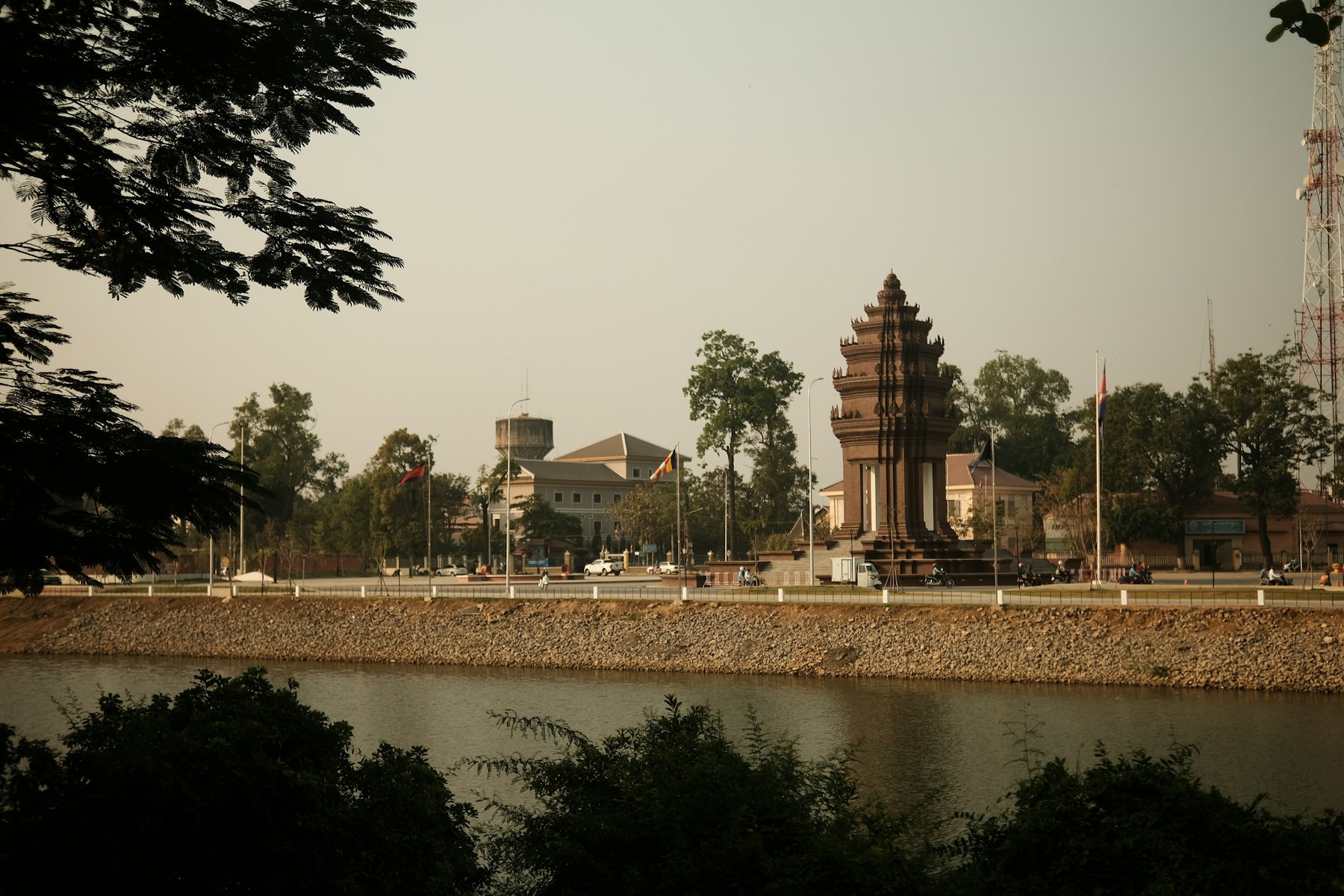
Battambang
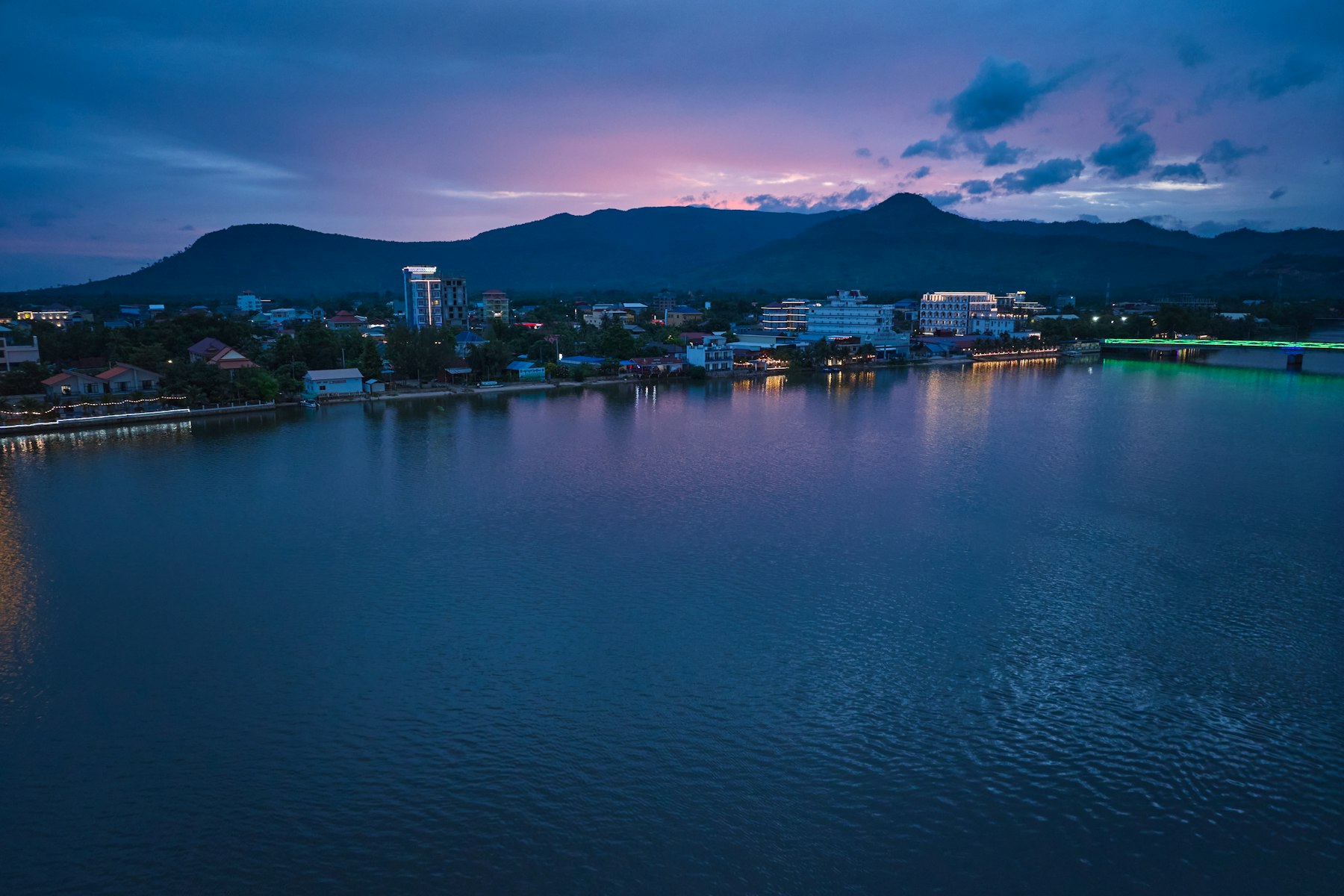
Kampot
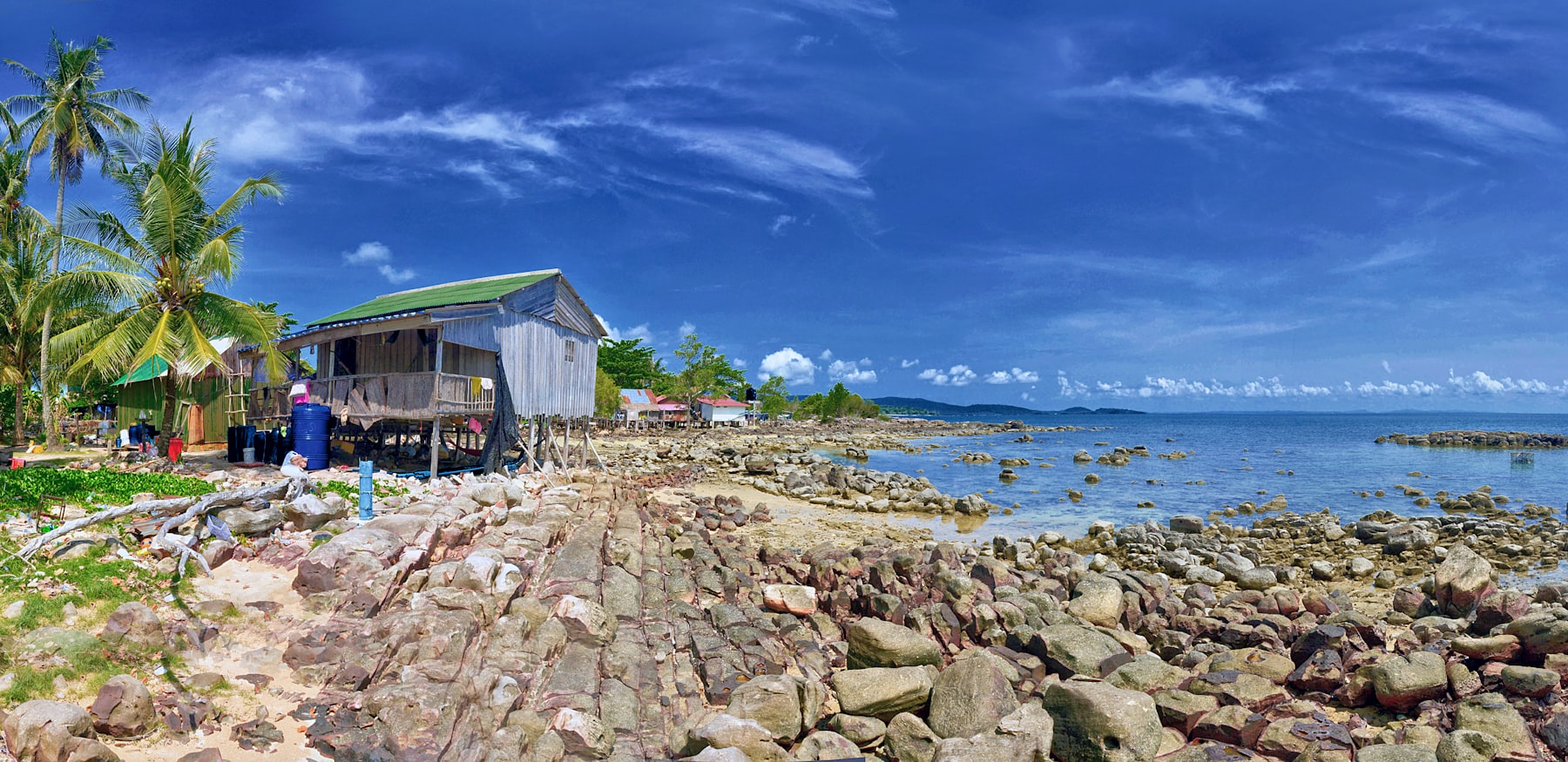
Kep
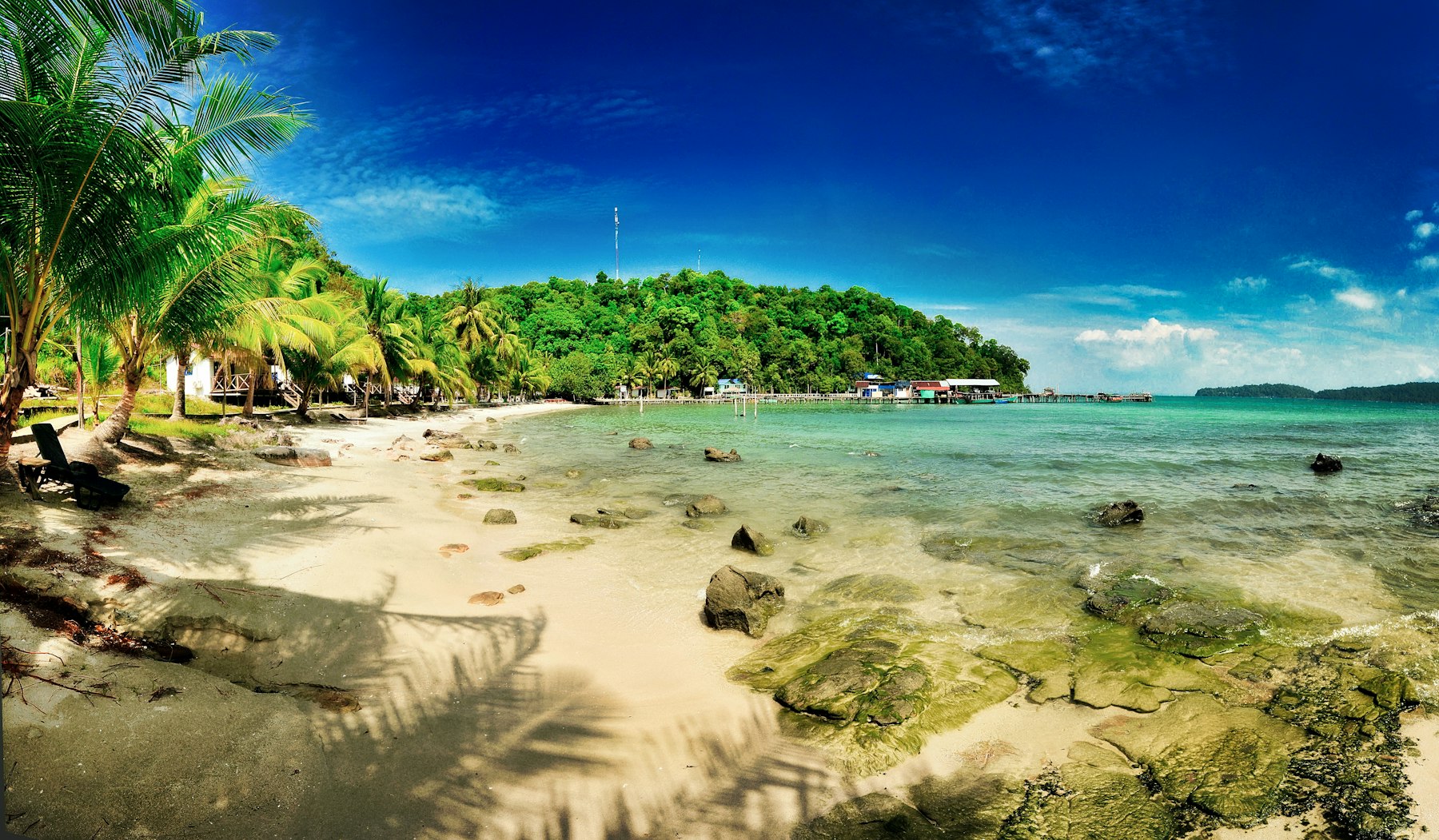
Koh Rong

Phnom Penh

Siem Reap
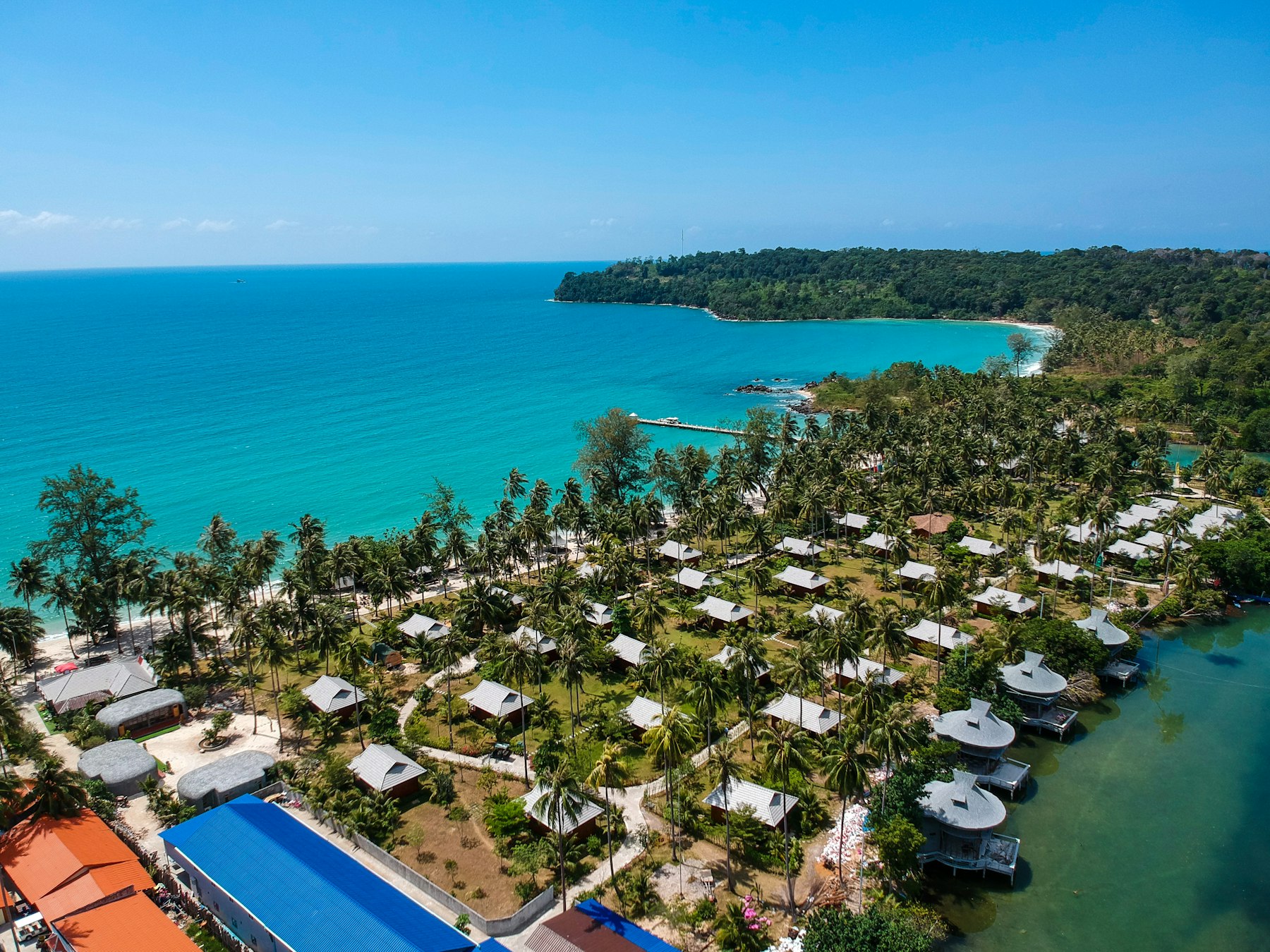
Sihanoukville
Why Cambodia, and Who Should Skip It
Angkor is one of the great sights on earth. Not one of the great sights in Asia. On earth. It is bigger than any photograph makes it look and there is nothing else in the world that is quite the same kind of thing. That alone is enough reason to go.
Angkor is not one temple
I thought Angkor Wat was the whole site. It is one building in a complex the size of a city. Bayon, Ta Prohm, Angkor Thom, Baphuon and dozens more sit inside the same ticket.
The welcome is amazing
We smiled at more people in Cambodia than anywhere on that whole trip, and every single one came back. It is the thing both of us wrote about first when we got home.
It is cheap
We paid eight dollars a night for a room and three dollars for a tuk-tuk across town. The Angkor pass is the one real expense and it is worth every cent of it.
Who should skip it. Anyone who wants a trip rather than a trip. Poverty here is visible and not tucked away behind a resort wall, and if you are not ready to look at it you will spend the week feeling awful. Anyone who cannot cope with heat. And anyone with a child not yet up to long hot days on their feet, because Angkor is walking, and a lot of it.

Angkor Wat itself. Built for Suryavarman the Second in the twelfth century, it is on the national flag, and it is the only building on any flag anywhere
Angkor, and Why One Sunrise Is Not Enough
The default Angkor trip is a five in the morning tuk-tuk, a crowd of six hundred people behind the north reflecting pool, a photograph, and back to the hotel pool by eleven. If that is your only visit you have seen about four per cent of the site and you have seen it at its most crowded. Here is what I book instead.
Buy the three day pass, not the one day. It is not much more and it changes the whole shape of the visit. Three days means you go out early, come back for the middle of the day, and go out again at four when the light is good and the tour buses have gone. One day means you fry.
Skip the famous sunrise, or do it on the second morning. The crowd at the pool is enormous. Angkor Wat in late afternoon is emptier, warmer in color, and you can actually stand still in it. If you want sunrise, do it at Srah Srang or from inside Angkor Thom instead.
Bayon and Ta Prohm are the two that stayed with me. Bayon has two hundred and sixteen faces carved into it and every one of them is looking at you. Ta Prohm is the one with the trees growing straight through the stone, and it is the one that looks like the films because the films were filmed there.
Hire a guide for one day, not none and not all three. Angkor without any interpretation is a lot of beautiful stone you cannot read. One licensed guide on day one, then two days on your own with what you learned. Book through your hotel, agree the price and the hours before you set off.
Siem Reap or Phnom Penh, and Why the Answer Is Both
These two cities are six hours apart on a good bus and they are nothing like each other. Most itineraries pick one. If you have more than four nights, do not.
Siem Reap is a service town
It exists for the temples. The center is a compact grid of restaurants, markets, massage places and guesthouses, and it is easy, friendly and slightly unreal. Comfortable, and not really Cambodia.
Phnom Penh is the actual country
A working capital on a river junction, half French colonial and half building site. It is louder, poorer and far more interesting. It is also where the hard history is.
Three nights and two nights
Three in Siem Reap for a proper three day Angkor pass, two in Phnom Penh for the museum, the riverfront and the history. That is the trip, and it fits in five nights.
Add the Mekong if you have it
We went east to Kratie to look for the freshwater Irrawaddy dolphins. Fewer than a hundred left in the river. Long day on a bus, and one of the quietest and best afternoons of the week.

S-21 in Phnom Penh. It was a high school. The wire across the balconies was put up to stop prisoners taking the only way out that was left to them
The Khmer Rouge, and the Question of Children
Between 1975 and 1979 somewhere around a quarter of the population of this country died. That is not background. It is inside every single conversation you will have, and the reason so much of Cambodia is so young. Adam and I went to S-21 because we both felt we needed to understand, and then we decided not to go on to the Killing Fields because we had seen enough for one day. That was an honest decision and I would tell you to make your own the same way.
What S-21 actually is. Tuol Sleng was a secondary school. It was turned into a detention and torture center. The classrooms still have the iron beds and the shackles in them, and other rooms are lined floor to ceiling with the photographs the guards took of each prisoner. Around seventeen thousand people passed through. A handful came out.
My honest age guidance, and it is the same advice I give for Auschwitz. Fourteen and up for S-21 and the Killing Fields, and only if they want to go. Eleven to thirteen with a parent who has prepared them properly and is willing to leave early. Under eleven, no. The photographs of children among the victims are what breaks people, adults included.
Do one, not both, and not on your last day. Choeung Ek and S-21 in a single morning is too much for an adult and far too much for a teenager. Pick one, go early, and put something gentle after it. Do not schedule it against a flight.
If your children are too young, do not simply skip the subject. The National Museum, the royal palace and a walk along the riverfront tell you plenty about what was nearly lost. You can say that a terrible thing happened here to a great many people and that the country rebuilt itself, and that is a true and complete answer for a nine year old.
Food
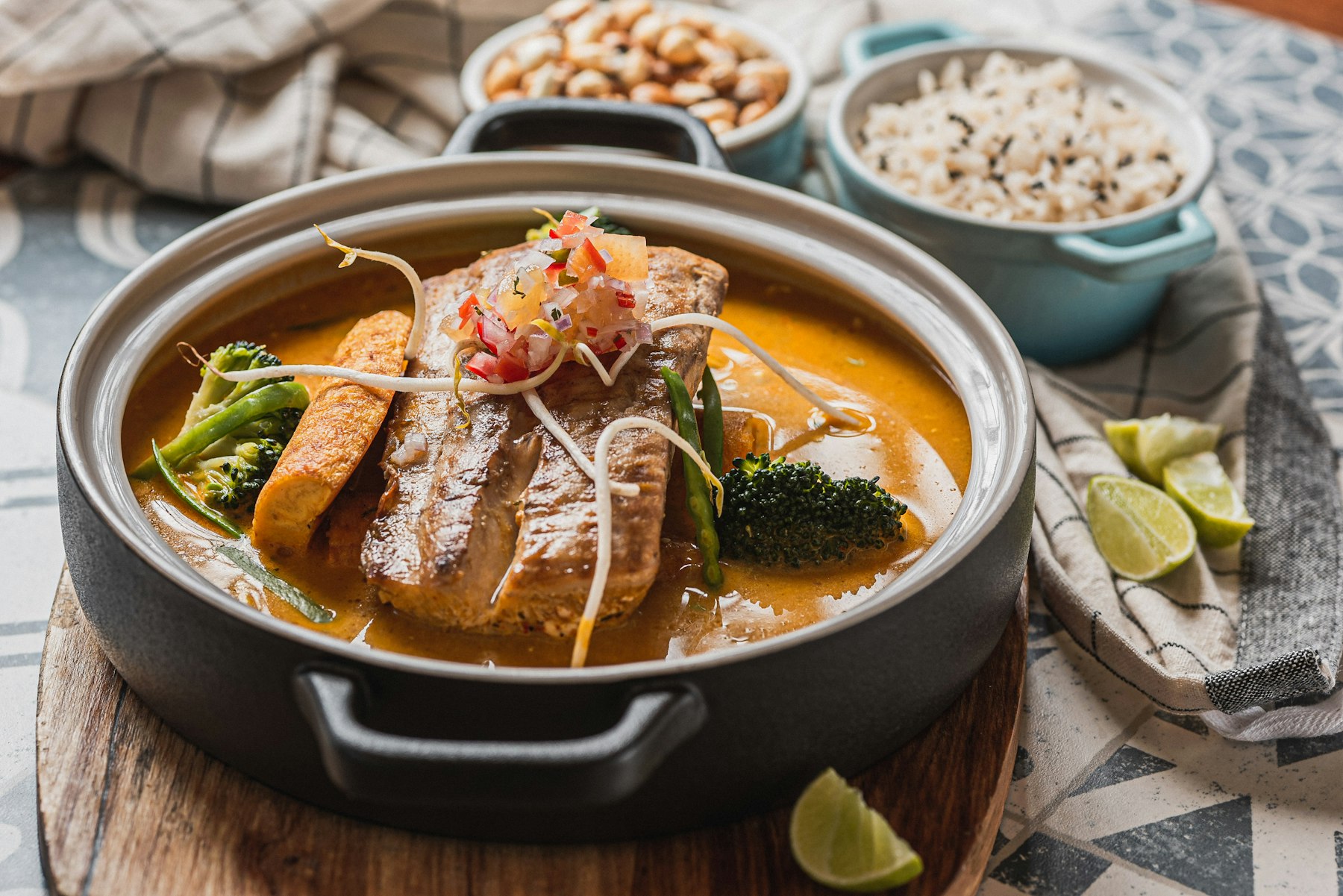
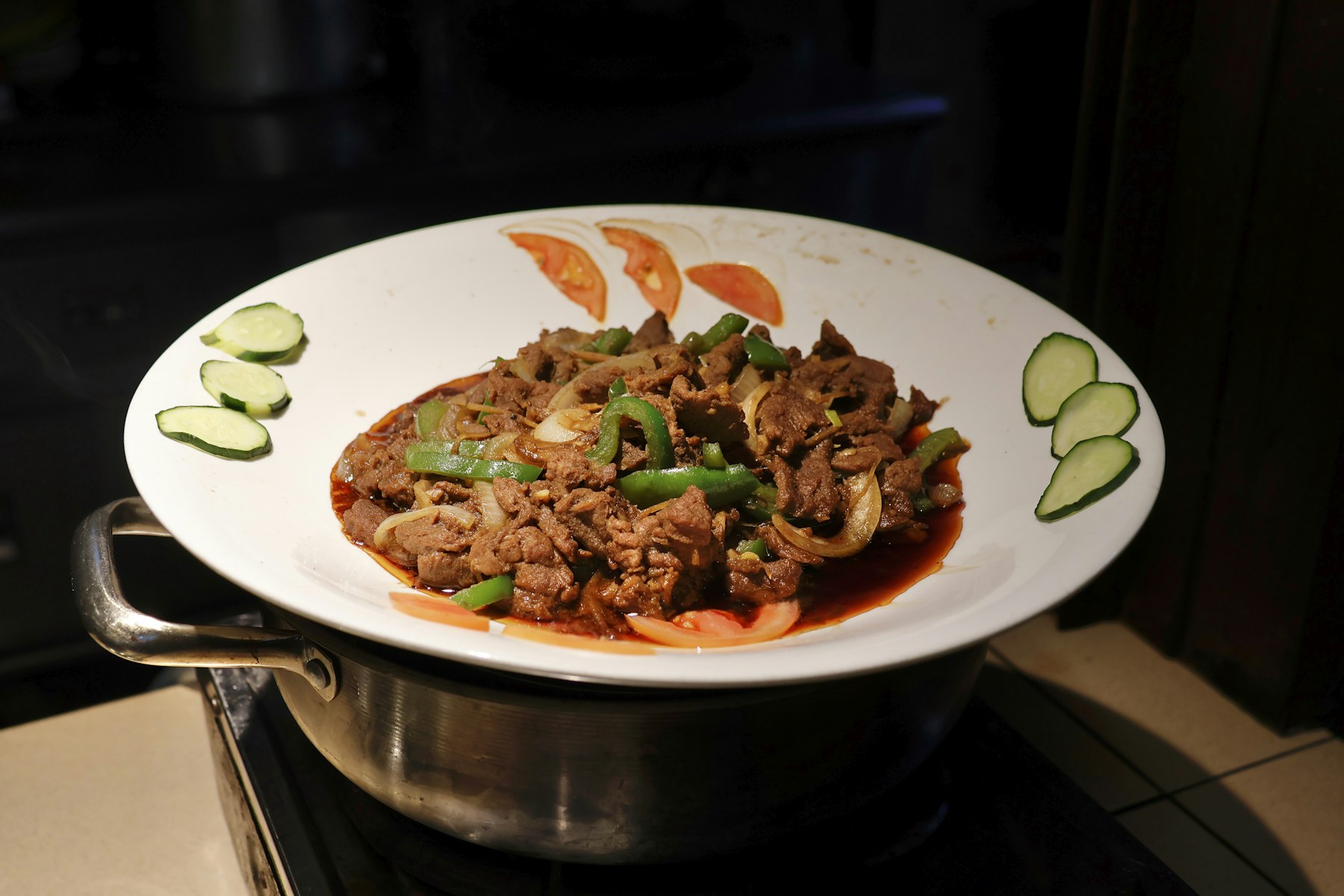
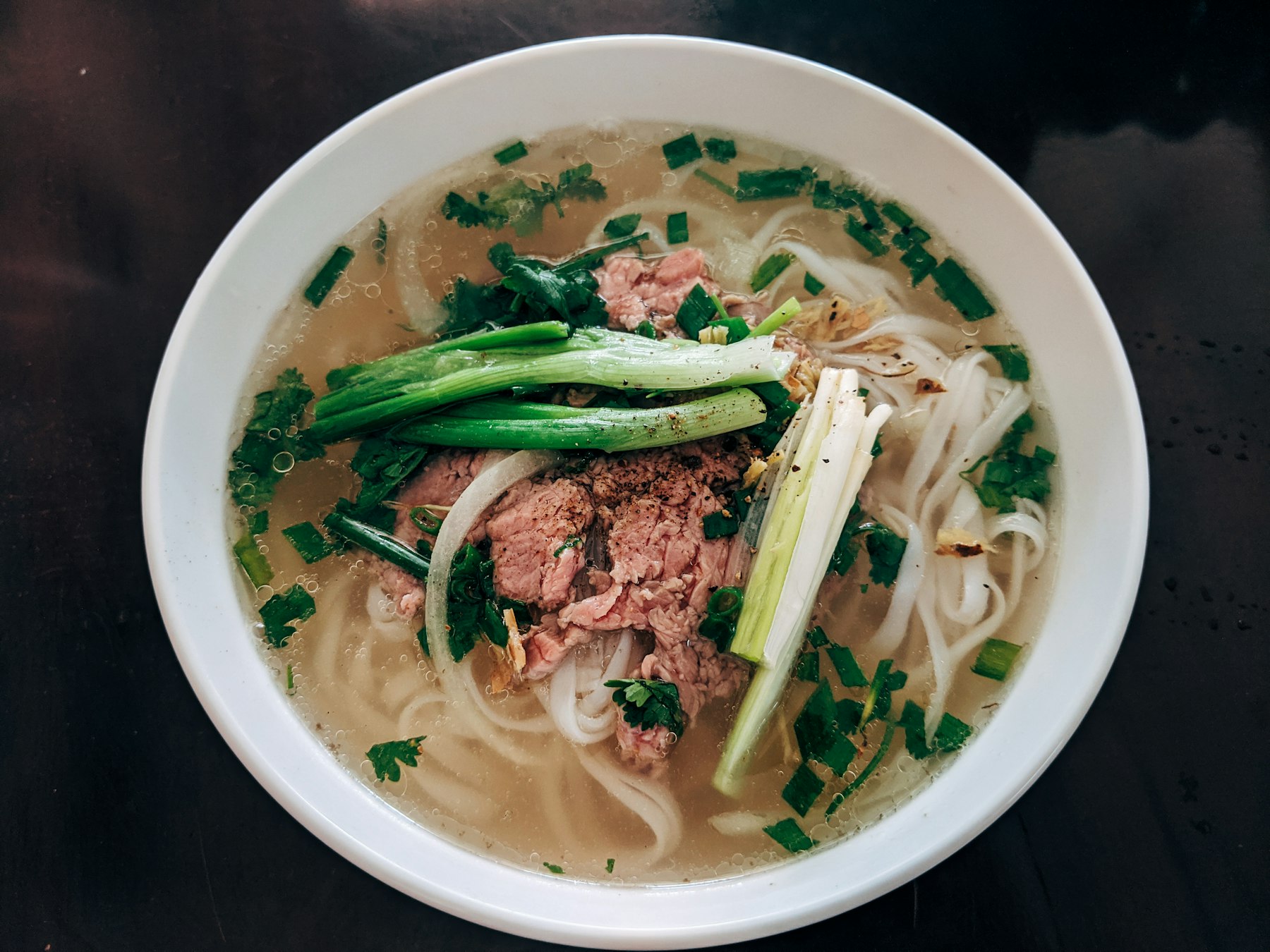
Khmer food sits between Thai and Vietnamese and gets far less attention than either, which is unfair. It is milder than Thai, sweeter and more herbal than you expect, and built on a fermented fish paste called prahok that flavors almost everything and that nobody puts on the menu in English. Chili comes on the side, so cautious eaters do well here.


Eating well and eating safely. Busy stalls turn their food over and quiet ones do not, which covers most of it. Bottled water only. And eat one meal at a training restaurant. We ate at Friends in Phnom Penh, which takes former street children and teaches them the trade, and it was the best money we spent that week.
Getting Around
Buses are the default and they are fine. Saigon to Phnom Penh, Phnom Penh to Siem Reap, Siem Reap to Battambang. Air conditioned, cheap, and slower than the timetable says. Book the morning departure so a breakdown does not put you in a strange town at midnight.
Tuk-tuks in town, by the trip or by the day. Agree the fare before you get in, every single time. A day rate is better value than four separate trips and the driver becomes useful, because he knows where things are and when they close.
Do not put a child on a motorbike, and think hard before you get on one yourself. We rode one out to the dolphin docks at Kratie and it was lovely and it was also a decision two adults made about their own necks. Helmets are inconsistent, road rules are aspirational, and most travel insurance voids on an unlicensed rider.
Fly the Siem Reap to Phnom Penh leg if you are short of time. Forty minutes in the air against six hours on the road. Everything else in Cambodia is close enough to do overland, and the road is where you see the country.

A floating shop on the water in Cambodia · photo: Unsplash. On the Mekong at Kratie we went looking for Irrawaddy dolphins. Nine dollars each, two hours on the water, and we saw four or five of them come up to breathe
The Heat, and the Temple Dress Code
These two things fight each other and nobody warns you. Angkor is hot enough that you want as little clothing as possible, and Angkor is a religious site with a dress code that is enforced at the gate. Get this wrong and you will be turned away, which happened to me twice in one country.
Shoulders and knees covered, for everyone, children included. I was refused entry at the royal palace in Phnom Penh for bare shoulders, and refused again at the upper level of Angkor Wat. Both were entirely fair and both were avoidable. Pack a light long sleeved shirt and a scarf and stop thinking about it.
The middle of the day is not negotiable. Out at six, back by eleven, out again at three thirty. That rhythm is why the three day pass matters. Fighting the heat between eleven and three is how families end up crying at the base of a staircase.
The staircases are close to vertical and there are no handrails. Khmer temple stairs were built steep on purpose, because approaching a god was meant to be difficult. Some have modern wooden steps bolted on, many do not. With small children, make the decision at the bottom rather than halfway up.
Money and Practical Basics
Cambodia runs on US dollars, with riel as small change. Prices are quoted in dollars, ATMs dispense dollars, and anything under a dollar comes back in riel at about four thousand to one. Bring clean, unmarked, untorn notes. A ripped twenty will be refused, politely, everywhere.
The visa is straightforward but do it properly. There is an official e-visa and there are dozens of sites that look official and charge you four times the fee. Use the government portal. At land borders, expect an unofficial extra dollar or two to be asked for, and expect it to be persistent.
Buy the Angkor pass at the official ticket office. It has your photograph on it, it is checked at every temple, and a three day pass can be used across a week rather than three consecutive days. Do not buy a temple ticket from anyone in a parking lot.
When to Go
Cambodia has two seasons and the choice between them is a real trade off, not a formality. We went in the middle of the wet season and I would happily do it again.
Nov to Feb
The dry, cool season and the obvious answer. Comfortable temperatures, blue skies, and the highest prices and biggest crowds of the year at Angkor. Book accommodation months out for Christmas and New Year.
Mar to May
The hot season, and hot here means forty degrees in the shade at Angkor. Punishing with children. Khmer New Year in mid April is a wonderful thing to be around and shuts the country for three days.
Jun to Aug
What we had. Heavy short afternoon downpours rather than all day rain, everything green, moats full, prices down and the temples comparatively empty. The photographs are better. Bring a poncho, not an umbrella.
Sep to Oct
The wettest weeks and the ones I would avoid with a family. Rural roads flood, boat schedules stop meaning anything, and the Mekong is at its highest. Beautiful, and hard work.
I never smiled at so many people and had so many honest smiles come back. It almost hid the fact that we were walking through a town that could not afford anything.
Adam, written in Phnom Penh, August 2010With Kids
 Poppy marks the family parts. Wherever you see her, that section is written for travelling with children.
We traveled Cambodia as two adults. This is what I know from building these trips for other families, and from having taken our own three around Japan and Korea, which is the closest comparison I actually own.
Angkor is a walking site and that is the whole planning problem. Kilometers of it, on uneven sandstone, in the heat. A six year old will manage two temples. A ten year old will manage four with a long break. Nobody manages eight. Build the day around three, and let the tuk-tuk be the rest.
Book a hotel with a pool and use it every single afternoon. This is not indulgence, it is the mechanism that makes the trip work. In Siem Reap a pool costs almost nothing extra. It is the difference between children who want to go back out at four and children who do not.
Talk about begging before you arrive, because it will happen. Children will approach your children, selling postcards and bracelets. Some are working for adults and some should be at school. Decide as a family what you will do, say it out loud in advance, and be consistent. Give to a school or a training restaurant rather than to a hand.
Say no to orphanage visits. Voluntourism at orphanages is a real industry in Cambodia and much of it is harmful, including places where the children are not orphans at all. If a tuk-tuk driver offers, decline. This is one of the few things in travel I will state flatly rather than as a preference.
Stomachs, mosquitoes and sun, in that order. Bottled water for everything including teeth. Dengue is present, so repellent and long sleeves at dusk. There is malaria risk in remote forested areas but not in Siem Reap or Phnom Penh. Talk to a travel clinic about your exact route.
Spend on the guide and the three day pass
The two purchases that change what Angkor actually means. Everything else here is cheap enough that neither will dent the trip.
Spend on the hotel pool
The middle of the day has to go somewhere. In Cambodia a pool is thirty dollars, not three hundred, and it is what keeps the family functioning.
Save on food, entirely guilt free
A dollar fifty breakfast on the street beats an eleven dollar hotel buffet in every way that matters. Sit where there is a line.
Things That Surprised Us
That everything is priced in American dollars. We did not know until we crossed the border. It makes the arithmetic easy and it makes the poverty far more legible, because you can read exactly what someone earns in a currency you understand.
How young the country is. It felt as though every young woman we passed had a baby with her. That is what happens to a population after a quarter of it is killed. It is demography, and once you see it you cannot unsee it.
How much better the wet season looked. Storms build all afternoon, the light turns strange and gold, the moats fill and everything reflects. We had one flash flood in Phnom Penh deep enough that our tuk-tuk engine was underwater and still going.
How much of the trip turned out to be about people rather than places. Our driver Sophet, who had been a teacher until the school system pushed him out. The children in the museum courtyard. The family from London we walked round Angkor with for a whole afternoon. I remember all of them as clearly as the temples.
Numbers Worth Knowing
Cambodia, by the numbers
Ways to travel
Cambodia Is Not One Kind of Trip
How you move through it changes the trip more than which places you pick.
Ocean Cruising
A Mekong river cruise between Siem Reap and Saigon covers Cambodia and Vietnam in one unhurried trip, with stops in river towns cars never reach.
For example: a Mekong river cruise linking Siem Reap and Saigon.Road Trips
The road south from Phnom Penh to Kampot and Kep is an easy drive through countryside and past pepper farms to a quiet stretch of coast.
For example: a drive from Phnom Penh to the coastal towns of Kampot and Kep.Independent Travel
Siem Reap and Phnom Penh are easy to self plan, with reliable tuk tuks, good value hotels and a tourism industry built around Angkor.
For example: a self planned week split between Siem Reap and Phnom Penh.Guided and Small Group
A knowledgeable local guide turns Angkor from a maze of stone into a real story, and is close to essential at Tuol Sleng and the Killing Fields.
For example: a guided multi day tour of the Angkor temple complex.Explore by interest
Or Start From What Your Family Actually Likes
Sports
Kun Khmer, a Cambodian martial art related to Muay Thai, draws real crowds, and a local match is worth seeking out in Phnom Penh.
History
Angkor was the largest pre industrial city on earth at its height, and Tuol Sleng and the Killing Fields hold the country’s much more recent, much heavier history.
Food and Drink
Fish amok, beef lok lak, kuy teav noodle soup, the breakfast plate bai sach chrouk, and num pang sandwiches from a street stall.
Nature and Wildlife
The Tonle Sap is Southeast Asia’s largest freshwater lake and one of the only rivers on earth that reverses direction with the seasons.
Arts and Culture
Angkor Wat is the largest religious monument in the world, and classical Apsara dance performances in Siem Reap trace directly back to the carvings on its walls.
Something unexpected
Unique Things to Do in Cambodia
Arrive before dawn
Sunrise at Angkor Wat
Getting to the moat before sunrise means watching the five towers of the world’s largest religious monument turn gold, before the crowds arrive.
Walk its galleries
The Bas Reliefs of Angkor Wat
Nearly half a mile of carved sandstone gallery wraps the temple, telling stories from Hindu mythology and actual Khmer history in stone.
Go with a guide
Tuol Sleng,
A former high school turned into a prison during the Khmer Rouge years, preserved as a memorial that tells a heavy but necessary part of Cambodia’s recent history.

Take the ferry out
Koh Rong, Off the Coast
A short ferry from Sihanoukville reaches an island with the kind of quiet white sand beaches most people do not expect from a Cambodia trip.
Cambodian Culture
A country carrying a rich ancient past and a very heavy recent one, both worth understanding before you go.
Angkor was once the heart of an empire, not just a ruin. the Khmer Empire ran much of Southeast Asia from here for centuries, and the temples were built to prove it.
The Khmer Rouge years are recent, not distant history. Tuol Sleng and the Killing Fields are hard visits, and worth doing with a guide who can hold the weight of it for you.
Apsara dance connects directly back to Angkor’s carvings. the poses in a classical performance in Siem Reap are the same ones carved into the temple walls centuries ago.
Buddhism shapes daily rhythm here. orange robed monks collecting alms at dawn is an ordinary sight, not a show staged for visitors.
Routing Cambodia
The country splits naturally into temples, capital, and coast, and most trips only need two of the three.
Siem Reap and Angkor come first for almost everyone. plan at least three days to see the temples properly without rushing.
Phnom Penh adds the capital and the harder history. the National Museum, the Royal Palace, Tuol Sleng and the Killing Fields all sit here.
The south coast is an optional add on, not a must. Kampot, Kep and Koh Rong island are worth it if you have the extra days, skippable if you do not.
A Mekong river leg connects Cambodia to Vietnam. a river cruise or overland crossing from Phnom Penh to Saigon links both countries without a flight.
Worth the Splurge in Cambodia
A few places where paying more changes what the day actually feels like.
A private sunrise guide at Angkor. someone who knows exactly where to stand and when to move gets you the view without fighting the crowds.
A proper resort in Siem Reap. after full days of temples, a real pool and air conditioning make a bigger difference here than almost anywhere else.
A private boat on the Tonle Sap. a private guide beats the crowded group boats to the floating villages, especially with kids.
A few nights on Koh Rong instead of a day trip. staying over turns a rushed ferry visit into an actual beach break at the end of a temple heavy trip.
Pair it up
Countries That Pair Well With Cambodia
Thailand
Angkor is a short flight or a very long bus from Bangkok. Cambodia is the country that stayed with me the longest.
Read the guide
Vietnam
Saigon to Phnom Penh overland is easy, and the two countries share a recent history that is heavy and worth understanding together.
Read the guide
Laos
Both small, both quiet after Thailand and Vietnam, both cheap once you are on the ground.
Read the guide
Cambodia can be a focused week around Siem Reap and the Angkor temples, a longer trip that adds Phnom Penh and its harder history, or an extension onto a bigger Southeast Asia trip through Thailand, Vietnam or Laos. Which one makes sense depends on how much time you have and how your family handles heavier history. Send me the ages, the dates, and what you are hoping this trip feels like. I will come back with what is really available.
Start planning CambodiaKeep exploring from Cambodia
Cities, neighbors, and the wider region.
Click any card to open that page
More of Asia
 China
China India
India Indonesia
 Japan
Japan South Korea
 Malaysia
 Philippines
 Singapore
 Taiwan
 All of Asia
 Explore the world
 The Travel Library