
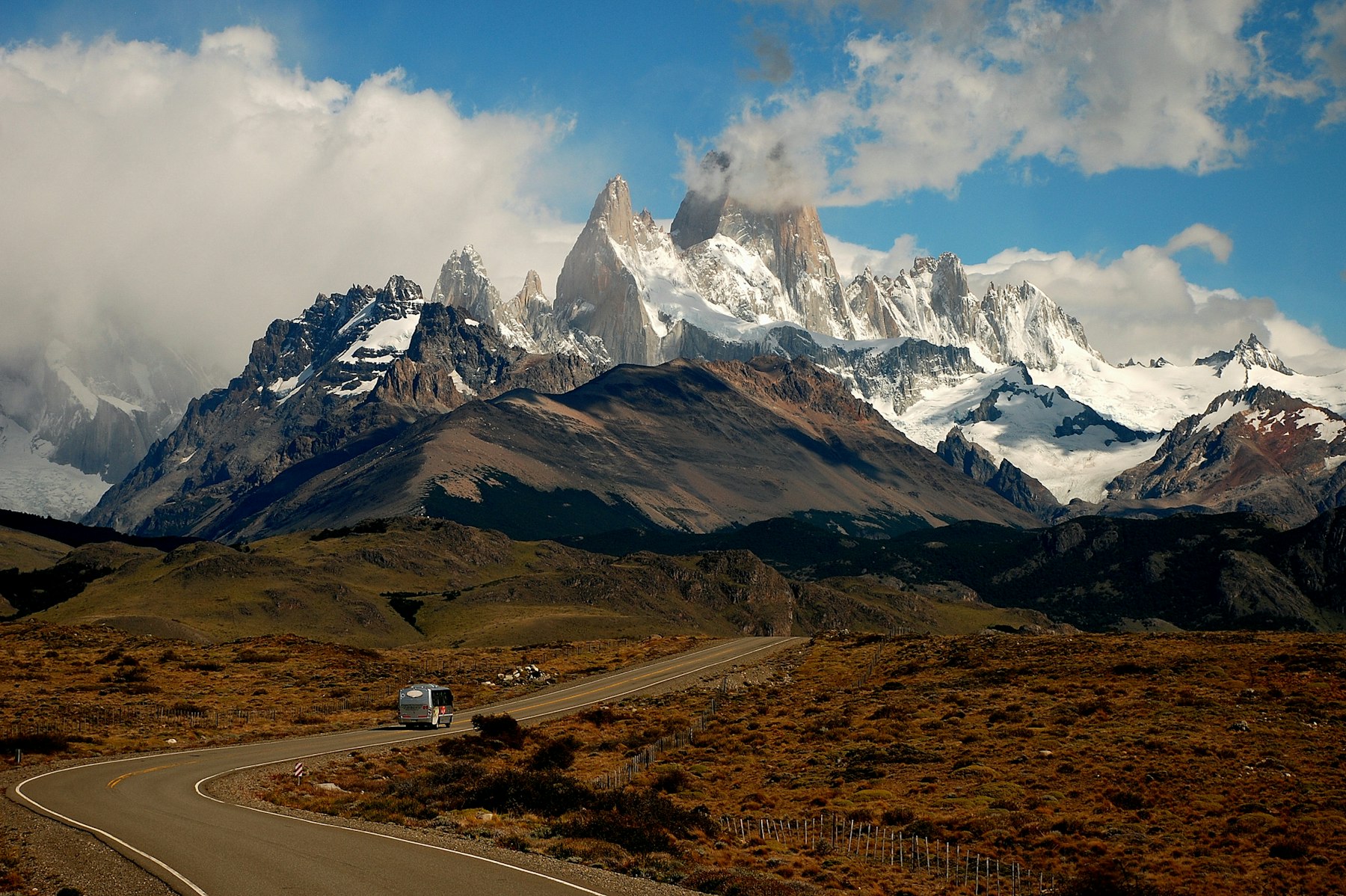
Fitz Roy at first light. Patagonia is not a place you add to an Argentina trip. It is its own trip and its own budget
Argentina Family Travel Guide
“Argentina is the easiest country in South America to love and the hardest one to pay for correctly. Both of those need explaining before you book anything.”
It is the top of my own list. What follows is what I know as an advisor, from planning it, from the operators I work with in Buenos Aires and El Calafate, and from the debriefs afterwards.
Every single Argentina conversation starts with money. Not because it is expensive, but because the currency situation is strange and it has caught out almost every client I have sent. There is a whole section on it below and it is the most useful part of this page. Read it before you read anything about glaciers.
The second thing is distance. Argentina is the eighth largest country in the world. Buenos Aires to Ushuaia is a three and a half hour flight, which is roughly New York to Denver. People book Buenos Aires, Iguazu, Mendoza and Patagonia in twelve days and then spend six of them in airports. Two of those four. That is the honest advice.
Argentina Place by Place
Eight places worth naming. The first two are the trip. Everything after that is what you add when you have a fortnight or a second visit.

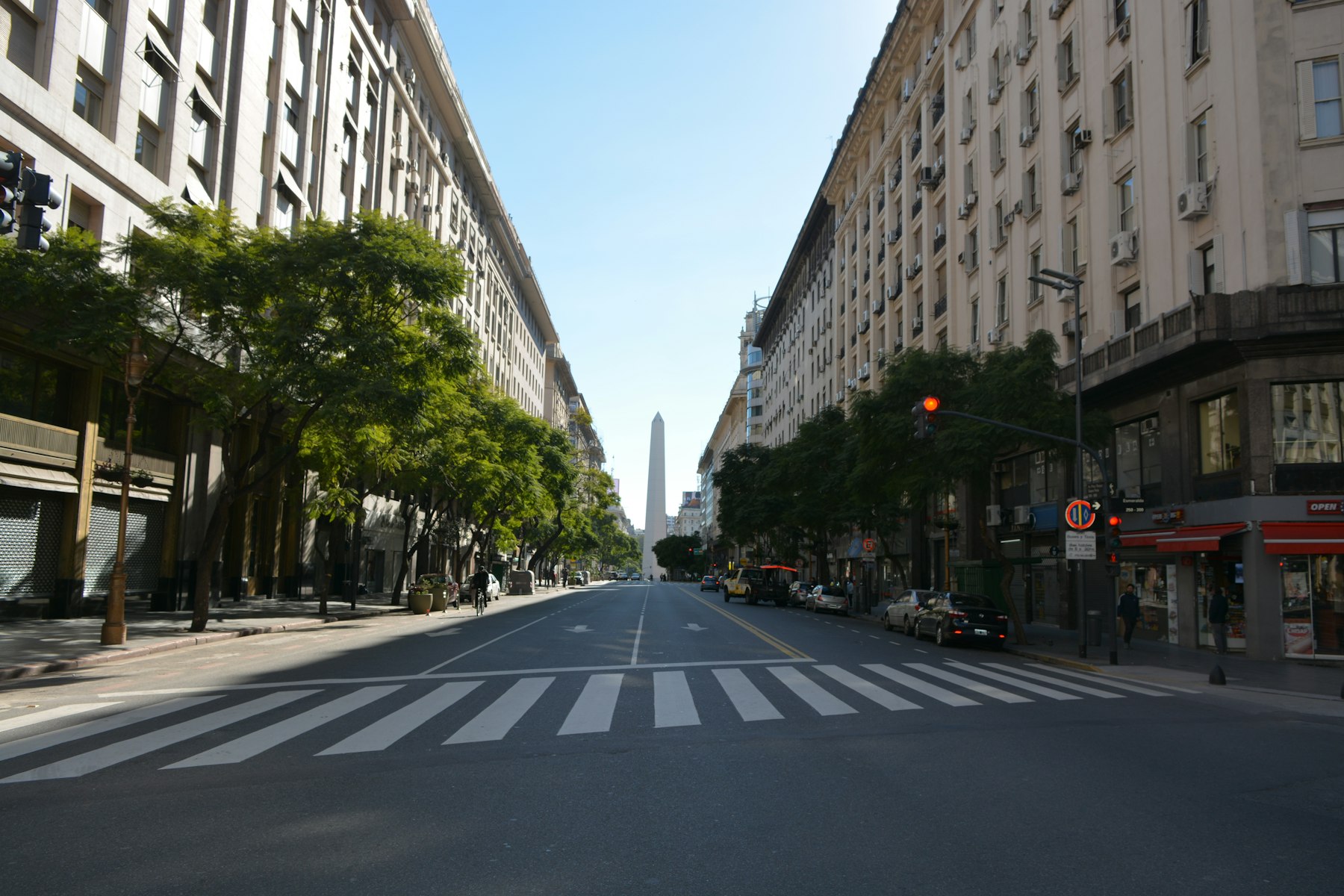
Buenos Aires
Patagonia

Iguazu
Mendoza
Bariloche
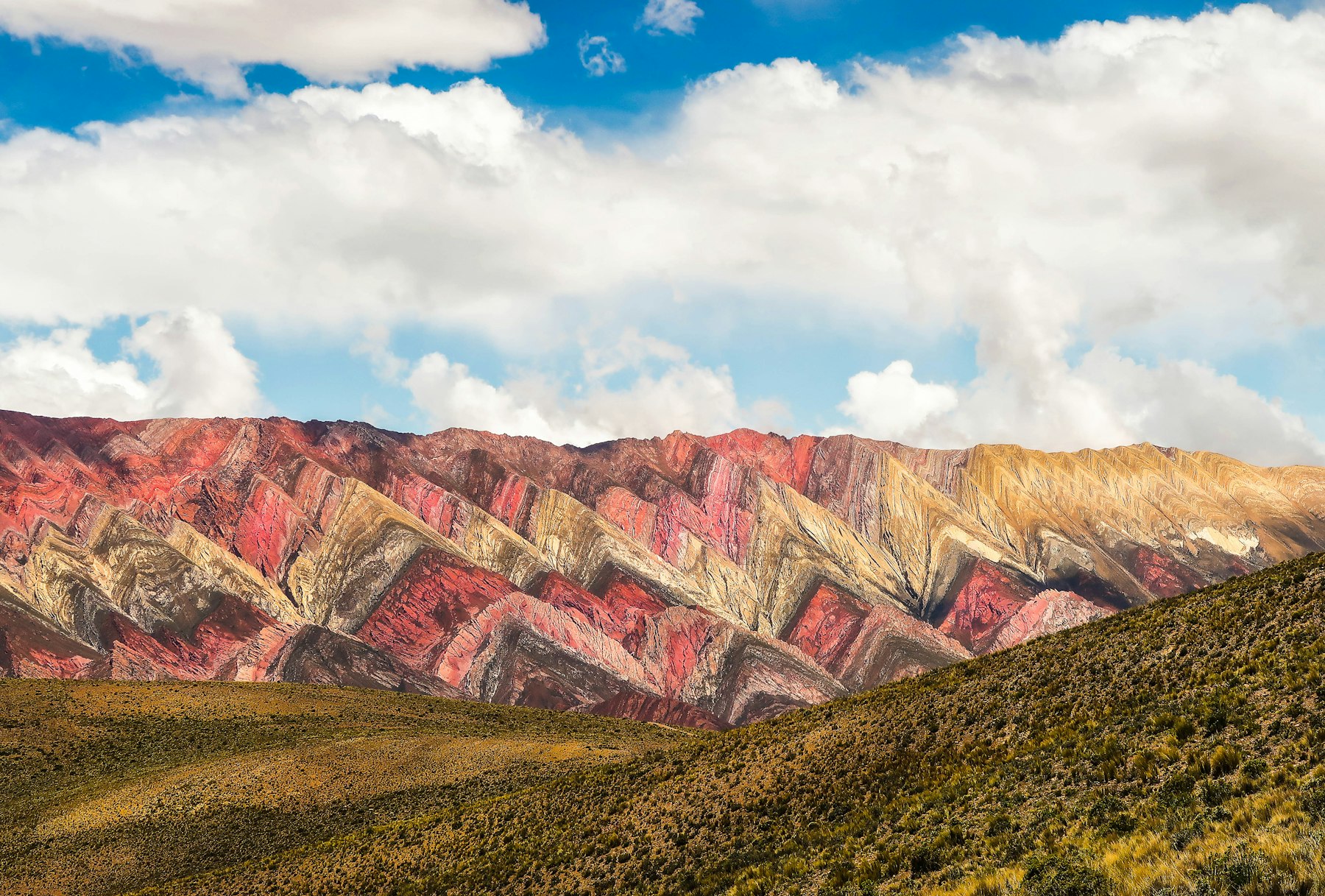
Salta
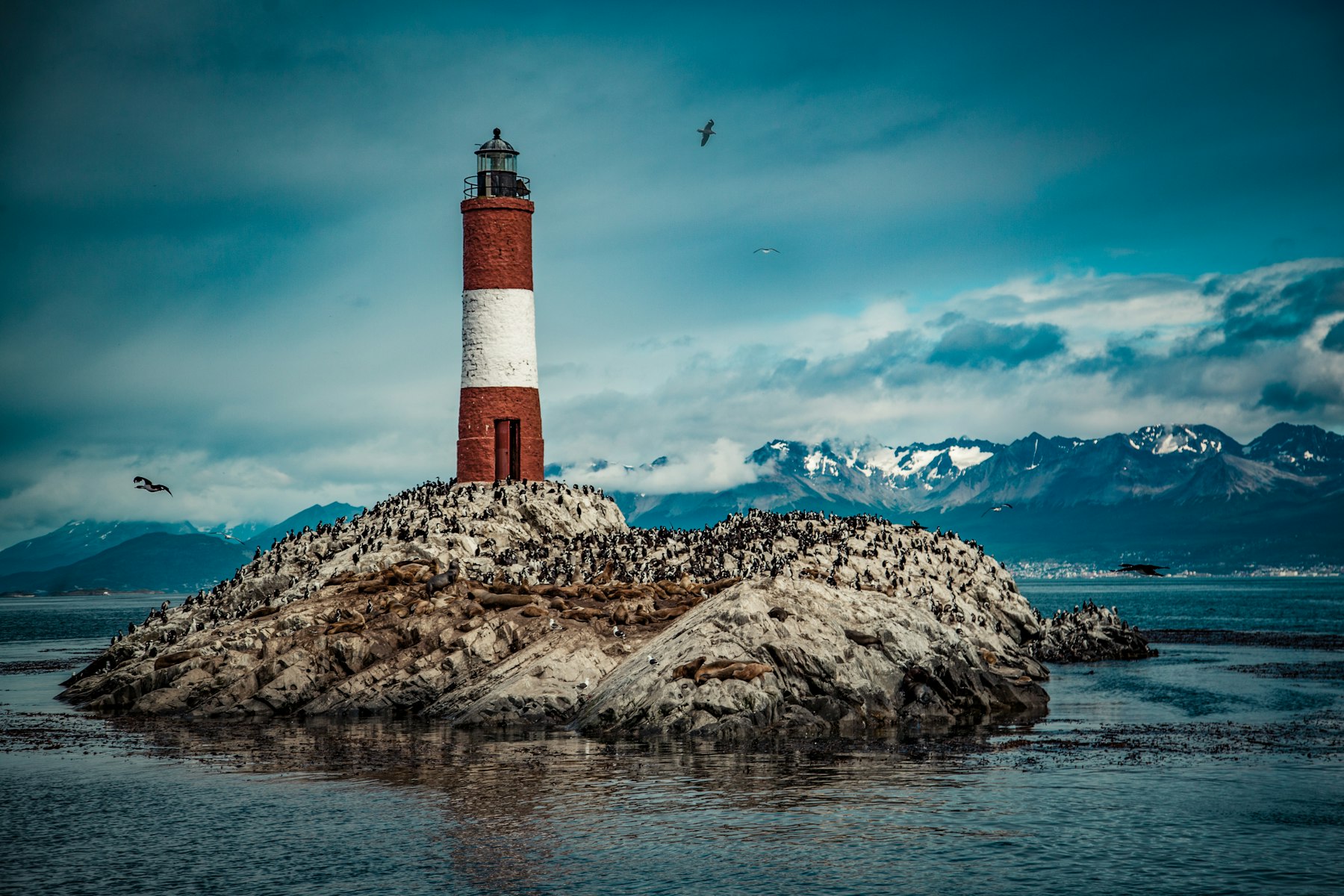
Ushuaia

El Calafate
The Money Situation, Because It Trips Up Everybody
Argentina has spent years with high inflation, currency controls and more than one exchange rate at the same time. Some of that has eased and the rules keep changing, which is precisely the problem. Here is the shape of it, and then the one rule that survives every rule change.
Foreign cards now get the tourist rate automatically. Since late 2023 paying with a foreign credit card in Argentina converts at a favourable tourist rate rather than the old official one. That reversed a decade of advice about carrying cash. Use the card, and use it for hotels, restaurants and shops.
Bring clean United States dollars anyway. Cash dollars are still king for tips, small guesthouses, remote Patagonia and anywhere the card machine is down, which is often. Crisp notes, hundreds, no folds and no tears. Argentina is fussy about note condition in a way that seems ridiculous until you are refused.
Do not use an Argentine ATM. Withdrawal limits are tiny, the fees are enormous and the rate is poor. It is the worst way to get pesos and it is what everybody does on day one out of habit.
Check the rate before you travel, not before you booked. Whatever is true today may not be true in six months. Two minutes on a current Argentina forum the week you leave is worth more than anything printed. This is a country where the practical advice expires.
What that means for cost. Argentina swings between being a bargain and being expensive depending on where the currency is. Right now it is broadly good value on food and mediocre value on Patagonian hotels, which are priced in dollars and are not cheap under any regime.

Caminito, in La Boca. It is completely a tourist street and it is also one of the most cheerful hundred meters in South America. Both things are true.
Buenos Aires Is a Kid Friendly City
This surprises people. Buenos Aires reads as a grown up city, all steak and tango and late dinners, and it is. It is also one of the easiest big cities in the world to be in with children, and much of that comes down to how Argentines live.
Nobody eats before nine and nobody minds your children. Restaurants fill at ten at night and there are families in them. Children are welcome everywhere, at every hour, without the sighing you get in parts of Europe. It resets your whole idea of what an evening looks like.
It is a city of parks and it is flat. Palermo has enormous green space, rose gardens, a planetarium and a Japanese garden. Recoleta has its cemetery, which sounds grim and is one of the strangest and best hours a curious ten year old will have. Everything is walkable and there is not a hill in the place.
Palermo or Recoleta. Palermo Soho for restaurants and a younger feel, Recoleta for quiet and grand old buildings. San Telmo is wonderful on a Sunday for the market and I would visit rather than stay.
It looks like Europe and does not feel like it. Paris style boulevards, Italian surnames, Spanish spoken with an Italian rhythm. It is the least South American feeling city on the continent, which is either the appeal or the disappointment depending on what you came for.

Tango. The dinner shows are for visitors and they are fine. The neighborhood milonga where locals dance badly and happily is the better evening.
Patagonia Needs Its Own Trip and Its Own Budget
This is the part people underestimate. Patagonia is not a side trip from Buenos Aires. It is a thousand miles south, it costs what a separate trip costs, and squeezing it into four nights is the most common way an Argentina trip goes wrong.
Three and a half hours of flying to get there. Buenos Aires to El Calafate or Bariloche, then more driving. El Calafate and El Chalten are three hours apart by road. Nothing down there is close to anything else.
Perito Moreno is the one that justifies it. A glacier three miles wide that calves into a lake while you watch from a boardwalk, which means small children can see it without a hike. It is one of very few glaciers on earth that is not retreating. Give it a full day.
El Chalten is the hiking base and it is not a resort. Fitz Roy and Cerro Torre above a small town of hostels and bakeries. The Laguna de los Tres hike is eight hours and hard. There are shorter walks with the same view that families can absolutely do.
Budget separately and honestly. Patagonian hotels are priced in dollars, the season is short, and demand outstrips beds. Expect European ski resort pricing. This is the leg that doubles a trip cost and the reason I often tell a family to do Buenos Aires and Iguazu now and Patagonia in five years.
The window is November to March. Outside that many things simply close and the weather is hostile. December and January are peak and must be booked far ahead. Late February and March are quieter, still open, and windier.

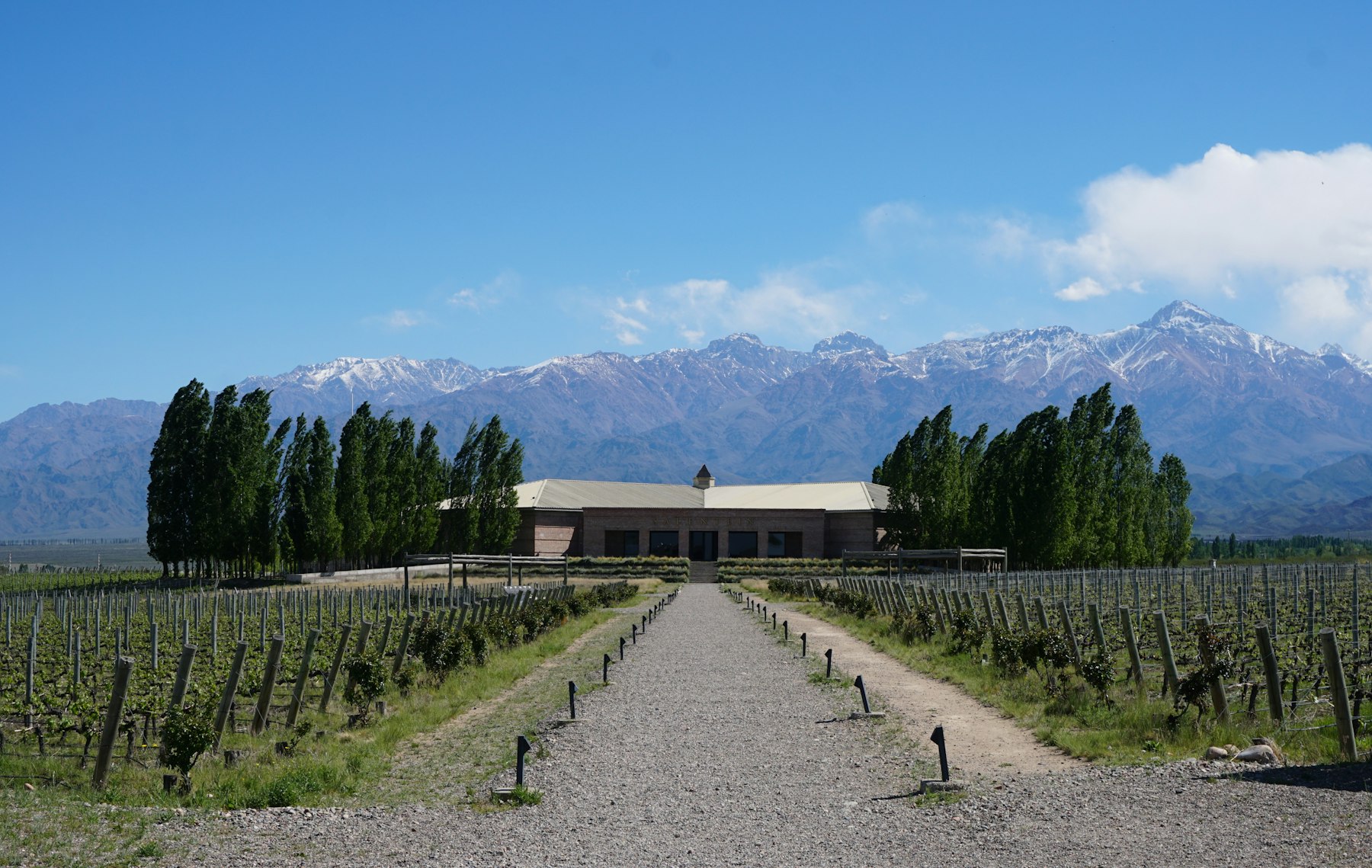
Mendoza. Malbec vines at fifteen hundred meters with the Andes behind them, which is why the wine tastes the way it does.
Mendoza, Bariloche and the Northwest
Three very different second stops, and which one you choose says a lot about who is in your family.
Mendoza is not only for drinkers. It is high desert against the Andes, and the wineries do long lunches under trees that go on for three hours. Plenty of them are set up for families with gardens and pools. Rafting, horse riding and Aconcagua are all within reach.
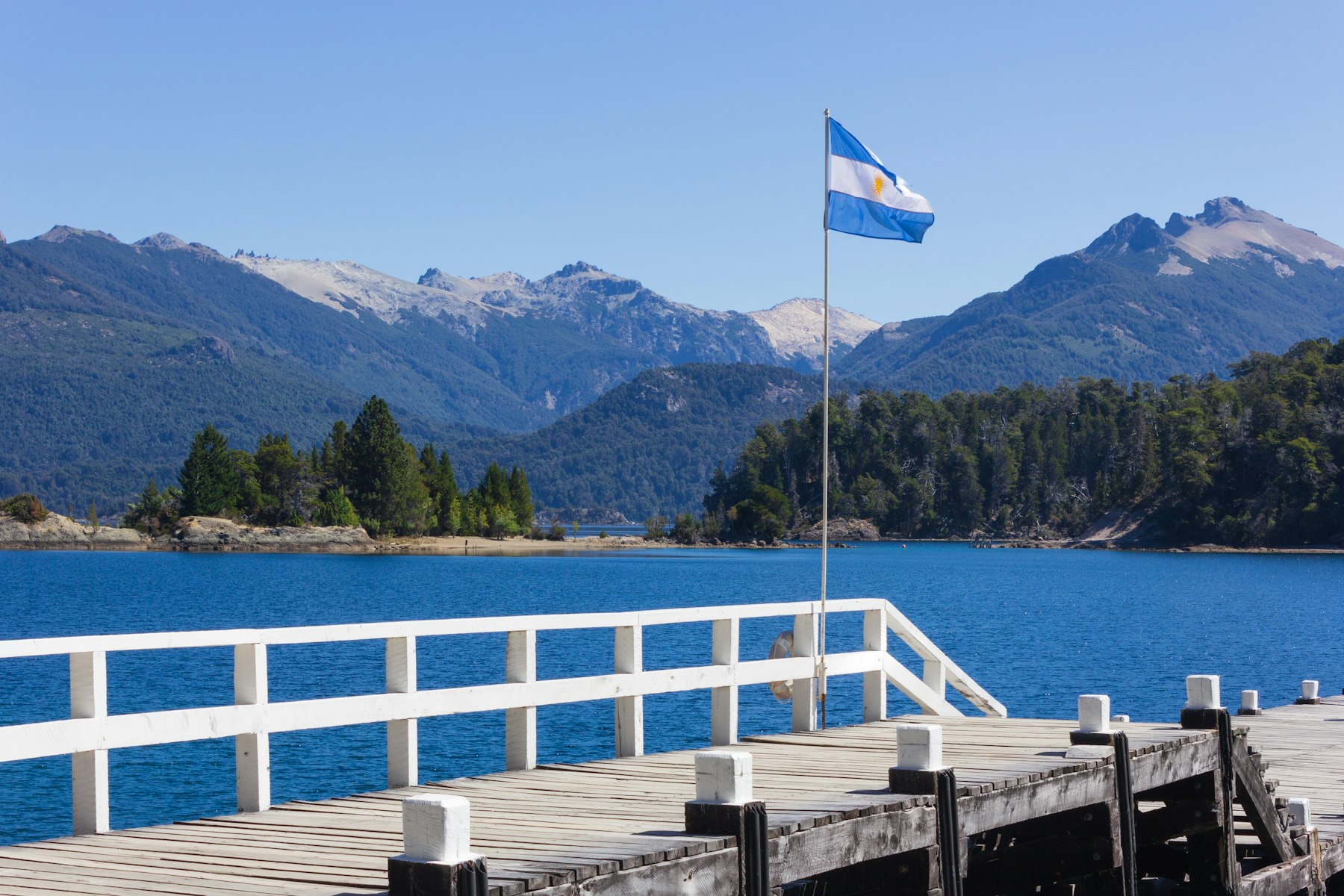
Bariloche is the Alps with a Spanish accent. Lakes, forest, chocolate shops and a Swiss looking town center built by German and Swiss settlers. Skiing in July and August, hiking and kayaking in summer. It is the easiest Patagonian taste without the Patagonian price.
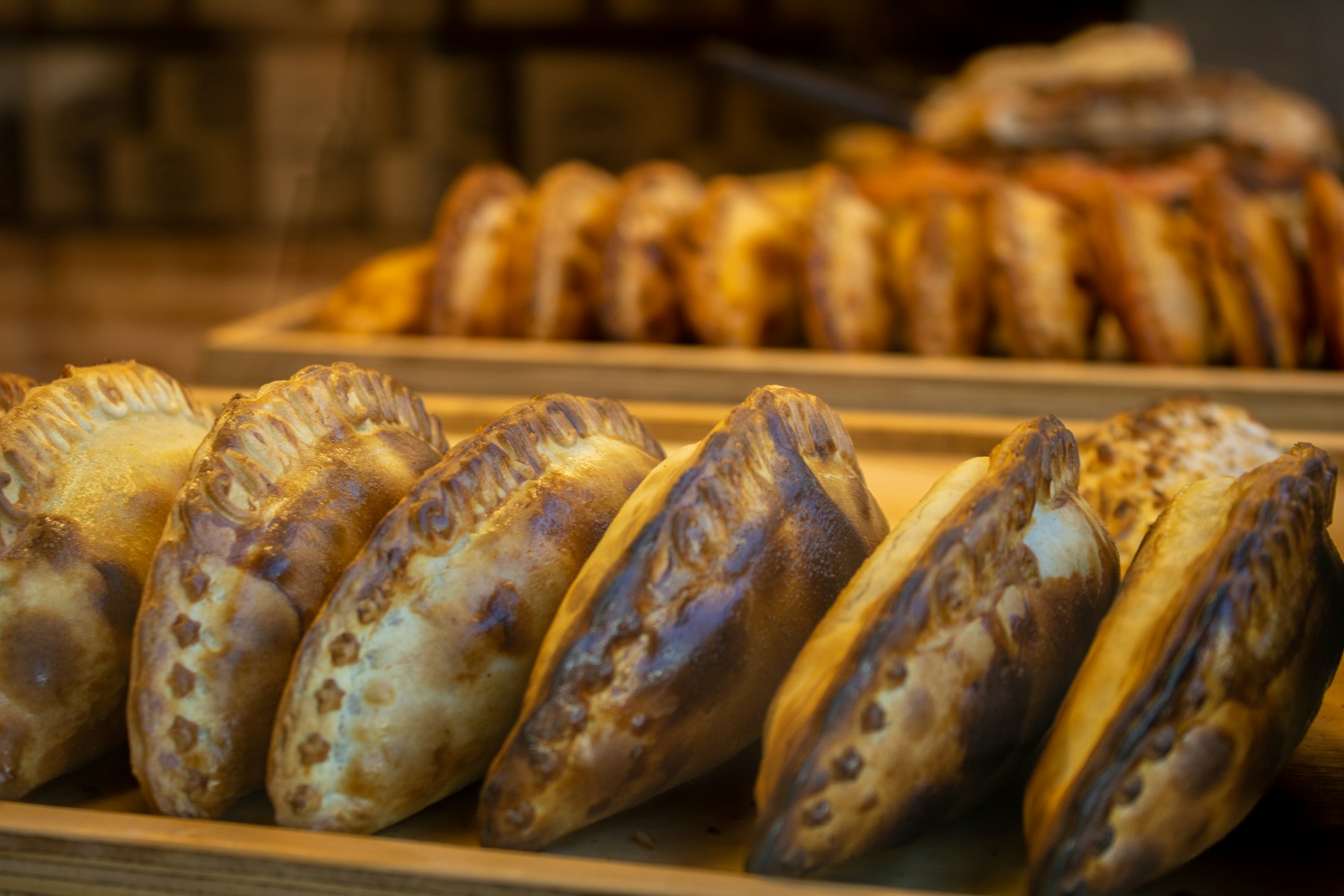
The northwest is the underrated one. Salta, Cafayate, the Quebrada de Humahuaca. Red rock canyons, striped mountains, Andean villages and empanadas that Argentines will tell you are the only real ones. Almost no American families go and it is a fraction of the cost of Patagonia.
Food
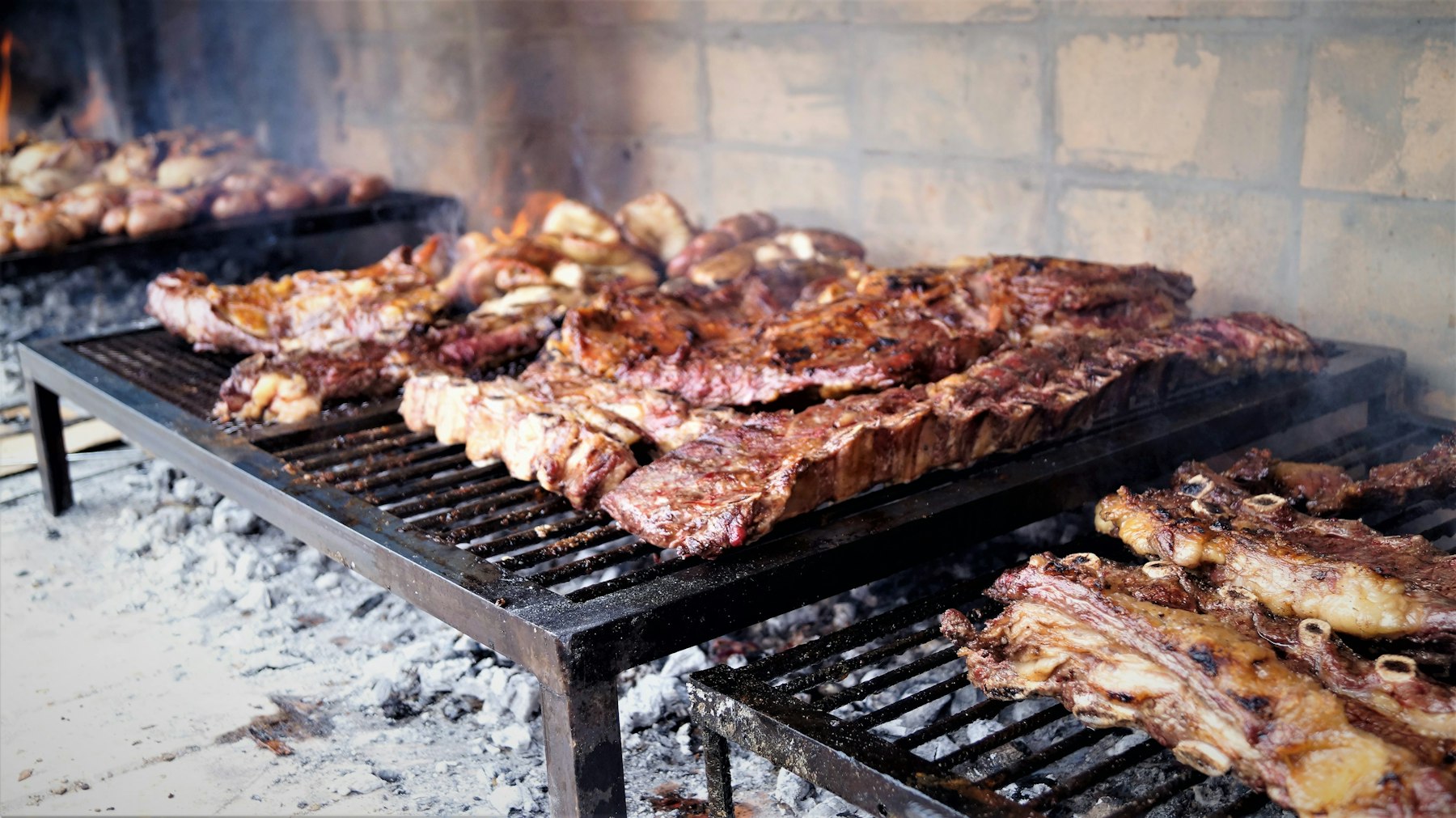
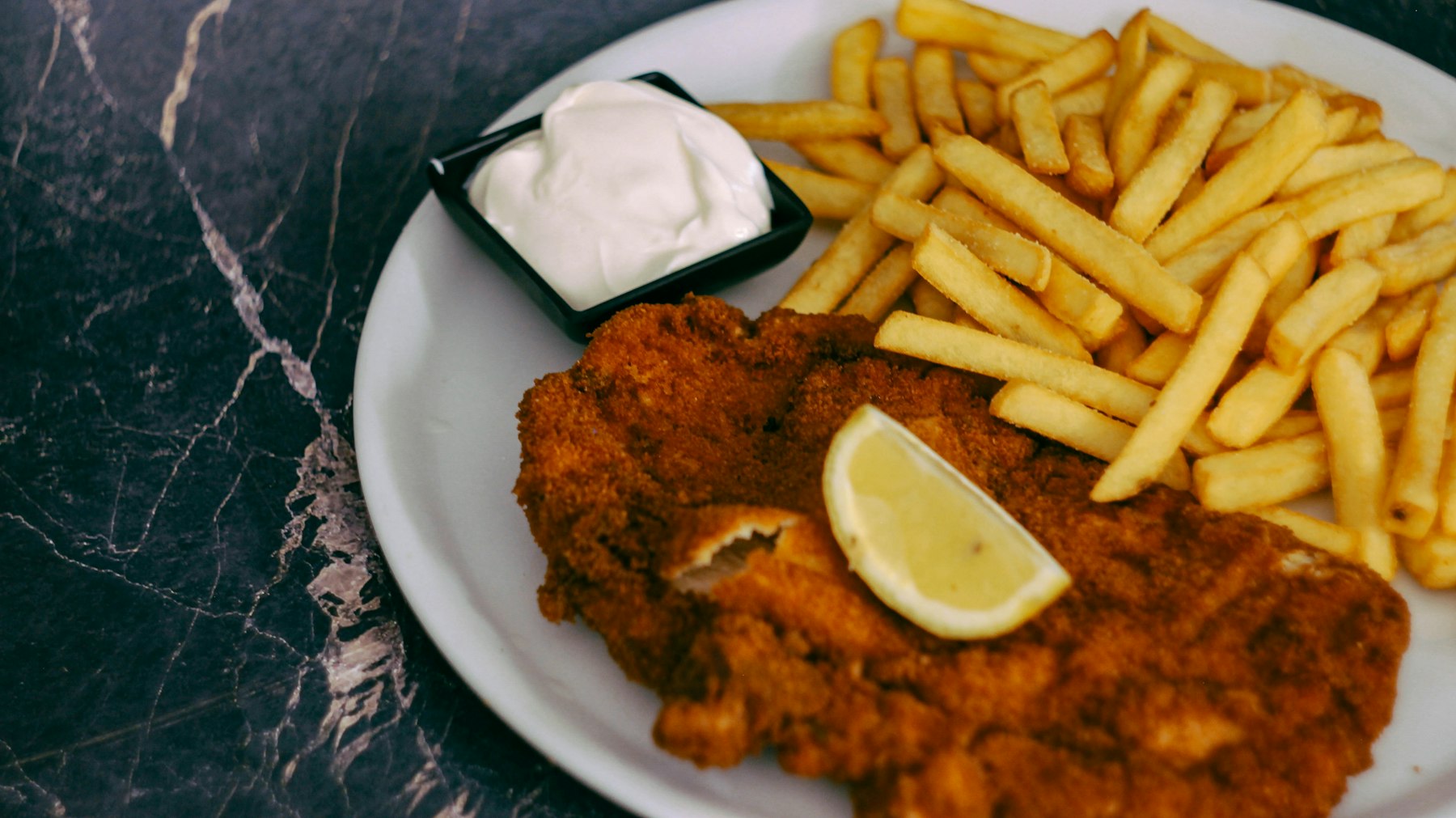
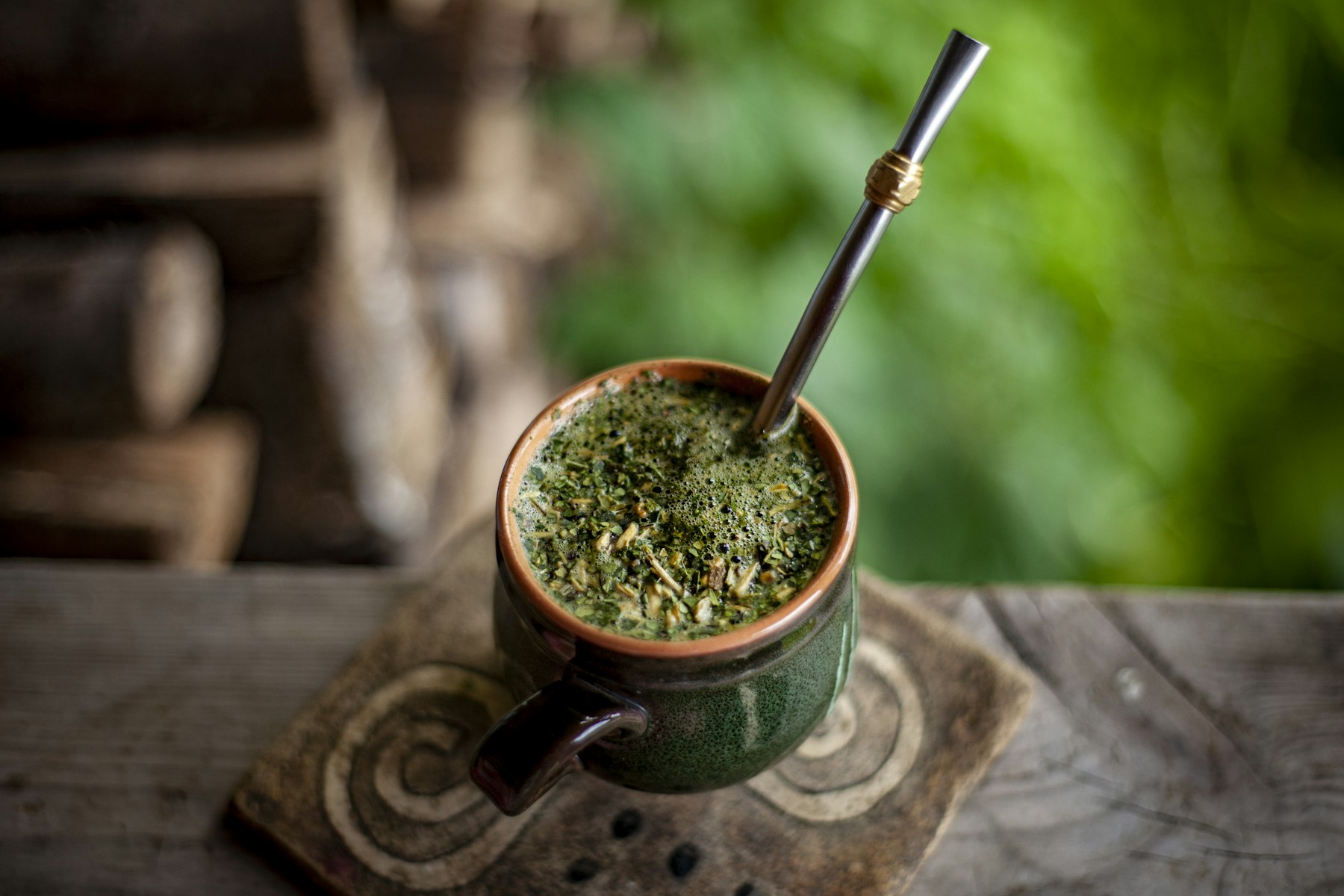
Argentine food is beef, wheat and Italy. Waves of Italian immigration reshaped the whole cuisine, which is why pizza and pasta are everywhere and why nobody eats before nine. The vegetables are the weak point, and if you have a vegetarian in the family you should know that going in.

Getting Around
Aerolineas Argentinas and Flybondi, and book early. Almost every domestic route goes through Buenos Aires, and the two Buenos Aires airports are an hour apart in traffic. Never book a same day connection between Ezeiza and Aeroparque with a family.
The long distance buses are excellent. Cama and semi cama seats recline flat, they serve meals, and an overnight Buenos Aires to Mendoza is a comfortable way to save a hotel night. Argentina does buses better than almost anywhere.
Drive in Patagonia and the wine country, nowhere else. Route 40 and the Mendoza wine roads are a pleasure. Buenos Aires traffic is not and you will not need a car there.
When to Go
Southern hemisphere, so everything is inverted, and the country is long enough that no single month works everywhere.
December to February is Patagonian summer and Buenos Aires at its worst. The south is open and glorious. The capital is thirty five degrees, humid, and half empty because Argentines have gone to the coast.
October, November, March and April are the answer. Buenos Aires is perfect, Patagonia is open at either edge, Mendoza has the harvest in March, and the prices are not December prices. This is when I would go.
June to August is ski season and Iguazu season. Bariloche skiing, whales at Peninsula Valdes from June, and the subtropical north is finally not unbearable. Most of Patagonia is shut.
Doing It With Children
 Poppy marks the family parts. Wherever you see her, that section is written for travelling with children.
The late nights are the adjustment
Dinner at ten sounds impossible and becomes normal in three days. Lean into it. A long afternoon rest and a late dinner is a better rhythm with children than fighting the whole country.
Fussy eaters do very well
Steak, pasta, pizza, breaded cutlets, ice cream that rivals Italy. Argentina is one of the easiest food countries in the world for a difficult child. Vegetarians have the harder time.
Patagonia is windy in a way you cannot picture
Fifty mile an hour gusts on a normal summer afternoon. Proper windproof layers, hats that fasten, and no expectation that a small child will walk into it for long.
Iguazu, and Doing It From Both Sides
It is two and a half hours by air from Buenos Aires and it is the single easiest thing in this country to sell to a child. It also gets rushed more than anything else on the continent.
The two sides are two different experiences and you want both. Around four fifths of the falls sit on the Argentine side, and that side puts you on catwalks in among them, close enough to be soaked. The Brazilian side is where you stand back and see the whole thing at once, which is the photograph in your head. Argentina is the day you spend in it. Brazil is the half day you look at it.
Two days on the Argentine side, not one. There is an upper circuit, a lower circuit, a little train out to the walkway over the Devil’s Throat, and a boat that drives into the base of a fall and drenches everyone on board. Trying to do all of that between a morning arrival and an afternoon flight is how people end up remembering a queue. Keep your park ticket and get it stamped on the way out, because the second consecutive day is heavily discounted.
Go to the Devil’s Throat first thing. It is the loudest, biggest, most overwhelming part and by eleven the walkway is full. First train of the day, before breakfast if you have to.
The Brazilian side now needs a visa. Since 2025 US, Canadian and Australian passport holders need a Brazilian e visa, and that applies even for a day trip across the bridge for four hours of viewpoints. It costs around eighty dollars a person, it takes weeks not days, and it is the single most common reason a family ends up seeing only one side. Sort it when you book the flights or accept that you are doing Argentina only, which is still a wonderful two days.
🐕 With children. It works from about four upward, which is unusual for a headline sight. Coatis wander the paths and will absolutely go into an open bag for food, so hold the snacks. Ponchos are sold everywhere and are worth it. It is hot and humid almost year round, so morning and late afternoon are the hours and the middle of the day belongs to the hotel pool.
The Wildlife Coast Nobody Books
Halfway down the Atlantic side of Argentina there is a peninsula that most itineraries fly straight over, and for a family it is arguably a better week than Patagonia.
🐋 Southern right whales, June to mid December. They come into the two sheltered gulfs around Peninsula Valdes to calve, and in September and October there are hundreds of them. Boats go out from Puerto Piramides, and the whales here are curious enough that they come to the boat rather than the other way round. You can also see them from the beach at El Doradillo, close in, from the sand, for nothing.
🐧 Magellanic penguins, September to April. Punta Tombo, south of Puerto Madryn, holds one of the largest colonies on the continent and there is a boardwalk that runs straight through the middle of it, with birds crossing under your feet. Chicks are out around November and December. There is a smaller, closer colony on the peninsula itself if the four hour round trip is too much.
🐋 And the orcas, March and April. At Punta Norte a small number of orcas have learned to ride a wave right up onto the shingle to take sea lion pups and then wriggle back off. It is the only place in the world it happens reliably. It is a wait, on a cliff, for something that may not come. Teenagers who have seen the documentary will sit there all day.
How to do it. Fly into Trelew or Puerto Madryn from Buenos Aires, base yourself in Puerto Madryn, and hire a car. The peninsula is big, the roads are gravel, and the distances between the animals are longer than the map suggests. Three nights is right. Five if the whales are in.
The season is the whole decision. Whales and penguins overlap in September, October and November, which is the strongest window and also spring, which is pleasant. December to February is hot and windy with penguins but no whales. May is empty.
Football, Tango and a Day on an Estancia
Three things that turn Buenos Aires from a beautiful city you walked around into a place your children talk about afterwards.
⚽ A match, done carefully. Argentine football is louder and more emotional than anything in American sport and a stadium here is something to witness. It also has real rules. Most domestic league matches do not admit away fans at all, tickets are tied to a membership system rather than sold at a window, and the resale market is full of nonsense. Book through a reputable operator that includes transport in and out, pick an afternoon match rather than a night one, and sit in the neutral section. Done that way it is completely fine with children of nine or ten upward and it is the best three hours of the trip.
💃 Tango, and the version worth paying for. The dinner and show format is polished, and it works for a family because it is early and there is food. The other option is a milonga, which is a real dance hall where locals go, and most run beginner classes in the early evening before the dancing starts. An hour of a teenager being taught to walk to the music by a seventy year old is worth more than any show. There is also free tango in the street in San Telmo on a Sunday, which costs nothing and is the best introduction of the three.
🐴 A day at an estancia. An hour or two outside the city, the ranches open for a dia de campo. Horses in the morning for whoever wants them, an asado at long tables at midday with more meat than any family can finish, gaucho games in the afternoon and empanadas coming out of a wood oven all day. It is the single easiest day to arrange, everyone from the four year old to the grandparent has a good time, and San Antonio de Areco is the classic town to do it from.
🥩 And the eating hours. Nobody in this country has dinner at six. Restaurants fill around nine thirty and stay full past midnight. With small children the answer is a large late lunch, then a snack, then an early bed, or simply letting the schedule slide for a week. Argentine restaurants are relaxed about children being out late in a way that would raise eyebrows at home.
Who Argentina Suits, and Who Should Skip It
Book it if you want a city break and a landscape trip in one country. Buenos Aires plus Iguazu is ten days and it is superb. Families with teenagers, food people, anybody who found Europe too tame and Asia too far.
Skip it if you are chasing ancient history. There are no Inca ruins here to speak of. Argentina is nineteenth and twentieth century. If your family wants Machu Picchu, go to Peru and do not compromise.
Skip Patagonia if the budget is tight. Not the country. Just that leg. Bariloche gives you mountains and lakes for a third of the price and nobody has ever come home disappointed by it.
How it compares to its neighbors. Chile is the same landscapes from the other side of the Andes and is generally more expensive and better organized. Brazil is warmer, louder and beach first. Uruguay is a ferry ride away and makes a lovely two day addition. Argentina is the one to pick if you want a great city as the anchor rather than a great ruin.
Things That Surprise First Timers
The ice cream is Italian and it is world class. Every neighborhood has a heladeria that would hold its own in Rome, and most of them deliver to your hotel until midnight. Dulce de leche granizado is the order.
Change is a real problem. Small notes and coins are scarce and shops will round, refuse or hand you a sweet. Break your large notes at hotels and supermarkets whenever you get the chance.
How Italian it is. Around sixty percent of Argentines have some Italian ancestry. It is in the surnames, the hand gestures, the accent and the food, and it is the single most disorienting thing about a first visit for people expecting somewhere more obviously Latin American.
English is limited outside hotels. Less widely spoken than in Peru or Colombia. Menus are often Spanish only. It is not a barrier, it is just worth knowing before you land.
Combine It With
If you have the time to add a second country, these two sit naturally beside Argentina.
The other side of the same mountains. Torres del Paine and El Calafate are a bus ride apart, and doing both Patagonias in one trip is the classic combination.
Iguazu is the shared border, so it costs you nothing but a passport line. Rio is two hours from Buenos Aires and completely unlike it.
More South America Guides
Every other South American country we have written up so far. More are coming as we build them.


Keep exploring from Argentina
Cities, neighbors, and the wider region.
Ways to travel
Argentina is not one kind of trip
How you move through it changes the trip more than which places you pick.
 01Road TripsYour own pace, your own stops.Open this guide →
 02Rail JourneysThe space between two places, made part of the trip.Open this guide →
 03Ocean CruisingYou unpack once and the world comes to you.Open this guide →
 04River CruisingEurope from the middle of it.Open this guide →
 05Walking & HikingThe slowest way, and often the best one.Open this guide →
 06Guided & Small GroupSomebody else handles it.Open this guide →
 07Independent TravelYou handle it, and it is cheaper.Open this guide →
 08Yacht & ExpeditionFewer people, further out.Open this guide →
