
Bartolome, in the Galapagos. The most expensive week most families will ever book, and I still think it is worth it
Ecuador Family Travel Guide
“Ecuador is the smallest of the big South American countries and it packs in more per mile than any of them. The Galapagos is the reason people come and the mainland is the reason they should.”
I have quoted the Galapagos more times than almost anything else on my desk. That is the honest position for this page.
The Galapagos question I get asked is always the same, and it is a fair one. Is it worth what it costs with children. My answer is yes, with conditions, and the conditions are the age of the child and which way you do it. A seven year old on a small ship for eight days is a hard week for everybody. A ten year old snorkelling with sea lions is a memory that lasts the rest of their life.
The part nobody asks about is the mainland, and it is the best value in South America. Quito is a beautiful colonial capital. Cotopaxi is an hour from it. Cloud forest, Amazon lodges, markets and a colonial city in Cuenca are all within a small country you can cross in half a day. Ecuador uses the United States dollar, which removes an entire category of trip admin.
Ecuador Place by Place
Eight places worth naming in a country roughly the size of Nevada. That compactness is Ecuador’s single biggest advantage over its neighbors.
Quito

Galapagos
Cuenca

Banos

Otavalo
Mindo

Cotopaxi
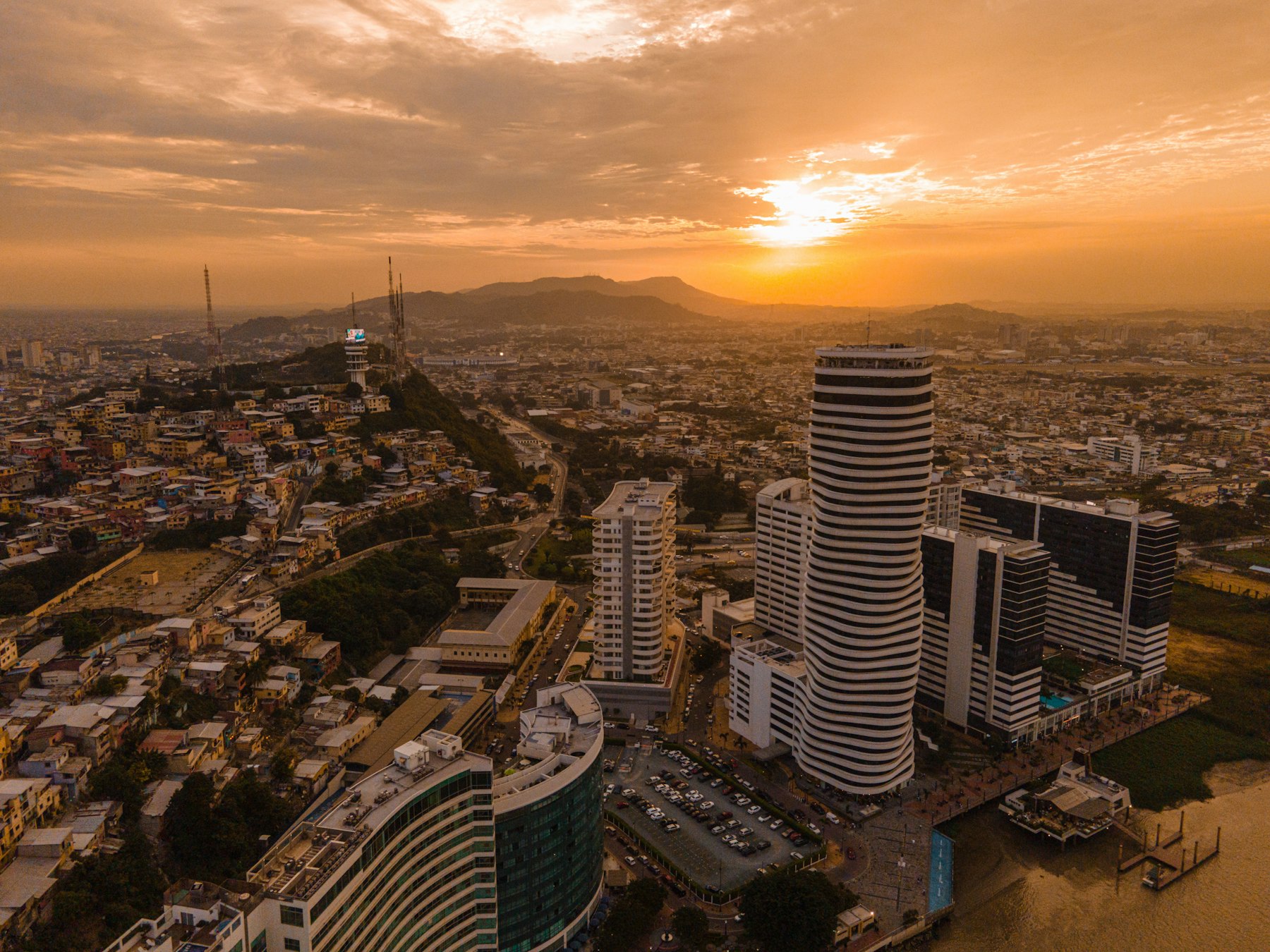
Guayaquil
The Galapagos, and If It Is Worth It
Nine hundred kilometers off the coast, a national park with entry limits, and the most expensive week of travel most families will ever buy. Here is the money, plainly, and then the judgement.
The unavoidable costs before you book anything. The national park entrance fee is two hundred dollars per adult and one hundred per child, payable in cash on arrival. The transit control card is another twenty. Flights from Quito or Guayaquil are three hundred to five hundred each return. That is roughly fifteen hundred dollars for a family of five before a single night of accommodation.
Then the week itself. A small ship cruise runs from four to eight thousand dollars per person for eight days. A land based trip using hotels on Santa Cruz and Isabela with day boats runs fifteen hundred to three thousand. The gap is enormous and what it buys is real, but it is not five times better.
What you actually get. Animals that have never learned to be afraid of people. Sea lions that swim at your children, marine iguanas you have to step over, blue footed boobies nesting on the path. There is nowhere else on earth like it and the photographs do not convey how close close means.
My honest verdict. Worth it once, with children old enough to snorkel confidently and remember it. Under about eight, spend the money on the mainland and come back. A family that stretches to the Galapagos and then cannot afford a guide in Quito has made the wrong trade.
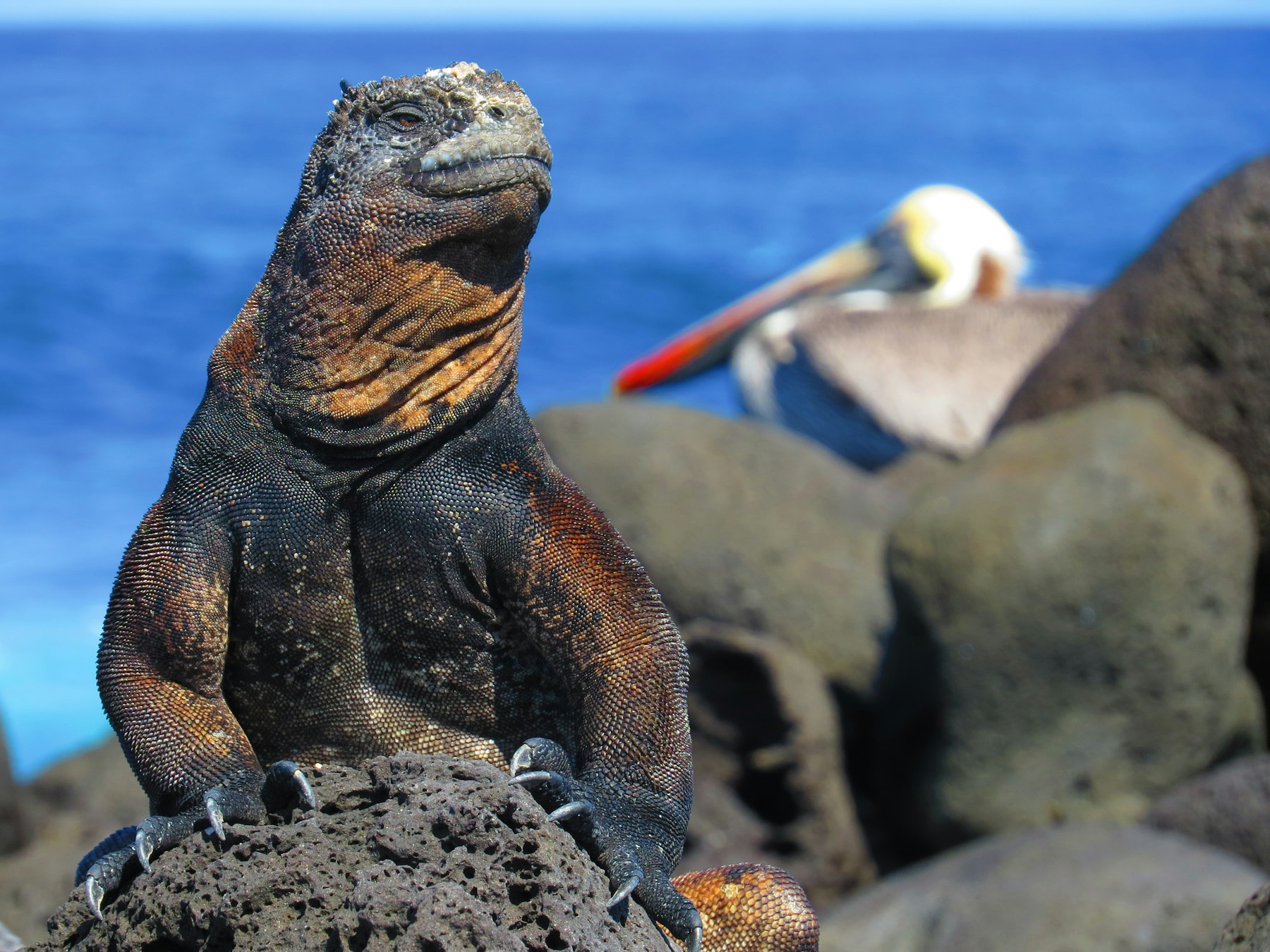
A marine iguana on Santa Cruz. They sit on the footpaths and the rule is you go round them, which children find completely delightful.
Cruise Or Land Based, Which Is Actually the Question
This decision shapes the whole week and most families make it on price alone. There are better reasons than that in both directions.
A cruise reaches the islands day boats cannot. Genovesa, Fernandina, Espanola. These are the outer islands with the endemic birds and the strangest landscapes, and they are simply unreachable from a hotel. A cruise also moves overnight, so you wake up somewhere new without losing a day.
Land based is cheaper, more flexible and easier on small children. Hotels on Santa Cruz, Isabela and San Cristobal, with day boats out. You get beaches, the tortoise reserve, the Darwin station and a swimming pool. If somebody in the family gets seasick this is the only sensible answer.
The water between islands is rougher than people expect. Two hour speedboat transfers with a swell. On a cruise the overnight crossings are the same problem in a bed. Seasickness ruins Galapagos weeks more often than anything else and it is worth planning around honestly.
Small ships mean sixteen to a hundred passengers. Sixteen is intimate and expensive. A hundred means split groups and waiting. For families, twenty to forty is the sweet spot, and check the boat actually takes children before you fall in love with it. Several do not.
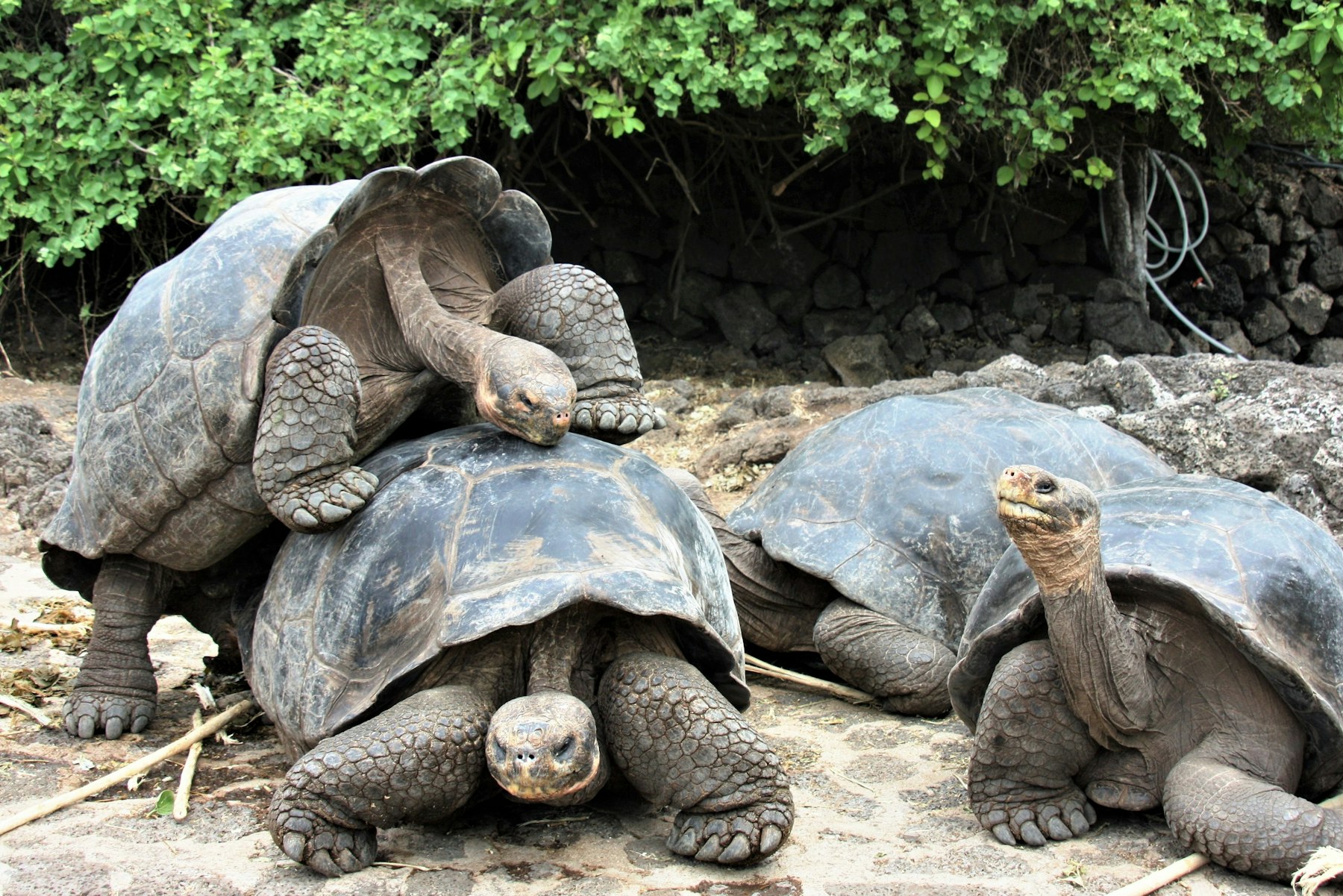
Giant tortoises in the highlands of Santa Cruz. They are wild and they live on a farm that lets them wander through it, which is the whole Galapagos in one sentence.
Quito, and the Altitude Nobody Mentions
Quito sits at two thousand eight hundred and fifty meters, which makes it the second highest capital in the world and higher than Cusco. Nobody warns people about this because everyone is thinking about the islands.
Give it two nights before you do anything strenuous. You will feel it walking uphill in the old town on day one. It is milder than Cusco because the air is more humid, but it is real, and it stacks with an overnight flight.
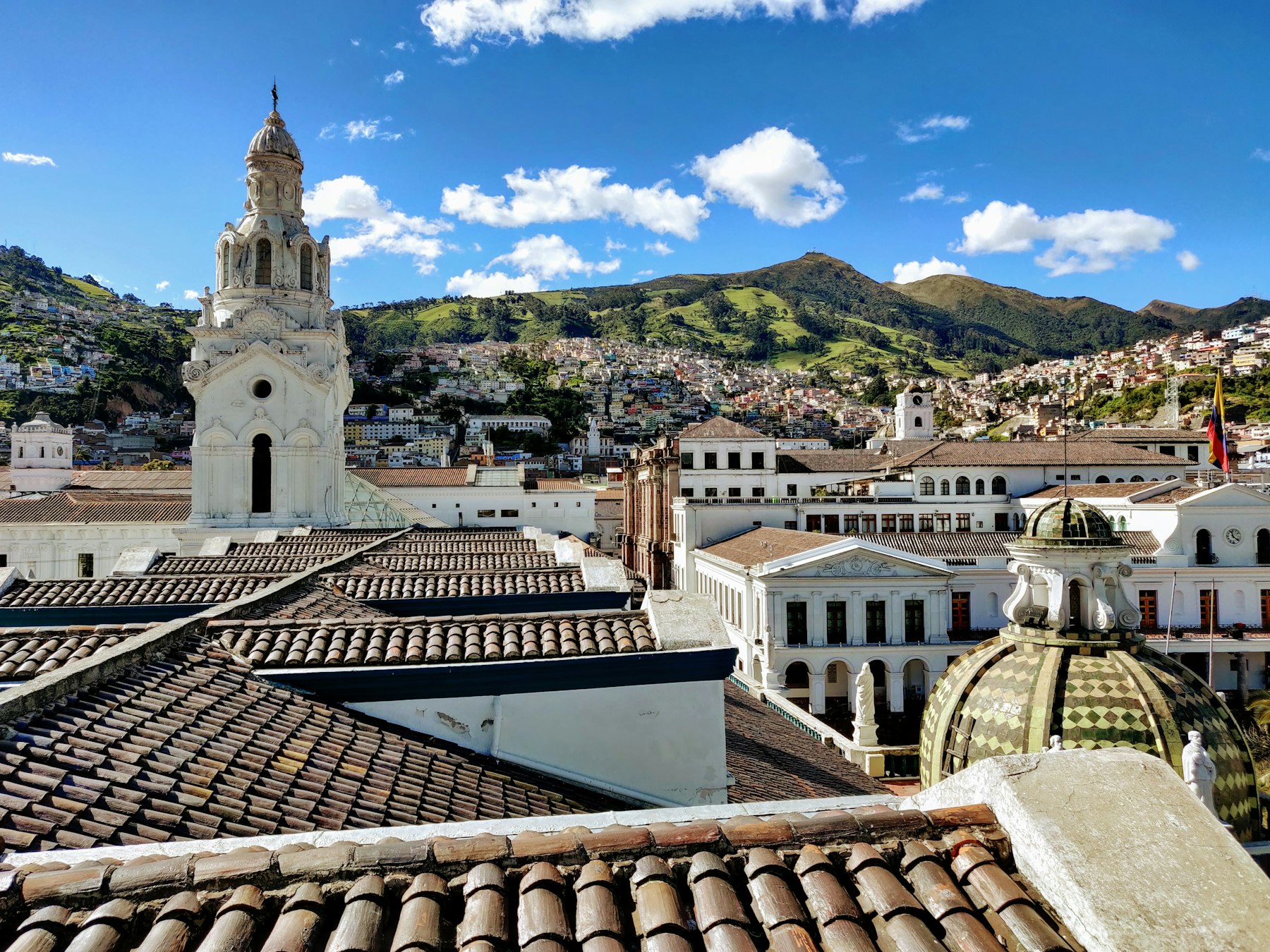
The old town is one of the best preserved in the Americas. The first UNESCO World Heritage site ever designated, along with Krakow. Gilded churches, a plaza that is used, and the Basilica towers you can climb with a nerve rattling ladder at the top that teenagers love.
The equator is half an hour away and the real one is not where the monument is. Mitad del Mundo is the big monument and it is a couple of hundred meters off. The Intinan museum next door sits on the GPS line and does the water and the egg tricks. Do both, in that order, and enjoy the argument.
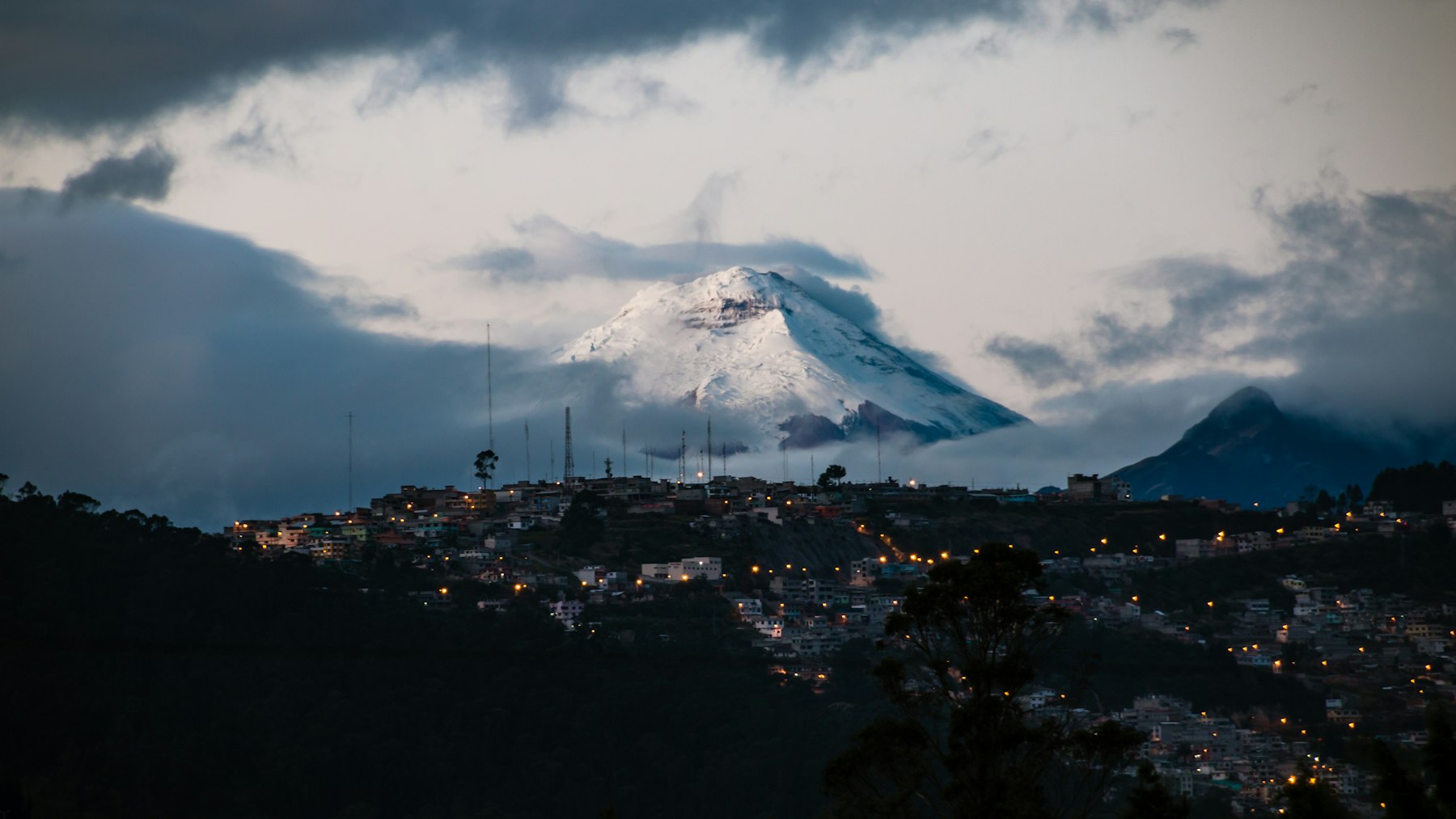
Cotopaxi is a day trip. An hour and a half south. You can drive to four thousand six hundred meters and walk to the refuge, which is hard, or ride horses on the paramo below it, which is not. One of the highest active volcanoes on earth and it is a morning out from the capital.
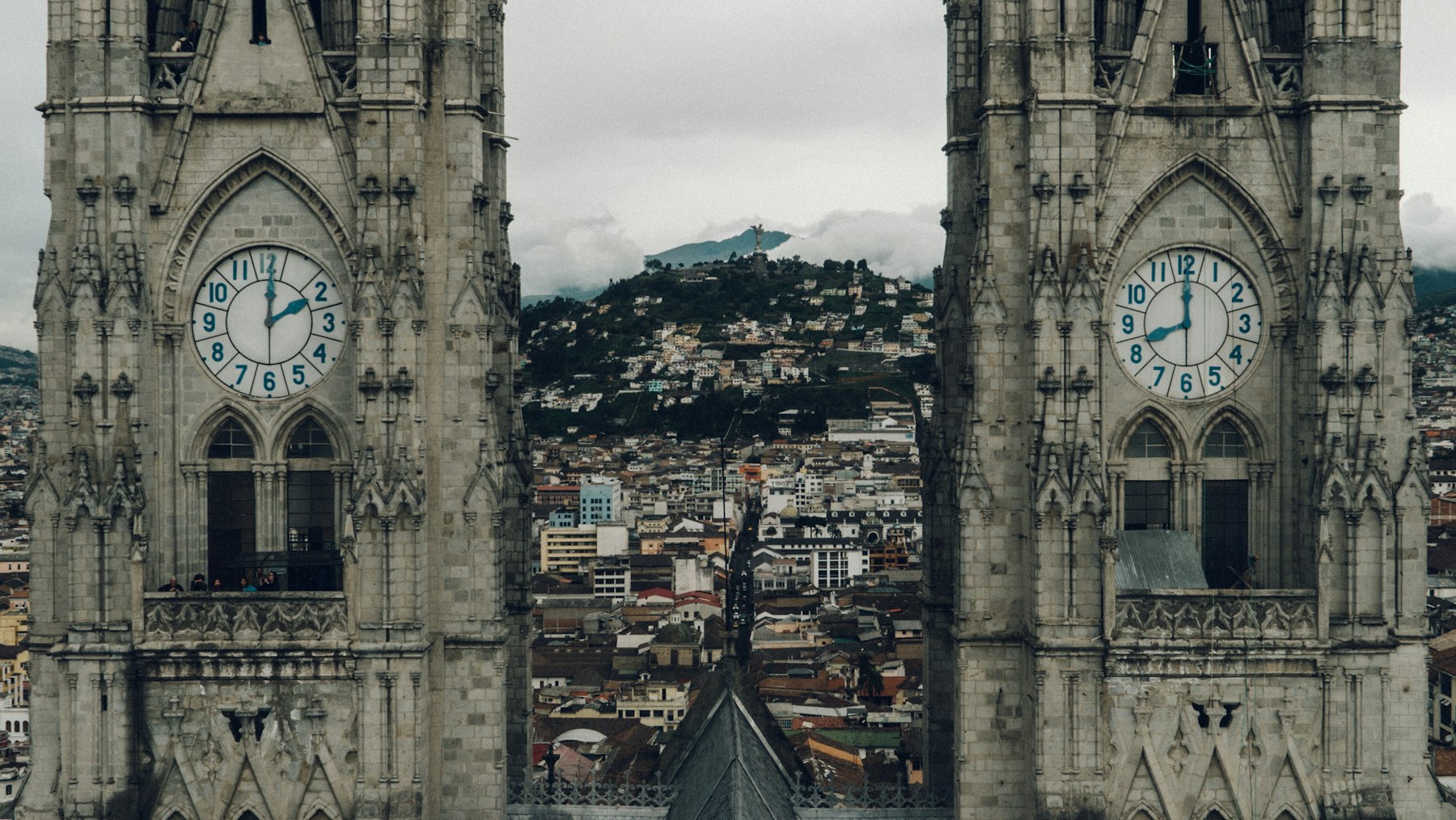
The Basilica del Voto Nacional in Quito. The gargoyles are Galapagos animals, which is the single best architectural joke in South America.
The Mainland Is Underrated and It Is Cheap
This is the part I push. Ecuador is the size of Nevada and the variety inside it is absurd. You can be in a colonial capital, a cloud forest and the Amazon within two days without a single internal flight.
Otavalo has the largest indigenous market in South America. Saturday is the big day. Textiles, hats, and an animal market at dawn that is not for the squeamish and is completely fascinating. Two hours north of Quito and easily a day trip.
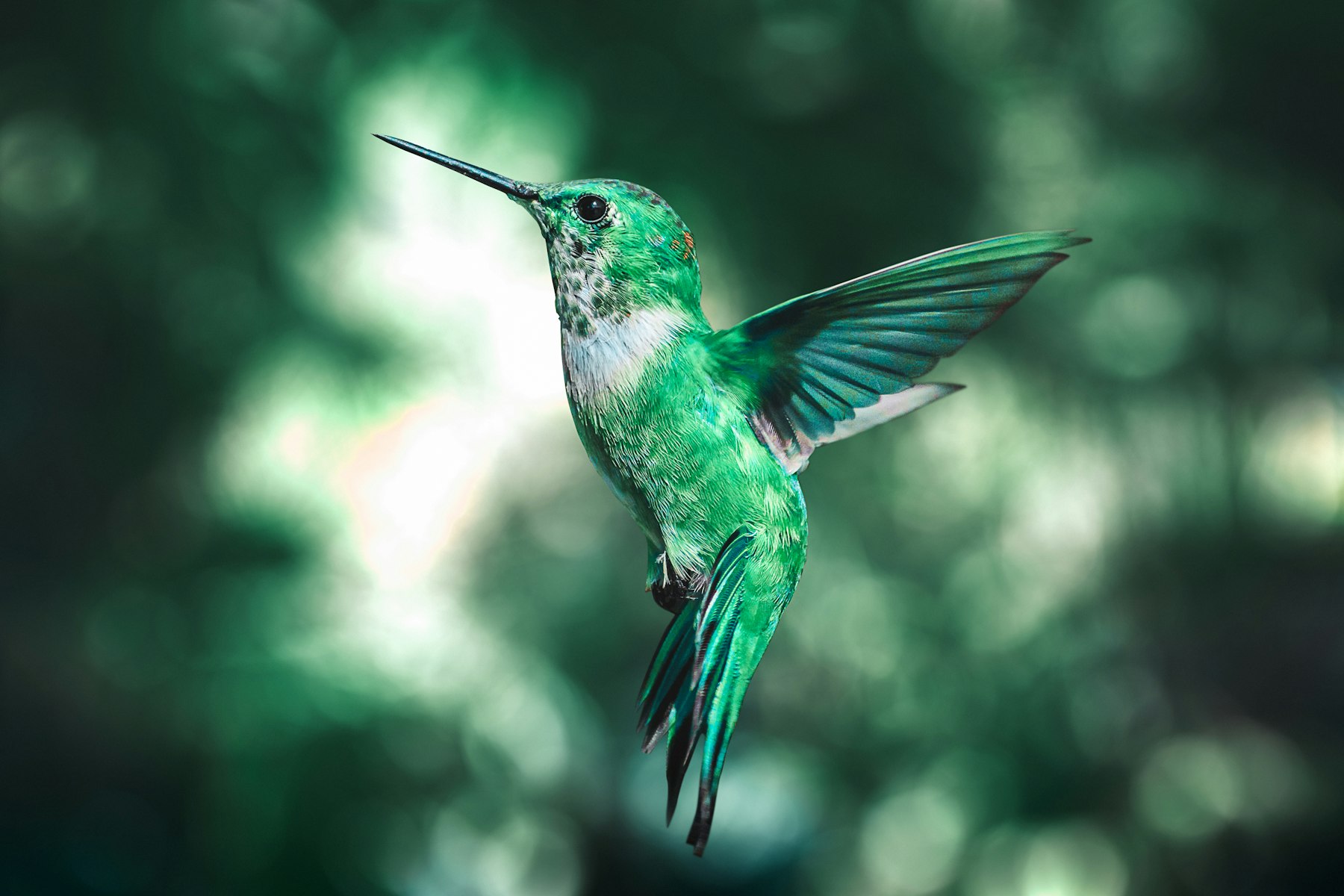
Mindo is cloud forest an hour and a half away. Hummingbirds by the dozen at feeders, butterfly farms, chocolate made from the tree in front of you, zip lines and tubing. It is the single best family stop in Ecuador for children under ten and almost nobody books it.
Banos is the adventure town. Waterfalls, a swing over a gorge, canyoning, hot springs, and an active volcano above it. Teenagers love it. It is three hours from Quito on a good road.
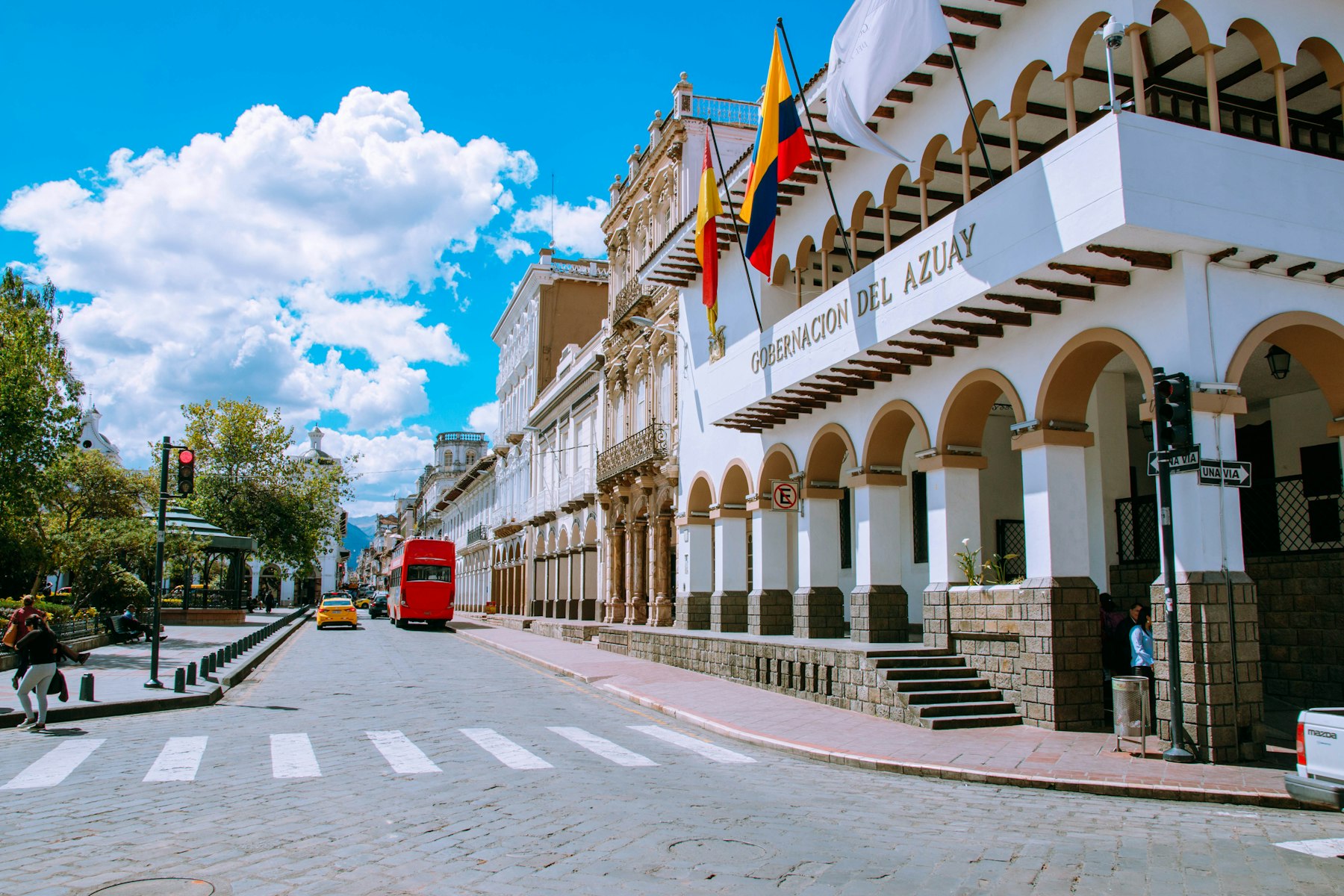
Cuenca is the quiet second city. Colonial, walkable, at two thousand five hundred meters, with a large expat community that tells you something about the quality of life. If Quito felt like too much, this is the gentler version.
And it costs almost nothing. A good hotel is fifty to ninety dollars. A set lunch is three. A private driver for a day is around a hundred. Ecuador is roughly half the price of Chile and it uses the dollar, so there is no exchange rate to think about at all.
Food
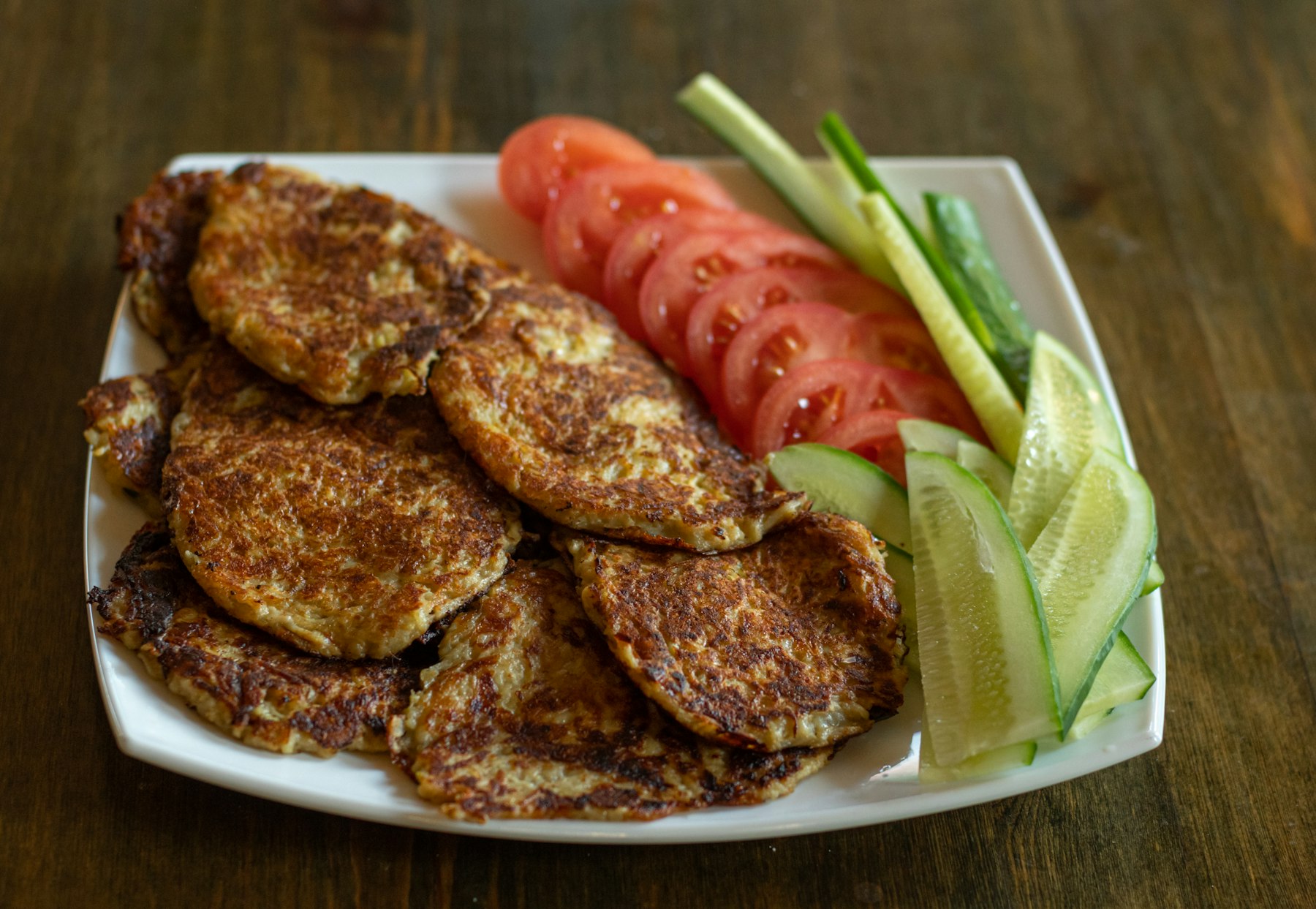
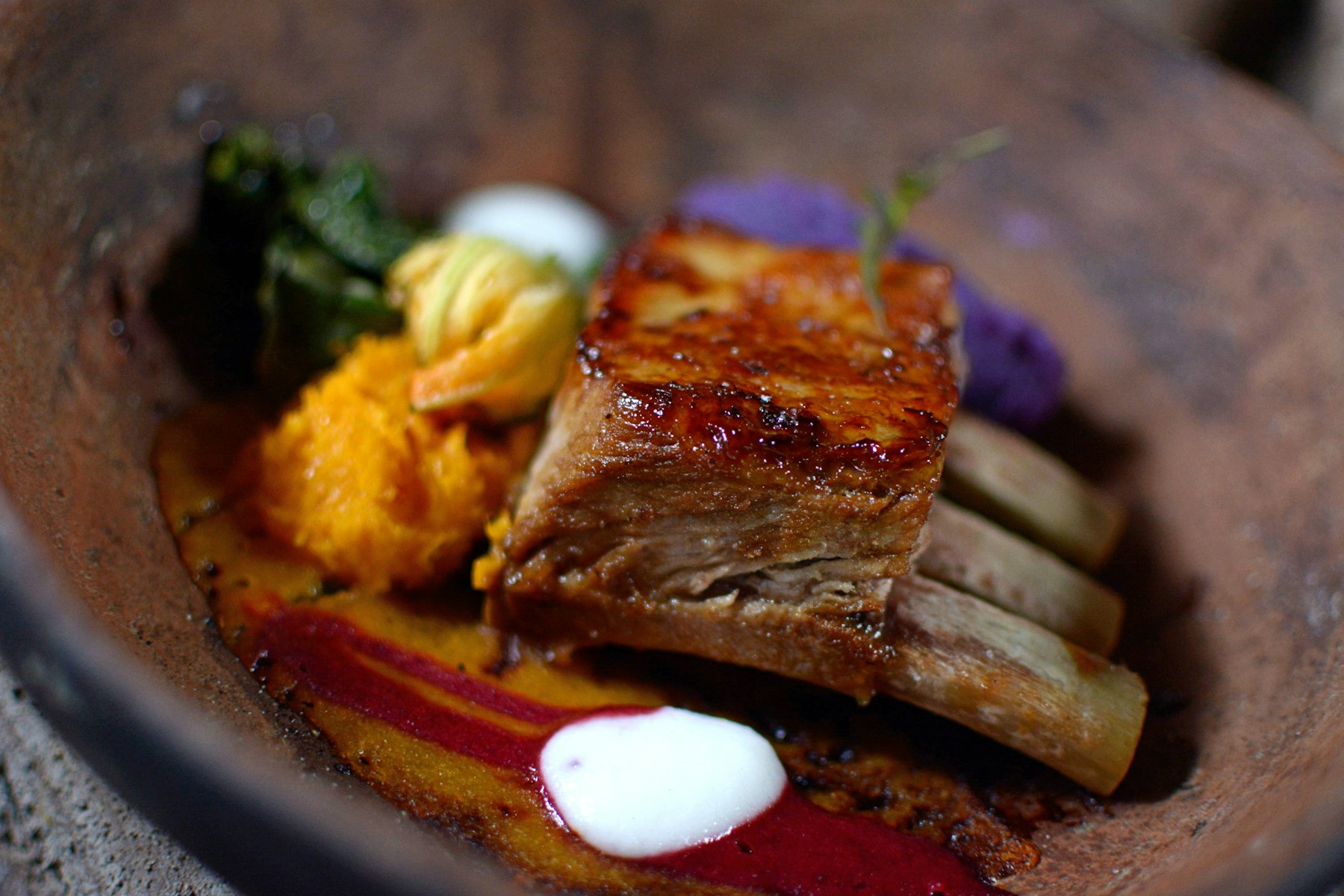
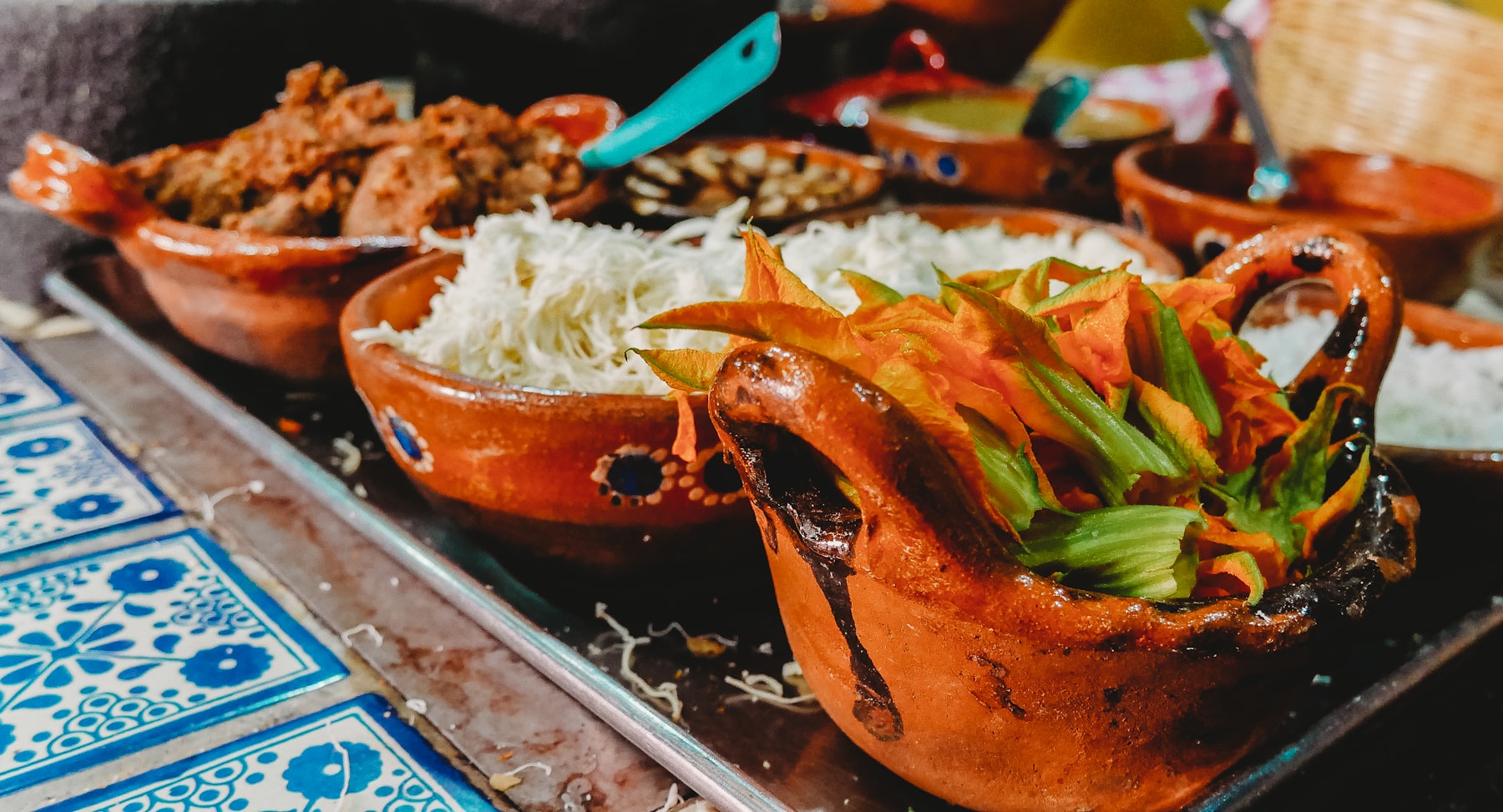
Ecuadorian food is regional and quietly good. The coast is seafood and plantain, the highlands are potato, pork and corn, and the Amazon is its own thing. The set lunch, the almuerzo, is the national institution and costs about three dollars. Ecuador also grows some of the best cacao in the world.


Getting Around
A driver, not a rental, and almost no flights. The country is small enough that everything on the mainland is a drive. A car with a driver runs around a hundred dollars a day and removes the mountain roads from your list of problems. The only flights you need are to the Galapagos.
Galapagos flights go from Quito or Guayaquil. Quito flights stop in Guayaquil anyway, so they are longer. Book them with the same operator as the cruise or the hotel if you can, because the island transfers are timed to them.
The buses are cheap and the mountain roads are slow. Fine between the big towns, and inexpensive. Not what I would put a family on for a five hour mountain leg.
Money and Practical Basics
Ecuador uses the United States dollar. Officially, since 2000. No exchange rate, no conversion math, no bad airport counter. Bring small bills, because nobody anywhere can change a fifty, and carry cash for the Galapagos park fee which must be paid in dollars on arrival.
Do not drink the tap water. Bottled everywhere, including for teeth. Ice in proper restaurants is fine.
No visa for most Western passports. Ninety days on arrival. Yellow fever is recommended if you are adding an Amazon lodge, and required by some onward countries afterwards.
The security picture has changed and it is regional. Guayaquil and the coastal provinces of Guayas, Manabi and Esmeraldas have had serious problems with organized crime since 2023. Quito, Cuenca, the highland tourist corridor and the Galapagos have been largely unaffected. Read the current advisory by province rather than by country, and route through Quito rather than Guayaquil if you can.
When to Go
Ecuador sits on the equator, so the temperature never really changes. Altitude and rain do all the work.
June to September is the highland dry season. Clearest volcano views, best hiking, and it lines up with the northern summer trips. It is also the busiest and the priciest for the Galapagos.
December to May is warm water season in the Galapagos. Calmer seas, better snorkelling, warmer water and more rain on land. June to November brings colder water, rougher crossings and much more marine life including whale sharks.
April, May, October and November are the value months. Fewer people, lower Galapagos prices, and rain that comes in the afternoon. If the budget is the constraint, this is where it moves.
Doing It With Children
 Poppy marks the family parts. Wherever you see her, that section is written for travelling with children.
Eight and up for the Galapagos
Below that the snorkelling, the boat transfers and the long days do not work, and you are paying a very great deal for a child who will not remember it. The mainland works from any age.
The dollar removes a whole layer of admin
No exchanging, no conversion, no mental arithmetic at every till. With children in tow that is a bigger relief than it sounds.
Equatorial sun burns fast
At three thousand meters on the equator the UV is extreme, and it is worse on the water. Proper sunscreen, rash vests for snorkelling, and hats that stay on in wind.
The Avenue of the Volcanoes
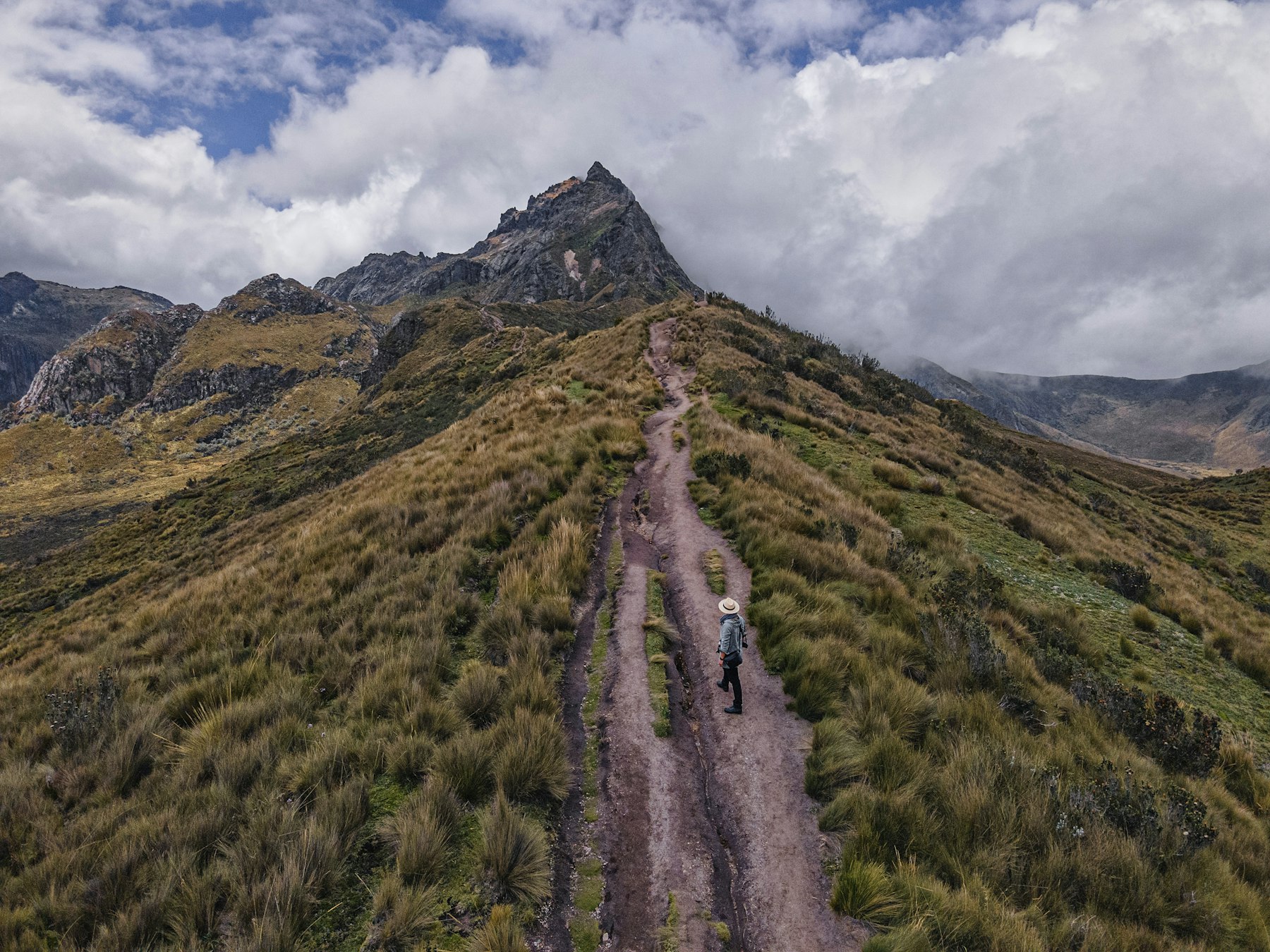
South of Quito the Andes split into two ranges with a valley running between them, and the valley is lined with snow capped volcanoes. It is the best road trip in the country and you can drive the whole length of it in under five hours.
Cotopaxi first, an hour from Quito. A near perfect cone with a glacier on top, sitting in a national park of high grassland where wild horses graze. You can drive to a car park at around fifteen thousand feet and walk up to the refuge from there, which takes most people about an hour and feels like considerably more at that altitude. Do not do this on your second day in the country. Do it on your fifth.
Quilotoa is the one that makes children stop talking. A collapsed volcano filled with water that is a hard, unreal green, and you stand on the rim looking down into it. Walking down to the water takes half an hour and coming back up takes ninety minutes at eleven thousand feet, so there are mules at the bottom for exactly this reason and no shame in taking one. The loop of villages around it is the classic multi day walk if you have older teenagers.
Banos is where the family goes to be loud. A small town under an active volcano, with thermal baths, waterfalls, canyon swings, rafting, ziplines and a road out of town lined with them. It sits lower and warmer than the rest of the highlands, which makes it a relief after a week at altitude, and it is the single most fun place in Ecuador for a nine to fourteen year old.
How to run it. Rent a car or hire a driver and go Quito, Cotopaxi, Quilotoa, Banos, then either back north or on to Cuenca. Five nights covers it comfortably. The roads are good, the signs are fine, and mountain weather means you may see nothing at all before ten in the morning, so start early and expect the volcanoes to hide by lunchtime.
🌍 And the equator, since you are here. The big monument north of Quito is a fine photograph and it sits a couple of hundred yards off the actual line. The small private museum next door does the hands on version, with the water swirling demonstrations and balancing an egg on a nail, and it is scientifically shaky and enormously fun. Do both. Any child who has learned about the equator in school will remember standing on it far longer than they will remember the monument being in the right place.
The Amazon, and Which Kind of Lodge
Ecuador has the most accessible piece of Amazon rainforest on the continent, and the choice of where you sleep decides what kind of week you have.
Two gateways. Coca is a half hour flight from Quito and then a two to three hour motorized canoe down the Napo river, and it takes you into the deep forest where the big lodges and the national park are. Tena is a four hour drive from Quito with no flight at all, cheaper, closer, and the forest around it is more disturbed. If you have four days, go to Coca. If you have two, go to Tena and know what you are choosing.
The community owned lodges are the ones I would pick. Several of the best lodges on the Napo are owned and run by the Kichwa communities whose land they sit on, and staffed by them. The guiding is better because the guide grew up in that forest, the money stays there, and your children meet people rather than staff. It costs the same as the commercial equivalents.
What a day actually looks like. Out on the water before six because that is when the animals move. Back for breakfast. A forest walk, a canoe on a blackwater lagoon, a visit to a clay lick where hundreds of parrots come down at once. An afternoon rest through the heat, then a night walk with torches to see the frogs and spiders and the eyes on the riverbank. You will see monkeys, caiman, giant otters if you are lucky, and more birds than you can hold.
Set expectations about jaguars. Nobody sees a jaguar. What you see is a forest working, which is a different and slower kind of good, and a child who is prepared for that has a wonderful time while a child who was promised big cats does not.
💉 The health side. Yellow fever is recommended for the Ecuadorian Amazon and the certificate can be asked for on the domestic flight in. Malaria risk is low but present, so ask your travel clinic rather than assuming. Bring long sleeves and long trousers in light fabric, proper repellent, and rubber boots are supplied by every lodge.
🐕 With children. Most lodges take families from about six, some from four. The heat and humidity are constant, there is no air conditioning in the good ones, and the canoe legs are long. A seven year old who likes being outside will love it. A seven year old who wants a pool will not.
Who Ecuador Suits, and Who Should Skip It
Book it if you want wildlife and value in the same country. Nowhere else gives you the Galapagos, an Andean capital, cloud forest and the Amazon inside a country you can cross in a day. For families with children over eight it is arguably the best value trip on the continent.
Skip the Galapagos if the number frightens you. And I mean that kindly. If the islands would take the whole budget, do the mainland for two weeks instead, and it will be a better trip than a stretched island week. Nobody has ever regretted that swap.
Skip it if you want a beach trip. The mainland coast is not a resort coast and the current security picture there is the weakest part of the country. Go to Colombia or the Caribbean for that.
How it compares to its neighbors. Ecuador is Peru at two thirds scale and half the hassle, plus the Galapagos and minus Machu Picchu. Colombia is warmer and better for cities. Chile and Argentina cost twice as much. If you have ten days and one shot at the Andes, Peru has the bigger set piece and Ecuador is the easier trip.
Combine It With
If you have the time to add a second country, these two sit naturally beside Ecuador.
More South America Guides
Every other South American country we have written up so far. More are coming as we build them.


Keep exploring from Ecuador
Cities, neighbors, and the wider region.
Click any card to open that page
 All of South America
 The Travel Library
Ways to travel
Ecuador is not one kind of trip
How you move through it changes the trip more than which places you pick. Only the ways that actually work here are on this list.
 01Yacht and ExpeditionThe Galapagos. Small ships of sixteen to a hundred guests, and the boat you pick decides which islands you see.
 02Guided and Small GroupGalapagos landings require a licensed naturalist by law, and the Quito old town is worth one too.
 03Walking and HikingQuilotoa, the Cotopaxi trails and the cloud forest at Mindo.
 04Rail JourneysThe restored sections of the Andean railway, short but spectacular.
 05Road TripsThe Avenue of the Volcanoes south of Quito.
 06Independent TravelManageable and cheap. The Galapagos is the one part you cannot improvise.