
Torres del Paine. Four thousand kilometers from the Atacama, in the same country, and that sentence is the whole planning problem
Chile Family Travel Guide
“Chile is two thousand six hundred miles long and eleven miles wide at its narrowest. You cannot do Chile. You can do one Chile, and you have to choose which.”
Nicole Damiano, ASTA Verified Travel Advisor with FG Luxury Travel
Do we need a visa?
No. Passport, and you get ninety days. Keep the small tourist card they give you at immigration, you hand it back on the way out.
Atacama or Patagonia?
They are at opposite ends of a country twenty six hundred miles long, so one trip means one of them plus Santiago. Atacama works year round and with kids from about eight. Patagonia is December through February and better with teenagers who can hike.
Is Chile expensive?
The most expensive country in South America, close to southern Europe. Patagonia and the Atacama carry a premium on top. Santiago and the wine valleys are the value part.
Can we drive?
Yes, and it is easy. Good roads, clear signs, tolls paid at booths. Around Santiago and the wine valleys a car is the best way. In Patagonia and the Atacama I book transfers and tours instead.
What about the altitude in the Atacama?
San Pedro sits at about eight thousand feet and the geysers and lagoons are higher. Take the first day slow, drink water, and skip the Tatio geysers with kids under ten. The sunset at the Valley of the Moon is the one to do.
Nicole’s Perspective
Why families hire me for Chile

Chile is absurdly long and narrow, over twenty six hundred miles top to bottom, which means it holds desert and glacier in the same country and nothing in between quite prepares you for either.
The Atacama is the driest desert on earth, red rock and salt flats under skies so clear that some of the world’s biggest telescopes sit up there just to use them. The stars show up in numbers that do not look real the first time you see them.
Patagonia is the opposite kind of overwhelming. Torres del Paine’s granite towers rise straight out of turquoise lakes, glaciers calve into the water with a sound like thunder, and the wind never really stops.
Santiago and the coast at Valparaiso, with its hillside houses painted every color at once, make an easy, walkable start before either extreme.
I would call it a Chile family vacation more than a kid trip, and once your kids are old enough to actually look up at those stars it earns that title.
Beyond the Bookshelf
Stories to carry you deeper into Chile. This is our own family shelf, real books, films, music and a cookbook tied to the place, not a generic reading list. Read it before you go and the trip means more when you get there.

- The House of the SpiritsIsabel Allende
- Of Love and ShadowsIsabel Allende
- Twenty Love Poems and a Song of DespairPablo Neruda
- La composición (The Composition)Antonio Skármeta
- The Chilean KitchenPilar Hernández and Eileen Smith
Book links go to Bookshop.org, which supports local bookstores. Film and music links go to JustWatch and Spotify. As an affiliate we may earn from qualifying purchases.
Why this country, for this family
Why Chile
 Poppy marks the family parts. Wherever you see her, that section is written for traveling with children.
Chile holds the driest desert on earth and the glaciers of Patagonia in one country, with Santiago and the wine valleys in the middle. It is stable, safe and easy to drive, and it rewards families who pick one end.
Who it is for. Families with kids over ten who hike. Stargazers, the Atacama has the clearest skies on the planet. Anyone who wants Patagonia without the Argentine exchange rate puzzle.
Who should skip it. Families with young kids. Chile is a landscape country and there is not much for a six year old between the landscapes. Skip it too on a tight budget, it is the most expensive country in South America.
Two thousand six hundred miles long
You cannot do Chile. You do one Chile. Atacama and Santiago, or Patagonia and Santiago. Not both in two weeks.
The Atacama sky
Some of the biggest telescopes in the world are there for a reason. A stargazing night with a guide is the best thing you can do with a twelve year old.
Easy to drive
Good roads, clear signs, tolls at booths. Around Santiago and the wine valleys, a car is the best way to move.
A Four Thousand Kilometer Country You Cannot Do
Chile runs from the driest desert on earth to glaciers, through wine country, lake district and temperate rainforest, in a strip narrow enough to drive across in two hours. That geography is the reason it is so remarkable and the reason it defeats most itineraries.
Everything goes through Santiago. Santiago to Calama for the Atacama is two hours. Santiago to Punta Arenas for Patagonia is three and a half. Doing both means four internal flights and a day and a half in the air. There are no useful north to south connections that skip the capital.
Choose one end and commit. North for desert, salt flats, altiplano lagoons and the clearest night sky on the planet. South for glaciers, fjords, granite towers and wind. They have nothing in common and both are worth a whole trip.
The middle is the easy add. Santiago, Valparaiso and the Casablanca and Colchagua wine valleys sit within two hours of each other and of the airport. Three or four nights there attaches to either end without another flight.

San Pedro de Atacama. The driest place on earth means no cloud and no humidity, which is why half the world’s big telescopes are pointed at the sky from here.
The Atacama
The driest non polar desert on earth, sitting at around two thousand four hundred meters with volcanoes on the horizon. San Pedro de Atacama is the base, a low adobe town with one main street and an enormous number of tour operators.
The stargazing is the thing. Zero humidity, no light pollution, and observatory tours that put a family on a real telescope. This is the single best night sky most people will ever see and children remember it for years.
The days are geology. The Valle de la Luna at sunset, the Tatio geysers at dawn, salt flats with flamingos, and altiplano lagoons at four thousand meters. That last number matters. Acclimatise in San Pedro for two days before any high altitude excursion.
Thirty degrees by day and near freezing at night. Every single time. Layers, and a proper coat that people find ridiculous to pack for a desert until the first evening.
It is dry. Nosebleeds, cracked lips and headaches are normal. Drink more than feels sensible and bring lip balm and moisturiser you would not normally think about.

The Marble Caves on General Carrera lake. Deep Patagonia, a long way from anything, and the reason people drive the Carretera Austral.
Chilean Patagonia
The other Chile. Torres del Paine is the headline and it earns it, but the region is much bigger than one park and the logistics are the hard part.
Torres del Paine is a park you stay inside. Puerto Natales is the gateway town, two hours away. Staying in the park costs more and saves you four hours of driving a day, and with children that is the right trade. The W trek is five days. The day walks give families most of the same views.
The wind is a real planning factor. Sixty and seventy mile an hour gusts are ordinary in summer. It knocks people over. Windproof outer layers, hats that fasten, and low expectations for exposed ridges with small children.
The fjords are the underrated version. The ferry through the Chilean fjords from Puerto Montt, or the Carretera Austral by car, gives you glaciers and rainforest and almost nobody else. It takes longer and costs less than the Torres del Paine circuit.
It pairs with Argentina, easily. Puerto Natales to El Calafate is a five hour bus and a straightforward border. Almost every serious Patagonia trip does both countries and it would be strange not to.

Valparaiso. Forty two hills, fifteen surviving Victorian funiculars, and more street art than anywhere else in South America.
Santiago and Valparaiso Are the Base
Santiago gets written off as a stopover and that is a mistake, mostly because it is the only place in Chile where the logistics are easy.
Santiago is orderly, safe and slightly dull, and that is useful. A clean metro, good restaurants, Providencia and Lastarria to stay in, and the Andes visible at the end of the street. Two nights, not five. The Museum of Memory and Human Rights is superb and heavy, and worth it with teenagers.
Ski in the morning, sea in the afternoon. In July and August the resorts above Santiago are an hour from the airport. Valle Nevado and Portillo are proper mountains. Very few capital cities can offer this.
Valparaiso is ninety minutes away and completely different. Chaotic, painted, steep, scruffy, and the best hours in central Chile. Ride the ascensores, walk Cerro Alegre and Concepcion, eat lunch on a terrace. Vina del Mar next door is the beach resort version and much duller.
The wine valleys are a day trip. Casablanca for white, Colchagua for red, both easy with a driver. Chilean wineries are enormous and organized, and most have gardens and food that work for a family lunch.
The map
Chile Place by Place
Eight places worth naming, running roughly north to south. The distance between the first and the last is the distance from Norway to Morocco.


Anthem The Himno Nacional de Chile, puro Chile, es tu cielo azulado, sung with a stanza and chorus only. Language and money Spanish, spoken fast with the ends of words dropped. The Chilean peso, and cards work well.

Atacama

Chiloe

Easter Island

Patagonia

Pucon

Santiago

Torres del Paine

Valparaiso
Chilean Culture
A country stretched this long does not have one culture, it has several, stitched together.
Valparaiso is a living gallery. street art covers entire hillsides here, most of it legal, some of it decades old, and it changes every time you visit.
Pablo Neruda left three houses behind. his home in Isla Negra, on the coast south of Valparaiso, is packed with the odd collections he spent a lifetime gathering.
Easter Island is its own culture entirely. Rapa Nui is Polynesian, not Andean, and it is worth treating as a separate place inside Chile rather than a day trip add on.
Wine here is not a tourist add on. the Colchagua and Casablanca valleys are working wine regions first, and Chile is one of the world’s largest wine exporters.
Food
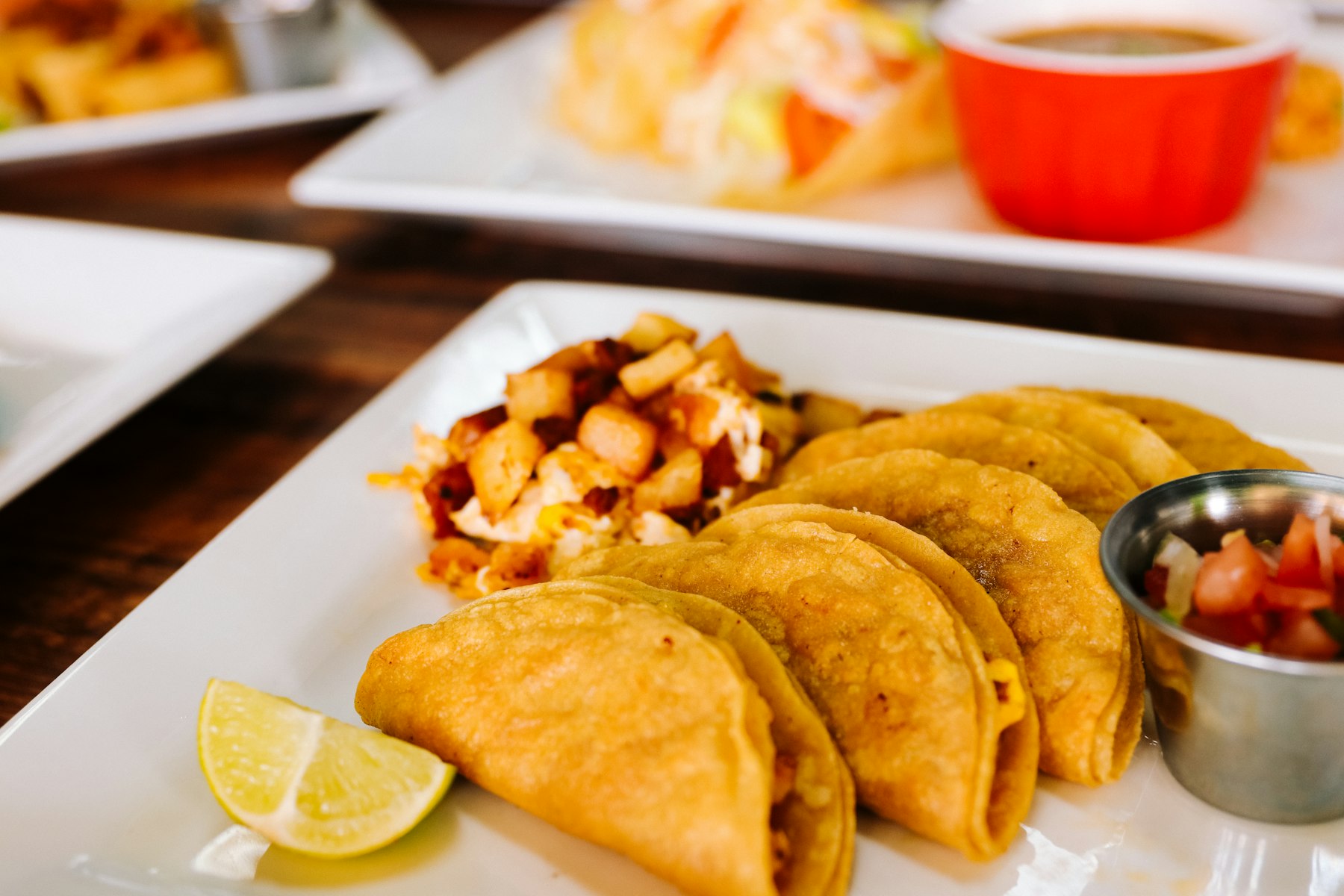
Chilean food is milder than its neighbors and quietly excellent when it involves the sea. Four thousand kilometers of cold Pacific means shellfish that people fly in for. It is not a spicy cuisine and it is not a complicated one. Five things to order by name.


Getting Around
LATAM and Sky, always through Santiago. Book internal flights with the international ones so a delay is somebody else’s problem. Baggage rules on the low cost fares are strict and enforced.
Chile is the easiest South American country to drive in. Good roads, clear signs, sober driving culture, and reliable rental. The lake district, the wine valleys and the Carretera Austral are all better with a car.
The long distance buses are excellent and slow. Salon cama seats, reliable timetables, and journeys measured in the high teens of hours. Fine for adults, hard with children.

Pucon. The Lake District, and the part of Chile families skip too easily.
Money and Practical Basics
Pesos, and Chile is not cheap. It is the most expensive country in South America and roughly comparable to southern Europe. Cards work everywhere including small towns. Patagonia and the Atacama carry a remoteness premium on everything.
Tap water is safe. In Santiago and most of the country. In the Atacama it is very high in minerals and locals drink bottled, so do the same there.
No visa for most Western passports. Ninety days on arrival. Chile is strict on agricultural imports, so declare food at the airport. The fines are real and they check.
Earthquakes are normal. Chile is one of the most seismically active countries on earth and its buildings are engineered for it. A tremor during your stay is likely and almost always nothing. Read the tsunami evacuation signs on the coast once and then forget about it.
When to Go
The country is so long that the answer depends entirely on which end you picked.
December to February for Patagonia. The only reliable window. Long days, everything open, and it is peak and expensive and windy. Book Torres del Paine lodging six to nine months ahead.
March to May and September to November for everywhere else. Santiago and the wine country at their best, the lake district green, and the Atacama fine all year because it is a desert.
June to August for skiing. And for a cheap Santiago. Patagonia is largely shut, the south is wet, and the Atacama is cold at night and beautiful.
Routing Chile
The shape of the country decides your itinerary more than anything else does.
Start in Santiago. it is the hub for flights in every direction and a comfortable place to land after a long flight north or south.
The Atacama needs its own flight north. San Pedro de Atacama is a flight from Santiago plus a drive, plan on three or four days once you are there.
Patagonia is its own flight south. Puerto Natales and Torres del Paine are a separate trip block, not a side trip, and deserve five days or more.
Easter Island is an extension, not an add on. it is a five hour flight from Santiago each way, build it in as its own leg if you want to see it properly.

Easter Island, a five hour flight from Santiago and worth every one.
Regions at a Glance
Santiago and the Central Valley
The capital, Valparaiso, the wine valleys. The middle of the country and the easy part.
The Atacama
San Pedro, salt flats, geysers, the clearest sky on earth. North, dry, high.
The Lake District
Puerto Varas, volcanoes, German towns, Chiloe island. Green, rainy, gentle.
Patagonia
Torres del Paine, Punta Arenas, penguins, glaciers. The far south. December to February.
Where to Go in Chile
Chile is two thousand six hundred miles long. Five places, and a trip does one end.
Santiago. Two nights. The cable car up San Cristobal, the central market, a day in Valparaiso for the murals and funiculars.
The Atacama. Four nights. Valley of the Moon at sunset, the Tatio geysers at dawn for older kids, flamingos on the salt flat, stars every night.
Torres del Paine. Three nights. The W trek is for fit teenagers. Day hikes and the lake boats work for everyone else.
Puerto Varas and the Lake District. Three nights. Volcano views, a boat across Lake Todos los Santos, Chiloe for the wooden churches.
The Casablanca wine valley. A day from Santiago. Vineyard lunches an hour from the city, playgrounds between the vines.
Doing It With Children
Chile with kids works best with older kids
Chile is a landscape country. There are no ruins and few obvious set pieces for a seven year old. From about ten upward, with hiking, sandboarding, stargazing and volcanoes, it is superb.
Budget like Europe, not like Peru
This is the surprise. Chile costs roughly what Spain costs, and Patagonia costs more than that. Families who priced South America on Peru numbers get a shock.
Layers, always, everywhere
Desert nights, Patagonian wind and lake district rain. There is no part of Chile where one set of clothes covers the day.
Torres del Paine, Booked Properly
This is the hardest booking in South America and it is not because it is expensive. It is because there is no single place to book it.
Three separate systems, three separate logins. The park entry ticket comes from the Chilean park service. The refuges and camps on the western and northern side come from one private company. The ones on the eastern and central side come from a different private company. Nobody joins them up for you. A W trek itinerary is you holding a bed from one company on night one, a bed from the other on night two, and a park ticket from a third source that has to match the dates on both. Get one wrong and the whole chain breaks, because you cannot walk past a full refuge and there is nothing else out there.
The timeline is brutal for December and January. Refuge beds for peak season go six to eight months out and the good ones go in the first days of release. The back side of the full circuit is the hardest reservation in the park because the daily capacity is tiny. If you want a Christmas or January trek, you are booking it the previous autumn.
You do not have to trek to see it, and most families should not. The single best day in the park, the hike up to the base of the towers, is a day walk from a hotel bed. It is around eight hours round trip with a seriously hard final scramble, but you sleep in a real room at both ends. The other option is staying in Puerto Natales, about ninety minutes away, and driving in for a series of day hikes and viewpoints. You lose the sense of crossing the park on foot. You keep your sanity with children.
The wind is the thing nobody prepares for. Patagonian spring and summer wind regularly runs at highway speeds and it can physically knock a child over on an exposed ridge. This is why the shoulder months matter here more than almost anywhere. March and April are calmer, emptier, and the beech forests turn red. November is beautiful and windy. Choose accordingly.
Puerto Natales is the base, and Punta Arenas is the airport. You fly into Punta Arenas and it is about three hours by road to Puerto Natales, then another ninety minutes to the park gates. That is a travel day, not a morning. Build it in.
Easter Island, and What It Really Takes
Rapa Nui belongs to Chile and sits five and a half hours out into the Pacific from Santiago. It is one of the most remote inhabited places on earth and the rules reflect that.
You are not allowed to just turn up. Before you fly you complete an online entry form, and you have to show a return ticket with a departure date inside thirty days, plus a booking at accommodation registered with the Chilean tourism board or a formal invitation from a resident. This is not a formality that gets waved through. People get stopped at the gate in Santiago for missing it.
The park ticket is separate and it is not cheap. Entry to Rapa Nui National Park runs around a hundred and ten US dollars for an adult and roughly a third of that for a child, and it covers ten consecutive days. Some of the headline sites, the quarry where the unfinished statues lie and the ceremonial village on the crater rim, allow one visit per ticket. So you plan those two carefully rather than wandering back.
You must be with an accredited local guide inside the park. That is every site, not just the famous ones. It sounds restrictive and it is the single best thing about the place. The guides are Rapa Nui, the story is theirs, and hearing it from them is a completely different experience from reading a sign.
Practically. One airline flies there and the fares behave like a monopoly, so book early and be flexible by a day. Almost everything on the island is more expensive than the mainland because it arrives by ship. There is one town, Hanga Roa, and you will want a rental car or a bike for at least two of your days. Four full days is the right length. Two is a waste of the airfare.
🐕 With children. It works from about seven up. The horses, the caves, the beach at Anakena and the sheer size of the statues do the work. Younger than that and the long flight, the guided pace and the archaeological focus are a hard sell.
The Wine Valleys, With Children in the Car
Chilean wine country is closer to Santiago than most people realize and it is far more family workable than a tasting room in Napa.
Three valleys, three different days. Casablanca sits between Santiago and the coast and is the easy one, cool climate whites, and it slots neatly into the drive to Valparaiso. Maipo is the closest to the city, big reds, and several estates are inside an hour of the center. Colchagua is two hours south and is the one worth an overnight, with a wine train, horses and estates built like haciendas.
Why it works with kids. The estates here are working farms with grounds, not tasting bars. Many have restaurants, gardens, bikes and animals, and children are simply expected. Book a lunch rather than a tasting flight and the whole afternoon reframes itself as a long meal outdoors with a vineyard attached.
The one rule. Chile enforces a near zero blood alcohol limit for drivers and the penalties are severe. Do not plan to taste and drive, even a little, even between two estates on a country road. Hire a driver for the day, which is cheaper here than you would expect, or pick one estate with a restaurant and stay put.
Harvest is March and April, which is also when Patagonia is at its best, which is why autumn is quietly the strongest season to do Chile end to end.
Who Chile Suits, and Who Should Skip It
A family trip to Chile is not for everyone, and here is who it actually suits.
Book it if landscape is the point. Hikers, photographers, stargazers, families with teenagers who want the trip to be about being outside. Chile has the most dramatic scenery on the continent and the best infrastructure to reach it.
Skip it if you want culture and history. There is very little pre Columbian architecture and no colonial set piece to rival Cartagena or Cusco. Chile is nature and it does not pretend otherwise.
Skip it if the budget is the constraint. You will get twice the trip in Peru, Colombia or Ecuador for the same money. That is not a criticism of Chile, it is arithmetic.
How it compares to its neighbors. Argentina is the same mountains from the other side, warmer in the cities and cheaper. Peru has everything Chile lacks in history. Ecuador does volcanoes and altitude for a third of the price. Chile wins on organization, safety and sheer scenery, and loses on cost and on soul.
Worth the Splurge in Chile
A few places where paying more changes the trip, not just the room.
An all inclusive Patagonia lodge. the higher end lodges near Torres del Paine include guided hikes and meals, and take the planning off your plate entirely.
A private astronomer led night in the Atacama. a private guide with a serious telescope is a different experience than a group tour, especially with kids who have questions.
A private wine country day with a sommelier lunch. Colchagua valley wineries offer private tastings paired with a proper lunch, worth it for a couple’s day away from the kids.
Textiles bought straight from the source. Chilean wool and alpaca goods bought direct from a maker cost more than a souvenir shop version, and last far longer.
Things That Surprise First Timers
How European it feels. Orderly lines, functioning bureaucracy, German bakeries in the south, and a general sense that things work. People arrive expecting Latin America and find something closer to New Zealand with better wine.
Chilean Spanish is the hardest in the region. Fast, clipped, full of local slang and dropped consonants. If you learned Spanish anywhere else you will struggle for a week. It is a running joke in the rest of South America.
The Pacific is freezing. The Humboldt current runs the length of the country. Even in January the sea at Vina del Mar is bracing. Chile has beaches and it is not a beach trip.
There are street dogs everywhere and they are looked after. Whole neighborhoods feed and name them, and many wear coats in winter. It is one of the more endearing things about the country.
Where I Would Start
First time in Chile with kids? Santiago, then one end. The Atacama in the north for stars and salt, Patagonia in the south for ice and wind. Two thousand miles apart, so choose.
Santiago. Two nights. The cable car up San Cristobal, the central market for lunch, a day in Valparaiso for the murals and the funiculars.
The Atacama. Four nights. Valley of the Moon at sunset, flamingos on the salt flat, the geysers at dawn for older kids, stars every night.
Torres del Paine. Three nights. Day hikes and lake boats for everyone, the W trek for fit teenagers. December to February.
Numbers Worth Knowing
Chile, by the numbers
Ways to travel
Chile is not one kind of trip
How you move through it changes the trip more than which places you pick.
Ocean Cruising
A small ship threading the Chilean fjords between Puerto Montt and Puerto Natales is one of the great ways to see Patagonia, glaciers and channels you cannot reach by road.
For example: a multi day Patagonian fjords cruise past the Amalia Glacier.Road Trips
The Carretera Austral is Chile’s answer to a great gravel road trip, hundreds of miles of glaciers, fjords and almost no traffic through Patagonia.
For example: driving a stretch of the Carretera Austral out of Puerto Varas.Independent Travel
Santiago, Valparaiso and the wine valleys are easy to self plan with buses, trains and rental cars that run on time and English signage in the tourist areas.
For example: a self driven loop through the Colchagua wine valley.Guided and Small Group
Torres del Paine’s best multi day treks and any serious Atacama stargazing trip go better with a local guide who knows the weather, the trails and the timing.
For example: a guided W trek through Torres del Paine National Park.Explore by interest
What families come to Chile for

Sports
Skiing in July
Portillo and Valle Nevado run their season while it is summer back home, with the Andes as a backdrop.

History
Valparaiso and the moai
Valparaiso’s hillside old town is a UNESCO World Heritage site, and Easter Island’s moai are one of the great archaeological mysteries anywhere on earth.

Food and Drink
Curanto and Carmenere
Empanadas, the completo hot dog, curanto seafood stew and a wine list built on Carmenere, Chile’s own grape, plus a pisco sour to start the night.

Nature and Wildlife
Desert to glaciers
From the driest desert on earth in the north to glaciers and penguins in the far south, Chile stretches through more climates than almost any country.
Something unexpected
Only in Chile

Boat out to it
The Marble Caves
A short boat ride on General Carrera Lake gets you inside caverns of swirled blue and white marble that look almost unreal in person.

Fly out to it
The Moai of Easter Island
A five hour flight from Santiago lands you on one of the most remote inhabited islands on earth, standing in front of statues nobody has fully explained.

Stay up for it
Stargazing in the Atacama
Some of the clearest, darkest skies on earth sit above this desert, and a guided night out with a telescope shows you why astronomers build their observatories here.

Hike toward it
Villarrica Volcano
An active volcano rises straight out of the lake at Pucon, and on a clear day you can hike partway up and look down into the crater.
Pair it up
Countries That Pair Well With Chile


Plan Chile with Nicole
Tell me who is coming, and when.
Chile can be a week around Santiago and the wine valleys, a Patagonia focused trip built around Torres del Paine, or a longer three region trip that adds the Atacama desert or Easter Island. Which one makes sense depends on how much flying you want to do and how long you have. Send me the ages, the dates, and what you are hoping this trip feels like. I will come back with what is really available.
Nicole Damiano, ASTA Verified Travel Advisor with FG Luxury Travel.
Questions families ask about Chile
The ones that come up in almost every planning call. If yours is not here, ask me.
Do we need a visa?
No. Passport, and you get ninety days. Keep the small tourist card they give you at immigration, you hand it back on the way out.
Atacama or Patagonia?
They are at opposite ends of a country twenty six hundred miles long, so one trip means one of them plus Santiago. Atacama works year round and with kids from about eight. Patagonia is December through February and better with teenagers who can hike.
Is Chile expensive?
The most expensive country in South America, close to southern Europe. Patagonia and the Atacama carry a premium on top. Santiago and the wine valleys are the value part.
Can we drive?
Yes, and it is easy. Good roads, clear signs, tolls paid at booths. Around Santiago and the wine valleys a car is the best way. In Patagonia and the Atacama I book transfers and tours instead.
What about the altitude in the Atacama?
San Pedro sits at about eight thousand feet and the geysers and lagoons are higher. Take the first day slow, drink water, and skip the Tatio geysers with kids under ten. The sunset at the Valley of the Moon is the one to do.
Keep exploring from Chile
Cities, neighbors, and the wider region.
Click any card to open that page
 Argentina
 Brazil
 Colombia
 Ecuador
 Peru
Peru All of South America
 Explore the world
 The Travel Library