
The Taj Mahal at Agra · photo: Unsplash. Worth every bit of the hype, and worth getting up at five for
India Family Travel Guide
India is not a starter country. Saying that out loud is the most useful thing an advisor can do for a family who has just watched a reel and fallen in love.
Nicole Damiano, ASTA Verified Travel Advisor with FG Luxury Travel
Do we need a visa?
Yes. The e-visa online, about twenty five to forty dollars depending on length, and allow a week. Print it. The one year visa is often better value than the thirty day one.
Is India too hard with young kids?
It is hard, not dangerous, and the first three days are the hard part. The sensory load and the distances are the challenge. From about eight, with a private driver and a guide, and with the days kept short, it works. I would not take a toddler.
Where should a first trip go?
The Golden Triangle. Delhi, Agra for the Taj Mahal, Jaipur. Ten days, one driver, one guide per city. Add Ranthambore for tigers if you have twelve days and kids who can sit still in a jeep at dawn.
What about the food and the water?
Bottled water only, including for teeth. Eat hot cooked food, skip salads and street ice. Hotel and good restaurant food is safe and wonderful. Pack the stomach medicine your pediatrician recommends and you will probably not need it.
When should we go?
October through March. The rest of the year is heat and monsoon and I do not book families then.
Nicole’s Perspective
Why families hire me for India

I lived in Korea, I traveled Southeast Asia hard, and India stayed on the list.
Here is the thing I say to clients that nobody else seems willing to say. India is not a starter country, and it is a hard one with young children. Not dangerous. Hard. The sensory load is enormous, the distances are brutal, the driving is a full contact sport, and the first three days will knock a family flat before anything good happens.
That is not me talking anyone out of it. India is one of the great trips on earth and I would send my own family in a heartbeat. It is me saying go with your eyes open, go at the right ages, and go with a plan and a driver instead of a backpack and a vibe. India with kids works when you go about it this way, eyes open and ages right.
Do the Golden Triangle first. Delhi, Agra, Jaipur. Ten days. A private car and a good guide. Then come back for the south, because Kerala and Rajasthan are two different countries and one trip does not hold both.
Compare it to the rest of Asia before you commit. If your kids are under six, Thailand is the trip you want this year.
Beyond the Bookshelf
Stories to carry you deeper into India. Colors, spice and real voices, here is what to read, watch, listen to and cook before you go.

- The God of Small ThingsArundhati Roy
- Rabindranath Tagore
- R. K. Narayan
- The Blue UmbrellaRuskin Bond
- Lagaan
- Satyajit Ray
- India: The CookbookPushpesh Pant
- Lonely Planet India
- DK Eyewitness India
- Sarojini Naidu
As an Amazon/Bookshop/affiliate partner, we may earn from qualifying purchases.
Why this country, for this family
Why India
 Poppy marks the family parts. Wherever you see her, that section is written for traveling with children.
India is not a starter country and it is one of the richest trips a family can take once they are ready for it. The first three days are hard. Then something shifts, and the kids start seeing it.
Who it is for. Families with kids over eight who have done Asia before. History families, the Taj Mahal and the forts of Rajasthan are the real thing. Anyone who wants to be changed by a trip rather than rested by it.
Who should skip it. Families with toddlers. Anyone who needs quiet, clean and predictable. Skip it too between April and September, the heat and the monsoon make it miserable with children.
Driver and guide, always
One private driver for the whole trip, one guide per city. It turns chaos into a plan and it costs less than you think.
The Golden Triangle is the first trip
Delhi, Agra, Jaipur. Ten days. Add Ranthambore for tigers with twelve.
Bottled water, hot food
The rules are simple and they work. Hotel and good restaurant food is safe and wonderful.
The Honest Version, Before Anything Else
Three things I say to every family who asks me about India, in this order.
It is not a first big trip
If your family has never been outside North America or Europe, India should not be the one you learn on. Go to Thailand or Japan first, find out how your kids handle heat, crowds and long days, then come back to this page.
A driver is normal, not luxury
Everyone hires a car and a driver. It is what Indian families do. It costs less per day than a rental car does at home and it removes the single hardest part of the country.
It is worth it anyway
Nothing else looks like it, sounds like it or tastes like it. The families I have sent come back changed. Just do not go casually.
The age question. My honest read is nine and up. Old enough to walk a full day, eat unfamiliar food, and understand what they are looking at. Under six is a lot of hard work for very little the child will keep.

A Delhi street on an ordinary day. This is the part no photograph prepares anyone for
The Golden Triangle Is the Sensible First Trip
Delhi, Agra and Jaipur. It is on every itinerary because it is the right answer. Ten days, three cities, one car, and none of the internal flights that eat the schedule.
Delhi, three nights. Old Delhi for Jama Masjid and the spice market, New Delhi for Humayun’s Tomb and the wide colonial avenues. Do Old Delhi on a rickshaw with a guide, first thing in the morning, before the heat and the crowd stack up.
Agra, one night. You are here for one building and it is enough. Be at the east gate for sunrise. The Taj at seven in the morning and the Taj at eleven are two entirely different experiences. Add Agra Fort in the afternoon if the family still has legs.
Jaipur, three nights. Amber Fort, the Hawa Mahal, the City Palace and the best shopping in the country. Jaipur is where kids usually start enjoying India rather than surviving it, because there is color and elephants and forts to climb.
If you have more time. Add Udaipur, which is calmer and prettier than all three and where I would put the last three nights of any first trip. Ranthambore for tigers if the timing works.
The Driver Is the Whole Trip
This is the one piece of advice that changes India from exhausting to wonderful, and half the families I talk to have never heard it.
Book a car and driver for the whole route. Not a taxi each time. One driver, one vehicle, the entire Golden Triangle. He collects you at the airport and hands you back at the end. Expect roughly sixty to a hundred dollars a day including fuel.
He is not a guide, and you want both. The driver drives and waits and knows where to stop. A licensed local guide meets you at each monument for a couple of hours. Two different jobs, two different bills, both worth paying.
Say no to the shopping stops. Drivers get commission for delivering tourists to carpet and marble showrooms. Say at the start, politely and clearly, that you are not doing shop stops. A good operator will already have told him.
Tip properly at the end. A few hundred rupees a day is normal and it matters to him. Handed over with thanks on the last morning.
Do not drive yourself. I have never once recommended it. Lane markings are decorative, and the risk is not worth the small saving.
The map
India Place by Place
Eight places worth building a trip around. Do not try to string more than three or four together. India punishes ambitious itineraries with days spent in a car.


Anthem Jana Gana Mana, written by the poet Tagore, who won the Nobel prize. It is 52 seconds long, by law. Language and money Hindi and English, plus 20 more official languages. The rupee, and cash for the small things, cards in the cities.

Agra

Delhi

Goa

Jaipur

Kerala

Rishikesh

Udaipur

Varanasi
Indian Culture Changes State to State
India is not one culture wearing different clothes. Language, religion, food, and daily rhythm all shift as you cross a state line.
Religion is diverse, not just Hindu. Islam, Sikhism, Christianity, Jainism, and Buddhism all have deep roots here, and a single city can have a temple, a mosque, and a gurdwara within walking distance of each other.
There is no single national language. Hindi and English are the languages used nationally, but 22 others are officially recognized, and many Indians switch between three or four languages in an ordinary day.
Festivals are lived, not watched. Holi, Diwali, and hundreds of regional festivals pull the whole street in. Timing a trip around one, on purpose, changes what the trip feels like.
A namaste and a head wobble go a long way. Small gestures of respect, taking off shoes before a temple, dressing modestly at religious sites, are noticed and appreciated everywhere we have traveled here.
What You Will Eat
Indian food at home is mostly northern restaurant food. In India it changes every few hundred miles. Chaat, the street snack family that includes pani puri, and paneer tikka are both worth ordering even though they are not pictured here.


Vegetarians have it better here than anywhere on earth. A huge share of the country eats vegetarian and menus mark it clearly. If someone in your family does not eat meat, India is the easiest country I book.
Food and Water, Practically
This gets talked about either as nothing or as a horror story. It is neither. It is a set of habits, and once they are habits you stop thinking about it. These are the india family travel tips that actually matter, the rest is noise.
Sealed bottled water only. Check the seal. That includes brushing teeth for the first week. Most hotels now provide filtered water in glass bottles and that is fine.
Hot and fresh beats fancy. A busy street stall cooking to order in front of you is safer than a lukewarm hotel buffet. Turnover is the thing that matters.
Raw salad and cut fruit are the risk. Not curry. Skip the garnish, peel your own fruit, and say no to ice in drinks outside good hotels.
Pack the kit and stop worrying. Rehydration sachets, an antidiarrhoeal, and a doctor prescribed antibiotic for travelers stomach. Talk to your own doctor before you fly. Most families use none of it and are glad it was in the bag.
Wash hands constantly. Sanitiser in every bag and every pocket. It is the single highest value habit of the trip.

The Thar Desert outside Jaisalmer. Rajasthan is the India most first timers picture
Kerala and Rajasthan Are Two Different Countries
This is the thing people get wrong when they plan. They read about India as one place and try to see it in two weeks. Pick a half.
The north is forts, deserts and Mughal history. Rajasthan, Delhi, Agra. Dry, dramatic, hot, intense. Palaces and camels and pink cities. This is the India of the postcards and it is the harder half to travel.
The south is green, calm and slow. Kerala, the backwaters, tea plantations in Munnar, beaches in the south west. Different food, different languages, higher literacy, much gentler pace. I send nervous families here first.
Do not try to do both. It is a three hour flight between them and you will spend the trip in transit. Two weeks north, or two weeks south. Not one week each.
With children, I would start south. Kerala with a houseboat night, a beach and a tea estate is a lovely family trip and about a third as tiring as Rajasthan.
Getting Around
Car and driver between cities on the Golden Triangle. Delhi to Agra is about four hours on the expressway. Agra to Jaipur is around five. Long, but you stop when you want and nobody is standing in a line.
Trains are wonderful and complicated. The Delhi to Agra fast trains are excellent and worth doing once for the experience. Booking from abroad is fiddly, so let an agent do it. Book air conditioned chair car or better, never the cheapest class, with kids.
Fly for the long hops. Delhi to Kochi or Delhi to Goa is a flight, not a drive. Domestic airlines are cheap and frequent and the airports are modern.
Use Uber and Ola in the cities. Metered, mapped and no haggling. Delhi’s metro is clean, cheap and air conditioned, and it has a women only carriage that is worth knowing about.
The e visa is easy. Most nationalities apply online in advance and get it back within days. Do it a couple of weeks out, not the night before, and print the approval.

Udaipur. The city of lakes, and the splurge night worth building the trip around.
What It Costs
India is cheap in a way that surprises people, right up until you book the hotels you will actually want to stay in.
Food is almost free. A great local meal for a family of five under twenty five dollars. A five star hotel dinner will still be less than dinner at home.
Hotels are where the budget goes and it is the right call. The gap between a two hundred dollar hotel and a sixty dollar hotel is enormous in India, and after a hard day it is the difference between a family that is enjoying the trip and one that is not. This is the country where I tell people to spend up.
Driver and guides are the honest line item. Around sixty to a hundred a day for the car, plus twenty five to fifty per site for a licensed guide. It is the best value in the whole budget.
Foreigner ticket prices are real. Foreigners pay substantially more than locals at major monuments. It is still not much in absolute terms. Do not be surprised at the window.
Spend on the hotel
A pool, a quiet room and a reliable breakfast is what keeps a family functioning through an India itinerary. It is not indulgence, it is fuel.
Save on the shopping
Every fixed price government emporium is fine and boring. The good stuff is in the bazaars and it costs a third of what the driver’s friend’s showroom quotes.
When to Go
October to March. I am going to say that flatly, because the rest of the year is difficult with children.
Oct to Dec
The best window in the north. Warm days, cool mornings, clear light. Book early because everyone else knows.
Jan to Mar
Also excellent, with proper cold and morning fog in Delhi in January. Holi falls in March and is amazing if you plan around it.
Apr to Jun
Brutal. Rajasthan pushes past forty five degrees. I do not book families into the north in May.
Jul to Sep
Monsoon. Kerala is actually beautiful in the rain and much cheaper, but the north is a washout and roads flood.
Telling a family a country is hard is not talking them out of it. It is the only way they arrive ready.
Nicole Damiano, written for Adventures We SeekHow to Route an India Trip
India is enormous and the infrastructure varies a lot by region, so the itinerary matters as much here as anywhere we send families.
The Golden Triangle is still the right first trip. Delhi, Agra, and Jaipur form a compact loop with the biggest sights in the country, and it is forgiving for a first timer in a way the rest of the country is not.
Add Ranthambore if wildlife matters to your family. A short hop from Jaipur puts you into tiger territory, and it slots neatly onto the end of a Golden Triangle itinerary.
Kerala is the add on for a second trip, not a first one. The backwaters and beaches are a completely different India from the north, worth their own dedicated week rather than a rushed add on.
Do not underestimate the distances or the driving times. A map that looks close can be an eight hour drive on the ground. Build in real travel days rather than stacking cities back to back.

The Kerala backwaters, a different country from Rajasthan.
Regions at a Glance
The Golden Triangle
Delhi, Agra, Jaipur. The first trip and the right one.
Rajasthan
Jodhpur, Udaipur, Jaisalmer. Forts, lakes, desert, palaces turned hotels.
Kerala and the South
Backwaters, tea hills, Ayurveda, calm. The gentle India.
The Himalaya
Rishikesh, Ladakh, Darjeeling. Mountains, monasteries, older kids.
Where to Go in India
India is a subcontinent. Five places, and a first trip does the triangle.
Delhi. Two nights. Humayun’s Tomb, a rickshaw through Old Delhi, the Lotus Temple. A guide and a driver from the airport.
Agra. One night. The Taj Mahal at sunrise. Then Agra Fort. Then leave for Jaipur.
Jaipur. Three nights. Amber Fort, the observatory, the pink city bazaars, an elephant sanctuary that does not do rides.
Ranthambore. Two nights. Tigers from a jeep at dawn, a fort on a cliff. Kids over eight who can stay still.
Kerala backwaters. Three nights on a second trip. A houseboat, a tea plantation at Munnar, a beach at Marari.
Doing It With Children
Children are adored, loudly. Strangers will want to hold your baby and photograph your kids. It comes from warmth and it is relentless. Agree a family signal for when someone has had enough.
One thing a day. One fort, one temple, one market. Then the pool. Families that try to do three sights a day in India fall apart by day four, every time.
Bathrooms are the daily problem. Plan around hotel and restaurant stops. Tissue, sanitiser and a spare set of clothes live in the day bag.
Prepare them for the poverty. Your children will see things they have not seen before, including begging and children their own age working. Talk about it before you go, not in the car with a window between you.
Anchor each stop on something physical. The Amber Fort ramparts, a boat on the backwaters, a cooking class, a tiger safari at Ranthambore. Monuments alone will not carry a ten year old for ten days.
Who India Suits, and Who Should Skip It
Go if
You have traveled Asia before. Your kids are nine or older. You are happy to book a driver and let someone else handle the logistics. You want a trip that reorganizes how your family sees the world, and you do not need it to be comfortable every hour.
Skip it if
You have a toddler or a stroller. You need everything predictable. Anyone in the family is a fussy eater and will not try anything. You have ten days and want to relax, because India is not a rest.
How India Compares to the Rest of Asia
The comparison is the useful part, because most people asking me about India have already been somewhere else in Asia.
Versus Thailand. Thailand is the easy one and it is not close. Signposted, tourist ready, beaches at the end of every itinerary. India is three times the effort and five times the impact. If you loved Thailand, India is the next step up, not the next trip.
Versus Vietnam. Vietnam is busy and chaotic in a way that feels like a rehearsal for India, at maybe a third of the intensity. If Hanoi traffic delighted your family, that is the best signal I know that India will land well.
Versus Japan. Opposite ends of the same continent. Japan is order, silence and precision. India is noise and improvisation. Families who need control should go to Japan and stop reading here.
Versus Malaysia. Malaysia has a large Indian population and superb Indian food with none of the difficulty. Penang and Kuala Lumpur are the softest possible introduction to that food and that culture if you want to test the water first.
Where to Spend the Money in India
India can be run on a shockingly small budget, which is exactly why a few real splurges are worth building in.
A night in a heritage palace hotel. Udaipur and Jaipur both have former royal palaces converted into hotels, and one night in one is a memory the whole family will keep.
A private driver for the entire trip. This removes almost every hard part of traveling in India, and it costs far less than the equivalent convenience would at home.
A proper multi day safari in Ranthambore. Skip the single rushed game drive and book two or three, the odds of a real tiger sighting go up enormously.
A tailor made outfit or textile piece. The textile tradition here is incredible, and a custom piece made to measure costs a fraction of what it would cost anywhere else.
Things That Surprise First Timers
English gets you a long way. It is an official language and widely spoken, especially anywhere you will be. The language barrier is far smaller than in China or Japan.
The hospitality is overwhelming. Guest as god is a real cultural idea and you will feel it in every hotel and home you are invited into.
Haggling is expected and it is friendly. Start at about a third, settle around half, and smile the whole way. Fixed price shops exist and are marked.
Dress more conservatively than you think. Shoulders and knees covered, for everyone, at temples and outside the resort areas. It buys you a completely different quality of interaction.
Cash still matters outside the cities. UPI payment apps are everywhere for locals, but foreign cards do not plug in easily. Carry rupees in small notes.
Where I Would Start
First time in India with kids? The Golden Triangle with a driver and a guide. Delhi, Agra, Jaipur, eight nights, and let someone else handle the roads.
Delhi. Two nights. Humayun’s Tomb, a rickshaw through Old Delhi, the Lotus Temple, a good hotel with a pool to hide in for the afternoon.
Agra. One night. The Taj Mahal at sunrise, Agra Fort after, then leave. The road to Jaipur has Fatehpur Sikri on the way.
Jaipur. Three nights. Amber Fort, the observatory with the giant sundial, the bazaars, a hotel in a former palace. Ranthambore for tigers is a day further if you have it.
Numbers Worth Knowing
India, by the numbers
Ways to travel
India is not one kind of trip
How you move through it changes the trip more than which places you pick.
Ocean Cruising
A handful of river cruise lines run the Ganges between Kolkata and Varanasi, and it is a different way to see rural India than flying between cities.
For example: a multi day river cruise on the GangesRoad Trips
The Golden Triangle, Delhi, Agra, and Jaipur, is built for a car with a driver, and it is the classic first trip for a reason: the distances are manageable and the sites are unmissable.
For example: a driver led loop through Delhi, Agra, and JaipurIndependent Travel
India rewards experience more than most countries. Trains are an adventure in themselves, but the traffic, the pace, and the sheer size of the country are a real learning curve for a first timer.
For example: a self planned two weeks in Rajasthan by trainGuided and Small Group
A driver, and often a guide, removes almost all of the friction that trips up first time visitors. It is the way we send the vast majority of families to India, especially with children along.
For example: a private guided Golden Triangle tour with a driver throughoutExplore by interest
What families come to India for

Sports
Cricket
Not a sport in India, closer to a religion. A city hosting an IPL match on a family trip is worth building an evening around.

History
Forts, palaces, the Taj
Mughal forts, Rajput palaces, and the Taj Mahal itself. Few countries have this much monumental history standing and open to walk through.

Food and Drink
North to south
Biryani, dosa, thali, butter chicken. Food changes completely from north to south, and it is reason enough on its own to visit.

Nature and Wildlife
Tigers to backwaters
Tiger safaris in Ranthambore, the backwaters of Kerala, the Himalayan foothills. India’s wildlife and landscapes get overshadowed by its history, and they should not.
Something unexpected
Only in India

Time it right
Holi in Vrindavan
The town where Holi is said to have originated turns into color and chaos for days, not hours. By every account it is one of the most overwhelming, joyful things a family can walk into.

Sleep under it
A Desert Camp in Jaisalmer
A camel ride into the Thar Desert ending in a night under more stars than you have ever seen, this is the one night of the trip kids talk about for years.

Go before sunrise
A Dawn Boat Ride on the Ganges
Varanasi at 5am, gliding past the ghats as the city wakes up and the morning rituals begin along the riverbank, is unlike anything else in the country.

Stay in it, not just photograph it
Udaipur’s Lake Palaces
The city of lakes has palace hotels sitting on the water itself. One splurge night here does more for the trip than an extra week of sightseeing.
Pair it up
Combine It With
India is long haul from the United States and the connection is a chance, not a chore. Three places worth building a stop into.

Singapore
The most civilised layover in the world and a great two days. Fly Singapore Airlines, break the journey, arrive in India rested instead of wrecked.
Read the guide
Thailand
Bangkok is four hours from Delhi and it is the perfect decompression at the end. Beaches, easy food, nothing to organize.
Read the guide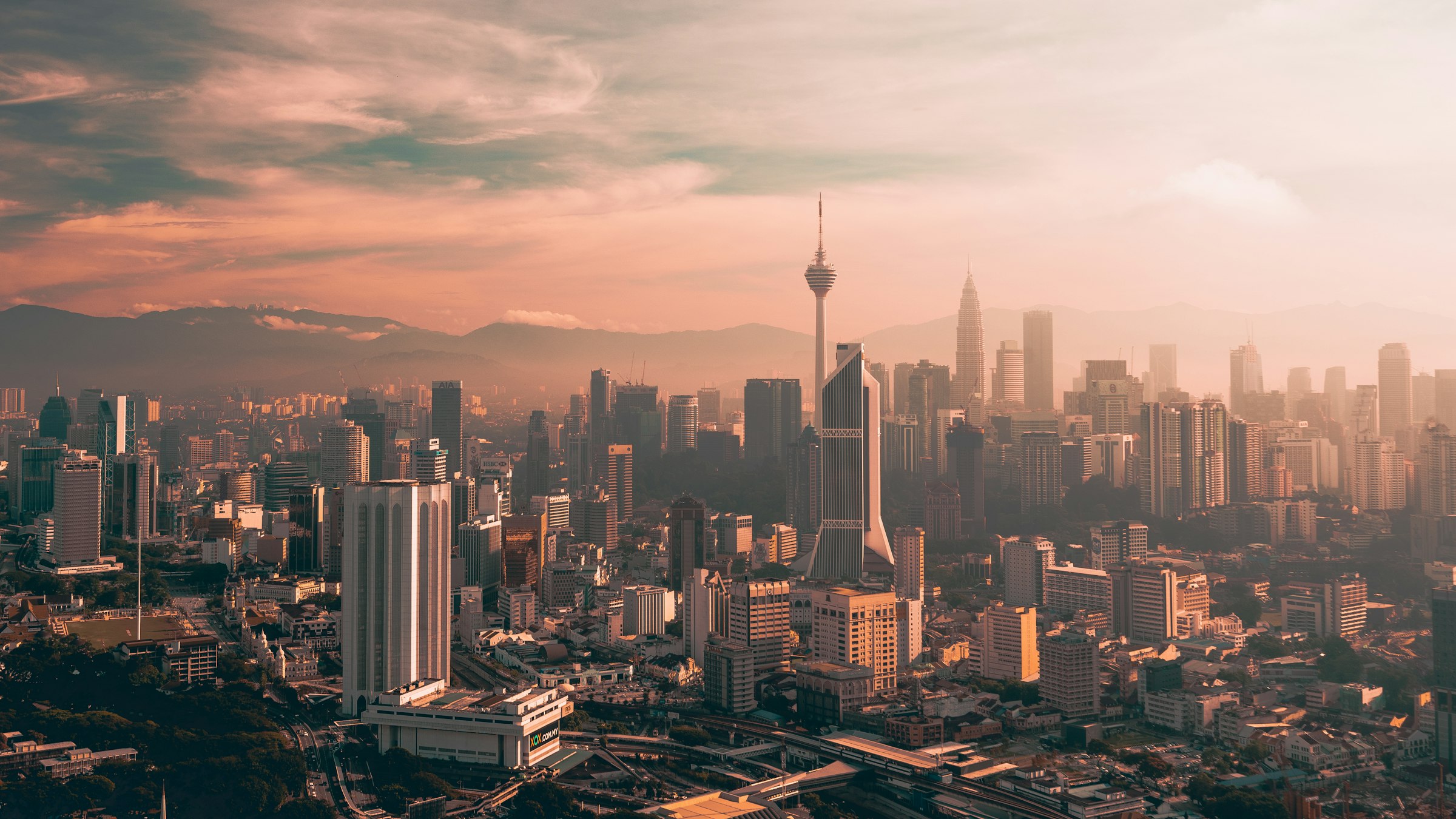
Malaysia
Kuala Lumpur and Penang have superb Indian food and a large Indian community, with none of the difficulty. A good way to test if your family will love India before you commit to it.
Read the guide
Plan India with Nicole
Tell me who is coming, and when.
India works as a ten day Golden Triangle for a first trip, a two week trip that adds Ranthambore for the wildlife lovers, or a longer trip that adds Kerala or Rajasthan’s deeper desert towns. Which one makes sense depends on how much your family wants thrown at them versus eased into. A family trip to India built right starts with the basics. Send me the ages, the dates, and what you are hoping this trip feels like. I will come back with what is really available.
Nicole Damiano, ASTA Verified Travel Advisor · Certified Family Travel Advisor with FG Luxury Travel.
Questions families ask about India
The ones that come up in almost every planning call. If yours is not here, ask me.
Do we need a visa?
Yes. The e-visa online, about twenty five to forty dollars depending on length, and allow a week. Print it. The one year visa is often better value than the thirty day one.
Is India too hard with young kids?
It is hard, not dangerous, and the first three days are the hard part. The sensory load and the distances are the challenge. From about eight, with a private driver and a guide, and with the days kept short, it works. I would not take a toddler.
Where should a first trip go?
The Golden Triangle. Delhi, Agra for the Taj Mahal, Jaipur. Ten days, one driver, one guide per city. Add Ranthambore for tigers if you have twelve days and kids who can sit still in a jeep at dawn.
What about the food and the water?
Bottled water only, including for teeth. Eat hot cooked food, skip salads and street ice. Hotel and good restaurant food is safe and wonderful. Pack the stomach medicine your pediatrician recommends and you will probably not need it.
When should we go?
October through March. The rest of the year is heat and monsoon and I do not book families then.
Keep exploring from India
Cities, neighbors, and the wider region.
Click any card to open that page
More of Asia
 Cambodia
 China
 Indonesia
 Japan
 South Korea
 Laos
 Malaysia
 Philippines
 Singapore
 Taiwan
 Thailand
 Vietnam
 All of Asia
 Explore the world
 The Travel Library
