
Seven Mile Beach from the air. Six and a half miles, actually, and the sand really is that color
Cayman Islands Family Travel Guide
“Most Americans who have been to Grand Cayman have been there for six hours off a ship. That is a real way to see it and it is also the reason so many people think they know this island when what they know is one sandbar and a duty free street.”
Nicole Damiano, ASTA Verified Travel Advisor with FG Luxury Travel
Do we need a visa?
No. Passport with six months left and a return ticket. US citizens get up to thirty days on arrival.
Seven Mile Beach or somewhere else?
Seven Mile Beach for a first trip. Calm, shallow, clean, and the hotels are on it. Everything else is a taxi. Rum Point on the north side for a quieter day with a shallow lagoon and a hammock.
Is Stingray City safe for kids?
Yes, from about five. It is waist deep water on a sandbar and the rays are used to people. Go on an early boat before the cruise ships, and hold small children rather than letting them wander.
Why is it so expensive?
No income tax, so the island funds itself with import duty on almost everything that arrives. That cost reaches you at the grocery store and the restaurant. You are paying for a place where the roads work, the water is drinkable and nobody hassles you on the beach.
Can we drink the water?
Yes. Cayman runs on desalinated water and it is safe from the tap everywhere. One less thing.
Nicole’s Perspective
Why families hire me for the Cayman Islands

For a Cayman Islands family vacation, that combination of safe and easy is worth the price to a lot of the families I book.
Cayman is the safest, cleanest, easiest island in the Caribbean and it is also the most expensive. Those two sentences are the same sentence. You are paying for a place where the roads work, the water is drinkable, nothing is broken, and nobody is going to hassle you on the beach. Some families think that is worth double. Some do not.
The thing I want you to think hardest about is if you are staying or stopping. A cruise day here is a tender, a line, a sandbar and a shop street. A week here is a completely different island with a north side, a dive coast, and two sister islands nobody goes to. Do not confuse them.
And on Stingray City, which is the question everybody asks. It is wonderful and it is a wild animal encounter with sharp bits. I have a whole section on how to do it with children and it is the part of this page I would most want a parent to read.
Beyond the Bookshelf
Stories to carry you deeper into the Cayman Islands. This is our own family shelf, real books, films, music and a cookbook tied to the place, not a generic reading list. Read it before you go and the trip means more when you get there.

- The FirmJohn Grisham
- Far TortugaPeter Matthiessen
- The Language of the SeaJacqui S.L. Scott
- Cayman Islands: A History of Politics and SocietyJ.A. Bodden
Book links go to Bookshop.org, which supports local bookstores. Film and music links go to JustWatch and Spotify. As an affiliate we may earn from qualifying purchases.
Why this country, for this family
Why Cayman Islands
 Poppy marks the family parts. Wherever you see her, that section is written for traveling with children.
Cayman is the safest, cleanest, easiest island in the Caribbean and it is also the most expensive. Those two sentences are the same sentence, and for a lot of families that trade is worth making.
Who it is for. Families with young kids who want calm water, a reliable hotel and no hassle. First time Caribbean families. Anyone who has done Mexico and wants the opposite of that in every way.
Who should skip it. Anyone on a budget. A week here costs what ten days in the Dominican Republic costs. Skip it too if you want local culture and nightlife, Cayman is quiet and it goes to bed early.
Seven Mile Beach is the reason
Calm, shallow, clean, and the hotels are on it. It is one of the best family beaches in the Caribbean and it is walkable end to end.
Stingray City is a real thing
A sandbar in waist deep water where the rays come to you. Ages five and up. Go on the first boat of the morning.
Cayman dollars are worth more
One Cayman dollar is about a dollar twenty five US. Prices look lower than they are. US cash is accepted, change comes back in Cayman.
A Cruise Day Here Is Not the Island
George Town takes well over a million cruise passengers a year and on a four ship day the town holds more visitors than residents. There is no cruise pier. Everybody comes ashore by tender, and that one fact shapes the whole day.
Tendering costs you time at both ends. Ships anchor offshore and shuttle you in on small boats. Getting off can take an hour on a busy morning and the last tender back is earlier than you think. Build a real buffer or book through the ship.
The first two streets are duty free and you can skip them. Watches, rum, jewellery and diamonds. It is a well run version of the same street that exists in every cruise port and it has nothing to do with Cayman.
The good cruise day is a boat, not a bus. North Sound, the sandbar, a reef snorkel and back. It is the one excursion here that is worth the money and it is what almost everybody books, which is why you go early.
If you are not booking a boat, take a taxi to Seven Mile Beach and swim. Public access points at Governors Beach and Cemetery Beach are free, the water is calm, and it costs a fraction of a shore excursion. That is a good day.
Staying gets you the whole other island. Rum Point, the East End dive walls, Barkers, a sunset that is not on a schedule, and dinner somewhere that is not clearing tables for the next ship. Cayman rewards a week far more than most cruise ports do.
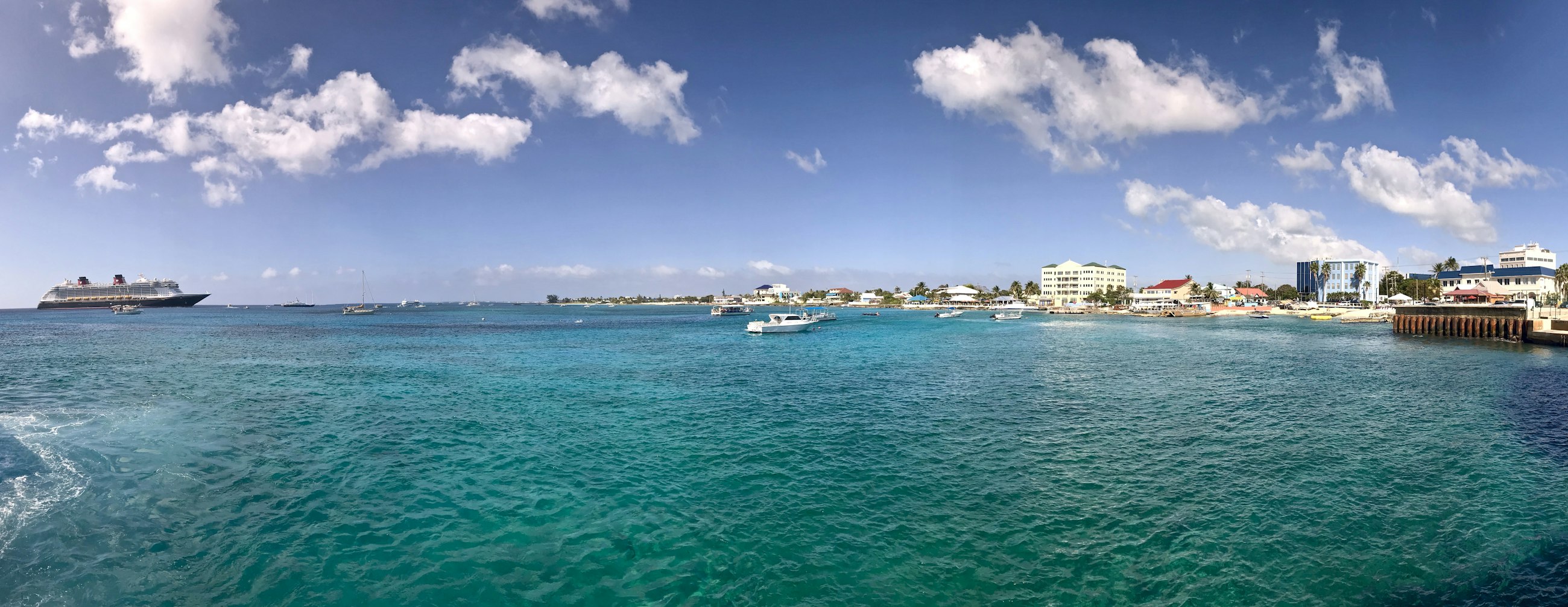
George Town harbour. On a heavy day four ships anchor out here and tender in, and the town holds more visitors than it has residents
Stingray City With Children,
A shallow sandbar in the North Sound where southern stingrays have gathered for generations because fishermen used to clean their catch there. You stand in waist deep water and rays the size of dustbin lids swim into your legs. It is amazing. It is also a wild animal and I am going to be plain about it.
What it actually is. Chest deep for an adult, waist deep at low tide, soft sand, no coral. Thirty to sixty rays that have learned boats mean squid. You do not swim out to them. You stand and they come to you.
The honest safety picture. Stingrays have a barb and they use it defensively if stood on or startled. Serious injuries here are rare and stings do happen. Shuffle your feet, never step down blind, and do not let a child chase or grab one. Reputable operators brief this properly. Ones that do not are telling you something.
The age I would set. A child who can stand steady in moving water and follow an instruction the first time. For us that is around seven. Younger than that, hold them, keep them on the boat ladder side, and be honest that they may hate it.
Go on the first boat of the day. By eleven there are twenty boats on a sandbar the size of a football pitch. At eight it is you, the crew and the rays, and it is a completely different experience for the same money.
Small boat, not a big catamaran. Twelve people rather than a hundred and twenty. It costs a little more, the guide can actually watch your children, and nobody is fighting for a photo.
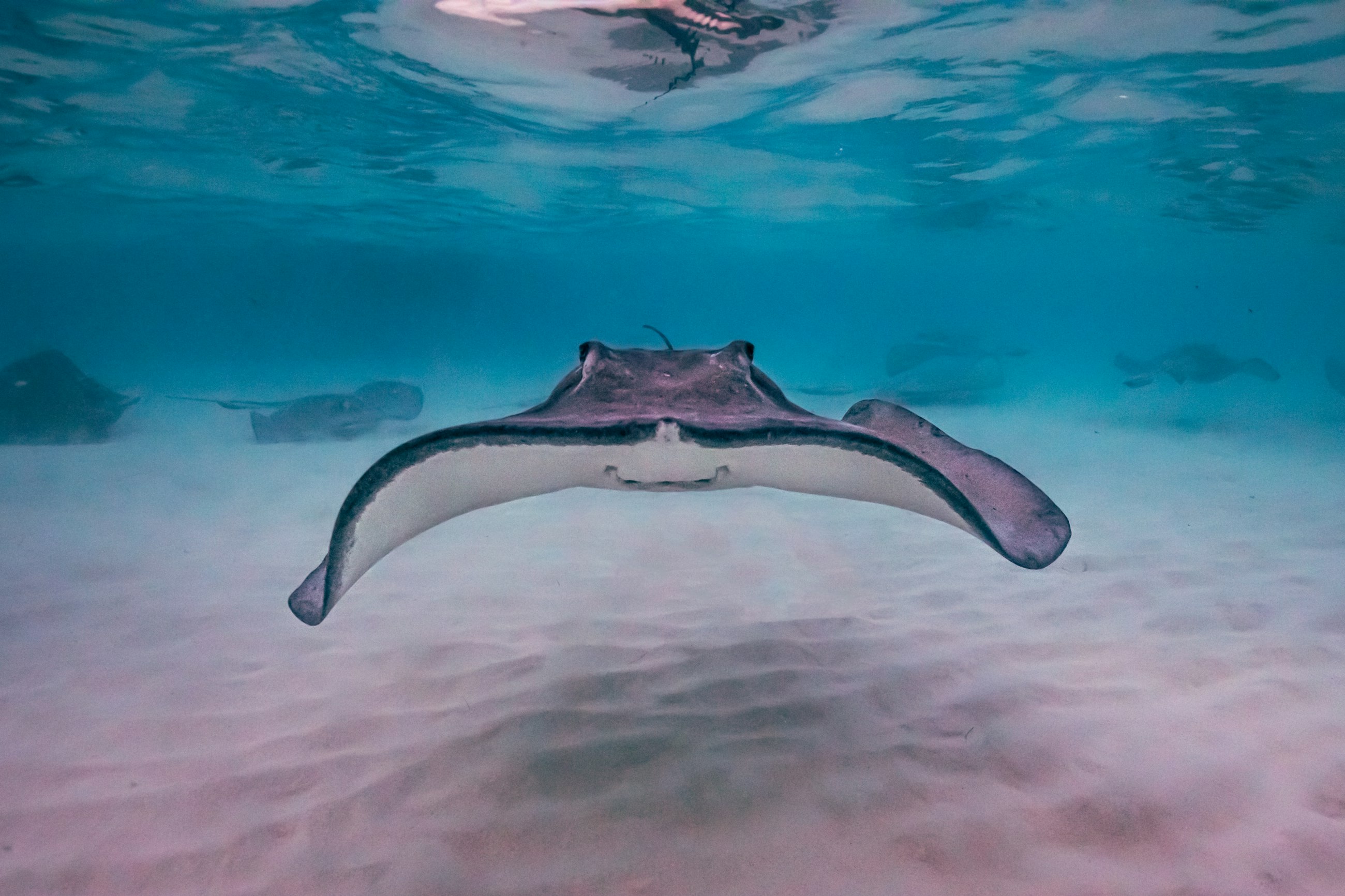
A southern stingray in the shallows. They are curious rather than tame, and the difference matters when you have three children in the water
Seven Mile Beach and the Beaches Nobody Books
Seven Mile Beach is that good
Soft white coral sand, no seaweed to speak of, almost no wave, and it faces west so every evening ends with a sunset. It is also lined with resorts and condos for its whole length, which is the trade.
All beaches are public to the high water mark
You can walk the whole length past every resort. Governors Beach and Cemetery Beach have free public access and parking, and Cemetery has the best snorkelling on the strip about thirty yards out.
Rum Point is the family day
North side, shallow for a long way out, casuarina trees for shade, hammocks, a bar that does the mudslide it invented. Forty five minutes by car from Seven Mile or a ferry across the sound. Calmer and cheaper than the west.
The East End is where the divers go
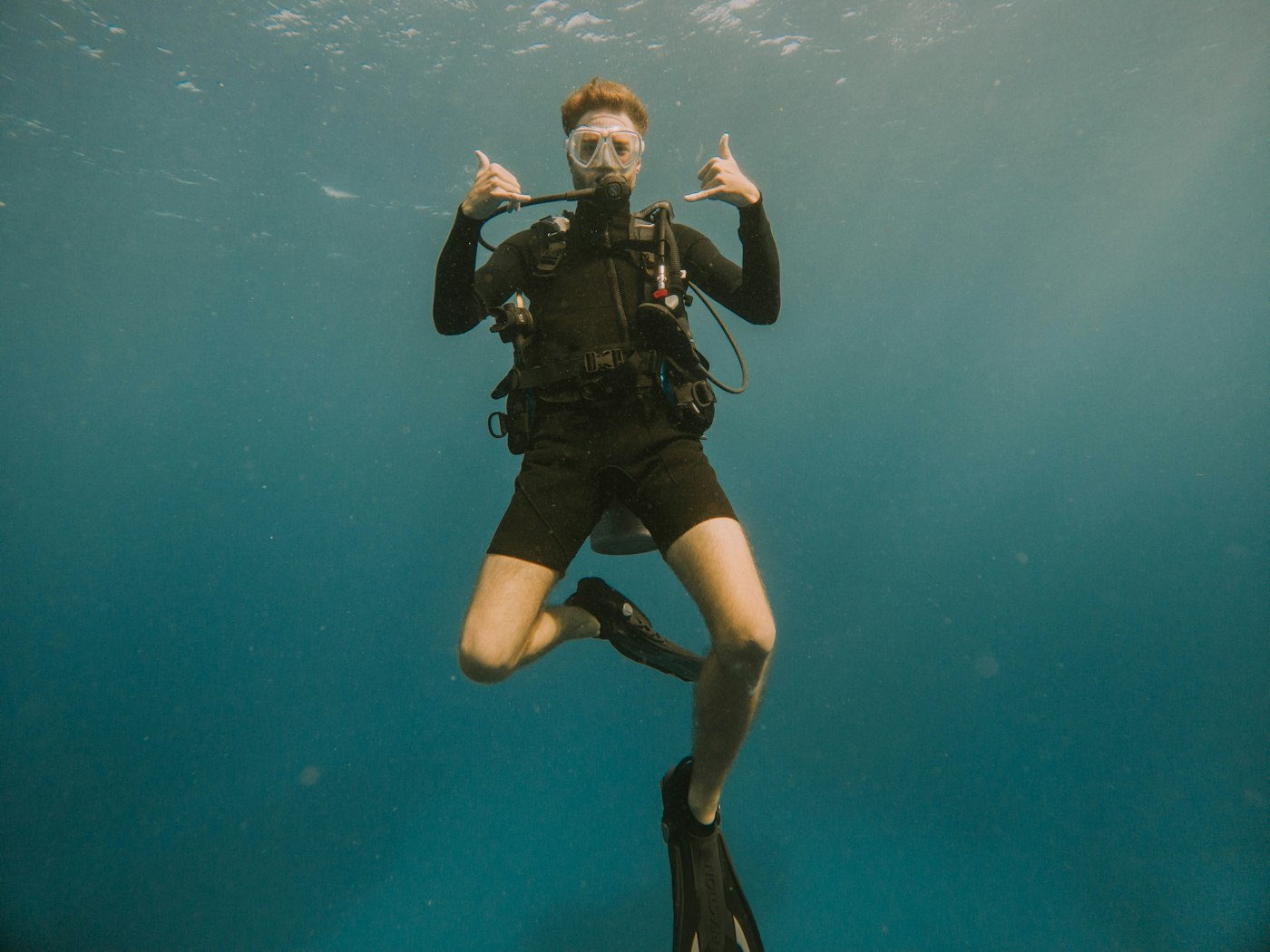
Wall diving, blowholes and almost no crowds. If your family snorkels seriously or somebody is getting certified, base yourselves out here and drive in for the beach days rather than the other way round.
The map
The Cayman Islands Place by Place
Three islands, not one. Grand Cayman holds almost everybody and everything. Cayman Brac and Little Cayman sit ninety miles north east and between them have fewer people than a large secondary school. Grand Cayman itself is only twenty two miles long and flat as a table.


Anthem Beloved Isle Cayman is the national song, sung after God Save the King. Language and money English. The Cayman dollar, worth more than the US dollar, so check which one the menu means.
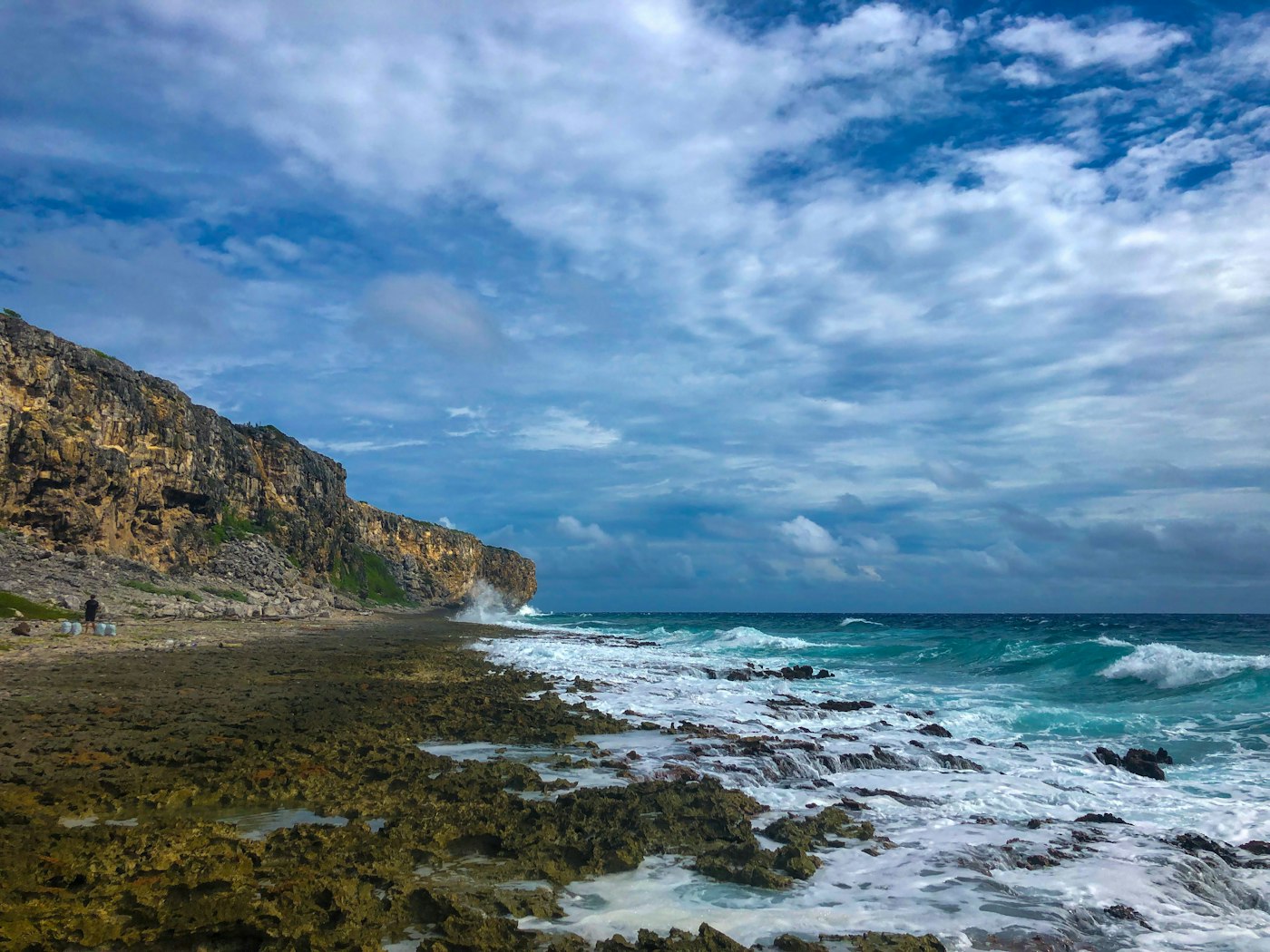
Cayman Brac
East End
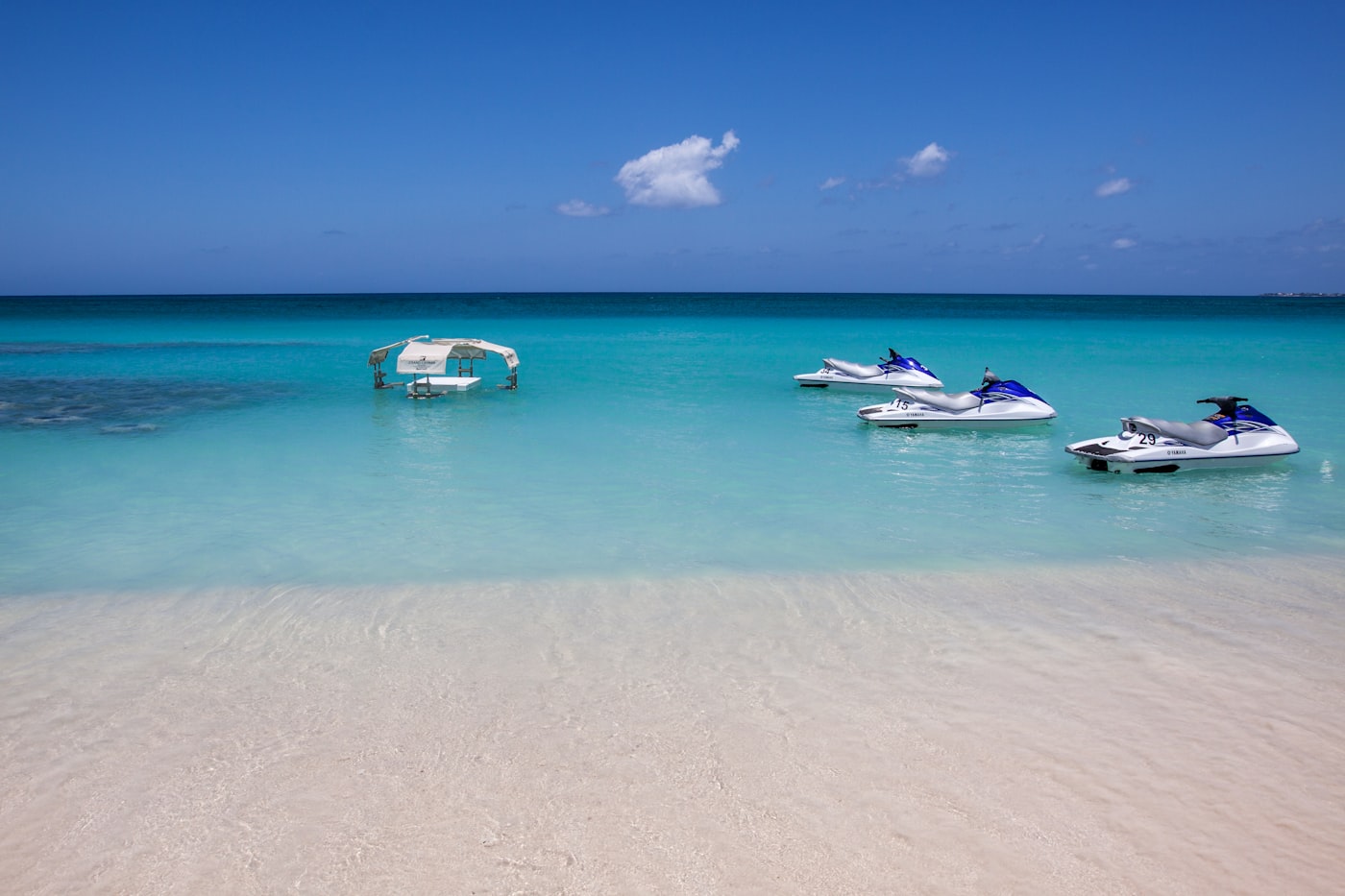
George Town
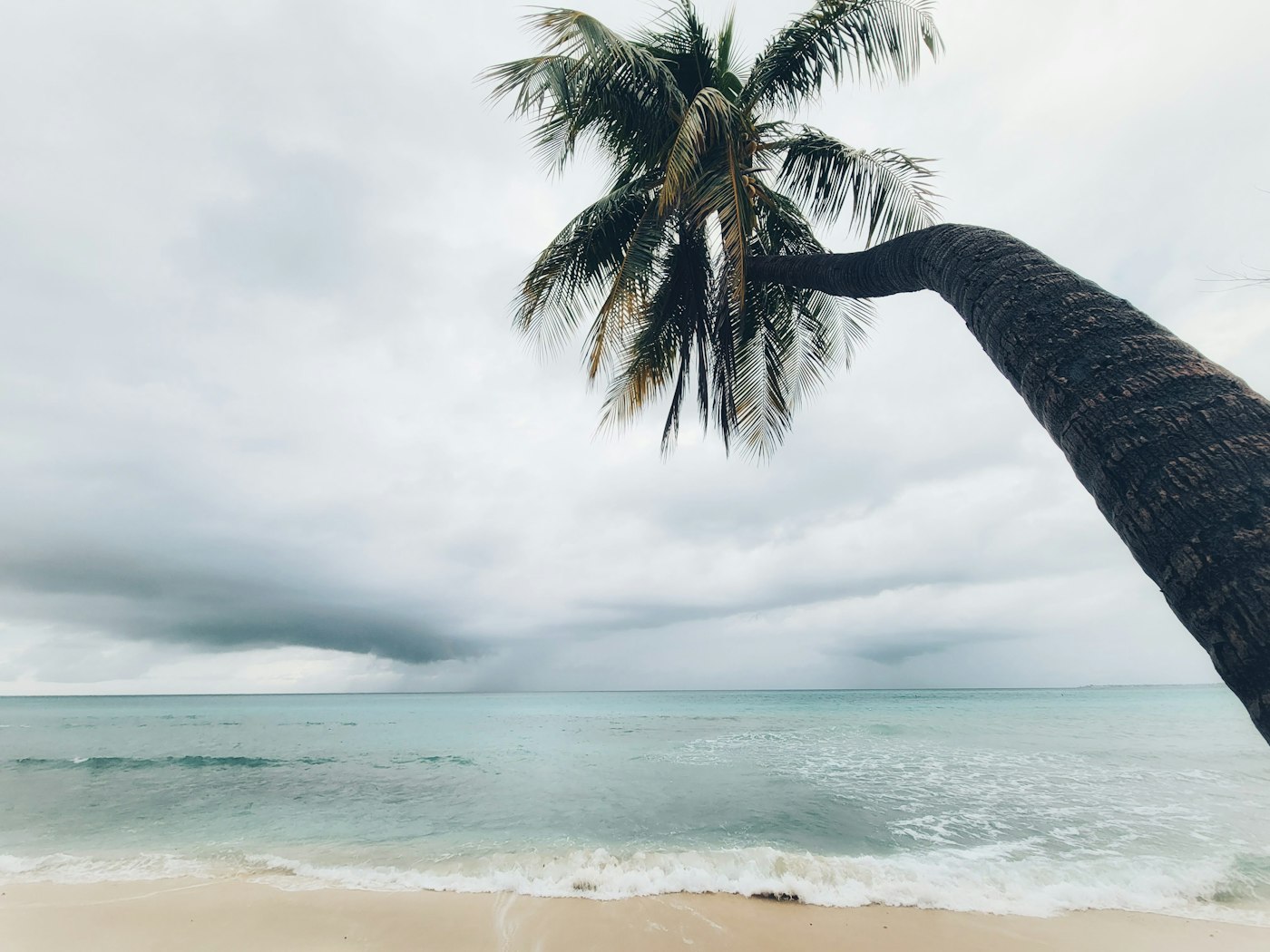
Little Cayman
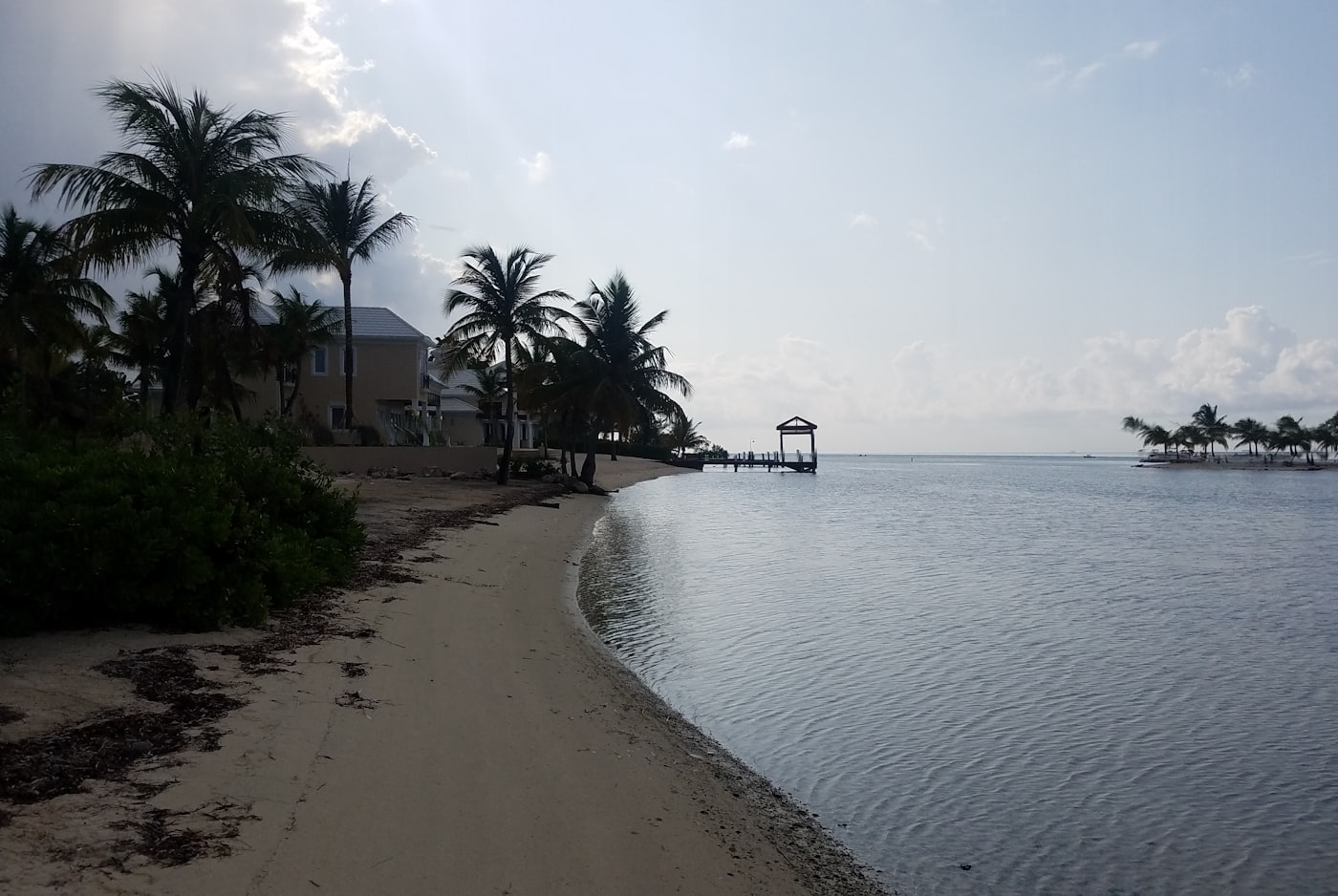
Rum Point
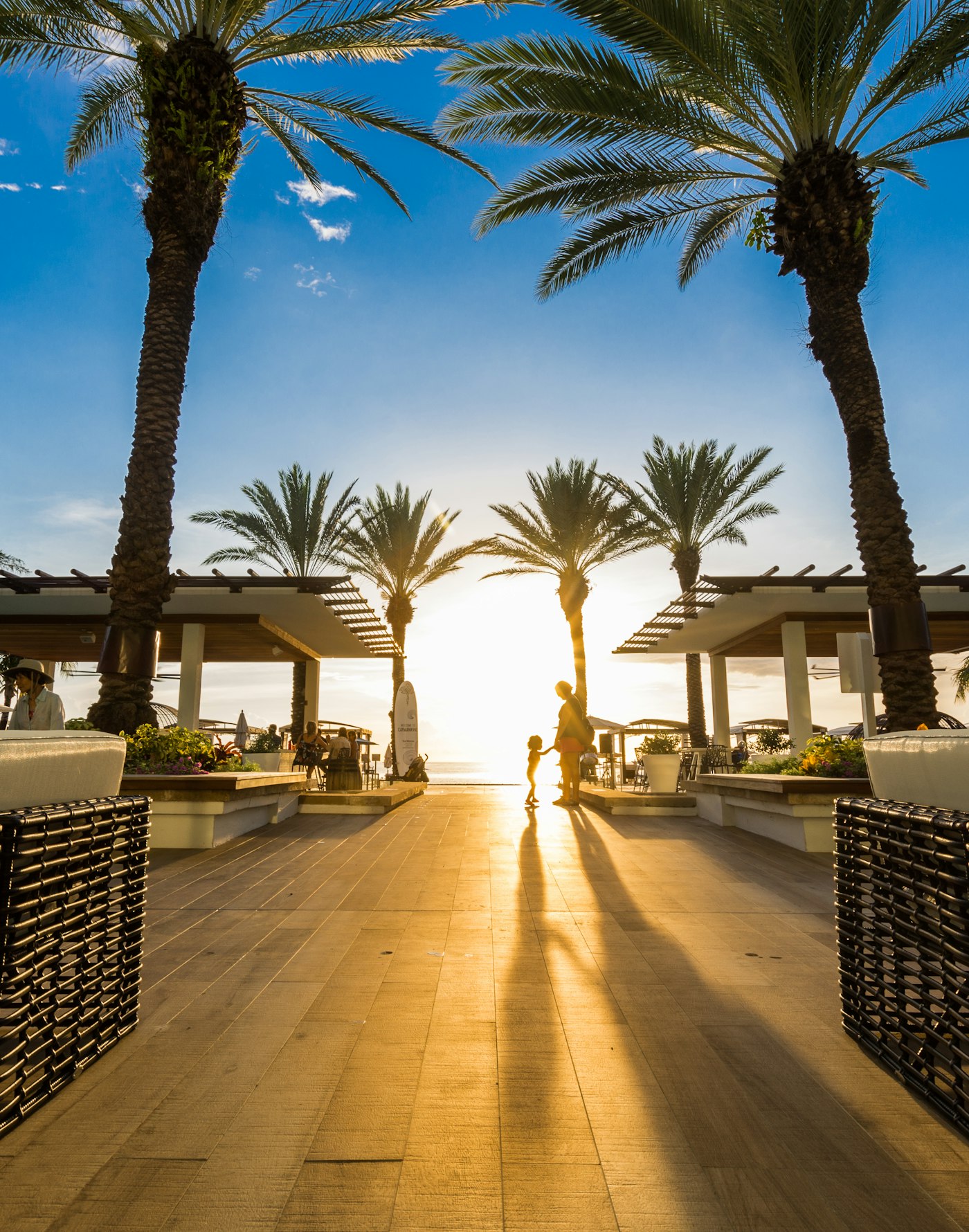
Seven Mile Beach

Stingray City
West Bay
Culture and Etiquette
Cayman is British, Caribbean and very orderly. It is the tidiest island in the region and it likes things done properly.
Greet first. Good morning before any question, in shops and on the bus. It is expected and it changes the answer you get.
Swimwear stays on the beach. Walking into a shop or restaurant in a bikini top is a real no. Cover up for the two minutes it takes.
Drive on the left, politely. Caymanians let people in, wave, and do not honk. Do the same.
Sunday is quiet. Most shops close, churches fill, and the island slows down. Plan a beach day.
Tipping is fifteen percent and often already on the bill. Check before adding more. Cayman dollars are worth more than US dollars, so read the price tag twice.
Food
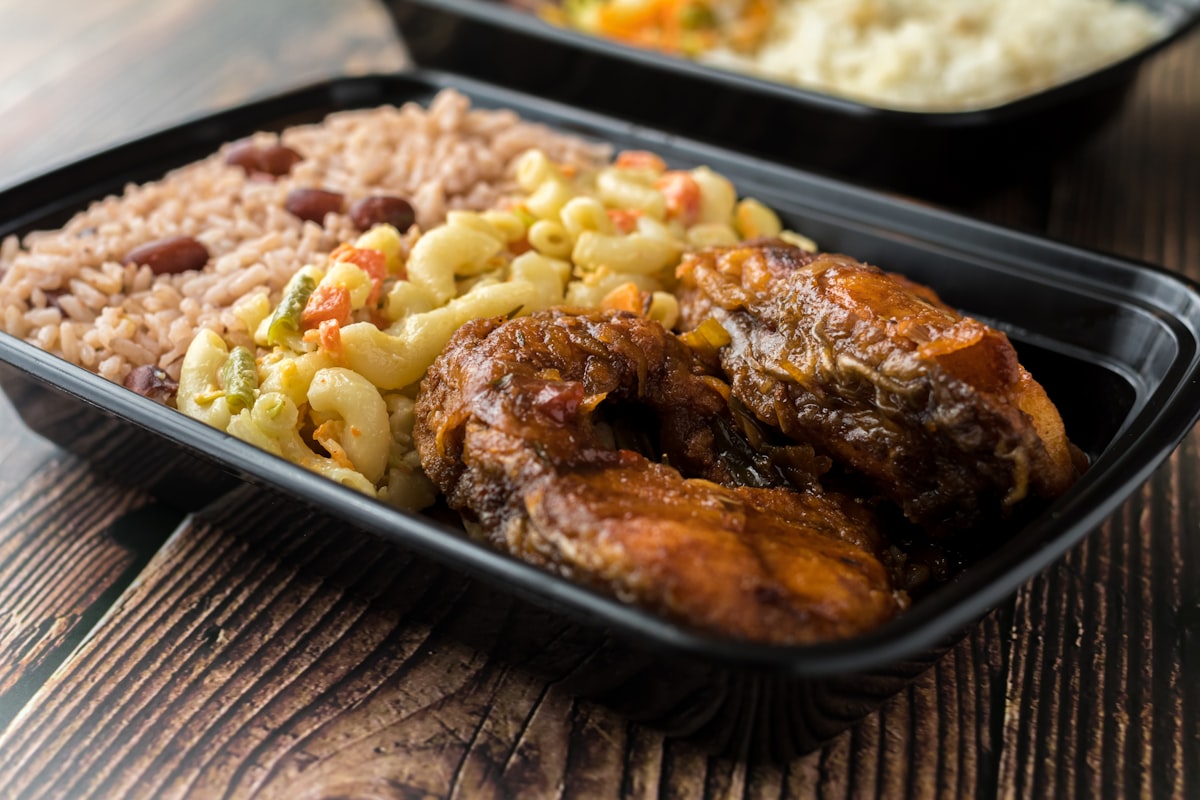
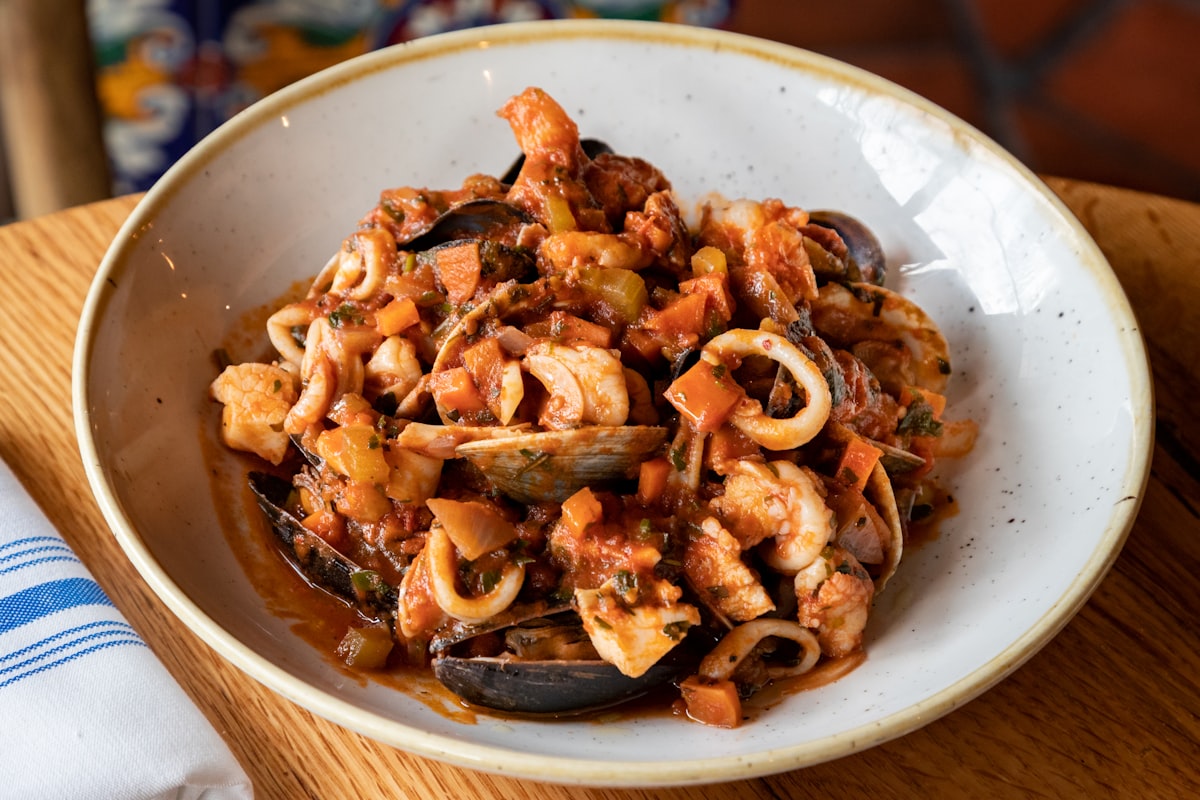
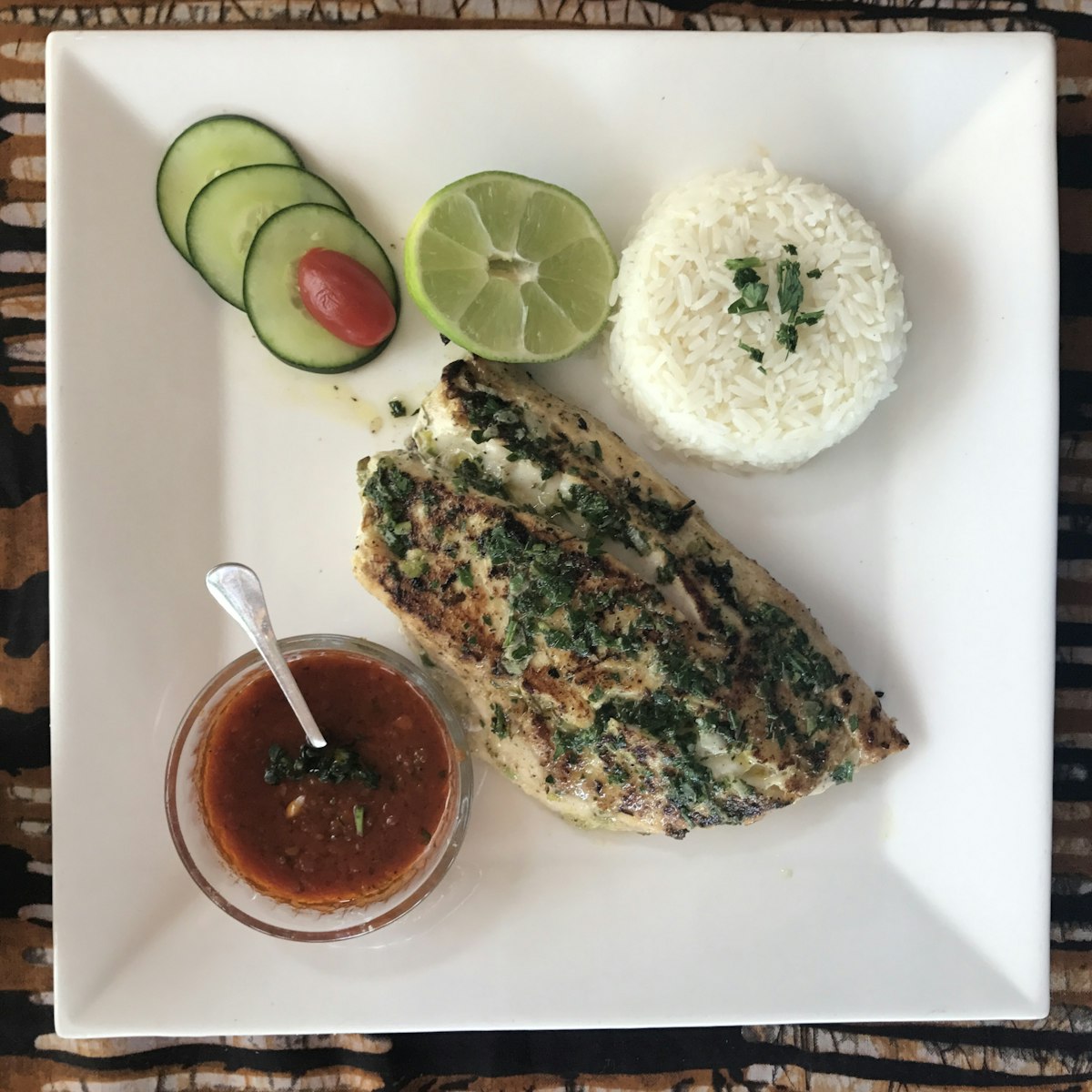
Caymanian home cooking is quiet and specific. Coconut, cassava, seafood, and a lot of one pot cooking that predates every restaurant on the island. The expensive dining scene is good and it is not the interesting part. Look for the small places that do a lunch plate.
Getting Around
They drive on the left and you need a visitor permit. The hire company issues it at the desk for a small fee. Roads are excellent, flat and well signed, and Grand Cayman is the easiest island in the Caribbean to drive. Roundabouts are the only surprise.
The minibuses work and they are cheap. Color coded routes out of George Town, a couple of dollars, and they run the length of Seven Mile Beach constantly. For a beach based week you may not need a car until the day you go to Rum Point.
Taxis are set rate and expensive. Rates are published per zone and per person. From the airport to Seven Mile Beach for a family of five costs more than a day of car hire. Do that math before you land.
The sister islands need a plane. Cayman Airways Express flies small aircraft to Cayman Brac and Little Cayman several times a day. It is a short hop and it is not cheap, and Little Cayman has about two hundred residents and more iguanas than people.

Rum Point, the quiet side of the North Sound
It Is One of the Most Expensive Islands in the Caribbean
This is not a warning, it is arithmetic. Cayman has no income tax and funds itself through import duty, which sits on almost everything that lands on the island. That cost reaches you at the till.
The dollar is not the US dollar. The Cayman Islands dollar is pegged at about one dollar twenty US, permanently. Prices are often quoted in KYD, and a menu that looks reasonable is twenty percent more than it looks. Always ask which dollar.
Eating out is the big number. A casual family dinner for five runs to serious money and a nice one runs to eye watering. Rent a condo with a kitchen, do supermarket breakfasts and lunches, and go out three nights instead of seven.
Groceries are imported and dutied. Expect meaningfully more than at home for the same trolley. Buy local fish and fruit where you can and accept the rest.
There are no all inclusives to hide behind. Cayman does not really do the fixed price fortress model. That is part of what makes it pleasant and all of what makes it expensive. If a locked in number is what makes a trip possible for your family, this is not the island.
When to Go
Dec to Apr
Dry, breezy, warm and full. This is peak and the rates reflect it. Christmas and the American spring break weeks are the two most expensive windows in the Caribbean calendar and Cayman is at the top end of them.
May and June
The value window and my pick. The winter crowd has gone, the sea is at its calmest and warmest, visibility for snorkelling is excellent, and rates drop noticeably before the storm risk climbs.
Aug to Oct
Peak hurricane season and Cayman sits in the corridor. Ivan in 2004 flooded most of Grand Cayman and the island rebuilt to a much higher standard because of it. Named storm cover bought at booking, or choose a different month.
Pirates Week
Eleven days in November. Parades, street dances, a mock invasion of George Town and heats in every district. It is the island’s own festival, the whole country turns out, and rooms book up well ahead.
How Many Days and How to Route It
Grand Cayman is small and the days are simple. The question is how much beach you want.
Four nights. Seven Mile Beach, one morning at Stingray City, one at the Turtle Centre. Enough for a long weekend from the east coast.
Seven nights. Add Rum Point, a day on the east end with the blowholes, and a snorkel at Smith Cove. This is the shape most families book.
Ten nights. Fly to Cayman Brac or Little Cayman for two or three of them. Bluff Cliffs, empty beaches, the Bloody Bay wall for the divers. It feels like a different country.
Getting there. Direct flights from Miami, Charlotte, Atlanta, New York and Dallas. Under two hours from Miami, which is why Cayman works as a short trip.

Seven Mile Beach at the end of the day
Regions at a Glance
Seven Mile Beach and George Town
The capital, the cruise port and the long calm beach with the resorts and condos. Where almost everyone stays.
West Bay
The top of the island. The Turtle Centre, Hell, Barkers beach and the boats out to Stingray City.
The North Side and East End
Rum Point, the Crystal Caves, the blowholes and the dive shops. Quiet, local and a forty minute drive from the beach strip.
Cayman Brac and Little Cayman
The two sister islands, a short flight away. Bloody Bay Wall, empty beaches and almost no traffic. For divers and families who want nobody around.
Where to Go in the Cayman Islands
Grand Cayman is small and the roads are good, so this is an order of days rather than a route. A week does all five.
Seven Mile Beach. The base. Calm, shallow and walkable to dinner. Most families never need to leave it, which is the problem I try to fix.
Stingray City. Book a small boat for the first departure of the morning, before the cruise tenders arrive. Then Starfish Point on the way back.
Rum Point. Drive around the North Sound for an afternoon of hammocks, shallow water and a mudslide for the adults. Quiet on non cruise days.
The East End. The blowholes, the Crystal Caves and lunch on the water. The half of the island the cruise passengers never see.
Little Cayman. A short flight for a day or two of empty beaches and the best wall diving in the Caribbean. For families with teenagers who dive.
With Kids
Grand Cayman with kids is about as easy as the Caribbean gets, once you know which parts to skip.
The Turtle Centre is worth a morning
A working conservation and research facility at Boatswain’s Bay in West Bay that releases turtles into the wild and also runs a lagoon you can snorkel. It is the best rainy morning on the island and children remember it.
Blue iguanas are a real conservation story
Down to a couple of dozen animals in the early 2000s and now over a thousand, at the Botanic Park in North Side. Big, blue, prehistoric looking and completely calm. Free range iguanas elsewhere are the green invasive ones.
Hell is a five minute stop and that is fine
A field of black limestone rock formations in West Bay with a post office that stamps your postcard from Hell. It takes ten minutes, it costs nothing, and a nine year old will talk about it for a year.
Standards are high and that matters
Drinkable tap water, a proper hospital, pharmacies, and no meaningful mosquito borne disease risk thanks to an aggressive control program. For a first Caribbean trip with young children that removes a lot of worry.
Splurge-Worthy Experiences
A Seven Mile Beach resort, all in
The Ritz Carlton or the Kimpton. You are paying for the beach at your door and the pools. Do it for the whole stay rather than trying to save on nights.
A private Stingray City charter
Your own boat at seven in the morning before the cruise ships, a stop at the Starfish Point sandbar, lunch on board. Kids get the rays to themselves.
A submarine dive
The Atlantis sub goes to a hundred feet off George Town with big windows and no wetsuit. Ninety minutes and every child on board is glued to the glass.
A night on Little Cayman
Southern Cross Club or the Little Cayman Beach Resort. Two hundred residents, iguanas on the road, and water so clear it looks fake.
How It Compares, and Who Should Skip It
The list of things to do in Grand Cayman with kids is short and good, and here is how it stacks up against the islands people compare it to. Nobody picks Cayman in isolation. They pick it against three other islands and a budget. Here is what I actually say when a family asks me to choose.
Skip it if price is the deciding factor. Not a maybe. Cayman will cost you roughly double what the Dominican Republic costs for the same week and it will not feel twice as good if the budget is stretched the whole time.
Skip it if you want culture, landscape or nightlife. Grand Cayman is flat, prosperous, modern and quiet. There are no mountains, no rainforest, no old town to get lost in. If that is what your family wants, look at Jamaica or Barbados.
Choose it over the Bahamas for a first trip with small children. Similar water, better infrastructure, lower crime, and a beach that does not need a boat to reach. Cayman is the more expensive and more polished version of that trip.
Choose it if somebody in the family dives. The wall off the West Bay and the East End is world class and shore diving is easy. Very few Caribbean islands give you that alongside a beach the rest of the family is happy on.
Who it is perfect for. Families who value calm, safety and a beautiful beach over variety, who are happy cooking half their meals, and who want one or two brilliant water days rather than a packed itinerary.
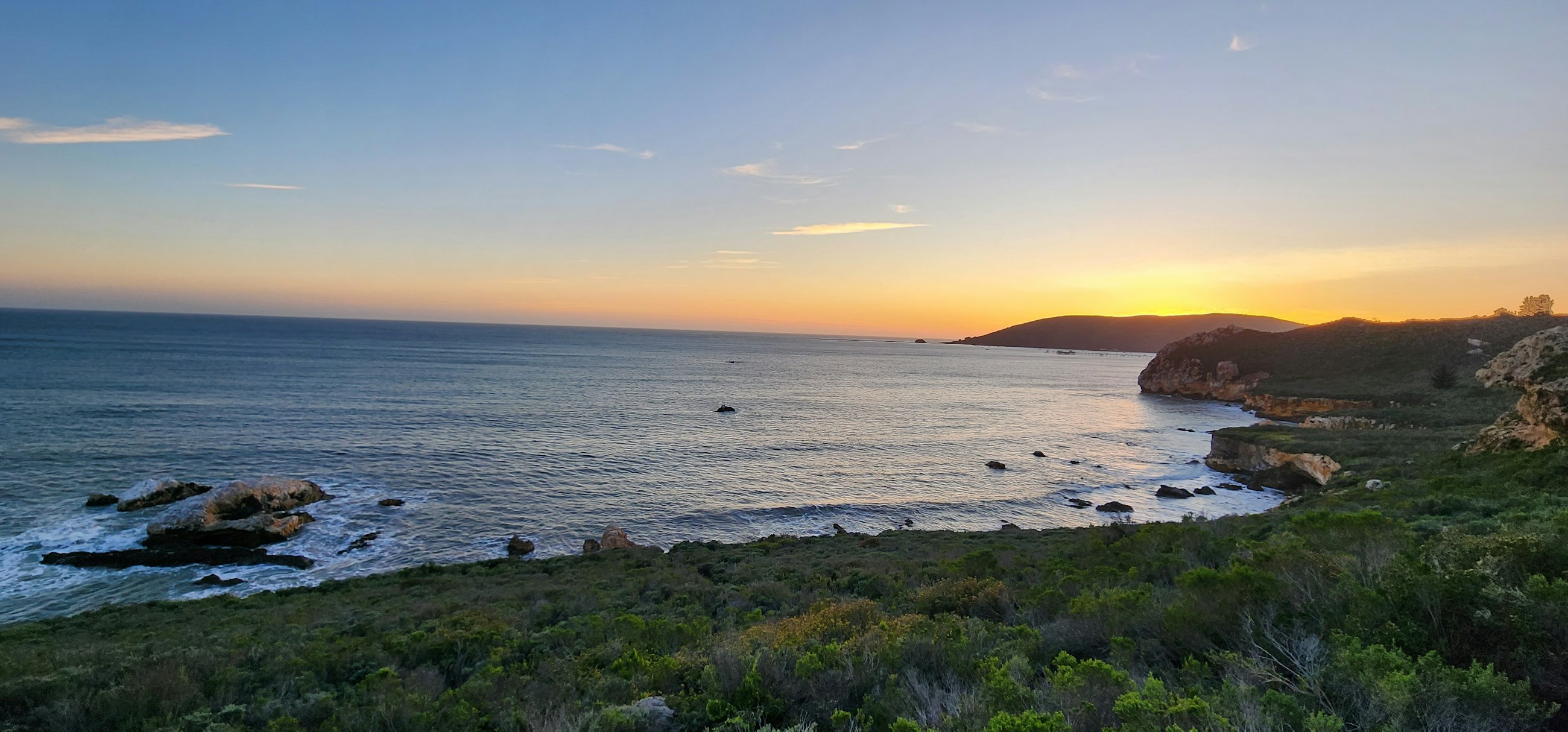
The East End at the end of the day. Forty minutes from Seven Mile Beach and almost nobody staying on the island ever drives out here
Things Worth Knowing Before You Book
It is a British Overseas Territory, not an independent country. British passports, a governor appointed by the Crown, English law, and the King on the money. Practically this means a very stable place with British systems and American prices.
The island is flat and the sand is not sand. Highest point on Grand Cayman is about sixty feet. The beach is ground down coral rather than quartz, which is why it stays cool underfoot in full sun and why it is that color.
Medical care is good and costly. There is a full hospital in George Town and a large private facility on the east side. Travel insurance is not optional here, it is the single most important thing you book after the flights.
Turtle products are illegal to bring home. Turtle meat is legally eaten locally from the farm. Taking any turtle product into the United States, the UK or the EU is a customs offence. Do not buy the shell jewellery, whatever the shop tells you.
Where I Would Start
First time in the Cayman Islands with kids? Seven Mile Beach, one condo or resort, and the stingrays. Grand Cayman is the trip, the sister islands are the second one.
Seven Mile Beach. Five nights. Calm water, sand that stays cool, a condo with a kitchen or a resort with a pool. Everything is a short drive.
Stingray City. A morning. Stand in waist deep water while stingrays glide over your feet. Go early, on a small boat, before the cruise ships.
The turtle center and Rum Point. A day. The turtle farm for holding a yearling, then Rum Point on the north side for hammocks and the shallowest swimming.
Numbers Worth Knowing
The Cayman Islands, by the numbers
Ways to travel
The Cayman Islands are not one kind of trip
How you move through it changes the trip more than which places you pick.
Beach and resort
Seven Mile Beach has resorts for every budget and calm, clear water that’s easy with young kids.
For example: a week on Seven Mile Beach with a condo kitchen and a carOcean cruising
One of the most popular western Caribbean cruise stops, tendered in, with stingray and reef excursions right off the port.
For example: a Western Caribbean sailing with George Town as the stop, and a Stingray City tour booked aheadAdventure and outdoors
World class scuba and snorkeling, plus the Mastic Trail through untouched interior forest if you want dry land for a day.
For example: Stingray City by private boat, then the Crystal Caves and the East End blowholesGuided and small group
A private boat charter to the sandbar or Bloody Bay Wall is easy to arrange and worth doing once.
For example: a small group snorkel day with a local captain who avoids the cruise crowdsExplore by interest
What families come to the Cayman Islands for

Wildlife
Stingray City
Standing in waist deep water on a sandbar while southern stingrays glide around your legs. The one thing every child remembers, and it is better by private boat early in the morning.

Beaches
Seven Mile Beach and Rum Point
Seven Mile is the long calm strip the resorts sit on. Rum Point across the sound is the quieter afternoon with hammocks and shallow water for the small ones.

Diving
Bloody Bay Wall and the East End
Off Little Cayman the reef drops from twenty feet to over a thousand almost straight down, one of the best wall dives anywhere. The East End of Grand Cayman is the easier version for teenagers.

Nature
The blue iguana and the Mastic Trail
Queen Elizabeth II Botanic Park is home to the blue iguana, found nowhere else on earth, and the Mastic Trail is a two mile walk through old growth forest across the interior.
Something unexpected
Only in the Cayman Islands

Read before you go
The Firm
John Grisham’s novel centres on offshore banking secrets here, the plot that made going to the Caymans shorthand for hiding money.

Watch before you go
The Firm, on film
The 1993 adaptation with Tom Cruise was filmed partly on Grand Cayman itself, and Seven Mile Beach is recognisable.

From here
The Cayman Turtle Centre
The world’s only commercial green sea turtle farm, started to take pressure off the wild population. Children can hold the small ones.

Only in the Cayman Islands
The blue iguana
It exists nowhere else on earth outside Grand Cayman, and came back from fewer than fifteen known individuals in the early 2000s.
Combine It With
If you have the time to add a second country, these are the ones I would actually pair this one with. Not a list of neighbors. A list of trips that work.
An hour apart and total opposites. Cayman for the calm water and the safety, Jamaica for the mountains, the music and everything Cayman deliberately is not.
Both show up on the same western Caribbean cruise itineraries. Similar water, very different price and polish. Pick one to stay on and see the other from a ship.

Plan The Cayman Islands with Nicole
Tell me who is coming, and when.
The Cayman Islands are one of the easiest Caribbean trips to relax on, but the good snorkel spots and the quieter beaches are not the ones that show up first in a search. I point you toward those instead. Send me the ages, the dates, and what you are hoping this trip feels like. I will come back with what is really available.
Nicole Damiano, ASTA Verified Travel Advisor with FG Luxury Travel.
Questions families ask about Cayman Islands
The ones that come up in almost every planning call. If yours is not here, ask me.
Do we need a visa?
No. Passport with six months left and a return ticket. US citizens get up to thirty days on arrival.
Seven Mile Beach or somewhere else?
Seven Mile Beach for a first trip. Calm, shallow, clean, and the hotels are on it. Everything else is a taxi.
Rum Point on the north side for a quieter day with a shallow lagoon and a hammock.
Is Stingray City safe for kids?
Yes, from about five. It is waist deep water on a sandbar and the rays are used to people. Go on an early boat before the cruise ships, and hold small children rather than letting them wander.
Why is it so expensive?
No income tax, so the island funds itself with import duty on almost everything that arrives. That cost reaches you at the grocery store and the restaurant. You are paying for a place where the roads work, the water is drinkable and nobody hassles you on the beach.
Can we drink the water?
Yes. Cayman runs on desalinated water and it is safe from the tap everywhere. One less thing.
Keep exploring from Cayman Islands
Cities, neighbors, and the wider region.
Click any card to open that page
More of the Caribbean & Central America
 Antigua & Barbuda
 Aruba
Aruba Bahamas
 Barbados
 Belize
 Costa Rica
 Curaçao
 Dominican Republic
 Guatemala
 Jamaica
 Panama
 Puerto Rico
 St. Lucia
 Turks & Caicos
 All of the Caribbean & Central America
 Explore the world
 The Travel Library