
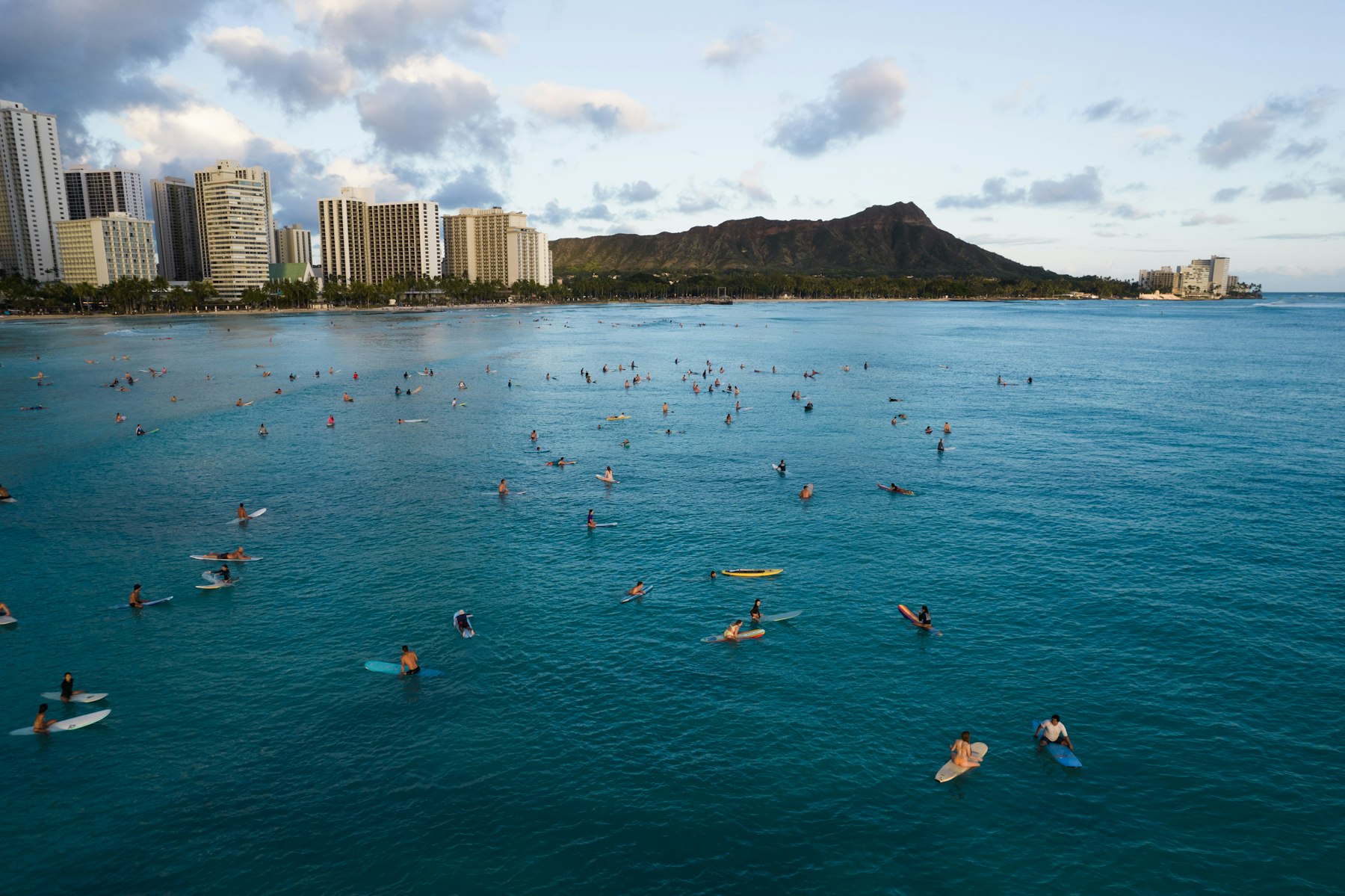
Waikiki and Diamond Head, Oahu. The most photographed two miles in the Pacific, and the easiest possible landing for a family who has never done Hawaii
Hawaii With Kids Family Travel Guide
“Pick one island. I will say that about four more times before the end of this page, because it is the single decision that separates the families who come home rested from the families who come home broke and tired.”
Nicole Damiano, ASTA Verified Travel Advisor with FG Luxury Travel
Which Hawaiian island is best for families with kids?
Maui for a first trip. The beaches are calm, the snorkeling is easy, the drive to Hana is an adventure, and there are enough restaurants and activities that you will not run out of things to do in a week. Oahu is the pick if your kids want a city mixed with beach, if you want to visit Pearl Harbor, or if you want the lowest airfare. The Big Island is best for older kids who want volcanoes, lava fields, and stargazing at 14,000 feet.
How many days do we need in Hawaii?
Seven nights minimum on one island. The flights from the mainland are five to six hours from the West Coast and ten to eleven from the East Coast, so you lose a travel day each way. Five nights feels rushed after that flight. Most families I book do seven to nine nights on one island and come home feeling like they actually rested. Do not try to island hop on your first trip. It sounds fun but the inter island flights and hotel changes eat into your beach time.
How much does a family trip to Hawaii cost?
For a family of four, expect $6,000 to $12,000 for a week depending on the island and how you travel. Flights from the West Coast run $400 to $700 per person round trip. From the East Coast, $700 to $1,200. Hotels on Maui average $350 to $600 a night for a family room. A vacation rental with a kitchen brings the food cost down, and that matters because restaurant meals in Hawaii run $60 to $100 for a family of four. Car rental is essential on every island except Waikiki.
When is the best time to visit Hawaii with kids?
April, May, September, and October. The weather is warm and dry, the crowds are smaller than summer, and the prices drop 20 to 30 percent from peak. Summer works too but it is the busiest season and prices are at their highest. Winter (December through March) brings bigger waves on the North Shores, which is great for watching surfers but not great for swimming with little kids. The south and west facing beaches stay calm year round.
Do we need a car in Hawaii?
Yes, on every island except Waikiki. Maui, the Big Island, and Kauai have no real public transit system that works for tourists. You need a car to get to the beaches, the trailheads, the snorkel spots, and the restaurants. In Waikiki on Oahu you can get by without one if you stay near the beach and use rideshare for day trips. But if you want to see the North Shore, Pearl Harbor, or the east side of Oahu, rent a car for those days. Book early because rental cars in Hawaii sell out months ahead.
Which island first?
Oahu for a first trip with young kids, because Waikiki is easy and there is the most to do off the beach. Maui for the classic resort week. Kauai for a family that wants to hike and kayak. The Big Island for the volcano. One island per week is the rule with young kids.
Nicole’s Perspective
Why families hire me for Hawaii

Hawaii is on our list and it is not yet crossed off. What I do have is the other side of it. Hawaii is one of the trips people come to me having already half booked, usually badly, and my job is to unpick it before they pay for it. The pattern almost never changes. Four islands in nine nights. Three hotels. Two rental cars. A sunrise volcano at 3am on day two while the children are still on Kansas time. It reads like ambition on a spreadsheet and it plays out as a fortnight of airports.
So this page is built around one decision rather than a list of sights, because picking the best Hawaiian island for families matters more than any single sight on it. Which island, and are you doing more than one. Get that right and Hawaii is close to the best family trip in the United States. Get it wrong and you have spent Europe money to sit in the Kahului rental car return. If you want the wider country context first, the USA guide is here.
Beyond the Bookshelf
A shelf of Hawaii stories, island movies, and plate lunch recipes to get everyone ready for the trip.

- HawaiiJames Michener
- Moloka’iAlan Brennert
- Shark DialoguesKiana Davenport
- Unfamiliar FishesSarah Vowell
- Punia and the King of the SharksLee Wardlaw
- Good Night Hawaii
- A Is for AlohaU’ilani Goldsberry
- Hawai’i CooksSam Choy
- Aloha KitchenAlana Kysar
- Cook Real Hawai’iSheldon Simeon
- Lonely Planet Hawaii
- Moon Hawaii
- Shoal of TimeGavan Daws
Book links go to Bookshop.org, which supports local bookstores. Film and music links go to JustWatch and Spotify. As an affiliate we may earn from qualifying purchases.
Why this state, for this family
Why Hawaii works with kids
 Poppy marks the family parts. Wherever you see her, that section is written for traveling with children.
Hawaii is still on our list. What I have is a desk full of Hawaii bookings, most of them arriving half planned and badly, and the pattern is always the same. Get the one island decision right and this is close to the best family trip in the United States.
Warm water every month of the year
The ocean sits between 75 and 80 degrees all year and there is no bad month. Protected bays like Waikiki and Hanauma give small children real swimming without real surf.
An erupting volcano you can stand next to
Kilauea has been erupting in episodes since December 2024 and a child can watch it from a rim overlook for thirty dollars a car. Nothing else in the country comes close.
A living culture, not a backdrop
Hula that tells stories, place names in Hawaiian on every sign, and voyaging traditions that crossed the Pacific by starlight. Children who learn aloha and mahalo and mean them get a different Hawaii.
The map
Hawaii Place by Place
Six islands take visitors and four of them matter for most families. These are not interchangeable and they are not close together. Read this list as four islands plus four places you might build a day around, and notice that nothing here is a short hop from anything else.


State song Hawaii Ponoi, written by King Kalakaua, and still the anthem at every school and stadium. Good to know Hawaii time, no daylight saving, so two or three hours behind the West Coast. Sales tax is a four percent excise on everything. Food and gas cost more, it all comes by ship.
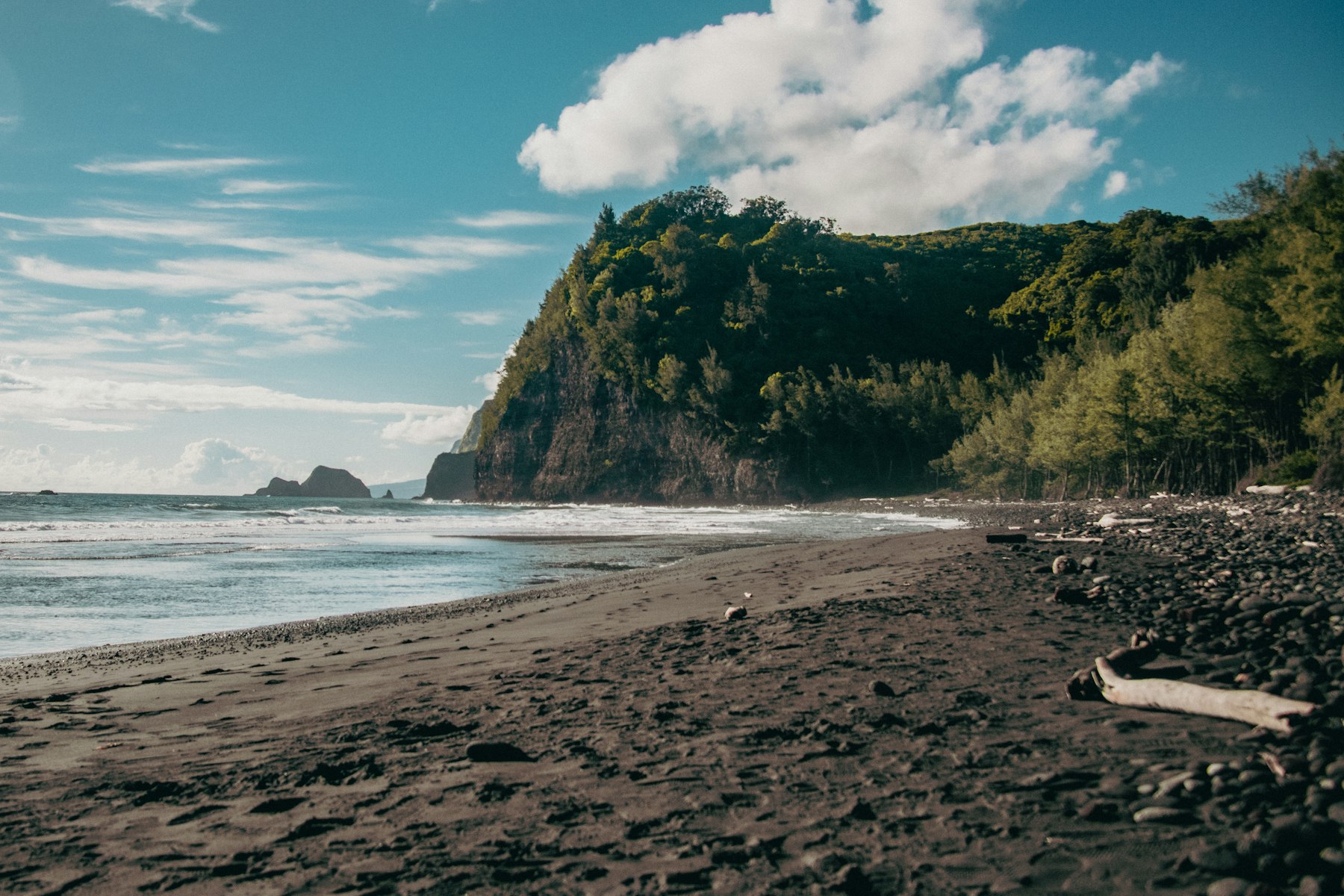
Big Island
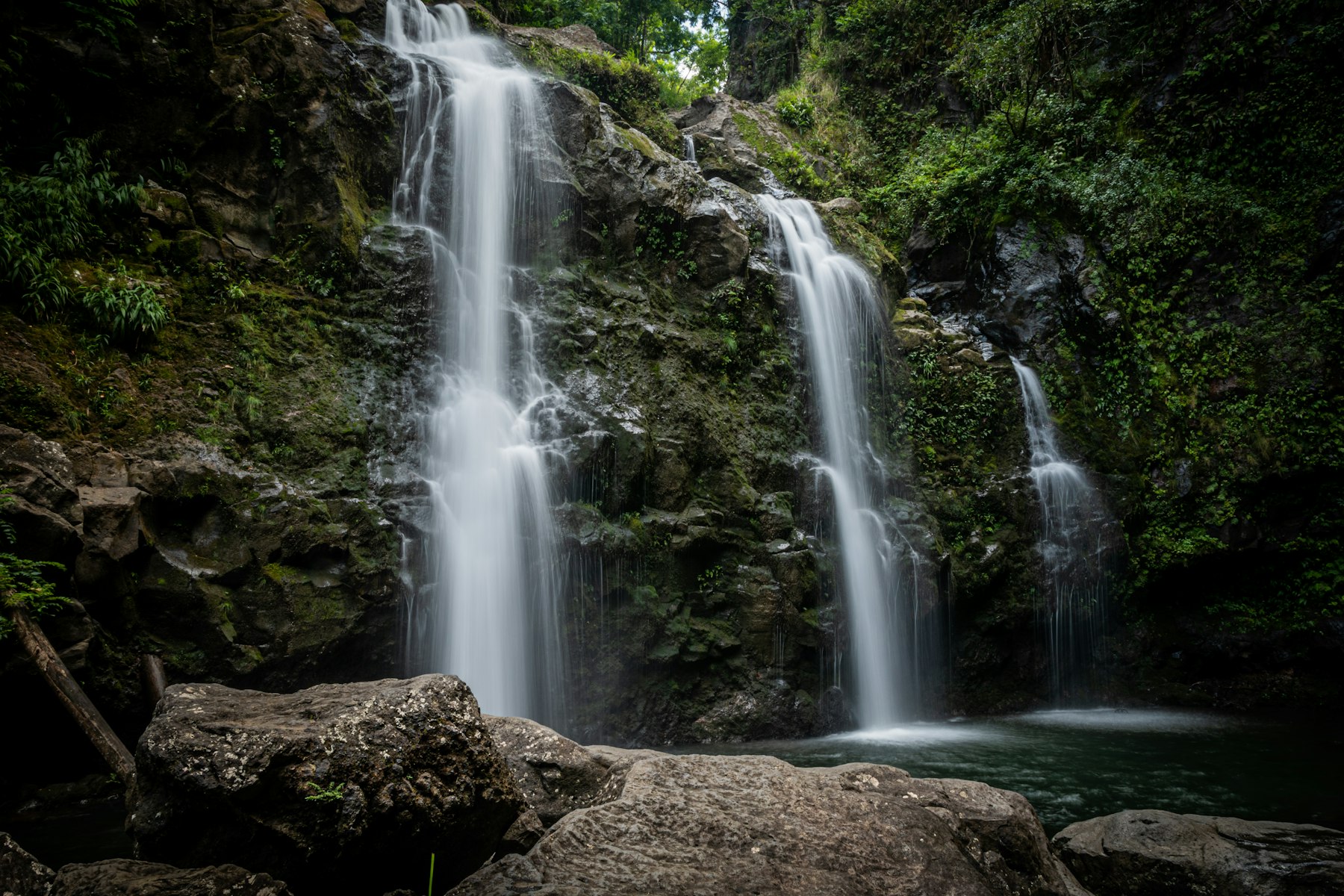
Hana
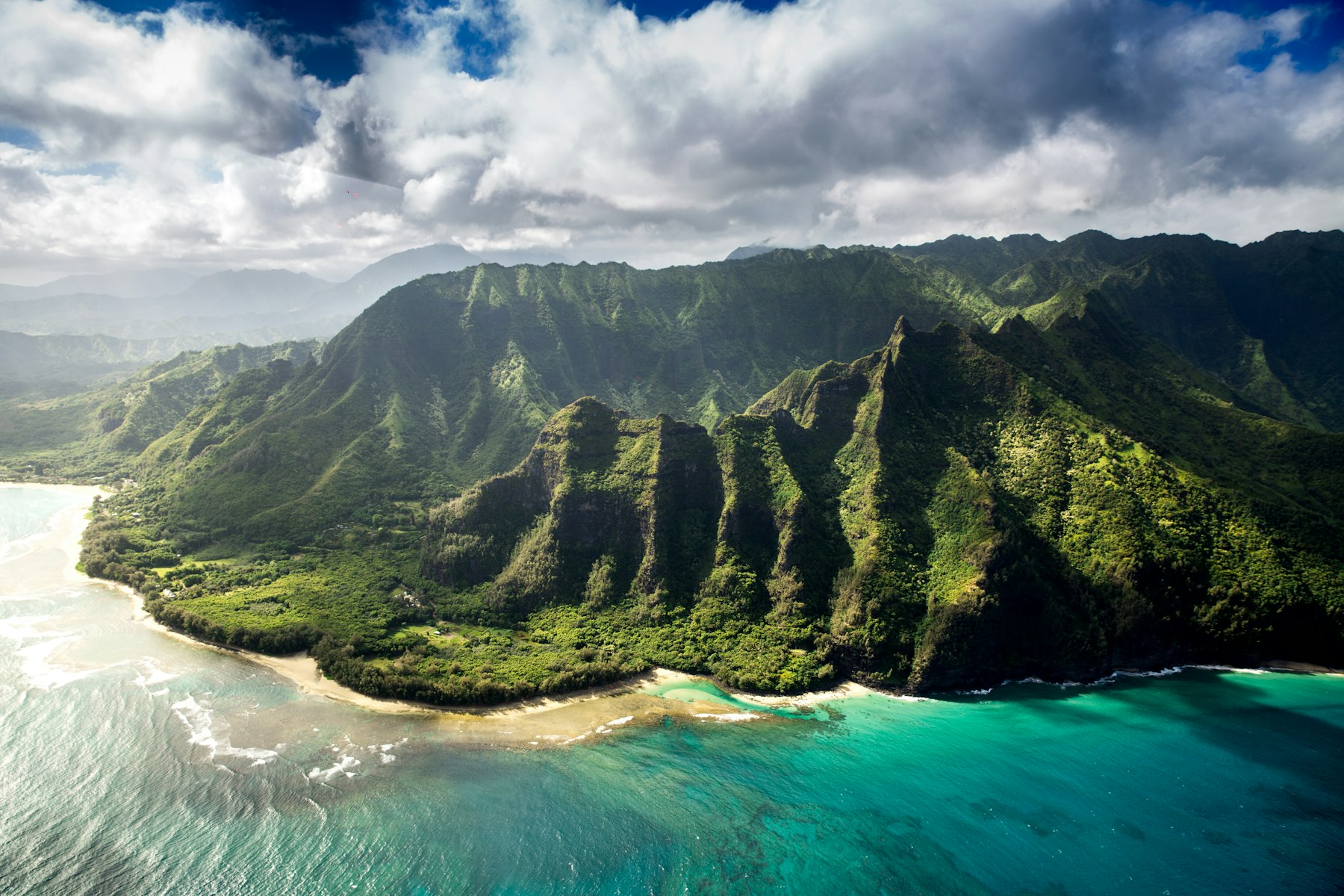
Kauai
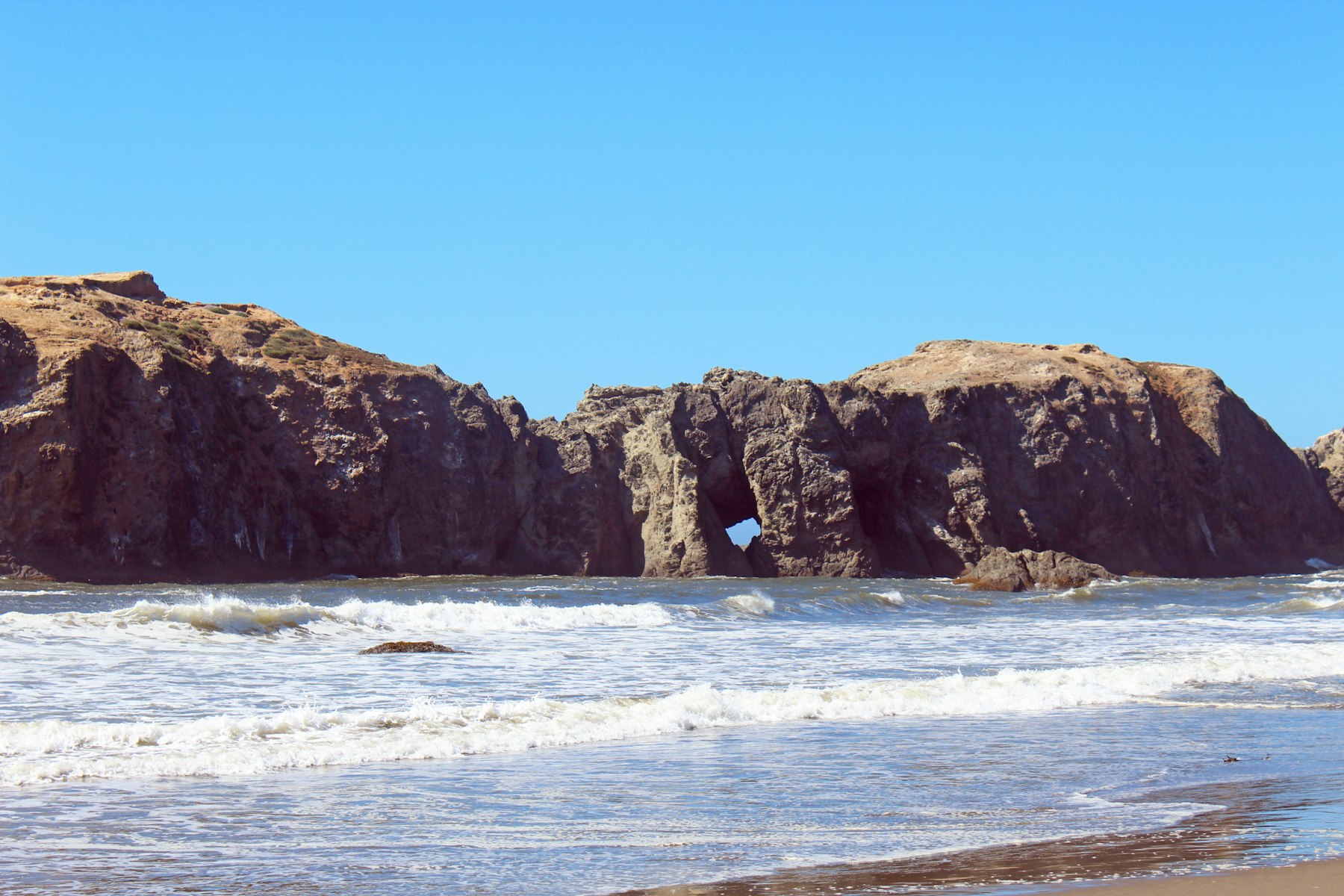
Lanai
Maui
Oahu
Volcanoes National Park
Waikiki
Hawaii Is a Nation Inside a State
Polynesian voyagers found these islands over a thousand years ago, a kingdom ruled them until 1893, and the culture never went away. Treat it as somebody’s home and the trip gets better.
The kingdom was overthrown in 1893. Iolani Palace in Honolulu is the only royal palace on American soil and the tour tells the story plainly. It is a better hour of history than Pearl Harbor for a child under ten, and it explains the flags you will see.
Hula is storytelling, not a floor show. A real halau performance, or the free sunset hula at Kuhio Beach in Waikiki, is chant and movement carrying history. The luau version is fine too, but tell the kids what they are watching.
The Hokulea sailed to Tahiti by the stars. In 1976 a double hulled canoe proved Polynesians navigated the Pacific without instruments. The Polynesian Voyaging Society still sails her and the story is the one Hawaiian children grow up on.
Pidgin, plate lunch and the plantation era. Sugar brought Japanese, Chinese, Filipino, Portuguese and Korean workers and their food. That is why a plate lunch is rice, macaroni salad and teriyaki, and why the local language sounds the way it does.
Respect is a practical thing here. Do not stack rocks, do not touch turtles or monk seals, do not take lava rock home, and do not walk into a heiau as if it were a viewpoint. The rules are simple, the locals notice, and children who follow them are welcomed everywhere.
What to Eat in Hawaii
Food is what quietly destroys a family budget here, so eat local, eat from the supermarket, and save the restaurant money for one or two nights.
Poke from the supermarket. Cubed raw ahi with shoyu and onion, sold by the pound at Foodland, Times and Costco. The best value hot weather meal in the state, and children who like sushi eat it happily.
A plate lunch. Two scoops of rice, macaroni salad and a main. Kalua pork, teriyaki chicken, garlic shrimp from the North Shore trucks. Ten to fifteen dollars and it feeds a child and a half.
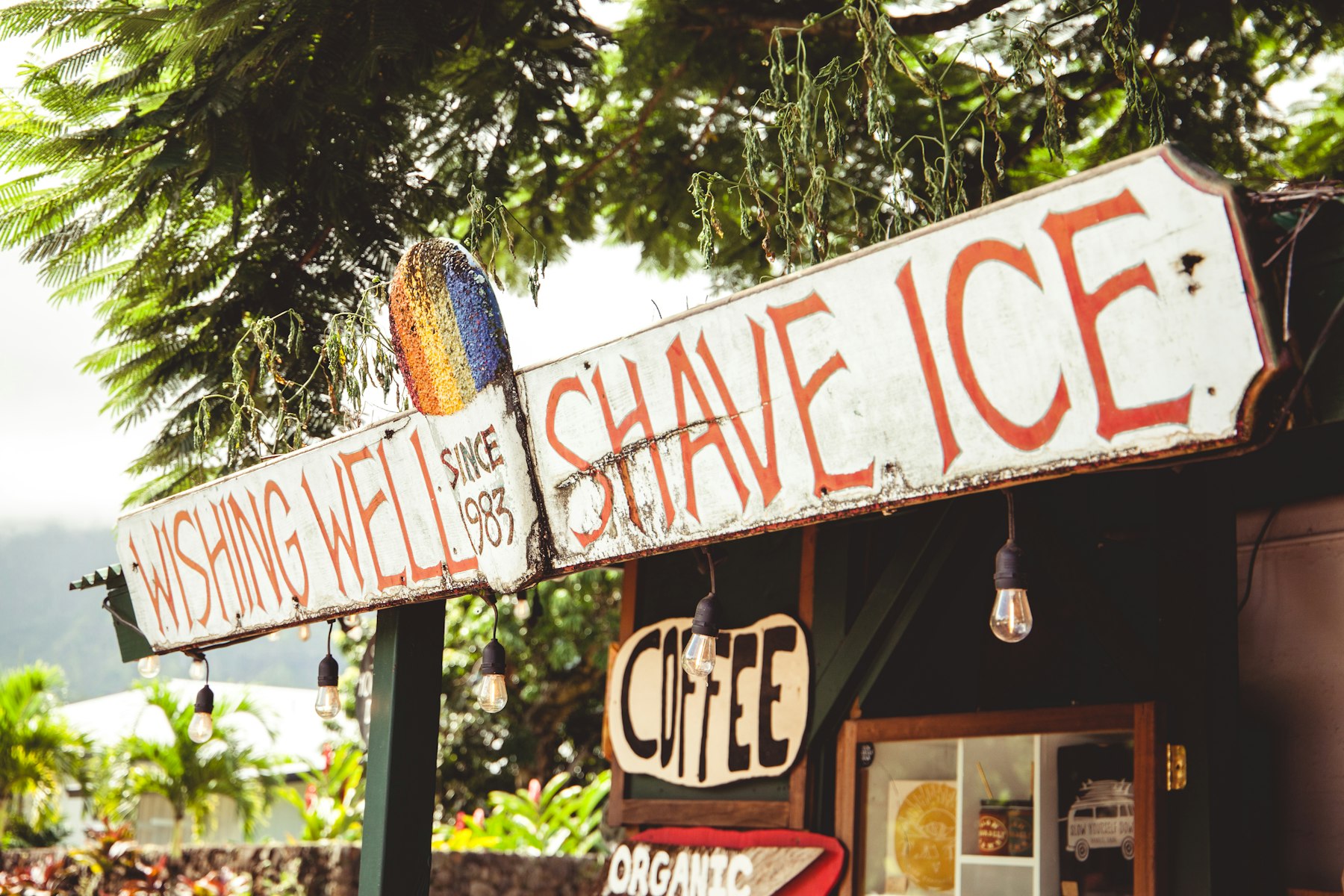
Shave ice, not shaved ice. From a stand with a hand painted sign and a line of locals. Ice cream at the bottom, li hing mui on top, six to nine dollars. Matsumoto’s in Haleiwa is the famous one and worth the drive on Oahu.
Malasadas and spam musubi. Portuguese doughnuts from Leonard’s in Honolulu, and rice, spam and nori wrapped like sushi from any convenience store. The two breakfasts that cost nothing and explain the plantation history in one bite.
Kona coffee and apple bananas. Coffee grown nowhere else in the country, from a farm on the Big Island slopes, and the small sweet bananas sold at every farm stand. Buy the local fruit, not the imported berries.
Island Hopping Eats a Day Each Way
People hear that the flight between islands is thirty to fifty minutes and conclude it is like catching a bus. The flight is not the cost. The day is the cost, and here is where it goes.
Count the whole chain, not the flight time. Check out by 11, drive to the airport, return the rental car, line for a bag drop, clear security, fly for forty minutes, wait for bags, line at a second rental desk, drive to the second hotel, and check in at 4. That is a day. Do it twice in a nine night trip and you have spent two of your nine days moving between hotels and paid two sets of cleaning fees for the privilege.
The fares are cheap only if you book ahead. Hawaiian and Southwest both fly the main routes between Honolulu, Kahului, Lihue, Kona and Hilo, and advance fares can sit around 63 dollars one way. Book late and a short notice seat runs about 150 dollars each way. Multiply that by five people and it stops being a rounding error.
Bags cost on every leg. Budget about 30 dollars for the first checked bag and 40 for the second, each way, per person. Two adults and three children hopping twice turns into real money for the privilege of repacking.
Every island needs its own car, except Waikiki. There is no ferry for vehicles. A second island means a second rental at a second daily rate plus a second lot of resort parking, which on a Waikiki or Wailea property can be 40 to 60 dollars a night on its own.
When two islands is right. Fourteen nights or more. Children over about eight. Or a split where one half is a resort and the other is a national park, with a minimum of five nights on each side. Under ten nights, I will argue with you about it, politely, and I am usually right.
The one exception is Lanai, because there is a boat. The Expeditions ferry crosses the Auau Channel in about an hour for roughly 30 dollars an adult and 20 for a child aged 2 to 11. Sailings shifted to Maalaea while Lahaina Harbour is dredged, so confirm your departure harbour when you book rather than driving to the one on an old web page.
Which Island Suits Which Age
Age changes this answer more than budget does. Our own three are almost thirteen, ten and nine, which is close to the sweet spot for all four islands, so I will spread the advice wider than that.
Under five: Oahu, and specifically Waikiki. Protected swimming, a flat walkable strip, a room service option at 6pm when the nap has gone wrong, pediatric care within fifteen minutes, and no need to drive anywhere on the days it all falls apart. This is the least romantic answer and the correct one.
Five to nine: Oahu or Maui. Old enough to snorkel in a shallow bay, young enough that a two and a half hour mountain road is a bad idea. Maui south coast beaches are gentle and the whale season is pure magic at this age.
Ten to thirteen: Big Island. This is the age when a volcano stops being a picture in a book. They can walk a lava tube, stay up for a night viewing, handle a long drive with a device, and remember the geology afterwards. Our three would be perfect for this right now.
Fourteen and up: Kauai. Hiking, surfing, a boat along the Na Pali Coast, and enough patience for the rain and the single road. The island that bores a six year old is the one a fifteen year old talks about for years.
A wide age spread, which is our situation: Oahu. It is the only island where a teenager and a toddler can both have a good day without one of them being dragged along. Multi generational groups should stop agonising and book Oahu.
Maui Now, and How to Go With Care
This part I wrote slowly and checked more than once, because it is somebody’s home and not a travel anecdote. On 8 August 2023 a wildfire destroyed much of Lahaina and killed over a hundred people. Three years on the town is being rebuilt and people are still living with it every day. Here is where things stand in late August 2026.
Front Street reopened to traffic on 1 August 2026, days before the third anniversary. Maui County reopened the stretch from Papalaua to Shaw Street along with Dickenson and Prison streets, with no regularly restricted hours. Market Street, Papelekane Street and Mokuhinia Place remain closed while work continues, including the state’s dredging of Lahaina Harbour.
Being able to drive somewhere is not an invitation to sightsee there. The county asks people to stay off private property and out of fenced areas. Those are not empty lots. They are where houses stood and where families lost people. Do not photograph the burn zone, do not park up to look, and if you go, go because you are spending money in a business that reopened, not because you want to see it.
The banyan tree survived and is coming back. Planted in 1873 and badly burned, it has put out real regrowth under the care of arborists and volunteers. Banyan Tree Park has no announced reopening date, so as things stand you admire it from outside the fence rather than under it.
The clearest guidance from Hawaii itself is that visiting is help, not intrusion. The official line is to explore all of Maui, from Upcountry farms to Paia to Wailuku to the west coast. Tourism is the island’s payroll. Staying away out of politeness sounds respectful and functions as a second economic hit.
Visitors are coming back. Maui County took 223,227 visitors in February 2026, up 11.5 percent on February 2025, against a statewide 787,024 that month. The recovery is real but it is not finished, and where you spend still matters more here than almost anywhere.
Spend deliberately. Eat at locally owned restaurants, book locally owned boats and guides, buy from makers rather than airport concessions, and tip properly. If you want to give time rather than money, Maui runs organized volunteer days and they are a better use of a morning than another beach.
One practical note. Conditions here have moved several times a year since 2023, and this page is a snapshot from late August 2026. Check mauicounty.gov before you finalise anything in West Maui rather than trusting any guide, mine included.
The Road to Hana, and If It Is Worth It
The honest answer is that it depends entirely on the age of your youngest child, and most families are told yes when the answer should have been no.
The numbers first. Roughly 64 miles from Kahului to Hana town, about 620 curves and 59 one lane bridges. Two and a half to three hours each way with no stops at all, and ten to twelve hours round trip once you actually stop for the things you drove out to see. It is not a scenic detour. It is the entire day.
620 curves is the part nobody warns you about. If anyone in your car gets travel sick, this road will find them inside the first hour, and there is nowhere sensible to pull over and recover. Under about six, I would skip it and feel no guilt at all. Six to ten, medicate in advance, sit them where they can see the horizon, and go early.
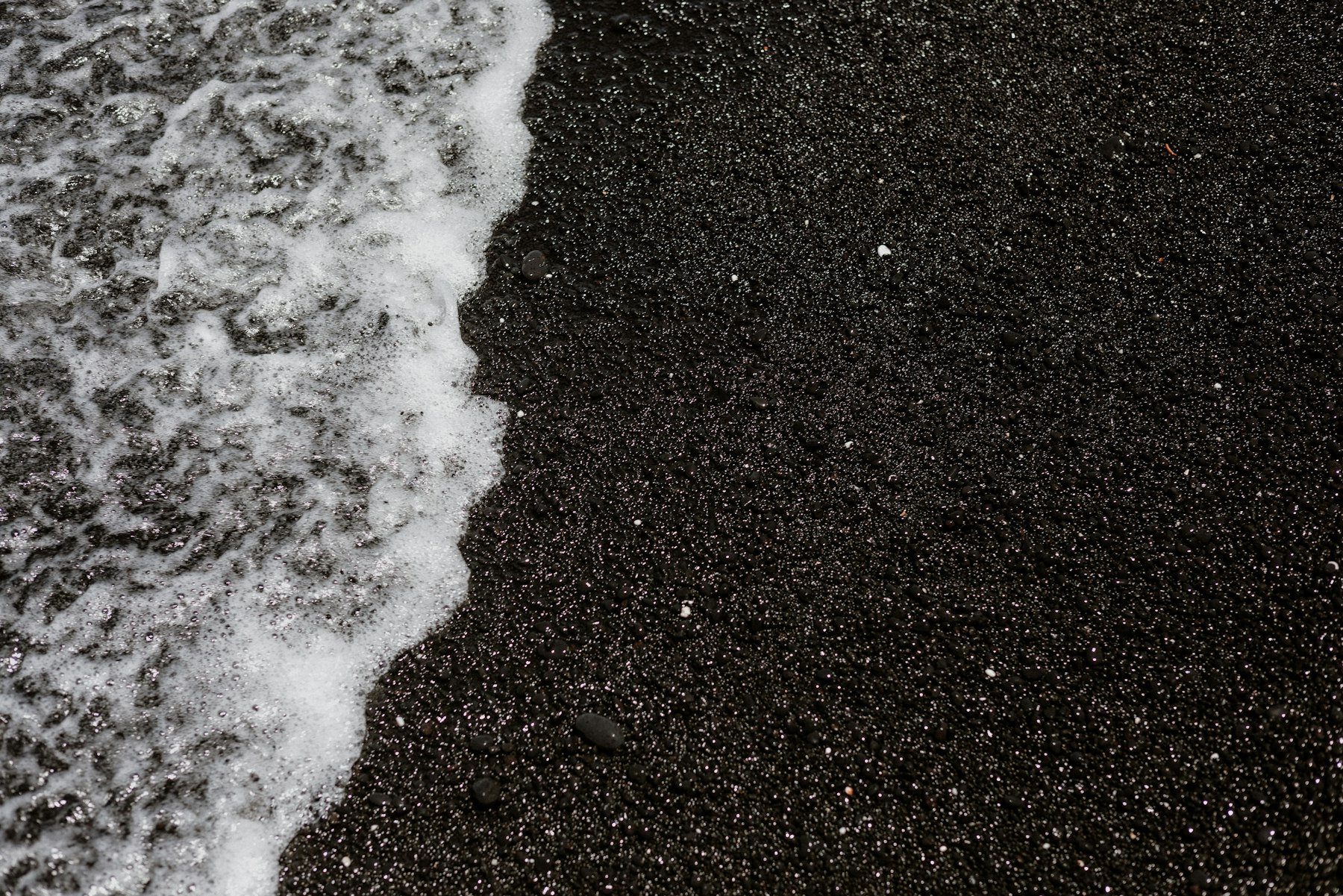
Book Waianapanapa State Park before you set off, or do not bother going. Non residents pay 5 dollars a person plus 10 dollars a vehicle, reservations are required, and you must pick a timed slot. The black sand beach and sea caves are the single best stop on the road and people still drive three hours and get turned away at the gate.
Leave by 7am and turn round by 3pm. You want to be ahead of the tour vans, ahead of the afternoon rain, and off the curves before the light goes. Driving that road tired in the dark with children in the back is the version of this day that goes wrong.
Know what is open before you build the day around it. The Pools of Oheo in the Kipahulu District are not open for swimming and can only be viewed from the Kuloa Point Trail. Kaumahina State Wayside is currently closed. Waterfalls that look inviting online are frequently roped off after rain.
If you want to see it and you have small children, take a small group tour. Somebody else drives the 620 curves, you get to look out of the window, and the guide knows which stops are open that morning. It costs more than gas and it is the better buy.
Volcanoes National Park and the Eruption
Kilauea has been erupting in episodes inside Halemaumau crater since 23 December 2024, and it is the most incredible thing a child can see in the United States right now. It is also the thing I most often have to manage expectations about.
Entry is 30 dollars a vehicle for seven days, 25 by motorcycle, 15 per person on foot or bicycle for anyone 16 and over. The Hawaii Tri Park Annual Pass is 55 dollars and covers this park plus Haleakala and Puuhonua o Honaunau, which pays for itself the moment you visit two of them.
Here is the bit that matters to families flying in from outside the United States, and almost nobody has written it up. From 1 January 2026 international visitors aged 16 and over pay an extra 100 dollars per person on top of the normal entrance fee at eleven named parks. Hawaii Volcanoes is not one of them, and neither is Haleakala. The eleven are Yosemite, Sequoia and Kings Canyon, Acadia, Bryce Canyon, Everglades, Glacier, Grand Canyon, Grand Teton, Rocky Mountain, Yellowstone and Zion. Hawaii’s parks charge everyone the same gate price.
The annual pass did change for everyone though. The America the Beautiful annual pass is still 80 dollars for US residents and is now 250 dollars for non residents, and photo ID is checked. If Hawaii is your only park stop, buy the 55 dollar Tri Park pass and ignore both.
Nobody can sell you a guaranteed lava sighting. The eruption runs in discrete episodes with quiet gaps between them. Episode 54 began at 10.30am on 25 August 2026, threw fountains to roughly 500 feet from the north vent and stopped by 7.33pm the same evening, about nine hours. Episode 53 ran about 9.6 hours. You might arrive mid fountain or you might arrive during a pause of days.
Check what is open on the morning you go, not the week before. After Hurricane Lala the park closed and then partially reopened on 24 August 2026, with Crater Rim Drive West open from the entrance to Uekahuna, plus Uekahuna, Kilauea Overlook, Steam Vents, the Welcome Center and park store, and Mauna Loa Road to Kipukapuaulu. Other areas stayed shut while crews cleared storm damage. There is also a two year construction project at the summit.
The vents and the crater floor sit inside a permanent hazard closure and people still climb the barriers. Do not. The ground is undercut, the gas is dangerous and the drop is not survivable. Watch from the overlooks with everyone else, at night if you can, and bring warm layers because the summit sits above 4,000 feet and it is cold after dark.
Both of Hawaii national parks charge to get in, and a fourth grader in your family cancels that. The free federal lands pass covers entrance for everyone in one vehicle, September through August. Grab it at everykidoutdoors.gov.
Ocean Safety, Said Plainly
I would rather be the person who spoiled the mood than the person who left this out. About 800 people have drowned along Hawaii’s roughly 1,000 miles of coast in the last decade, close to 80 a year, and 69 percent of those were visitors. That figure is not a scare statistic. It is the single most important paragraph on this page.
Swim at lifeguarded beaches and treat that as a rule rather than a preference. Visitors drown at a wildly higher rate than residents for one boring reason. Residents know which bay turns nasty in which swell and you do not. A lifeguard is a person who does know, standing right there, for free.
The same beach is a different beach in a different season. North facing shores are calm in summer and lethal in winter. Waimea Bay on Oahu is a swimming beach in June and a big wave arena in January. A photograph you saw online tells you nothing about the day you arrive.
Skip the full face snorkel masks. They have been linked to carbon dioxide build up and to people not noticing they are in trouble until it is too late. A basic mask and separate snorkel is safer, cheaper and easier for a child to clear.
Never turn your back on the water on a rocky shore. A large share of deaths are people swept off rocks and ledges by a wave they never saw, often while taking a photograph. Sets arrive irregularly. The dry rock you are standing on was wet twenty minutes ago.
The calm places for small children. Waikiki on Oahu, protected by its reef and patrolled all day. Ko Olina on Oahu, four man made lagoons with almost no shore break, which is the single best toddler swimming in the state. Poipu on Kauai has a sheltered baby pool section. Kaanapali and the Wailea beaches on Maui are gentle in summer. Hulopoe Bay on Lanai is calm and quiet.
Stay well back from turtles and monk seals. Both are protected. Green sea turtles should be given about 10 feet and Hawaiian monk seals about 50, and there are fines attached. Children want to touch them, so have the conversation on the way to the beach rather than on the sand.

Waikiki. Protected water, a flat strip, and the right first week for a family.
Money, the Green Fee, and Why a Condo Changes Everything
Hawaii is expensive in a specific way. Flights and hotels are roughly what you expect. Food is not, and food is what quietly destroys the budget of a family of five.
Book a condo with a kitchen and the whole trip changes shape. Groceries run about 30 to 40 percent above mainland prices and a gallon of milk sits around 9 to 10 dollars, which sounds brutal until you price the alternative. Breakfast for five in a resort restaurant is comfortably 90 to 120 dollars. Doing breakfast and most lunches in the condo saves a family of five something like 150 dollars a day, which over ten nights is a flight.
Shop at Costco on arrival day and eat local produce. There is a Costco near every major airport in the state and it is where residents shop. Buy papaya, apple bananas and mango rather than imported berries, and buy the poke. It is the best value hot meal in Hawaii and it is sold in supermarkets.
The Green Fee is now live and it is on your hotel bill. From 1 January 2026 the statewide Transient Accommodations Tax rose by 0.75 percent to 11 percent, the first US state levy of its kind earmarked for climate resilience. Counties add an optional surcharge of up to 3 percent, so the combined charge on your accommodation can reach roughly 14 percent. It survived a legal challenge in December 2025 and is expected to raise about 100 million dollars a year.
Cruise passengers are now caught by it too. The same 11 percent applies to cruise passenger bills, prorated by days spent in Hawaii ports. If you are doing the islands by ship, that is a new line on your account that did not exist in 2025.
Resort fees and parking are the two numbers hidden from the headline rate. Expect a daily resort charge on most branded properties and 40 to 60 dollars a night for parking at a Waikiki or Wailea hotel. Always compare the total at checkout rather than the nightly rate.
Small state park fees add up and every one of them needs booking. Diamond Head is 5 dollars a person and 10 to park, Hanauma Bay is 25 a head, Waianapanapa is 5 plus 10, Haena is 5 plus 10. Hawaii residents go free with ID at all of them. Non residents must reserve, and the good slots go early.
When to Go
Hawaii does not have a bad month, which makes this a question about crowds and prices rather than weather. Water temperature stays roughly 75 to 80 Fahrenheit all year.
Best overall: late April to early June, and September to mid October. The shoulders. Warm, drier, well outside American school breaks, and the rates drop noticeably. Early September is my favorite week in the whole calendar for Hawaii.
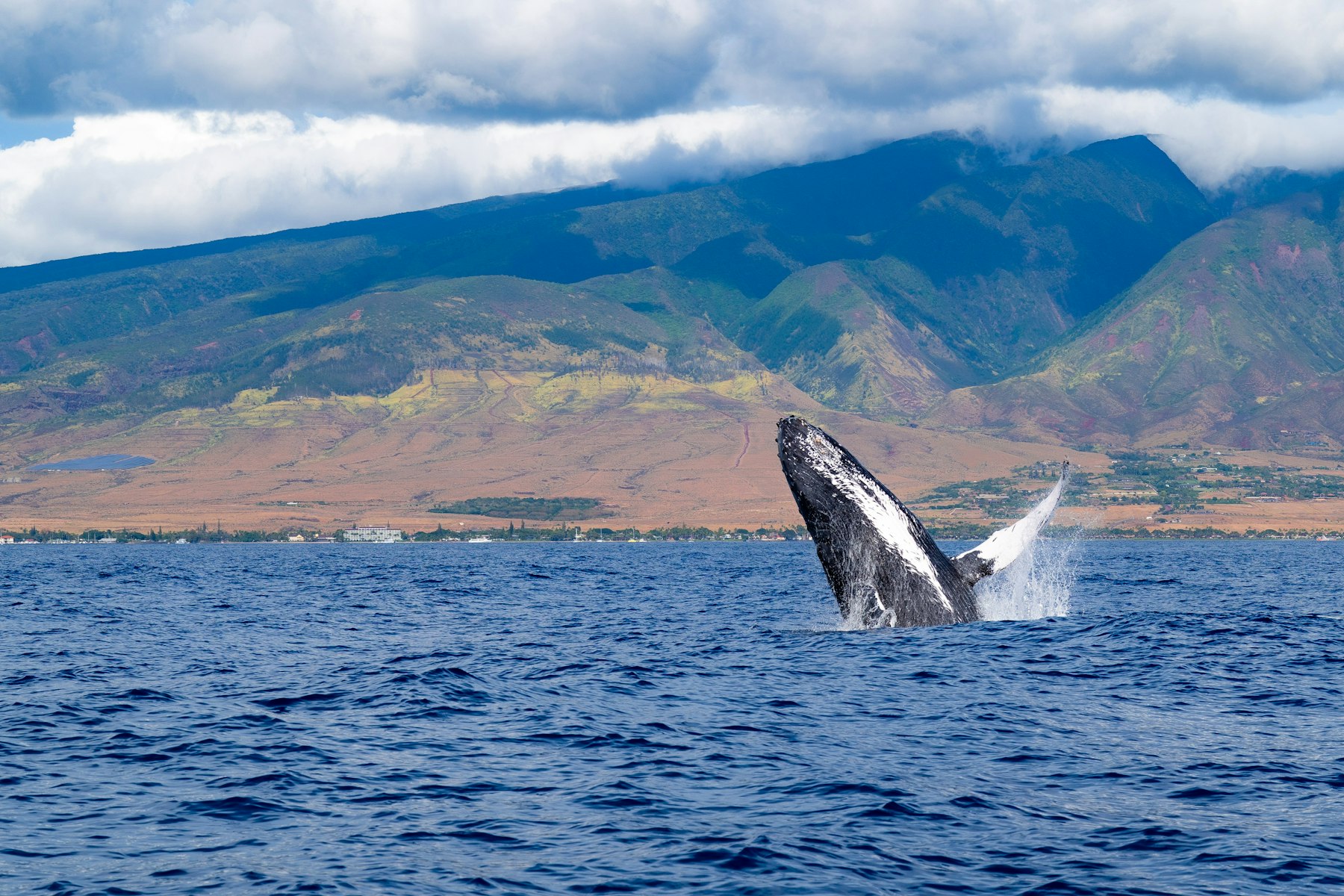
Best for whales: January to March, with February the peak. Humpbacks come to the shallow channels between Maui, Lanai and Molokai to calve. You can see them from the beach. It is also high season, so you pay for the privilege.
Wettest: November to March, and it matters more on some islands than others. Kauai and the Hilo side of the Big Island are wet. Waikiki and the Maui south coast stay mostly dry. Rain here tends to arrive in short bursts rather than settling in for the day.
Hurricane season runs 1 June to 30 November and 2026 has been a live example. Hurricane Lala hit in mid August, knocked out power to around 200,000 people across Oahu, Maui and Hawaii Island plus 36,000 on Kauai, damaged over 100 homes in the southern Big Island districts of Kau and Puna and killed one person. Hawaiian Electric warned some rural power could take weeks or months.
The honest read on Lala for travelers is reassuring, and I checked it rather than assumed it. Hotel damage was largely debris and fallen palm fronds, all commercial airports and harbours reopened within days, and tourism officials asked people to keep their plans and check directly with their hotel and activity providers. The damage that matters fell on rural communities rather than resort areas.
Avoid if you can: Christmas to early January, and mid June to mid August. Highest rates of the year, fullest beaches, and the reservation slots at every state park gone weeks out. If those are your only weeks, book the parks the day the window opens.
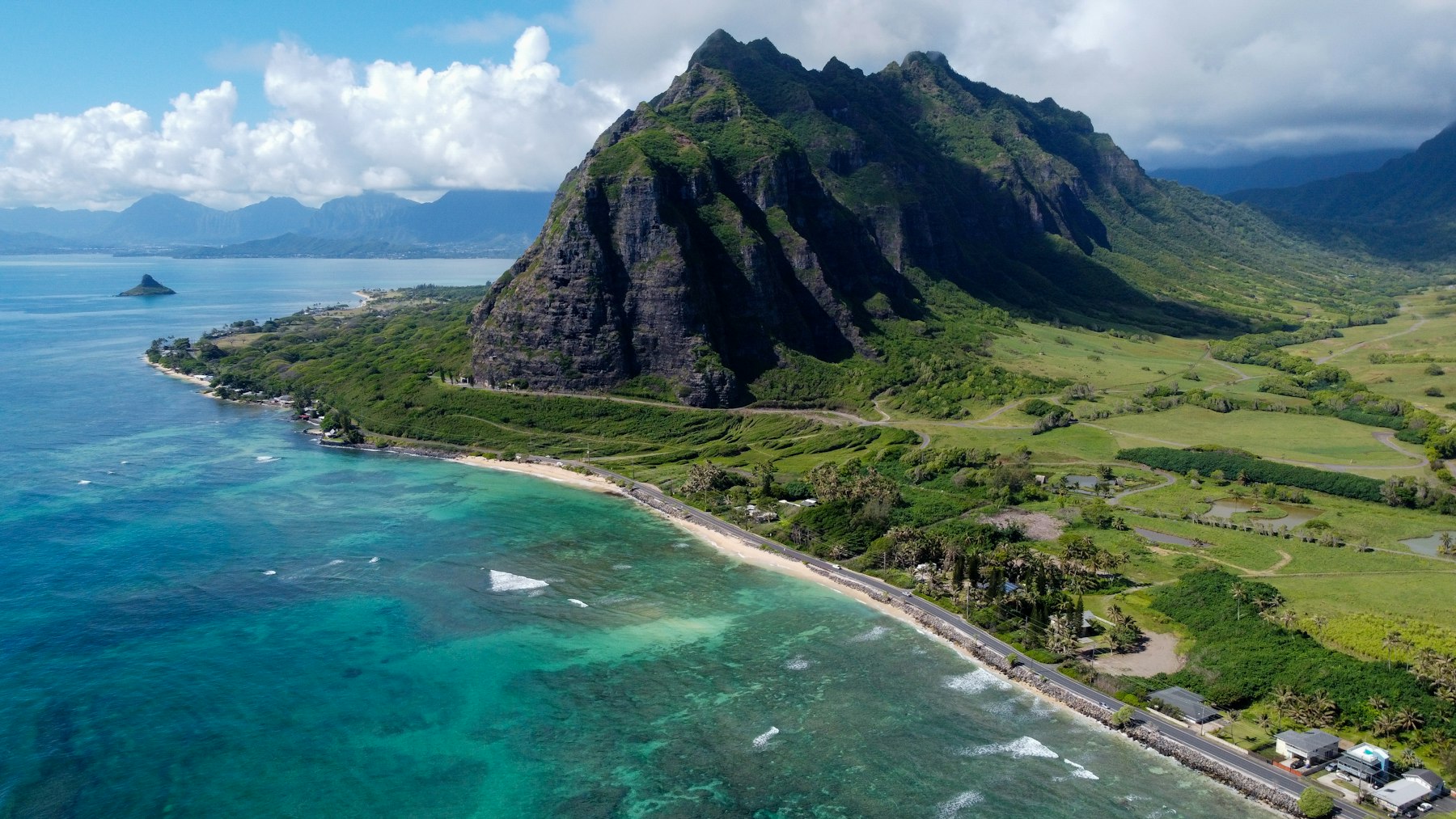
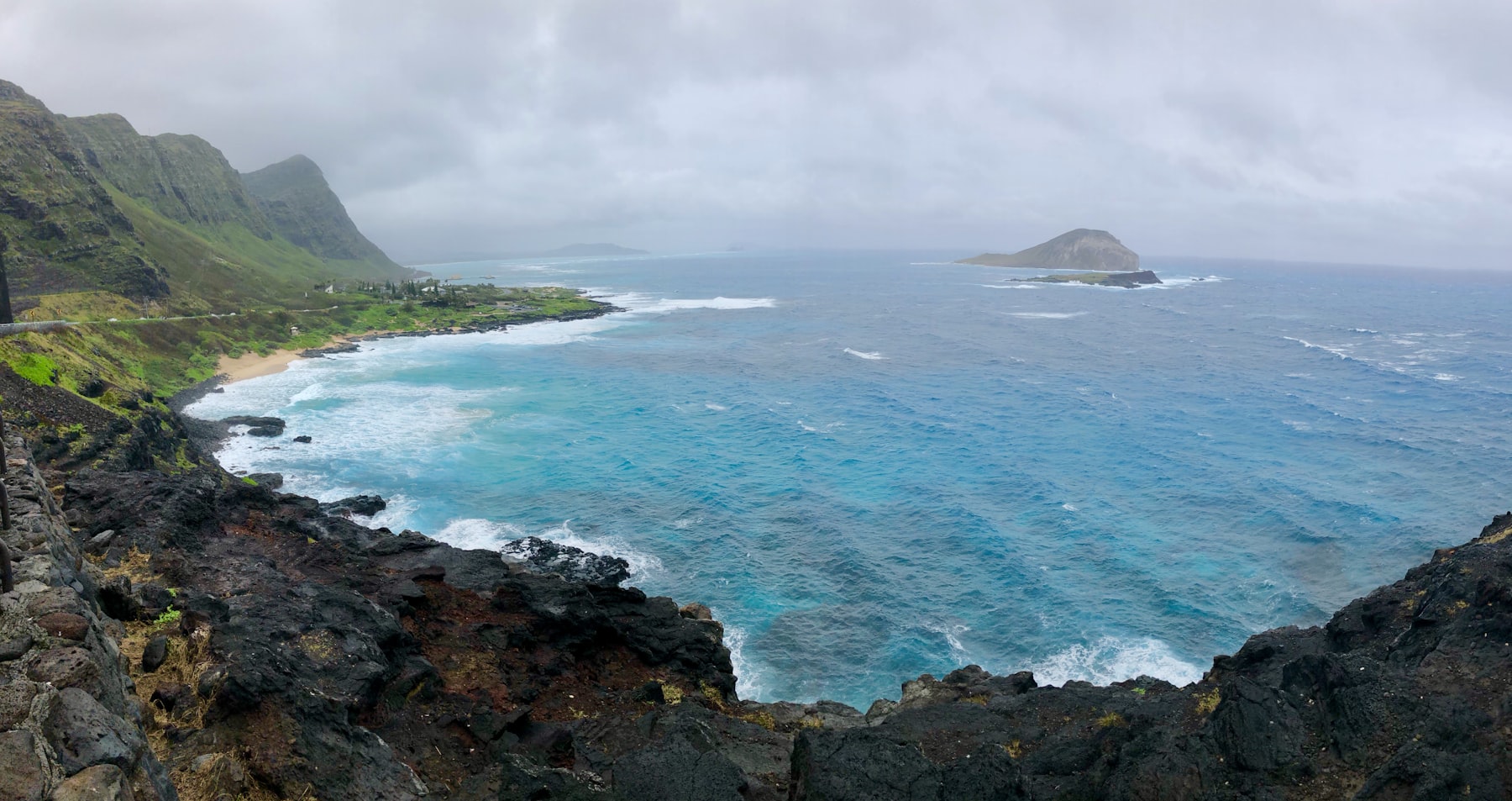
Windward Oahu, forty minutes from Waikiki. The island most families dismiss as too built up, about twenty miles from the hotel strip
How Many Days & First-Trip Routing
How many days do we need in Hawaii? Under ten nights, pick one island and stay on it.
Oahu is the right first island for most families.
Ten nights or more and you can add a second island, with a short flight between them.
Which Island, and Only One
This is the section the whole page exists for, so I am going to be blunt rather than diplomatic. For a first Hawaii trip with children of under about ten nights, choose one island and stay on it. Not two. One.
Oahu is the right first island for most families and people talk themselves out of it for snobbish reasons. It has the best flight prices, the shortest transfer from airport to hotel, real pavements, a bus network, Pearl Harbor, Hanauma Bay, a calm swimming beach at Waikiki, and food at every price point rather than resort pricing only. It also has the highest hotel density in the state, which keeps rates honest. If this is trip number one, start here.
The Big Island is the one that teaches children something. An active volcano, black sand, lava tubes, snow on Mauna Kea in winter and a coastline that changes shape. It is also enormous. Kona to Hilo is roughly two and a half hours across the middle, and families routinely book a Kona resort then discover the volcano is a full day away. Pick a side and accept you will not see the other properly.
Kauai is the most beautiful and the least forgiving with small children. One main road that does not go all the way round, limited medical facilities, more rain, fewer restaurants, and the good beaches need reservations. Haena State Park is 5 dollars a person and 10 dollars a vehicle for non residents, with parking and entry booked 30 days out and a shuttle if you miss the slot. Teenagers love Kauai. Toddlers are wasted on it.
Maui is the classic answer and it is a fine answer, with caveats I cover properly below. Excellent beaches, the best whale watching in the state, real resort infrastructure on the south and west coasts, and a community still rebuilding from the 2023 fire. Go, spend money there, and go with your eyes open.
Lanai and Molokai are not first trips. Lanai has about 3,000 residents, two Four Seasons properties and a lot of unpaved road. It makes a wonderful day trip from Maui by ferry and a strange, expensive base for a family week. Molokai actively prefers to be left alone by mass tourism and you should respect that.
If somebody has already sold you a four island itinerary and you are reading this with a sinking feeling, the fix is usually to cut the two shortest stays and add those nights to the longest one. You will spend less and see more.

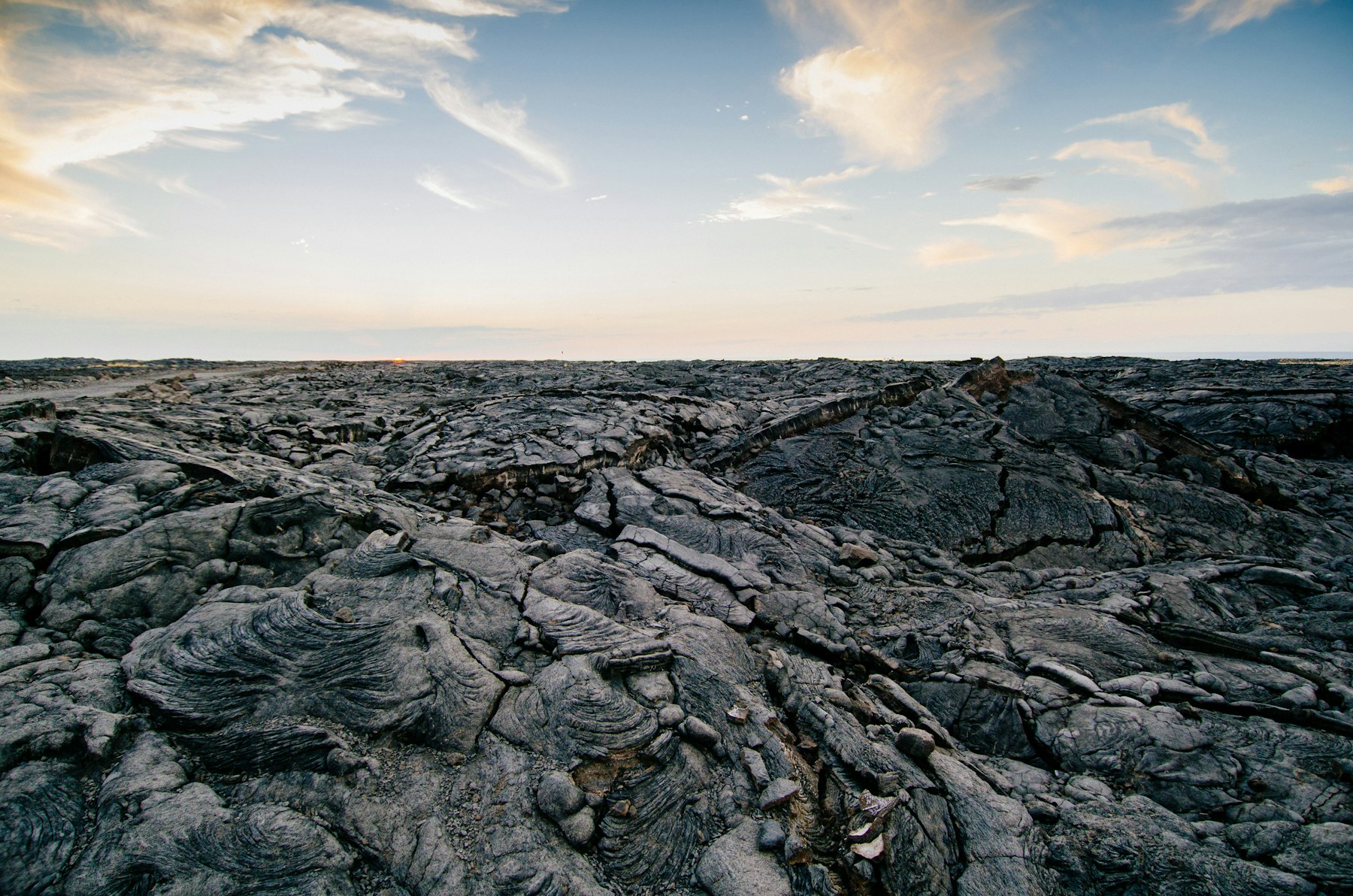
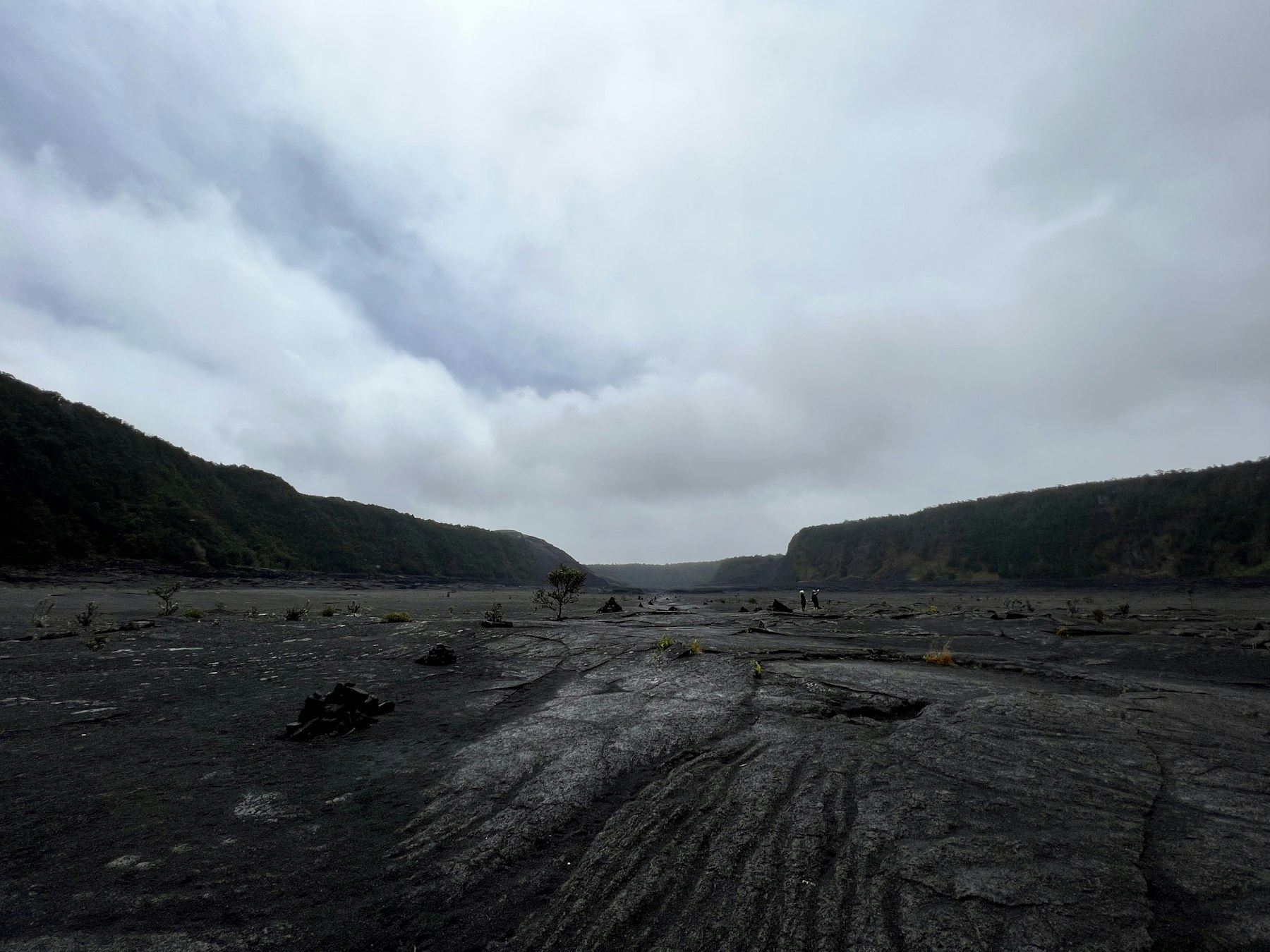
The lava fields on the Big Island. Thirty dollars a car and a volcano that is erupting.
Where these places are
Regions at a Glance
Oahu
Honolulu, Waikiki, Pearl Harbor and the North Shore. The right first island for most families, and the one people talk themselves out of for the wrong reasons.
Maui
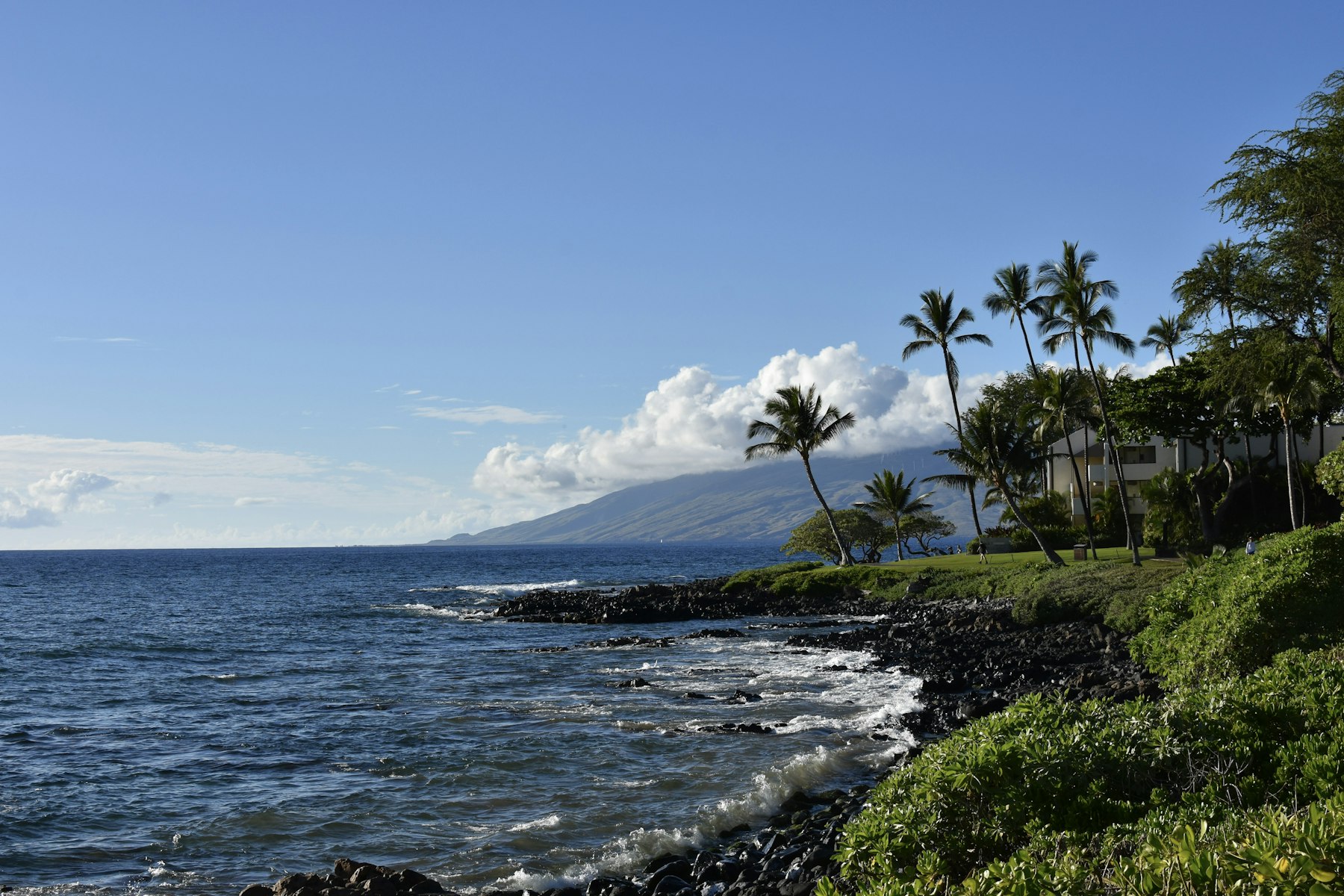
Wailea, Kihei, the Road to Hana and Haleakala. Whales in winter, the best resort beaches, and a town still rebuilding after 2023. Go with care.
The Big Island
Kona, Hilo and Hawaii Volcanoes National Park. An erupting volcano, black sand, and distances that are real. Best with children over eight.
Kauai
Poipu, Hanalei and the Napali Coast. The green one, the wet one, and the quietest. Waterfalls down every valley and a boat trip nobody forgets.
Must See and Do
Every hawaii family vacation list looks the same until you go, so here are six specific things with real prices attached, checked in August 2026. Not categories. Not a wish list.
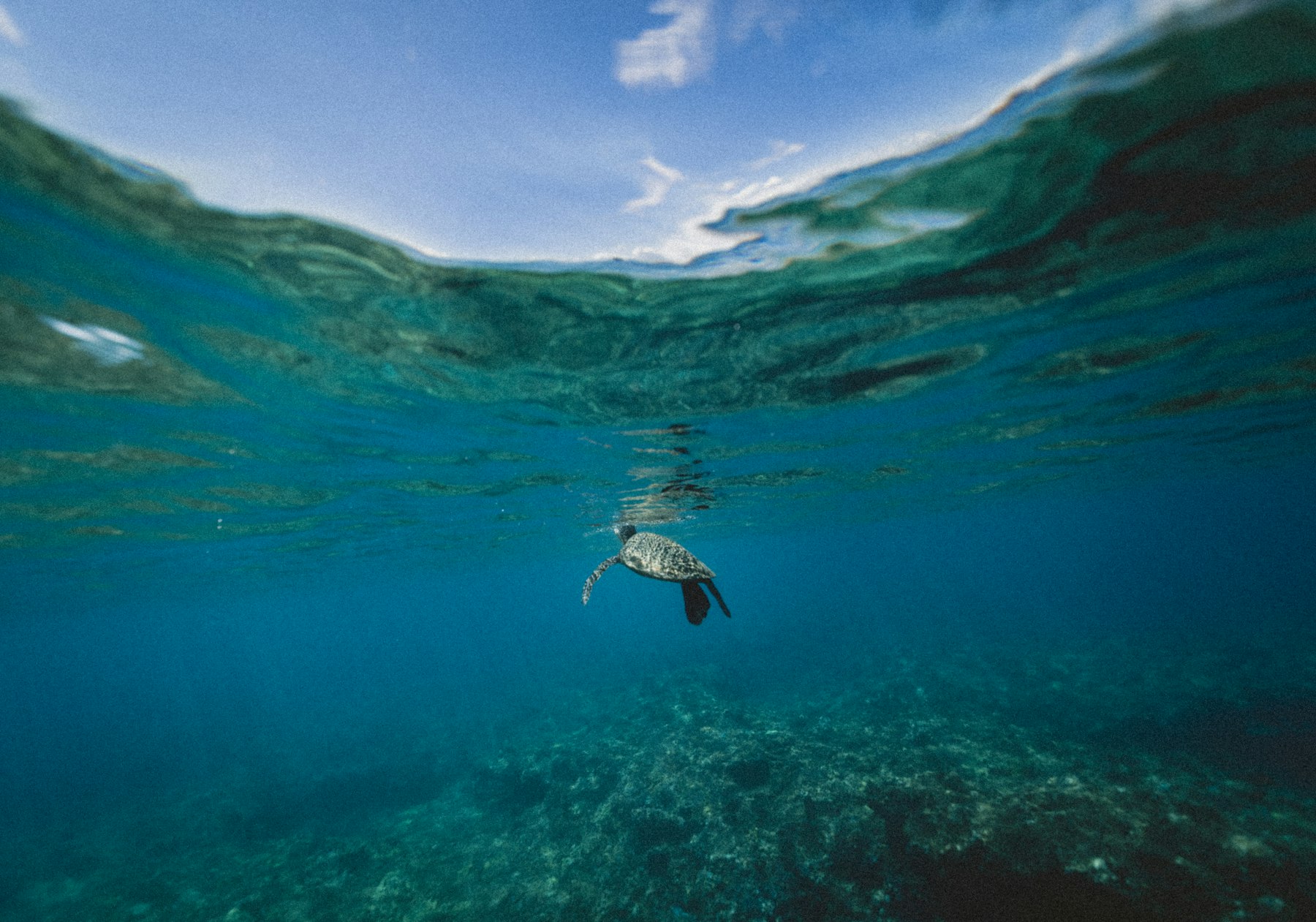
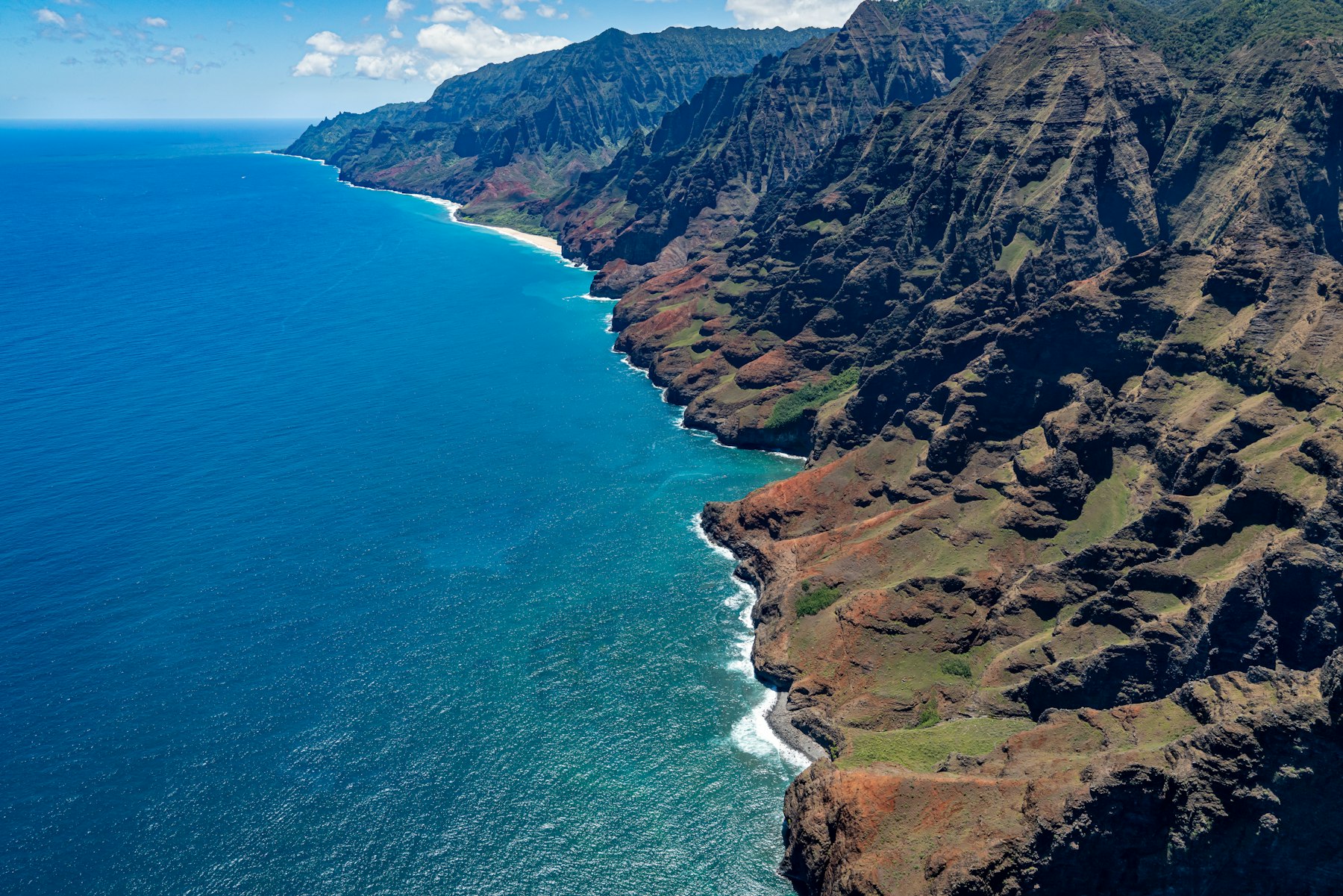
The Na Pali Coast, Kauai. There is no road along it and there never will be, which is exactly why it still looks like this
Doing It With Children
The practical things that make the difference between a good Hawaii trip and an expensive one, most of which are about time zones and pacing rather than sights.
The time difference is your friend on arrival and your enemy on departure. Hawaii is three hours behind the west coast and six behind the middle of the country, and it does not observe daylight saving. Children wake at 5am and fall asleep at 7pm for the first few days, which is perfect for sunrise and early beaches. Build the trip around that instead of fighting it.
Respect the flight. It is about five and a half hours from the west coast and nine or more from the middle of the country, and arrival day is not a day. Land, buy groceries, swim, eat early, sleep. Anyone who schedules a sunrise volcano for the morning after a transpacific flight with children has never done it.
Reef safe sunscreen is the law, not a suggestion. Hawaii banned sunscreens containing oxybenzone and octinoxate. Buy mineral sunscreen with zinc oxide or titanium dioxide before you fly, because on island it costs roughly double. Rash guards do more work than sunscreen anyway.
Book seven nights minimum and take days off. Five nights minus two travel days is three real days, which is not enough to justify the airfare. Seven to ten nights on one island, with roughly every third day left completely empty, is the shape that works.
Teach them two words and mean them. Aloha and mahalo, used properly and often. Hawaii is a place with a living culture and a complicated history rather than a backdrop, and children who understand that they are guests behave like guests. It changes how people treat your family within a day.
Book the rental car early and take the bigger one. Supply is limited on the smaller islands and prices spike late. Five people plus beach kit plus a cooler does not fit in a mid size, and you will be living out of that car.
Who Hawaii Suits, and Who Should Skip It
It suits American families who want a foreign feeling trip without a passport. No currency change, no roaming charges, no immigration line, US medical care and US car seats, and it still feels nothing like the mainland. For a first big family trip that combination is hard to beat.
It suits families with a real interest in the natural world. An active volcano, humpback whales, sea turtles on the sand, and the most isolated major island chain on earth. Children who like knowing how things work get more out of Hawaii than out of almost any beach destination.
It suits people who will actually slow down. One island, one hotel, a rhythm of beach and early nights. The families who love Hawaii are the ones who treated it as a place to be rather than a list to complete.
Skip it if you have under seven nights. The flight is too long and the arrival day too dead to justify it. Take those nights to Mexico or the Caribbean and save Hawaii for when you have the time to do it properly.
Skip it if what you want is cheap sun. Hawaii is not competing with an all inclusive on price and it never will. If the goal is warm water and a swim up bar for the least money, this is the wrong ocean.
Skip it if nobody in the group will get in the sea. A large share of what makes Hawaii worth the airfare happens in the water. A family who wants to look at it from a lounger is paying a big premium for a view.
How It Compares to the Alternatives
Almost every client weighing Hawaii is also weighing somewhere else. Here is how I actually talk them through it.
Against Mexico and the Caribbean. Those win on price and on flight time from the eastern half of the country, and they win decisively if you want all inclusive. Hawaii wins on scenery, on there being something to actually do, and on not needing passports for US citizens. If the children are small and the budget is tight, the Caribbean is the sane answer and I will tell you so.
Against Fiji and the South Pacific. Fiji is warmer in personality, cheaper once you land and further away, with a long haul flight and a date line to explain to a nine year old. Hawaii is the easier version of the same idea for an American family. Fiji is the better version for anyone already flying across the Pacific.
Against the western national parks. Utah and Arizona deliver more raw landscape per dollar and you can drive between them. Hawaii gives you one landscape and a beach to recover on. With children under eight, Hawaii is much less work.
Against Florida. Florida is cheaper to reach, cheaper to eat in and built entirely around families. Hawaii asks more of you and gives back something Florida cannot. Most families should do Florida first and Hawaii at ten or eleven.
Worth the Money in Hawaii
Hawaii is expensive everywhere, so put the extra money into the three or four things the islands do that nowhere else does.
A whale trip in the Auau Channel. December to April off Maui, February the peak. Humpbacks calve in the shallow water between Maui, Lanai and Molokai and a small boat puts you in the middle of it. Nobody in the family forgets it.
A Napali Coast boat from Kauai. Sea caves, waterfalls and cliffs that no road reaches. The morning departures from Port Allen are calmer for children. A helicopter does the same view from above at twice the price.
A condo with a kitchen. This is the splurge that saves money. Breakfast and lunch at home saves a family of five something like 150 dollars a day, and a week of that is a flight.
A night at Volcano House. The only hotel inside Hawaii Volcanoes National Park, on the crater rim. If Kilauea is fountaining while you are there, you watch it from the lawn after the day visitors have gone.
What Surprises First Timers
The islands are much further apart than the map suggests. Honolulu to Hilo is about 220 miles of open ocean. You cannot see most islands from each other. There is no bridge, no car ferry and no driving between them.
The Big Island is big. It is larger than all the other Hawaiian islands combined and has eight of the world’s climate zones. People book one hotel and plan to see all of it, then spend the week driving.
Almost everything now needs a reservation. Diamond Head, Hanauma Bay, Haena, Waianapanapa, Haleakala sunrise, the USS Arizona. This is a deliberate policy to manage visitor numbers and it means Hawaii punishes spontaneity more than any other US state.
Haleakala sunrise needs a separate reservation on top of park entry. Anyone entering between 3am and 7am needs one, they cost 1 dollar a vehicle, and they release on recreation.gov 60 days out plus a small batch 2 days out. Park entry is 30 dollars a vehicle for three days. Summit conditions change, so check the park before committing to a 3am start.
It gets cold up high. Haleakala tops out at 10,023 feet and the Kilauea summit sits above 4,000. Sunrise at altitude can be near freezing while it is 80 degrees at your hotel. Families arrive in shorts and shiver through the thing they got up at 3am for.
Hawaii is a real place with a housing crisis, not a resort. Locals are being priced out of the islands their families have lived on for generations. Book licensed accommodation, spend in local businesses, and keep the beach and the trail cleaner than you found them. It is the least the place is owed.
Where I Would Start
Five people, a first Hawaii trip, and eight or nine nights. One island.
Oahu, and stop apologising for it. Fly into Honolulu, a condo or hotel in Waikiki, and stay put. Protected swimming, a flat strip, food within a walk, and every other family in the building has children too.
Hanauma Bay and Diamond Head, booked the day the windows open. Reservations open 48 hours ahead at 7am for Hanauma and go in minutes. Diamond Head is a short crater trail with the whole of Waikiki below it. Both cost a few dollars a head.
One North Shore day and one Pearl Harbor morning. Garlic shrimp trucks, Matsumoto’s shave ice, turtles at Laniakea, and the winter surf from the sand. Pearl Harbor is free with a one dollar booking fee and tickets release 56 days out.
Every third day, nothing. Beach, pool, nap. Seven to ten nights on one island with empty days is the shape that works. The Big Island and the volcano are the second trip, and they are worth a second trip.
Hawaii, Answered
The ones that come up in almost every planning call. If yours is not here, ask me.
Which Hawaiian island is best for families with kids?
Maui for a first trip. The beaches are calm, the snorkeling is easy, the drive to Hana is an adventure, and there are enough restaurants and activities that you will not run out of things to do in a week. Oahu is the pick if your kids want a city mixed with beach, if you want to visit Pearl Harbor, or if you want the lowest airfare. The Big Island is best for older kids who want volcanoes, lava fields, and stargazing at 14,000 feet.
How many days do we need in Hawaii?
Seven nights minimum on one island. The flights from the mainland are five to six hours from the West Coast and ten to eleven from the East Coast, so you lose a travel day each way. Five nights feels rushed after that flight. Most families I book do seven to nine nights on one island and come home feeling like they actually rested. Do not try to island hop on your first trip. It sounds fun but the inter island flights and hotel changes eat into your beach time.
How much does a family trip to Hawaii cost?
For a family of four, expect $6,000 to $12,000 for a week depending on the island and how you travel. Flights from the West Coast run $400 to $700 per person round trip. From the East Coast, $700 to $1,200. Hotels on Maui average $350 to $600 a night for a family room. A vacation rental with a kitchen brings the food cost down, and that matters because restaurant meals in Hawaii run $60 to $100 for a family of four. Car rental is essential on every island except Waikiki.
When is the best time to visit Hawaii with kids?
April, May, September, and October. The weather is warm and dry, the crowds are smaller than summer, and the prices drop 20 to 30 percent from peak. Summer works too but it is the busiest season and prices are at their highest. Winter (December through March) brings bigger waves on the North Shores, which is great for watching surfers but not great for swimming with little kids. The south and west facing beaches stay calm year round.
Do we need a car in Hawaii?
Yes, on every island except Waikiki. Maui, the Big Island, and Kauai have no real public transit system that works for tourists. You need a car to get to the beaches, the trailheads, the snorkel spots, and the restaurants. In Waikiki on Oahu you can get by without one if you stay near the beach and use rideshare for day trips. But if you want to see the North Shore, Pearl Harbor, or the east side of Oahu, rent a car for those days. Book early because rental cars in Hawaii sell out months ahead.
Hawaii by the numbers
Facts to know before you go
Ways to travel
Hawaii is not one kind of trip
How you move through it changes the trip more than which places you pick.
Ocean cruising
An interisland cruise unpacks once and still gets you to four islands, which solves the biggest logistics headache of a Hawaii trip.
For example: a seven night interisland sailing out of Honolulu.Road trips
The Road to Hana on Maui and the Kauai coastal drives are real, slow, one lane bridge road trips, not highway cruising.
For example: the Road to Hana with a night in Hana rather than a there and back.Walking and hiking
Diamond Head’s crater trail is short enough for most kids, and the view over Waikiki at the top is worth every step.
For example: Diamond Head at seven in the morning, booked ahead.Guided and small group travel
A boat tour along the Napali Coast reaches sea caves and waterfalls no road ever will, on any island.
For example: a morning Napali boat from Port Allen on Kauai.Explore by interest
What families come to Hawaii for

Sports
Surfing and outriggers
Surfing where it was invented, snorkelling reefs full of sea turtles, and outrigger canoe racing that still matters here.

History
A kingdom and a harbour
Pearl Harbor’s USS Arizona Memorial, Iolani Palace in Honolulu, and Native Hawaiian voyaging traditions that crossed the Pacific by starlight.

Food and drink
Plate lunch and poke
Plate lunch, shave ice, fresh poke, and Kona coffee grown nowhere else in the country.

Nature
Volcanoes and reefs
Active volcanoes, the Napali Coast, waterfalls down every valley on Kauai, and coral reefs right off the beach.
What makes it different
Only in Hawaii

Read
Hawaii, James Michener
A sweeping, adult-level novel that traces the islands from volcanic formation to statehood. Long, but it makes the geology and the history click into place. Photo via Unsplash.

Watch
Jurassic Park’s opening scenes
Filmed on Kauai, including the valley shots along this same coastline. The kids will spot it the second they see the real cliffs. Photo via Unsplash.

From here
Pearl Harbor
December 7, 1941 happened in these exact waters. The memorial floats directly above the sunken USS Arizona, and it is a moving stop for older kids. Photo via Unsplash.

Only here
Land, still being made
Kilauea is one of the most active volcanoes on Earth, and the Big Island is still growing where lava meets the ocean. Photo via Unsplash.
Combine It With
The country guide this page sits under. Entry rules, driving, tipping, and the national park fee changes that landed in January 2026.
Where most Hawaii flights connect. Adding three nights on the coast on the way out turns a brutal travel day into a proper stopover.
The other Pacific answer. Further, warmer, cheaper on the ground, and the direct comparison most families are really making.

Plan Hawaii with Nicole
Tell me who is coming, and when.
Hawaii goes wrong on the island decision, and it is the one I unpick for families every week. Send me the ages, the dates and how many nights you have, and I will tell you which island and build the rest around it.
Nicole Damiano, ASTA Verified Travel Advisor · Certified Family Travel Advisor with FG Luxury Travel. Adventures We Seek is my travel blog and planning resource. Trips are booked through Favorite Grampy Travels.
Hawaii, Answered
Which island first? Oahu for a first trip with young kids, because Waikiki is easy and there is the most to do off the beach. Maui for the classic resort week. Kauai for a family that wants to hike and kayak. The Big Island for the volcano. One island per week is the rule with young kids.
Is Hawaii too expensive for a family? It is expensive and it can be managed. A condo with a kitchen cuts food costs in half. Costco on the first day is what every family does. Shoulder seasons in late spring and fall cost far less than Christmas and spring break. The beaches, the hikes and the sunsets are free.
Should we do the road to Hana with kids? With kids over about six who do not get carsick, yes. Leave early, pick four or five stops and turn around and drive back the same way. Kids under five find it long and the winding road is hard on small stomachs.
Is Haleakala sunrise worth the 3 am wake up? It is spectacular and it needs a reservation booked 60 days ahead. With kids under ten, do sunset instead. No reservation, no alarm, the same crater, and everyone is in a better mood.
What about reef safe sunscreen? It is the law in Hawaii, so bring the mineral kind or buy it there. Rash guards for the kids are the better answer anyway, because the sun is strong and the reef is fragile.
Keep exploring from Hawaii
The rest of the states, and the wider map.
Click any card to open that page
More of the United States
 Montana
 South Carolina
 Louisiana
 Alaska
 Massachusetts
 Oregon
 Washington
 Wyoming
 Maine
 Texas
 New York City
 Illinois
 Nevada
 Washington, D.C.
 North Carolina
 Georgia
 Tennessee
 Arizona
 Colorado
 Utah
 California
 Florida
 All of the United States
 All of North America
 Explore the world
 The Travel Library
