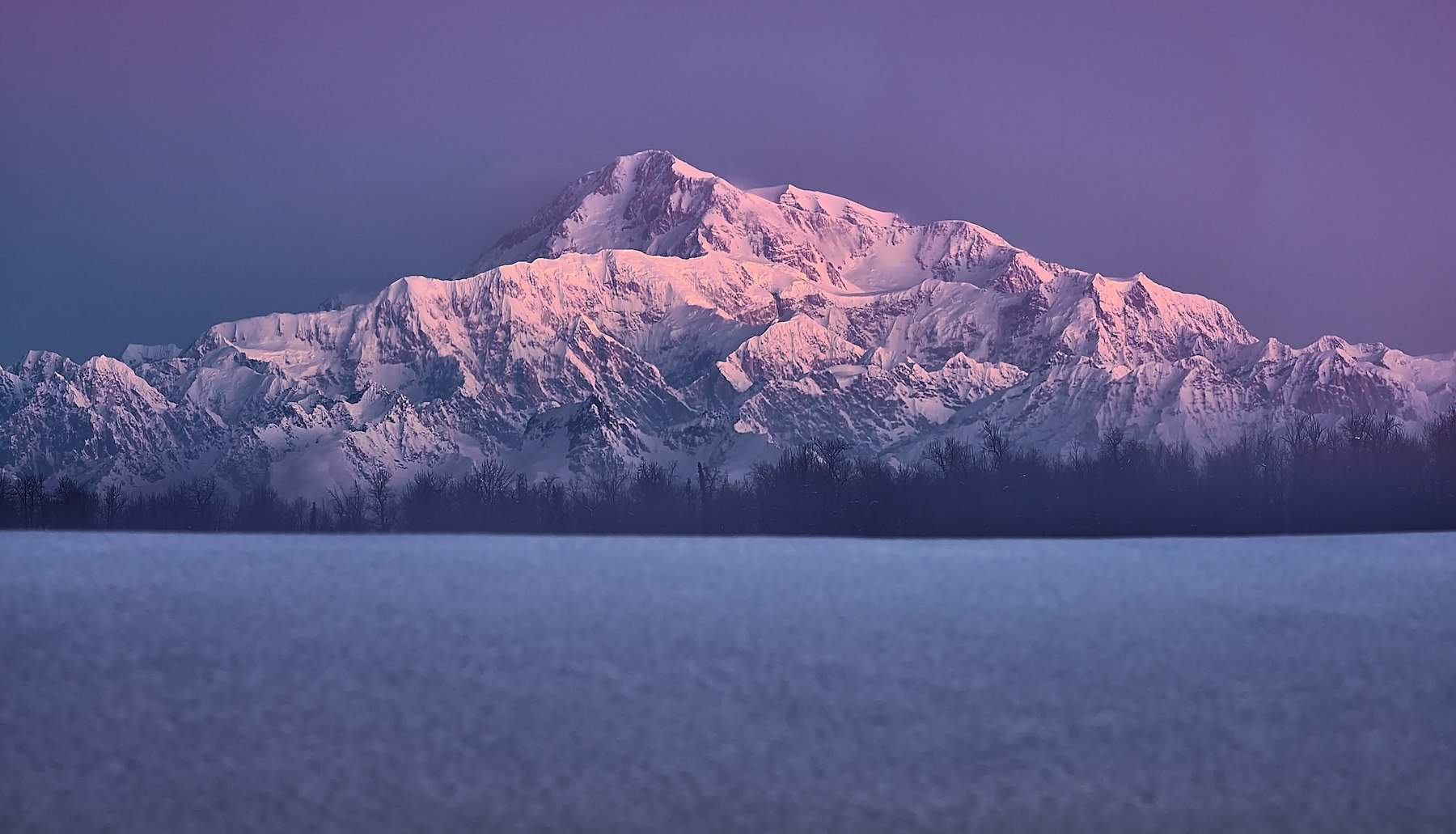
The mountain at dawn. Mount McKinley again since 2025, still Denali to everyone who lives near it, and hidden behind cloud on roughly two days out of three
Alaska With Kids Family Travel Guide
“Most families see Alaska from a ship. Nine hours in three towns, a glacier from a deck chair, and home again thinking they have done Alaska. They have seen the edge of it.”
June or July for whales, bears and 18 hour days. May and September cost less. Read the answer
Interiors from about $599 to $999 per person, Disney from $1,935. Read the answer
Nicole Damiano, ASTA Verified Travel Advisor with FG Luxury Travel
When is the best time to go to Alaska with kids?
Mid June to early August is the safe answer. Everything is open, the daylight is enormous and the salmon are running, but it is also the most expensive and the most crowded stretch. Late May and September are cheaper and quieter, with autumn color and less reliable weather in exchange.
Should we cruise or do a land trip?
My rule. Under six, cruise. Six to twelve, do a cruisetour so you get the ship and the interior. Teenagers who hike should do a land trip. A standard round trip Inside Passage cruise never touches Anchorage, Denali or Fairbanks, so if you want mainland Alaska you need a one way sailing or a cruisetour built around it.
Will we see the northern lights?
Not on a summer cruise. The aurora viewing season runs 21 August to 21 April, because it simply does not get dark enough in an Alaska summer for it to show. If the northern lights are the point of the trip, that is a winter trip to Fairbanks, not a July cruise.
How many days should we plan for Denali?
More than two. The cruise line lodges sit outside the park entrance, and a two night Denali cruisetour leaves you one waking day inside a six million acre park once you count arriving, sleeping and busing in and out. If the land portion is under three nights at Denali, I'd either extend it or swap it for the Kenai Peninsula instead.
Do we need to rent a car?
Most Alaskan towns have no road to them at all. Juneau, Sitka and Ketchikan are reached only by boat or plane, so a cruise handles getting around for you. On a land trip you are driving or training between hotels, which is part of why it is the more tiring, more memorable version of this trip.
What age is Alaska best for?
Roughly eight and up is the sweet spot, old enough to walk, hold binoculars and actually remember a full day on a boat. I'd skip a land trip with a toddler unless you are cruising. Long drives with no shade and no darkness are a hard day for a two year old, and an easy one on a ship.
Nicole’s Perspective
Why families hire me for Alaska

We did Alaska in the fall, with a three year old, a one year old and me pregnant with Avilene. We flew into Anchorage and drove north. That is not the Alaska trip anybody pictures, and it is the one I would do again.
We hiked. Far more than two adults with a toddler and a baby are supposed to be able to hike, and far more than the cruise version of Alaska ever involves. A different trail most days, some of them twenty minutes, some of them not.
We ate at breweries and worked our way through the beer, which is a real Alaskan pastime and much more child friendly than it sounds. We spent a day at the museum in Anchorage that has a whole floor built for children, which saved us on a grey afternoon. We drove up to Denali.
And the northern lights came out one night and I slept through the whole thing. I was in bed with the babies, which is where you are at nine in the evening when you have a three year old, a one year old and another one on the way.
Adam saw them. He stood outside and watched and he did not come and get me, because he was afraid that if he stepped away for the thirty seconds it would take to wake me up, they would be gone. Which, to be fair to him, is exactly how the northern lights work. It is funny now. It was not funny then.
So if the lights are on your list, agree the plan before you go. Who wakes who, and what counts as worth waking somebody up for. One of you is going to be outside in the dark making that call alone, and the other one is going to have opinions about it for the next ten years.
The rest of this page is not from that one trip. It comes from a desk full of Alaska bookings, building Alaska itineraries for families with kids of every age, and a lot of clients who came home either thrilled or quietly disappointed. Every number here has been checked against the National Park Service, the Alaska Railroad and the actual port schedules.
Beyond the Bookshelf
A shelf of Alaska stories, wild adventures, and salmon suppers to read your way north before you go.

- Into the WildJon Krakauer
- Two Old WomenVelma Wallis
- Julie of the WolvesJean Craighead George
- The Great Serum RaceDebbie S. Miller
- Alaska’s Three BearsShelley Gill
Book links go to Bookshop.org, which supports local bookstores. Film and music links go to JustWatch and Spotify. As an affiliate we may earn from qualifying purchases.
Why this state, for this family
Why Alaska works with kids
 Poppy marks the family parts. Wherever you see her, that section is written for traveling with children.
We drove north out of Anchorage with a three year old, a one year old and a third on the way, and hiked more than anyone thought we should. That trip and a desk full of Alaska bookings since are why this state stays near the top of my list for families.
Scale that resets what big means
Bigger than Texas, California and Montana combined, with a mountain that rises higher from its base than Everest does. Children who have seen Alaska talk about size differently afterwards.
Wildlife that shows up
Humpbacks in Southeast all summer, moose on the Anchorage trails, bears at Brooks Falls and whatever crosses the Denali park road. No other state delivers animals this reliably to a nine year old with binoculars.
Two trips in one state
A ship for the glaciers and the easy week, or the road and rail system for Denali and the interior. Under six cruise, six to twelve cruisetour, teenagers who hike go by land. There is a version that fits almost every family.
The map
Alaska Place by Place
Eight places, and the first thing to understand is that they are not on one road. Alaska has two separate travel worlds. Southeast is the narrow strip of islands and fjords that the ships sail, and most of it has no road connection to anywhere. Juneau is a state capital you cannot drive to. Then there is the mainland road system, Anchorage down to the Kenai Peninsula and north to Denali and Fairbanks, which is where the land trips happen. Ships do not go to Denali. Roads do not go to Glacier Bay. Pick which Alaska you want before you pick anything else.


State song Alaska’s Flag, about the eight stars of gold on a field of blue. Good to know Alaska time, an hour behind the West Coast. No state sales tax, though some towns add their own. Everything costs more and the distances are enormous.
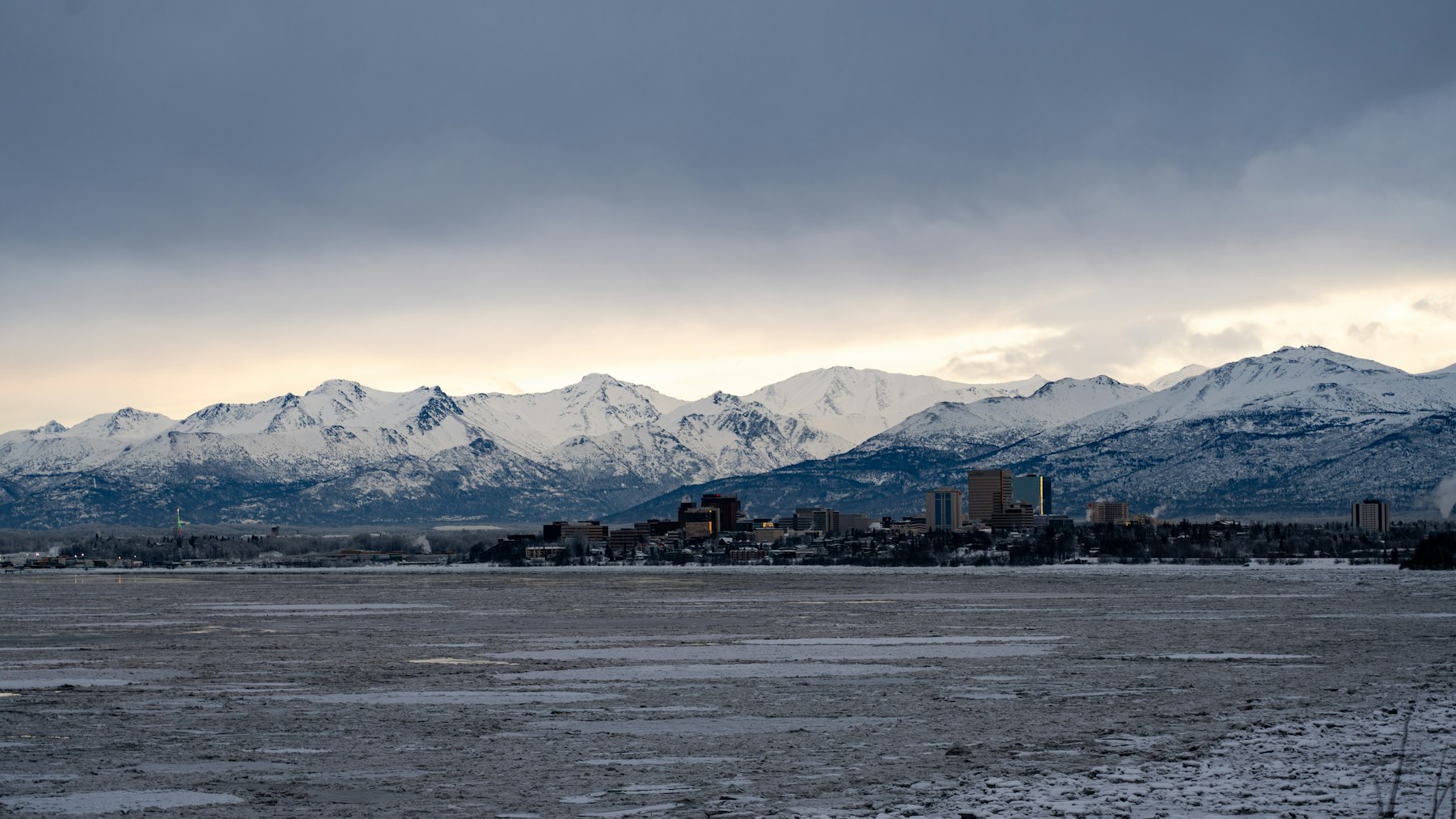
Anchorage
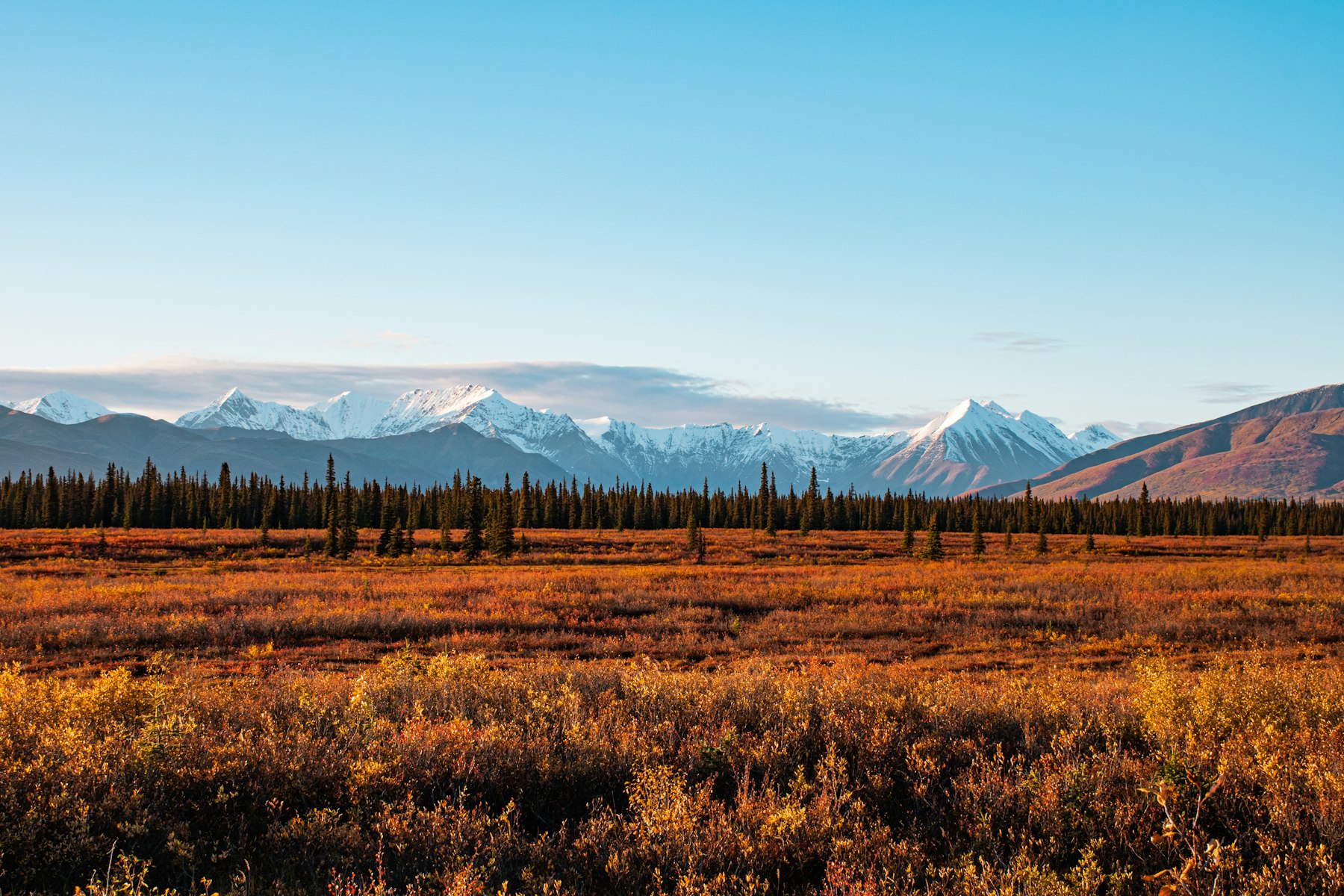
Denali
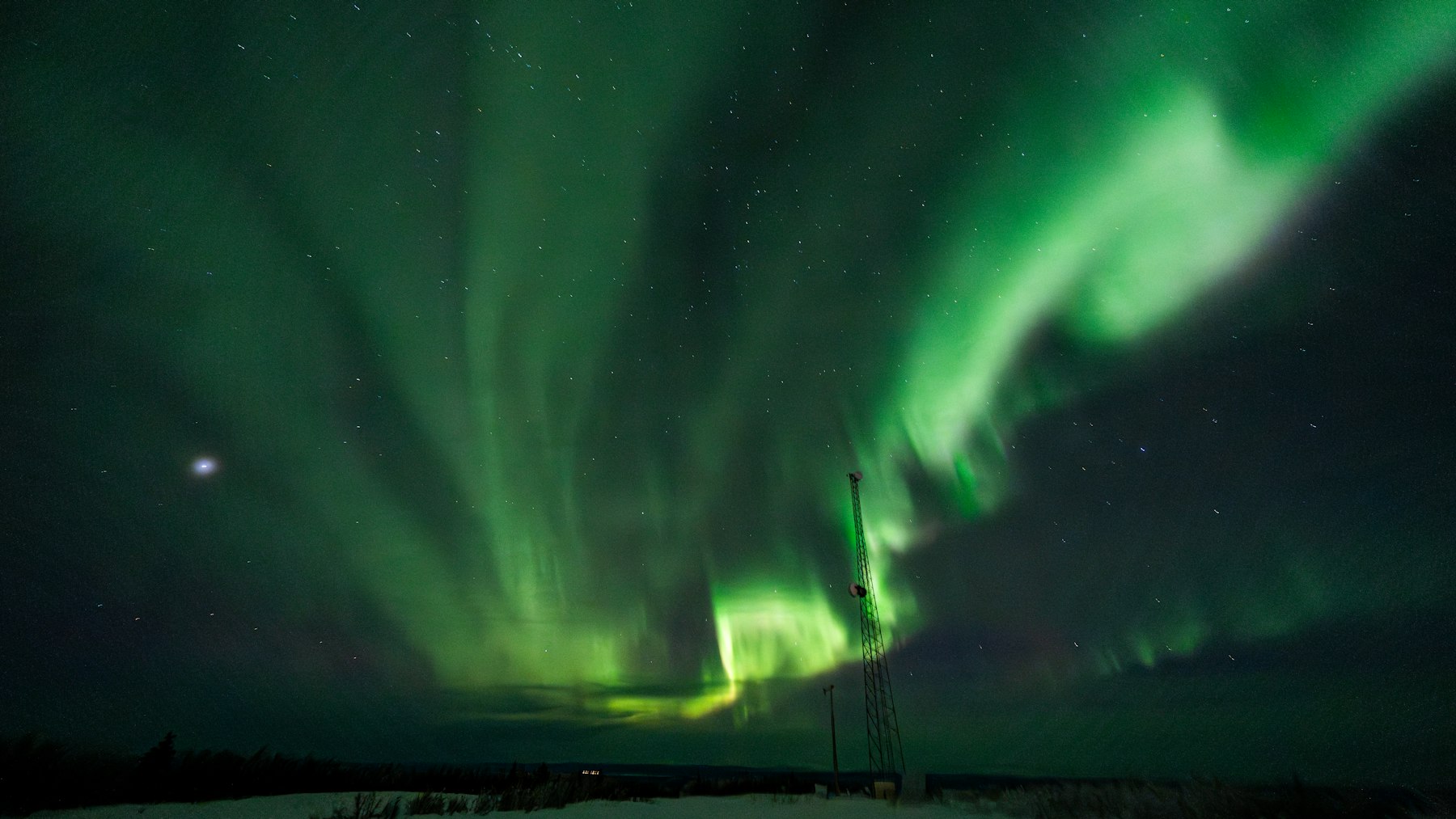
Fairbanks
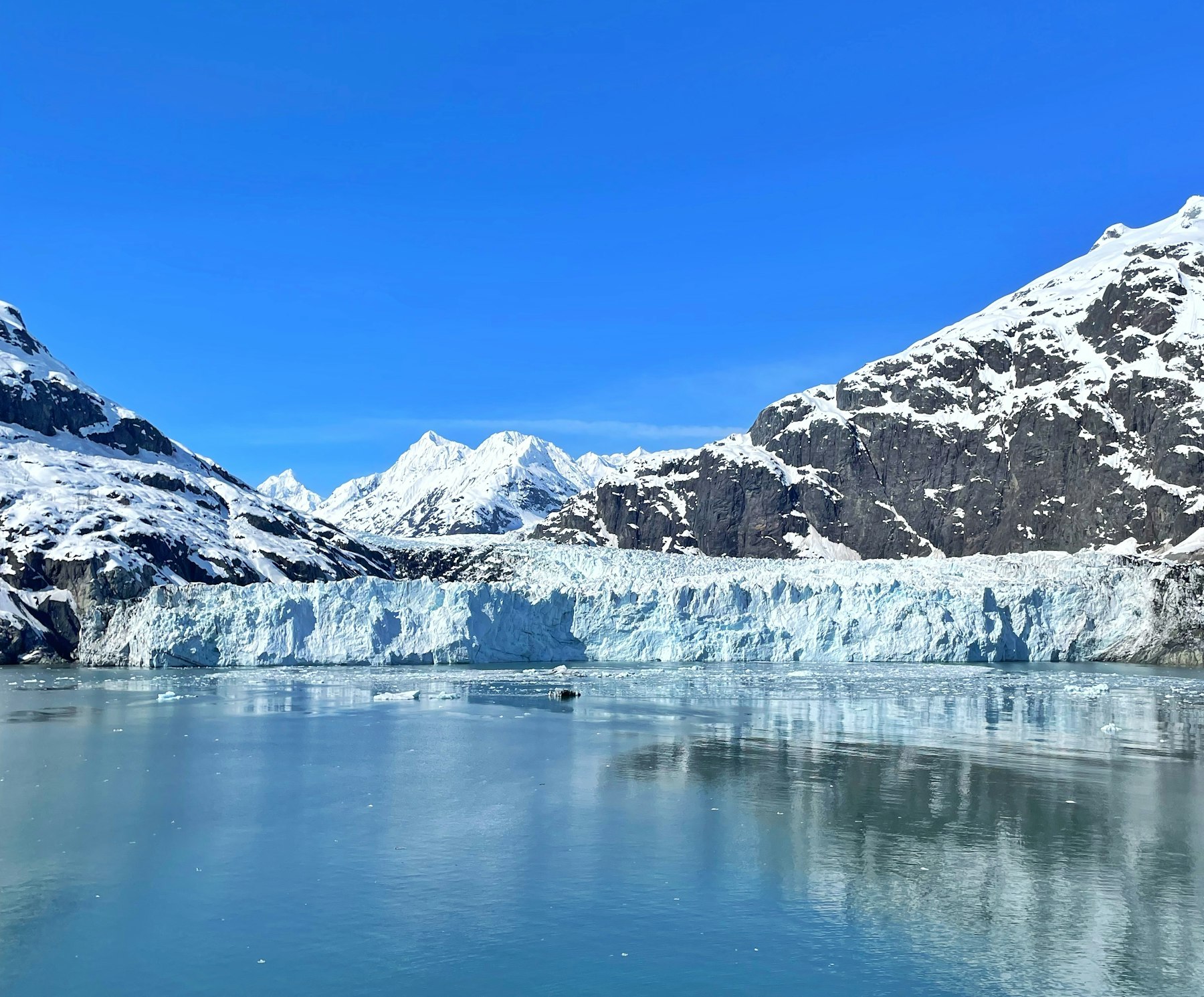
Glacier Bay

Homer

Juneau

Seward and Kenai Fjords
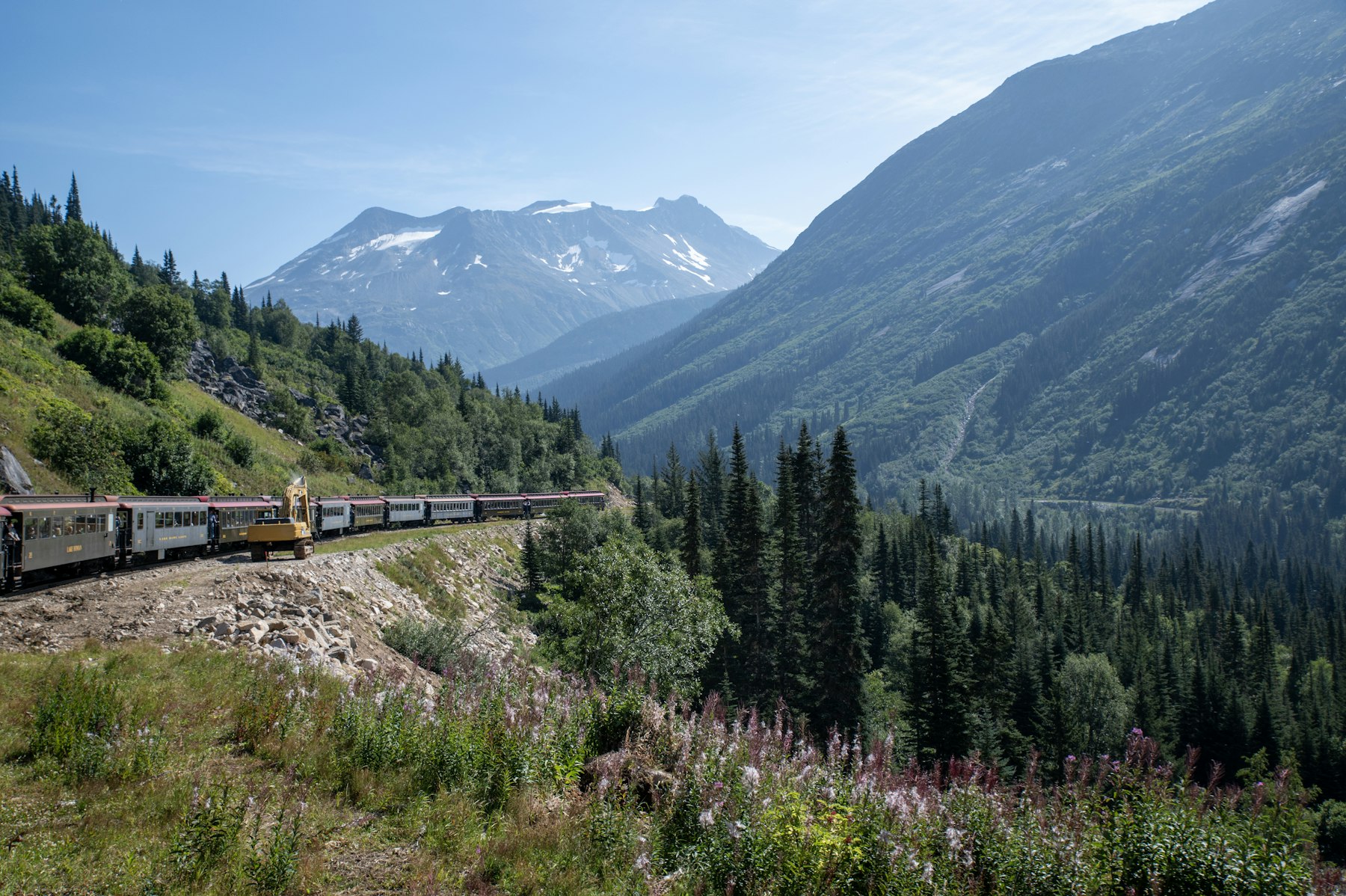
Skagway
Alaska Is Native Land First
Alaska Native cultures were here for thousands of years before Russia sold something it never owned, and the state still runs on fish, weather and distance. Knowing that changes how you see the ports.
Tlingit, Haida and Tsimshian in Southeast. The totem poles at Sitka, Ketchikan and Saxman are not decorations. They record clans and histories, and the carving tradition is alive. A guided walk through a totem park with a Native guide is worth more than any jewellery shop on the dock.
Athabascan, Yup’ik and Inupiat in the interior and the north. The Anchorage Museum’s Alaska Native galleries are the best place to start these conversations with children. Real objects, respectful labels, and a whole floor built for kids downstairs when attention runs out.
Russia left a church and some names. Sitka was the capital of Russian America until 1867 and St Michael’s Cathedral still stands there. Kodiak, Ninilchik and a handful of Kenai villages keep Orthodox churches with onion domes, a strange sight against spruce forest.
Fish is the economy and the calendar. Salmon runs set when towns are busy, when bears are at the rivers and what is on the menu. Watching a dipnet crowd on the Kenai in July, or a commercial fleet head out of Homer, is Alaska going about its real business.
The dog sled is the state sport. The Iditarod runs roughly a thousand miles from Anchorage to Nome every March. In summer, kennel tours near Denali and Seward let kids meet the dogs and ride a wheeled cart, which is the closest a July visitor gets.
What to Eat in Alaska
Alaska food is fish, and then it is whatever could be flown in. Eat the local thing wherever it is on the menu and expect to pay for it.
Wild salmon, fresh, in season. King, sockeye and coho run through the summer and every restaurant that is any good serves whatever came in that week. Grilled, planked or in chowder. This is the reason to eat out here.
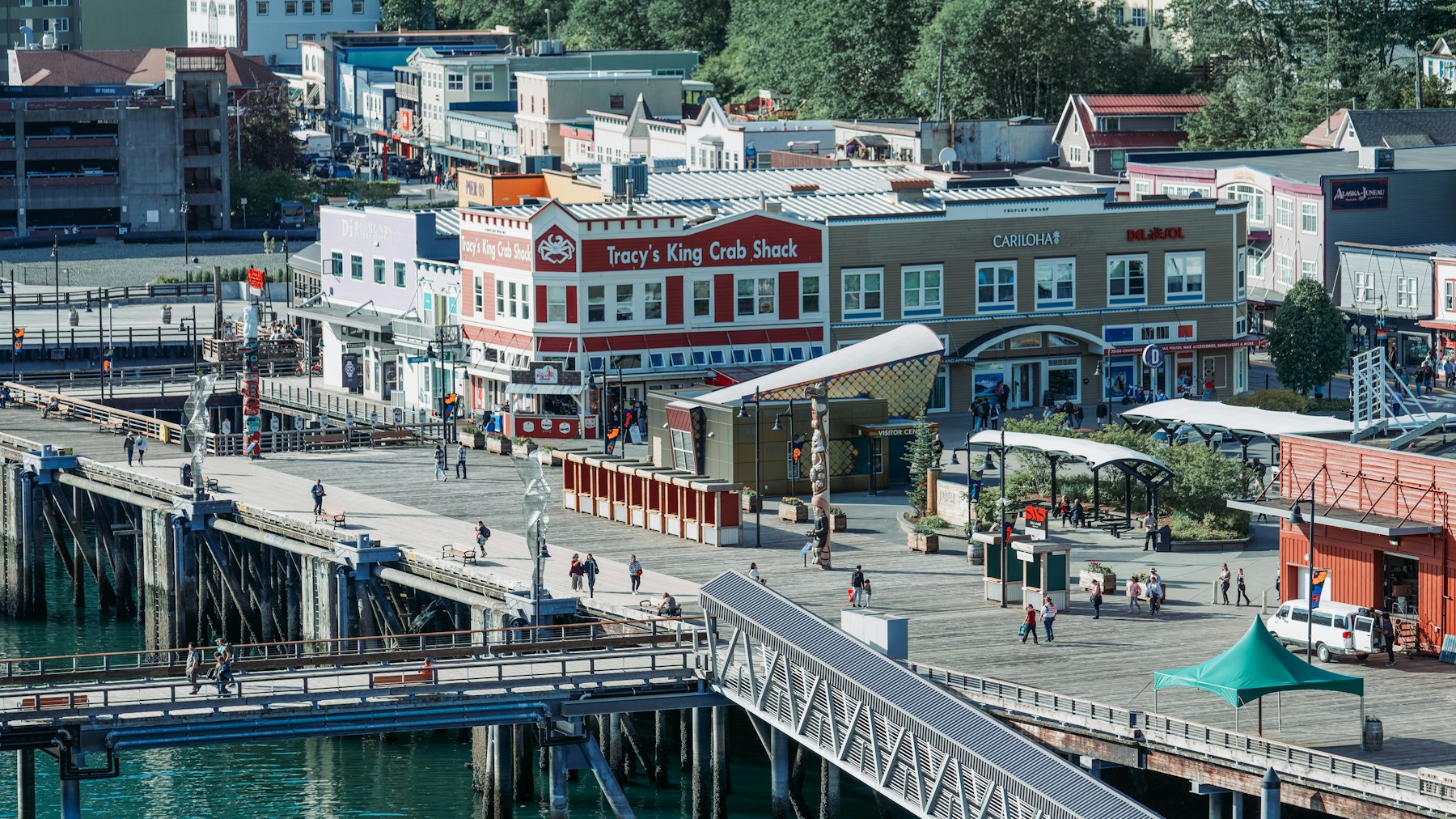
King crab in Juneau. Tracy’s King Crab Shack on the waterfront is a few minutes walk from the cruise berths. It is not cheap and it is the port meal clients bring up unprompted a year later.
Halibut, fried, from a window. Halibut and chips is the everyday meal on the Kenai Peninsula and in Homer. Kids who will not touch salmon will eat this.
Reindeer sausage from a cart. Anchorage street corners sell reindeer sausage in a bun from carts in summer. It is caribou, it is mild, and it is the cheapest lunch downtown.
Breweries, with children. Alaska has more breweries per person than almost any state and most of them are family rooms with a food truck outside. We ate our way through them with a toddler and a baby and nobody minded.
Getting Around Alaska
There are two Alaskas and no road between them. Once you have picked yours, the moving is easier than it looks.
Southeast is boat and plane only. Juneau, Sitka, Ketchikan and Skagway have no road to the rest of the state. You arrive by ship, by the state ferry or by Alaska Airlines, and you leave the same way.
The road system is Anchorage, the Kenai and the Parks Highway. Anchorage south to Seward and Homer, north to Talkeetna, Denali and Fairbanks. Two highways, well surfaced, with long gaps between fuel. A rental car is the cheapest way to move a family of five and it sells out in July, so book it with the flights.
The Alaska Railroad is the scenic option. Anchorage to Seward, Anchorage to Denali and on to Fairbanks, with dome cars and no parking at the trailhead. Children ride at half the adult fare. It beats driving on views and loses on flexibility.
Inside Denali it is bus only past Mile 15. Private cars stop at Savage River. Beyond that it is the transit bus, which lets you get off and back on, or the narrated tour bus, which does not. Take the transit bus with children.
Between regions you fly. Anchorage to Juneau, Anchorage to Fairbanks in winter, anything to Kodiak or Nome. Alaska Airlines runs most of it and none of it is cheap. Plan the trip so you fly once, not three times.

Glacier Bay. No road in, no entrance fee, and four hours in the arm with a ranger on the ship.
Money, Distances and Getting Around
Alaska is expensive, and the reason is straightforward. Almost everything has to be shipped or flown in, the season is five months long so businesses must earn a year in that window, and labour is scarce. Budget above what the Lower 48 has taught you to expect, and get the distances right, because they are the thing families get most wrong.
Denali is 240 miles north of Anchorage and 120 miles south of Fairbanks. Those are the National Park Service figures. On the Parks Highway that is a long half day of driving each way, not a morning. Nobody does Anchorage to Denali and back in a day, though people try to book it.
The train is a real alternative and it is priced accordingly. Anchorage to Seward on the Coastal Classic is about four and a half hours, leaving Anchorage at 6.45am, and costs 133 dollars adult and 67 dollars child in Adventure Class. Anchorage to Denali is 205 dollars adult and 103 child. Anchorage all the way to Fairbanks is 294 and 147, and takes about eleven hours forty. GoldStar with the dome car roughly doubles it. With children the train beats driving on the scenery and loses on flexibility.
A rental car is the cheapest way to move a family of five, and summer supply is tight. Book it the day you book flights. Alaska runs out of rental cars in July in a way that other states do not, and the walk up prices when it happens are eye watering.
Fly into the right airport and do not assume you can connect onward cheaply. Anchorage is the hub for the road system and the Kenai Peninsula. Fairbanks is the hub for the interior and for aurora. Juneau is reached by air or sea only. Getting between Southeast and the mainland means another flight, and it is not a cheap one.
Card everywhere, and the national parks take nothing else. Denali does not accept cash at all. Kenai Fjords and Glacier Bay charge no entrance fee, which softens the blow. Alaska has no state sales tax, though individual boroughs and towns levy their own, so the price in Juneau and the price in Anchorage will not behave the same way.
Layers, waterproofs and proper boots, in July. Southeast is rainforest and the interior swings thirty degrees in a day. The single most common packing mistake is treating a summer trip as a summer trip. Rain shells for everyone, a warm mid layer each, and boots that can get wet.
The Season Is Short
People underestimate this more than anything else about Alaska. This is not a place with a high season and a low season. It is a place with a season and then a long period where most of the tourist infrastructure is simply shut. Here is what 2026 looks like on paper.
The cruise season in Juneau runs from 26 April to 10 October 2026. That is the published port schedule, first ship to last. Everything either side of it does not exist. Five and a half months, and the shoulder ends of it are thin, with only a handful of ships a week.
The Alaska Railroad runs its main summer services from mid May to mid September. The Coastal Classic between Anchorage and Seward runs daily 15 May to 13 September 2026. The Denali Star between Anchorage and Fairbanks runs 13 May to 17 September. Outside those dates you are down to a much reduced winter timetable.
Denali buses start 20 May and the Exit Glacier road is shut into May. The road to Exit Glacier at Kenai Fjords is inaccessible to cars from late October to mid May, often staying closed through mid May because of snow. A late May trip can find half of what you came for still frozen.
What shoulder season costs you and what it gains you. Late May and September are meaningfully cheaper and much quieter. September brings autumn color on the tundra, the first snow on the peaks, and the start of aurora season on 21 August. What you give up is reliability. Fewer sailings, shorter opening hours, some operators already closed, and weather that is turning. It is a good trade for a family with flexibility and a bad one if this is your only shot.
If you want the safe answer, it is mid June to early August. Everything is open, the daylight is enormous, the wildlife is active and the salmon are running. It is also the most expensive and the busiest, and it is when every other family with school age children is going. There is no clever way around that one.
Daylight, and What It Does to Small Children
This is the practical thing nobody warns families about and it derails more Alaska trips than weather does. In June it does not get dark. Not dim, not late. It stays bright, and a child’s body does not care that the clock says nine.
Anchorage in June
Around 22 hours of functional daylight on 21 June. The sun dips rather than sets and the streetlights do not come on. Between 19 March and 23 September Anchorage gets more daily sunlight than anywhere in the other 49 states.
Fairbanks goes further
The midnight sun season runs 22 April to 20 August, with roughly 70 straight days of usable light from 17 May to 27 July. There is no meaningful night at all in that window.
And in winter it reverses
Anchorage gets a little under five and a half hours on the shortest day. That is the trade that makes aurora season possible, and it is why a winter Alaska trip is a completely different proposition.
What to actually do about it. Pack proper blackout material, not the hotel’s curtains, which in my experience are decorative. Gaffer tape and bin liners over a window is unglamorous and it works. Bring eye masks for anyone old enough to keep one on. Keep bedtime on home clock time rather than on how light it looks, because the light will lie to all of you, adults included. And build in a slow morning after your first night, because almost nobody sleeps well on night one.
The upside is real too. You can do a 9pm walk after a long travel day, the wildlife is active in the evening, and photographs at what would be midnight at home are some of the best you will get. Families who plan around the light enjoy it. Families who ignore it spend four days with overtired children and blame Alaska.
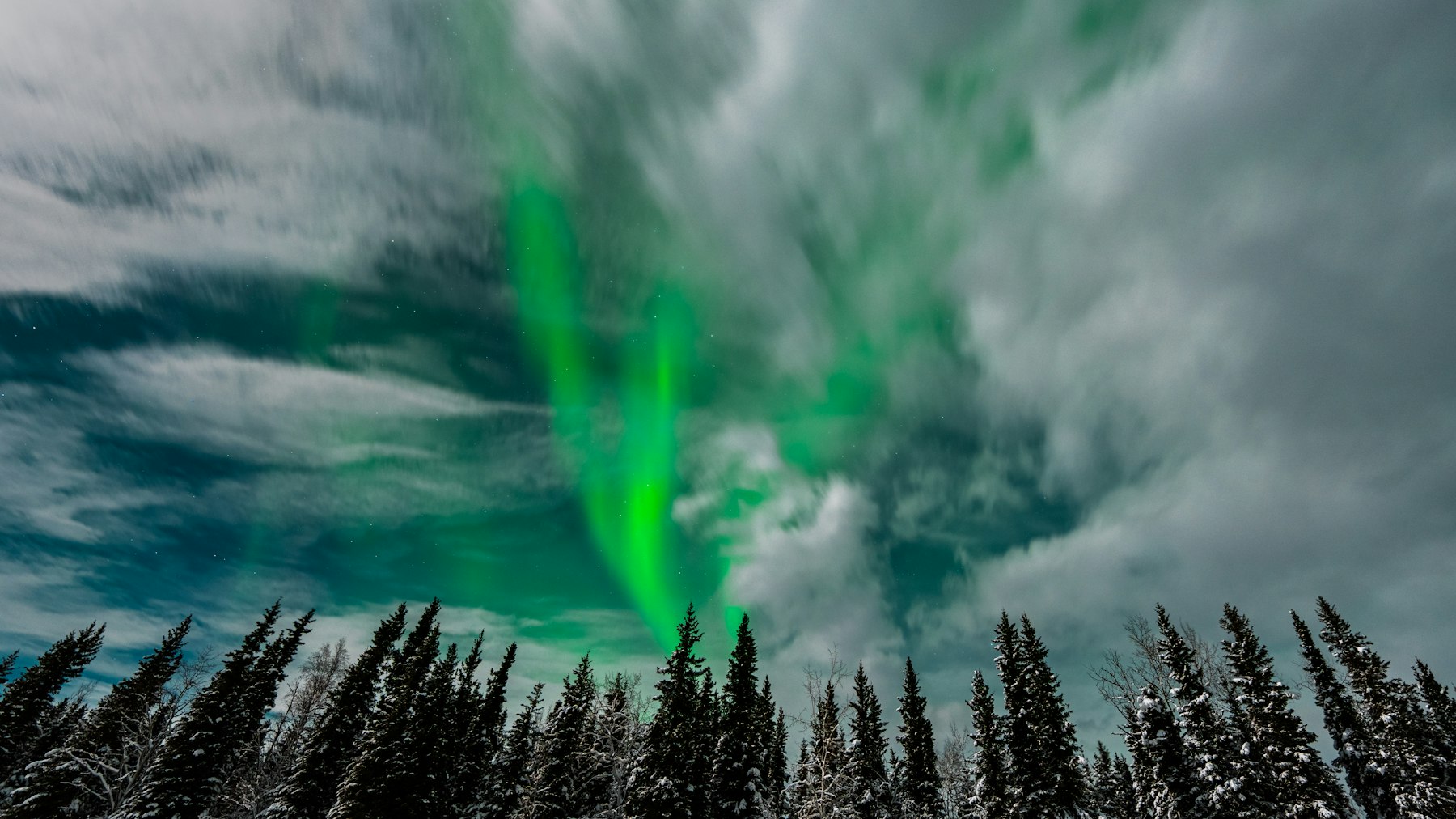
Aurora season is 21 August to 21 April. Every family who books a July cruise hoping for this is booking the one thing Alaska cannot sell them in July
The Northern Lights Are a Winter Trip, Not a Summer One
I have had this conversation more times than any other Alaska conversation, and it is always slightly awkward, because by the time it happens the family has usually already booked. So let me put it here in plain language where you can find it before you pay a deposit.
You cannot see the aurora on a summer Alaska cruise. It is not bad luck. It is physics. The University of Alaska Fairbanks Geophysical Institute puts the aurora viewing season at 21 August to 21 April. Sunlight prevents viewing at these latitudes in summer, because the sky at night simply is not dark. The aurora is still happening overhead in July. You cannot see it, in the same way you cannot see stars at noon.
Fairbanks is the place, and it is not marketing. Fairbanks sits at about 64.8 degrees north, directly under the auroral zone, and it is inland so it gets far more clear nights than the cloudy coast. Anchorage sees the aurora sometimes. Fairbanks sees it as a matter of routine through the season. If the lights are the goal, you fly to Fairbanks. Everything else is a compromise.
Late February to early April is the best window, not December. The Geophysical Institute puts the best viewing at late February to early April, and notes the probability of clear skies in spring is about twice what it is in autumn. You also get more daylight for daytime activities and marginally less brutal cold than midwinter. December is darker and colder and cloudier.
Give it three nights minimum. The aurora is weather plus solar activity, and one clear night is a coin toss. Three nights in Fairbanks in March is a sensible bet. One night attached to something else is how people come home disappointed and convinced the whole thing is overrated.
Doing it with children means solving the cold properly. You are standing outside, still, at one in the morning, in interior Alaska in winter. That is a serious cold. Most Fairbanks operators run heated lodges or yurts where you wait indoors and get called out when it starts, and for families that is the only version I recommend. Do not put a seven year old on a frozen riverbank for four hours and expect a happy memory.
Wildlife
Alaska delivers on wildlife more than almost anywhere, and the brochures still overpromise. The difference is that the brochure shows you the best ten seconds of somebody’s best day. Here is what a normal week looks like.
Whales are the safest bet and the best value. Humpbacks feed in Southeast Alaska through the summer and dedicated whale watching out of Juneau is close to reliable in season. Many operators offer a sighting guarantee, which tells you something. From a small boat you get them properly. From a cruise ship deck you get a distant spout and a lot of people pointing.
Bears require you to go where the bears are, and that costs money. The scene everybody pictures, bear standing in a waterfall catching salmon, is Brooks Falls at Katmai, and Katmai is reached by float plane. The permit is 6 dollars for seven days. The flight is the real cost. You can absolutely see bears from a Denali bus too, usually at distance, usually as a brown dot the driver stops for. Both are real. They are not the same experience and they are not the same price.
Moose are the animal you will most likely actually see, including in town. Moose wander Anchorage neighborhoods routinely. They are also the animal most likely to hurt you. A cow with a calf will charge, and a moose is far more dangerous to a family than a bear is. Teach the children to put a car or a tree between themselves and a moose, and never to get closer for a photograph.
Bald eagles stop being exciting by day three. I say that fondly. In Southeast they are as common as gulls and the children will be blase about them by the second port, which is its own kind of wonderful.
Bring real binoculars, one pair per child. This is the highest return thing you can pack for Alaska and almost nobody does it. Most wildlife here is seen at distance across tundra or water. A child with their own binoculars is engaged for four hours on a bus. A child sharing with a parent is bored in twenty minutes.
How Many Days & First-Trip Routing
How many days should we plan for Denali? More than two.
The cruise line lodges sit outside the park entrance, and a two night Denali cruisetour leaves you one waking day inside a six million acre park once you count arriving, sleeping and busing in and out.
If the land portion is under three nights at Denali, I’d either extend it or swap it for the Kenai Peninsula instead.
Cruise or Land. This Is the Whole Decision
Nearly every Alaska question I get is really this question wearing a disguise. People ask me which ship, or which week, or if Denali is worth it, and what they are asking is which of the two Alaskas they should buy. So let me lay both out properly, because they are not lesser and greater versions of the same trip. They are two different trips that happen to share a state.
A cruise buys you the coastline, the glaciers and the logistics being someone else’s problem. An Alaska family cruise is the easiest version of this trip for most of the families I plan for. You unpack once. Your food is handled, your children have a kids club, and you wake up somewhere new without a single drive. You will see spectacular tidewater glaciers from the deck, you will very likely see whales, and if your itinerary includes Glacier Bay you get four or more hours in the arm with a park ranger narrating over the ship’s system. For a family with young children, or with a grandparent along, that is an enormous amount of Alaska for very little friction.
A land trip buys you the interior, the wildlife and the real scale of the place. Denali, the tundra, the Kenai Peninsula, bears, moose, the Alaska Railroad. You are in Alaska rather than looking at it. The cost is that you drive or you train, you change hotels three or four times, and you do your own laundry. It is a more tiring trip and a more memorable one.
The hard fact nobody says out loud. A standard Inside Passage cruise never touches mainland Alaska. Juneau, Skagway, Ketchikan and Sitka are all in Southeast, all on the coastal strip, and none of them connect by road to Anchorage, Denali or Fairbanks. Juneau is a state capital with no road to the rest of its own state. If you sail Inside Passage round trip from Seattle or Vancouver, you have not been to the Alaska that is on the postcards of the mountain.
Port days are shorter than the brochure implies. A typical call is roughly eight to ten hours, and a chunk of that is getting off and back on. Subtract the excursion travel time and you have maybe five useful hours in a town of a few thousand people that has been rebuilt around jewellery shops. That is a nice day. It is not a place.
One way Gulf of Alaska beats round trip Inside Passage if you can only do one. A one way sailing between Vancouver or Seattle and Whittier or Seward puts you on the mainland at one end, which means Anchorage, the railroad and Denali are reachable without a second flight. Round trip is cheaper and easier on flights. One way is the one that opens the door to the rest of the state.
My rule. Under six, cruise. Six to twelve, cruisetour. Teenagers who hike, land. Small children get more out of a ship than out of a four and a half hour bus ride, and you get more out of the trip too. Once they are old enough to walk a few miles and hold binoculars steady, the interior is wasted on nobody.
What the Cruise Ports Are Like
I want you to have a realistic picture of the four towns, because the gap between expectation and reality here is where the disappointment lives. These are small places absorbing very large numbers of people for about five months a year, and they know exactly what they are doing.
Juneau is the best of them and it is still a port town in summer. Population around thirty two thousand, no road in or out, and on a busy day several ships alongside. The good news is that the good things are good. Mendenhall Glacier is thirteen miles from downtown and is the most easily reached glacier in Alaska. Whale watching out of Auke Bay is reliable. The Mount Roberts tram goes up from the dock itself. The bad news is the four blocks nearest the ships, which are diamonds and fur and tanzanite, and are the same four blocks in every port in this state.
Skagway is a preserved gold rush street and one very good railway. The town is tiny and the boardwalk is a national historical park, which is charming and takes about ninety minutes. The reason to be there is the White Pass and Yukon Route. The Summit Excursion is 155 dollars for an adult and 77 dollars 50 for a child, forty miles round trip in about two and three quarter hours, and it climbs the pass the stampeders walked. It is the one shore excursion in Alaska I will argue for.
Ketchikan is wet and it is not a mistake in the forecast. This is temperate rainforest and it rains a great deal. The totem collections are world class and worth your time, Creek Street is pretty, and the float plane flights over Misty Fjords are superb when the weather allows and cancelled when it does not. Pack for rain and you will like it. Pack for a beach trip and you will not.
Sitka is the one with the most actual history and the fewest ships. Russian colonial capital, an onion domed cathedral, and Tlingit history that is presented properly rather than as decoration. It is also the port where you tender rather than dock on many sailings, which eats time. If your itinerary offers Sitka over a second sea day, take it.
Book your own excursions and you will pay a good deal less. Ship excursions carry a substantial margin and the operators are usually the same local companies. The trade is risk. If you book independently and run late, the ship leaves. My compromise for families is to book independently in Juneau and Skagway, where the operators are five minutes from the berth and used to cruise timings, and take the ship’s product anywhere the transfer is long.
When a Cruisetour Is the Right Answer
A cruisetour is a one way cruise bolted to a land package, sold as one booking. Typically it is a seven night sailing between Vancouver and Whittier or Seward, plus three to five nights on the mainland taking in Anchorage, Denali and sometimes Fairbanks, moving by rail or coach with hotels and transfers included. Princess and Holland America built their Alaska businesses on this and both own lodges near the park.
It solves the real problem
It puts you on both sides of Alaska in one trip without asking you to plan the hard half. For a first Alaska with children, this is the booking I recommend more than any other single product.
You pay a premium for that
Doing the same land days independently is cheaper. You are buying the coach, the lodge and the fact that nobody has to think. Plenty of families decide that is worth it, and I do not argue with them.
Check where the lodge actually is
The cruise line lodges sit outside the park entrance, not inside it. That is fine, but it means your Denali day is still a bus day. Ask how many nights are at Denali and how many are transit.
The version I steer families away from is the two night Denali cruisetour. By the time you have arrived, slept, taken a bus and left, you have spent one waking day in a six million acre park. If the land portion is under three nights at Denali, either extend it or skip it and do the Kenai Peninsula instead, which is far closer to Anchorage and rewards short stays much better.
Denali Has One Road, and Right Now It Stops at Mile 43
This is the single most important paragraph on this page for anyone planning a 2026 land trip, and most travel content has not caught up with it. Denali National Park has exactly one road into it. It is 92 miles long. Private vehicles may drive the first 15 miles, to Savage River, and no further. Everything beyond that is by park bus. And since the Pretty Rocks landslide, the road has been closed at Mile 43 at the East Fork bridge, and the National Park Service states that closure is expected to remain in place through summer 2026.
What the closure costs you. Eielson Visitor Center at Mile 66 is closed. Wonder Lake at Mile 85 is closed. Wonder Lake is the classic reflection of the mountain that you have seen in every photograph of this park, and in 2026 you cannot get there. Buses turn around at Mile 43. Plan for the park you can reach, not the one in the pictures.
Entrance is 15 dollars a person for seven days, or 45 for an annual park pass, and anyone 15 or under is free. The park does not accept cash. Not at the entrance, not anywhere. Bring a card. Worth noting for international readers, Denali is not one of the eleven parks that added the 100 dollar surcharge for overseas visitors in January 2026, so that does not apply here.
The transit bus is the value option and the better one for families. 33 dollars 50 for 16 and over, free for 15 and under, about four and a half hours round trip to East Fork. It is not narrated, but the drivers stop for every animal and you may get off at any point and catch a later bus back. With children that flexibility is worth more than commentary. Service runs from 20 May to mid September.
The narrated tours cost three to four times as much and you cannot get off. The Natural History Tour runs 13 May to 15 September 2026 at 116 dollars 75 for an adult and 51 dollars for a child. The Tundra Wilderness Tour runs 20 May to 17 September at 144 dollars 75 adult and 65 dollars child. Both include the 15 dollar entrance fee in the adult price. They include a snack and a guide who knows the animals. For adults traveling without children they are lovely. For a family of five they are an expensive way to be unable to stretch your legs.
Book the bus on 1 December for the following summer. Reservations for a given summer open as early as 1 December of the year before, through the concessioner Doyon and Aramark. Peak July dates go. If you are reading this in spring wanting a July seat, book today and take what is left rather than hoping.
You will probably not see the mountain, and that is normal. The summit generates its own weather and is hidden a great deal of the time. Locals talk about the thirty percent club for people who actually see it. Tell the children before you go that the mountain is shy. It turns a disappointment into a lottery ticket, and the tundra, the caribou and the grizzlies are all there regardless.
Denali charges per person, which is where this one earns its keep. The free fourth grade federal lands pass covers every child under 16 plus up to three adults at per person sites, for the whole school year. Worth ten minutes at everykidoutdoors.gov before you go.

The White Pass railway above Skagway, the one port excursion I book without hesitating.
Regions at a Glance
Southeast
Juneau, Skagway, Ketchikan, Sitka and Glacier Bay. The cruise coast. Rainforest, fjords, tidewater glaciers and no road to anywhere.
Southcentral
Anchorage, Seward, Homer and the Kenai Peninsula. The road system, the Alaska Railroad, Kenai Fjords and the easiest base for a land trip.
The Interior
Denali, Talkeetna and Fairbanks. The mountain, the tundra, the park bus, and the aurora capital in winter.
The Far Reaches
Katmai, Kodiak, the Arctic and the Aleutians. Reached by float plane or a long flight, and the reason a second Alaska trip exists.
Must See and Do
Six specific things with real 2026 prices attached, because Alaska is a state where vague advice costs you a thousand dollars.
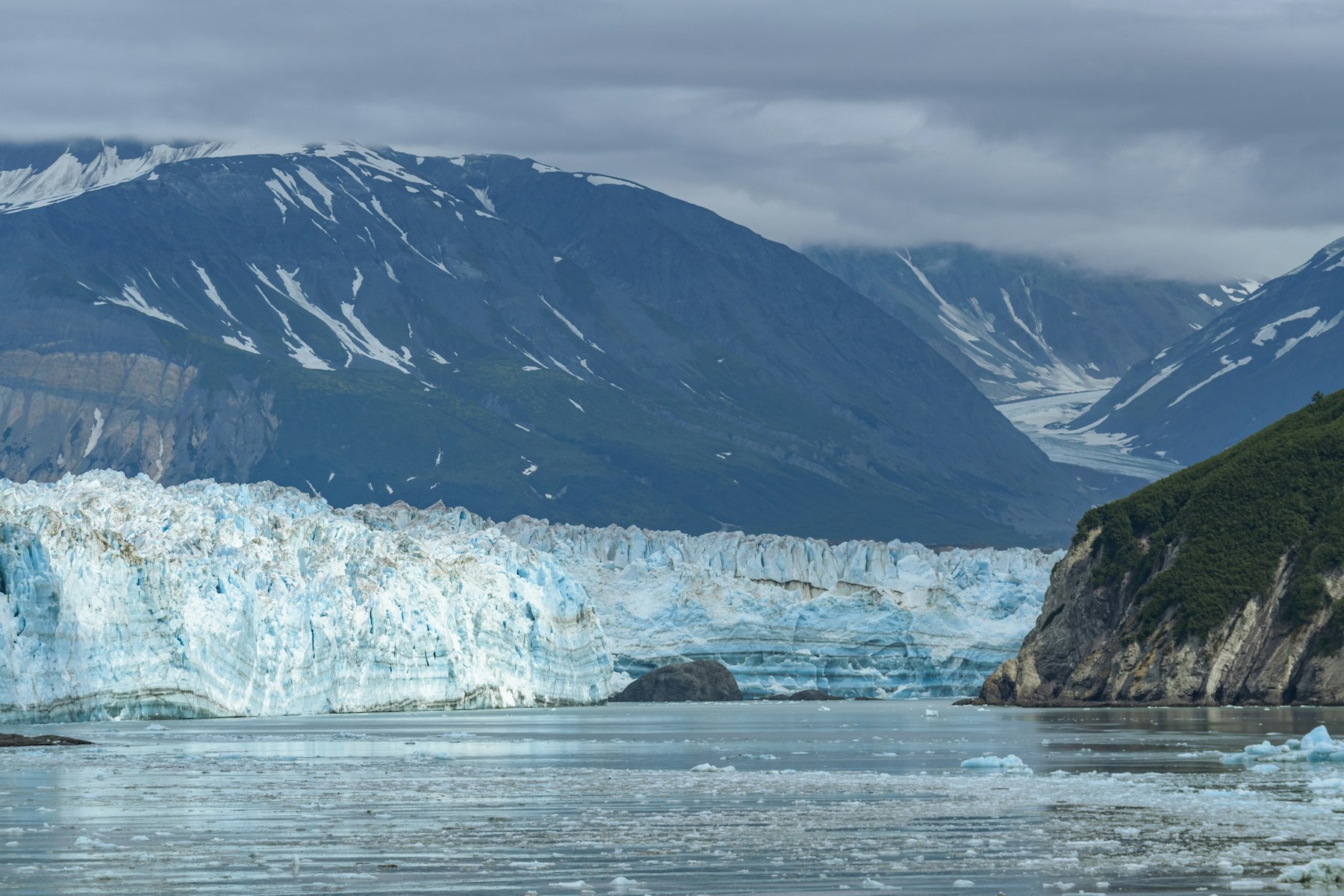

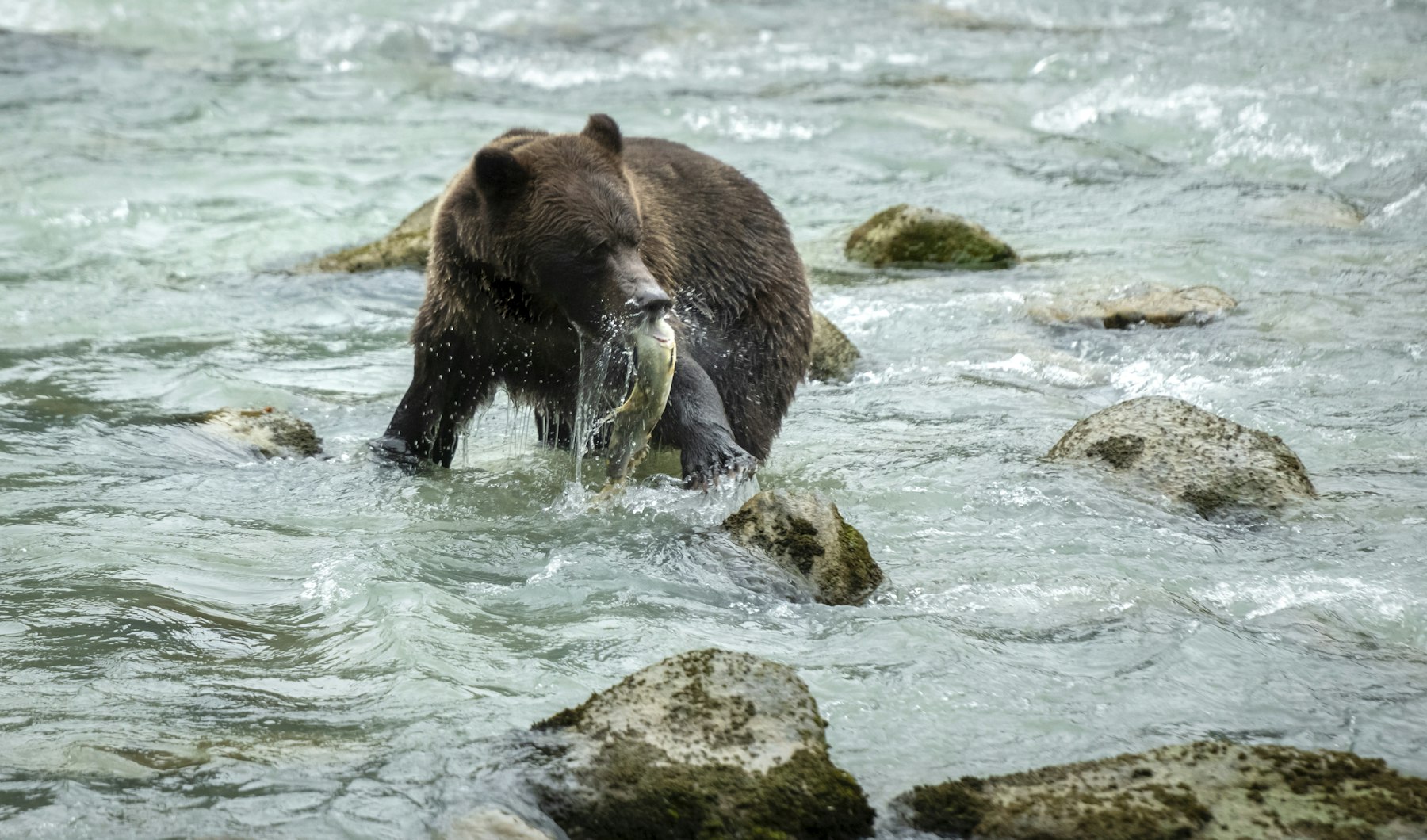
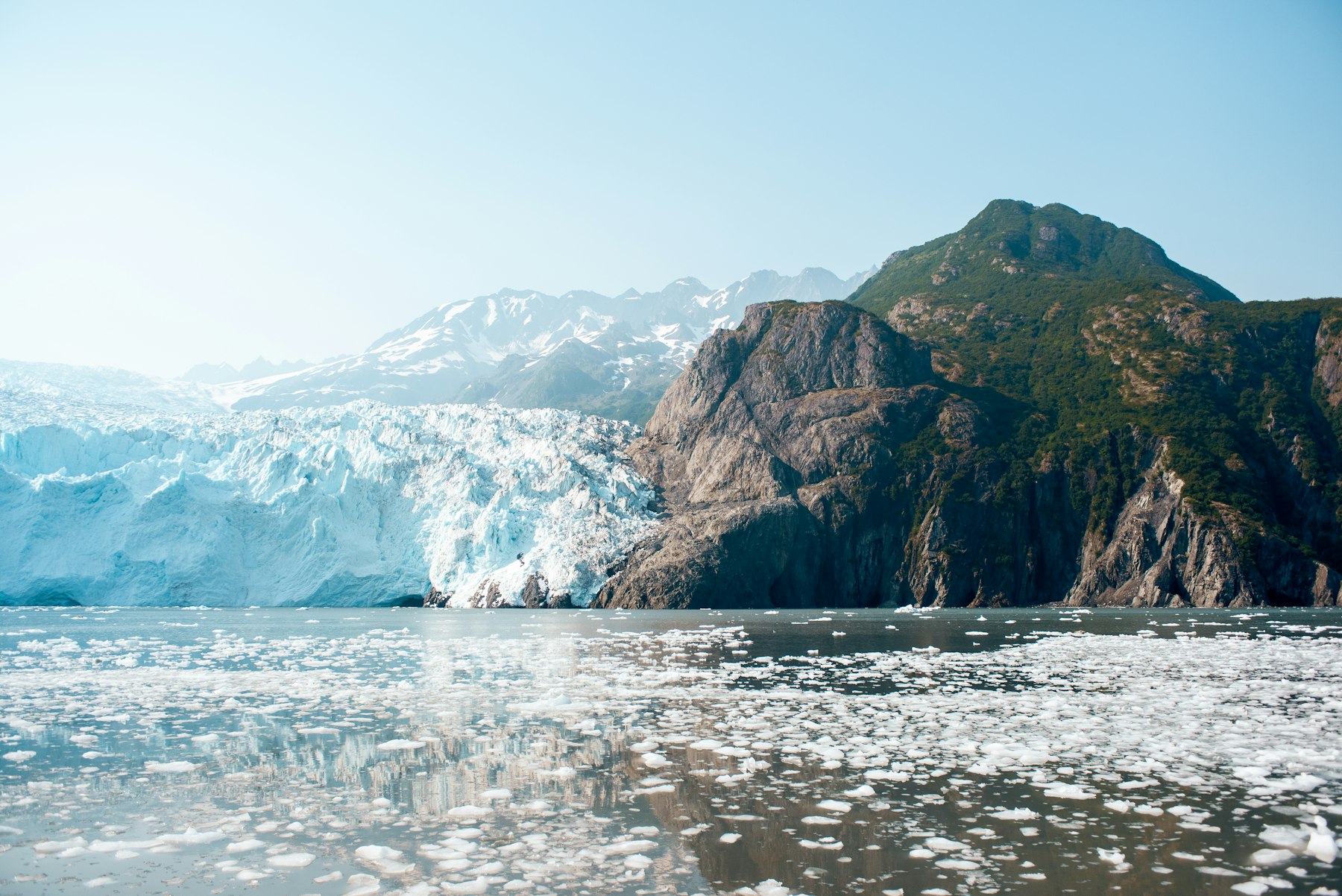

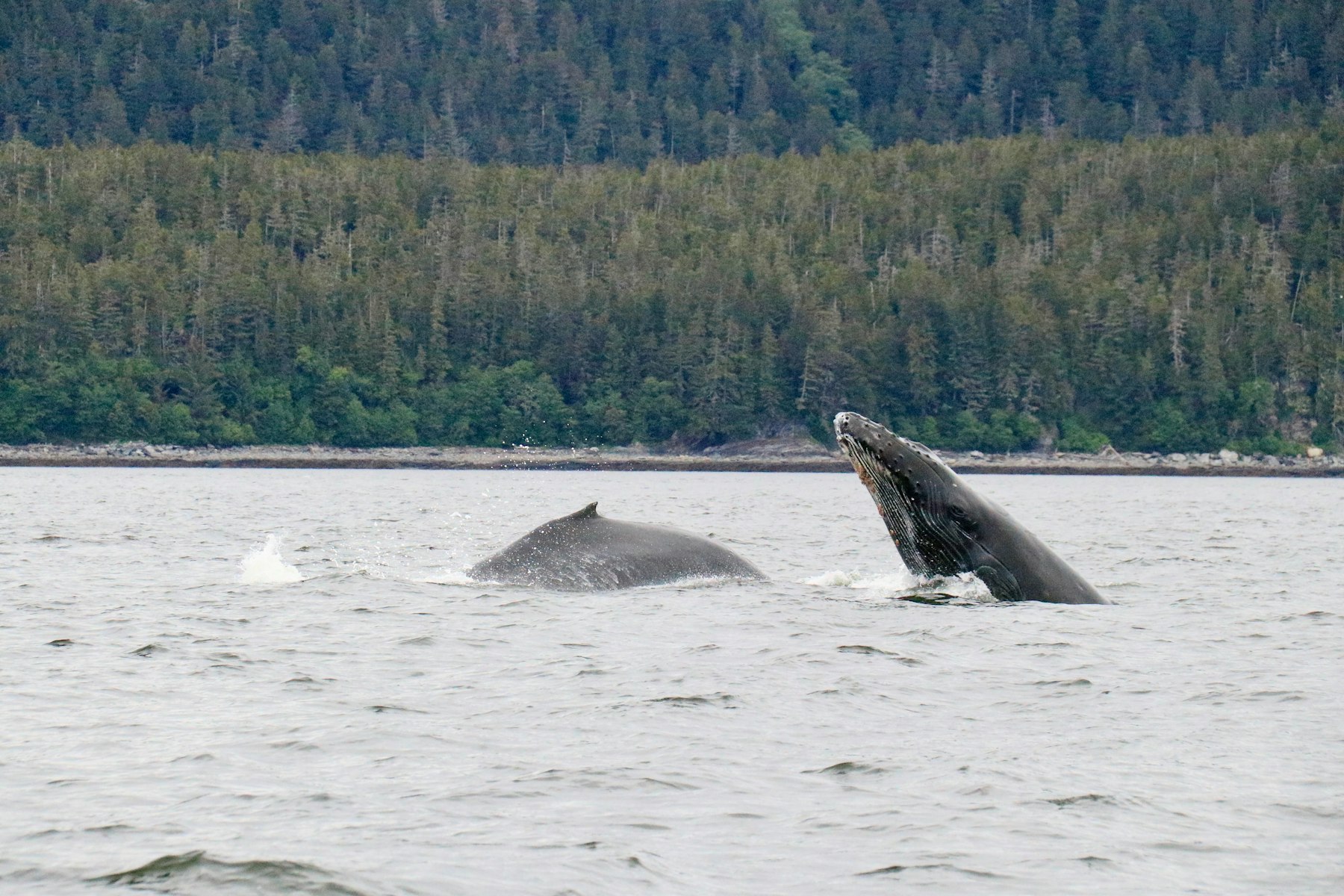
Humpbacks off the Southeast coast. This is the one wildlife promise Alaska keeps more often than not, and it is better from a small boat than from deck fifteen
Doing It With Children
We have three. Gavin is almost thirteen, Jake is ten and Avilene is nine. What follows is what I brief my client families on and what those families tell me afterwards.
Four and a half hours on a bus is the hard part of Denali, so use the transit bus. Being able to get off at a river bend, throw stones for twenty minutes and catch the next bus is the difference between a good day and a mutiny. The narrated tours do not allow that. This is the main reason I push families toward the cheaper ticket.
Plan for one rained off day in every four and have an answer ready. Alaska weather is not a background detail, it is a scheduling input. Know which museum, aquarium or pool you are going to before you need it. The Alaska SeaLife Center in Seward has saved a lot of my clients’ afternoons.
Blackout the room properly on night one, before anyone gets tired. See the daylight section. This is the number one thing families report wishing they had done sooner, and it is completely solvable with tape and bin liners.
Small boats beat big ships for children who want to see things. A half day Kenai Fjords boat out of Seward puts a nine year old within sight of otters, puffins and a calving glacier. The same child on deck fifteen of a cruise ship sees a lot of gray water and gets cold. If you are cruising, budget for one small boat day.
Have the bear and moose talk once, calmly, before you land. Stay together, make noise on trails, never run, never approach anything for a photograph, and back away from a moose rather than freezing. Done properly it takes five minutes and removes a whole category of parental anxiety for the week.
Under sixteens go free on an enormous amount of this state. Denali entrance is free for 15 and under and so is the transit bus. Kenai Fjords and Glacier Bay have no entrance fee at all. Child rail fares are half the adult fare. Alaska is expensive, and it is noticeably less expensive per child than the headline suggests.
Who Alaska Suits, and Who Should Skip It
It suits families with children roughly eight and up who like being outside. This is the sweet spot. Old enough to walk, to hold binoculars, to sit through a bus ride and to remember it. An eight year old on a Kenai Fjords boat is having one of the best days of their childhood.
It suits multi generational trips better than almost anywhere, if you cruise it. A ship absorbs a grandparent with a bad knee and a nine year old with unlimited energy on the same day without either of them compromising. This is the single most common Alaska booking I take and it is popular for good reason.
It suits people who have done the big European cities and want the opposite. No lines for anything, no cathedral fatigue, and scale that resets what your children think is big. Families who come back from Alaska talk about it differently than they talk about other trips.
Skip it with a toddler unless you are cruising. A land trip means long drives, unpredictable weather, no shade, no darkness and few facilities between towns. On a ship a two year old is fine. On the Parks Highway a two year old is a very long day for everybody.
Skip it if what you want is the northern lights and you can only travel in summer. Go to Fairbanks in March instead, or go somewhere else. Booking a July Alaska trip hoping for aurora is buying a thing that is not for sale in July.
Skip it if the budget is tight and the family wants beach. Alaska is a premium priced destination in a five month window, and it is cold and wet and glorious rather than warm and easy. If someone in your party is picturing a lounger, have that conversation before you book, not in Ketchikan in the rain.
How Alaska Compares
Norway is the closest thing to Alaska and it is easier with children. We spent a month in Norway, so this one I can speak to directly. Same fjords, same glaciers, same long light, and vastly better public transport, road quality and small town infrastructure. Norway is also expensive. If you are in Europe already, the honest answer is that Norway gives you most of the Alaska feeling with a fraction of the logistics.
Western Canada is the same landscape with roads through it. The Canadian Rockies and the British Columbia coast give you mountains, bears and glaciers, and you can drive between them on good highways with towns in the middle. Most Alaska cruises start in Vancouver anyway, so pairing them is natural.
Hawaii is the other detached state and the opposite decision. Similar flight cost from the mainland, similar premium pricing, completely opposite trip. Warm, swimmable, low effort, and no season problem. Families choosing between the two are really choosing between comfort and awe.
The Southwest national parks are the cheaper way to give children scale. Utah and Arizona deliver enormous landscape on a road trip budget with a twelve month season. If Alaska prices are the obstacle rather than the desire, that is where I send people first.
Worth the Money in Alaska
Alaska is expensive everywhere, so spend the extra where it buys something no other state can sell you.
A float plane day to Brooks Falls. Katmai’s brown bears fishing for salmon at the falls, reached by float plane from Anchorage, Homer or King Salmon. The flight is the cost and it is the best wildlife day you can give a family in North America. Facilities run June to mid September.
A small boat in Kenai Fjords. A half day out of Seward puts a nine year old within sight of otters, puffins, humpbacks and a calving tidewater glacier a few hundred metres away. If you are cruising, budget for one small boat day in a port.
GoldStar on the Alaska Railroad. The dome car with the outdoor viewing deck roughly doubles the fare between Anchorage and Denali. On a clear day with the mountain out, it is the train ride children remember.
A lodge near the Denali entrance for two nights. The park road closure at Mile 43 means the deep interior lodges are harder to reach. A good lodge near the entrance, with the transit bus the next morning, gives you the park without the logistics.
Things That Surprise First Timers
Alaska is bigger than most people can hold in their head. It is larger than Texas, California and Montana combined. Two places that look adjacent on a map can be a flight apart, and there is no road at all to enormous parts of it. Look at driving times before you build an itinerary, not after.
Most Alaskan towns have no road to them. Juneau, Sitka, Ketchikan, Gustavus and hundreds of villages are reached only by boat or plane. This is normal here and it is disorienting the first time you understand it.
Summer is cooler than people expect and the interior swings hard. Coastal Southeast sits in the fifties and sixties Fahrenheit with a lot of rain. Fairbanks can be in the eighties in the afternoon and near freezing before dawn. One packing list will not cover both regions.
The mountain was renamed Mount McKinley in 2025, and the park is still Denali National Park. Both names are in live use, signage varies, and locals overwhelmingly say Denali. It confuses visitors constantly and it is worth knowing before someone corrects you.
The mosquitoes in the interior in June and July are a real factor. Not a nuisance, a factor. Repellent, long sleeves and head nets for the tundra are ordinary equipment here rather than an overreaction, and children will not tolerate a hike without them.
Alaska has its own time zone and it is an hour behind the West Coast. Four hours behind the East Coast, nine behind the UK. Factor it into flight arrival times, because a lot of Alaska flights land late in the evening after a very long day.
Where I Would Start
If you sent me five people, a June or July window and no strong feelings about ships, this is what I would build.
A one way cruisetour, Vancouver to Whittier or Seward. Seven nights up the Inside Passage with Glacier Bay on the itinerary, then three to five nights on the mainland. Unpack once on the ship, see the coast, and land on the side of Alaska the postcards come from.
Denali by transit bus, not tour bus. One full day in the park, out to East Fork and back, getting off wherever the kids need to throw stones in a river. Free under sixteen. Blackout the hotel room before the first night.
A Kenai Fjords day boat from Seward before you fly home. Glaciers, otters and whales from a small boat instead of deck fifteen. Then the Coastal Classic train or the Seward Highway back to Anchorage for the flight.
Northern lights are a separate trip. If the aurora is the point, come back to Fairbanks in March. Booking a July trip hoping to see them is buying something that is not for sale in July.
Numbers Worth Knowing
Alaska, by the numbers
Ways to travel
Alaska is not one kind of trip
How you move through it changes the trip more than which places you pick.
Ocean Cruising
The Inside Passage is the most common way most families see Alaska first, with Juneau, Skagway, and Ketchikan as regular stops.
For example: a week round trip from Seattle or Vancouver with three or four port daysRail Journeys
The Alaska Railroad runs Anchorage to Denali to Fairbanks with glass domed cars, no driving and no parking at the trailhead.
For example: Anchorage to Denali National Park in about eight hours by railRoad Trips
The Seward and Parks Highways cover the greatest hits, but most of the state has no road at all, so a car only gets you part of the way.
For example: Anchorage to Seward for Kenai Fjords in about two and a half hoursGuided and Small Group
Bear viewing at Katmai and a real glacier trek both require a licensed guide, not just a good map and a rental car.
For example: a floatplane day trip to Brooks Falls to watch brown bears fish for salmonExplore by interest
What families come to Alaska for

Sports
Dog mushing
The real sport here. The Iditarod finishes in Nome every March, and Anchorage’s own Fur Rendezvous runs a shorter sprint race right downtown.

History
Russian America to the gold rush
Sitka was the capital of Russian America before 1867, Skagway boomed in the Klondike gold rush, and the Aleutians saw combat in World War II.

Food and drink
Salmon and king crab
Wild salmon and king crab show up on every menu, reindeer sausage carts sit on Anchorage street corners, and a real Alaska summer means fresh fish nearly every night.

Nature
Glaciers and whales
Glaciers you can walk up to at Kenai Fjords and Glacier Bay, whales feeding in Southeast waters all summer, and the wildlife inside Denali that gave the park its name.
Something unexpected
Only in Alaska

Read before you go
Two books, one each
For the kids. Julie of the Wolves by Jean Craighead George, the 1973 Newbery Medal winner about a Yup’ik girl surviving on Alaska’s North Slope with the help of a wolf pack.
For you. Coming Into the Country by John McPhee. A real, close look at the people and the land, written after McPhee spent real time in the Alaskan bush.

Watch before you go
White Fang
The 1991 Disney film was shot on location in and around Haines, a small Southeast Alaska town most cruise itineraries skip. A good, gentle-enough introduction to the Yukon gold rush era before you go.
Photo via Unsplash.
From here
The Trans-Alaska Pipeline
Built between 1974 and 1977, the 800 mile pipeline runs from Prudhoe Bay to Valdez and had to solve engineering problems, like keeping permafrost from thawing under it, that nobody had solved at this scale before.
Photo via Unsplash.
Only in Alaska
You can see tomorrow
Little Diomede Island sits just 2.4 miles from Russia’s Big Diomede across the Bering Strait, and the International Date Line runs right between them. Stand on Little Diomede and look at an island that is, technically, a full day ahead.
Photo via Unsplash.Combine It With
The country guide this page sits under. Entry rules, driving, tipping, and how the rest of the states compare.
Most Alaska cruises leave from Vancouver, and the Canadian Rockies are the same landscape with roads through it. The natural add on at either end.
The other state that is not attached to anything. Similar flight cost, similar premium pricing, and the exact opposite trip.

Plan Alaska with Nicole
Tell me who is coming, and when.
Alaska rewards more time, not less, but it also works as a focused week if a cruise or a single region is really what fits. Send me the ages, the dates, and what you are hoping this trip feels like. I will come back with what is really available.
Nicole Damiano, ASTA Verified Travel Advisor with FG Luxury Travel. Adventures We Seek is my travel blog and planning resource. Trips are booked through Favorite Grampy Travels.
Alaska, Answered
When is the best time to go to Alaska with kids? Mid June to early August is the safe answer. Everything is open, the daylight is enormous and the salmon are running, but it is also the most expensive and the most crowded stretch. Late May and September are cheaper and quieter, with autumn color and less reliable weather in exchange.
Should we cruise or do a land trip? My rule. Under six, cruise. Six to twelve, do a cruisetour so you get the ship and the interior. Teenagers who hike should do a land trip. A standard round trip Inside Passage cruise never touches Anchorage, Denali or Fairbanks, so if you want mainland Alaska you need a one way sailing or a cruisetour built around it.
Will we see the northern lights? Not on a summer cruise. The aurora viewing season runs 21 August to 21 April, because it simply does not get dark enough in an Alaska summer for it to show. If the northern lights are the point of the trip, that is a winter trip to Fairbanks, not a July cruise.
How many days should we plan for Denali? More than two. The cruise line lodges sit outside the park entrance, and a two night Denali cruisetour leaves you one waking day inside a six million acre park once you count arriving, sleeping and busing in and out. If the land portion is under three nights at Denali, I’d either extend it or swap it for the Kenai Peninsula instead.
Do we need to rent a car? Most Alaskan towns have no road to them at all. Juneau, Sitka and Ketchikan are reached only by boat or plane, so a cruise handles getting around for you. On a land trip you are driving or training between hotels, which is part of why it is the more tiring, more memorable version of this trip.
What age is Alaska best for? Roughly eight and up is the sweet spot, old enough to walk, hold binoculars and actually remember a full day on a boat. I’d skip a land trip with a toddler unless you are cruising. Long drives with no shade and no darkness are a hard day for a two year old, and an easy one on a ship.
Keep exploring from Alaska
The rest of the states, and the wider map.
Click any card to open that page
More of the United States
 Montana
 South Carolina
 Louisiana
 Massachusetts
 Oregon
 Washington
 Wyoming
 Maine
Maine Texas
Texas New York City
 Illinois
 Nevada
 Washington, D.C.
 North Carolina
 Hawaii
 Georgia
 Tennessee
 Arizona
 Colorado
 Utah
Utah California
 Florida
 All of the United States
 All of North America
 Explore the world
 The Travel Library