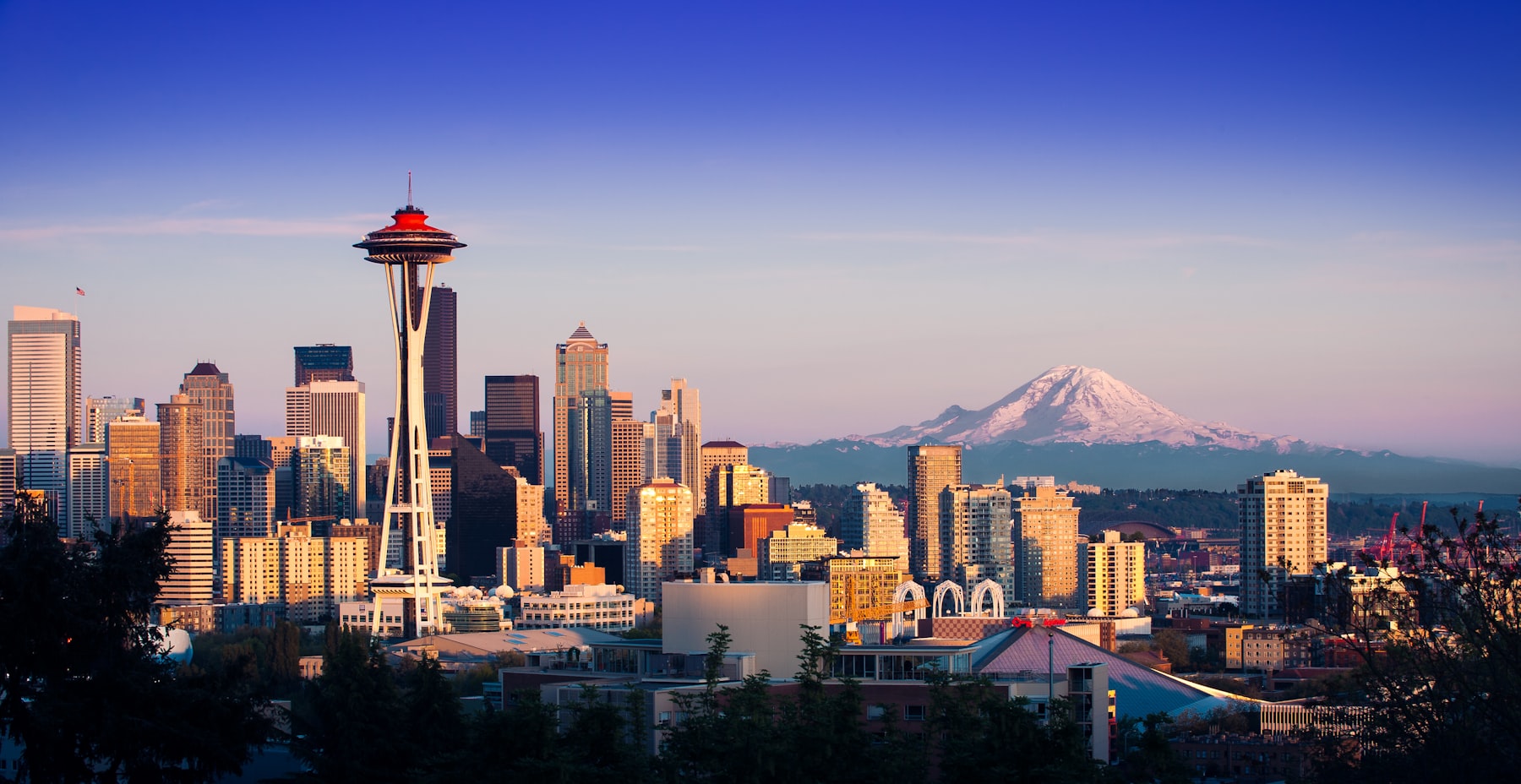
Seattle at dusk with Mount Rainier behind it. Locals call it the mountain being out, and it is not out nearly as often as this photo suggests
Washington State With Kids Family Travel Guide
“Washington is a rainforest, a volcano, an alpine wilderness and a desert, and people try to see all four in four days. The state is wider than it looks and the ferries do not care about your schedule.”
Nicole Damiano, ASTA Verified Travel Advisor with FG Luxury Travel
How many days for Olympic National Park?
Four or five to loop the peninsula and see the mountains, the rainforest and the coast. Two days from Seattle gets Hurricane Ridge and Lake Crescent only. The lodges inside the park book early and Port Angeles and Forks have motels.
Seattle or the mountains?
Seattle is three days of market, needle, ferries and museums. Then pick one: Olympic for variety, Rainier for the meadows and the mountain, the San Juans for orcas. A week does the city and one of those well.
When is the best time?
July through September, when the rain stops and the mountains come out. Rainier's wildflowers peak in late July and August. The San Juan orcas are most reliable from May to September. Winter is grey, wet and cheap, with skiing at Crystal and Stevens Pass.
Do we need timed entry at Rainier?
In summer, yes, for the Paradise and Sunrise corridors. Book ahead online. Early morning and late afternoon slots are the calmest, and the mountain is clearest in the morning.
Is Forks worth a stop?
For the family with a teen who read the vampire books, yes, for the photo and the small museum. For everyone else it is the town with the motels and the diner closest to Rialto Beach and the Hoh Rainforest, which is reason enough.
Nicole’s Perspective
Why families hire me for Washington State

We lived in Tacoma for a year and a half. Before that, in 2008, Adam and I found round trip tickets from Florida to Washington for two hundred dollars and booked them without a plan past the airport. We rented a car and drove. We went through Seattle and Pike Place, took the ferry across to Port Townsend and slept in a supposedly haunted castle hotel. We drove Highway 101 and hit rainforest, snow, ocean and enormous trees in a single day.
Then we did the thing I now tell clients not to do. We inched across a bridge that was closed because backtracking would have cost us a day. We drove mountain passes ignoring every snow chain sign because we were from Florida and really did not know what they were for. We slid around, saw the size of the snow banks, and got very lucky. Inside Mount Rainier National Park carrying chains is not advice, it is a requirement for every vehicle from 1 November to 1 May, and in 2008 I had no idea.
What stayed with me is how far apart everything is. Washington is not a state you sample. It is a state you choose a corner of. If you want the version of this trip I would build for a family now, it is one week, two bases, and a ferry ride treated as an event rather than a transfer. The wider USA guide covers entry, driving and tipping.
Beyond the Bookshelf
A shelf of Washington stories, Pacific Northwest movies, and coffeehouse cooking to get everyone ready for the ferry.

- The Egg and IBetty MacDonald
- Where’d You Go, BernadetteMaria Semple
- Snow Falling on CedarsDavid Guterson
- Hotel on the Corner of Bitter and SweetJamie Ford
- E Is for EvergreenRoland Smith
- Good Night Washington
- The Absolutely True Diary of a Part-Time IndianSherman Alexie
Book links go to Bookshop.org, which supports local bookstores. Film and music links go to JustWatch and Spotify. As an affiliate we may earn from qualifying purchases.
Why this state, for this family
Why Washington State works with kids
 Poppy marks the family parts. Wherever you see her, that section is written for traveling with children.
We lived in Tacoma for a year and a half, and before that Adam and I found two hundred dollar tickets from Florida, rented a car and hit rainforest, snow, ocean and enormous trees in one day on Highway 101. Washington is not a state you sample. You choose a corner of it.
Ferries that are roads
The largest ferry system in the country, with the car on it, and children under nineteen ride free. A crossing to the islands is an event, not a transfer, and our Port Townsend one still is.
A rainforest walk under a mile
The Hall of Mosses in the Hoh is 0.8 miles through old growth that gets 140 inches of rain a year. Short enough for small legs and it does not feel like a compromise.
Orcas from a boat
The San Juans in July and August. A screen does not prepare a child for a whale surfacing beside the boat, and it is the one big ticket I keep in every Washington budget.
The map
Washington State Place by Place
This is how I plan things to do in Washington State with kids. First, the thing that trips up half the people who land on a page like this. Washington State is not Washington DC. They are on opposite sides of the country, about 2,700 miles apart, and share nothing but a name. This page is the state in the far northwest corner, up against Canada and the Pacific. If you wanted the capital, the monuments and the Smithsonian, that is the Washington DC guide and it is a completely different trip. Locals here say Washington State or just Washington, and they say DC for the other one. Now, eight places worth naming.


State song Washington, My Home. The unofficial one is Louie Louie, which the legislature nearly adopted in 1985. Good to know Pacific time. Sales tax over ten percent in Seattle, and no income tax. It rains from October to June and the summers are the best in the country.
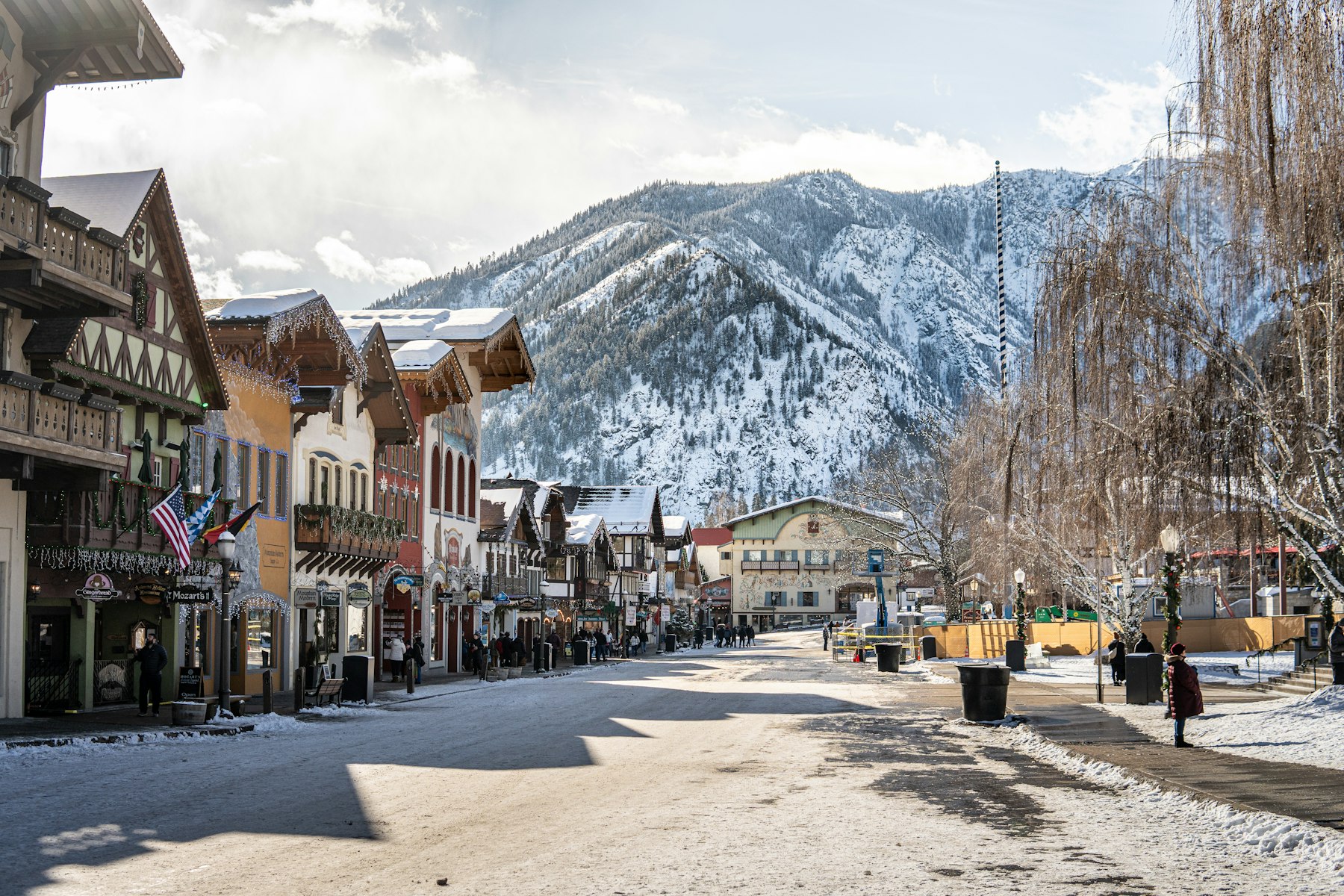
Leavenworth
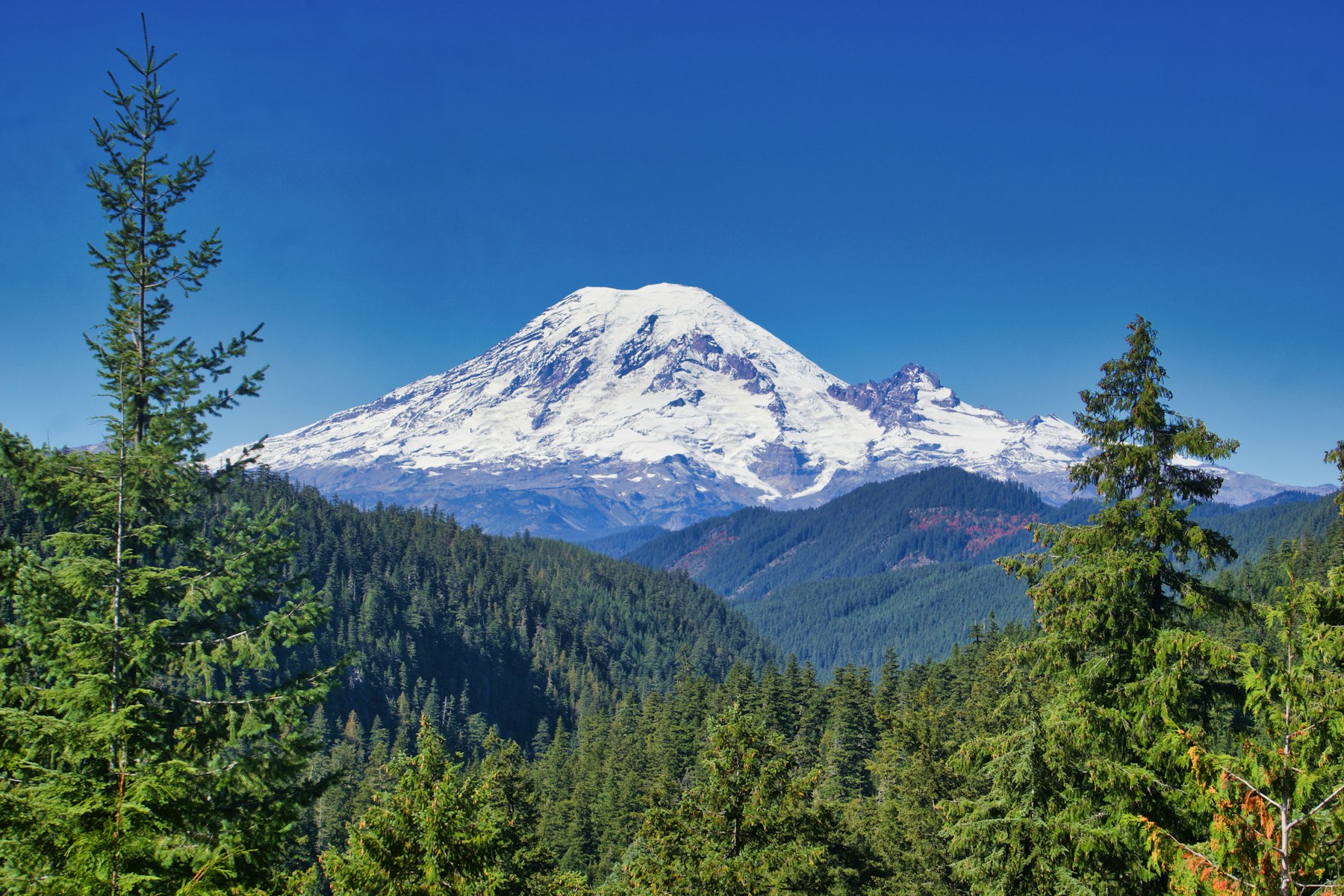
Mount Rainier

North Cascades

Olympic National Park

Seattle

Spokane
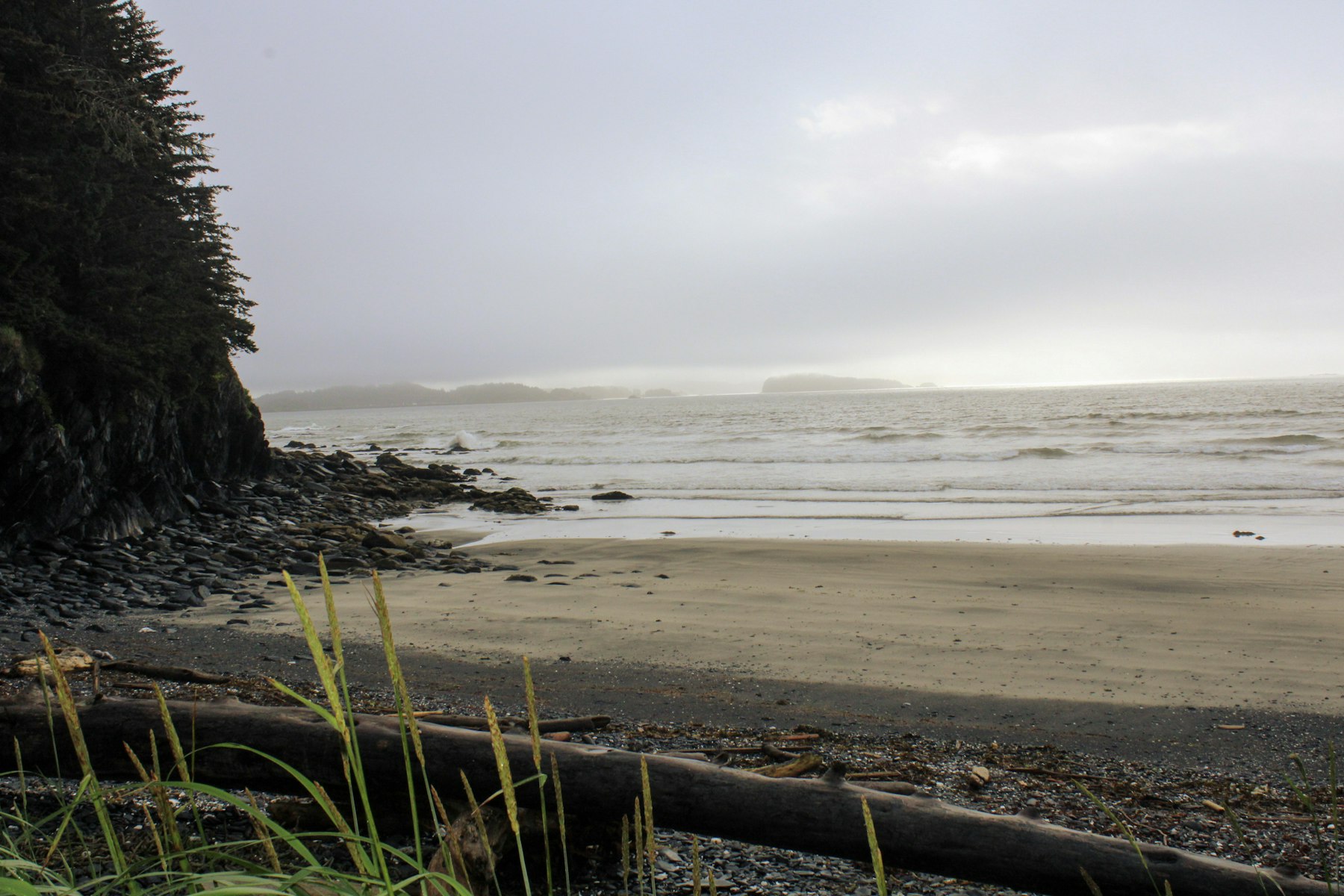
The Long Beach Peninsula
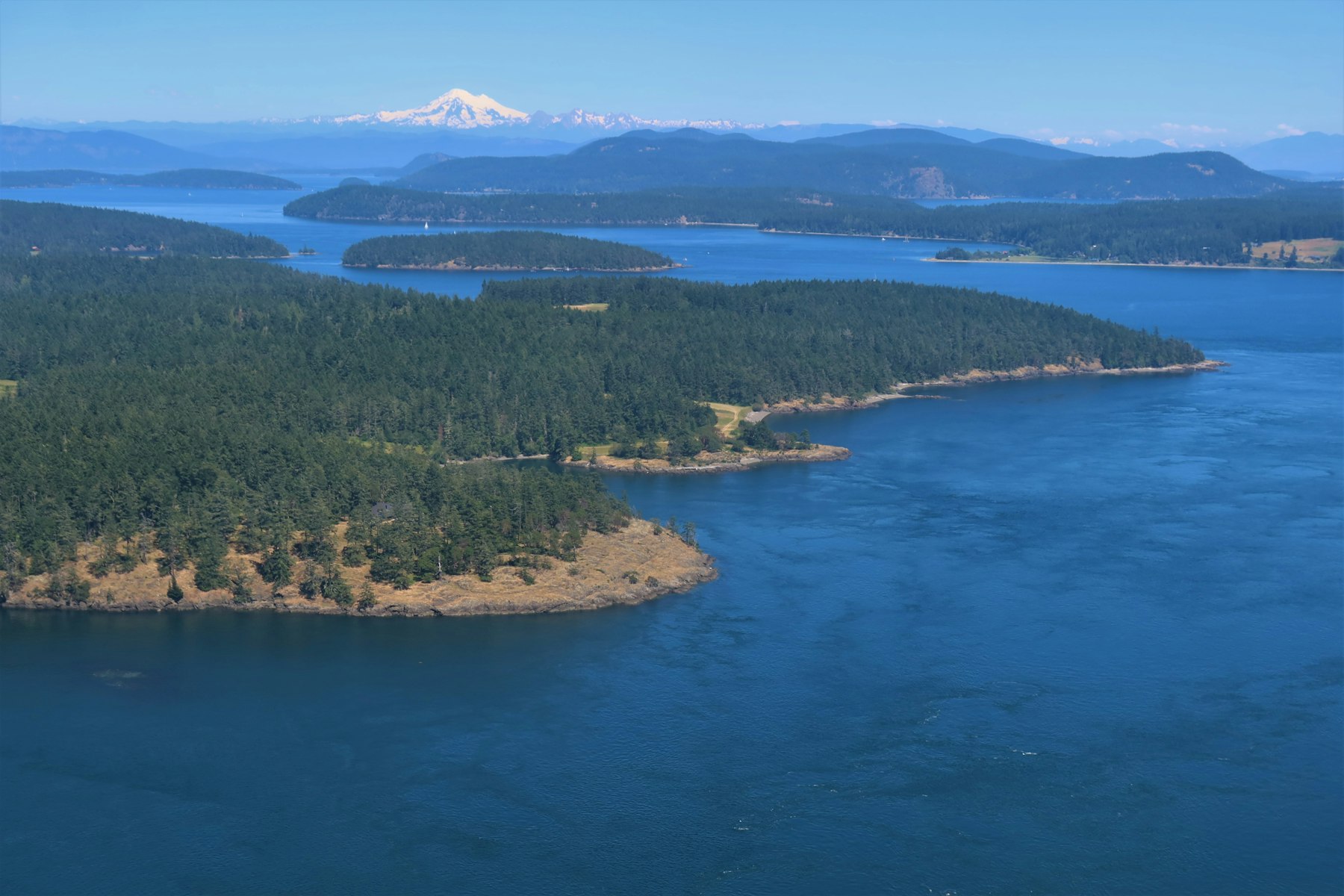
The San Juan Islands
Washington Is Salmon, Coffee and a Volcano
Coast Salish nations, a fish market that throws salmon, the company that put coffee on every corner, and a mountain that can be seen from the city on a clear day and is a volcano.
The Coast Salish were here first. The Suquamish Museum across the water from Seattle, the totem poles at Pioneer Square, and the Makah at Neah Bay on the far corner of the peninsula with a museum of a whaling village buried by a mudslide. Tell the children before the ferry.
Pike Place has been open since 1907. The fish throwing is a show and the market underneath it is real. The original Starbucks is a line and a photograph and the gum wall is the thing children want.
Boeing built the planes. The Future of Flight tour at Everett walks you over the biggest building in the world by volume, and the Museum of Flight at Boeing Field has a Concorde and a shuttle trainer you can sit in.
Rainier is an active volcano. More glacier than any peak in the lower 48, visible from Seattle on the clear days locals call the mountain being out, and St Helens down the road blew its top off in 1980. The visitor centre at Johnston Ridge tells it well.
Grunge, Nirvana and MoPOP. The Museum of Pop Culture under the Space Needle has the guitars, the Nirvana room and the sci fi hall. The one Seattle museum teenagers pick, and the Chihuly glass next door is the one small children pick.
What to Eat in Washington State
Seattle prices are San Francisco prices. Eat the fish and the fruit and skip the rest.
Salmon, thrown and then eaten. Watch it fly at Pike Place, then eat it with chairs at a place away from the market. Copper River salmon in early summer is the one worth the price.
Clam chowder at Ivar’s on the waterfront. Since 1938, a cup on the pier with the ferries going past, and fish and chips for the children. The Seattle lunch.
Cherries and apples east of the mountains. Wenatchee and Yakima grow most of the country’s apples. Roadside stands over the passes in summer and autumn, and a bag of Rainier cherries in July that disappears before Leavenworth.
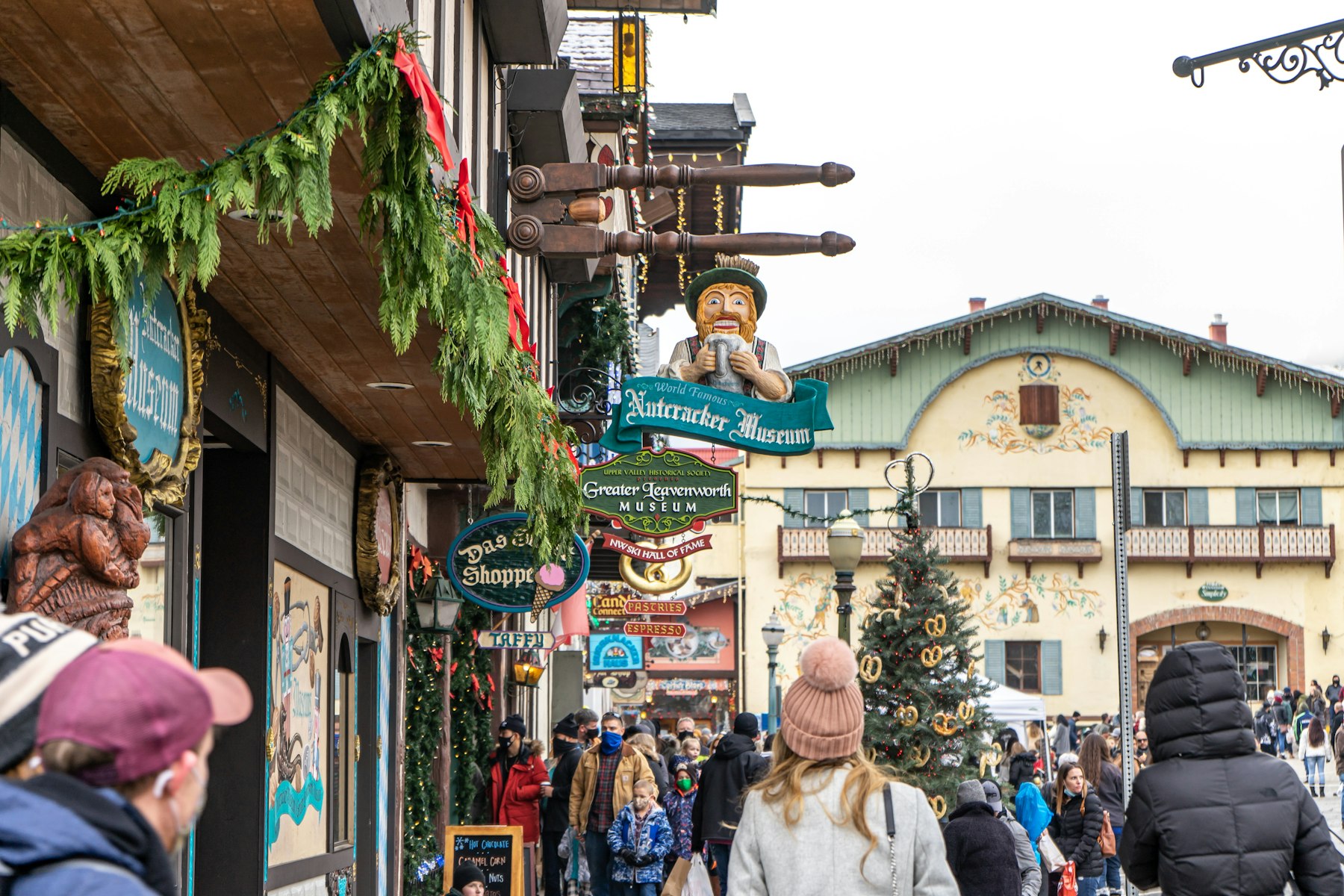
A bratwurst in Leavenworth. The Bavarian village does the sausage, the pretzel and the strudel properly enough, and children like the oompah band on the main street in summer.
Dungeness crab and geoduck. Crab from the coast, and a geoduck, the enormous clam that children will not believe is real, at the aquarium or on a menu in Olympia. Look it up before you order.
The Ferries Are Roads, Not Excursions
Washington State Ferries is the largest ferry system in the United States and it is part of the highway network. If you are going to the San Juan Islands, or across to the Olympic Peninsula the short way, you are getting on a boat with your car. Adam and I did the Port Townsend crossing in 2008 and it remains one of my favorite hours of that whole trip. Here is how it actually works.
Children and youth under the age of 19 travel free. That is not a typo and it is unusually generous. For a family of five with three children, only the two adults pay a passenger fare. Youth still need a free ticket at terminals with turnstiles, and those free youth tickets are valid for six hours, so collect them at the booth rather than assuming you can walk straight through.
Vehicle reservations exist on exactly two routes. Anacortes to the San Juan Islands, and Port Townsend to Coupeville. On everything else it is first come, first served in a line at the tollbooth. Reservations on those two are recommended rather than required, and in July and August I would treat recommended as required, because the alternative is watching two sailings leave without you.
Be in line at the tollbooth at least 20 minutes before the sailing, or 30 if you hold a reservation. That is the official guidance and it surprises people who assume a reservation means turn up later. It means the opposite. You line in the car, you show or buy the ticket at the booth, and staff wave you aboard.
Once you are on, get out of the car. You are allowed to leave the vehicle and you should, because the passenger decks are the entire point. Handbrake on, alarm off, then go up top. With children this converts a transfer into the best part of the day. You return to the car when the loudspeaker asks.
A 3 percent card surcharge started on 1 March 2026. State legislation directed the ferry system to recover payment processing costs, so a 3 percent cost recovery surcharge is now added to every ticket bought with a credit or debit card, in person, at a kiosk or online. It also applies to vehicle reservation no show fees. Small, but worth knowing before you feel overcharged at the booth.
I am not quoting you a fare, on purpose. Vehicle fares vary by route, vehicle length and season, and the system publishes them through a live fare calculator rather than a fixed table. A wrong number here would cost you real money at the booth, so check the current fare for your exact route and car length on the WSDOT site before you budget. What I can tell you is the shape: you pay for the car and driver, adult passengers on top, and the three children ride free.

Paradise at Rainier in August, when the snow has finally gone off the trails.
Money and Practical Basics
Washington is not a cheap state, and Seattle prices are closer to San Francisco than to the rest of the country. But several of the best things here are free or nearly free, which balances it if you plan around them.
Seattle CityPASS, worked out for a family of five. It is 139 dollars for an adult aged 13 and over and 119 dollars for a child aged 5 to 12, valid across a 9 day window, covering the Space Needle and the Seattle Aquarium plus your choice of three from Chihuly Garden and Glass, an Argosy harbour cruise, the Museum of Pop Culture, Woodland Park Zoo and Pacific Science Center. For our family, with Gavin now 13 and pricing as an adult, that is three adults and two children, so 655 dollars. Bought separately those same five attractions come to 264.37 per adult and 213.03 per child, which is 1,219.17. The pass saves us 564.17. It only works if you would do four or five of them, so count before you buy.
State parks need a Discover Pass, and it is separate from everything federal. Deception Pass, Cape Disappointment and the rest are state parks, not national parks, so a national park pass does not get you in. It is a per vehicle pass sold as a day permit or an annual, and it also covers Department of Natural Resources and Fish and Wildlife land. Buy it before you turn up at a trailhead with no signal.
North Cascades National Park charges no entrance fee at all. None. It sits between two parks charging 30 dollars a vehicle and it is one of the least visited national parks in the country, which is a strange and wonderful combination. Backcountry camping permits are 10 dollars per person with youth 15 and under free, plus a 6 dollar non refundable fee, and developed campgrounds run about 20 to 24 dollars a night.
You need a car, and you should accept that early. Seattle itself works on foot and light rail, and the airport link into downtown is easy. Everything in this guide outside Seattle needs a vehicle. There is no useful train to Rainier, the Olympic Peninsula or the Cascades.
Fill the tank before the peninsula and before the passes. On the west side of the Olympics and along State Route 20 the gaps between towns are long, stations close early, and mobile signal disappears for stretches. This is the most common way a good day goes wrong here.
The Rain Is Real, But It Is Seasonal
The reputation is half deserved and it costs Washington a lot of summer visitors who would have loved it. The wet reputation comes from October through May. Summer here is dry, and July and August in Seattle are as reliable as anywhere I send families. The trick is knowing that the state has two entirely different climates with a mountain range between them.
July and August are the dry months
This is the window. Long daylight, warm afternoons, and the alpine trails finally clear of snow. It is also the busy season and the expensive one, and it is when the ferry lines are longest.
The rain is a drizzle, not a downpour
Outside the rainforest, Seattle rain is usually light and persistent rather than dramatic. Locals do not carry umbrellas. A hood and a waterproof coat handle nine months of the year, and it almost never stops anyone doing anything.
East of the Cascades is dry, and people forget
Spokane, Wenatchee and the Leavenworth side sit in the rain shadow. Hot summers, cold snowy winters, and far more sun than Seattle. It is close to a desert in places, which is not what anybody pictures.
September is the quiet answer. The crowds drop off after the American Labor Day weekend, the weather usually holds for another few weeks, and prices soften. If your children are not yet school age, or you can travel outside the standard trips, this is the month I would pick.
Winter closes real things, so check before you commit. The North Cascades Highway, State Route 20, closes over the winter across the high section and reopens in spring, with the date announced each year by the state depending on avalanche conditions. Hurricane Ridge drops to a Friday to Sunday plus trip Monday schedule. Sunrise at Rainier is shut. A winter Washington trip is a lovely thing but it is a different trip, not the same one in the cold.
Leavenworth in December is a real event and it books out. The village lights the whole town and it draws people from across the region. If that is the trip you want, book accommodation months ahead, and be honest with yourself about driving a mountain pass in winter to get there.
The Washington State International Kite Festival runs 17 to 23 August at Long Beach. If you are anywhere near the southwest coast that week it is worth the detour, and it is the sort of thing children remember more than a museum. Book a room early, because the peninsula is small.
How Many Days & First-Trip Routing
How many days for Olympic National Park? Four or five to loop the peninsula and see the mountains, the rainforest and the coast.
Two days from Seattle gets Hurricane Ridge and Lake Crescent only.
The lodges inside the park book early and Port Angeles and Forks have motels.
Olympic Is Three Parks Wearing One Name
This is the single biggest planning mistake people make in Washington. They see one green shape on the map, book two nights, and then discover that the rainforest, the coast and the alpine ridge are hours apart with a mountain range in the middle. Olympic National Park covers nearly a million acres and protects glacier capped mountains, old growth temperate rainforest and over 70 miles of wild coastline. There is no road through the middle. You drive around the outside on Highway 101.
The rainforest is the Hoh, and it is a long way from anywhere. The Hoh Rain Forest is about a two hour drive from Port Angeles and just under an hour from Forks. It averages 140 inches of precipitation a year, which is why it looks the way it looks. The Hall of Mosses loop is 0.8 miles, the Spruce Nature Trail is 1.2 miles, and the Hoh River Trail runs out as far as 18.5 miles if you have older children and a full day.
The alpine part is Hurricane Ridge, 17 miles south of Port Angeles. It is the one place you can drive up into the mountains, and on a clear day you look straight across at the peaks. Two warnings. The day lodge was destroyed by fire and is gone, so plan for no indoor facilities. And in winter the road is scheduled to open only Friday through Sunday plus trip Mondays, weather permitting, with all vehicles required to carry tire chains.
The coast is a separate strip entirely, and it is the part people underrate. Sea stacks, driftwood the size of telephone poles, tide pools and fog. It is not a swimming beach and nobody should arrive in a swimsuit. Check a tide table before you go down to any of it, because the difference between a wide beach and no beach at all is a few hours.
Entry is 30 dollars per vehicle and it lasts seven consecutive days. On foot or by bicycle it is 15 dollars per person for anyone at least 16 years old, and children 15 and under are free. An Olympic annual pass is 55 dollars and pays for itself the moment you would have bought a second vehicle entry. Given how spread out the park is, that seven day window is the point. You will be entering more than once.
Plan it as a loop, not a base. The honest minimum is three nights and I would rather you took four. A workable shape is two nights on the north side for Hurricane Ridge and Lake Crescent, then move to the west side for the Hoh and the beaches. Trying to do the Hoh as a day trip from Port Angeles means four hours in the car to walk a 0.8 mile loop.
Mount Rainier, And The Reservation Question
Rainier is an active volcano with more glacier on it than any other peak in the lower 48, and it is close enough to Seattle that people treat it as a day trip. It can be one. It is better as two nights. The question I get asked most right now is about timed entry reservations, because the park trialled one and half the internet still says they are required.
As things stand for 2026, timed entry reservations are not required anywhere in Mount Rainier National Park. The park ran a timed entry pilot in recent summers for the Paradise and Sunrise corridors, and a lot of older articles still describe it as current. The park’s own fee page states plainly that reservations are not required anywhere in the park. This is the kind of rule that has come and gone before, so check the park website in the fortnight before you travel rather than trusting any guide, including this one.
Entry is 30 dollars per vehicle for seven consecutive days, or 15 dollars per person on foot. An annual pass for the park is 55 dollars. If you are also doing Olympic in the same trip, do the arithmetic on the America the Beautiful annual pass instead, because two vehicle entries plus anything else gets you close.
Every vehicle must carry tire chains inside the park from 1 November to 1 May. Not chains on the tires, chains in the boot, regardless of what you are driving or how clear the sky is. This is the rule Adam and I sailed past in 2008 without understanding it, on a road where the snow banks were taller than the car. Rental cars do not come with chains. You buy or hire them before you drive up.
Roads here close, and not only for snow. Paradise is the year round side, reached through the Nisqually entrance via Longmire, though even that stretch can shut at any time in bad weather. Sunrise is seasonal and much later to open. As I write this in August 2026, Sunrise Road and the White River road are both closed because of the Grand Park 2 Fire. Fire closures are now a normal part of a Washington summer and they change week to week, so check road status the morning you drive.
Late July into August is the window, and it is narrow. Paradise sits high enough that snow lingers into summer. Come in June expecting alpine meadows and you will find snowfields. The wildflower bloom is worth building the trip around, and it is also the busiest fortnight of the year, so arrive before nine or after three.
Good news that almost nobody has written up for international families. From 1 January 2026 international visitors aged 16 and over pay an extra 100 dollars per person at eleven named national parks, on top of the normal entrance fee, and the non resident annual pass went from 80 dollars to 250 while US residents still pay 80. Photo ID is checked at the gate. Not one of those eleven parks is in Washington. Rainier, Olympic and North Cascades all sit outside that list, and both Rainier and Olympic still publish the ordinary 30 dollar vehicle fee with no surcharge attached. For a family flying in from abroad that is a meaningful saving against a Yellowstone or Grand Canyon itinerary.
One fourth grader cancels the entrance fee at both parks for your whole car, for the whole school year. It is a federal program, it costs nothing, and most families have never heard of it. everykidoutdoors.gov.

The San Juans. The ferry is the event and the whales are the splurge.
Regions at a Glance
Seattle and Puget Sound
Pike Place, the Space Needle, the aquarium, Tacoma where we lived, and the ferries in every direction. The base for the first three nights.
The San Juan Islands
Friday Harbor, Orcas Island and the whales. A ferry with the car on it and the splurge worth keeping.
Rainier and the Cascades
Paradise, Sunrise, the North Cascades Highway and Leavenworth. Mountains, meadows and a volcano, with reservations and snow chains.
The Olympic Peninsula and the Coast
The Hoh rainforest, Hurricane Ridge, Rialto and Ruby Beach, Port Townsend and Highway 101. Three parks in one and a separate week.
Must See and Do
Six things, named specifically, with what they cost where a cost exists. If you take only six lines off this page, take these.

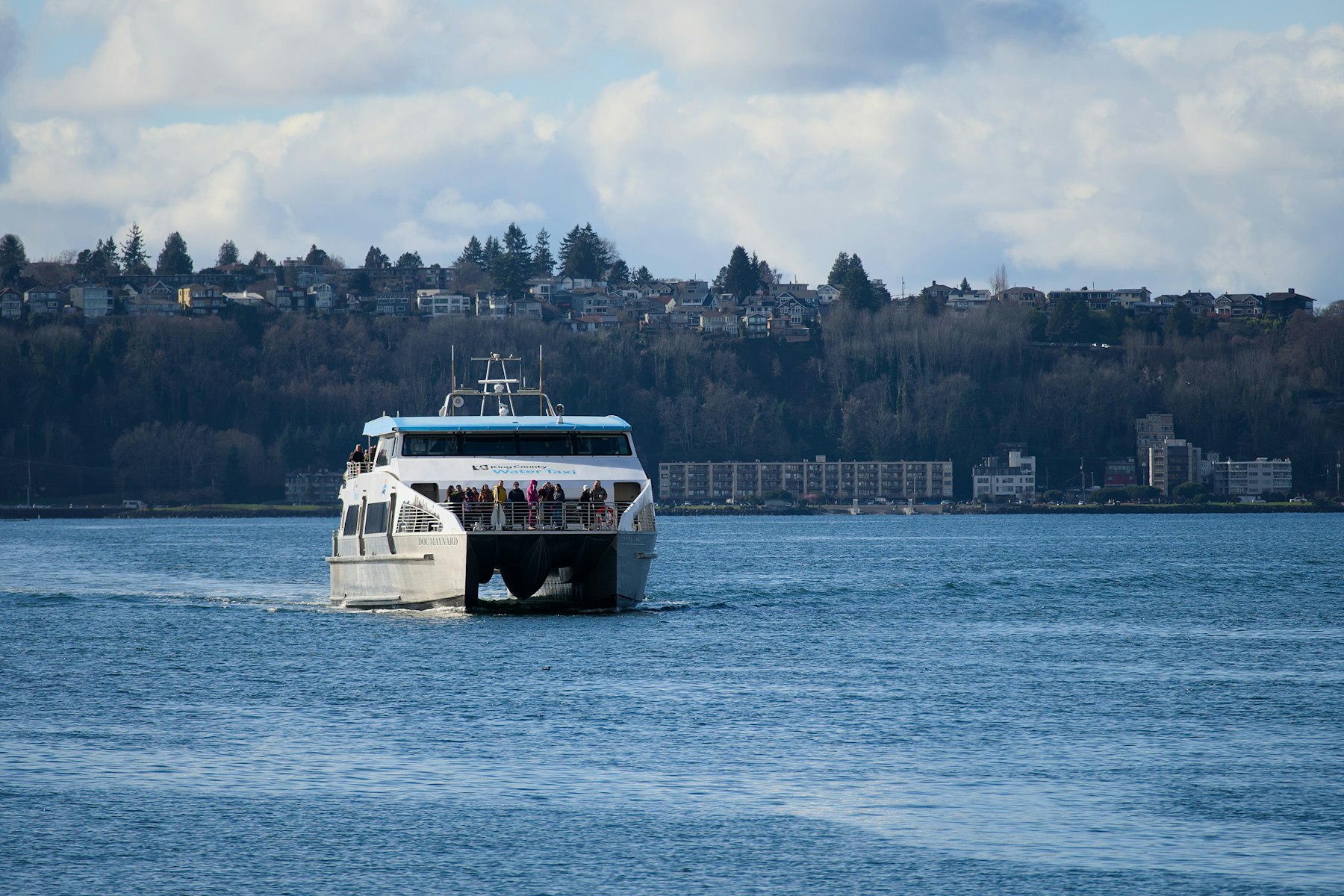



A ferry crossing in front of downtown Seattle. This is not a tourist cruise, it is the way people get to work, and that is exactly why riding one is the cheapest good hour you will spend in this state
Doing It With Children
What follows is what I would do, built from the trip Adam and I took and from the families I book into the Pacific Northwest every year. The single biggest lever is drive time, and Washington punishes you for underestimating it.
Two bases, not five. One week, one base for Seattle and the islands, one base for either Rainier or the peninsula. Every family who tries to add the fourth base ends up spending the week in the car. The distances here look small on a map that does not show mountains.
Short trails are the whole point, and Washington is generous with them. Hall of Mosses at 0.8 miles, the Spruce Nature Trail at 1.2. These are not consolation prizes for families, they run through the best scenery in the park. Do not let anyone talk you into an 18 mile trail because it sounds more serious.
Pack layers and one properly waterproof coat each, even in August. Hurricane Ridge and Paradise are cold when Seattle is warm, and the coast is windy when both are calm. Cotton is the wrong choice. This is the one packing note I would not skip.
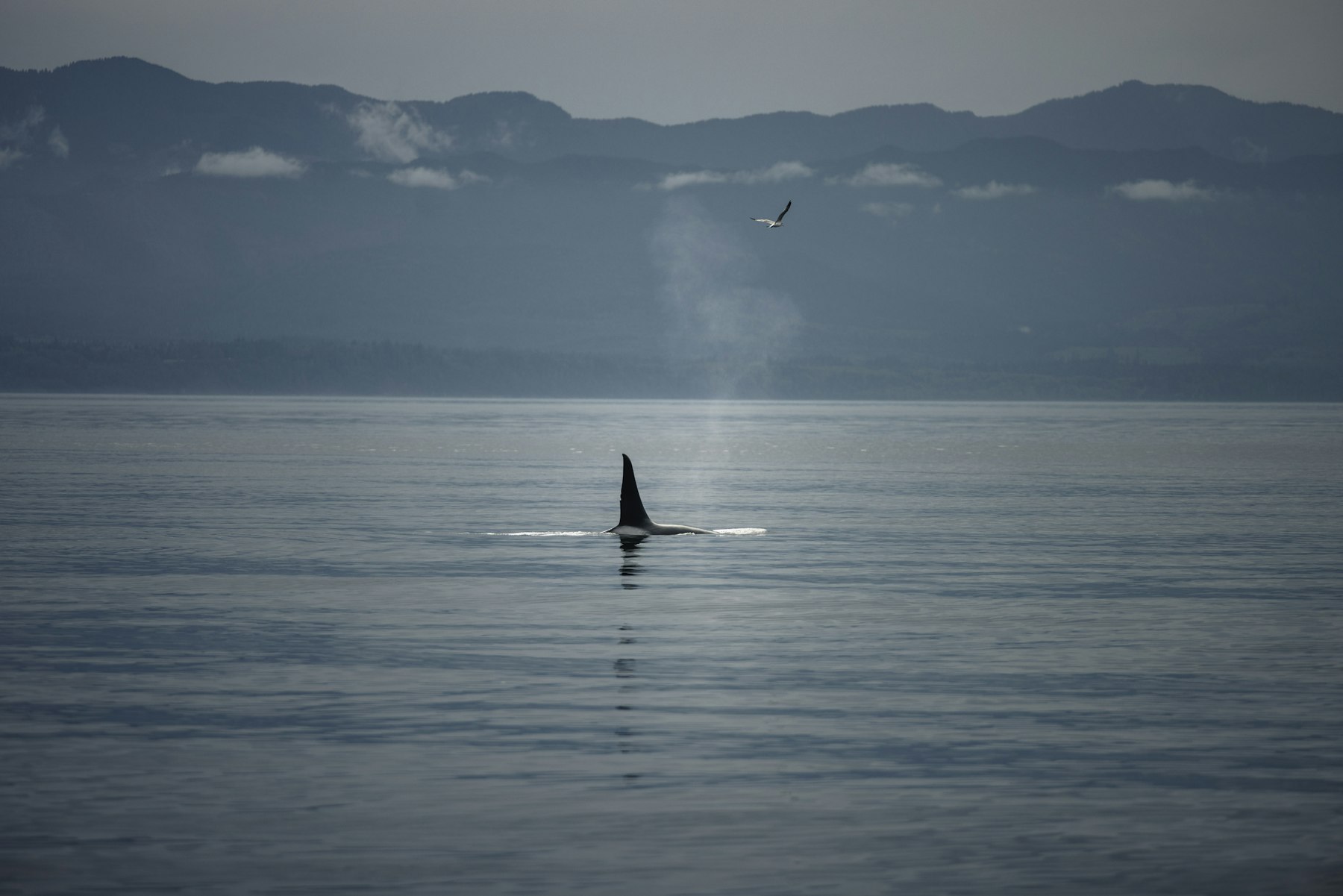
Whale watching is the memory, so put it early in the trip. Sightings are not guaranteed, and putting the boat on day two rather than day six leaves room to try again if the weather turns. Operators run out of Friday Harbor and Anacortes through the summer.
Facilities in the parks are thinner than families expect. The Hurricane Ridge day lodge burned down and has not been replaced. On the Olympic coast and in the Hoh you should assume no food, no shop, and patchy toilets. Carry lunch, water and a spare set of clothes for whoever finds the tide pool.
Use the ferry as the day’s entertainment. Because under 19 rides free and you can leave the car, a crossing is close to free fun with a view. When Adam and I crossed to Port Townsend it was the part of the day I remember clearest, and we were two adults with no plan. With children it is even better value.

The Olympic coast at low tide. Over 70 miles of it is protected, there is no road along most of it, and the sea stacks are the reason people who came for the rainforest end up staying on the beach
Who It Suits, And Who Should Skip It
A family vacation in Washington State is a strong yes for some people and a clear no for others, and I would rather talk the wrong family out of a destination than sell them a week they resent. The split is unusually clean.
Families who like being outside in weather. If your children are happy on a beach in a coat, poking a tide pool in a drizzle, this state is close to perfect and it is far less crowded than the southwest parks.
Anyone who wants national parks without the 2026 international surcharge. Rainier, Olympic and North Cascades are all outside the eleven park list, so an overseas family of five saves several hundred dollars against the equivalent Utah or Wyoming trip.
Mixed age groups. The 0.8 mile loops work for a nine year old and the 18 mile trail works for a thirteen year old, often from the same parking lot. Seattle gives teenagers a city, and the ferries entertain everyone.
Anyone whose picture of a trip is swimming. The Pacific here is cold enough to be unsafe for long, and the beaches are for walking and looking. If your family measures a trip in pool hours, go somewhere else.
Short trips of three or four days. The driving eats a short trip alive. With four days I would do Seattle and one island and nothing else, and most people booking four days want the whole state.
Anyone who will not carry chains or check road status. Between November and May this state asks something of drivers. If that sounds like a chore rather than part of it, come in August or go elsewhere.
Worth the Money in Washington State
An expensive state where the best things are free or nearly free. Spend it on the boat and the mountain.
A whale watching trip from Friday Harbor or Anacortes. Orcas in July and August, humpbacks around them. Book ahead, bring layers, and the one ticket every family should keep.
Paradise Inn or the National Park Inn at Rainier. Sleeping inside the park means the meadows at dawn before the day crowd and the reservation question solved. Both book out the day the window opens.
Seattle CityPASS if you will really do four. About 139 an adult and 119 a child for the Space Needle, the aquarium and three more. It saves real money and only if you use it. Count before you buy.
A cabin on Orcas or San Juan Island for three nights. The ferry with the car, a lake to swim, Mount Constitution for the view, and the whales from the shore at Lime Kiln Point for free.
What Surprises First Timers
The things people email me about afterwards, in the order they come up.
That Washington State and Washington DC are constantly confused, including by booking systems. They are about 2,700 miles apart on opposite coasts. Airport codes catch people out, and so do hotel searches that quietly show the wrong coast. If you meant the monuments and the Smithsonian, that guide is here. If you meant rainforest and volcanoes, you are on the right page. When you book anything, look for SEA for Seattle rather than a DC airport.
That the mountain is not always visible. Rainier is enormous and it hides for days at a time behind cloud. Locals say the mountain is out when it appears. Do not build a single day around a view, build in two chances.
That a ferry line is a real line. Missing a sailing in summer can cost you two hours, and there is no way around it because the water is the road. This is the one part of a Washington itinerary that cannot be made up later.
That crossing the Cascades changes the weather completely. You can leave Seattle in cloud and be in dry heat at Wenatchee two hours later. Adam and I drove that transition in one day in 2008 and it did not feel like the same state.
How it compares to its neighbors. Oregon has a similar coast with fewer people and no ferry system. British Columbia is close enough that families often add Vancouver or Victoria, and that means passports and a border crossing, so decide early. Against California, Washington is greener, cooler, far less crowded and much shorter on guaranteed sunshine. Against Alaska, it is the same landscape logic at a fraction of the cost, which is why so many Alaska cruises leave from Seattle in the first place.
That mobile signal disappears more than they expect. Large parts of the Olympic Peninsula, the North Cascades Highway and the approaches to Rainier have no coverage. Download offline maps before you leave the city. Not a suggestion.
Where I Would Start
Five people, the first two weeks of August, one week and two bases.
Three nights in Seattle, no car. Pike Place and the fish, the Space Needle and Chihuly on the pass, the aquarium, Ivar’s on the pier, the light rail from the airport. A water taxi to West Seattle for the skyline.
The ferry to the San Juans with a car. Pick the car up on the way to Anacortes, the ferry to Friday Harbor, two nights, a whale trip booked ahead, Lime Kiln Point at dusk. Children under nineteen ride free.
Two nights at Rainier. Paradise meadows in the wildflowers, the Skyline Trail as far as legs allow, the timed entry checked before you go, and thirty dollars a car for the week.
Olympic is the second trip. The Hoh, the coast and Hurricane Ridge are three parks wearing one name and need their own week. Back to Seattle for the flight, or Leavenworth for a night if the passes are open.
Washington State by the numbers
Facts to know before you go
Ways to travel
Washington State is not one kind of trip
How you move through it changes the trip more than which places you pick.
Ferries and cruising
Washington State Ferries is part of the highway network, children under nineteen ride free, and Seattle is the biggest Alaska cruise port on the west coast.
For example: the ferry to Friday Harbor with the car, or two Seattle nights before an Alaska sailing.Road trips
Highway 101 around the Olympic Peninsula and the North Cascades Highway are two of the great drives in the country, and both need a full tank and a check on the pass.
For example: Highway 101 around the peninsula over four days with the Hoh in the middle.Walking and hiking
The Hall of Mosses, the Skyline Trail at Paradise, Hurricane Ridge and the beach at Rialto. Short trails with enormous payoffs, and layers in August.
For example: the Hall of Mosses loop in the Hoh, 0.8 miles.Guided and small group travel
A whale watching boat from the San Juans, a Boeing factory tour, and a ranger walk at Paradise. The guided hours are where the orcas and the planes are.
For example: a whale watching trip out of Friday Harbor in July.Explore by interest
What families come to Washington State for

Sports
Seahawks and Mariners
The Seahawks at the loudest stadium in football, the Mariners on the waterfront, the Kraken on the ice, and the Sounders with the best crowd in the league.

History
Coast Salish to Boeing
The Suquamish and the Makah, a market open since 1907, the planes built at Everett, and a mountain that blew up in 1980.

Food and drink
Salmon, cherries and coffee
Salmon thrown at Pike Place, chowder on the pier, Rainier cherries over the passes, and the coffee company that started here.

Nature
Rainforest, volcano and islands
The Hoh rainforest, Rainier’s meadows, the North Cascades with no entrance fee, and orcas off the San Juans.
Only In Washington State
Only in Washington State

Read
A Market Older Than Most Cities Realize
Pike Place has been running continuously since 1907. The fish throwing at the main stand happens for real, all day, camera or no camera.Photo via Unsplash.

Watch
Sleepless In Seattle
The Space Needle was built for a World’s Fair that ended in 1962, and it’s still the skyline’s defining shape more than sixty years later.Photo via Unsplash.

From Here
A Mountain You Can See From The City
Mount Rainier is the most heavily glaciated peak in the lower 48 states, and locals still say “the mountain is out” on the rare clear days you can see it from downtown.Photo via Unsplash.

Only Here
A Rainforest In The Continental US
The Hoh gets over 140 inches of rain a year, enough to cover every tree in thick moss. It doesn’t feel like anywhere else in the country.Photo via Unsplash.
Combine It With
The country guide this page sits under. Entry rules, driving, tipping, and how the national park passes and the 2026 international surcharge actually work.
The other Washington, 2,700 miles away on the Atlantic side. Completely different trip, constantly confused with this one in search. Monuments, museums and the Smithsonian.
The natural next step, and most Alaska cruises sail out of Seattle. Same glaciers and whales, bigger scale, considerably more money.

Plan Washington State with Nicole
Tell me who is coming, and when.
Washington is one week, two bases and a ferry treated as an event. I lived here and I book it every year. Send me the ages and the dates and I will tell you which corner, Rainier or the peninsula, and when the whale boats are running.
Nicole Damiano, ASTA Verified Travel Advisor with FG Luxury Travel. Adventures We Seek is my travel blog and planning resource. Trips are booked through Favorite Grampy Travels.
Washington State, Answered
How many days for Olympic National Park? Four or five to loop the peninsula and see the mountains, the rainforest and the coast. Two days from Seattle gets Hurricane Ridge and Lake Crescent only. The lodges inside the park book early and Port Angeles and Forks have motels.
Seattle or the mountains? Seattle is three days of market, needle, ferries and museums. Then pick one: Olympic for variety, Rainier for the meadows and the mountain, the San Juans for orcas. A week does the city and one of those well.
When is the best time? July through September, when the rain stops and the mountains come out. Rainier’s wildflowers peak in late July and August. The San Juan orcas are most reliable from May to September. Winter is grey, wet and cheap, with skiing at Crystal and Stevens Pass.
Do we need timed entry at Rainier? In summer, yes, for the Paradise and Sunrise corridors. Book ahead online. Early morning and late afternoon slots are the calmest, and the mountain is clearest in the morning.
Is Forks worth a stop? For the family with a teen who read the vampire books, yes, for the photo and the small museum. For everyone else it is the town with the motels and the diner closest to Rialto Beach and the Hoh Rainforest, which is reason enough.
Keep exploring from Washington
The rest of the states, and the wider map.
Click any card to open that page
More of the United States
 Montana
 South Carolina
 Louisiana
 Alaska
 Massachusetts
 Oregon
 Wyoming
 Maine
Maine Texas
Texas New York City
 Illinois
 Nevada
 Washington, D.C.
 North Carolina
 Hawaii
 Georgia
 Tennessee
 Arizona
 Colorado
 Utah
Utah California
 Florida
 All of the United States
 All of North America
 Explore the world
 The Travel Library