
This is what people picture when they say Fiji, and for once the picture is accurate. What the picture does not tell you is which island it is on, and that is the whole decision
Fiji Family Travel Guide
“Families do not choose Fiji for the beaches. There are better beaches closer to home. They choose it because it is one of the very few places on earth where the whole culture is delighted to see your children.”
Nicole Damiano, ASTA Verified Travel Advisor with FG Luxury Travel
Do we need a visa?
No. Passport with six months left and a return ticket. US citizens get up to four months on arrival.
Which resort area?
Coral Coast for value and a real kids' club. Denarau for the shortest transfer from Nadi and the biggest resorts. The Mamanuca islands for the water everyone pictures, a boat ride away. I match the resort to the ages, so tell me those first.
Are the kids' clubs really free?
At most of the big family resorts, yes, and some include a nanny for under fives. This is the thing families book Fiji for, and it is why a week there can be calmer than a week anywhere else in the Pacific.
How long is the flight?
About eleven hours from Los Angeles, overnight, and you arrive early morning. Book a hotel that lets you check in early or you will have a very long first day.
When is cyclone season?
November through April. May through October is dry, cooler and the window I book. School holiday weeks in June and July fill first.
Nicole’s Perspective
Why families hire me for Fiji

What families book Fiji for is almost never the beaches. It is that Fiji is one of a very small number of countries where children are treated as a joy rather than a complication, and where the resorts have built entire operations around that.
The word people learn on day one is bula. It is hello, it is welcome, it is how are you, and staff will say it to your kids about four hundred times a day and mean it every time. Fijian culture is child centered in a way that is difficult to explain until you are in it, and for parents who have spent years apologising for their children in restaurants, that lands hard.
The other reason to book Fiji is more practical, and it is the one I push hardest. Nadi sits on the flight path between the US and both Australia and New Zealand. Almost nobody should fly to Fiji and only Fiji. Almost everybody flying that far should stop in it.
Beyond the Bookshelf
Stories to carry you deeper into Fiji. Islands, reefs and real voices, here is what to read, watch, listen to and cook before you go.

- The Wounded SeaSatendra Nandan
- Tales of the TikongsEpeli Hauʻofa
- My Ocean Home FijiPenelope Casey
- Kana VinakaColin Chung
- Lonely Planet Fiji
- Ratu Sir Lala Sukuna
- Ratu Sir Kamisese Mara
As an Amazon/Bookshop/affiliate partner, we may earn from qualifying purchases.
Why this country, for this family
Why Families Choose Fiji
 Poppy marks the family parts. Wherever you see her, that section is written for traveling with children.
The brochure says beaches. The real answer is childcare, and nobody says it out loud.
Free kids clubs are standard, not a luxury add on.At a great many Fijian family resorts the kids club is included in the rate, runs most of the day, and is staffed by people who are good at it. In most of the world you pay per hour for that. Here it is part of the deal, and it is the single biggest reason a Fiji week costs less in real terms than it looks.
Some resorts include a nanny.A handful of the family focused properties assign a nanny per family at no extra charge. For parents of small children this is the difference between a trip and simply parenting somewhere hotter.
Kids eat free is common.Many properties include children’s meals in the rate. Check what age the cut off is, because it varies wildly and it is the number that decides if your twelve year old is a child or an adult.
The culture is the product.Staff learn your children’s names on day one and use them all week. Fijians are not performing warmth at children, they simply like them. Families notice this within about an hour of landing and talk about it for years.
Which means the adults only resorts are a trap.Fiji also has a large luxury adults only market, and some of the most beautiful properties in the country will not take children at all or only in certain months. Filter for that before you fall in love with a photo.

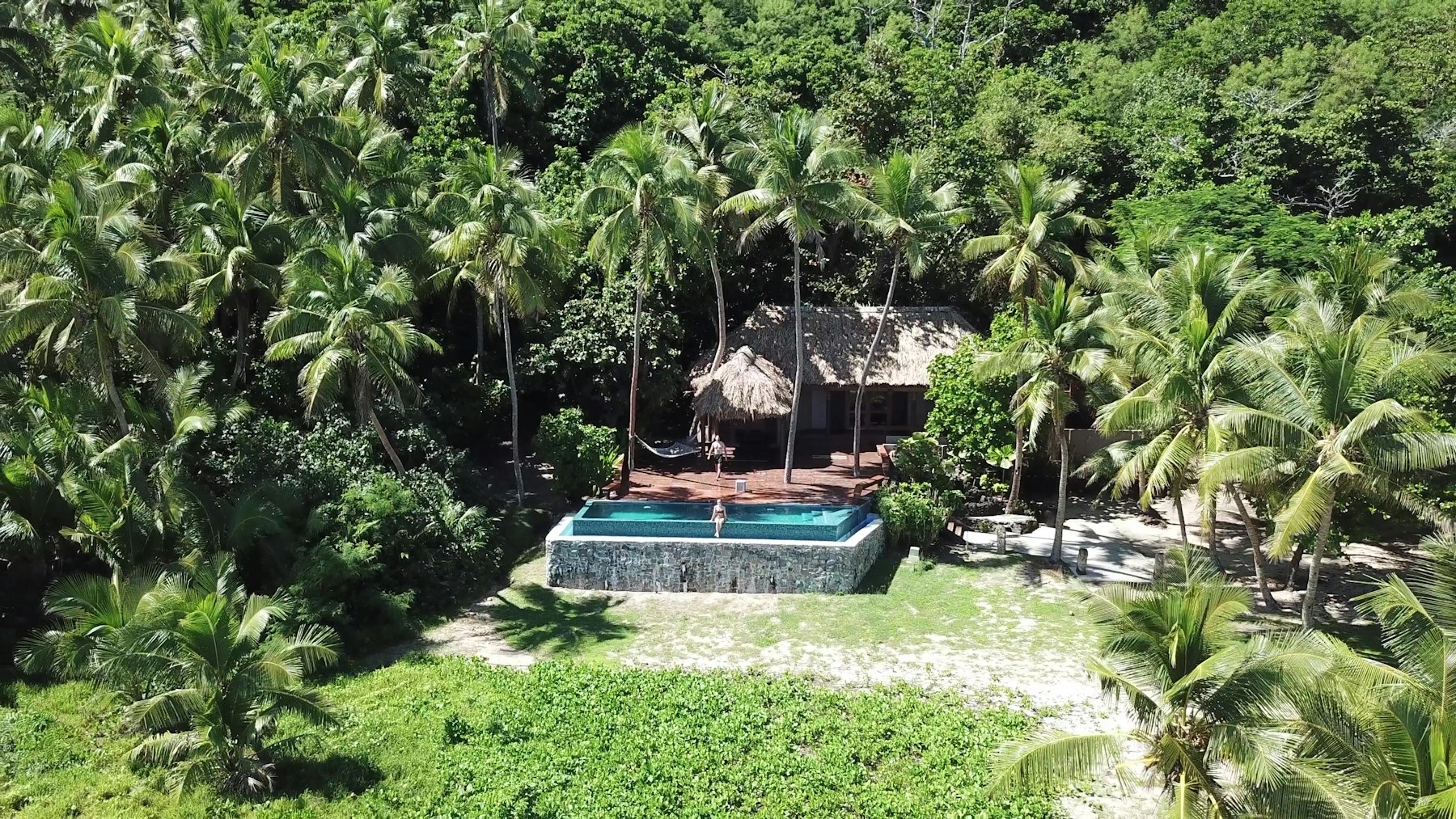
This is the Coral Coast and Denarau version of Fiji. A pool, a kids club, a beach, and a road you can drive out on. It is the sensible first trip and there is no shame in it
The map
Fiji Place by Place
Fiji is over three hundred islands and about a hundred of them are inhabited. These are the eight names you will actually see when you start booking.


Anthem Meda Dau Doka, God bless Fiji, to the tune of an old hymn. Language and money Fijian, Hindi and English, and English is everywhere. The Fijian dollar.
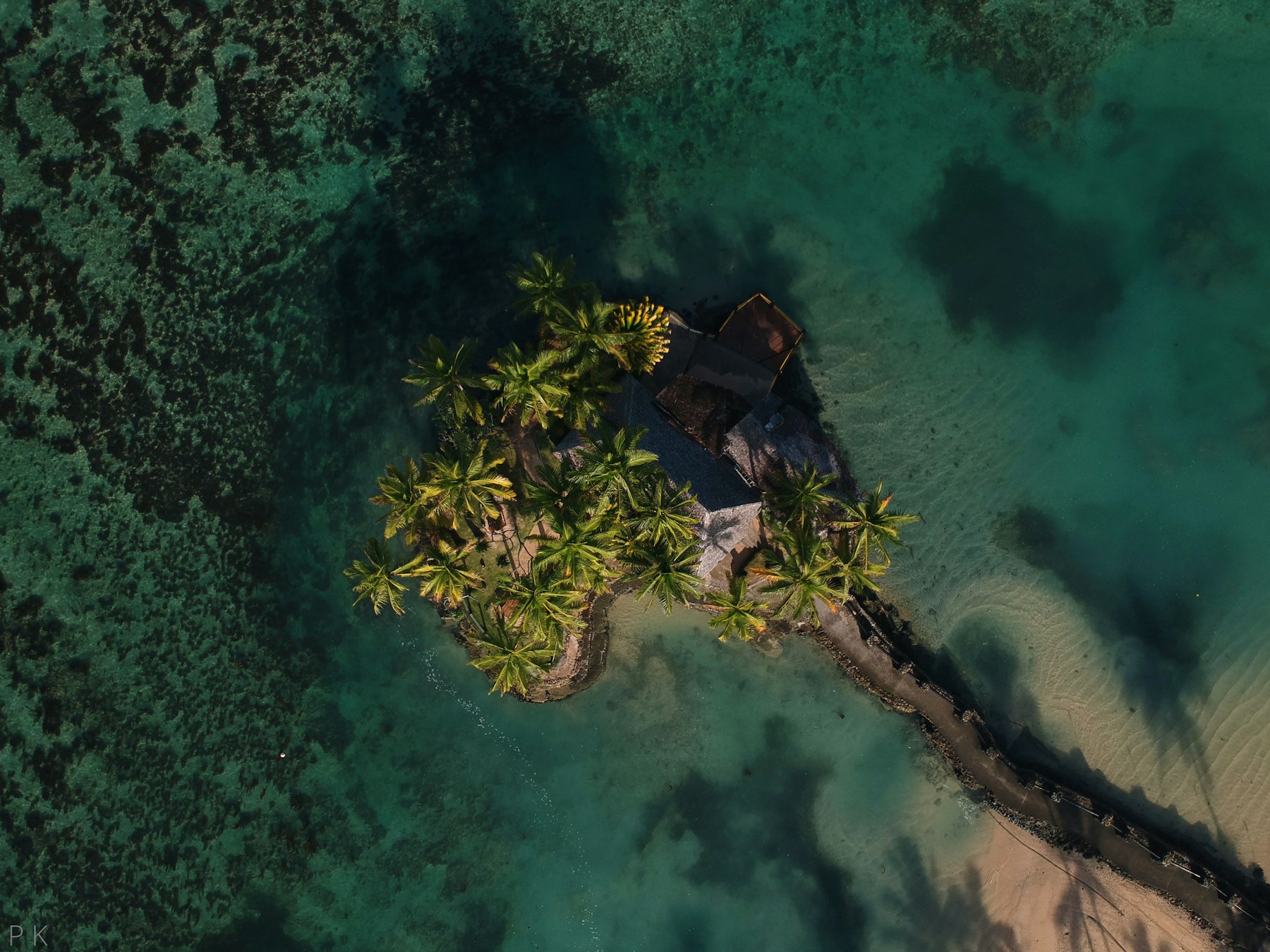
Coral Coast
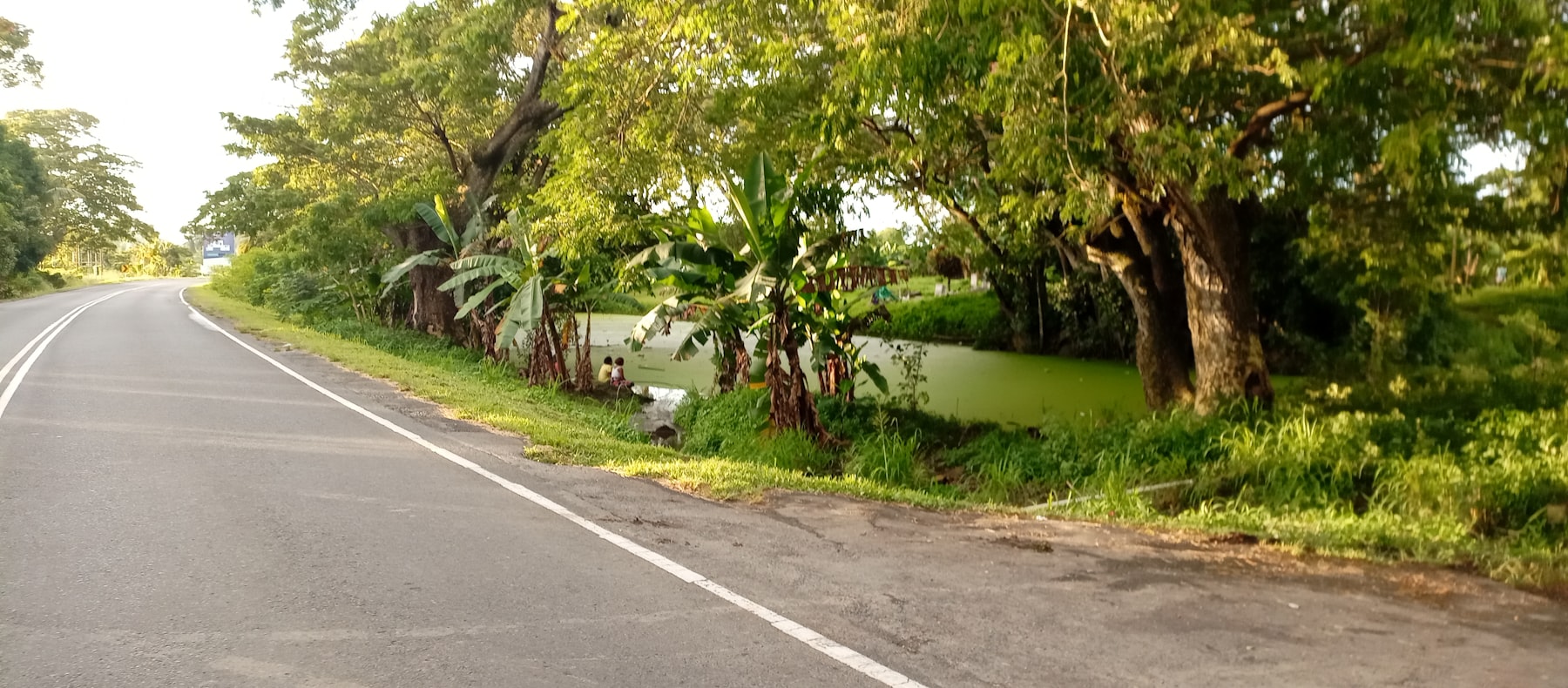
Denarau
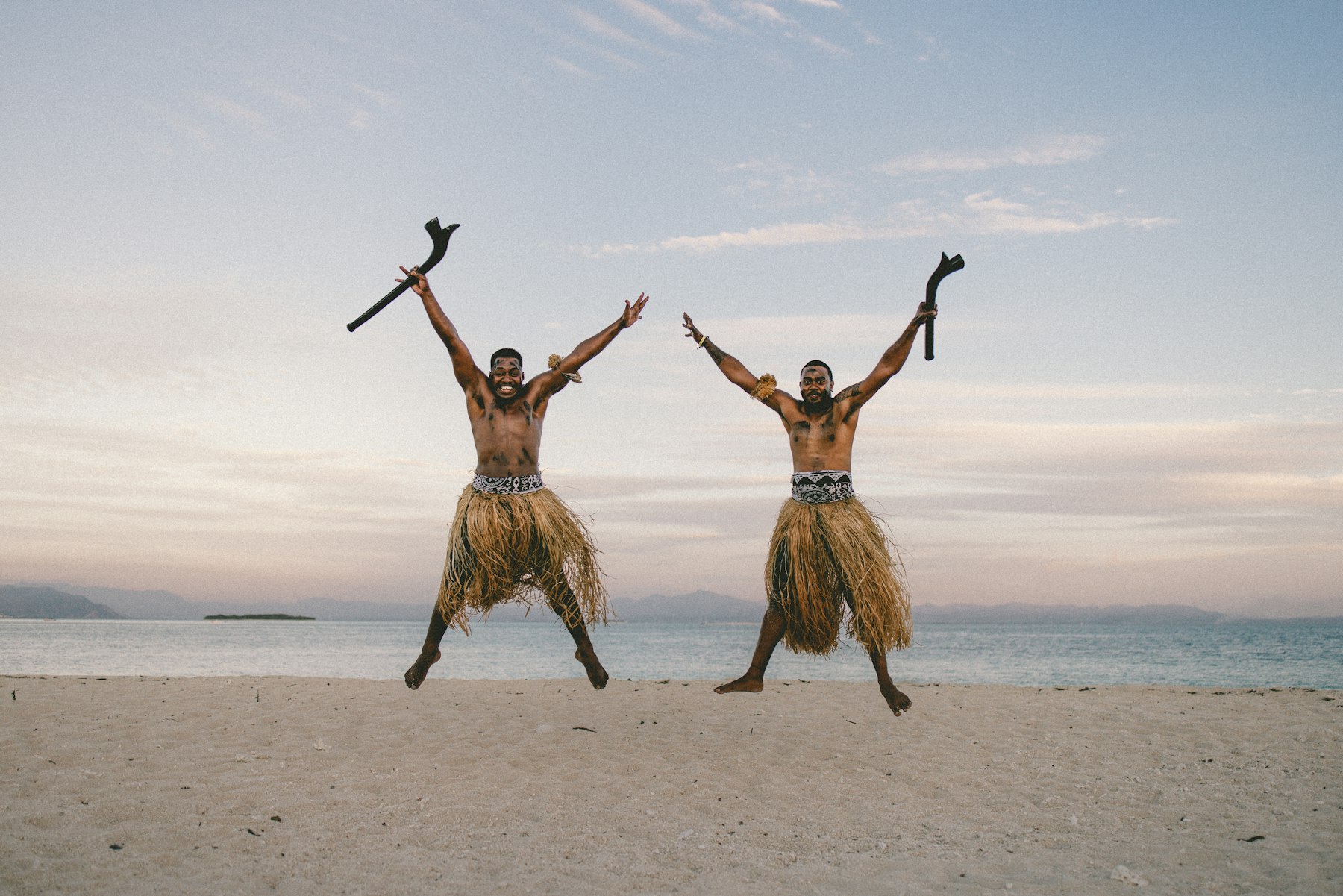
Mamanuca Islands
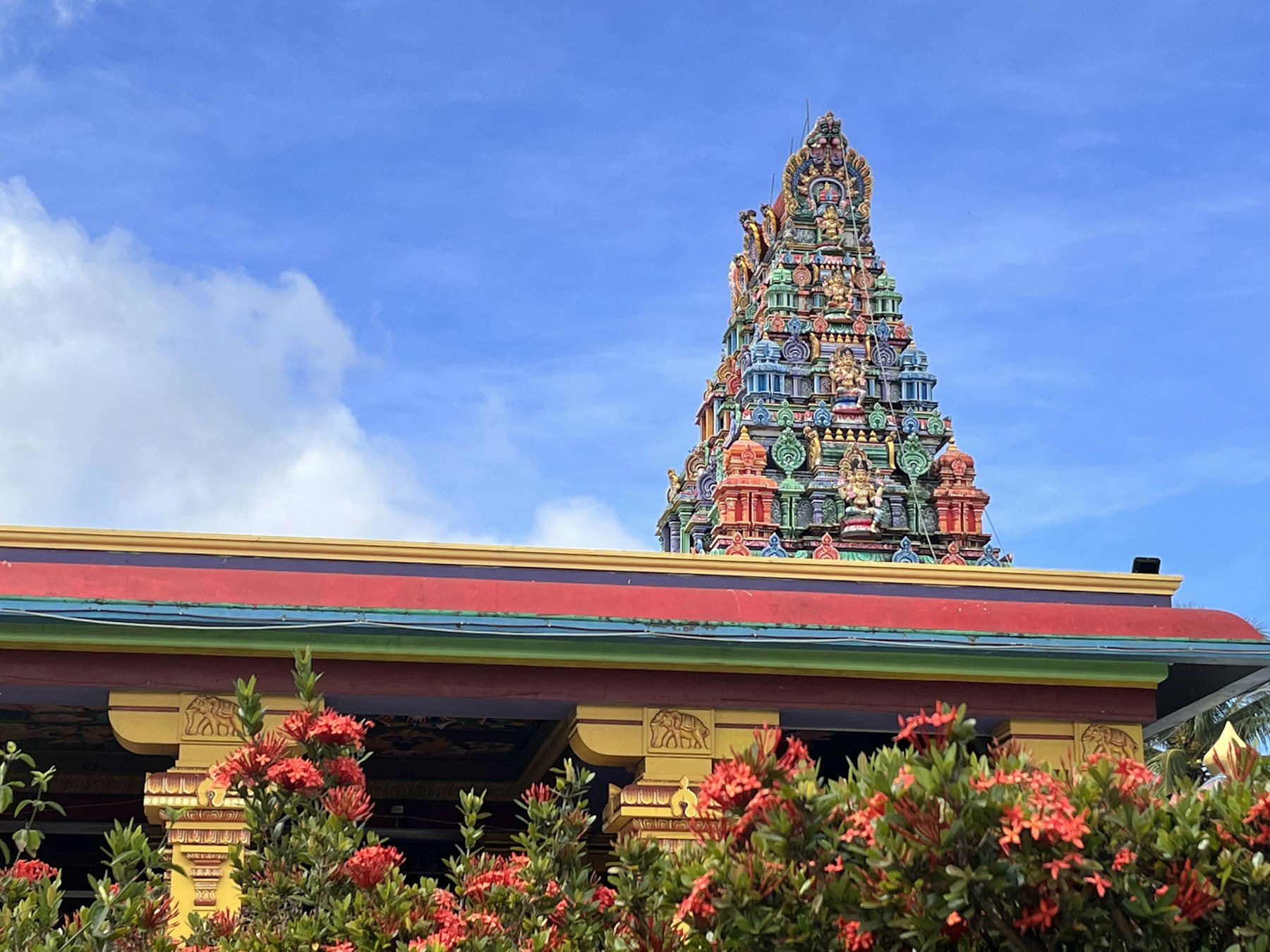
Nadi

Savusavu

Suva

Taveuni
Yasawa Islands
Fijian Culture Runs on Real Warmth
Fiji is consistently ranked among the friendliest places to travel, and that reputation is earned, not marketed.
Kava, called yaqona locally, is central to Fijian life. It is shared at welcomes, ceremonies, and everyday gatherings, and the earthy, mildly numbing drink is a genuine part of the culture, not a tourist gimmick.
“Bula” is more than a greeting. It means life, health, and happiness, and Fijians say it with real warmth, to visitors and each other alike, throughout the day.
Village life still shapes how much of the country lives. A large share of Fijians live in traditional villages governed by chiefs, and respecting local customs, covering shoulders and knees, removing hats, matters when you visit one.
Meke performances combine dance, chant, and storytelling. These traditional performances pass down history and legend, and many resorts host genuine versions rather than a watered down show.
Food
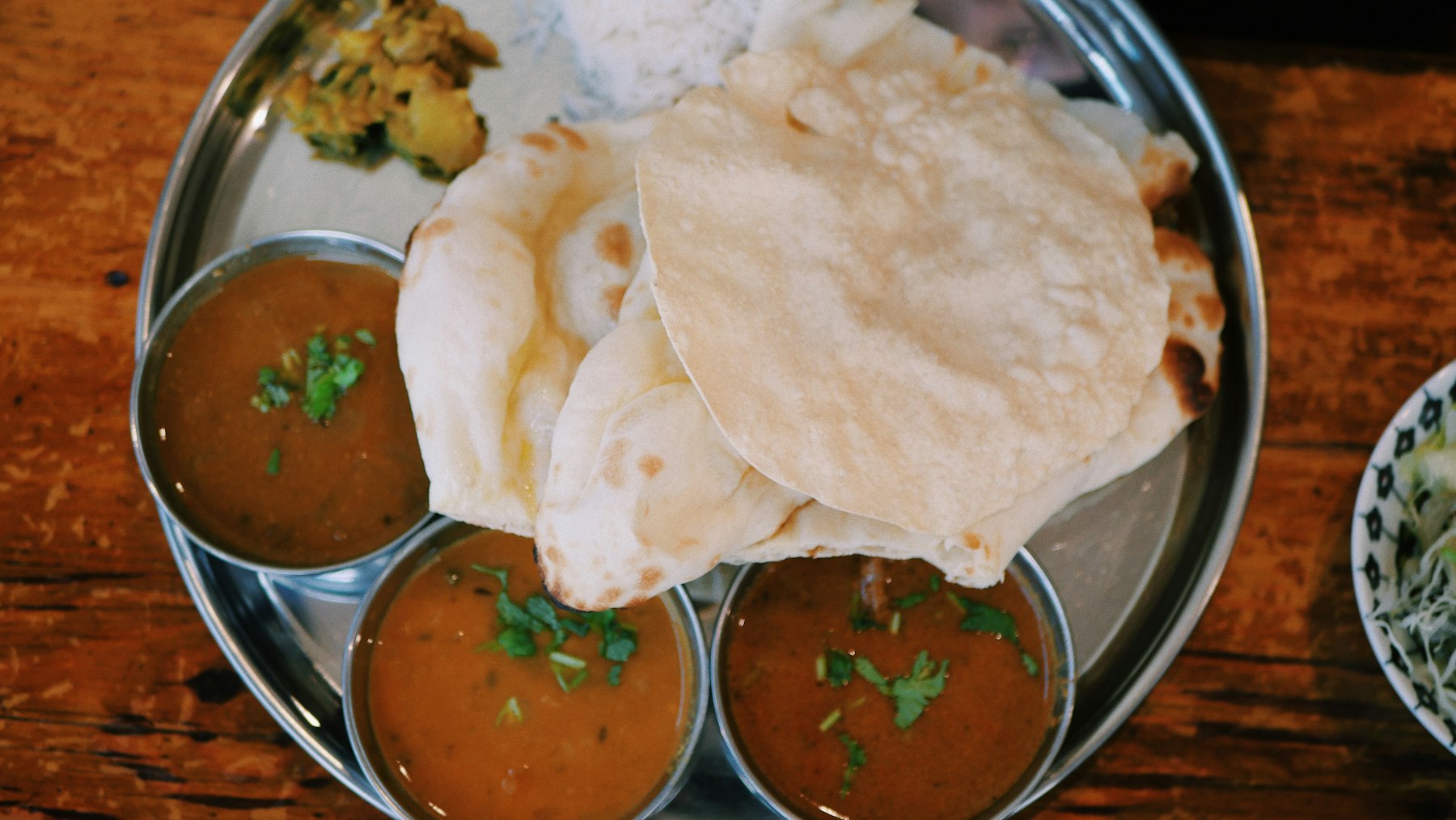
Fijian food is two cuisines sitting side by side. Indigenous Fijian, built on root vegetables, fish and coconut, and Indo Fijian, brought by indentured labourers from India in the late nineteenth century and now completely its own thing. Two dishes I could not photograph. A lovo is the underground oven, meat and fish and root vegetables wrapped in banana leaves over hot stones, and most resorts run a lovo night once a week. And palusami is taro leaves baked in coconut cream, which is the one dish everybody comes home talking about.


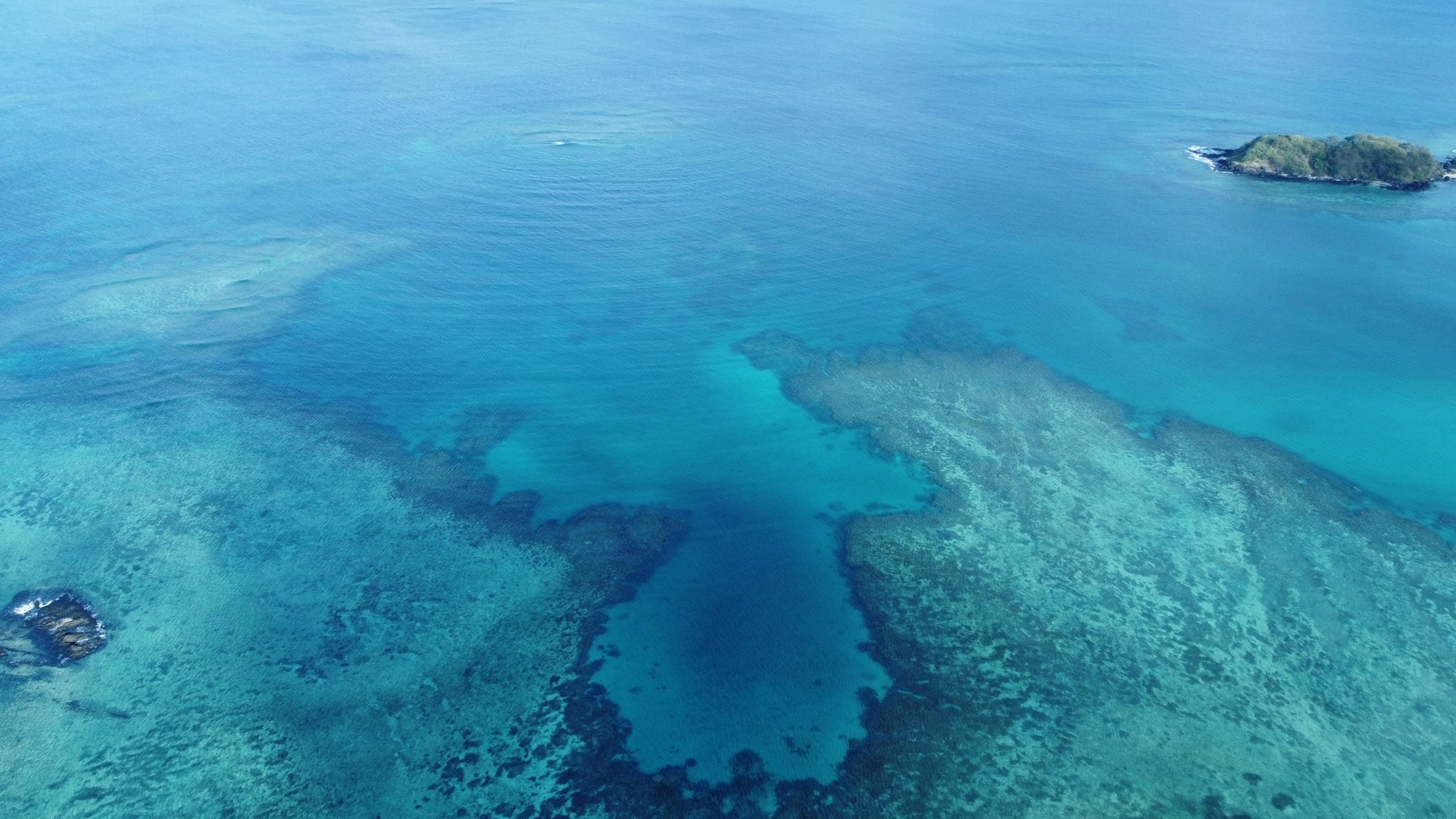
A lagoon out in the Yasawa group. Fiji is one of the easiest places in the world to teach a child to snorkel, because the water inside the reef is shallow, warm and calm
The Main Island or the Outer Islands, and Why the Transfer Matters
This is the decision that makes or breaks a Fiji trip, and it is decided by how you get there, not by how the resort looks.
Viti Levu is the main island. It holds the international airport at Nadi, the capital at Suva, the resort strip on Denarau, and the Coral Coast running along the south. Everything on Viti Levu is reachable by road. Denarau is fifteen or twenty minutes from the airport. The Coral Coast is roughly an hour and a half to two and a half hours by car depending how far along you go. That is it. No boats, no small planes, no schedules.
The outer islands are the postcard. The Mamanucas sit just off Nadi and are reached by a catamaran that takes anywhere from twenty five minutes to about two hours depending on which island. The Yasawas stretch further north and the same boat keeps going, so the far end is a four or five hour run. Vanua Levu and Taveuni, out to the east, need a domestic flight.
Here is why the transfer decides everything. A boat transfer is a fixed schedule with limited daily sailings, and it does not care what time your international flight lands. Land at Nadi at ten at night, as many flights from the US do, and you are staying near the airport regardless. Then you take the boat the next morning. That is a whole day of a seven day trip gone, and another one going back, because you must return the day before you fly.
So my rule. If you have five nights or fewer, stay on Viti Levu. Denarau or the Coral Coast, no boats, straight into the trip. If you have seven nights or more, the outer islands are worth the transfer and the Mamanucas are the sweet spot because the boat is short. If you have ten nights or more, go further, to the Yasawas or across to Taveuni, and let the journey be part of it.
One more thing nobody mentions. Many outer island resorts are remote, which means no shops, no restaurants except the resort, and full board rates that are not optional. That is fine if you knew, and a shock if you did not.
Nadi Is a Transit Point, Not a Destination
I want to save somebody three wasted days.
Nadi is a working town built around an airport. It has a busy market, a large and beautiful Hindu temple, and a lot of shops selling the same souvenirs. The beach at Nadi itself is not the beach you came for. It is gray, tidal and not a swimming beach.
None of that is a criticism. Nadi does its job, which is to be the place your plane lands and the place your onward boat leaves from. Plan one night there on arrival if your flight is late, and one night at the end if your return flight is early. Do not plan three nights in Nadi and expect a beach trip, because you will not get one.
Denarau, which is technically its own small island joined to Viti Levu by a causeway, is fifteen minutes away and is a completely different proposition. It is a purpose built resort strip with a marina, a golf course, big family hotels and a boardwalk of restaurants. It is not the real Fiji and it does not pretend to be. It is also the single easiest place in the country to land with tired children and immediately be at a pool.
The Stopover Play, Which Is How Most Americans Should Use Fiji
If you take one thing from this page, take this.
Fiji sits almost exactly on the line between the US west coast and both Sydney and Auckland. Nadi is roughly ten to eleven hours from Los Angeles, then about four hours on to Sydney or three to Auckland. That geography is the whole opportunity.
Break the journey. Fly to Nadi, spend four or five nights, then carry on to Australia or New Zealand. Or better, do it on the way home, when your family is tired, sunburnt and full of a fortnight of driving and sightseeing, and what they need is a pool and nothing to do.
It costs far less than people assume, because a stopover is often free or nearly free on the fare, and because Fiji is cheaper than either of its neighbors once you are there. It also cuts the worst leg of that journey in half, which is worth real money in how your children behave for the following week.
The version I would book for a family doing three weeks. Two weeks in New Zealand, one island, done slowly. Then five nights on the Coral Coast or in the Mamanucas. Then home. Everybody arrives back sane.

The Coral Coast of Viti Levu from above
What It Costs
The cheapest of the three countries on this continent, and the one where the headline rate hides the most.
Resort rates cover a very wide range, from modest family hotels on the Coral Coast to some of the most expensive private island properties anywhere. The middle of that range is good value for a family, and the included kids club and included children’s meals move the real number further than people expect.
What catches families out is the extras. Boat transfers to the outer islands are charged per person each way and are not small. Remote resorts require a meal plan and the meal plan is the real cost of the week. Drinks and activities on a private island are resort priced with no alternative. Read the transfer and meal plan lines before you compare two properties on nightly rate, because a cheaper island resort with a two hour boat and compulsory full board is often the more expensive week.
Off the resort, Fiji is inexpensive. Roadside roti, market fruit, a bus along the Coral Coast, all of it costs very little. Tipping is not expected.
When to Go
Fiji has a dry season and a wet season, and the wet season is also cyclone season. This one is worth planning around.
May to October
The dry season and the best window. Cooler, less humid, low rainfall, and outside the cyclone risk. July and August are the busiest because Australian and New Zealand school breaks land there, so May, June, September and October are the value months with the same weather.
November to April
Hot, humid, wet, and officially cyclone season. Rain tends to come in heavy bursts rather than all day, and prices drop a long way. It is a real option if you are flexible, but buy proper travel insurance and understand that a cyclone can close an airport.
School breaks matter here
Fiji’s peak is driven by Australia and New Zealand, not by the US calendar. Their winter break in late June and July and their Christmas break fill the family resorts. American families have more flexibility than they realize.
It is warm all year
Daytime highs sit in the eighties almost every month and the sea stays swimmable. There is no cold season. The choice is only about rain and crowds.
How to Route a Fiji Trip
Fiji works well as a standalone beach trip or as the decompression stop on a longer South Pacific itinerary.
Nadi is the gateway for almost every trip. Most international flights land here, and it is also the jumping off point for the Mamanuca and Yasawa Islands.
Pick one island group rather than trying to see them all. The Mamanucas are closest and easiest, the Yasawas are further and quieter, and the outer islands like Taveuni require their own extra flight.
Fiji pairs naturally with Australia or New Zealand. It sits directly on the flight path home from both, which makes it an easy three to five night add on rather than its own dedicated trip.
Time the trip around the dry season if you can. May through October is drier and slightly cooler, while the wet season from November to April brings more humidity and the occasional cyclone risk.

Beachcomber Island in the Mamanucas
Regions at a Glance
Nadi, Denarau and the West
The international airport, the marina for the island boats and the big Denarau resorts. Where every trip starts and where most stopovers stay.
The Coral Coast
The main island’s south shore, an hour from Nadi by road. The family resorts with the kids clubs, and the easiest transfer.
The Mamanucas and Yasawas
The two island chains off the west coast. Small resorts, clear lagoons and a catamaran or seaplane to get there. The Fiji of the photographs.
Vanua Levu and Taveuni
The north. Savusavu, the Rainbow Reef and the Garden Island. Quieter, greener and for divers and families on a second visit.
Where to Go in Fiji
Fiji is three hundred islands and one airport, so this is an order of priorities rather than a route. A week does one, maybe two.
The Coral Coast. The kids club resorts an hour from the airport. The base for most families and the easiest first Fiji trip.
Denarau. The resort island next to Nadi with the marina. The stopover choice when you have two nights between Los Angeles and Sydney.
The Mamanucas. An hour by catamaran from Denarau. Malolo, Castaway and Mana for families who want a smaller island without a long transfer.
The Yasawas. Further out, wilder and quieter. The Blue Lagoon and the caves. Worth it with a week and children who can handle a long boat.
Taveuni and Savusavu. A domestic flight north for the soft coral, the waterfalls and the Fiji almost nobody visits. For a second trip or a diving family.
Doing It With Children
Fiji with kids is easier than almost anywhere, with a short list of practical things to get right. Most of what I get asked about fiji family resorts comes down to one question, and the best family resorts in fiji all answer it the same way, with a shallow lagoon and a kids club that actually runs.
English is an official language and is spoken everywhere you will be, so there is no language barrier. Resort staff are exceptional with children. The lagoons inside the reef are shallow and calm, which makes Fiji one of the best places in the world for a first snorkel. Most resorts have shallow pools, and many have a dedicated children’s pool.
The practical list. Reef shoes, because coral and sea urchins are the most common minor injury. Rash guards rather than relying on sunscreen, because the sun near the equator is fierce and your children will be in the water for six hours a day. Drink bottled or filtered water outside the main resorts. And take a basic first aid kit, because on an outer island the nearest pharmacy is a boat ride away.
A cultural note worth teaching your kids before you go. In a Fijian village, hats and sunglasses are removed as a sign of respect, shoulders and knees are covered, and you wait to be welcomed. Village visits are commonly offered and they are a real experience rather than a staged one, but they are somebody’s home.
Who Fiji Suits, and Who Should Skip It
The honest version.
Go if what your family needs is a week of nothing, with the children happily occupied and the adults actually resting. Go if you have small children, because Fiji is the easiest of these three countries with a toddler by a long way. Go if you are already flying to Australia or New Zealand, in which case stopping here is close to a free upgrade on the whole trip. And go if you want your children to experience a culture that is warm to them without any of it being difficult.
Skip it if you need a trip full of things to see. Fiji is not a sightseeing country. There is no great city, no famous museum, no ruin to walk around. The days are the beach, the reef, the pool and the village visit, and if your family gets restless without an itinerary you will be bored by day four. Skip it if you want to move around, because inter island travel here is slow and expensive. And skip the outer islands specifically if your trip is short, no matter how good the photographs look.
Compared to the neighbors. Australia is the big varied trip and needs three weeks. New Zealand is the driving and scenery trip and works beautifully in two. Fiji is neither. Fiji is the week where nobody drives anywhere and the children are looked after. Most American families should not treat it as a destination on its own from this distance. They should treat it as the second half of an Australia or New Zealand trip, and it will probably end up being the part their kids talk about.
Where to Spend the Money in Fiji
Fiji has some of the best overwater bungalows and private island resorts in the world, and this is exactly where that reputation is worth chasing.
A few nights on a private island resort. Fiji does this better than almost anywhere else, and a couple of splurge nights bookending a more affordable stay is a great way to balance the budget.
A guided dive trip to the Great Astrolabe Reef or the Somosomo Strait. These are considered some of the best dive sites in the world, and a proper guided trip is worth the extra cost over a generic resort excursion.
A private village and waterfall tour on Taveuni. A local guide turns a scenic hike into a real cultural experience, with context a self guided visit would miss entirely.
A private beach dinner. Almost every resort offers one, and for a honeymoon or anniversary trip it is a memorable, and surprisingly affordable, splurge.
Things That Surprise First Timers
Not every Fijian beach is a swimming beach.Much of the Coral Coast is shallow and heavily tidal, so at low tide the lagoon can be too shallow to swim in. Resorts work around it with pools, but ask about tides before you pick a property if swimming off the beach matters to you.
Kava is offered and it is a real ceremony.The mildly sedating drink made from a root, served in a coconut shell. Clap once, drink it in one, clap three times. Accepting it politely is the single easiest way to be a good guest.
Fiji time is real and it is not a joke about service.Things happen when they happen. If that will irritate you by day two, this is not the right country for your family.
The boat timetable outranks your plans.Outer island transfers run a couple of times a day at fixed hours. Build your arrival and departure days around the boat, not the other way round.
Where I Would Start
First time in Fiji with kids? Land at Nadi, get on a boat within a day, and pick one island resort with a kids’ club. That is the whole trip and it is the right one.
Denarau for a night. The marina, a pool, a sleep after the flight. The boats to the islands leave from here in the morning.
The Mamanucas. Five nights. Malolo, Castaway, Plantation. An hour by catamaran, reef off the beach, a kids’ club that the kids beg to go to, a nanny for an evening.
The Yasawas or the Coral Coast. Three nights if you want a second stop. The Yasawas for the blue lagoon and quiet, the Coral Coast for a resort you can drive to and a village visit.
Numbers Worth Knowing
Fiji, by the numbers
Ways to travel
Fiji is not one kind of trip
How you move through it changes the trip more than which places you pick.
Ocean Cruising
Small ship cruises through the Yasawa and Mamanuca Islands reach beaches and villages that the resort transfers never touch, island hopping by water instead of van.
For example: a small ship cruise through the Yasawa IslandsRoad Trips
The Coral Coast road connects Nadi to Suva along the southern shore, and it is a pretty drive if your trip includes both ends of the main island.
For example: a drive along the Coral Coast from Nadi to SuvaIndependent Travel
Fiji is one of the easier South Pacific countries to self plan, with English widely spoken and a well developed resort and transfer network around Nadi.
For example: a self planned week split between Denarau and the Coral CoastGuided and Small Group
A resort based package with organized excursions is how most families experience Fiji, and it removes almost all the logistics of inter island travel.
For example: an all inclusive resort stay with organized reef and village excursionsExplore by interest
What families come to Fiji for

Resorts
The family resorts
Free kids clubs, nannies at some properties and children who eat free. The reason a Fiji week costs less in real terms than it looks, and the reason families go back.

Islands
The Mamanucas and Yasawas
The outer islands by fast catamaran or seaplane from Denarau. Smaller resorts, clearer water and the Fiji from the postcards, with a transfer that has to be planned around the flight.

Reef
Snorkelling and the soft coral
The Rainbow Reef off Taveuni and Savusavu is the soft coral capital of the world, and even the resort house reefs on the main island are good enough for children on their first snorkel.

Culture
Villages and kava
A village visit with a sevusevu ceremony, a meke dance night at the resort and the staff who learn your children’s names on day one. The warmth is the product.
Something unexpected
Only in Fiji

Say yes to it
A Village Sevusevu Ceremony
Being formally welcomed into a village with a kava ceremony is one of the most genuine cultural moments Fiji offers, and most resorts can arrange a visit.

Go further out
The Yasawa Islands
A ferry ride north of Nadi trades the busier resort strip for a string of islands with some of the clearest water in the South Pacific.

Add an extra flight
Taveuni, the Garden Island
Fiji’s third largest island is covered in rainforest, waterfalls, and the 180th meridian itself, and it sees a fraction of the visitors the main resorts do.

Get in the water early
A Sunrise Snorkel
The lagoons here are calmest and clearest first thing in the morning, before the day trip boats arrive.
Pair it up
Combine It With
Fiji sits right on the flight path between the US and the South Pacific, which makes it a natural add on rather than its own dedicated trip.

New Zealand
Three hours away and the pairing we recommend most. Two weeks of driving and walking, then five nights of doing nothing at all.
Read the guide
Australia
Four hours to Sydney and directly on the route home. The best possible way to break up that flight with children.
Read the guide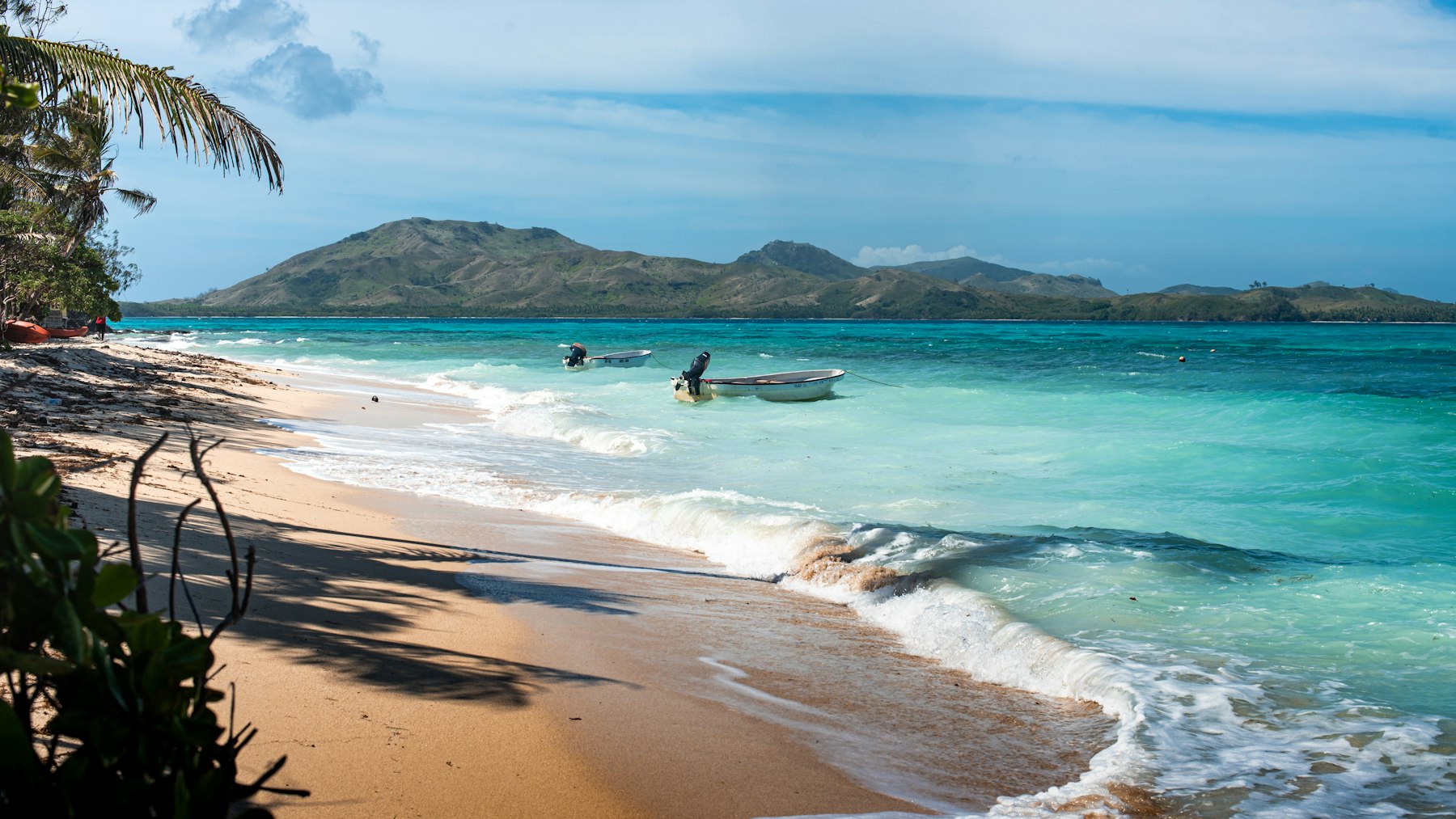
Oceania
The continent overview, including how to combine Fiji, Australia, and New Zealand into one trip.
Read the guide
Plan Fiji with Nicole
Tell me who is coming, and when.
Fiji works as a standalone five to seven night resort stay, a longer trip that adds the Yasawa Islands for families who want more than one resort, or the easy tack on stop for a longer Australia or New Zealand itinerary. Which one makes sense depends on how much time you have and if you want one home base or a bit of island hopping built in. Send me the ages, the dates, and what you are hoping this trip feels like. I will come back with what is really available.
Nicole Damiano, ASTA Verified Travel Advisor with FG Luxury Travel.
Questions families ask about Fiji
The ones that come up in almost every planning call. If yours is not here, ask me.
Do we need a visa?
No. Passport with six months left and a return ticket. US citizens get up to four months on arrival.
Which resort area?
Coral Coast for value and a real kids’ club. Denarau for the shortest transfer from Nadi and the biggest resorts. The Mamanuca islands for the water everyone pictures, a boat ride away. I match the resort to the ages, so tell me those first.
Are the kids’ clubs really free?
At most of the big family resorts, yes, and some include a nanny for under fives. This is the thing families book Fiji for, and it is why a week there can be calmer than a week anywhere else in the Pacific.
How long is the flight?
About eleven hours from Los Angeles, overnight, and you arrive early morning. Book a hotel that lets you check in early or you will have a very long first day.
When is cyclone season?
November through April. May through October is dry, cooler and the window I book. School holiday weeks in June and July fill first.
Keep exploring from Fiji
Cities, neighbors, and the wider region.
Click any card to open that page
More of Oceania
 Australia
 French Polynesia
 New Zealand
 All of Oceania
 Explore the world
 The Travel Library