
Ha Long Bay, July 2010. We slept on one of these. This one is ours
Vietnam Family Travel Guide
“Vietnam is the most underrated country in Southeast Asia. People plan Thailand, they add Japan, and they skip Vietnam. That is a mistake, and it is the one I spend the most breath correcting.”

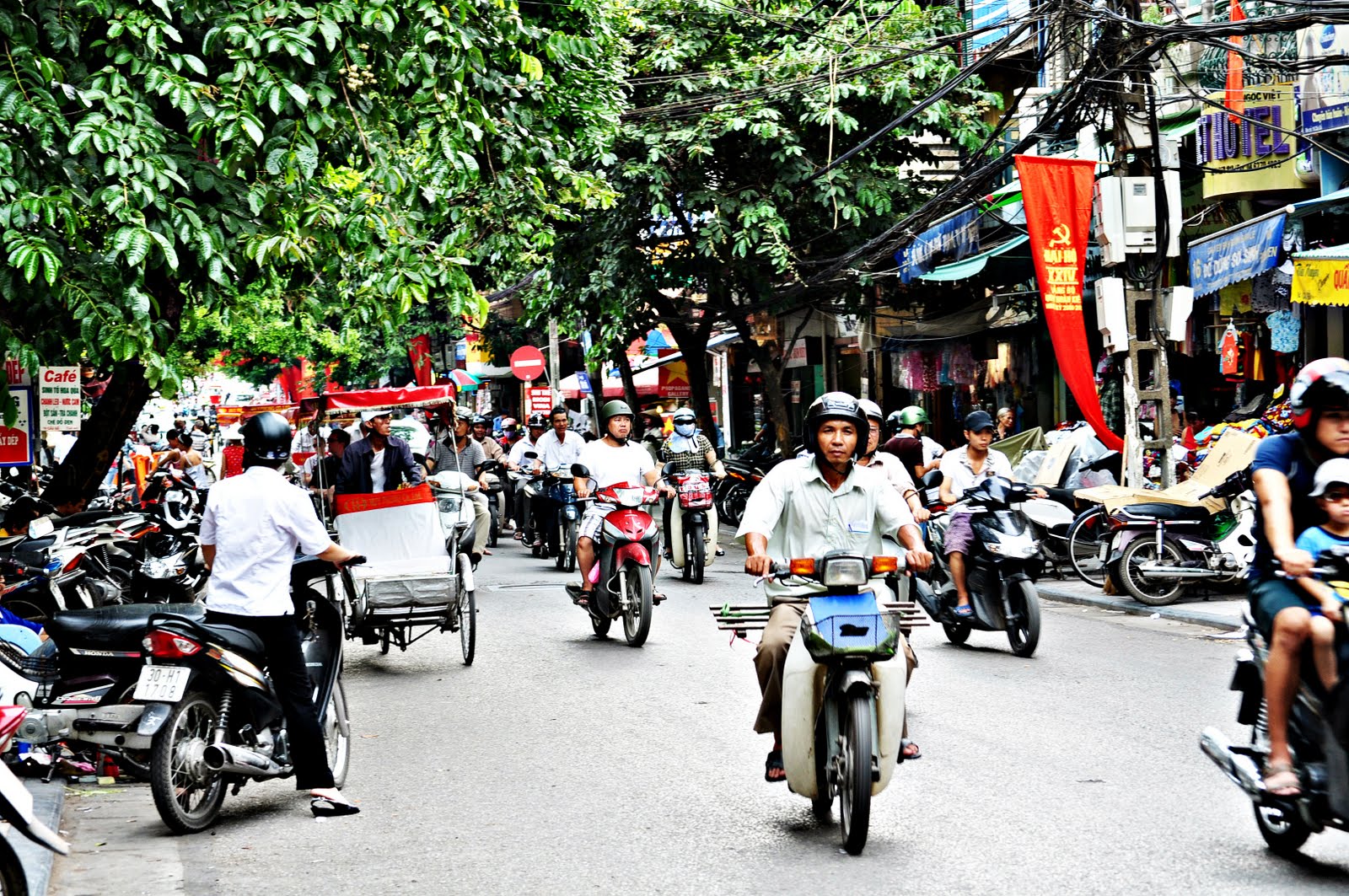
Vietnam is the country from that whole trip that I think about most, and it is not close. We flew into Hanoi on 20 July 2010 at half eight in the morning, got our visas, and were in the Old Quarter by breakfast. The architecture is French, almost New Orleans. The buildings are half ruined and half brand new and painted every color. There are motorbikes everywhere. And yes, the conical hats are real.
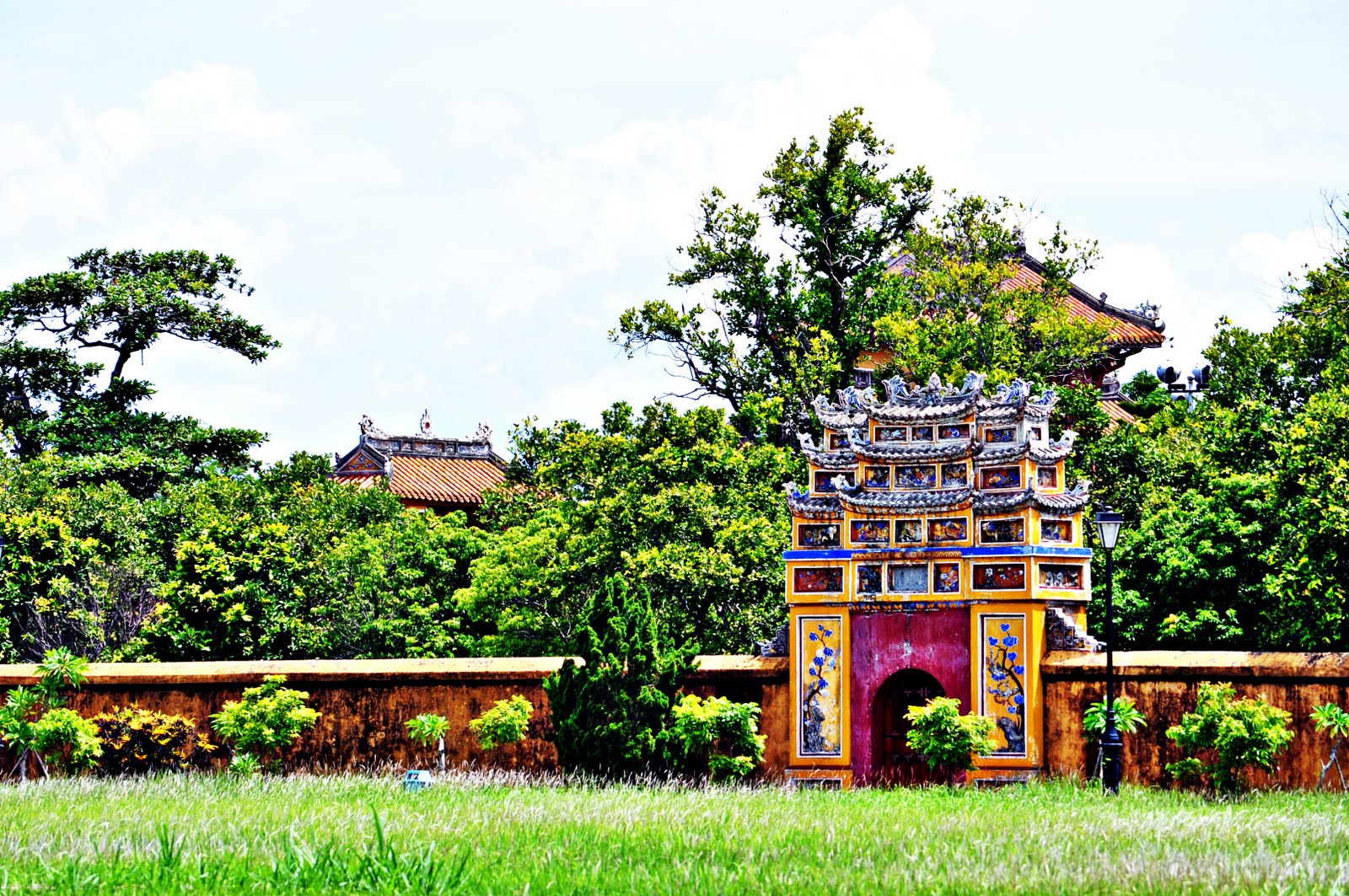
We went top to bottom over four weeks. Hanoi, the overnight train to Sapa, Ha Long Bay on a junk, Hue and the Citadel, Hoi An, Saigon, Mui Ne, Dalat. Then Cambodia.
The thing I want to say first is about the people. At the Ho Chi Minh museum in Hanoi I was not allowed into the mausoleum because I had a tank top on, which was fair. Adam and I admitted to each other that we were ignorant. We had done no reading. All we had in our heads was what we thought we knew about the war. We left with more questions than we arrived with, which is the correct outcome.
Then in Saigon an elderly man asked where we were from. I said the United States and braced. He smiled and explained, kindly and without any edge, that we may have a different past but our future is one of peace and friendship. I wrote at the time that this country deserves to be experienced for more than its sad place in the history books. Sixteen years on I would not change a word.
We did Vietnam as two adults with backpacks in our twenties, on night trains and in four dollar rooms.
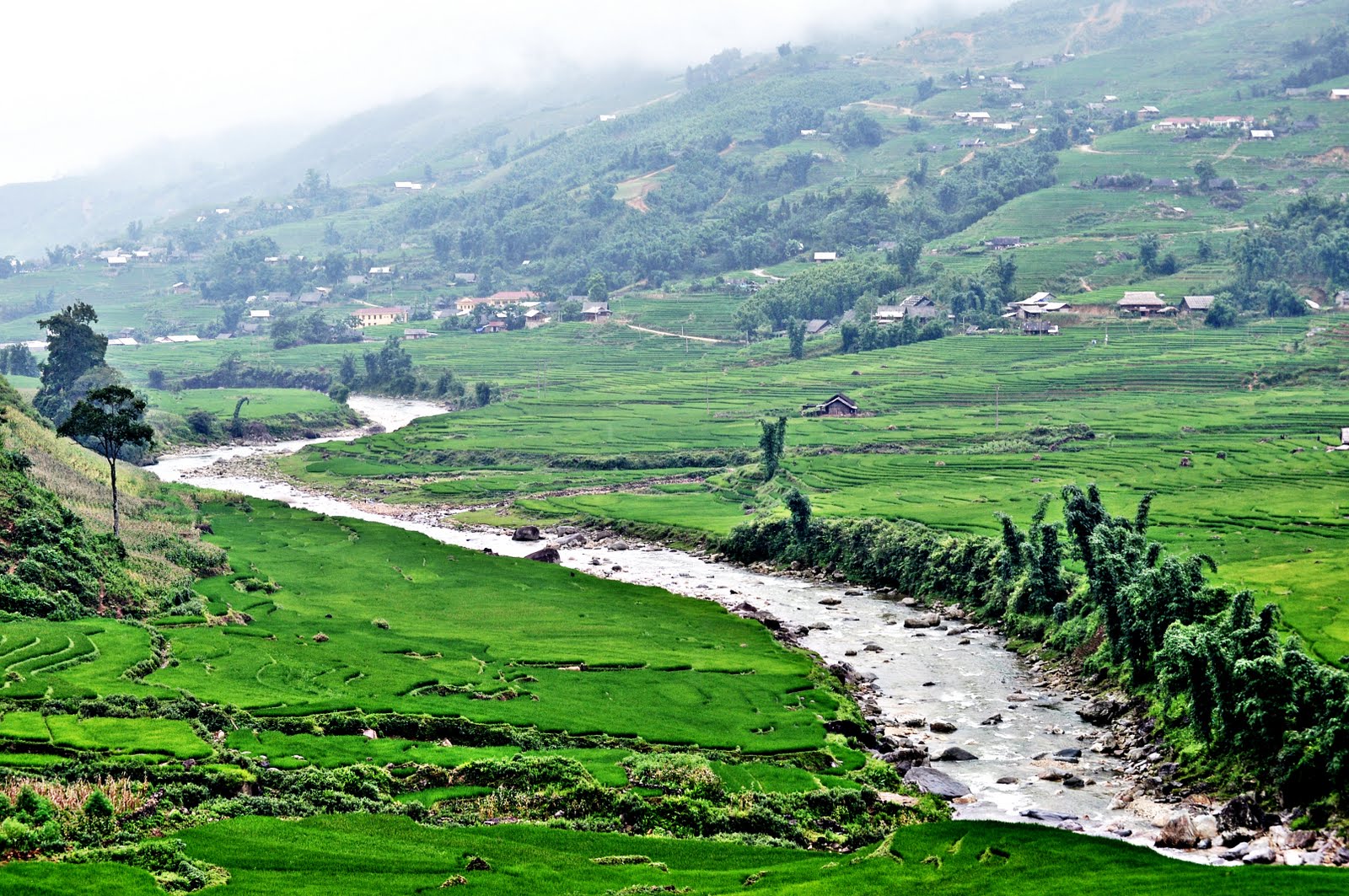
Sapa
Beyond the Bookshelf
Stories to carry you deeper into Vietnam. This is our own family shelf, real books, films, music and a cookbook tied to the place, not a generic reading list. Read it before you go and the trip means more when you get there.

- The SympathizerViet Thanh Nguyen
- The Sorrow of WarBảo Ninh
- The Mountains SingNguyễn Phan Quế Mai
- WishesMuộn Thị Văn
- The Yellow Áo DàiHanh Bui
- Inside Out & Back AgainThanhhà Lai
- Into the Vietnamese KitchenAndrea Nguyen
- The Food of VietnamLuke Nguyen
- Lonely Planet Vietnam
- Vietnam: A HistoryStanley Karnow
Book links go to Bookshop.org, which supports local bookstores. Film and music links go to JustWatch and Spotify. As an affiliate we may earn from qualifying purchases.
Vietnam Place by Place
Vietnam is a thousand miles long and shaped like a letter S. Hanoi to Saigon is further than London to Rome. That single fact decides almost everything about how your trip goes. These are the eight places that come up every time.

Da Nang
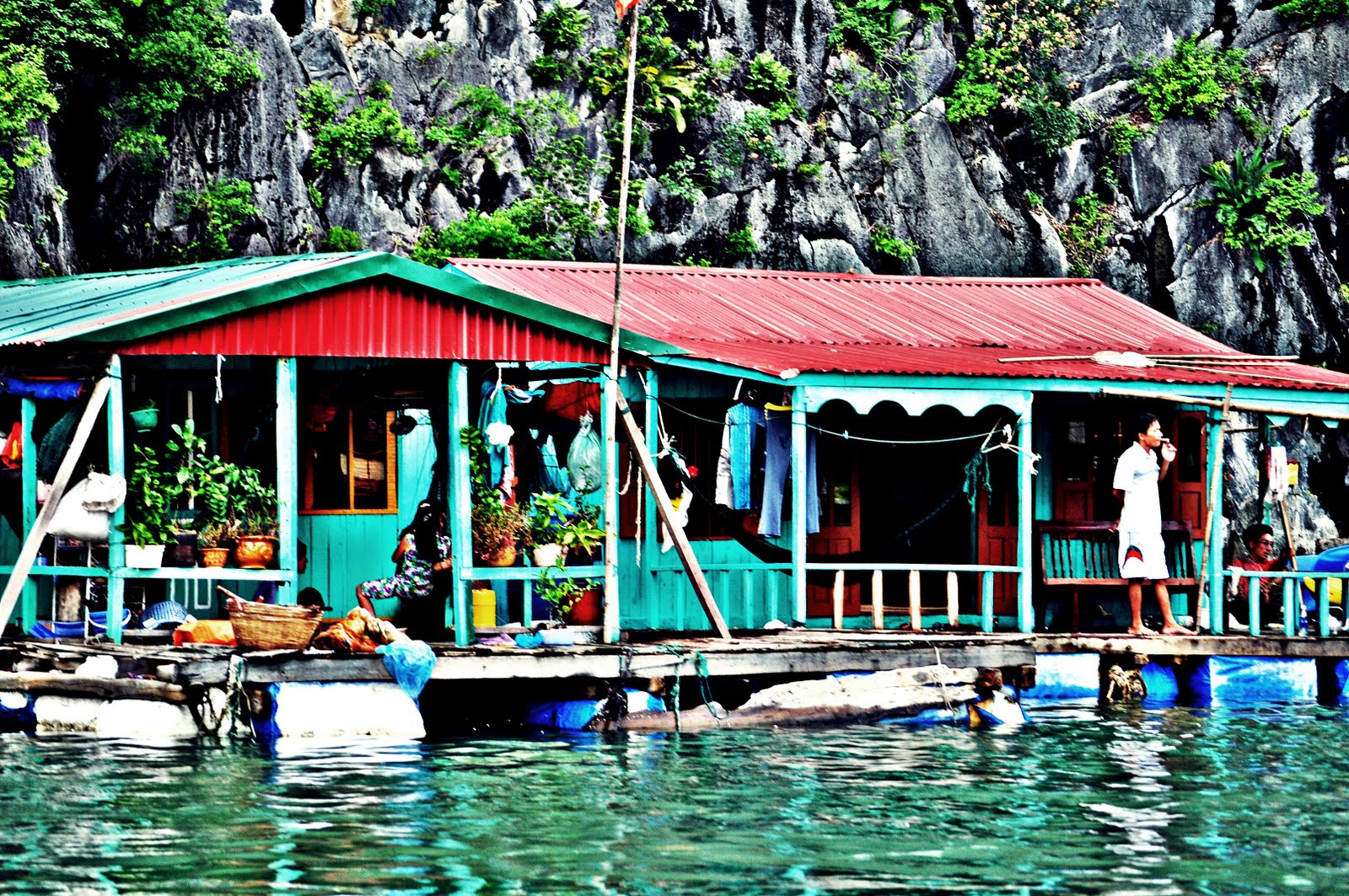
Ha Long Bay
Hanoi
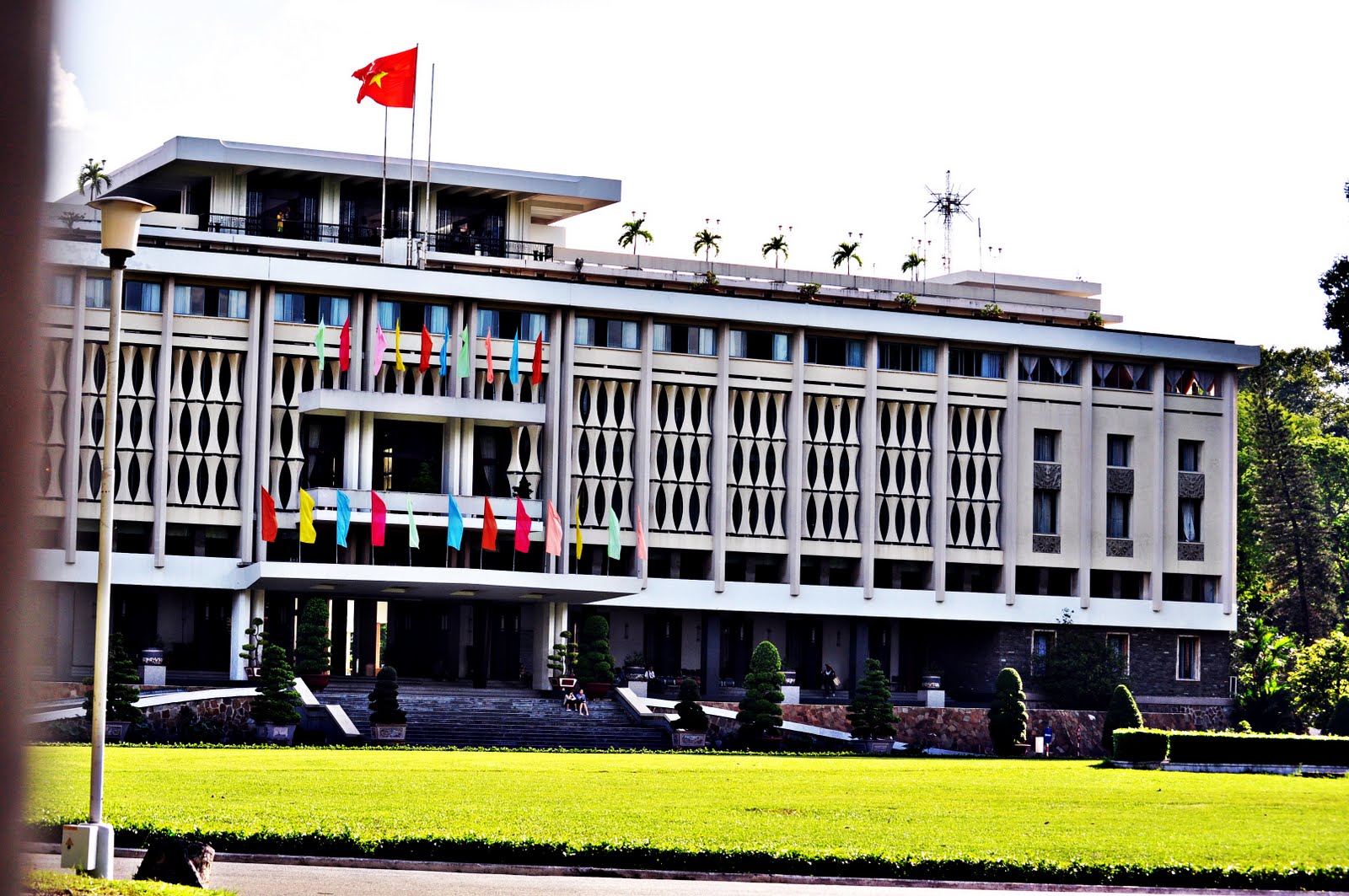
Ho Chi Minh City
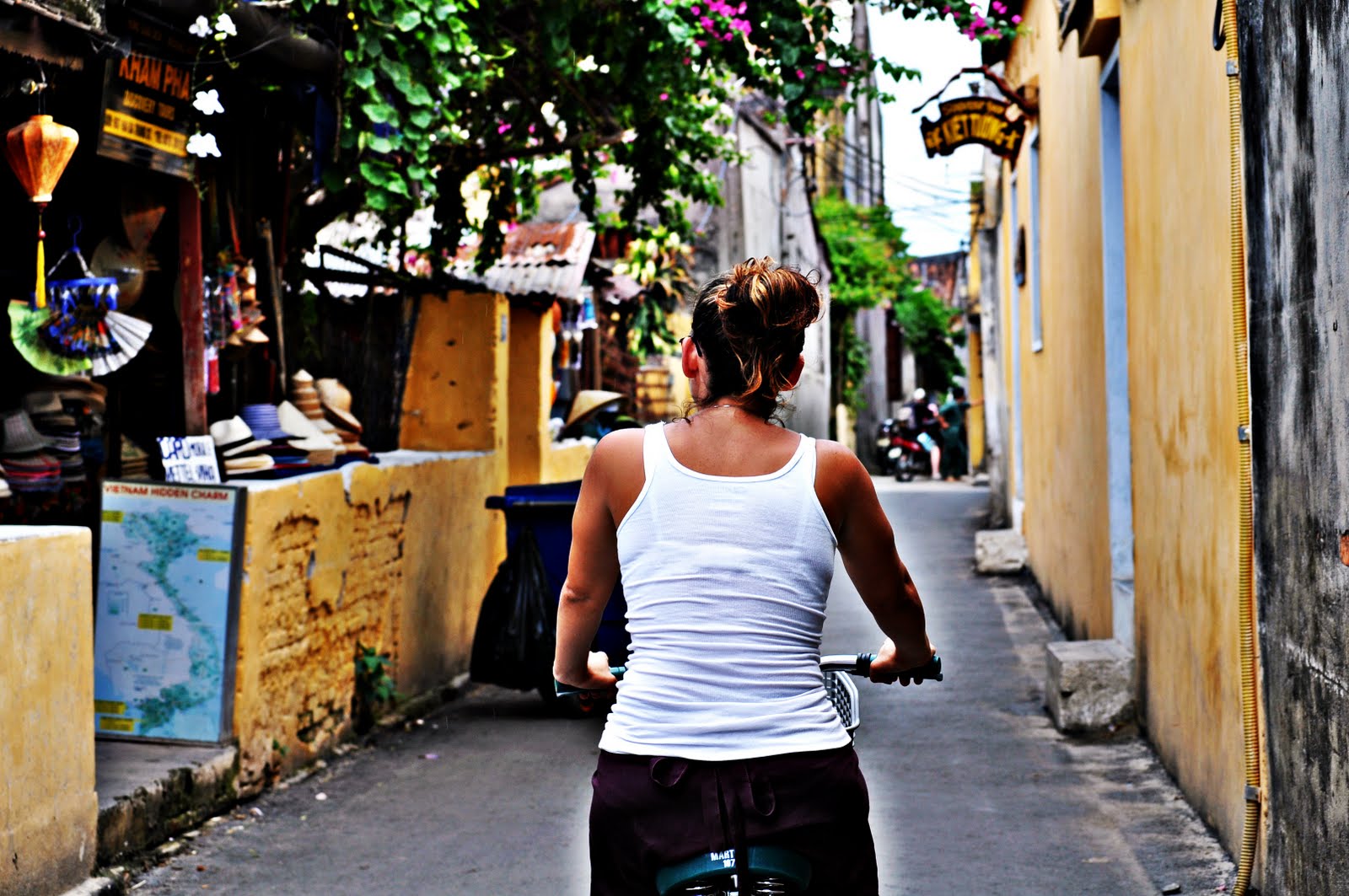
Hoi An
Hue
Mekong Delta
Sapa
Why Vietnam, and Who Should Skip It
Vietnam gets skipped. That is the whole problem with it. Families plan Thailand, they add Japan, they price out Bali, and Vietnam sits there on the map getting passed over by people who have never set foot in it. I think it is the most underrated country in Southeast Asia and it should not be skipped. Not by anybody.
It is the best value country I have ever traveled in, and I do not say that lightly. A bowl of pho on a plastic stool costs a dollar. A family eats properly for what one main course costs at home. In four weeks we went from terraced hills in the north to an imperial city in the middle to a lantern lit old town to the delta, and every single stretch of it felt like a different country.
Then there are the people. In Saigon an elderly man found out I was American and instead of anything I had braced for, he smiled and told me we may have a different past but our future is friendship. I have never forgotten it. That is the country. Not the war, not the headline. That.
It is also harder work than Thailand, and people who book it expecting Thailand come home disappointed for reasons they cannot name. Go in knowing that, and Vietnam will out-give every other country on your list.
Great value
A bowl of pho on a plastic stool costs a dollar and is better than anything you will pay thirty for at home. A family can eat properly for the price of one Western main course.
Real variety in one country
Terraced hills in the north, an imperial city in the middle, a lantern lit old town, a river delta, and a coastline most countries would build a whole economy on.
The welcome is real
People are less pushy than in neighboring countries and more curious. Nobody made us feel unwelcome for being American. Not once, anywhere, in four weeks.
Who should skip it. Anyone who needs quiet and order. The traffic is relentless, the noise is constant, and the pace does not slow for you. If you have a child who melts down in sensory chaos, Vietnam will be a hard month. If you want to lie by a pool, go to Thailand. And if you have ten days, see the next section, because ten days is where Vietnam trips go wrong.
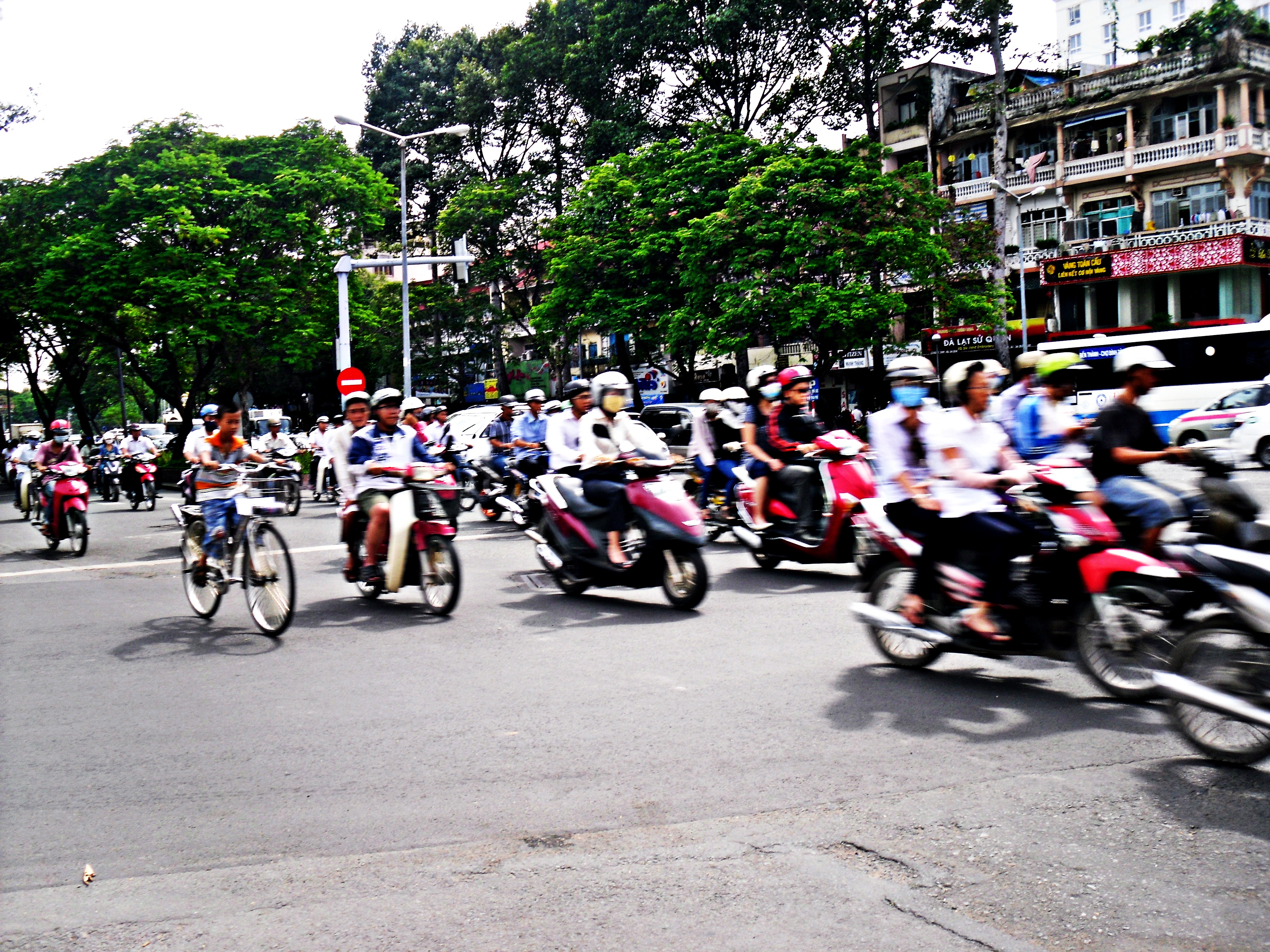
This is not rush hour. This is a normal street. Crossing it is a skill and the technique is counterintuitive, which is covered further down
The Length Problem, and Why Ten Days Ruins It
This is the section I wish someone had written before we went. Vietnam is not a destination, it is a route, and most people underestimate it by a factor of two.
Hanoi to Saigon is 1,100 miles. People book “Vietnam” the way they book “Portugal” and then discover the country is the length of the American east coast. Every leg is a flight, an overnight train, or a very long bus.
In ten days, do one half properly. North: Hanoi, Ha Long, Sapa. Or center and south: Hoi An, Hue, Saigon, the Mekong. Both halves are complete trips. Attempting the whole S in ten days means four travel days and no memory of any of it.
Fourteen days is the honest minimum for end to end. Hanoi, Ha Long, fly to Da Nang for Hoi An and Hue, fly to Saigon, day trip to the Mekong. Two internal flights. This is the itinerary that actually works and it is what I build.
5 to 7 nights
One city and its region. Hanoi with Ha Long, or Hoi An with Da Nang and Hue. Enough to feel Vietnam without spending the trip in transit.
10 nights
Half the country, done well. North or south. One internal flight at most, and time to sit still for two of those days.
14 nights
End to end. Two internal flights, three bases, and a spare day when a boat gets canceled. The version I recommend.
3 weeks
What we had. Add Sapa, add the Mekong properly rather than as a day trip, add Mui Ne and Dalat. At this length the country opens up.
Ha Long Bay, and the Cruise Quality Spread
We slept on a junk in Ha Long Bay and it is one of the best nights of that whole trip. It is also the single easiest thing to get badly wrong in Vietnam, because the boats look identical in photographs and they are not remotely identical in reality.
The quality spread is enormous and the price spread is not. The gap between a boat you will remember and a boat you will endure is often sixty dollars a head. On a trip where everything else costs a fraction of home, this is the one place to spend.
One night is the compromise, two nights is the trip. A one night cruise gives you about four usable hours on the water. Two nights gets you out past the day boats into water where you can actually hear something. If the budget allows, take the second night.
Ask three questions before you book. How many cabins. What is the year of the boat. Is Lan Ha Bay or Bai Tu Long included. Small, recent, and yes are the answers you want. Big old boats stay in the crowded middle.
Check the child policy and the life jackets before you pay. Some boats have a minimum age. Kayaking usually has one too. Ask specifically if they carry child sized life jackets, because plenty do not and nobody volunteers it.
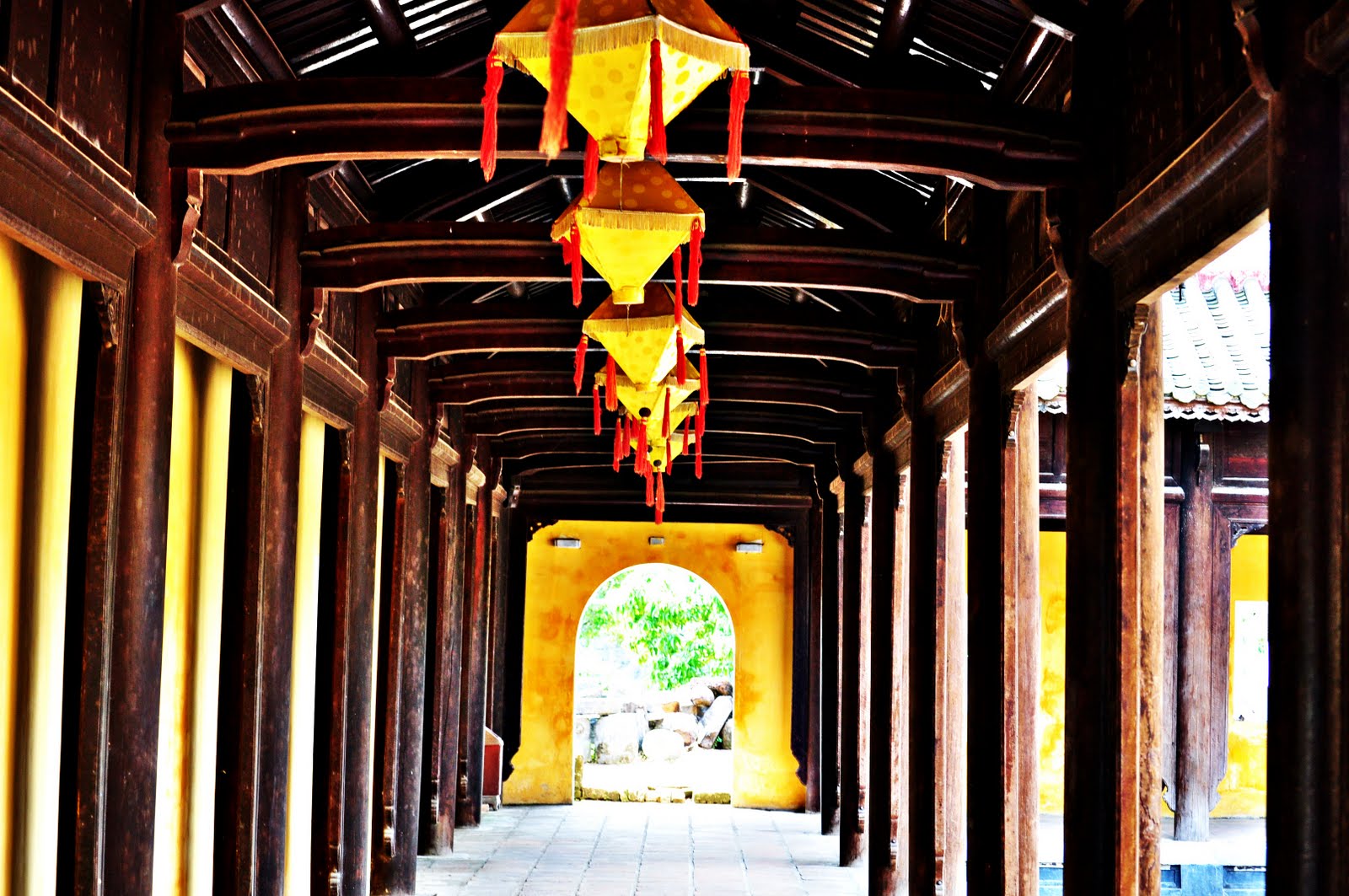
Inside the Citadel at Hue. Half of it was destroyed in the war and the restoration is still going on, which is a conversation with older children all by itself
The War, and How to Handle It With Older Kids
In Vietnam it is the American War, not the Vietnam War, and the moment you hear it named that way you understand that you are about to be shown a history you have only ever seen from one side. This is not a reason to avoid the subject. Handled properly it is one of the most valuable things travel can do for a teenager.
Read something before you go. We did not, and I regret it. We admitted in Hanoi that we were ignorant and only had in our heads what we thought we knew. Do better than us. One decent book or documentary between you, and a conversation on the plane, changes what your children get out of every museum.
The War Remnants Museum in Saigon is powerful and it is one sided. That is fine, and you should say so out loud to your kids rather than pretending otherwise. It is not the museum being dishonest, it is the museum being Vietnamese. The photographs of the effects of Agent Orange are graphic. I would not take a child under about twelve.
The Cu Chi tunnels are the one most families do and the one I have the most reservations about. It is a real place with real history, and it has also acquired a firing range where you pay per bullet. Decide in advance if you are walking your family past that, because you will not get the chance to decide in the moment.
Uncle Ho is revered and it is not a joke. The mausoleum has a dress code, a silence rule and a line, and all three are enforced. Shoulders and knees covered. I was turned away for a tank top and that was entirely fair.
Let them see the present as well as the past. More than half the country was born after 1990. The man in Saigon who told me our future was friendship taught me more in thirty seconds than any museum did. Point that out to your children.
Food
Vietnamese food is the gentlest introduction to Asian food that exists for a cautious child. It is fresh rather than hot, herbs rather than chili, and almost everything arrives deconstructed so a fussy eater can take the bits they want. The chili comes on the side, always.


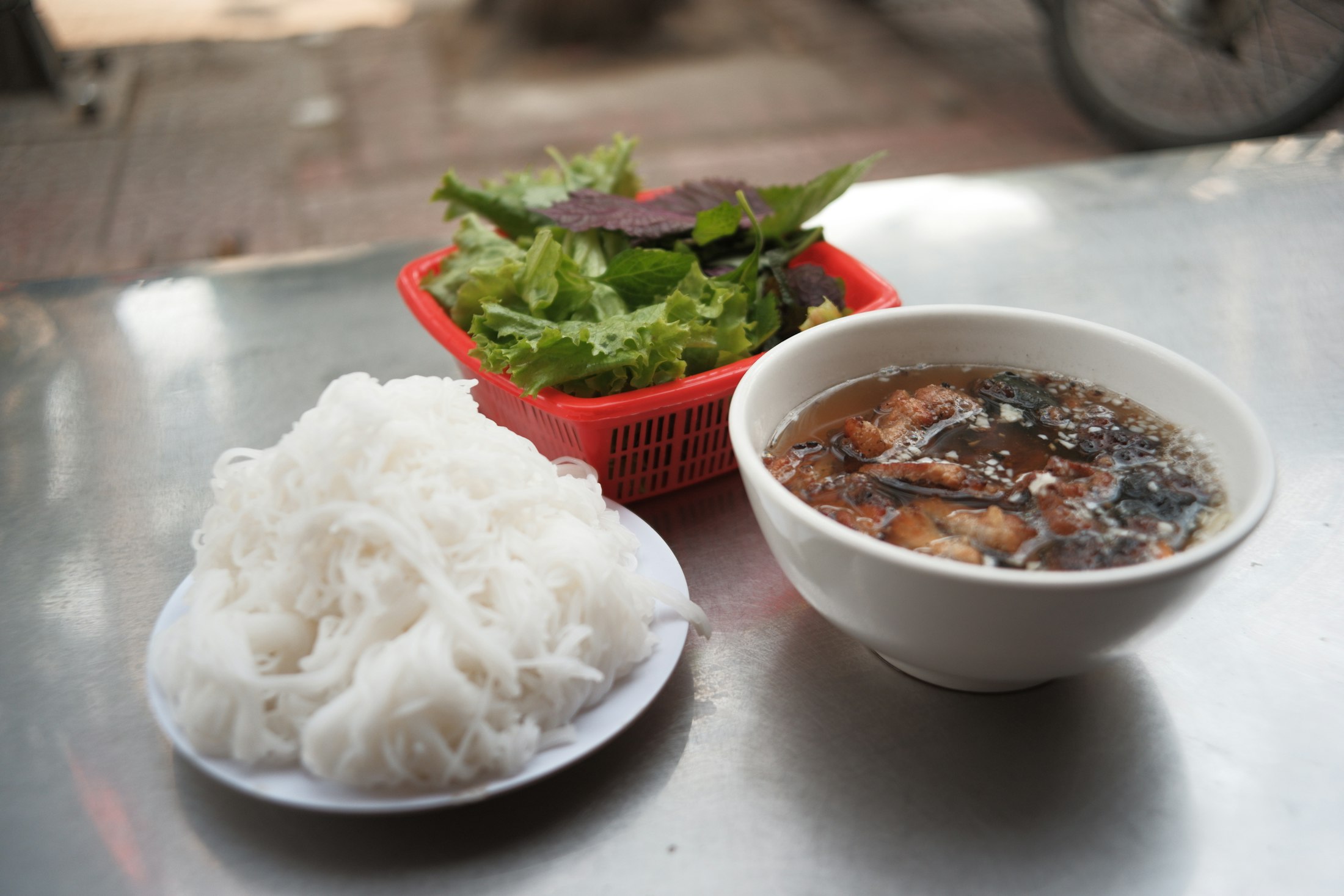


Eating on the street with kids. The plastic stool restaurants are the good ones. Sit where the locals sit, order what the table next to you is eating, and know that most places cook one dish and do it all day. Bottled water only, and be careful with ice at the very cheapest stalls, but do not let anyone talk you into eating only in hotels. You will have paid four times as much for something worse.
Getting Around, and Crossing the Road
Crossing the street is the first skill you learn and it is backwards. You do not wait for a gap, because there is never a gap. You step out and walk slowly and steadily and do not stop, and the motorbikes flow around you. Stopping or running is what gets people hurt. With small children, hold hands, put an adult on the upstream side, and practice on a quiet street first.
Do not rent a motorbike, and absolutely do not put a child on one. Everyone offers. Local families ride four to a bike. That is not an argument for you doing it. Vietnam has one of the highest road fatality rates in the region and most travel insurance voids on an unlicensed rider.
The overnight train is good and children love it. We took the SP7 up to Sapa and slept in a four berth soft sleeper. Book soft sleeper, not hard, book the whole compartment if there are four of you, and bring your own snacks and a roll of loo paper.
Internal flights are cheap and short. Hanoi to Da Nang or Saigon is about ninety minutes and often under sixty dollars. On any trip shorter than three weeks, fly the long legs. The romance of the overland journey is not worth two days of your trip.
Money and Practical Basics
The currency is the dong and the zeros catch everyone out. Notes run to hundreds of thousands. Twenty thousand and five hundred thousand look similar in a dim restaurant. Learn the colors on the first day, keep big notes separate, and check change.
Vietnam runs an e-visa and it is not optional for most nationalities. Apply online well before you travel and print it. The rules change often, so check the official government portal rather than a third party site that charges you four times the fee.
Bottled water only, and that includes brushing teeth for small children. Ice in established places is factory made and fine. We ate and drank widely across four weeks with no trouble.
When to Go
Vietnam has three climates stacked on top of each other, so there is no single month that is perfect everywhere. If you are doing the whole country, you are choosing which region gets the good weather.
Feb to Apr
The best all round window. Dry in the south, warming in the north, and the central coast is at its most reliable. Tet, the lunar new year, falls in late January or February and much of the country closes for a week.
May to Aug
What we had. Hot and wet in the north, hot and humid everywhere. Heavy short downpours rather than all day rain. Cheapest, greenest, and the central coast is at its best.
Sep to Nov
Typhoon season on the central coast, so Hoi An and Hue can flood. The north is beautiful in October and Sapa is at its best. A regional gamble.
Dec to Jan
Cold and gray in Hanoi and Sapa, which shocks people who packed for Asia. Excellent in the south and the Mekong. Split the country accordingly.
We may have a different past, but our future is one of peace and friendship. An elderly man said that to me in Saigon and it reframed the whole country.
Nicole DamianoWith Kids
 Poppy marks the family parts. Wherever you see her, that section is written for travelling with children.
We traveled Vietnam as two adults. This is what I know from booking it, and from having taken our three around Japan and Korea, which is the nearest thing I own to a fair comparison.
Traffic is the single biggest issue and it deserves your planning. Not disease, not food, not language. Pavements are used for parking so you often walk in the road. With a toddler, use a carrier rather than a stroller in Hanoi and Saigon. A stroller in the Old Quarter is a bad time.
Fussy eaters do better here than almost anywhere in Asia. Everything is mild by default, rice and noodles are everywhere, and the flavor is added at the table. This is the country where the child who “does not like foreign food” quietly starts eating.
Hotels are the great bargain and family rooms are common. What you get for eighty dollars in Vietnam is what four hundred buys in western Europe. Pools are common even in mid range city hotels, and a pool is what makes the middle of the day survivable.
Heat and mosquitoes, in that order. Dengue is present, particularly in the south and in the wet season. Repellent, long sleeves at dusk, air conditioning at night. Talk to a travel clinic about your specific route and season.
Expect your children to be touched, photographed and fussed over. Especially fair haired ones. It is warmth, not rudeness, but it can overwhelm a shy child. Give them a phrase and a plan for saying no, and back them when they use it.
Car seats are essentially unavailable. Arrange transfers in advance if you need one, or bring a travel seat. Do not assume the hotel car will have anything.
Spend on the Ha Long boat
It is the one purchase where the price difference buys a different experience. Everything else in Vietnam is cheap enough that this will not break the trip.
Spend on internal flights
Sixty dollars a head to skip fourteen hours on a bus. On a two week trip that is the best value decision available to you.
Save on food, completely guilt free
The plastic stool places are the good ones. You will eat better for four dollars than for forty and every Vietnamese person you meet will agree with you.
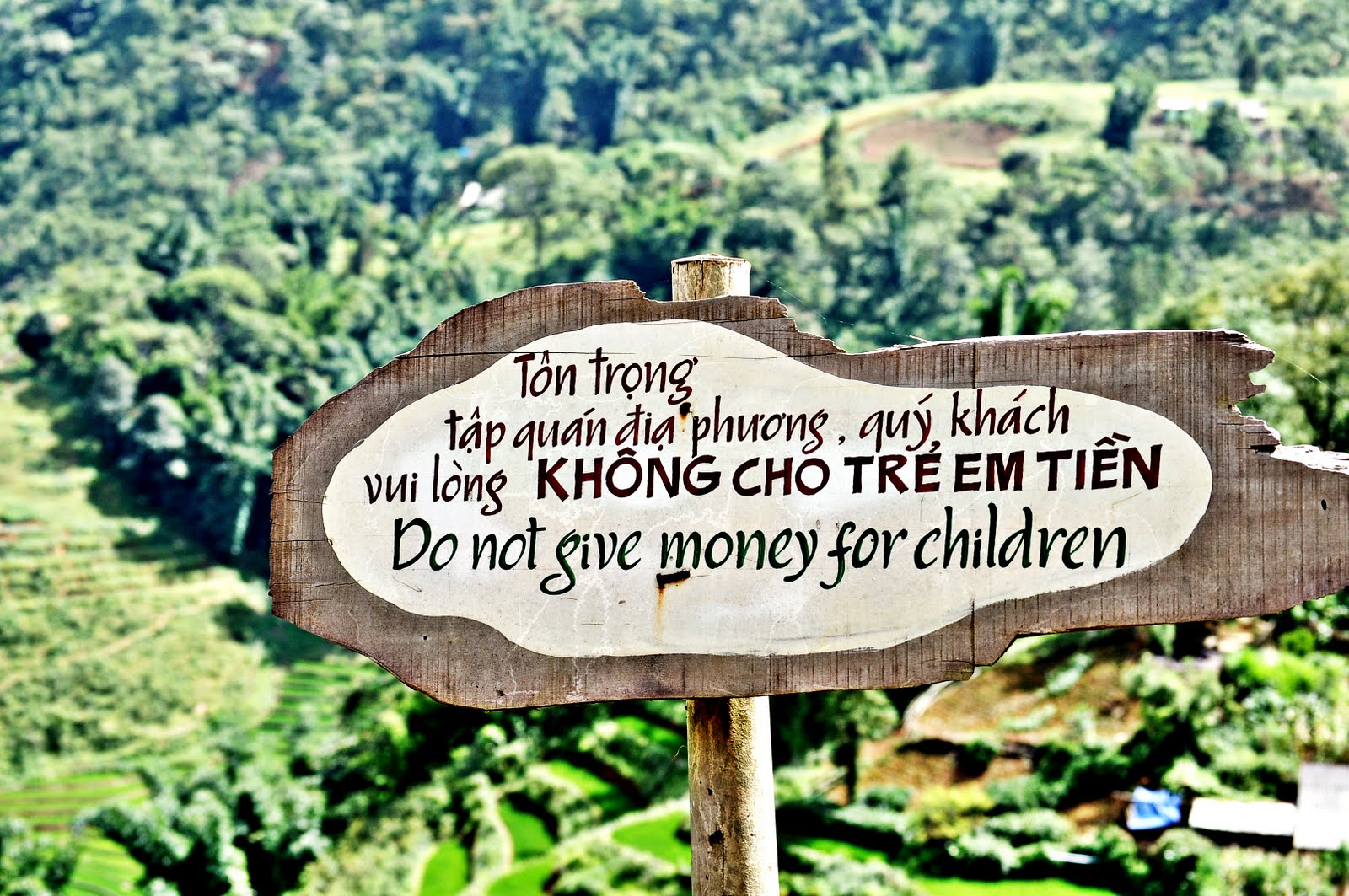
On the path in Cat Cat village near Sapa. It says what it says, and it is the right advice. Buy something from an adult instead, and talk to your children about why before you go
Things That Surprised Us
How French it looks and tastes. Hanoi looks like New Orleans in places. Baguettes, pate, coffee culture, shuttered colonial facades painted mustard and green. It is not what people picture.
How cold Hanoi and Sapa get. Cold and damp in December and January. Everyone packs for the tropics and then buys a fleece from a market stall in Sapa. Pack layers if you are going north in winter.
How good and how cheap the small things are. Adam had a shave from a roadside barber working off a mirror nailed to a wall in the Old Quarter. Hoi An will tailor you a suit in two days. The value on anything involving skilled hands is remarkable.
How much is carried on one motorbike. A family of five, a wardrobe, a pane of glass, a hundred live ducks. Your children will keep score and it will entertain them for a fortnight.
How little the war comes up unprompted. Nobody raised it with us. Ever. It is present in the museums and almost absent in conversation, and the mismatch between what you expect and what you find is the lesson.
Combine It With
If you have the time to add a second country, these are the ones I would actually pair this one with. Not a list of neighbors. A list of trips that work.
Saigon to Phnom Penh overland is easy, and the two countries share a recent history that is heavy and worth understanding together.
Northern Vietnam and Laos fit together and the Mekong ties the whole run up. This was our order in 2010.
This is literally what we did. Bangkok, then Hanoi and Halong, then the night train north. Vietnam is harder work and better food.
Keep exploring from Vietnam
Cities, neighbors, and the wider region.
Click any card to open that page
More of Asia
 Cambodia
 China
China India
India Indonesia
 Japan
Japan South Korea
 Laos
Laos Malaysia
 Philippines
 Singapore
 Taiwan
 Thailand
 All of Asia
 Explore the world
 The Travel Library
Vietnam, the facts
Ways to see Vietnam
A guide adds real context in the Cu Chi Tunnels and any war history sites, and helps navigate Hanoi’s Old Quarter traffic.
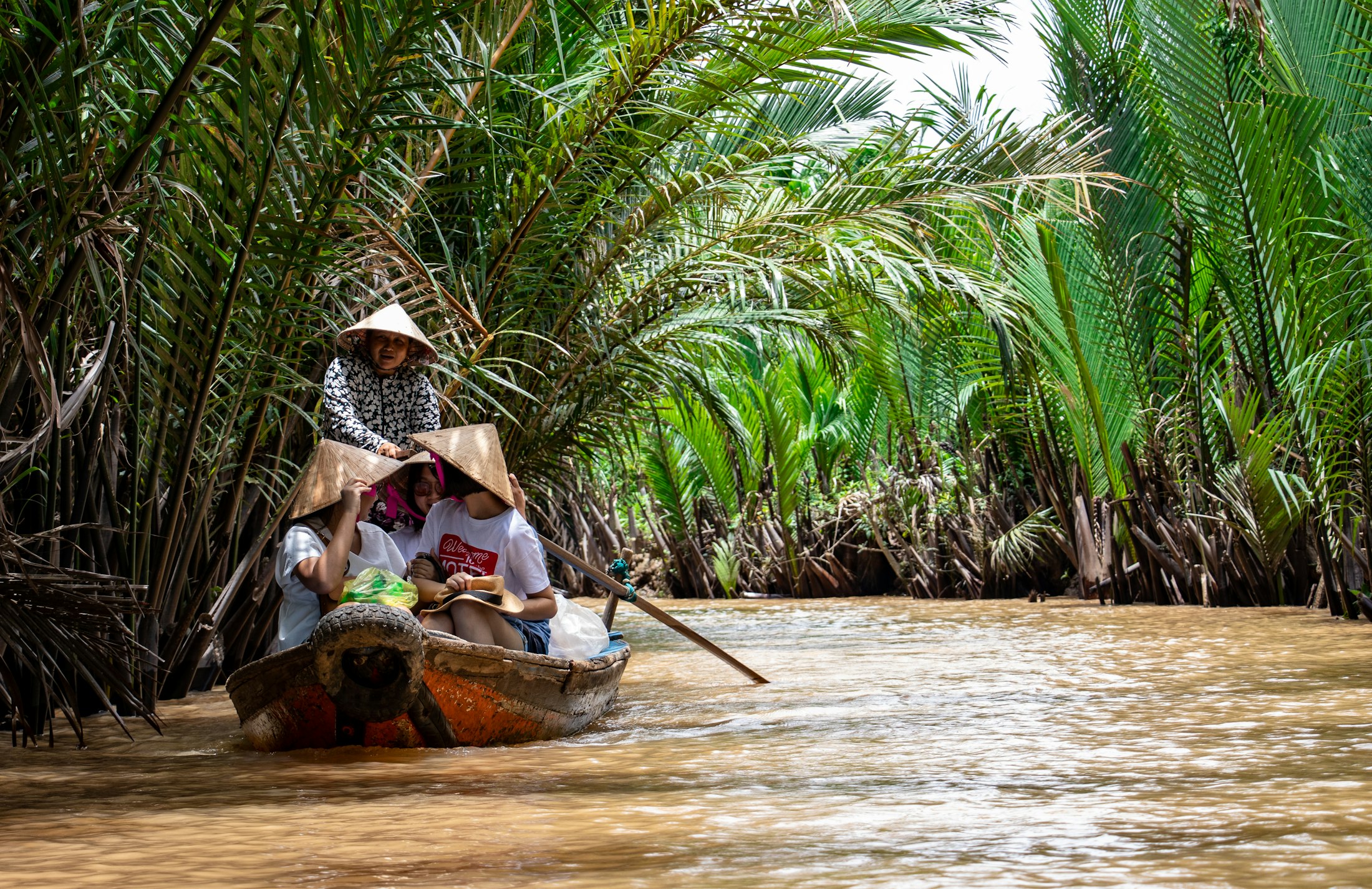
River CruisingThe Mekong Delta is best experienced by boat, with floating markets along the way.
Ocean CruisingOvernight boats through Halong Bay’s limestone karsts are a real highlight, not just a day trip.
Independent TravelHoi An’s old town is small and walkable enough for families to explore on their own.
What families come here for
Thousands of limestone islands rising out of emerald water, best seen overnight on a boat.
A lantern lit old town with tailors who can make custom clothes in 24 hours.
Pho and banh mi both originated here, and both are easy, familiar wins for kids.
Floating markets and boat rides through a different way of life.
36 streets each historically named for the single trade sold there, still largely true today.
Only in Vietnam
The Sympathizer by Viet Thanh Nguyen, a Pulitzer Prize winning novel, tells the fall of Saigon from a Vietnamese perspective rarely centered in Western accounts.
Indochine and The Quiet American were both filmed largely on location in Vietnam, capturing real streets and landscapes.
Pho, now found worldwide, originated in northern Vietnam in the early 20th century.
You can cruise overnight through nearly 2,000 limestone islands in Halong Bay, a UNESCO site with no real equivalent anywhere else.

An overnight boat through Halong Bay is worth building the whole itinerary around, most families regret only doing a day trip. I can find the right cabin for a family your size.
Plan Vietnam with NicoleHa Long Bay
