
Giza. The pyramids sit at the edge of a city of twenty two million people, which is the first thing nobody tells you
Egypt Family Travel Guide
“Egypt is not a hard country. It is a loud one. Those are different problems and only one of them has a fix.” Egypt with kids is one of the best history trips a family can take, once you know what the loud part actually is.
11 nights with Cairo and a 7 night Luxor cruise, from about $8,039 per person. Read the answer
Nicole Damiano, ASTA Verified Travel Advisor with FG Luxury Travel
Do we need a visa?
Yes. Twenty five US dollars in cash at the airport on arrival, or the e-visa online for a bit more. Bring the cash in clean bills, the window does not take cards.
Guide or no guide?
Guide. I did Egypt alone at twenty two with no plan and no guide and I spent more, saw less and got hassled constantly. With kids, a private guide and driver is the difference between a great trip and a hard one. That is the recommendation, not a caveat.
Is a Nile cruise good with kids?
Yes. Three or four nights between Luxor and Aswan, temples in the morning, pool on the roof in the afternoon, and nobody has to pack. It is the easiest way to do Upper Egypt with children.
How old?
Seven is the floor, nine or ten is the sweet spot. Below seven the heat and the walking cost more than the pyramids give back.
When should we go?
November through February. Highs in the seventies in Luxor, cool evenings, blue skies. Summer is over a hundred degrees in Upper Egypt and I do not book families then.
Nicole’s Perspective
Why families hire me for Egypt

Egypt is one of the great trips of your life, and the way you book it decides everything. I sell Egypt, I plan Egypt, and I know exactly where families come unstuck. My honest advice after years of booking it is simple. Go with a guide, or go by river cruise, or do both. That is not a caveat. That is the recommendation.
I went once myself, in 2006, backpacking alone at twenty two with no plan and no guide. I wrote about that trip here. I did it the hard way and I spent more time managing logistics than looking up at the things I had crossed the world to see. Every family I have booked since has done it the other way. A guide who meets you at the aircraft door, a driver already waiting outside, a boat that carries you between Luxor and Aswan while you sleep. They come home talking about the temples, not the taxis.
Beyond the Bookshelf
Stories to carry you deeper into Egypt. From the streets of Cairo to the banks of the Nile, here is what to read, watch, listen to and cook before you go.

- Palace WalkNaguib Mahfouz
- Death on the NileAgatha Christie
- The Golden GobletEloise Jarvis McGraw
- My Egyptian Grandmother’s KitchenMagda Mehdawy
As an Amazon/Bookshop/affiliate partner, we may earn from qualifying purchases.
Why this country, for this family
Why Egypt
 Poppy marks the family parts. Wherever you see her, that section is written for traveling with children.
Egypt is one of the great trips of a lifetime and the way you book it decides everything. Go with a guide, or by river cruise, or both. I did it alone at twenty two and I would not send a family that way.
Who it is for. History families with kids over seven. Anyone whose child has done the pyramids at school and wants to stand on the real thing. Families who like being looked after, because a guided Egypt is calm and a solo Egypt is not.
Who should skip it. Anyone who wants to wander unplanned. Egypt hassles independent travelers and it wears families down. Skip it in summer too, Luxor is over a hundred degrees from May to September.
A guide is the trip
Private guide and driver, every day. It is not a luxury here. It is the difference between a wonderful week and a hard one.
The Nile cruise is the family shape
Three or four nights Luxor to Aswan. Temples in the morning, pool on the roof by lunch, nobody packs.
November to February
Seventies in Luxor, cool nights, blue skies. The rest of the year is a compromise and summer is off the table.
Guide and Driver, or On Your Own
This is the first real decision and it changes everything after it. I will save you the suspense. Almost everyone should use a guide in Egypt, and the people who most want to do it independently are usually the ones who should not.
A private Egyptologist guide is not a luxury item. It is the difference between a temple being a pile of warm stone and a temple being a story your nine year old repeats at dinner for a year. Egyptian guides are licensed and most hold a degree in the subject. A good one will read your children in ten minutes and pitch the whole day at them.
The driver matters as much as the guide. A car and driver waiting outside every site means you are never standing on a kerb in Cairo negotiating with anyone. That single fact removes about eighty percent of what people describe as Egypt being exhausting.
It costs less than you think. A private guide, driver and entrances for a family day in Cairo generally lands somewhere between two hundred and four hundred dollars depending on season and operator. Split across four or five people, against what a family day costs in Rome or Paris, it is not the expensive part of the trip.
Independent travel is possible. Trains run, Uber works well in Cairo, and plenty of confident travelers do it. But you will spend your energy on logistics and defenses instead of on the country. If you have traveled a lot in North Africa or the Gulf, go ahead. If Egypt is your first trip into the region and you have children, hire the help.

A Nile boat between Luxor and Aswan. Your hotel moves while you sleep and the temples come to you, which is the whole argument
The Nile Cruise Is the Sensible Way to Do Upper Egypt
I sell cruise for a living so treat this as biased, then look at the alternative and tell me I am wrong. Upper Egypt means Luxor, Esna, Edfu, Kom Ombo and Aswan, spread over about a hundred and twenty miles of river. You can do it by road, unpacking and repacking, or you can do it on a boat that carries your suitcase for you.
Three or four nights, Luxor to Aswan or the reverse. Four nights going upstream from Luxor is the common shape. You wake up somewhere new, walk off the boat into a temple at seven in the morning before the heat and the crowds, and are back on board for lunch and a pool by eleven. For a family that rhythm is worth more than any single site on the itinerary.
Dahabiya versus big boat. A dahabiya is a small sailing vessel, ten or twelve cabins, no engine noise, moors at places the big ships cannot. It is lovely and it suits older children and adults who want quiet. A standard river ship has a pool, other kids on board, and a buffet that will feed a picky eater. With children under twelve I steer people to the bigger boat almost every time. The pool matters more than the romance.
Food and water on board are the safe version. Boats filter and bottle. It is the single easiest way to keep small stomachs out of trouble for four days, and it is why I recommend it as much as the temples.
Do not add Abu Simbel casually. It is three and a half hours by road each way from Aswan, or a short flight. It is astonishing and it is also a very long day. With children under ten, fly it or skip it, and do not let anyone shame you into the four in the morning convoy.
Cairo Is Loud, and You Should Still Go
Twenty two million people. Traffic that treats lanes as a suggestion. Horns as a language rather than a warning. Cairo is the part of Egypt people try to minimize and I think that is a mistake, because it is also the part that is alive.
Two full days is right. One is not enough and three is more than most families want. Day one is Giza and Saqqara. Day two is the Grand Egyptian Museum, then Islamic Cairo or Coptic Cairo depending on your children’s stamina. The new museum near the pyramids is the reason to give Cairo the second day. It is enormous, it is air conditioned, and Tutankhamun’s collection sits in it whole for the first time.
Stay in Giza rather than downtown if you have kids. Waking up with the pyramids out of the window costs you nothing extra and saves you an hour of traffic on the morning that matters most. Traffic in Cairo is not a rush hour thing. It is a constant. Budget an hour to go anywhere and be pleased when it takes forty minutes.
I took a bus into Cairo from Eilat in 2006 and the journey involved a police escort, three hotel changes and a great deal of adrenaline. That story is on the blog. None of it is how a family should arrive. Fly in.
The Hassle Factor, Said Plainly
Egypt has a reputation for hassle and it is earned. Vendors at the pyramids are persistent. Camel handlers will put your child on a camel and then name a price. Someone will hand you a headscarf, wrap it on you, and ask for money. It is not dangerous. It is relentless, and with tired children it wears you down.
La, shukran. Then walk
No, thank you, in Arabic, said once, without slowing down and without smiling apologetically. The hesitation is what gets read as interest. Teach the kids to say it and they will love using it.
Carry small notes
Tipping is woven into daily life and is called baksheesh. Five or ten pound notes for bathroom attendants and helpful hands. Not having change is how you end up handing over a twenty.
Agree the price before the photo
Before the camel, before the horse, before someone holds your baby for a picture. Every time. This one rule prevents almost every unpleasant scene people report.
A guide absorbs nearly all of this. That is the honest reason I push guides so hard for Egypt and not for, say, Portugal. You are not buying knowledge alone. You are buying a person whose presence makes the noise stop.
The map
Egypt Place by Place
A good Egypt family itinerary usually runs through the same handful of places, in the same rough order. Eight places worth naming. The first five are what almost every good first trip is built from. The last three are what you add when you have more than ten days or you are coming back.


Anthem Bilady, Bilady, Bilady, my country, my country, my country. Slow and sung with a hand on the heart. Language and money Arabic, and English at every hotel and site. The Egyptian pound, and cash in small notes for tips, which are expected everywhere.

Abu Simbel
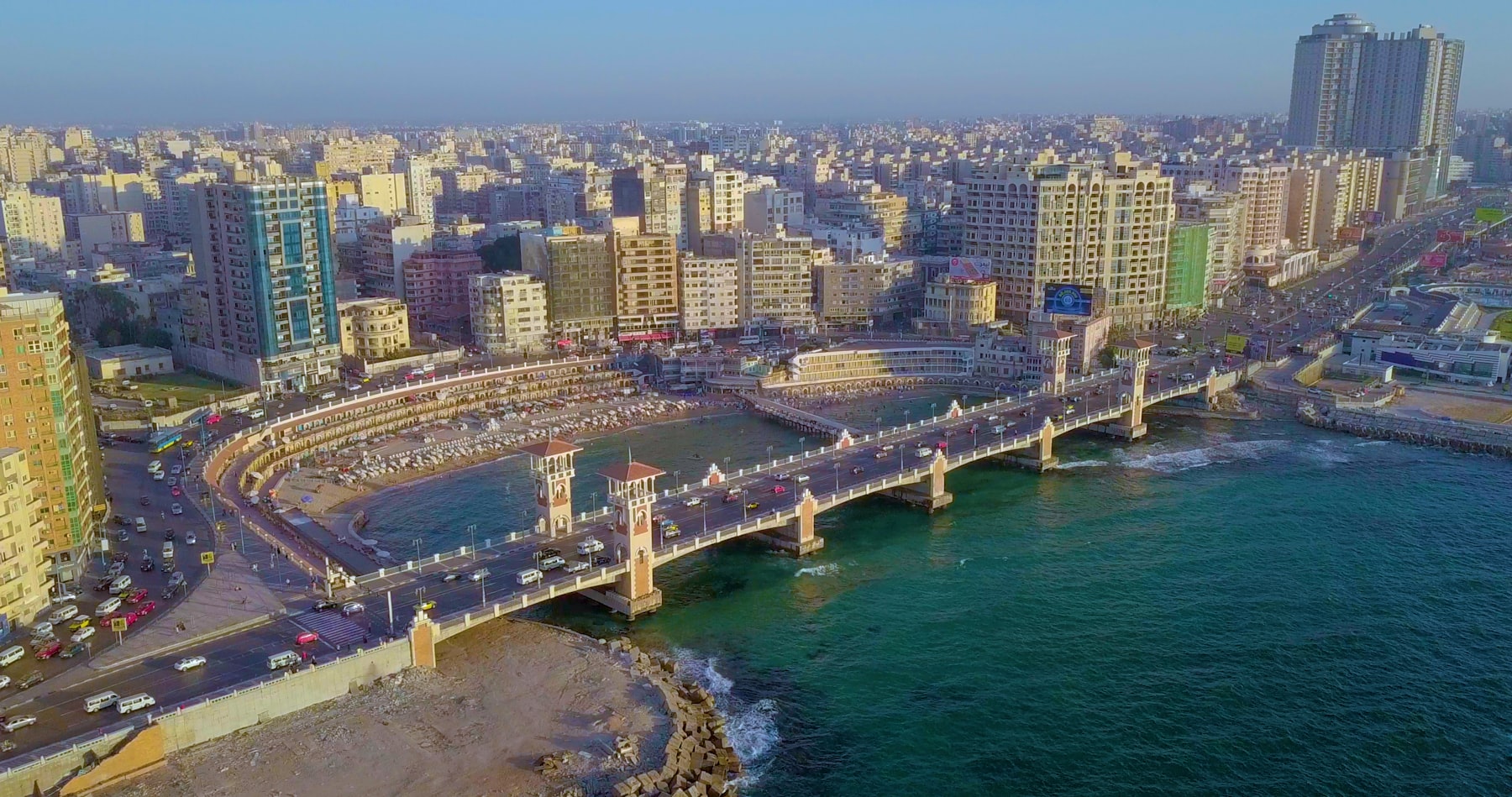
Alexandria

Aswan
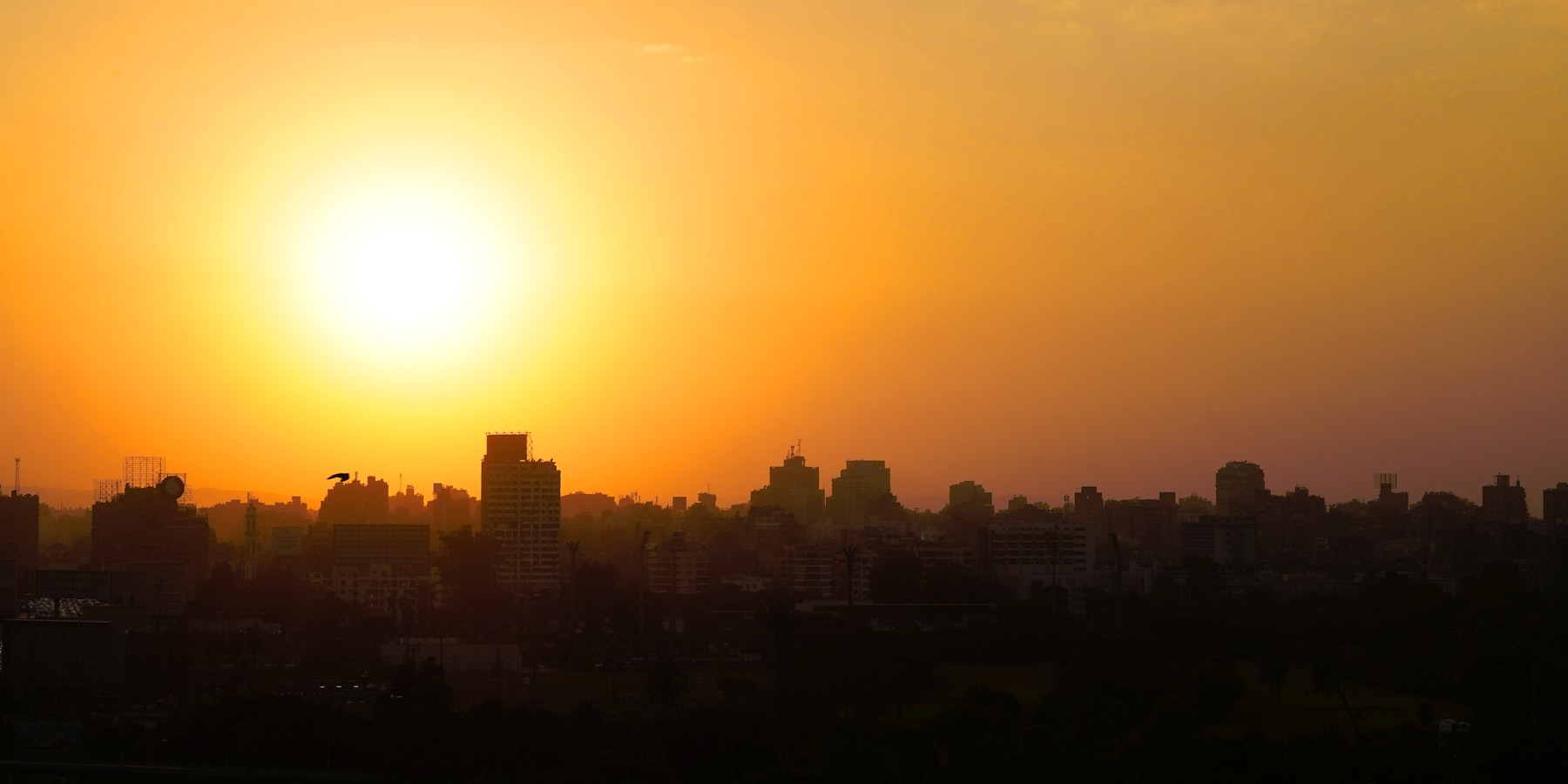
Cairo
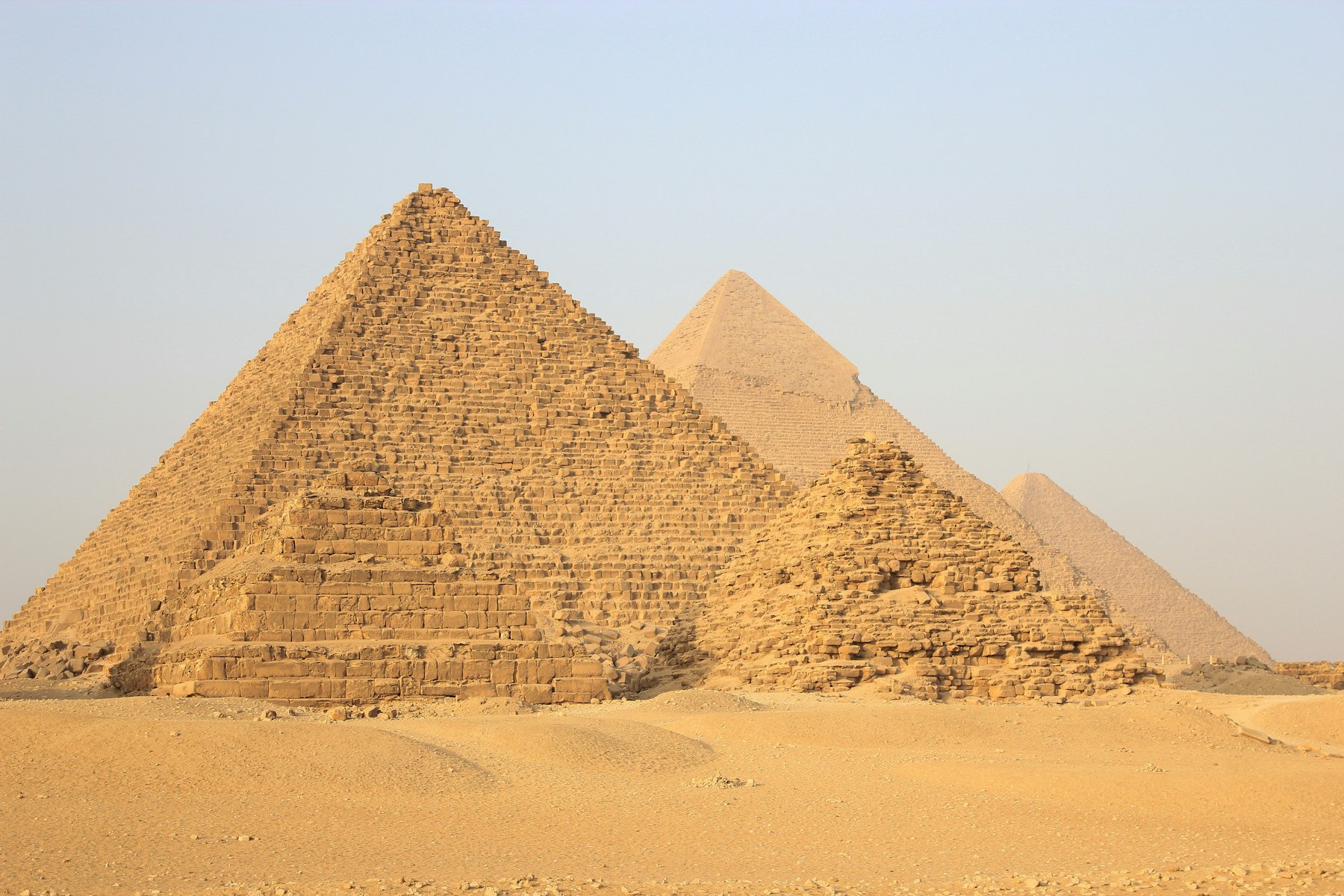
Giza
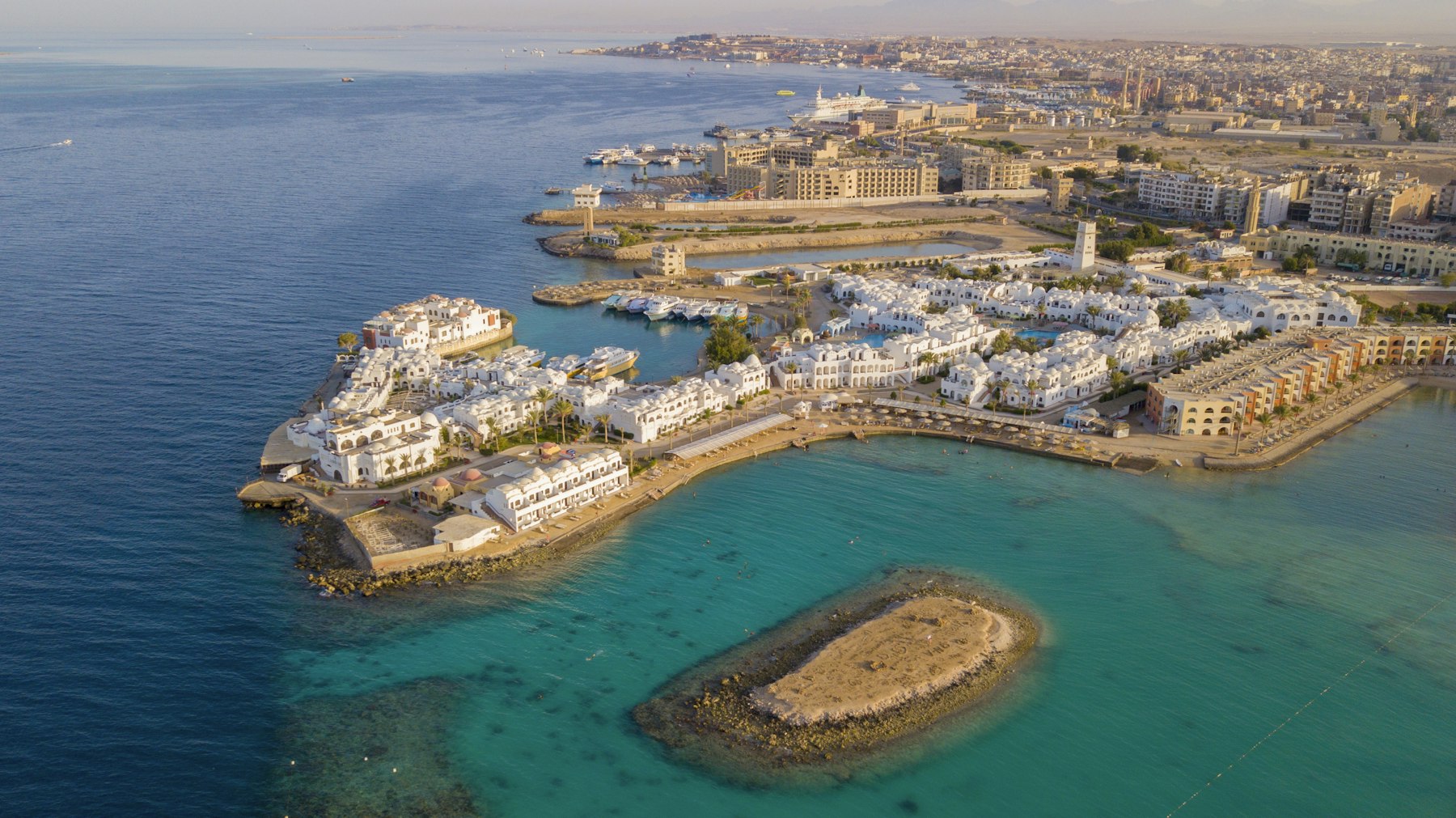
Hurghada
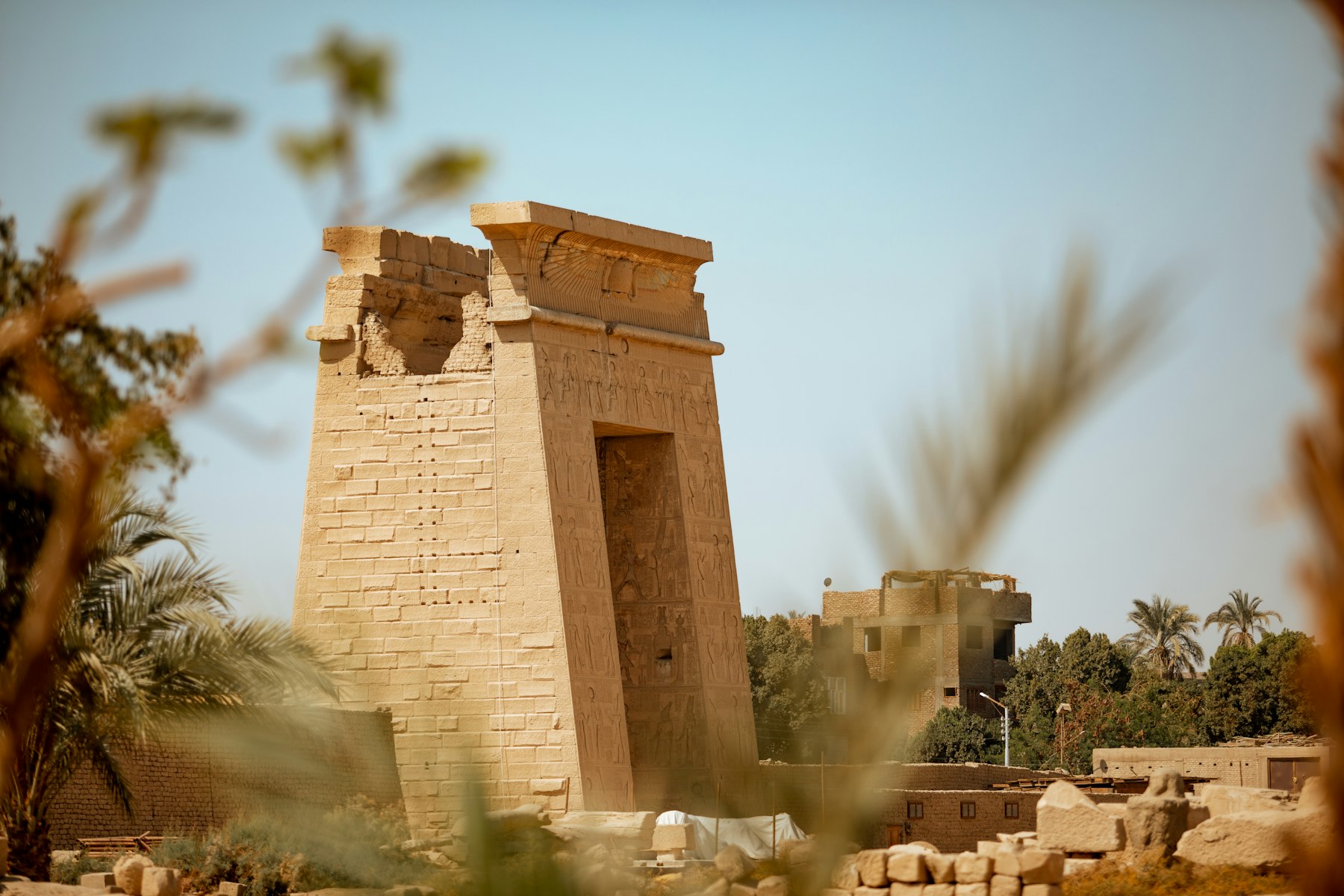
Luxor
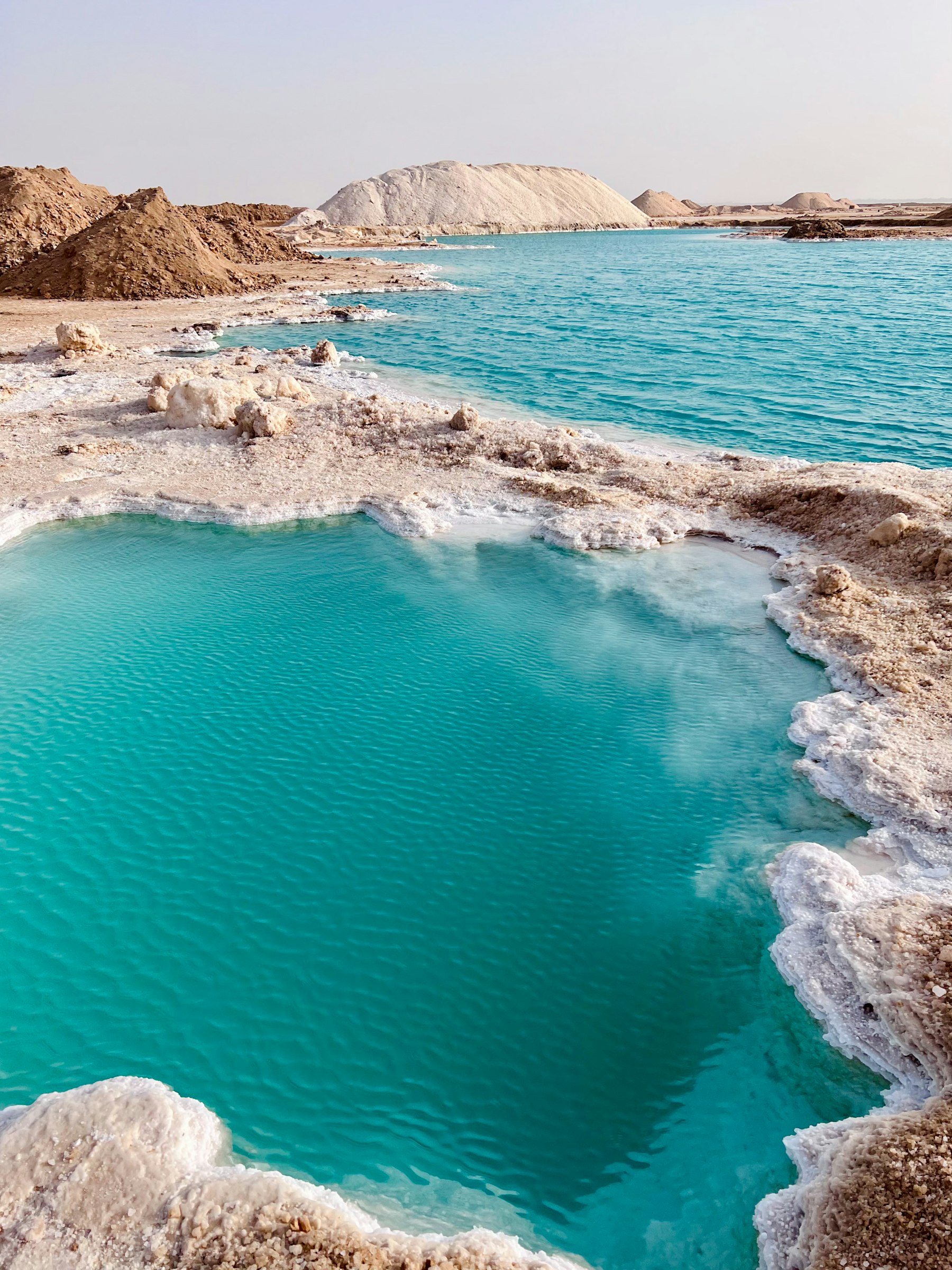
Siwa Oasis
Egyptian Culture Runs Deeper Than the Pyramids
Modern Egypt is a living Arab, Muslim, and Coptic Christian culture layered directly on top of one of the oldest civilizations on Earth.
Islam and Coptic Christianity have coexisted here for centuries. Cairo alone has some of the oldest churches and mosques in the world standing within a short walk of each other.
Tea and coffeehouse culture is a genuine social institution. Ahwas, traditional coffeehouses, are where deals get made, backgammon gets played, and daily life actually happens.
Egyptian Arabic is the most widely understood Arabic dialect. Decades of Egyptian film and music exported it across the entire Arab world, which is part of why Cairo has such cultural weight in the region.
Bargaining is expected in markets, not optional. Starting well below the asking price at a souk or bazaar is normal and even expected, and it can be part of the fun once you settle into it.
Food
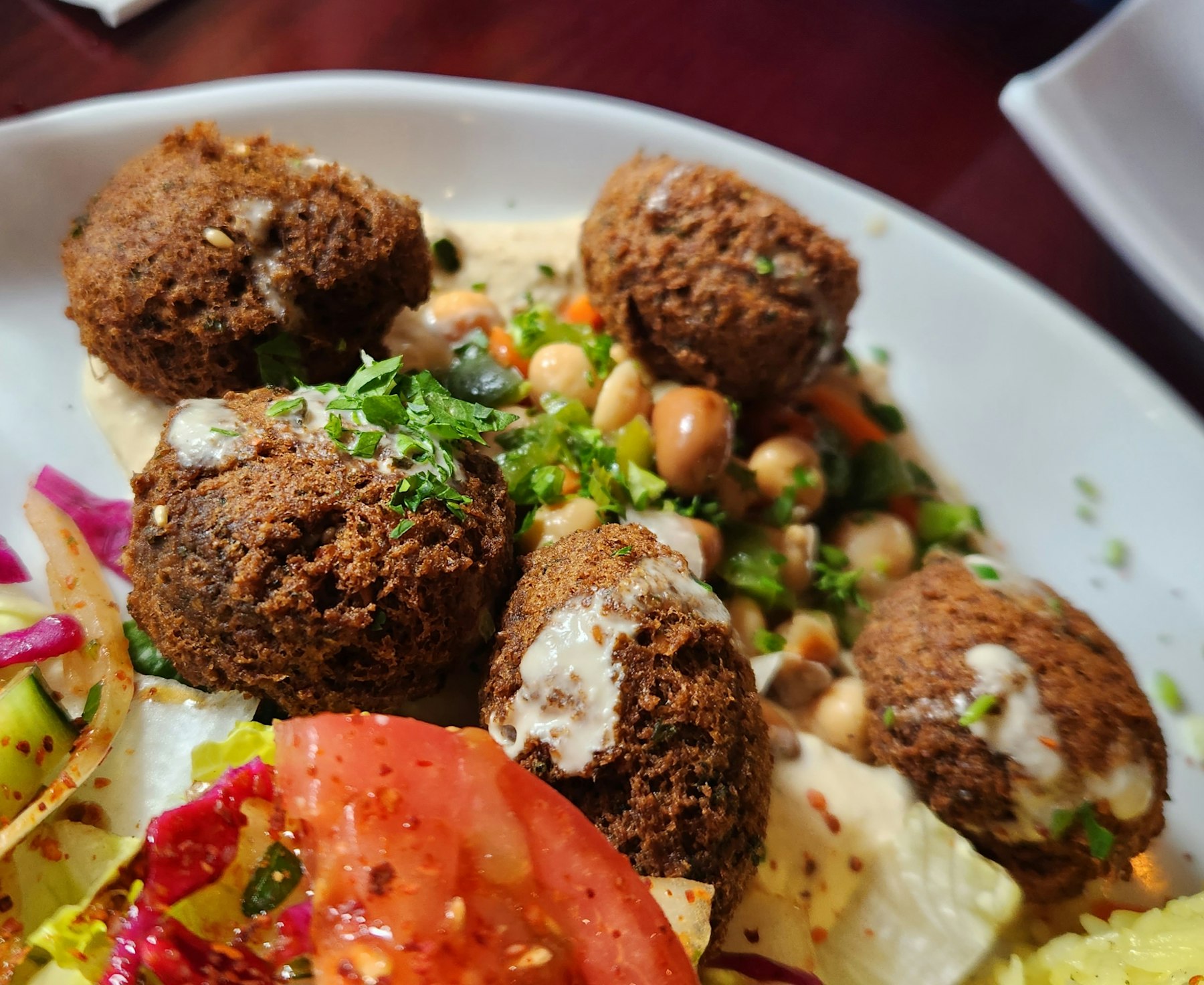
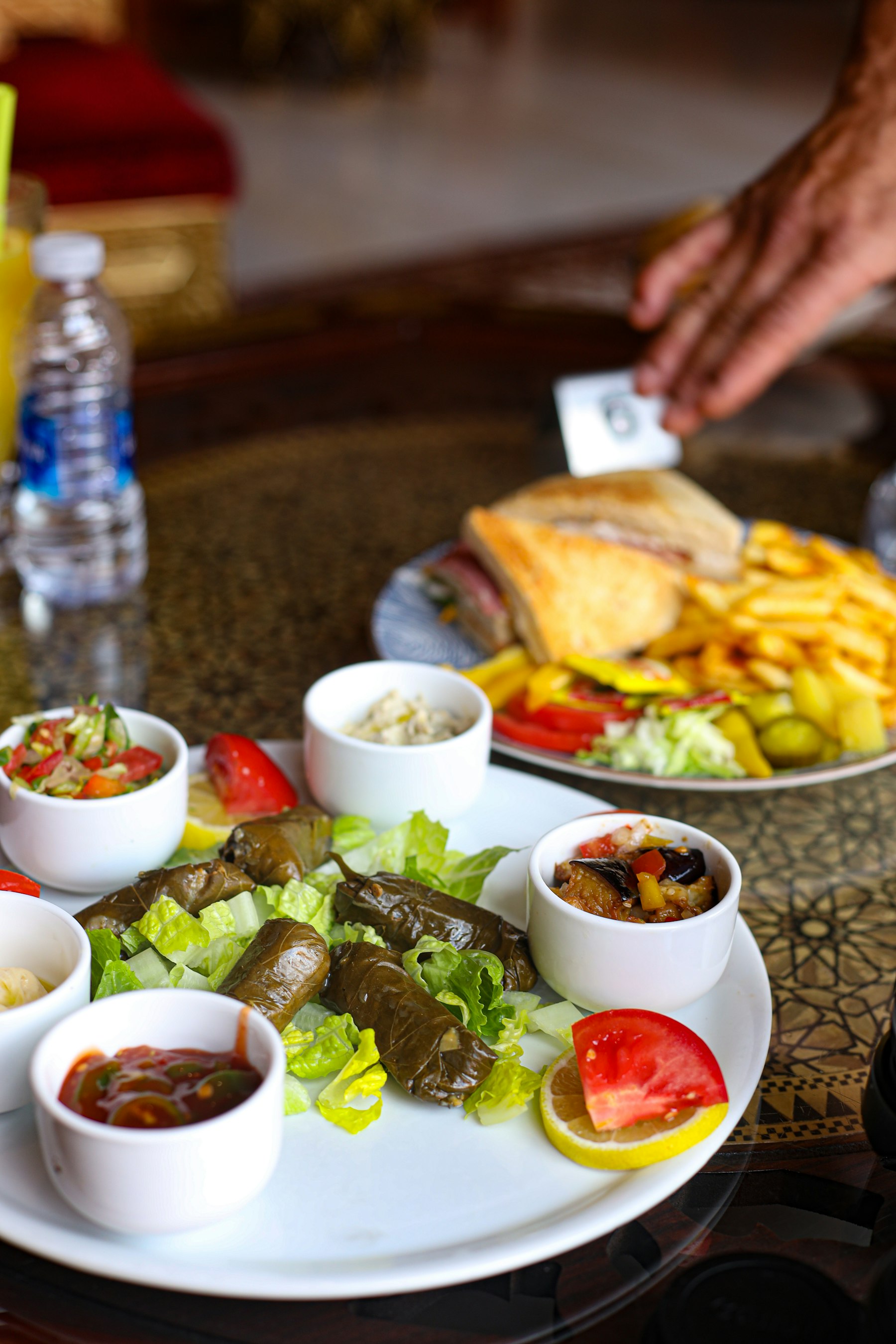
Egyptian food is cheap, filling and much gentler than people expect. Very little of it is spicy. Bread is at every meal and children who will eat bread and rice will eat fine here. Two dishes I could not photograph are worth naming anyway. Ful medames is slow cooked fava beans with oil and lemon, eaten for breakfast by most of the country. Molokhia is a thick green soup made from jute leaves, served over rice, and it is the one thing on the table your kids will either love or refuse outright.



Inside the Valley of the Kings at Luxor. The color on these walls is three thousand years old and nobody repainted it
Getting Around
Fly internally. Do not drive between cities. Cairo to Luxor is an hour in the air and about ten hours on the road. EgyptAir and Air Cairo run the routes several times a day and fares are reasonable. Domestic flying is the single biggest time saver in an Egypt itinerary.
The sleeper train Cairo to Aswan is a real option. Private cabins, dinner served in the cabin, roughly twelve hours. Children think it is the best night of the trip. Adults find the beds narrow and the corridor noisy. Try it one way, fly the other.
Uber and Careem work properly in Cairo and Alexandria. Metered, in app, no negotiation, and cheap. If you are in Cairo without a driver this is what you use. Street taxis are fine too but you will haggle every single time.
Do not rent a car. I say this about very few countries. Cairo traffic is not a place to learn, road signage outside the cities is thin, and a driver costs less per day than the rental. There is no upside here.

Giza, twenty minutes from the Cairo hotels
Money and Practical Basics
The Egyptian pound has moved a lot. It has devalued sharply in recent years, which makes Egypt very good value for anyone earning dollars and makes any price you read in an old guidebook meaningless. Check the rate the week you go. Cards work in hotels and larger restaurants. Cash rules everywhere else.
Most visitors need a visa and it is easy. Americans can buy a thirty day tourist visa on arrival at the airport, or apply online in advance, and there is a fee per person including children. Bring the exact amount in dollars as a backup. Passports need six months validity.
Bottled water only, including for teeth. This is not paranoia, it is standard practice for visitors, and it is the one rule I would not bend with children. Eat hot food that is hot and fruit you peel yourself. Bring rehydration sachets. Nearly everyone is fine, and the small number who are not usually broke one of those rules.
Dress is more relaxed than people fear, and covering up helps. Shoulders and knees covered for women is respectful and it also cuts the attention noticeably. Mosques require a headscarf. Long light sleeves are a sun decision as much as a cultural one. Children are exempt from all of it.
When to Go
This one is not a matter of taste. Egypt has a season and everything else is a compromise.
November to February. Go then
Highs in the seventies in Luxor, cool evenings, blue skies. The Valley of the Kings at that temperature is a pleasure. Christmas and New Year are busy and priced accordingly. Late November and January are the sweet spot.
March, April and October are fine
Warm rather than hot, fewer people, better rates. April can bring the khamsin, a hot sand laden wind that arrives for a couple of days and makes everything gritty.
June to September is dangerous heat
Luxor and Aswan run past a hundred and ten degrees. There is no shade in a temple complex. I will not book a family with young children into Upper Egypt in July. The Red Sea resorts are the only summer answer and even they are punishing.
How to Route an Egypt Trip
The classic route follows the Nile north to south, and it works because the sites are spread out along the river.
Start in Cairo for the pyramids and the Egyptian Museum. Two to three days covers Giza, Saqqara, and the museum without rushing, and it sets up the flight south.
Fly to Luxor or Aswan and cruise between them. A four or five night Nile cruise between the two cities is the single best way to see the temples without repacking every day.
Abu Simbel is worth the early flight from Aswan. It is a genuine detour, but the scale of the temple and its history make it one of the most worthwhile add ons on the entire itinerary.
Add the Red Sea coast if you want to end on a beach. Hurghada or Sharm el Sheikh give the trip a relaxing final few days after a history heavy itinerary.

A felucca at Aswan
Regions at a Glance
Cairo and Giza
The pyramids, the Sphinx, the new Grand Egyptian Museum, Islamic Cairo. Loud and essential.
Luxor and Upper Egypt
Karnak, the Valley of the Kings, the Nile cruise to Aswan. Where the trip gets calm.
Aswan and Abu Simbel
Philae, a felucca on the river, the day trip to Ramses’ temples at the border.
The Red Sea
Hurghada and El Gouna. Resorts, reef, and the reward at the end of the history.
Where to Go in Egypt
Egypt is the Nile and the trip follows it. Five places, in this order.
Giza and Cairo. Three nights. The pyramids early with a guide, the Grand Egyptian Museum, a felucca at sunset, Khan el Khalili with older kids.
Luxor. Two nights before the cruise. Karnak at opening, the Valley of the Kings, a balloon at dawn for kids over seven.
The Nile cruise. Three or four nights. Edfu, Kom Ombo, the pool on the roof between temples. The family shape.
Aswan. Two nights. Philae by boat, a Nubian village, the day trip to Abu Simbel before the heat.
El Gouna. Three nights at the end. Reef snorkeling, a lagoon town with no traffic, and the kids get a pool.
Doing It With Children
Seven is the floor, nine or ten is the sweet spot. Below seven the heat, the walking and the noise cost you more than the pyramids give back, and they will not remember it. From nine up, a child who has met mummies and pharaohs in a book will lose their mind in the best way. Teenagers do brilliantly here.
Prime them before you go. Egypt is the rare destination where twenty minutes of homework transforms the trip. Names, gods, the story of Tutankhamun, how a mummy was made. A child who knows what Anubis looks like will find him on a wall and tell you.
Hats, long sleeves, sunglasses, and a real water plan. The sun in the desert does not feel hot in the way humidity does, so people underestimate it badly. Two litres per person per day minimum and a mid day break at the hotel or on the boat is not laziness, it is the itinerary.
Say yes to the camel, agree the price first. It will be the photograph they keep. Ten minutes is plenty. Establish the number, in Egyptian pounds, before anybody gets on, and hand it over only when everybody is back on the ground.
Who Egypt Suits, and Who Should Skip It
Go if your children are seven or older and already interested in ancient anything. Go if you want a trip that will still be talked about in ten years. Go if you like the idea of a cruise where the scenery is four thousand years old. Go if you want great value, because with the pound where it is, Egypt delivers more per dollar than almost anywhere I sell. A family trip to Egypt at that age and up is, in my experience, one of the most rewarding trips I plan.
Skip it, for now, if you are traveling with a toddler or a baby. Skip it if crowds and noise are the thing that ruins a trip for you, because Giza in January is not quiet. Skip it if you only have five days, because you will spend two of them flying and see it badly. Skip it if summer is your only window. Go to Morocco instead, or wait a year.
Compared to its neighbors, Egypt is the one with the monuments and Morocco is the one with the atmosphere. Morocco is a shorter flight from the States, easier to do independently, and gentler with young children. Egypt is a bigger swing. Nothing in Morocco makes an eleven year old go quiet the way the Great Pyramid does. If you want wildlife rather than history, that is a different continent entirely and it lives in Kenya and Tanzania.
Where to Spend the Money in Egypt
Egypt is affordable by Western standards, which makes a handful of real splurges easy to justify.
A private dahabiya sailboat instead of a standard cruise ship. These smaller, traditional sailboats carry far fewer passengers and dock at quieter spots along the Nile.
A licensed Egyptologist guide for the major sites. The context changes what your family understands and remembers, and it is worth it at every stop, not just the pyramids.
A hot air balloon ride over Luxor at sunrise. Floating over the Valley of the Kings and the Nile as the sun comes up is one of the most memorable mornings a family trip can offer.
A Nile view room in Luxor or Aswan. The upgrade is inexpensive relative to US hotel prices and turns breakfast and evenings into part of the experience.
Things That Surprise First Timers
The pyramids are in the suburbs. There is a Pizza Hut across the road. People expect empty desert and get a city that runs right up to the fence. It is jarring for about ten minutes and then it becomes the most interesting thing about them.
The tombs still have their color. Everyone knows the shapes. Nobody expects blues and golds that look like they were painted last year. The Valley of the Kings is the site that makes adults cry, not Giza.
Nights are cold in winter. Desert climate. Eighty degrees at noon in January and low fifties after dark. Pack a proper layer, especially for the boat deck.
Egyptians are extremely warm with children. Your kids will be greeted, fussed over, given things, and asked for photographs. Once you understand it is real rather than a lead in to a sale, it changes how the whole country feels.
Where I Would Start
First time in Egypt with kids? Cairo, then a Nile cruise. Take a guide for the whole trip, go between October and April, and end on the Red Sea.
Giza and Cairo. Three nights. The pyramids early with a guide, the Grand Egyptian Museum, a felucca at sunset, Khan el Khalili with older kids.
Luxor to Aswan by boat. Four nights. Karnak, the Valley of the Kings, then the cruise with a pool on the roof and a temple every morning.
El Gouna. Three nights. Reef snorkeling, a lagoon town with no traffic, and the kids get a pool after all that history.
Numbers Worth Knowing
Egypt, by the numbers
Ways to travel
Egypt is not one kind of trip
How you move through it changes the trip more than which places you pick.
Ocean Cruising
A Nile river cruise between Luxor and Aswan is the best way to see ancient Egypt, waking up at a new temple almost every morning without repacking a bag.
For example: a four or five night Nile cruise between Luxor and AswanRoad Trips
Driving between Cairo and the sites requires a driver, not a rental car, and a private car and driver connecting Giza, Cairo, and the desert oases is how most overland routes work here.
For example: a private driver connecting Cairo, Giza, and the White DesertIndependent Travel
The hassle factor at the major sites, constant vendors, tips expected everywhere, and navigating Cairo traffic make this one of the harder countries to self plan comfortably with kids.
For example: a self planned Cairo and Luxor trip for an experienced independent travelerGuided and Small Group
A private Egyptologist guide is close to essential here, both for context at the sites and for navigating the hassle that independent travelers describe as the hardest part of the trip.
For example: a guided Cairo, Nile cruise, and Luxor itinerary with an Egyptologist throughoutExplore by interest
What families come to Egypt for

Wonders
The pyramids and the Sphinx
The only one of the seven ancient wonders still standing, the new Grand Egyptian Museum next door with the whole of Tutankhamun, and a camel for the children. One long day with a guide.

The river
A Nile cruise
Luxor to Aswan over three or four nights, with Karnak, the Valley of the Kings, Edfu and Kom Ombo along the way and the boat doing the logistics while you sleep. The sensible way to do Upper Egypt with children.

Temples
Abu Simbel
Ramesses II’s colossi, moved block by block when the dam flooded the valley. A dawn flight or a long drive from Aswan and worth either one.

Beaches
The Red Sea
Hurghada, El Gouna and Sharm for the reef, the resorts and the decompression after the temples. The ending most families are glad they added.
Something unexpected
Only in Egypt

Go before the crowds
The Sphinx at Opening Time
Being at the Giza plateau when the gates open means having the Sphinx nearly to yourselves before the tour buses arrive.

Sail it the old way
A Felucca Ride at Sunset
A traditional wooden sailboat on the Nile at golden hour is a quieter, slower way to see the river than a cruise ship deck.

Go underground
Inside a Pharaoh’s Tomb
The painted tombs in the Valley of the Kings, some over 3,000 years old with color still visible, are more vivid in person than any photo captures.

Add the desert to the itinerary
The Siwa Oasis
A remote desert oasis near the Libyan border, with natural springs and salt lakes, and a different pace from the Nile Valley circuit.
Pair it up
Combine It With
Egypt is a long flight, which makes what comes before or after it worth thinking through.

Morocco
The other North African trip Americans actually take. Softer, closer, easier with small children, and completely different in what it offers. If Egypt sounds like too much this year, this is the answer.
Read the guide
Kenya
People do try to combine pyramids and safari in one trip. It is a long way and a lot of flying, but Nairobi connects well from Cairo, and if you are already crossing an ocean the case is not silly.
Read the guide
Africa
The continent hub, with every African guide we have built and the questions you ask before you have picked a country.
Read the guide
Plan Egypt with Nicole
Tell me who is coming, and when.
Egypt works as a ten day trip covering Cairo and a Nile cruise, a longer trip that adds Abu Simbel and the Red Sea coast, or a shorter Cairo only trip for families short on time. Which one makes sense depends on how much history your family can absorb and how much a beach ending matters to you. Send me the ages, the dates, and what you are hoping this trip feels like. I will come back with what is really available.
Nicole Damiano, ASTA Verified Travel Advisor with FG Luxury Travel.
Questions families ask about Egypt
The ones that come up in almost every planning call. If yours is not here, ask me.
Do we need a visa?
Yes. Twenty five US dollars in cash at the airport on arrival, or the e-visa online for a bit more. Bring the cash in clean bills, the window does not take cards.
Guide or no guide?
Guide. I did Egypt alone at twenty two with no plan and no guide and I spent more, saw less and got hassled constantly. With kids, a private guide and driver is the difference between a great trip and a hard one. That is the recommendation, not a caveat.
Is a Nile cruise good with kids?
Yes. Three or four nights between Luxor and Aswan, temples in the morning, pool on the roof in the afternoon, and nobody has to pack. It is the easiest way to do Upper Egypt with children.
How old?
Seven is the floor, nine or ten is the sweet spot. Below seven the heat and the walking cost more than the pyramids give back.
When should we go?
November through February. Highs in the seventies in Luxor, cool evenings, blue skies. Summer is over a hundred degrees in Upper Egypt and I do not book families then.
Keep exploring from Egypt
Cities, neighbors, and the wider region.
Click any card to open that page
More of Africa & the Middle East
 Kenya
 Morocco
 South Africa
 Tanzania
 United Arab Emirates
 All of Africa & the Middle East
 Explore the world
 The Travel Library
