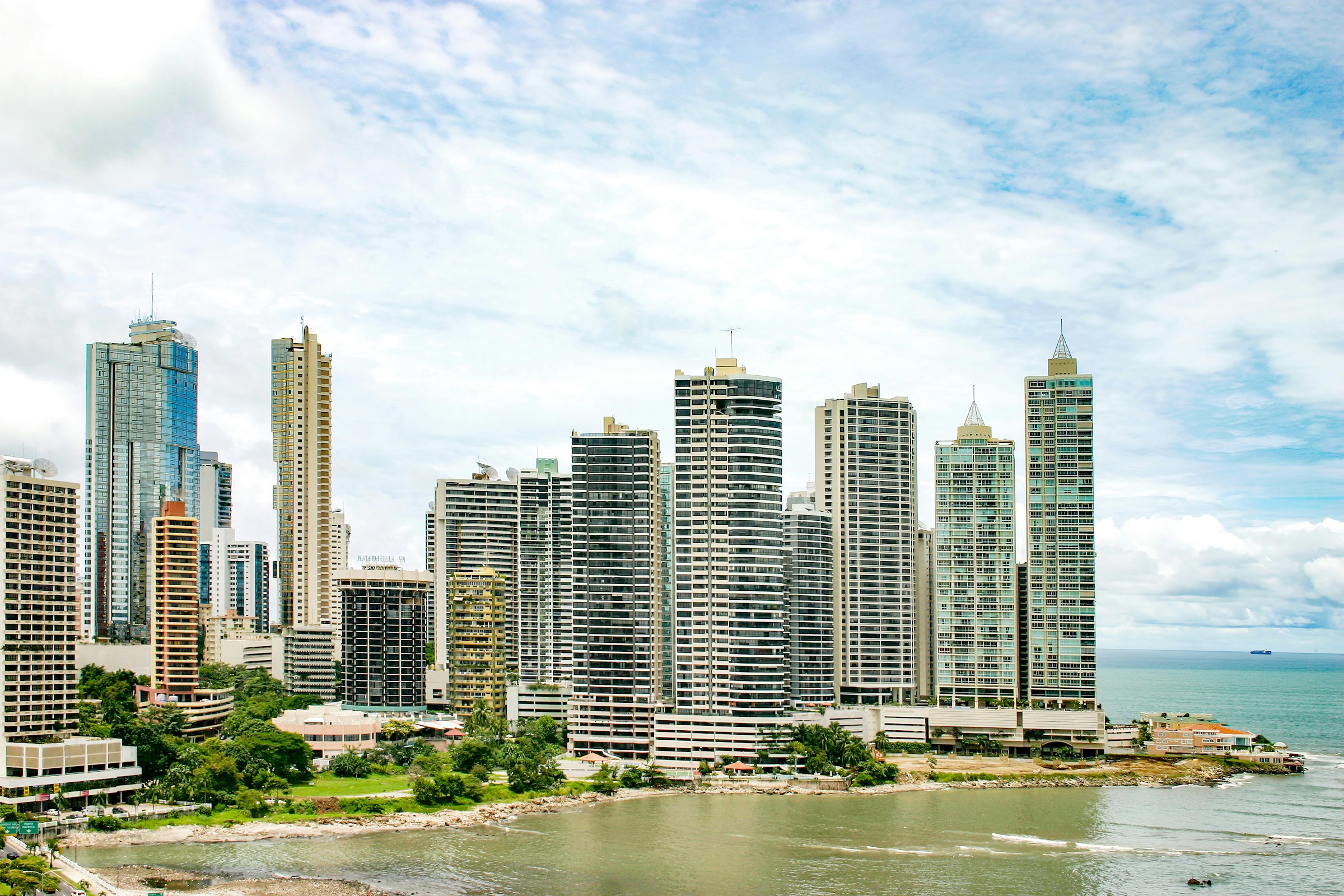
Panama City from across the bay. People are always surprised by it. This is a proper modern capital with a metro, not a sleepy Central American town.
Panama Family Travel Guide
“Panama is the Central American country that does not feel like Central America. It runs on the US dollar, the capital has real infrastructure, and the Canal is one of the few engineering sights that holds a child’s attention for an hour.”
Nicole Damiano, ASTA Verified Travel Advisor with FG Luxury Travel
Do we need a visa?
No. Passport with six months left, proof of onward travel and about five hundred dollars available, which a credit card covers. You get up to a hundred and eighty days.
Is it worth more than the Canal?
Yes. The Canal is a morning at Miraflores watching a ship rise in the lock. Then it is Casco Viejo, the rainforest twenty minutes from the city, and the islands. Bocas del Toro for a laid back Caribbean week, the San Blas islands for something you cannot get anywhere else.
Can we use dollars?
Yes. Panama uses the US dollar as its currency, with its own coins mixed in. No exchange, no math.
Is Panama City safe?
The parts you will be in, yes. Casco Viejo, the Cinta Costera waterfront and the hotel districts are walkable and busy. It is a modern city with a metro and hospitals people fly in for.
Bocas or San Blas?
Bocas with younger kids. Hotels over the water, easy boats, restaurants. San Blas is basic, cabins on sand, no wifi, and it is the most beautiful place in the country. Teenagers and adults, two nights, go.
Nicole’s Perspective
Why families hire me for Panama

I sell Central America constantly and Panama is the one I have to talk people into, because it is not on the shortlist and it should be.
The thing nobody expects is how normal Panama City feels. There is a metro. There are highways that work. There are hospitals people fly in for. You can land, sleep in a good hotel, walk around Casco Viejo at night, and never once feel like you are managing a trip. That is unusual in this part of the world and it makes Panama a soft landing for families who are nervous about the region. This is why I wrote this Panama family vacation guide the way I did, starting with what actually works day to day rather than a list of sights.
The Canal is the other reason. I am usually sceptical of one big sight trips, but Miraflores and the Agua Clara visitor center are excellent, the ships come through on a schedule, and children who could not care less about history stand there watching a vessel get lifted out of the water. Give it most of a day.
What Panama is not is a beach destination in the way Aruba or the Bahamas are. The beaches are good, not famous. If someone tells me they want a week on a lounger, I do not send them here.
Beyond the Bookshelf
Stories to carry you deeper into Panama. This is our own family shelf, real books, films, music and a cookbook tied to the place, not a generic reading list. Read it before you go and the trip means more when you get there.

- In the Time of TyrantsR.M. Koster & Guillermo Sánchez Borbón
- The Path Between the SeasDavid McCullough
- The Great DivideCristina Henríquez
- The World in HalfCristina Henríquez
- What Is the Panama Canal?Janet B. Pascal
- Silver PeopleMargarita Engle
- The Panama Canal: An Illustrated HistoryRebecca Stefoff
- Panama on a PlateYadira Stamp
- Panamanian TreasuresLucho Arcárraga
Book links go to Bookshop.org, which supports local bookstores. Film and music links go to JustWatch and Spotify. As an affiliate we may earn from qualifying purchases.
Why this country, for this family
Why Panama and Not the Country Next Door
 Poppy marks the family parts. Wherever you see her, that section is written for traveling with children.
Panama is the Central American country I book for families who want the canal, the rainforest and an island in one week without a long drive between them. Panama City is easy, the dollar is the currency, and the monkeys are twenty minutes from the hotel.
It uses the US dollar
This surprises almost everyone. The balboa exists as coins, but paper money is US dollars. No exchange, no conversion math, no bad rate at the airport. For a first trip out of the country with kids that removes a whole category of stress.
The capital actually works
Panama City has a metro, a functioning airport that connects to everywhere in the Americas, international hospitals and clean water. It is the easiest major city in Central America to land in cold.
The Canal is a real day out
Miraflores near the city and Agua Clara on the Caribbean side both have proper visitor centers with viewing decks, films and models. Ships come through all day. It is the rare educational stop that children ask to stay longer at.
Serious birding
Over a thousand recorded species in a country the size of South Carolina. Pipeline Road at Gamboa is one of the famous birding sites on earth, and it is forty minutes from a city hotel. You do not need a specializt lodge to see amazing birds here.
Two oceans, one short drive
Pacific and Caribbean coasts a couple of hours apart. Nowhere else lets a family swim in both oceans in the same day without a flight, and children think that is the best fact they have ever heard.
It is a real hub
Copa flies Panama City to almost every capital in the Americas. If you are combining countries, or stopping en route to South America, a few days here costs you nothing extra in flights.
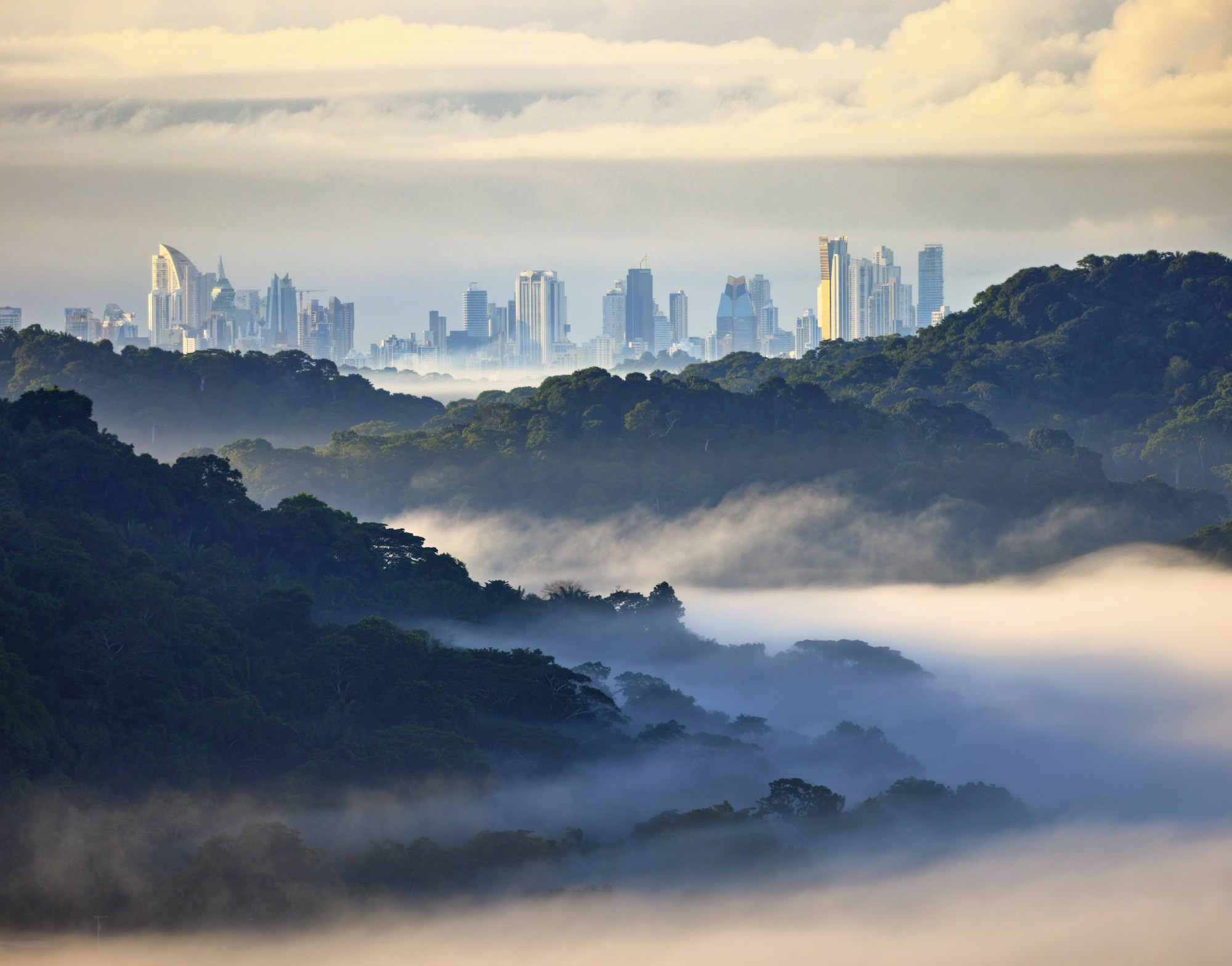
Rainforest along the Canal with the skyline behind it. That combination, twenty minutes of jungle from a downtown hotel, is the thing Panama does that nowhere else does.
The Canal Is Worth a Whole Day
People book the Canal as a two hour stop and then wish they had not. Here is how it actually splits, and which side to choose.
Miraflores is the standard visit. Twenty minutes from downtown, four floors of exhibits, a film, and a viewing terrace right over the lock chamber. Check the ship transit times before you go, because the middle of the day can be quiet. Mornings are the safer bet.
Agua Clara is the newer, bigger one. On the Caribbean side near Colon, at the expanded locks, so you see the enormous modern vessels rather than the older Panamax ships. Fewer crowds, better viewing, a longer drive. If the family is interested, go here.
You can transit it yourself. Partial transit tours run most weekends and take you through two sets of locks on a small boat. Four to five hours, not cheap, and completely worth it for anyone who has ever been curious. Too long for a restless six year old.
The Panama Canal Railway is the underrated one. An hour from ocean to ocean alongside the waterway in old observation cars. It runs early on weekday mornings only, so it takes planning, and it is one of the nicest hours you will spend in the country.
Pair it with the Biomuseo or the Causeway. The Frank Gehry museum at the Amador Causeway is small but bright and quick, and the causeway itself is a good place to walk off a museum afternoon with the skyline in front of you.
Bocas del Toro or San Blas
These are the two island trips people ask about and they are nothing alike. Choosing wrong is the most common Panama mistake I see.
Bocas del Toro is the easy one. Caribbean archipelago in the northwest, a short flight from the city, with hotels, restaurants, water taxis, surf and a backpacker town on Isla Colon. Comfortable, connected, and a bit scruffy. This is where most families should go.
San Blas is the postcard and the hard one. Hundreds of tiny islands run by the Guna people, who control access and tourism themselves. Basic huts, no air conditioning, patchy power, a rough four wheel drive over the mountains or a small plane to get there. It is extraordinarily beautiful. It is also not comfortable, and that catches families out.
Respect matters in Guna Yala. It is autonomous territory, not a resort area. There are fees, there are rules about photographing people, and molas are bought from the women who made them. Go with a guide who works with the community.
The Pearl Islands are the third option nobody mentions. Pacific side, an hour by ferry or fifteen minutes by air from the city, with proper hotels on Contadora and whale watching from July to October. Easiest island add on if you only have two nights.
Bocas has its own weather. The Caribbean side does not follow the same dry season as the rest of the country. It can rain there in February when Panama City is bone dry. Check the coast, not the country.

Gamboa, on the edge of the Canal watershed. Howler monkeys overhead and Pipeline Road, one of the great birding walks anywhere, both about forty minutes from a city hotel.
The Highlands, and Why You Might Want Them
Panama at altitude is a different country. Cool, green, full of flowers, and completely unlike the coast. Two places do it and they suit different trips.
Boquete is the famous one. Up in Chiriqui near the Costa Rican border, cool enough for a sweater at night, built on coffee. Geisha coffee from these hills sells for absurd money at auction and the farm tours are interesting even for people who do not drink it. Hiking, hot springs, river rafting, the Quetzal trail.
El Valle is the easy one. Two hours from Panama City, sitting inside an old volcanic crater. Waterfalls, a Sunday market, butterfly gardens, short hikes, and a temperature that makes everyone sleep better. Perfect two night break from the heat if you do not have time for Boquete.
Altitude here is mild. Boquete sits around 3,900 feet, El Valle a bit lower. Nobody gets altitude sick. This is not Peru. It just means cooler evenings and better sleeping.
Getting to Boquete takes commitment. A seven hour drive on the Pan American Highway or a short flight to David and an hour by road. For a one week trip that is a lot. For ten days or more it is worth it.
Quetzals are real here. Resplendent quetzals nest around Boquete and Volcan Baru between roughly February and May. Costa Rica gets the reputation, Panama gets the same birds with fewer people looking at them.
The map
Panama Place by Place
Panama is narrow and it packs a lot into that. City, canal, two coasts, mountains and two completely different island groups, all within a few hours of each other.


Anthem The Himno Istmeno, the isthmus anthem, alcanzamos por fin la victoria, we finally reached victory. Language and money Spanish, and English in the city. The US dollar, called the balboa here, with Panamanian coins mixed in.
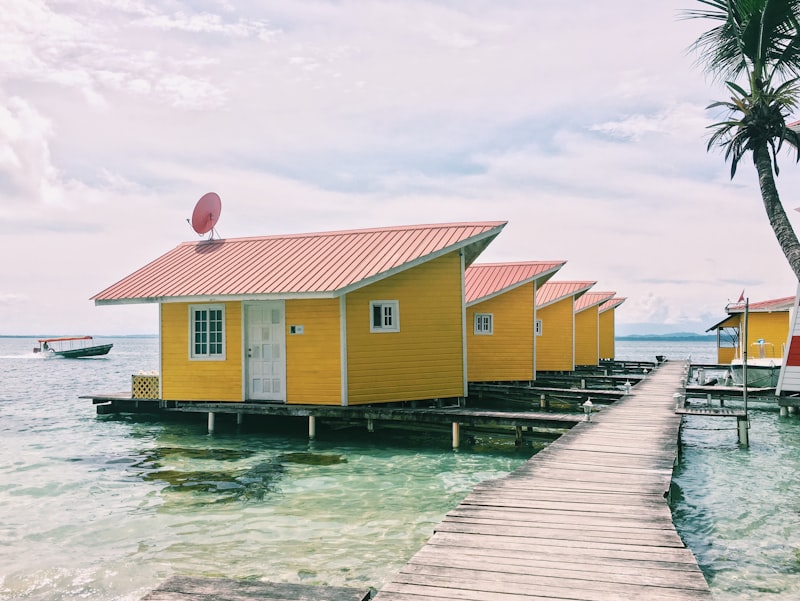
Bocas del Toro
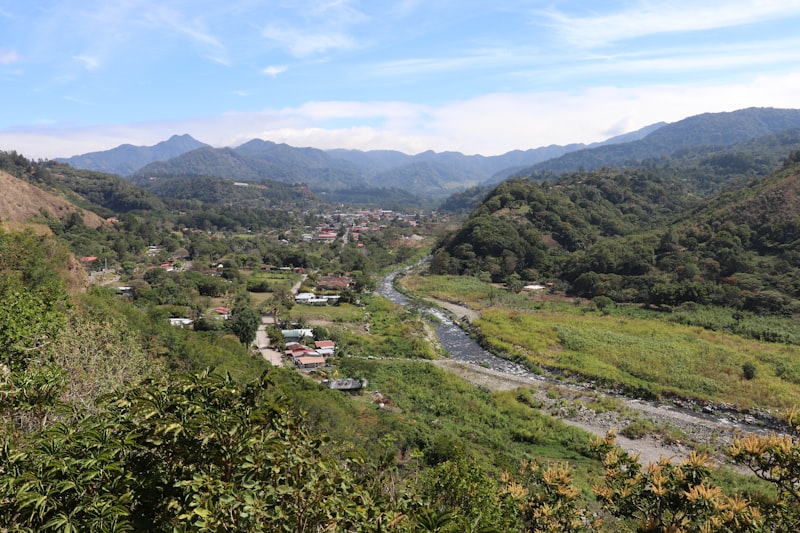
Boquete
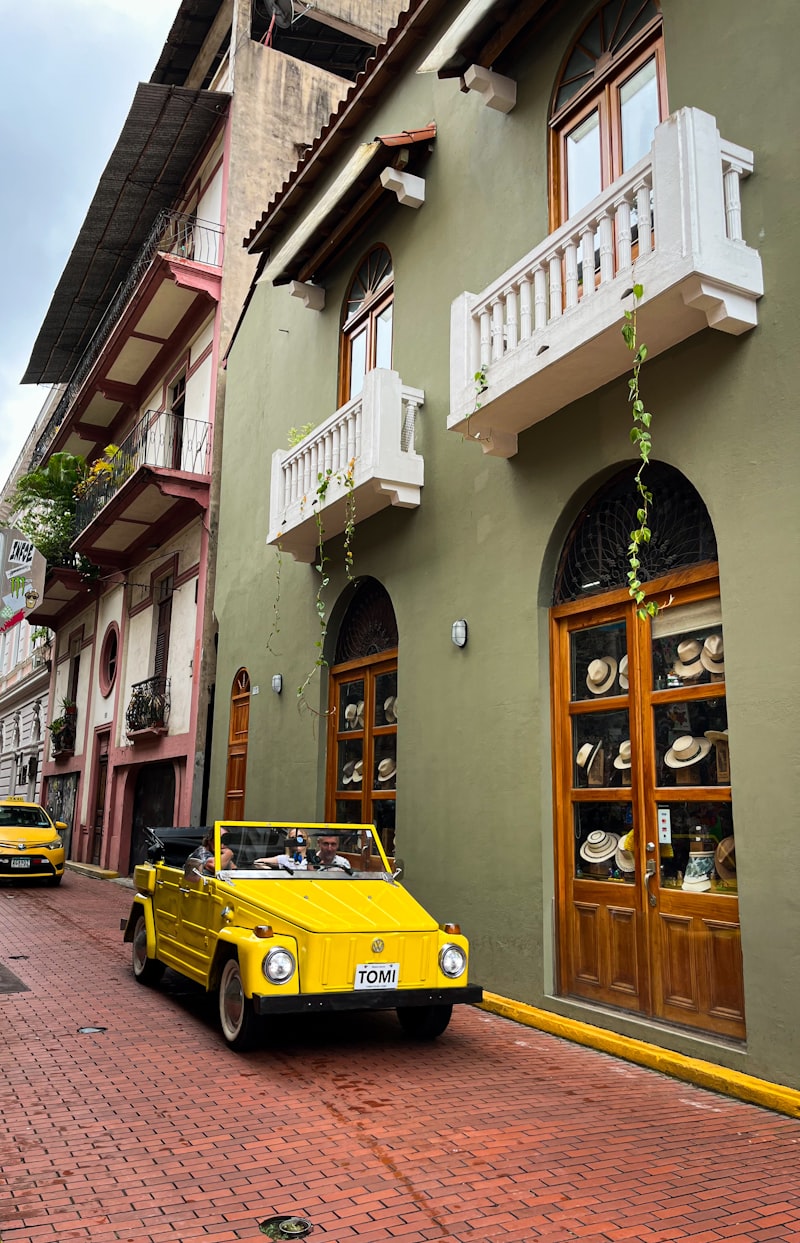
Casco Viejo

El Valle

Panama Canal
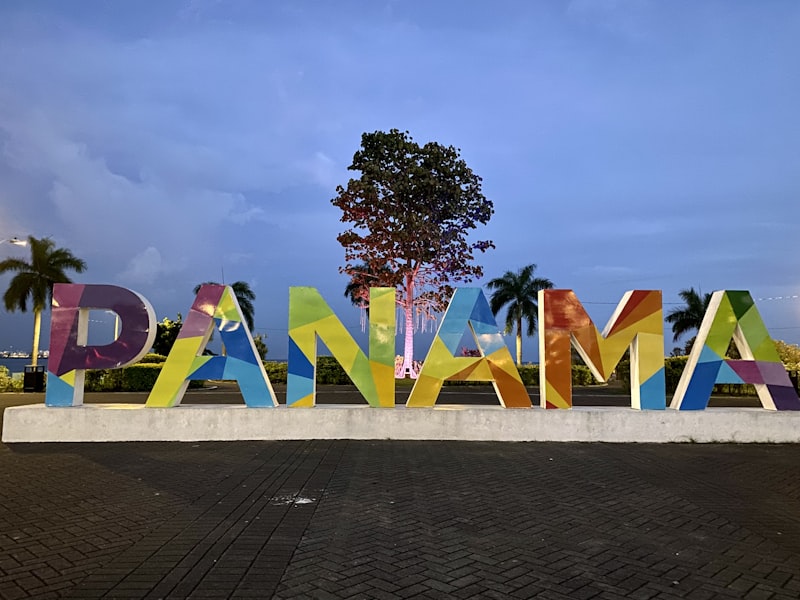
Panama City
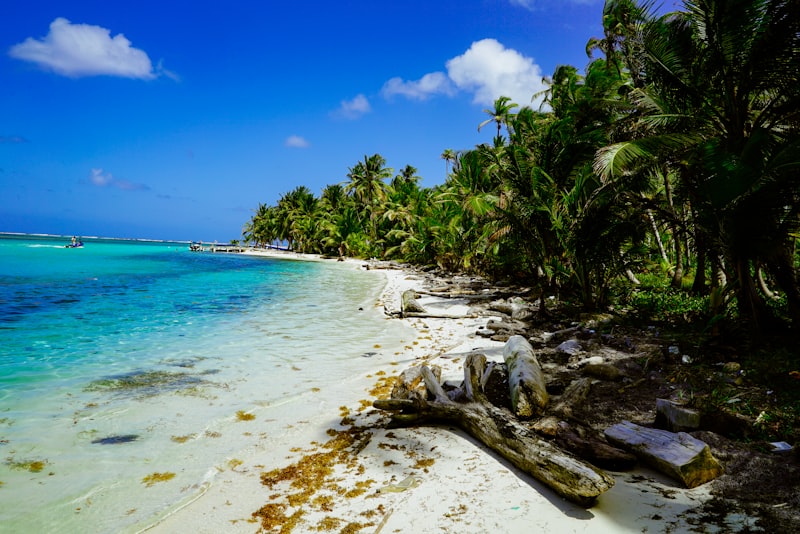
Pearl Islands
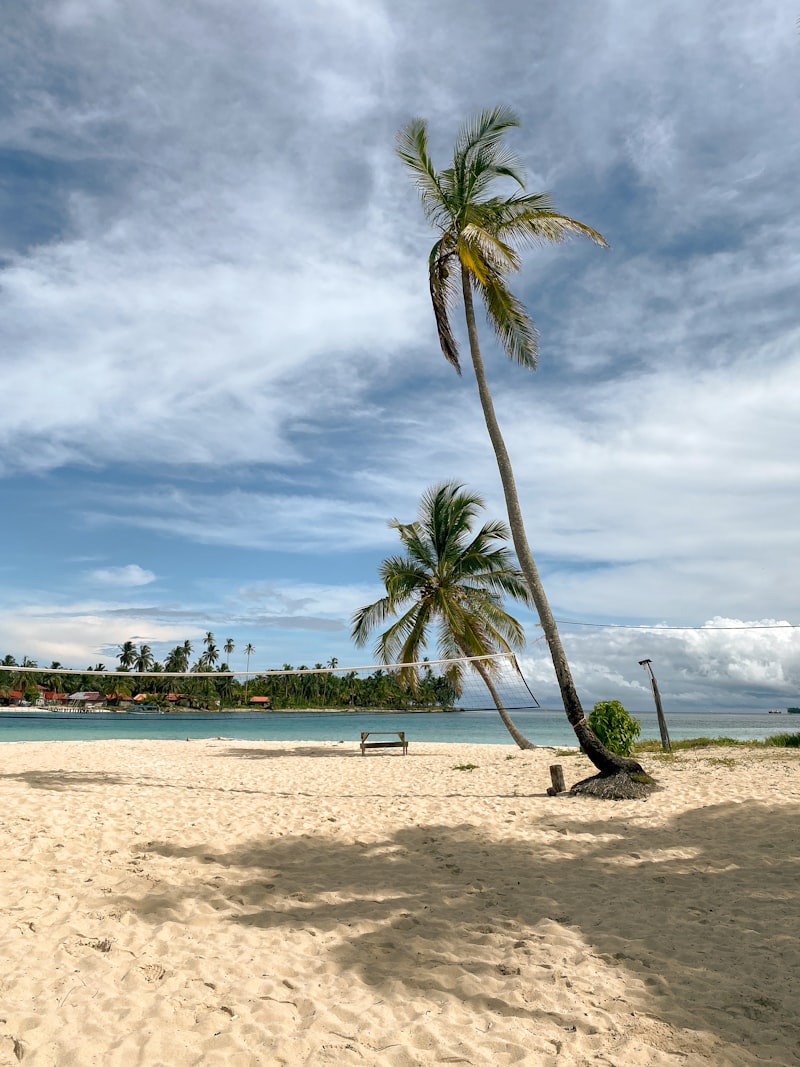
San Blas
Culture and Etiquette
Panama City feels like Miami with better coffee. The rest of the country is Caribbean, Indigenous and mountain, and each has its own manners.
Buenas. The all purpose greeting. Say it walking into anywhere. It covers morning, afternoon and evening.
Dress up a little in the city. Panamanians dress well. Shorts and flip flops in a nice restaurant get you a worse table.
San Blas is Guna land. The Guna run their islands, charge their own fees, and ask that you not photograph people without asking. It is their country inside the country.
Tip ten percent and carry small bills. Panama uses US dollars, but a twenty at a village shop is a problem. Fives and ones.
Rain is not a reason to cancel. It rains in the afternoon most of the year. Locals carry on. Do the same and plan mornings for the outdoor things.
What You Will Eat
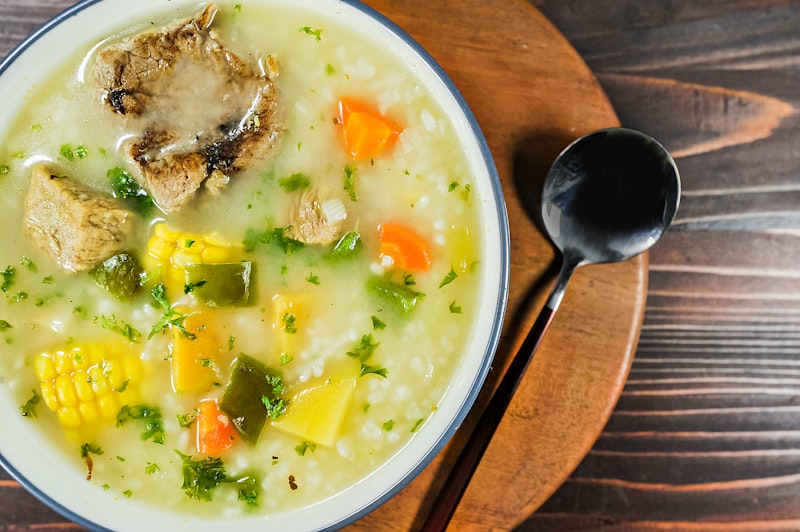
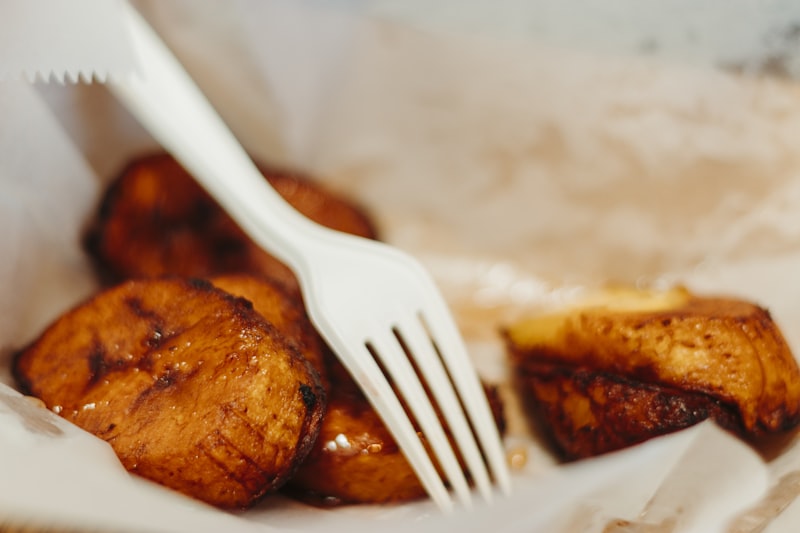
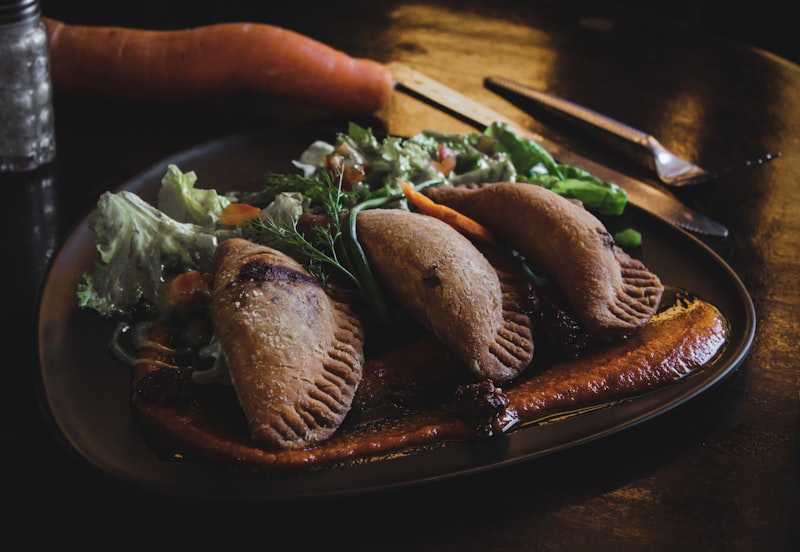
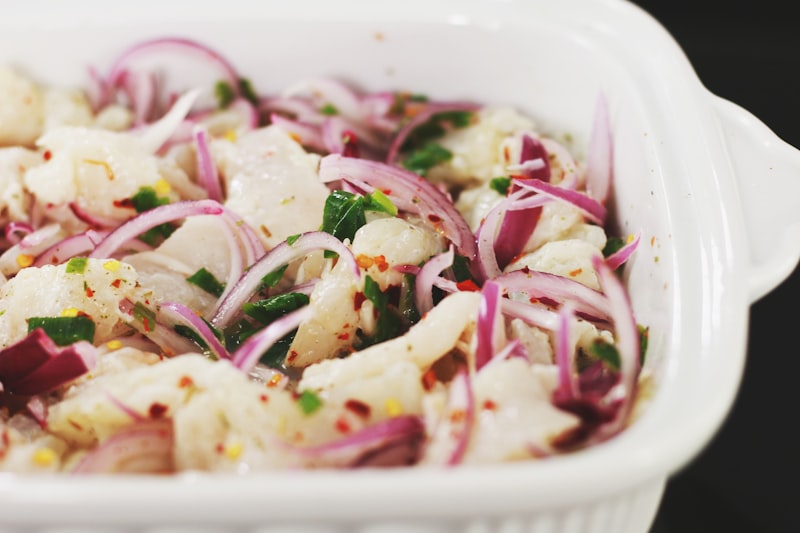
Panamanian food is not spicy and it is not fussy. It is rice, root vegetables, stewed meat and fried things, and the good version of it is very good. The photographs below show the kind of plate each dish arrives on, not that exact dish photographed in Panama.

Getting Around
Fly for anything past two hours. Air Panama and Copa run domestic hops from Albrook, the little downtown airport, to Bocas, David and Contadora. Albrook is not Tocumen, so check which airport your ticket says. People miss flights over this.
Driving is fine. The Pan American Highway is good, signage is decent, and outside the city traffic is light. Panama City traffic itself is bad and parking is worse, so pick the car up on the way out of town.
The metro is clean, cheap and easy. Two lines, air conditioned, a rechargeable card. It will not reach everywhere a tourist wants to go but it beats sitting in traffic on the corridor.
San Blas transfers are rough. Four wheel drive over the mountains before dawn, then an open boat. Three to four hours of hard road each way. If anyone in the family gets carsick, fly to Playon Chico instead.
The long distance buses are better than you expect. Albrook terminal is enormous and organized, coaches to David are comfortable and overnight services run. It is a real option for teenagers and a long night for anyone else.

The canal, the forest and the city in one frame
What It Costs
Panama sits in the middle. Cheaper than the Caribbean islands, more expensive than Guatemala or Nicaragua, and unusually good value at the top end.
City hotels are a bargain. Panama City is full of international business hotels that go soft at weekends. Four star rooms for what a mediocre beach hotel costs elsewhere. Casco Viejo boutiques cost more and are worth it for a night or two.
Eating splits sharply. A fonda lunch, the set plate of the day, costs a few dollars. A Casco Viejo restaurant costs what one would in Miami. Both are available on the same street and the fonda is often better.
The islands are where money goes. San Blas boat transfers, Bocas water taxis and internal flights add up quickly for five people. Budget the transport before the hotels.
Taxis are cheap, rideshare is cheaper. Uber works well in Panama City and removes the negotiation. Street taxis do not use meters and quote by zone, so agree the price first.
Carry small bills. Everything is in US dollars but nobody outside the city wants a fifty. Break notes at the supermarket. Note that Panama does not print its own paper money, so a torn or marked US bill can be refused.
When to Go
Dec to Apr
Dry season on the Pacific side and in the city. Sunny, breezy, busiest and most expensive. The best window for a first trip.
May and Jun
Rain starts but usually as an afternoon burst. Prices soften, everything is green again, whale season begins in the Pearl Islands. Good value.
Jul to Nov
Green season. October and November are the wettest. Panama sits below the hurricane belt so storms are not the issue, sustained rain is. Bocas often gets its own better weather in September and October.
Carnival
Four days before Ash Wednesday. The whole country stops, Las Tablas goes wild, hotels double and buses fill. Go on purpose or avoid on purpose. Do not book into it by accident.
How Many Days and How to Route It
Panama is small and the flights are short, so a week covers city, canal and an island.
Four days. Panama City only. The Canal at Miraflores, Casco Viejo, the rainforest at Gamboa, the Amador causeway at sunset.
Seven days. City for three, then fly to Bocas del Toro for four. Over the water hotel, boat days, sloths. This is the family trip.
Ten days. Add Boquete in the highlands for three nights. Cool air, coffee farms, the Quetzal trail. It balances the beach.
San Blas. Two nights in a Guna cabin, reached by a bumpy jeep and a boat. Basic and beautiful. For teenagers and adults who do not need wifi.

San Blas, the Guna islands
Regions at a Glance
Panama City and the Canal
The capital, Casco Viejo, Miraflores, the rainforest at Gamboa.
Bocas del Toro
Caribbean islands, over water hotels, sloths and surf. The family beach.
The Highlands
Boquete, coffee farms, the Quetzal trail. Cool air and hikes.
San Blas and the Pacific
The Guna islands, and the Pearl Islands and Coiba for the other coast.
Where to Go in Panama
Panama is small and the flights are short. Five places, and a week does three.
Panama City. Three nights. The Canal at Miraflores when a ship is in the lock, Casco Viejo at sunset, the Amador causeway, the Biomuseo.
Bocas del Toro. Four nights. A hotel over the water on Bastimentos, Starfish Beach, a boat to Zapatilla, sloths in the trees.
Gamboa. Two nights. The rainforest twenty minutes from the city, the aerial tram, a boat on Gatun Lake with monkeys.
Boquete. Three nights. A coffee farm tour, the Caldera hot springs, the Lost Waterfalls hike.
San Blas. Two nights. A Guna cabin on a sand island, no wifi, the clearest water in the country. Teenagers and adults.
Panama With Kids
The Canal holds them
A ship rising in a lock chamber is a astonishing thing to watch and it happens on a timetable. Ask at the desk when the next transit is due and plan the visit around it rather than turning up and hoping.
Monkey Island and Gamboa
Boat trips on Gatun Lake pass islands with capuchins and howlers, and the Gamboa resort area has a sloth sanctuary and a butterfly house. Half a day, close to the city, reliably a hit. It is the easiest way to do Panama City with kids without a single meltdown.
Health is straightforward
Tap water in Panama City is safe to drink, which is rare in the region. Hospitals in the capital are excellent. Mosquito cover matters in the lowlands and on the islands rather than in the city.
Entry is simple
US, Canadian and UK passports get a stamp for a stay of up to ninety days. Passport validity of three to six months is expected. A letter of consent is worth carrying if one parent travels alone with children.
The city is not a beach trip
Panama City has no swimming beach. Playa Blanca and the Pacific coast resorts are an hour or two west if you want pool and sand as a bookend to the trip.
English goes further than in the rest of the region
A century of American presence around the Canal left a lot of English behind, especially in the city and among guides. It is not Belize, but it is easier than Guatemala.
Splurge-Worthy Experiences
A partial Canal transit
Sail through the Miraflores and Pedro Miguel locks on a passenger boat. Half a day. Watching your own boat rise in the chamber beats watching a ship do it.
Islas Secas
A private island resort in the Pacific with a handful of casitas, whale watching in season, and a reef. As remote and as expensive as Panama gets.
A rainforest lodge at Gamboa
Twenty minutes from the city and you are in the canopy. Aerial tram, sloth sanctuary, monkeys from the balcony. Two nights.
A day sail in Bocas
Catamaran to Zapatilla Cays, snorkeling, dolphins in Dolphin Bay, lunch on the boat. Book the small boat, not the party boat.
Who Should Skip Panama
It is not the right answer for everyone and it is an expensive mistake to make with a week of trip.
Beach first families. Panama has nice beaches. It does not have famous ones. If the picture in your head is powder sand and a swim up bar, Aruba, the Bahamas or the Dominican Republic deliver that and Panama does not.
Anyone whose whole trip is wildlife. Panama has superb birds. Costa Rica has the lodges, the guides and the national park system built around showing them to families. For a pure wildlife week, Costa Rica still wins.
All inclusive tripmakers. There are a few Pacific coast resorts but the model is not what Panama does. You will be booking hotels, flights and tours separately.
People who want deep colonial history. Casco Viejo and Portobelo are lovely and small. Mexico and Guatemala have far more of it. If old towns are the reason you travel, Panama is a day, not a week.
Anyone with four nights or fewer. The Canal, the city and one other region is a seven night trip. Any less and you should just do the city and the Canal properly and come back.

Casco Viejo. Restored, walkable, full of restaurants, and small enough to see in an evening. It is also the part of the city where people finally relax.
Things Worth Knowing Before You Book
Two airports, one city. Tocumen is international and about forty minutes out. Albrook is downtown and domestic. Connecting between them in one day is possible but tight, so build in the buffer.
Panama does not do daylight saving. It sits on Eastern Standard Time all year, so in the American summer it is an hour behind New York. This trips up people scheduling work calls.
Connectivity is good. Mobile data is fast and cheap, hotel wifi in the city is reliable, and coworking spaces are everywhere. If a parent has to work mid trip, this is one of the easier places in the region to do it.
The Darien is not a destination. The southeast corner of the country toward Colombia is closed to normal travel and should stay off your map entirely. Nothing on a family itinerary goes anywhere near it.
Pacific tides are enormous. The tidal range on the Pacific side runs to fifteen feet or more, so a beach that looks perfect at noon is mudflat at four. On the Caribbean side it barely moves. Check the tide table before promising anyone a swim.
Colon is not a stop. The Caribbean port city is rough and there is no reason for a family to spend time there. Go to Agua Clara or Portobelo and keep moving.
Where I Would Start
First time in Panama with kids? The city and the canal, then Bocas del Toro. A short flight between them and a week does both.
Panama City. Three nights. The canal at Miraflores when a ship is in the lock, Casco Viejo at sunset, the Biomuseo, the causeway by bike.
Gamboa. Two nights. Rainforest twenty minutes from the city, the aerial tram, a boat on Gatun Lake with monkeys on the islands.
Bocas del Toro. Four nights. A hotel over the water, Starfish Beach, a boat to Zapatilla, sloths in the trees.
Numbers Worth Knowing
Panama, by the numbers
Ways to travel
Panama is not one kind of trip
How you move through it changes the trip more than which places you pick.
Guided and small group
A visit to an Embera village is best done with a guide who has an actual relationship with the community, not a drive by stop.
For example: a driver and guide for the canal, Gamboa and an Embera village visitAdventure and outdoors
Zip lining and hiking around Boquete in the highlands, or wildlife watching by boat on Gatun Lake.
For example: a Gatun Lake boat with monkeys, then the zipline and hot springs at El ValleOcean cruising
A full canal transit is its own kind of cruise day, watching the locks work from the deck as the ship is raised and lowered.
For example: a full transit of the canal on a cruise, or a partial transit day from Panama CityBeach and resort
Bocas del Toro on the Caribbean side is a laid back, less crowded island alternative to the bigger Caribbean destinations.
For example: a week on Bocas del Toro or the Pearl Islands after the canal daysExplore by interest
What families come to Panama for

The canal
Miraflores and Gatun Lake
Watch a ship go through the locks from the viewing deck, then a small boat on Gatun Lake with monkeys, sloths and crocodiles visible right from the water. The locks run on gravity alone, no pumps, since 1914.

Cities
Casco Viejo and the Biomuseo
Panama City’s old colonial quarter, restored rooftop by rooftop over the last two decades, now full of cafes and small hotels. The Frank Gehry museum on the causeway explains how the isthmus changed two continents.

Islands
Bocas del Toro and San Blas
Wooden houses over the water and surf in Bocas, or the Guna islands of San Blas with one palm tree each and no electricity. Different trips, both an easy flight or drive from the city.

Highlands
Boquete and El Valle
A cool mountain town known for some of the best coffee in the world, and a crater town two hours from the capital with waterfalls, a zipline and hot springs. Where the temperature drops.
Something unexpected
Only in Panama

Read before you go
The Tailor of Panama
John le Carre’s novel is set in Panama City and plays with the country’s history of intrigue around the canal.

Watch before you go
The film
The adaptation with Pierce Brosnan and Geoffrey Rush was filmed on location in Panama City, and Casco Viejo is recognisable.

From here
Molas
The brightly layered reverse applique textiles made by the Guna people are one of Panama’s most recognised art forms, and the women sell them on the islands.

Only in Panama
Embera villages
Indigenous communities along the rivers near the canal, reached by dugout canoe, where a visit directly supports the village. Children are welcomed and painted.
Combine It With
Panama is a hub, which makes it the easiest country in the region to bolt onto something else.
The natural neighbor and a easy overland or short flight pairing. Costa Rica for the wildlife and the lodges, Panama for the Canal, the city and the San Blas coast.
An hour by air from Panama City. Cartagena and Panama together make a two country trip with almost no transit time, and the two Caribbean coasts feel completely different.

Plan Panama with Nicole
Tell me who is coming, and when.
Panama surprises people. It is not just the canal, there is rainforest, coffee highlands and islands all within a few hours of the capital. Figuring out how to string those together without too much driving is the part I help with. Send me the ages, the dates, and what you are hoping this trip feels like. I will come back with what is really available.
Nicole Damiano, ASTA Verified Travel Advisor with FG Luxury Travel.
Questions families ask about Panama
The ones that come up in almost every planning call. If yours is not here, ask me.
Do we need a visa?
No. Passport with six months left, proof of onward travel and about five hundred dollars available, which a credit card covers. You get up to a hundred and eighty days.
Is it worth more than the Canal?
Yes. The Canal is a morning at Miraflores watching a ship rise in the lock. Then it is Casco Viejo, the rainforest twenty minutes from the city, and the islands. Bocas del Toro for a laid back Caribbean week, the San Blas islands for something you cannot get anywhere else.
Can we use dollars?
Yes. Panama uses the US dollar as its currency, with its own coins mixed in. No exchange, no math.
Is Panama City safe?
The parts you will be in, yes. Casco Viejo, the Cinta Costera waterfront and the hotel districts are walkable and busy. It is a modern city with a metro and hospitals people fly in for.
Bocas or San Blas?
Bocas with younger kids. Hotels over the water, easy boats, restaurants. San Blas is basic, cabins on sand, no wifi, and it is the most beautiful place in the country. Teenagers and adults, two nights, go.
Keep exploring from Panama
Cities, neighbors, and the wider region.
Click any card to open that page
More of the Caribbean & Central America
 Antigua & Barbuda
 Aruba
Aruba Bahamas
 Barbados
 Belize
 Cayman Islands
 Costa Rica
 Curaçao
 Dominican Republic
 Guatemala
 Jamaica
 Puerto Rico
 St. Lucia
 Turks & Caicos
 All of the Caribbean & Central America
 Explore the world
 The Travel Library