
The wall at Mutianyu · photo: Unsplash. The section most families should pick, and not the one most tour buses go to
China Family Travel Guide
China is the trip people talk themselves out of. Almost always for the wrong reasons, and almost always because nobody told them what the paperwork actually looks like now.

Lijiang, China
I lived in South Korea twice and traveled hard through Asia in those years, and China is still one of the places that surprised me the most. The scale of it does not translate until you are standing inside it.
Children are genuinely welcomed everywhere. Strangers will talk to your kids, feed them, take photos with them, in a way that catches a lot of Western families off guard the first time it happens.
What makes it remarkable is the contrast running through the whole country. Temples that have stood for a thousand years sit a short flight from cities with bullet trains and skylines that feel like the future arrived early. The Great Wall does something to your sense of history a textbook never quite manages.
It is not the easiest country to move through, and it is also not nearly as hard as its reputation suggests. Once you are actually there, it opens up fast.
Beyond the Bookshelf
Stories to carry you deeper into China. This is our own family shelf, real books, films, music and a cookbook tied to the place, not a generic reading list. Read it before you go and the trip means more when you get there.

- Wild Swans: Three Daughters of ChinaJung Chang
- Balzac and the Little Chinese SeamstressDai Sijie
- To LiveYu Hua
- Red SorghumMo Yan
- The Story About PingMarjorie Flack
- Lon Po Po: A Red-Riding Hood Story from ChinaEd Young
- Land of Fish and RiceFuchsia Dunlop
- Lonely Planet China
- The Search for Modern ChinaJonathan Spence
Book links go to Bookshop.org, which supports local bookstores. Film and music links go to JustWatch and Spotify. As an affiliate we may earn from qualifying purchases.
China Place by Place
Eight places worth the flight. Nobody sees all of these in one trip and you should not try. Pick two regions and let the high speed rail do the work.

Beijing

Chengdu

Great Wall

Guilin

Hong Kong

Shanghai

Xi an

Zhangjiajie
Why China Is Worth the Paperwork
Three reasons I push back when a client crosses it off the list before we have even talked about it.
The trains are better than you think
The high speed network is the largest on earth and it works. Beijing to Xi an is four and a half hours. Xi an to Shanghai is six. You are not flying domestically unless you want to.
Children are welcomed
Not tolerated. Welcomed. Restaurants find you a table, strangers hand your kids snacks, and no one glares when a toddler makes noise. It is one of the easiest countries in the world to be visibly a family in.
The food is not the food you know
Sichuan, Cantonese, Shanghainese and northwestern noodles are four different cuisines. Nothing on the menu resembles the takeout your kids think of as Chinese food, and that is the point.
What it is not. It is not a soft landing. It is not a country where you wander and figure it out with English signs and a credit card. It rewards planning more than any other place in Asia I book.

The Li River near Yangshuo. The China that does not look like anything else on the itinerary
The Visa Reality, Which Has Changed
This is the single most useful current fact about China and most travel content has not caught up to it. Verify it for your own passport before you book, because these rules move.
Visa free transit is the headline. China has expanded its transit without visa scheme to ten days, at dozens of ports of entry across most of the country. If you hold a qualifying passport, you can enter, spend up to ten days, and leave, with no tourist visa at all. For a lot of families that is the whole trip.
The catch is the onward ticket. You have to be flying on to a third country or region, not back where you came from. Los Angeles to Beijing to Seoul works. Los Angeles to Beijing to Los Angeles does not. Hong Kong counts as a third region, which is why so many itineraries end there.
If you want longer, get the real visa. A tourist visa means an appointment at a consulate, fingerprints, an itinerary and hotel bookings, and a fee in the region of two hundred dollars a head. Americans get a ten year multiple entry once approved, which is worth something if you plan to go back.
Do not do it yourself the first time. This is one of the few places I earn my keep. The transit rule has conditions about which airport you enter and which provinces you may move around in, and the airline check in agent is the person who decides if you board.
The Internet and Your Money, Both Before You Fly
Two things will not work when you land unless you set them up at home. This is the part people get wrong and it is miserable to fix in country.
Install a VPN before you leave. Google, Gmail, Instagram, Facebook, WhatsApp and most western news do not load inside China. VPN download pages are blocked too, so you cannot fix this from a Beijing hotel room. Install two, on every device, and test them before you go.
Or skip the problem with roaming. If your phone roams on your home carrier or an international eSIM, your data often routes outside the firewall and everything just works. It is the simplest trick I know and it costs less than the arguing.
Set up Alipay or WeChat Pay. China went cashless faster and harder than anywhere. Both apps now accept foreign cards and both work for taxis, trains, museums and noodle stalls. Link your card at home, not at a counter in Shanghai.
Carry some cash anyway. Legally vendors must take it. In practice a small stall may not have change. A few hundred yuan in small notes covers the gaps.
Download offline maps. Google Maps is close to useless inside China even with a VPN. Apple Maps works. Baidu and Amap are what everyone else uses and both have enough English to survive on.
Beijing, Xi an and Shanghai Is the Classic First Trip
There is a reason every first China itinerary looks the same. It is because it works. Ten to fourteen days, three cities, two train rides, one wall.
Beijing, four nights. The Forbidden City, the Temple of Heaven, a hutong morning and a day on the wall. Go to the Forbidden City at opening or you will spend the day in a crowd. Book it online days ahead with passport numbers, because walk up tickets are not a thing.
Xi an, two nights. The Terracotta Army is the reason and it earns it. The city wall is the surprise. You can rent bikes and ride the whole nine miles of it as a family, and my honest read is that kids remember the bike ride longer than the warriors.
Shanghai, three nights. The Bund, the old French Concession, a fast elevator up a very tall building. Shanghai is where China feels easiest and most international, which is exactly why I would not start there. Land in the hard city first.
If you have more time, add one. Chengdu for the pandas and the food. Guilin and Yangshuo for the river and the karst. Zhangjiajie for the stone pillars, which is a long way to go for scenery but the scenery is unlike anywhere.
The Great Wall, and Which Bit to Actually Go To
The wall is not one place. It is thousands of miles, and the section you pick decides if you have a good day or stand in a line.
Badaling is the one to skip. It is closest to Beijing, it is the one on the tour bus itinerary, and on a public holiday it is shoulder to shoulder for hours. Restored to the point of feeling like a film set.
Mutianyu is the family answer. Restored enough to be safe, quiet enough to breathe, and it has a cable car up and a toboggan slide down. If you have children between five and fifteen, the toboggan is the memory. Go on a weekday morning.
Jinshanling and Gubeikou are for hikers. Partly unrestored, steep, crumbling in the best way, and often nearly empty. Not for small legs. Not for anyone nervous about footing.
Hire a car and driver for the day. Public transport to the wall is possible and it is a long, hot, complicated day. A private driver waiting at the bottom is one of the few places in China I tell people to just pay for it.
What You Will Actually Eat
Chinese food is not a cuisine, it is about eight of them. Order at the table, share everything, and let the kids find the one they love. Jianbing, the folded street crepe sold from carts in the morning, and mapo tofu are both worth hunting even though they are not pictured here.


One practical note. Tap water is not for drinking. Every hotel room has a kettle and everyone boils. Bottled water is cheap and everywhere.

Pingyao in Shanxi. The old walled town most first trips drive straight past
Getting Around
The high speed train is the whole answer. Clean, punctual to the minute, and cheaper than flying. Book through a booking app or your advisor, bring passports for every ticket and every gate, and arrive thirty minutes early because stations are the size of airports.
City metros are excellent and in English. Signage, announcements and ticket machines all switch to English. Beijing and Shanghai both have security screening at every entrance, so allow a few extra minutes.
Use DiDi, not street taxis. It is the local ride app, it takes the payment apps, and it removes the language problem entirely because the destination is typed not spoken.
Do not rent a car. Foreign licenses are not valid and traffic in the big cities is not something you want to learn on. Drivers are cheap. Hire one for the day trips.
What It Costs
China lands between Southeast Asia and Japan. Food is very cheap, trains are cheap, hotels are good value and the flights are the number that hurts.
Eating is almost free by western standards. A noodle bowl runs a few dollars. A full family dinner at a good local restaurant lands under forty. The splurge duck dinner is the exception and it is worth it.
Hotels are the bargain. International four star properties in Beijing and Shanghai cost a fraction of the same brand in Tokyo. Family rooms are harder to find than in Europe, so two connecting rooms is often the play.
Entry tickets are cheap but timed. Most major sites need advance booking with passport numbers. The cost is small. Missing the window is the expensive part.
The flight is the budget. From the middle of the United States you are looking at a long haul with a connection either way. Watch for the deals out of the west coast and build the trip around them.
Spend on the guide
A good English speaking local guide for two days in Beijing changes the trip. They handle the timed entries, they know which gate, and they explain what you are looking at. This is the best money in the whole budget.
Save on the transport
Trains and metros over domestic flights and private transfers, every time. The train is faster door to door and it is a fraction of the price.
When to Go
Spring and autumn, and avoid the two national holiday weeks like your trip depends on it, because it does.
Apr to May
The best window. Mild in Beijing, green in the south, and the wall is comfortable to walk. Book early.
Jun to Aug
Hot and humid, and the domestic school breaks put every family in China at the same sites. Doable, not pleasant.
Sep to Oct
Equal best with spring, with clearer air in Beijing. Steer around the first week of October entirely.
Nov to Mar
Cold and dry in the north, cheap, and the wall in the snow is spectacular. Chinese New Year shuts the country down for travel.
The countries people are scared of are almost never the ones that actually go wrong.
Nicole Damiano, written for Adventures We SeekDoing It With Children
 Poppy marks the family parts. Wherever you see her, that section is written for travelling with children.
It comes from clients I have sent and from what I know about traveling Asia with kids.
Kids are an advantage. Doors open. People are warmer to a family than to a couple. Expect strangers to want photos with fair haired children, and decide in advance as a family how you want to handle that, because it happens a lot.
Bathrooms need a plan. Squat toilets are still normal outside hotels and malls. Carry tissue and hand gel in every bag. Nobody tells you this and everybody wishes they had known.
The days are long on foot. The Forbidden City alone is a couple of miles of walking on stone. Build one slow morning into every three days or the whole family falls apart on day six.
Download entertainment at home. Netflix, YouTube and most of what your kids watch are blocked. A tablet loaded before you fly saves the train rides.
The wins are physical. The toboggan at Mutianyu, the bikes on the Xi an wall, the pandas at Chengdu, the fast elevator up the Shanghai Tower. Anchor each city on one thing a child would choose.
Who China Suits, and Who Should Skip It
Go if
You have done Asia before and want the big one. You like history at scale. You plan ahead and you do not mind that the trip has homework. You have a transit itinerary that makes the visa free window work. Your kids are seven or older and can walk a real day.
Skip it if
This is your first trip outside North America or Europe. You want to wing it. You need everyone in the family online and on their usual apps. You are traveling with a toddler and a stroller, because the stairs, the crowds and the security screening will grind you down.
How China Compares to the Rest of Asia
The most useful thing an advisor can tell you is not what a country is like. It is what it is like compared to the one you already loved.
Versus Japan. Japan is the polished version and it is far easier. Everything is signed, everything is safe, nothing is blocked. China is bigger, older, cheaper and rougher at the edges. If you want easy, go to Japan. If you want scale, go to China.
Versus South Korea. Korea is the country I actually lived in, twice. It is compact, modern and effortless. China is the same region and a completely different experience of scale. Korea is a week. China is not.
Versus Thailand and Vietnam. Southeast Asia is warmer, cheaper and much more forgiving of a loose plan. China is a sightseeing trip. Thailand is a trip. Do not confuse the two when you are picking one with kids.
Versus Singapore. Singapore is the easiest country in Asia and a great first landing. It is also small. Pairing Singapore or Hong Kong onto a China trip gives you a soft day at either end.
Things That Surprise First Timers
Your passport is required constantly. Train tickets, hotel check in, museum entry, sim cards. Everyone in the family carries theirs, every day.
Hotels have to be registered for foreigners. Not every property can legally take you. This is one more reason not to book a random apartment online.
English is thinner than you expect. Outside hotels and transport hubs, very little. Translation apps that work offline are essential, and half of them are blocked so download in advance.
It is extremely safe. Petty crime is low and walking at night in a Chinese city is not something I would think twice about. Whatever you are anxious about, it is probably not this.
Numbers Worth Knowing
China, by the numbers
Ways to travel
China Is Not One Kind of Trip
How you move through it changes the trip more than which places you pick.
Ocean Cruising
Yangtze River cruises through the Three Gorges are the one place a slower, boat based pace actually works well in China, and they reach scenery the trains and planes skip entirely.
For example: a multi day Yangtze River cruise through the Three GorgesRoad Trips
China’s high speed rail network does the job a road trip would do almost everywhere else, connecting Beijing, Xi’an, and Shanghai in a few smooth hours each.
For example: a high speed rail loop from Beijing to Xi’an to ShanghaiIndependent Travel
The language barrier, the VPN situation, and apps that assume you read Mandarin make this the hardest major country in Asia to wing on your own.
For example: a self planned week in Shanghai for an experienced independent travelerGuided and Small Group
A guide who can navigate the language, the ticketing systems, and the logistics is worth more here than in almost any other country we send families to.
For example: a guided Beijing to Xi’an to Shanghai itinerary with a driver and guide throughoutExplore by interest
Or Start From What Your Family Actually Likes
Sports
Table tennis, badminton, and basketball are all followed with real intensity, and Beijing has hosted the Olympics twice, in 2008 and again for the 2022 Winter Games.
History
The Great Wall, the Terracotta Army, and the Forbidden City are three of the biggest names in world history, and all three are worth the hype in person.
Food and Drink
Xiaolongbao, Peking duck, hot pot, hand pulled noodles. Regional food changes as much across China as it does across all of Europe.
Nature and Wildlife
The karst peaks around Guilin, the sandstone pillars of Zhangjiajie, and giant pandas in Chengdu, China’s landscapes get overshadowed by its history and should not be.
Arts and Culture
Calligraphy, opera, and a 5,000 year continuous written history. Few places on Earth let you trace a culture this far back this clearly.
Something unexpected
Unique Things to Do in China
Go at night
Lijiang Old Town by Lantern Light
The canals and cobbled lanes of this old Naxi town light up with red lanterns after dark, and it is one of the most photogenic places we have taken the kids anywhere.
Do it slowly
A Bamboo Raft on the Li River
The karst peaks around Guilin look unreal in photos and somehow look even better from a slow bamboo raft drifting past them at water level.
Skip the big cities for a day
The Walled City of Pingyao
A intact Ming dynasty walled city, with no skyscrapers in sight, a short train ride from Xi’an and one of the best kept secrets on a China itinerary.
See the real Avatar mountains
Zhangjiajie’s Floating Peaks
The sandstone pillars that inspired the floating mountains in Avatar are even stranger in person, especially on a foggy morning when they seem to hang in midair.
Chinese Culture Runs Deep and Wide
A single trip cannot cover a five thousand year old civilization, but a few threads make the rest of it click into place.
Mandarin has over 50,000 characters, but daily life needs far fewer. Around 3,000 characters cover most newspapers and signage, which is part of why picture based apps and a translation tool matter so much here.
Tea culture is older and more formal than most visitors expect. A proper tea ceremony, with its own vocabulary and ritual, predates coffee culture in the West by well over a thousand years.
Face, or mianzi, shapes interactions in ways worth understanding. Public criticism, direct refusal, and confrontation are avoided in ways that can read as evasive to Western travelers but are simply good manners here.
The lunar calendar still runs alongside the modern one. Chinese New Year, the Mid Autumn Festival, and other lunar holidays shift dates every year and can shut down or transform an entire city while they happen.
How to Actually Route a China Trip
China is the size of a continent, and the high speed rail network is the thing that makes an ambitious itinerary actually workable.
Beijing, Xi’an, and Shanghai form the classic first trip. High speed rail connects all three in a few comfortable hours each, and together they cover the Great Wall, the Terracotta Army, and modern China in one loop.
Chengdu is the easy add on for panda lovers. A short flight or train ride from either end of the classic loop, and the panda base there is one of the best wildlife experiences in the country.
Guilin and Zhangjiajie are a second trip, not a first one. Both reward the extra flight time with scenery unlike anywhere else in China, but they add real distance to an already long itinerary.
Set up a VPN and download offline maps before you land. Many Western apps and sites are inaccessible in China, and sorting this out before departure saves a frustrating first day.
Where to Spend the Money in China
China can be run efficiently on a modest budget, which makes the handful of true splurges stand out even more.
First or business class on the high speed rail. The upgrade is inexpensive by Western standards and turns a multi hour journey into a comfortable part of the trip rather than something to endure.
A private guide for the Great Wall and Terracotta Army. Both sites are enormous and easy to under experience without context. A knowledgeable private guide changes what your family actually sees and understands.
A proper hosted hot pot or dim sum meal. A local host walking you through the ordering and etiquette turns a confusing menu into one of the best meals of the trip.
Extra time at the Chengdu panda base. The early morning keeper for a day style visits cost more but get you closer to the pandas during their most active hours.
Pair it up
Combine It With
The visa free transit rule needs you to fly onward to a third country, so the pairing is not optional. It is the itinerary.

South Korea
Seoul is two hours from Beijing and it is the softest possible landing after two hard weeks. This is the pairing we would build for a first China trip.
Read the guide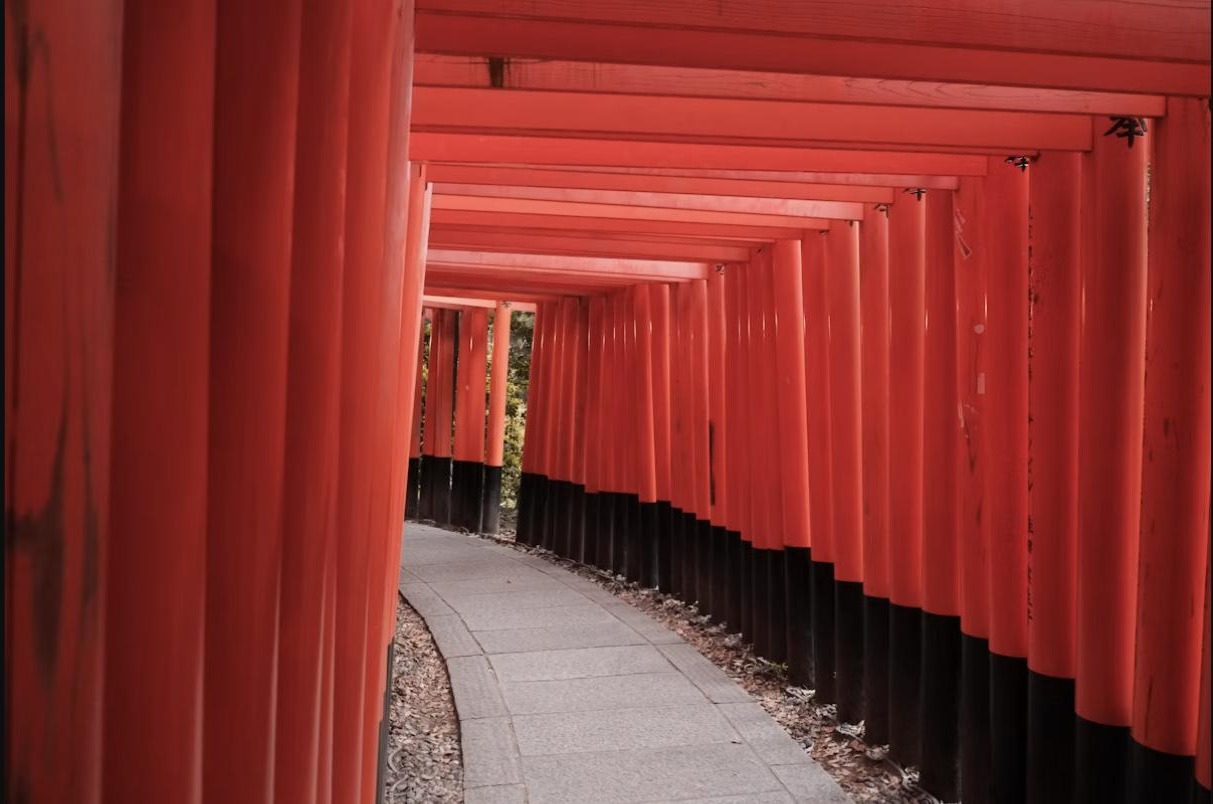
Japan
The other easy onward flight. Shanghai to Tokyo is under three hours and the contrast between the two countries makes the pairing worth the extra leg.
Read the guide
Singapore
A clean, English speaking, entirely straightforward end to the trip. Five hours from Shanghai and everybody exhales.
Read the guide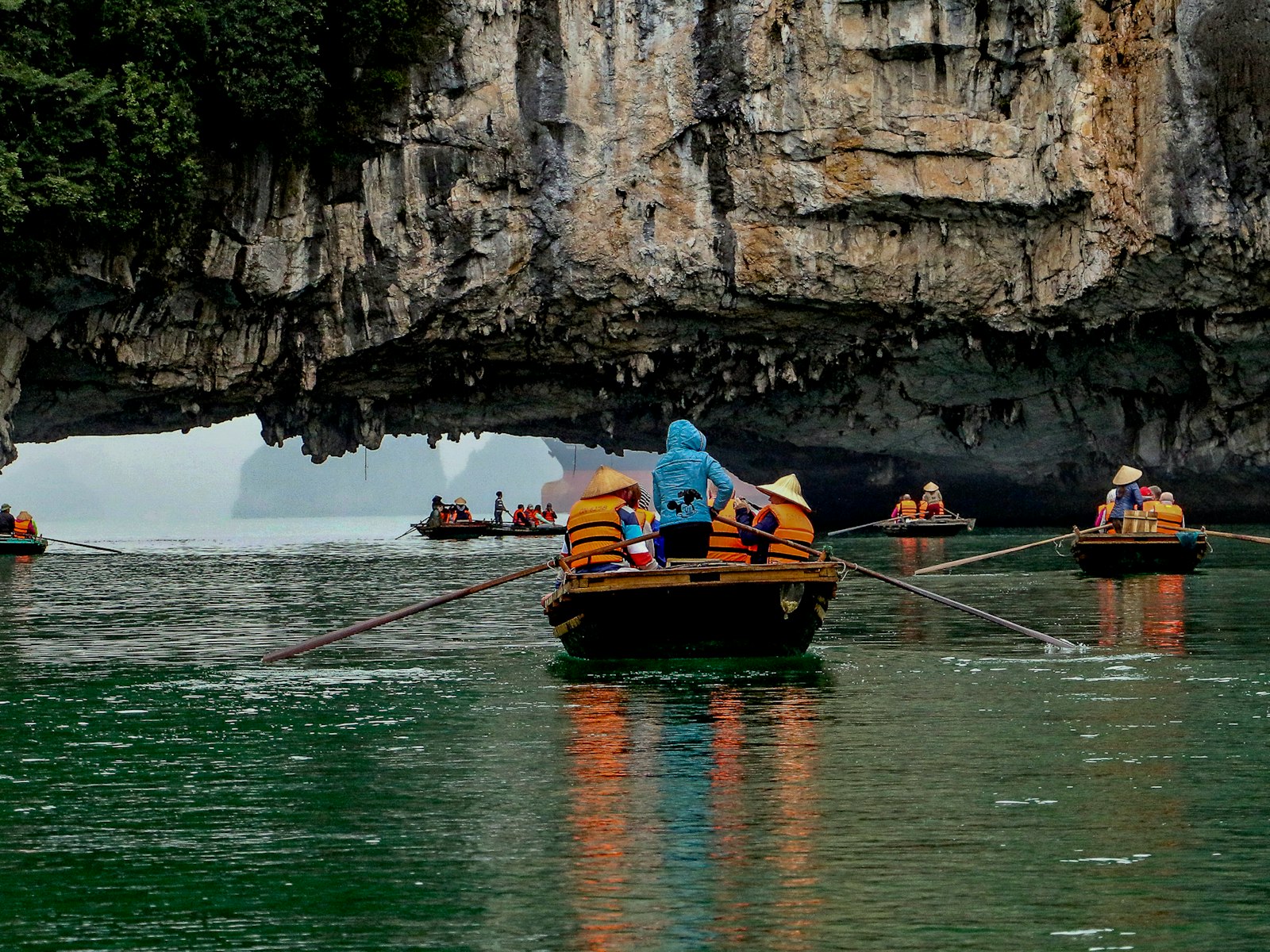
Vietnam
Cheap flights south from Guangzhou or Hong Kong. Warm, coastal, and a completely different pace after the cities.
Read the guide
China works as a ten to twelve day Beijing, Xian, Shanghai loop for a first trip, or a longer trip that adds Chengdu for the pandas or Guilin for the scenery. Which one makes sense depends on how much your family can handle in terms of pace and how comfortable you are navigating a country with a real language barrier. Send me the ages, the dates, and what you are hoping this trip feels like. I will come back with what is really available.
Start planning ChinaKeep exploring from China
Cities, neighbors, and the wider region.
Click any card to open that page
More of Asia
 Cambodia
 India
India Indonesia
 Japan
Japan Laos
Laos Malaysia
 Philippines
 Taiwan
 Thailand
 Vietnam
 All of Asia
 Explore the world
 The Travel Library