
Centro, Merida. We rented a house a few streets from one like this and stayed three months, which is the single reason I am not writing about Mexico as a visitor
Mexico Family Travel Guide
“We rented a house in Centro, hired a tutor for the kids, figured out where the best tortillerias were, and lived there for a season.”
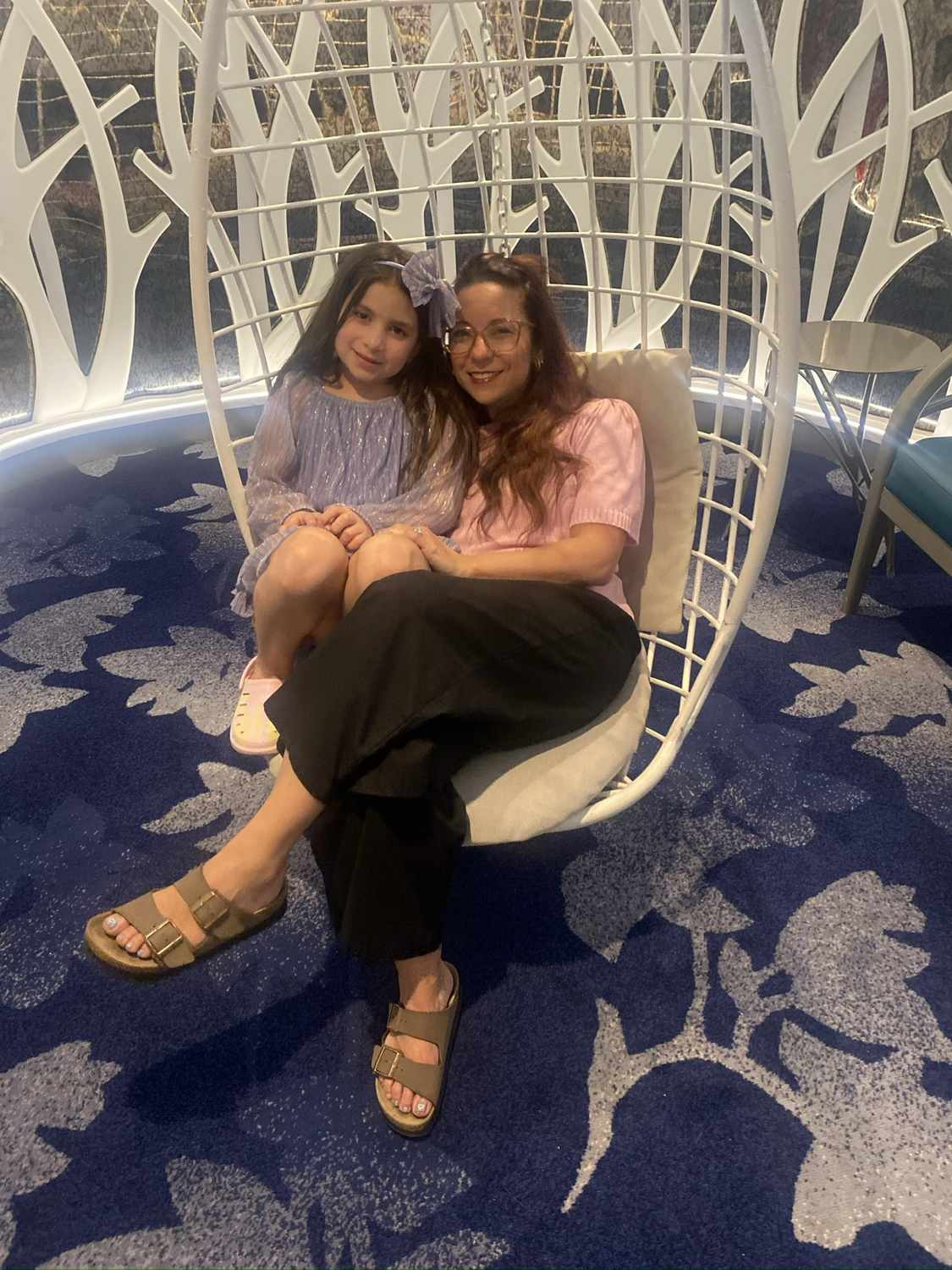
Mexico is the country I get asked about most and the one I have sold the least of. That is my failing, not Mexico’s. It is the most searched foreign country for American families and most of them are picturing one wristband resort in Quintana Roo. Mexico is thirty two states and about two thousand miles top to bottom. Treating it as one place is like treating the United States as one place.
We did not visit Merida. We lived in it. We rented a house in Centro, hired a tutor for the kids, and stayed three months. Somewhere in the middle of that we had a few unplanned runs to the emergency room with the children, and the most we ever paid was seventy five dollars, x-rays included. I have never forgotten that, and I bring it up every time an American family tells me they are frightened of Mexican healthcare.
There are blueprints on my desktop for a courtyard house in Merida. Adam has seen them. So has the architect. That is the level of honesty you are getting on this page. I am not neutral about this country and you should read everything below knowing that.
What I will not do is pretend the whole of it is easy or safe. Some of it is not, and that is the next section down. Start with the North America guide if you want the wider picture first.
Mexico Place by Place
Eight places worth naming, and only two of them are on the Caribbean coast. That ratio is the whole point. Mexico has colonial cities in the highlands, a capital that is one of the great cities on earth, a Pacific side almost nobody from the Midwest considers, and a peninsula that happens to have the beaches on it.

Mexico City
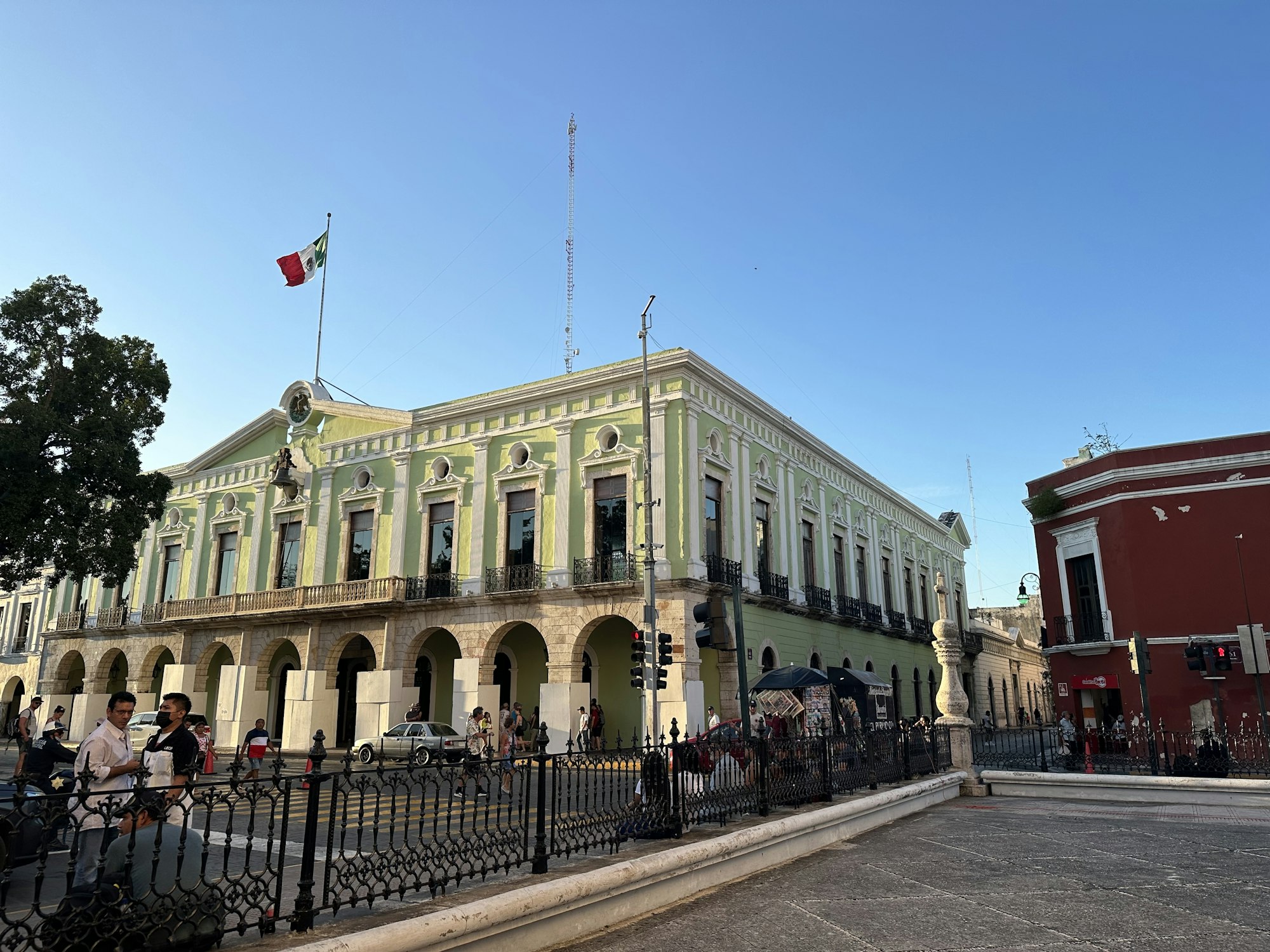
Merida
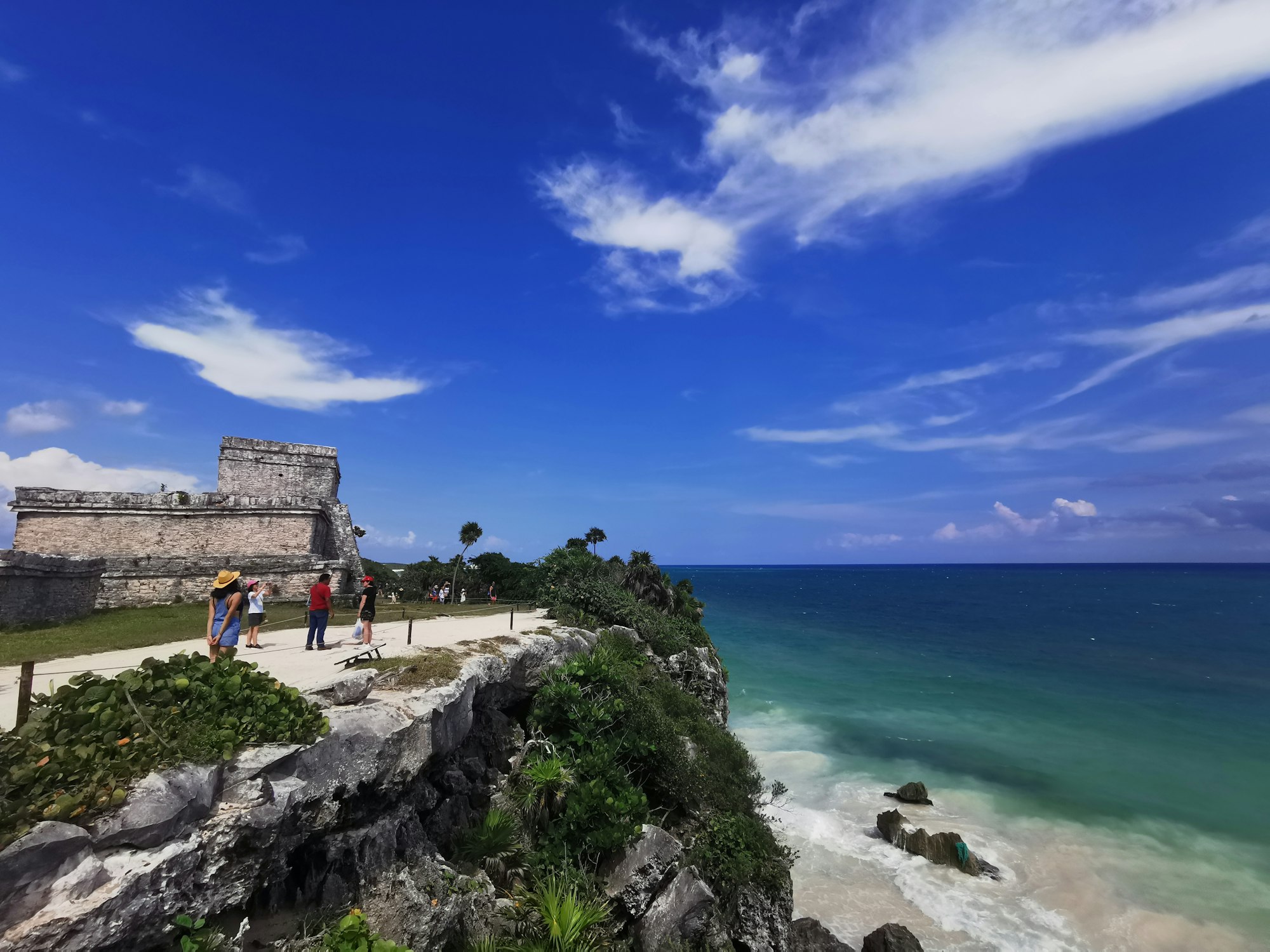
Tulum
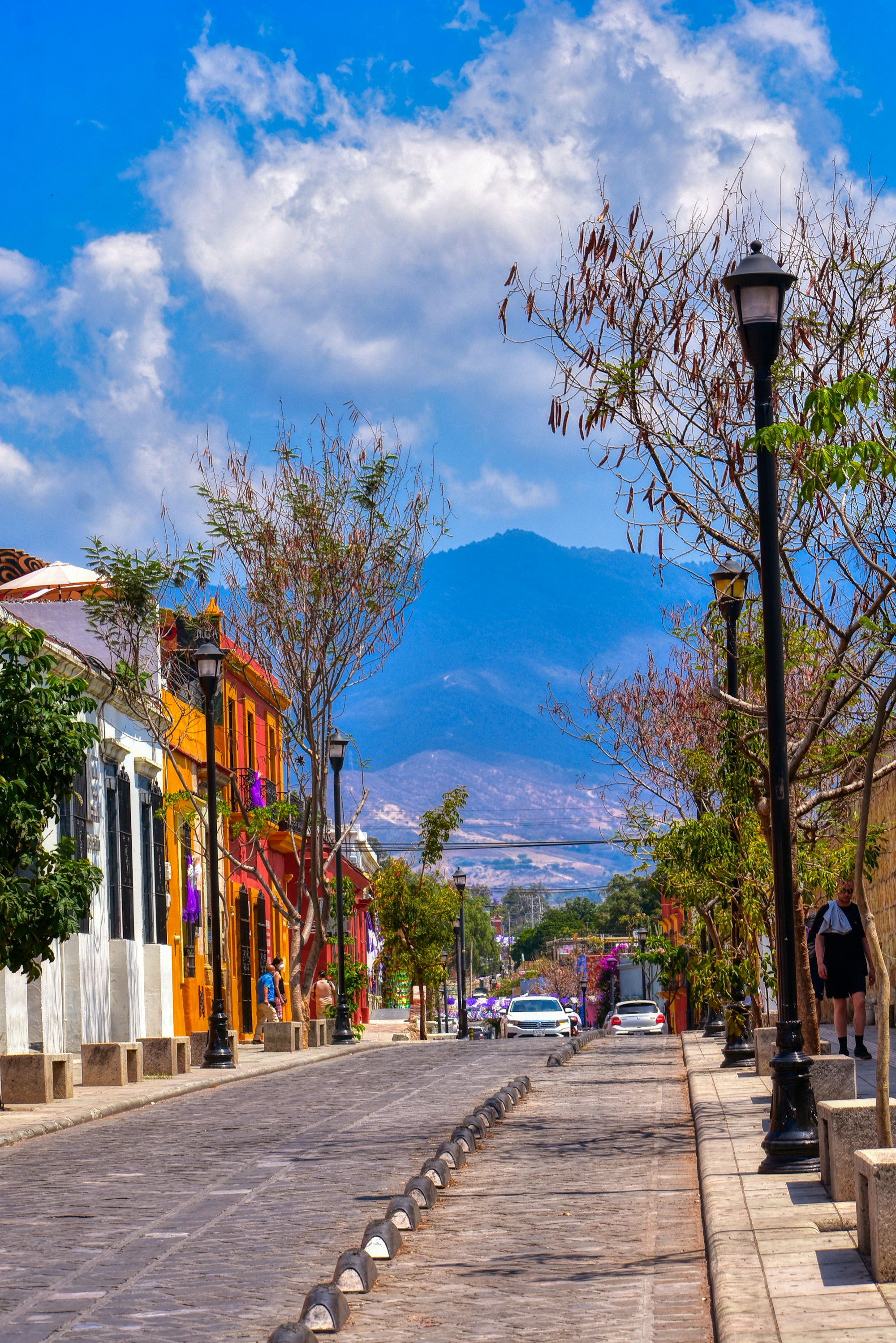
Oaxaca
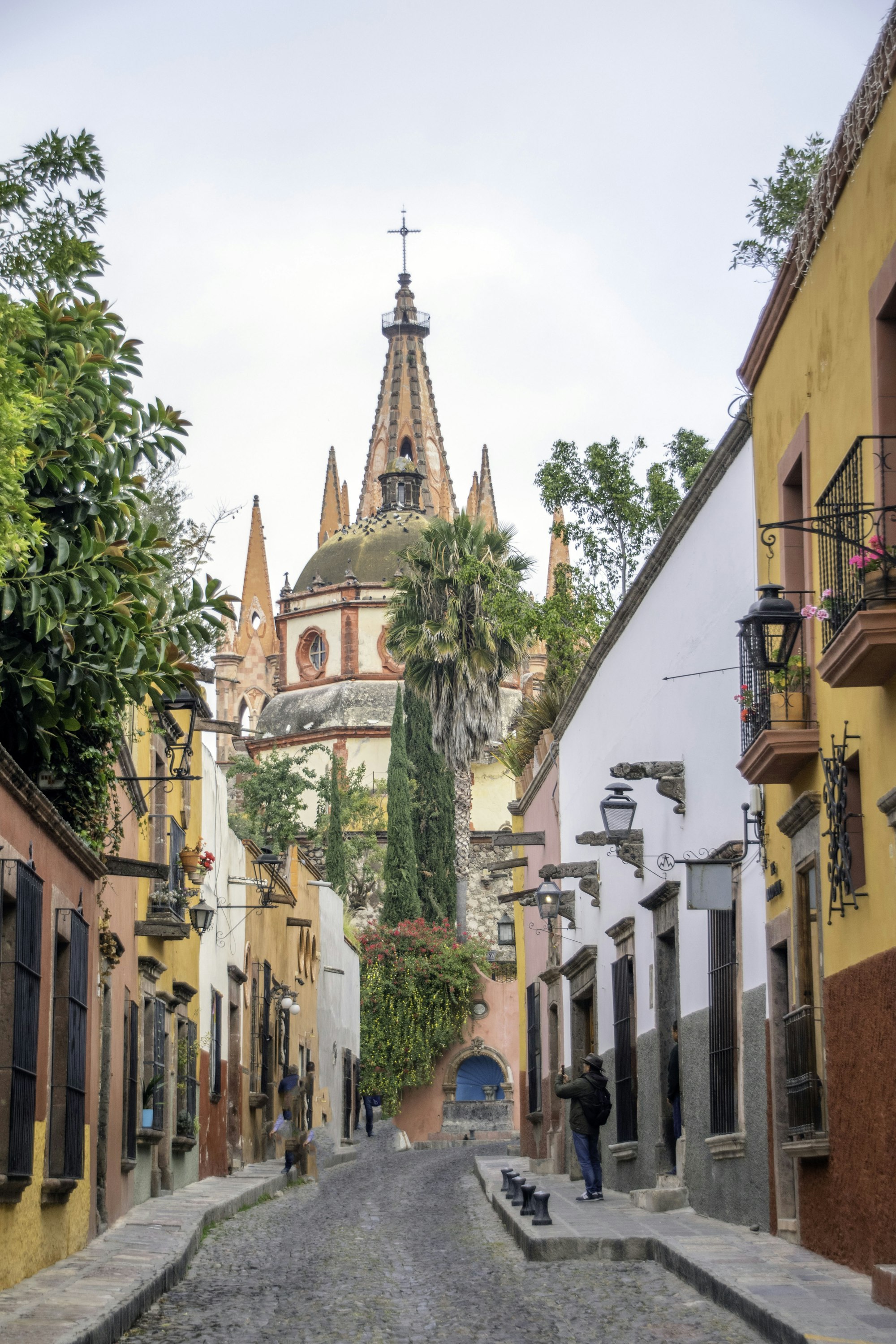
San Miguel de Allende

Playa del Carmen
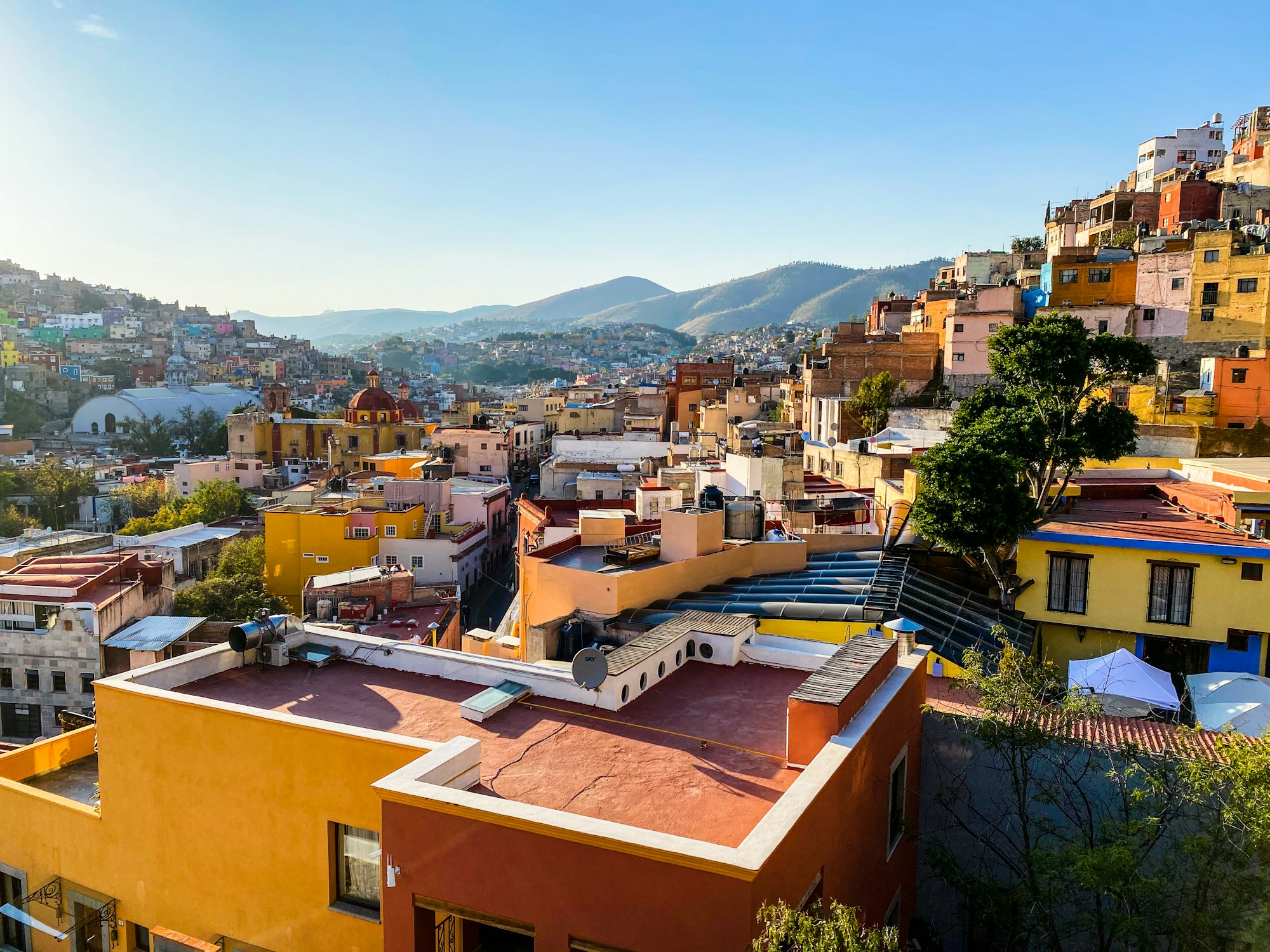
Guanajuato

Puerto Vallarta
Why Mexico Works With Kids
 Poppy marks the family parts. Wherever you see her, that section is written for travelling with children.
It is two to four hours away
From most of the United States you are there before the children have finished a film. No overnight flight, no jet lag to recover from, no eight day minimum to make the airfare worth it. A long weekend in Mexico City is a real thing you can do.
Your money goes a long way
Once you step outside the all inclusive bubble the difference is enormous. Tacos for a couple of dollars. Family run hotels with courtyards for the price of a chain room. A tutor, a housekeeper and a market shop for less than our grocery bill in Kansas.
Children are welcome
Not tolerated, welcome. Waiters take your toddler for a walk around the restaurant. Strangers talk to your children in the street. Family is the organizing principle here and you feel it within a day.
Who should think twice. If your idea of a trip is a locked gate, a buffet and a lounger, you can have that in Mexico and have a nice time, but you will not have been to Mexico. Everything else on this page rewards being a bit brave.
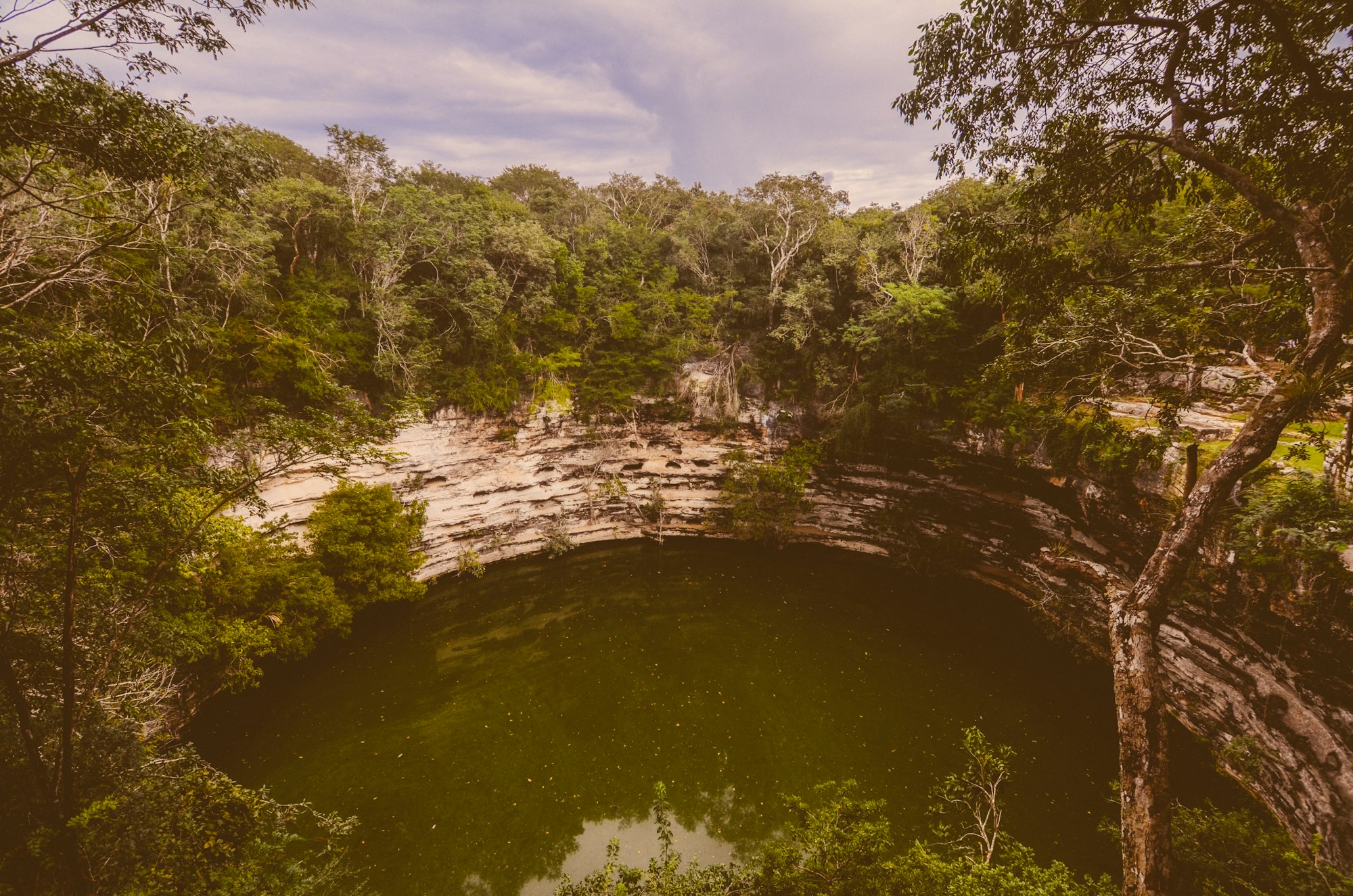
A cenote outside Merida. There are thousands of them across the Yucatan and the ones with a parking lot are not the good ones
Is Mexico Safe? A Real Answer
This is the question, so here is a proper answer rather than either half of the usual argument. Mexico is not uniformly dangerous and it is not uniformly fine. It is thirty two states, and the United States State Department rates them separately for exactly that reason. Anybody who answers “is Mexico safe” with one word is not helping you.
Read the advisories by state, not the country. The State Department publishes a Level 1 to Level 4 rating for every Mexican state and updates it. Yucatan and Campeche have consistently sat at Level 1, the same rating as France. Several states carry Level 4, do not travel. Both facts are true at once and both are about Mexico.
The places I actually send families. Yucatan state including Merida and Valladolid. Quintana Roo tourist corridor, meaning Cancun, Playa del Carmen, Tulum and Cozumel. Mexico City. Oaxaca city. San Miguel de Allende and Guanajuato. Puerto Vallarta. That list covers almost everything a family would want and none of it is a compromise.
Drive by day and use toll roads. The cuota roads cost money and are worth every peso. They are better maintained, better patrolled and faster. The free libre roads take you through places and at times you do not need to be. In the Yucatan a hire car is relaxed. In some other states I would not put a family in one.
The practical risks are ordinary ones. Petty theft in crowds, taxi overcharging, and the sun. Use ride hailing rather than flagging a cab. Do not wear the good watch. Drink bottled water outside the cities. Keep an eye on the children at cenotes, because there are frequently no lifeguards and the water is deeper than it looks.
Merida is the specific answer to the specific fear. It is repeatedly named among the safest cities in Mexico and it feels that way to live in. We walked home from dinner with three children. I am not going to tell you that makes the whole country safe. I am telling you the version of Mexico that most frightens American families is not the version you would be going to.
If safety is the thing stopping you, that is the conversation to have with an advisor rather than with a comment section. I will tell you where I would not take my own three, and there are places on that list.
The Honest Case for Merida
Merida is the capital of Yucatan state, it is about three hours from Cancun by good road, and almost no American family has heard of it. It is the most underrated city in Mexico and I will argue that with anyone.
What it actually is. A colonial city of about a million people built on limestone, laid out on a grid, with a center of pastel houses and a cathedral finished in 1598 that is one of the oldest in the Americas. The Paseo de Montejo is a boulevard of mansions built by families who got extremely rich on sisal rope in the nineteenth century. The Lucas de Galvez market is enormous and entirely unbothered by tourists. Women make tortillas by hand at tables they have been sitting at for decades.
Why it works for a longer stay. Rent is cheap, the Spanish schools are good and used to families, the healthcare is excellent and costs almost nothing, and the city is safe enough that your children get a version of childhood most American kids no longer get. Ours made friends with the neighborhood kids inside a fortnight. Three months in, we had stopped traveling and started living, and that changes how you travel everywhere afterwards.
What is hard about it. The heat. April and May are brutal and the city empties at midday for a reason. There is no beach, the coast at Progreso is a working port thirty minutes away. And it is a Spanish speaking city rather than a bilingual one, which is a feature if you want your children to learn and an obstacle if you do not.

A vaqueria in Merida. The city puts on free music and dancing in the plazas most nights of the week, which is the cheapest good evening in Mexico
The Yucatan and the Cenotes
The Yucatan peninsula has no rivers. The whole thing is limestone, the rain goes straight down, and what you get instead are cenotes, collapsed sinkholes full of fresh water that the Maya considered sacred and that are now the best swimming of your life. There are thousands. They are all different.
The famous ones are the worst ones. Ik Kil is spectacular and it is also a line with a changing room and a restaurant, because it sits next to Chichen Itza. Go if you are there. But the cenotes worth the day are the ones down a dirt track with a man taking a hundred pesos at a gate. We found several that we have never seen written about anywhere and they became our family swimming holes.
Ruins, ranked honestly. Chichen Itza is the one everybody knows and it is worth seeing once, early, before the coaches. Uxmal is better. Fewer people, better carving, and you can still climb parts of it. Ek Balam is better again for children because they can go up the pyramid and there is a cenote next door. Dzibilchaltun is small, close to Merida and has a cenote you swim in.
Valladolid is the town people drive past. Colonial, cheap, has two cenotes inside the town limits and is halfway between Cancun and Merida. If you are doing the peninsula by car, stay a night here rather than making Chichen Itza a day trip from the coast.
Mexico City Is a Great City Break and Nobody Believes Me
I put Mexico City in the same sentence as Paris and Tokyo and people look at me strangely. It has the best anthropology museum in the world, a Diego Rivera mural cycle inside a working government building, Frida Kahlo’s house, a canal system left over from the Aztec city, and food that runs from a two dollar taco stand to some of the best restaurants on the continent. It is four hours from Dallas.
The Museo Nacional de Antropologia is the single best thing. Give it half a day and do not try to see all of it. The Aztec and Maya halls are what you came for and they will hold a nine year old. The Sun Stone alone is worth the trip.
Stay in Roma Norte or Condesa. Tree lined, walkable, full of parks and cafes, and a completely different city from the one in the news. The Centro Historico is for daytime. Coyoacan is worth a whole day for the Frida Kahlo house and the market.
Teotihuacan is under an hour away. Older than the Aztecs, enormous, and you can walk the Avenue of the Dead. Go at opening. The balloon flights over it are the postcard shot and are expensive and good.
The altitude is the thing people forget. It is at 2,240 meters. Children get tired faster and adults get a headache on day one. Slow the first day down and drink more water than you think.
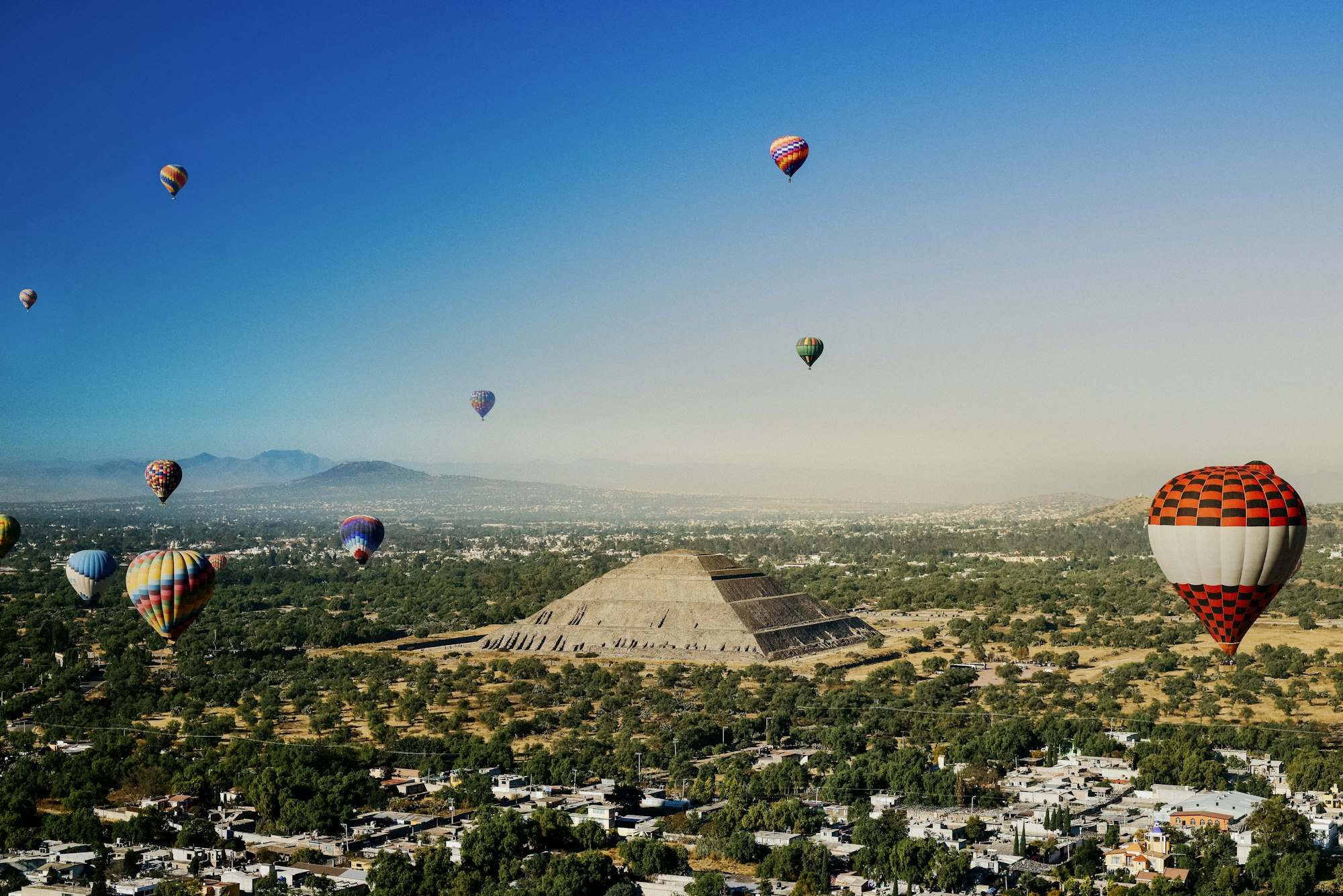
Teotihuacan at dawn, an hour outside Mexico City. The pyramids were already ancient ruins when the Aztecs found them
All Inclusive, or the Actual Country
I am not going to be sniffy about the Riviera Maya. I sell it, families love it, and a week where nobody cooks and the children are safe in a pool is a legitimate trip. Some of the resorts there are excellent and the kids clubs are better than anything in the Caribbean at the price.
Here is the honest part. A wristband week in Quintana Roo is a resort trip that happens to be in Mexico. It is not a Mexican trip. The food is hotel food, the staff are being paid to be delighted with you, and the country is happening on the other side of a fence. That is fine if you know that is what you bought. It is a shame if you thought it was the country.
What I actually recommend. Split it. Four nights at the resort so everyone gets the pool, then four nights inland in Valladolid or Merida with a hire car. The second half costs a third of the first and it is the part the children will talk about in ten years.
Cozumel and Isla Mujeres we know from the water side, because we have come in on a ship more than once. Cozumel has reef diving that ranks worldwide and is still a port town underneath the jewelry shops. If you get a day there, get off the main strip within twenty minutes.
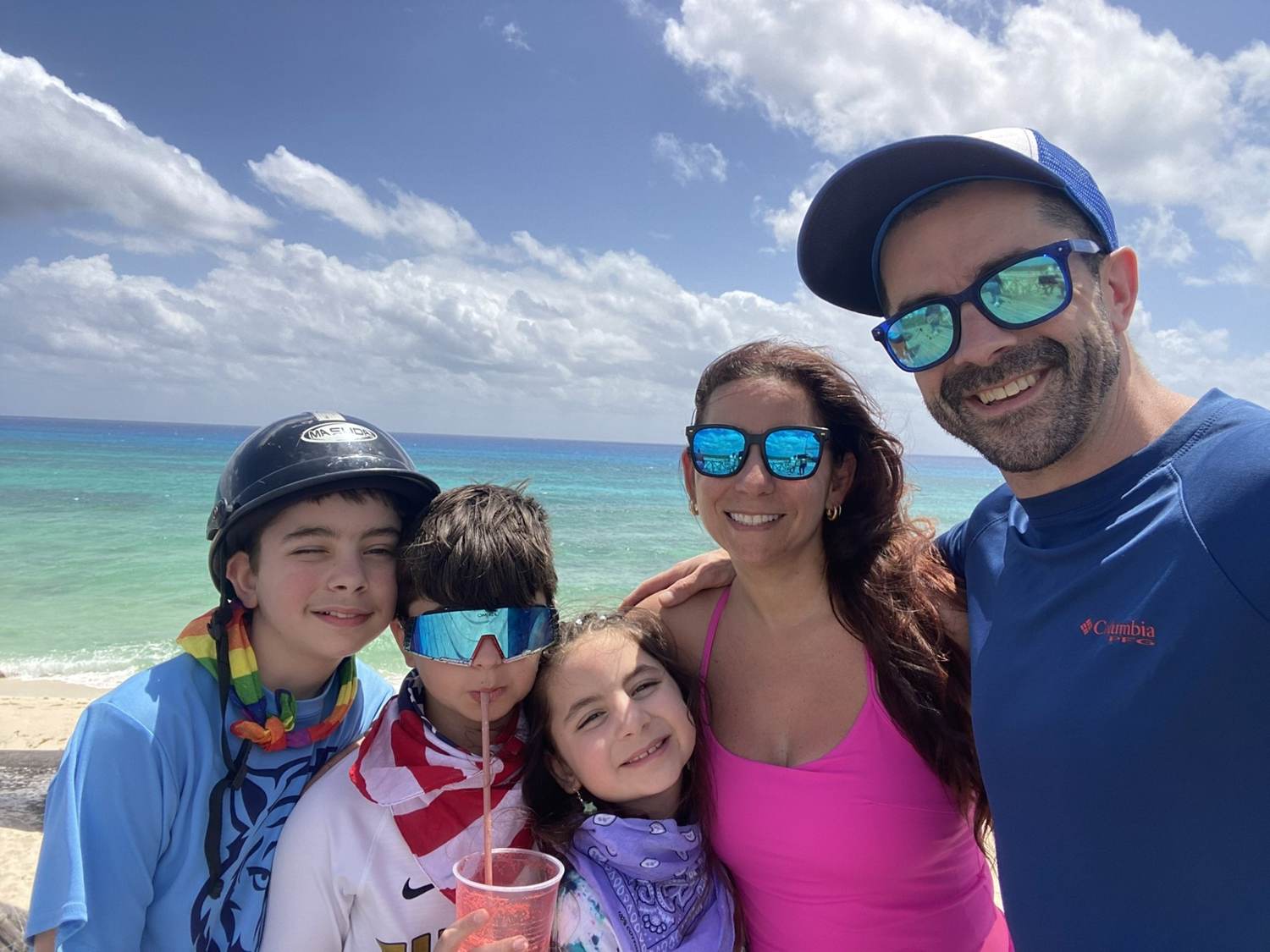
Cozumel. This is the version of Mexico most American families see, and there is nothing wrong with it as long as it is not the only version you see
Food
Mexican food in Mexico bears almost no relation to Mexican food in a strip mall. The regional differences are enormous, Yucatecan cooking is closer to the Caribbean than to anything in the north, and the best thing you eat will cost under three dollars and be handed to you on the street.
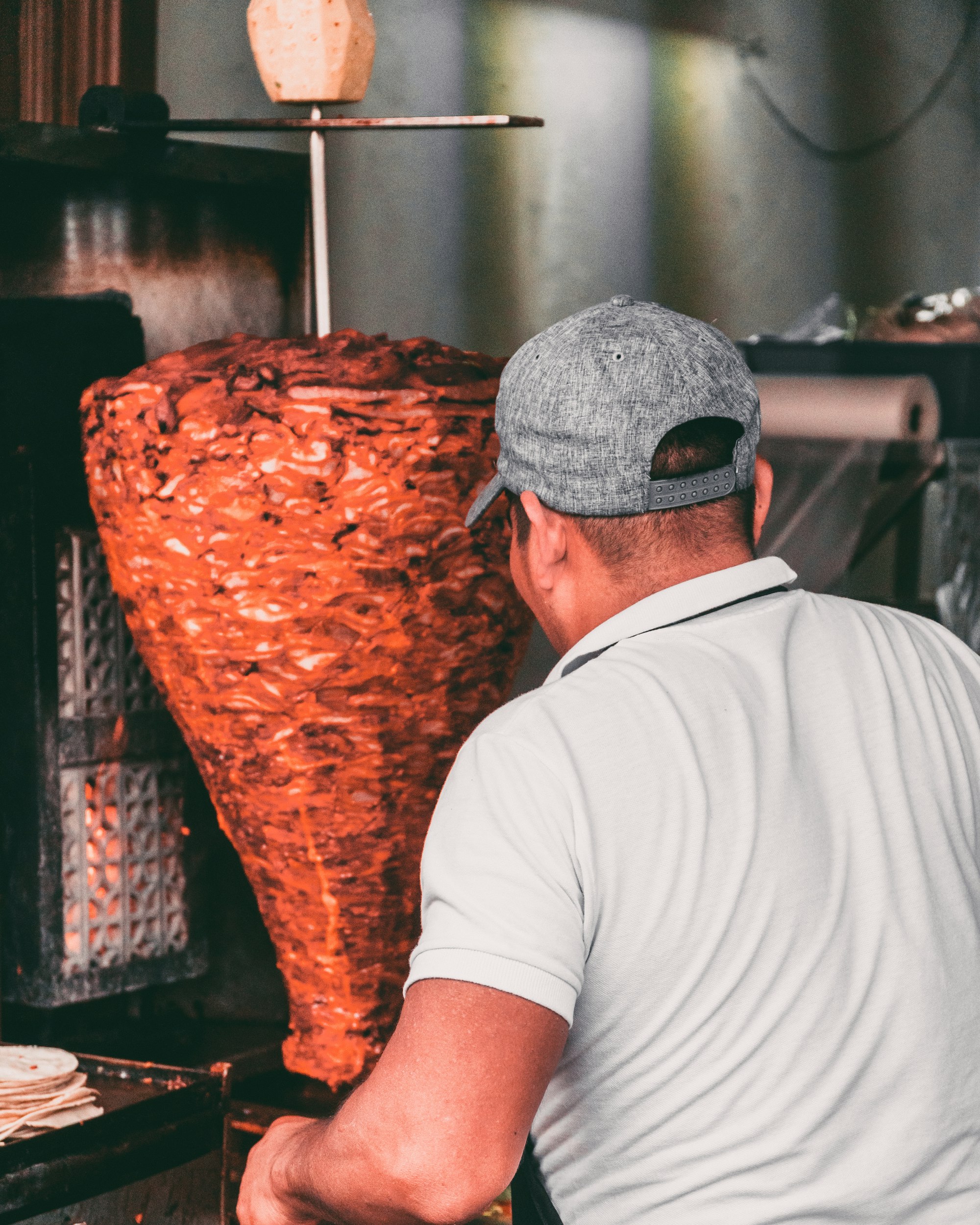
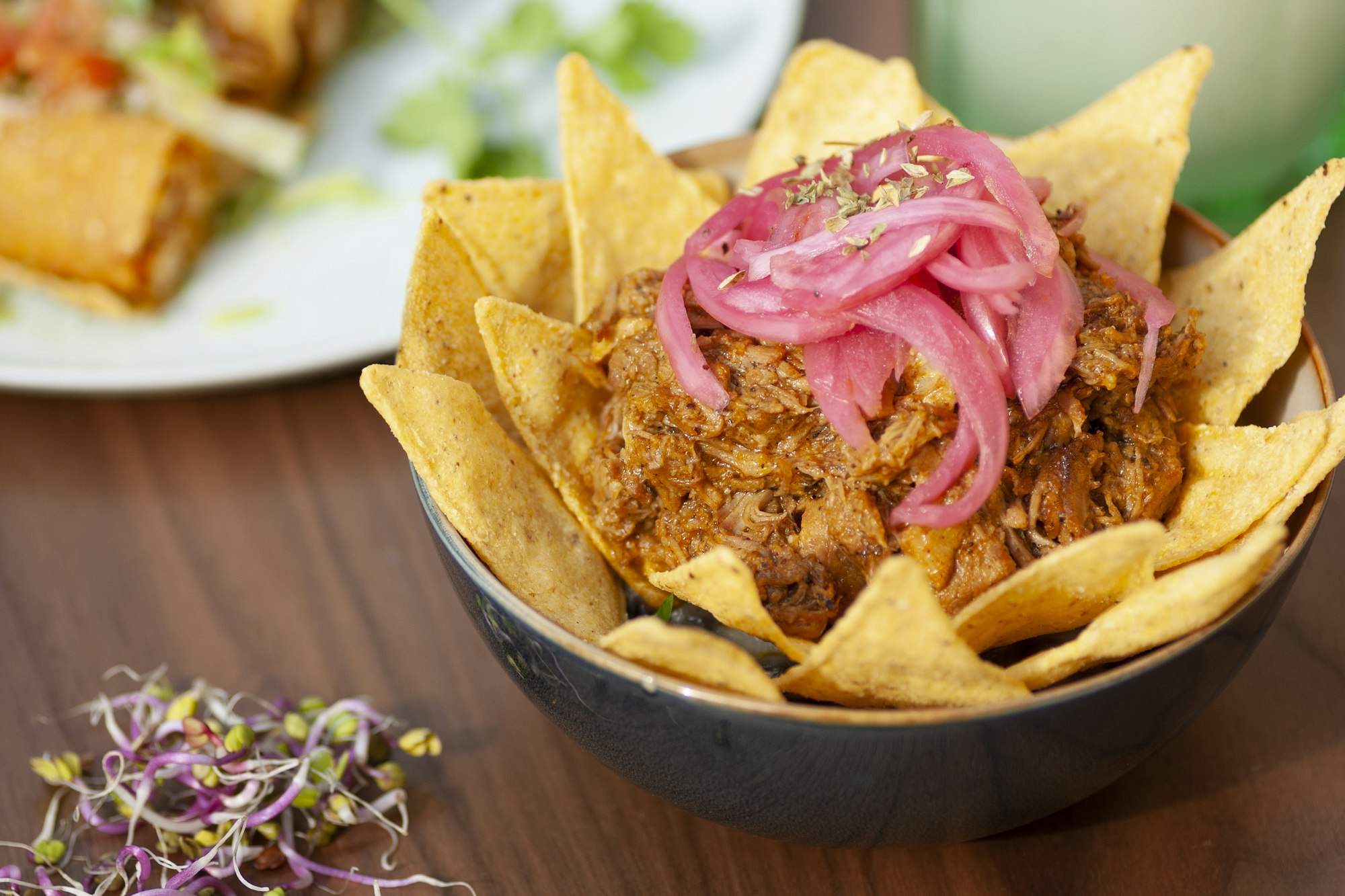

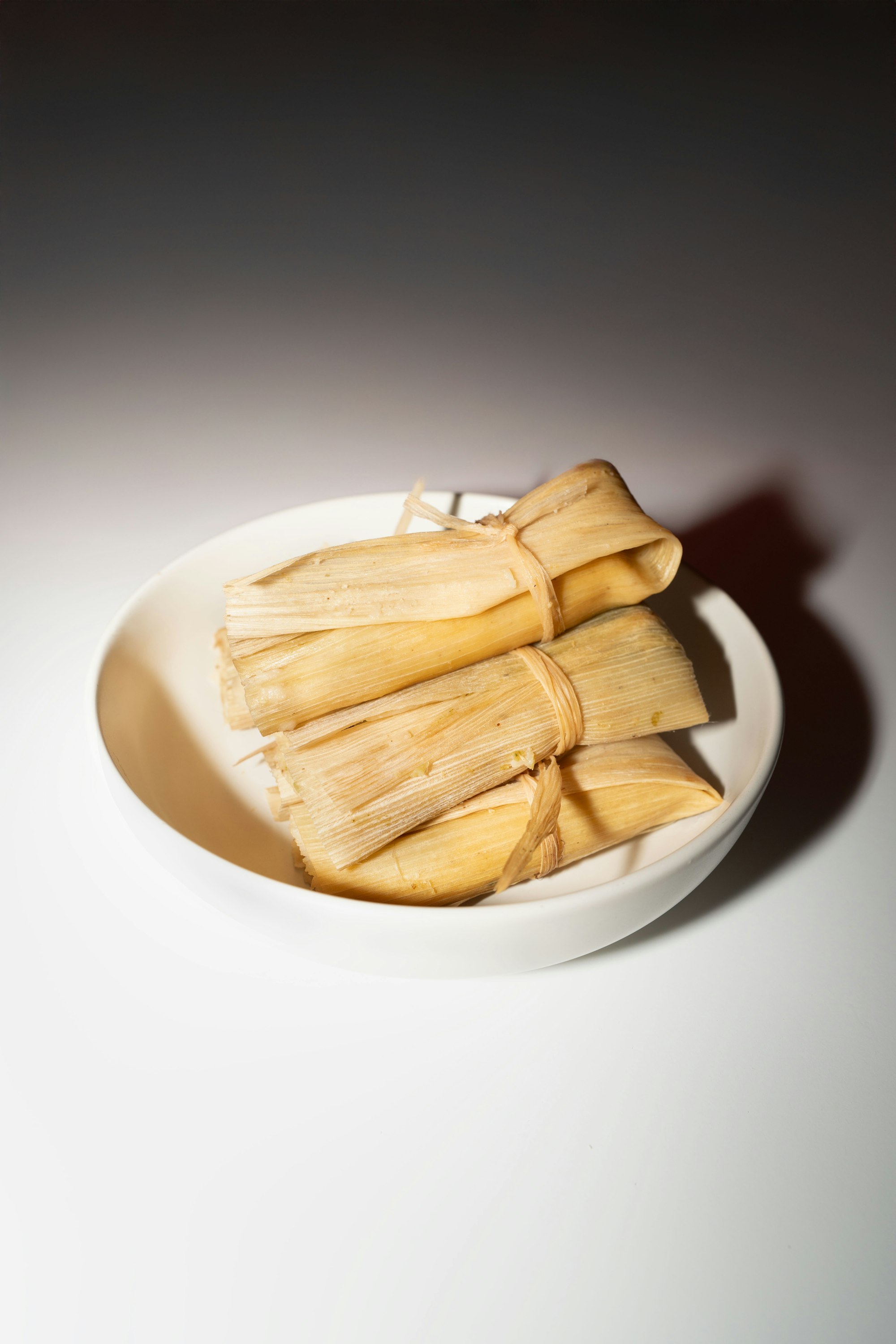
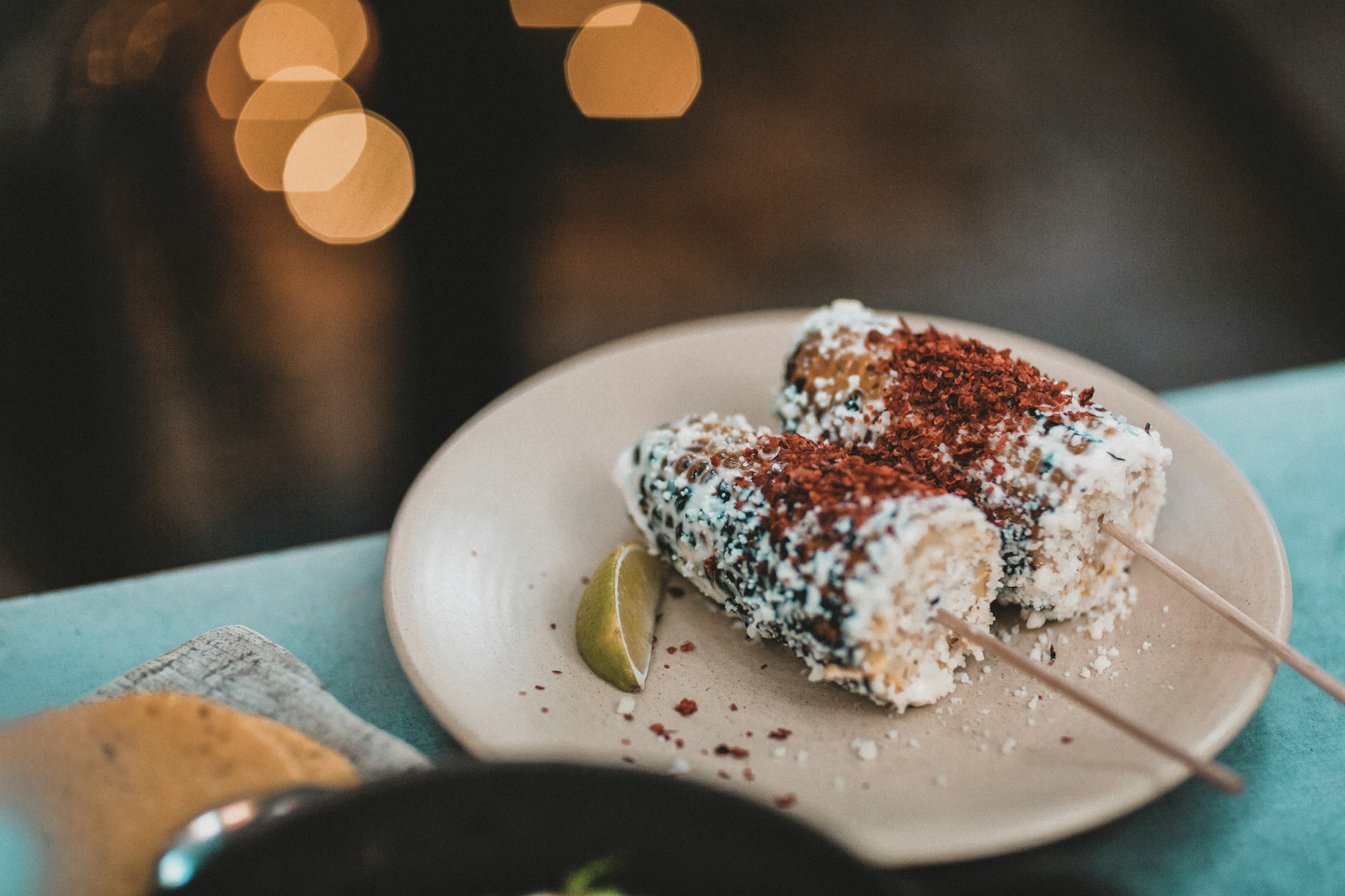
Two practical notes. Agua fresca, fruit blended with water and a little sugar, is everywhere and is the thing to order for children instead of another Coke. And the water rule is simple: bottled or purified for drinking and brushing teeth outside the big cities. Ice in a proper restaurant is fine. Street ice, use your judgement.
Getting Around
Pick your airport rather than your city. Cancun, Mexico City, Merida, Guadalajara and Puerto Vallarta all take direct flights from the United States. Flying into the hub nearest what you want to see saves a whole day. Merida has direct flights now from Miami, Houston and Dallas, which most people do not know.
A hire car is right for the Yucatan and wrong for Mexico City. The peninsula has good roads, short distances and things worth stopping at between them. The capital has traffic that will end your marriage. Drive the Yucatan, use the metro and ride hailing in the city.
ADO buses are excellent and nobody outside Mexico believes it. Clean, air conditioned, reserved seats, on time. The Mexico City to Oaxaca run and the Cancun to Merida run are both easy with children, and ADO Platino is almost a business class seat for the price of a cheap lunch.
The Tren Maya changed the peninsula. It now links Cancun, Valladolid, Merida, Campeche and Palenque. It is new, the timetable still moves around, and stations are often a long way outside the towns. Check the transfer at the far end before you rely on it.
Money and Practical Basics
Pesos, and pay in pesos. Card machines and cash points will offer to charge you in dollars. Always decline and take the peso price, because the conversion they are offering is dreadful. Cash still matters for markets, cenote gates, small towns and tips.
Use bank cash machines inside a branch. Santander, BBVA, Banorte. Avoid the standalone machines in convenience stores and tourist strips, which charge badly and are where card skimming happens.
Tipping is real and modest. Ten to fifteen per cent in restaurants, twenty to fifty pesos for a bellhop or a bag, and something for the person who watches your car in a street space. Check if propina is already on the bill in tourist areas.
Healthcare is good and cheap. This is the one that surprises Americans most. Private clinics in Merida, Mexico City and Cancun are excellent, walk in, and cost a fraction of a US urgent care visit. Pharmacies have doctors attached for very small money. Take travel insurance anyway for the flight home, not the treatment.
When to Go
Mexico has a dry season and a wet season rather than four, and the altitude matters more than the month. Mexico City sits at over two thousand meters and is mild all year. The Yucatan is hot all year and worse in spring than in summer, which catches people out.
Dec to Mar
The reliable window and the expensive one. Dry, warm, and the whole coast is booked. Christmas and Easter are the two weeks to avoid on price. February is the sweet spot if you can take the children out of school.
Apr to May
The hottest part of the year in the Yucatan and uncomfortable. Merida regularly passes thirty eight degrees in May. The highlands and Oaxaca are lovely in this window. Semana Santa fills every hotel in the country.
Jun to Oct
Wet season and hurricane season on the Caribbean side. It rains hard for an hour in the afternoon rather than all day, prices drop a long way, and the countryside is green. September and October carry the most storm risk on the coast and I would take insurance.
Late Oct to early Nov
Day of the Dead, and it is a real reason to plan a trip. The last days of October and the first two of November. Oaxaca and Patzcuaro are the great places to see it, Merida holds Hanal Pixan which is the Maya version and much less touristed. Book six months out.
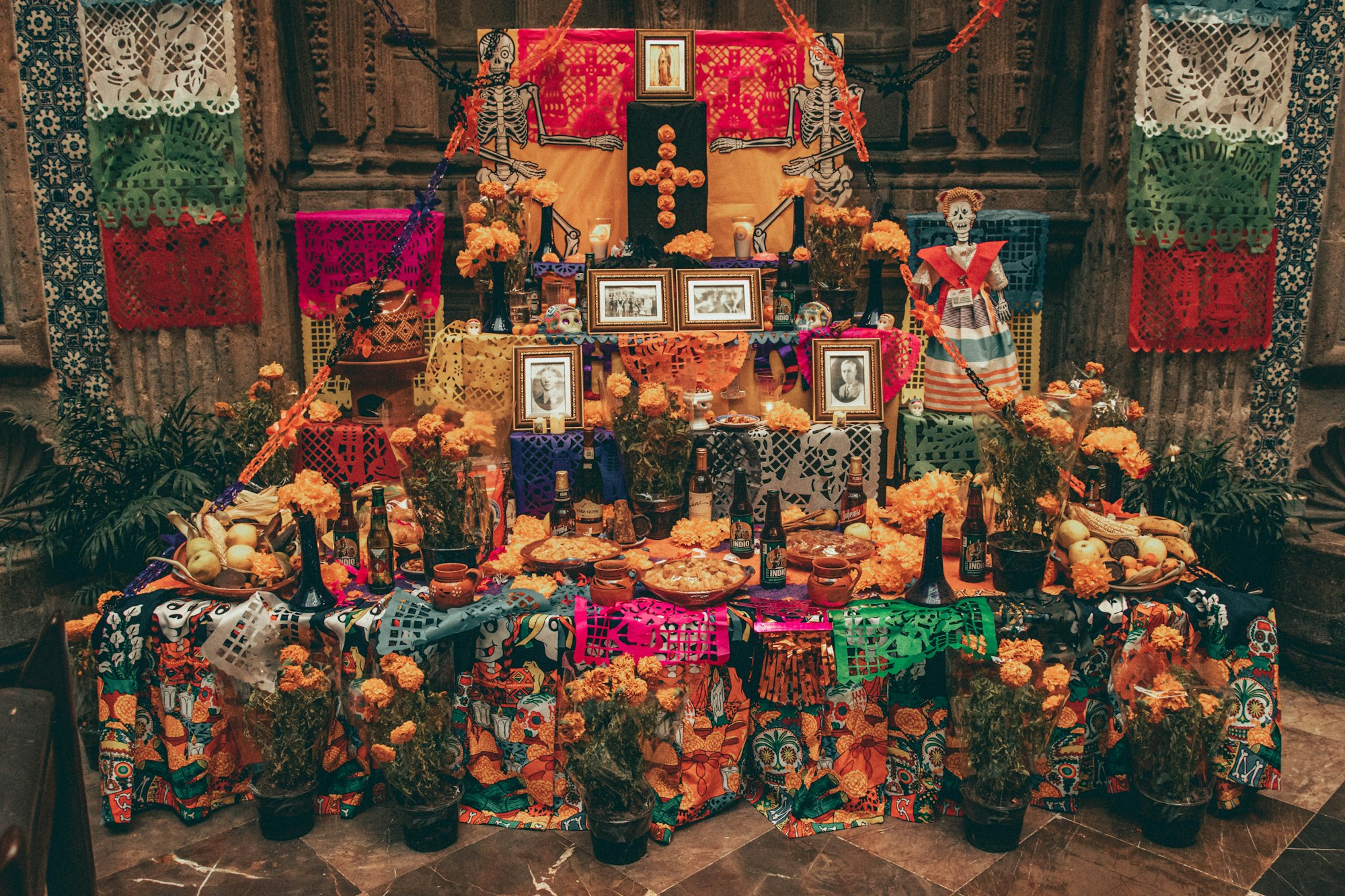
An ofrenda for Day of the Dead. It is not Mexican Halloween. It is a family setting a table for the people they have lost, and children take part in all of it
Doing It With Children
Learn twenty words before you go. Not for politeness, though it is polite. Because a child who can say gracias and por favor and cuanto cuesta gets treated as a small person rather than luggage, and Mexico responds to that enormously. Ours were speaking passable Spanish inside two months.
Two bases beat five stops. The single most common mistake I fix is a ten day itinerary with five hotels in it. Pick two places and go deep. Merida and the coast. Mexico City and Oaxaca. You will see less and remember more.
Eat late or eat early, not in between. Mexican dinner starts at nine. If you have small children, do the big meal at two in the afternoon like everybody else does and have something light at seven. Fighting the schedule is how families end up in a hotel restaurant every night.
The sun is not the same sun. Nearer the equator and often at altitude. Hats, long sleeves in the middle of the day, reef safe sunscreen and a proper siesta between one and four. The locals stop moving in the afternoon for a reason.
Things That Surprised Us
What healthcare actually cost. Several trips to the emergency room in Merida with three children, and the most we ever paid was seventy five dollars including x-rays. We never blogged it at the time. It has done more to change how we think about living abroad than anything else on this list.
That there is no yellow cheese. No hard shells, no sour cream on everything, no burritos outside the north. The Yucatan tastes nothing like Oaxaca, which tastes nothing like Baja.
How little English there is once you leave the coast. Cancun and Playa run in English. Merida largely does not, and Oaxaca and Guanajuato really do not. That is not a warning, it is the reason to go. But arrive knowing it.
How much of Mexico is a highland country. Almost everyone picturing Mexico is picturing a beach. Mexico City, Oaxaca, San Miguel, Guanajuato and Puebla are all mountain cities, several of them cool enough to want a jacket at night, and that is where most of the history is.
That three months went too fast. We arrived planning a season and left planning a house. Our children still ask when we are going back, and the honest answer is that we are working on it.
Combine It With
If you have the time to add a second country, these are the ones I would actually pair this one with. Not a list of neighbors. A list of trips that work.
Two very different Latin trips. Mexico for the ruins and the food, Costa Rica for the wildlife and the driving.
More North America Guides
Every other country in North America we have a full guide for. Tap one and go.


Keep exploring from Mexico
Cities, neighbors, and the wider region.
City guides in Mexico
More of North America
Ways to travel
Mexico is not one kind of trip
How you move through it changes the trip more than which places you pick.
 01Road TripsYour own pace, your own stops.Open this guide →
 02Rail JourneysThe space between two places, made part of the trip.Open this guide →
 03Ocean CruisingYou unpack once and the world comes to you.Open this guide →
 04River CruisingEurope from the middle of it.Open this guide →
 05Walking & HikingThe slowest way, and often the best one.Open this guide →
 06Guided & Small GroupSomebody else handles it.Open this guide →
 07Independent TravelYou handle it, and it is cheaper.Open this guide →
 08Yacht & ExpeditionFewer people, further out.Open this guide →
