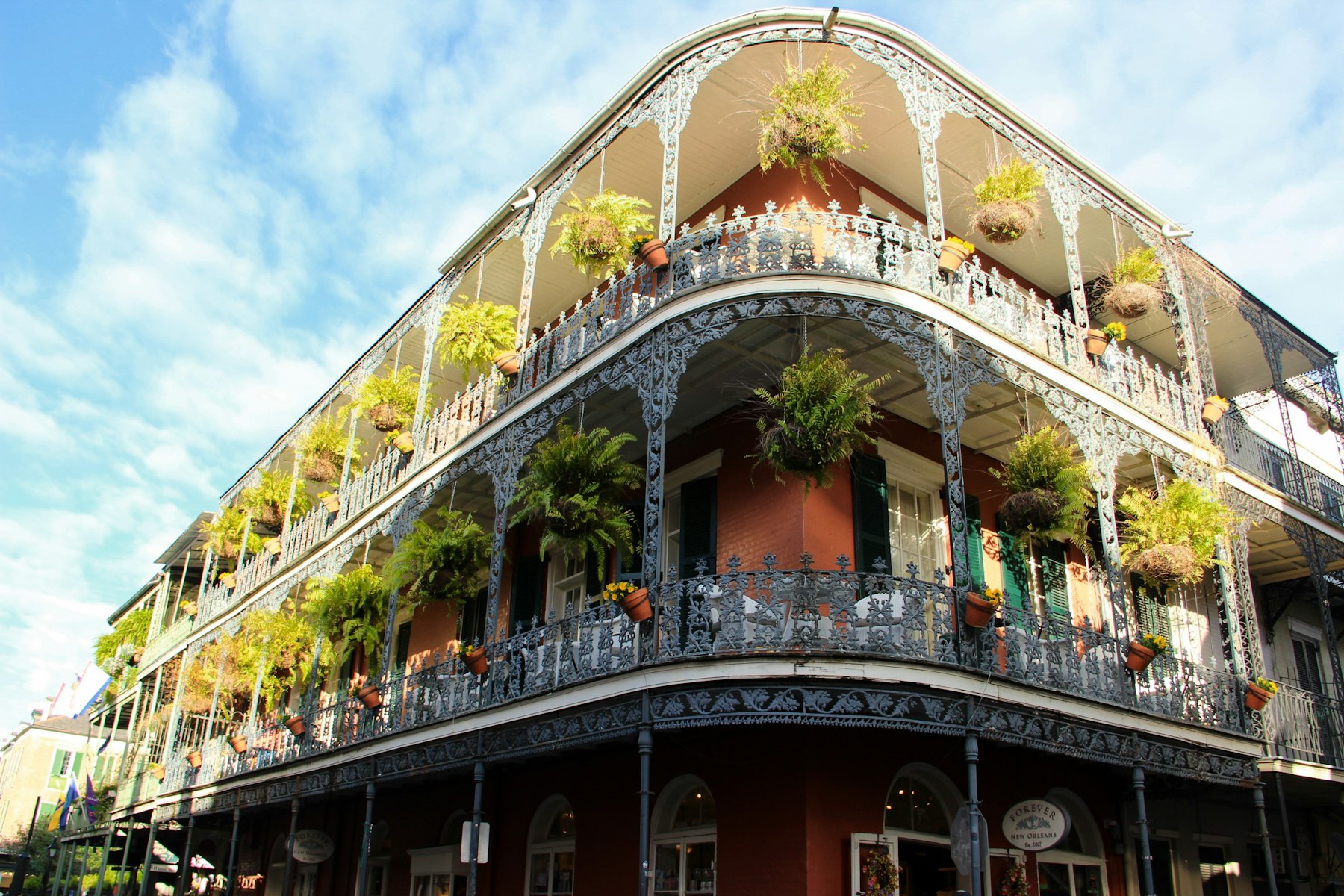
The French Quarter, New Orleans. Everybody photographs the balconies. Almost nobody tells you which street underneath them you should actually walk down with a nine year old
Louisiana With Kids Family Travel Guide
“Everyone asks me the same thing about New Orleans. Is it appropriate for children. Yes. Just not the version of it you have seen in photographs.”
Nicole Damiano, ASTA Verified Travel Advisor with FG Luxury Travel
Is New Orleans a good idea with kids?
Yes. Stay away from Bourbon Street, do the French Quarter in the morning, ride the streetcar, and spend afternoons in City Park or at the zoo. It is a musical, funny city and kids love it. Mardi Gras uptown on the parade routes is a family event.
How many days?
Three in New Orleans, one for a swamp tour, and two or three in Cajun country around Lafayette if you have a car. A week shows the whole southern half of the state.
Which swamp tour?
Honey Island near Slidell or the Manchac swamp for a half day from the city. The Atchafalaya basin tours out of Henderson for the real flooded forest. Morning tours see the most alligators and the guides know them by name.
What will picky eaters eat?
Beignets, po boys, red beans and rice, plain gumbo, fried chicken and snowballs. Boudin from a gas station. Every restaurant does a mild version of something and the bread is good everywhere.
When should we go?
October through April. Summer is very hot and humid and the afternoon storms are daily. Crawfish season runs January to June. Festivals happen most weekends in spring and the Festival International in Lafayette in April is free and family friendly.
Nicole’s Perspective
Why families hire me for Louisiana

The closest we ever got was strange and I still think about it. On day twenty three of our 2017 road trip we were in Memphis, and we took the monorail out to Mud Island, where there is a scaled down model of the Lower Mississippi you can walk beside and wade in. My three waded in a concrete river that ends at a little pretend Gulf of Mexico. The real river was about two hundred feet away. We could have followed it south. We turned east instead, to Nashville, then Knoxville, then Asheville.
So what follows is not memory. It is the work I do every week for clients, which is ringing places up, reading the fine print, checking what a ticket costs this year rather than what it cost in an old blog post, and being honest about the parts that are hard. I have booked this city for other families. They all get nervous about the same thing, and they all ask the same question.
The question is some version of, is New Orleans appropriate for my kids. The answer is yes, and I mean it, but the yes comes with a map and a clock attached. There is a version of this city that is one of the best places in America for a curious eight year old, and a version two streets over and four hours later that I would not take a teenager to. Both are real. Both are the same square mile. Knowing the difference is the whole job, and it is most of what this page is about. The wider country guide sits at the USA page.
Beyond the Bookshelf
A shelf of Louisiana stories, New Orleans movies, and gumbo recipes to get everyone ready for the bayou.

- A Confederacy of DuncesJohn Kennedy Toole
- Interview with the VampireAnne Rice
- The AwakeningKate Chopin
- Cane RiverLalita Tademy
- L Is for PelicanAnita C. Prieto
- Good Night Louisiana
- Trombone ShortyTroy Andrews
- The Dooky Chase CookbookLeah Chase
- Mosquito Supper ClubMelissa M. Martin
- River Road Recipes
Book links go to Bookshop.org, which supports local bookstores. Film and music links go to JustWatch and Spotify. As an affiliate we may earn from qualifying purchases.
Why this state, for this family
Why Louisiana works with kids
 Poppy marks the family parts. Wherever you see her, that section is written for traveling with children.
We got as far as a concrete model of the Mississippi in Memphis and turned east. Since then I have booked New Orleans for a lot of nervous families, and they all ask the same question. Yes, it works with children, and the yes comes with a map and a clock attached.
A city that plays music in the street for free
Brass bands on Royal Street in the afternoon, early sets on Frenchmen that are all ages, and Preservation Hall lets children in. Nowhere else in America hands a child live music this easily.
The cheapest great hour in the country
A streetcar ride under the oaks on St Charles is 1.25 dollars, fifty cents for a child, and free under five. The kids will want to ride it back.
A swamp forty minutes from the hotel
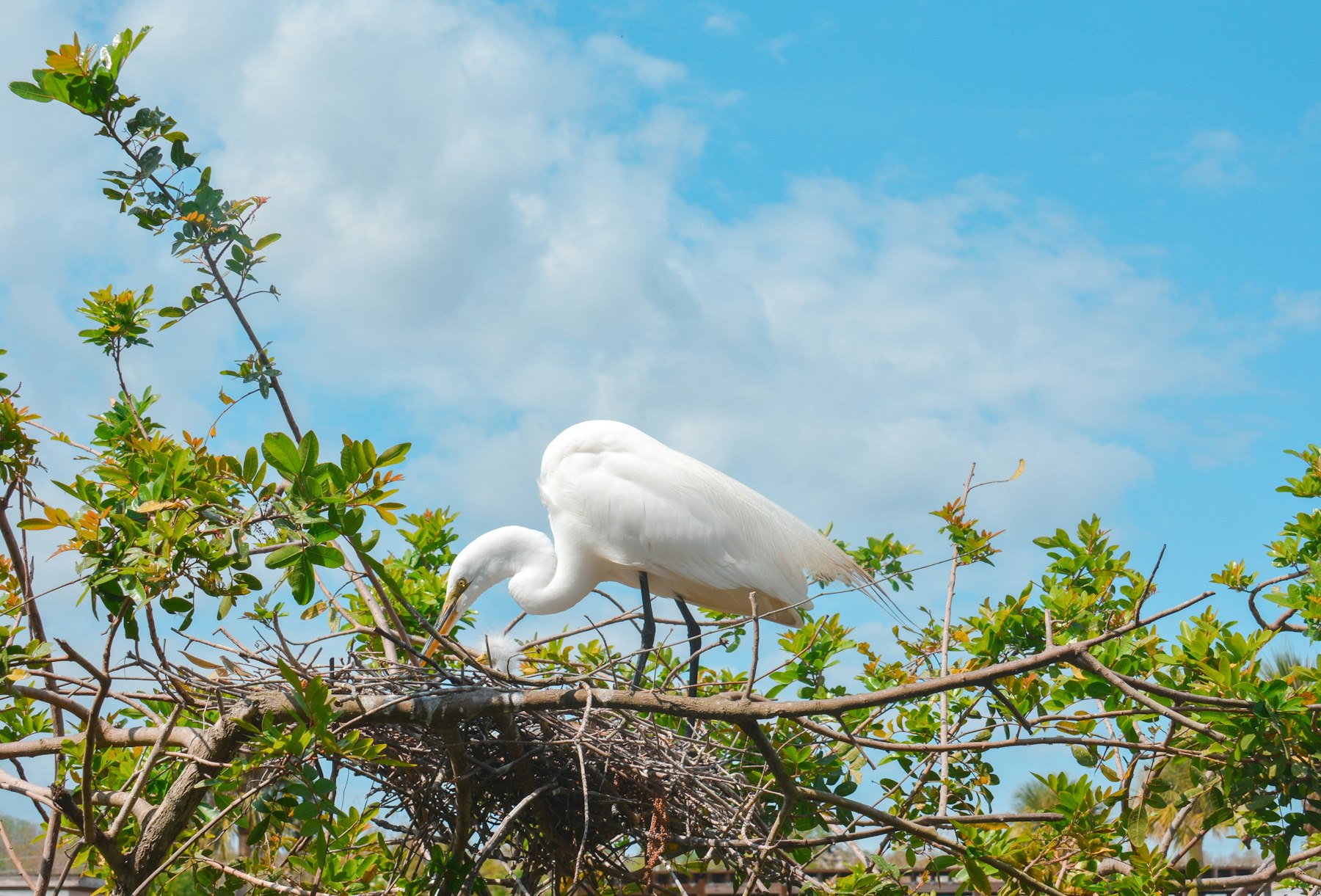
Wild alligators, egrets nesting by the thousand, boardwalks over cypress water at Barataria with no fee at all. Pick the right boat and it is the best wildlife morning in the South.
The map
Louisiana Place by Place
Eight places, and the thing to understand first is that New Orleans is not in the middle of this state. It is jammed into the far southeastern corner, below sea level, surrounded by water. Everything else is a drive west or north from it, and the drives are longer than the map makes them look.


State song Give Me Louisiana, and You Are My Sunshine, which is the one everyone can sing. Good to know Central time. Sales tax around nine to ten percent. The food is the best in the country and the summers are the hottest, so go in spring or autumn.

Avery Island
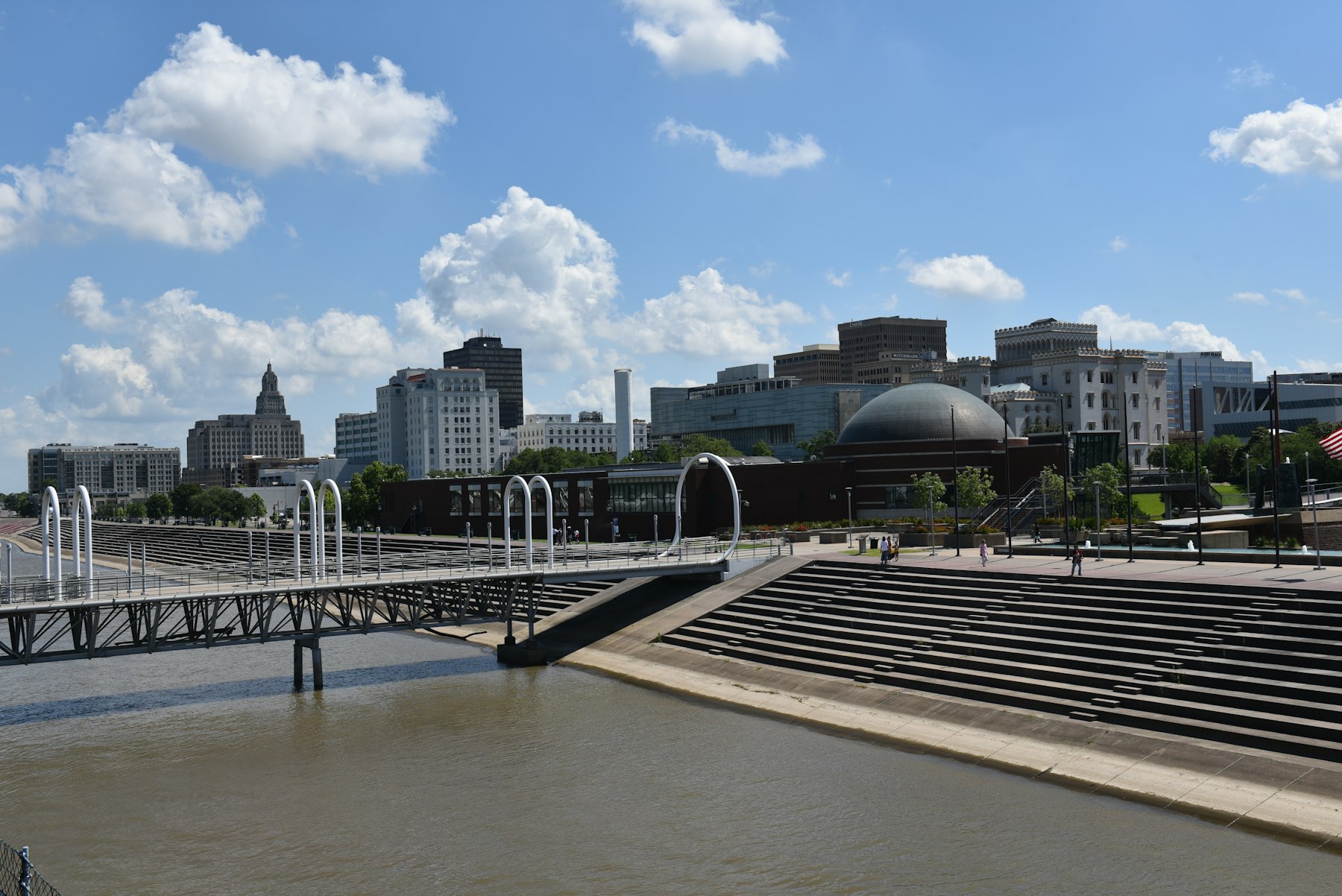
Baton Rouge

Lafayette and Cajun Country

New Orleans
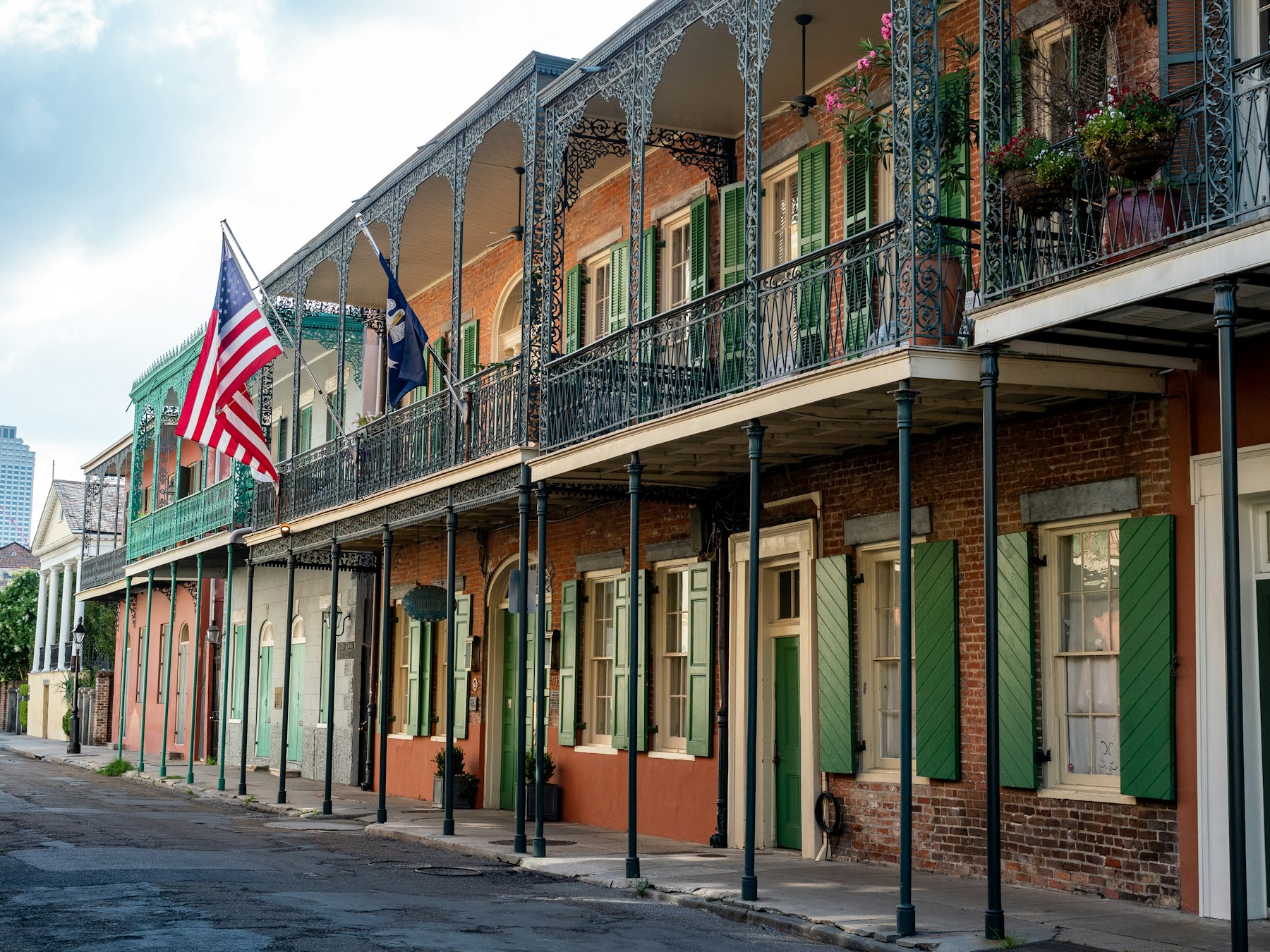
The French Quarter

The Garden District
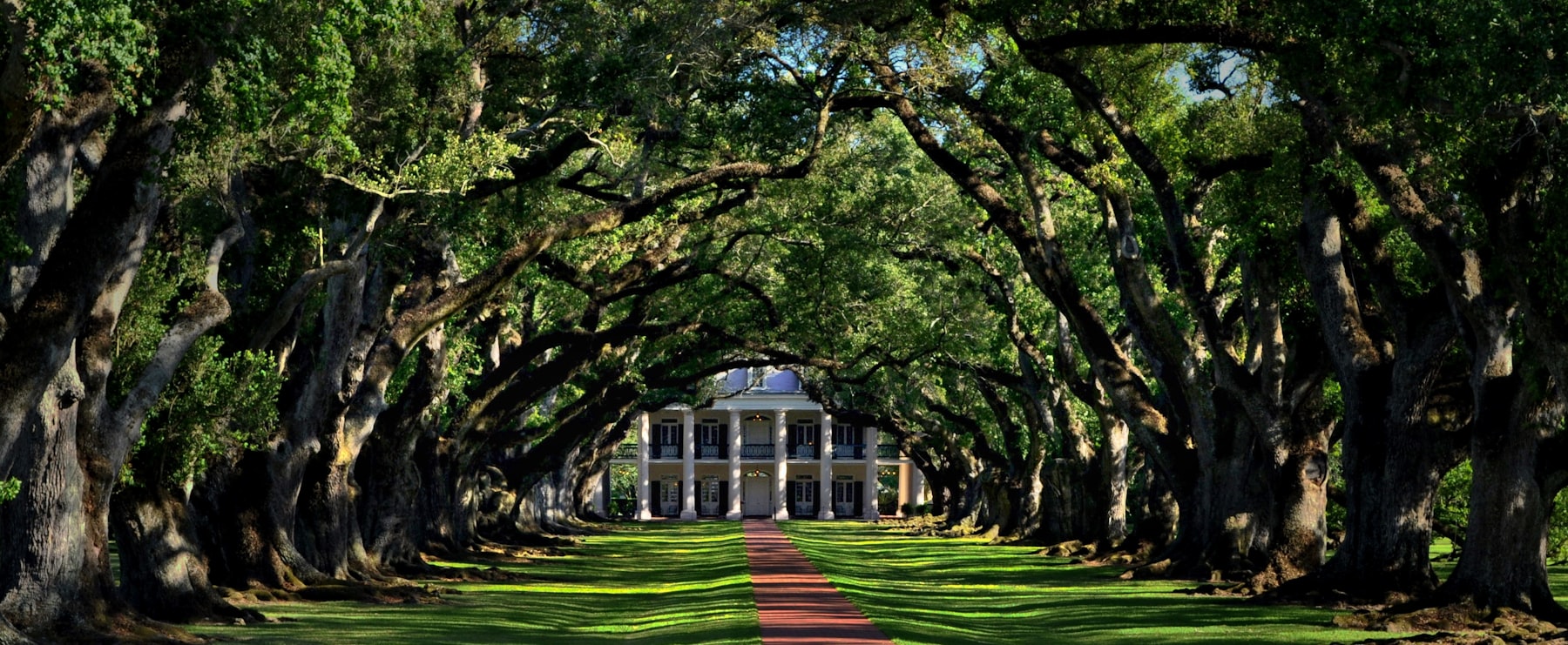
The Plantation Road

The Swamps
The Music Is All Ages Until About Eight
People assume live music here means bars, and therefore means no children. That is wrong for the early evening, and it is one of the best things about bringing a family. The city plays music in the afternoon, in the street, for free, and its most famous room lets children in.
Preservation Hall says it plainly on its own site. It is proud to be an all ages venue. Sets run from five in the evening, with further sets around 6.15, 7.30 and 8.45. It is a small bare room with no bar, no amplification and mostly no seating, which is exactly why children cope with it. Take the five or the 6.15. Book ahead, the room is tiny.
The best music you hear may be free and on a pavement. Royal Street in the afternoon regularly has full bands playing to a ring of people, and Jackson Square has players most days. Nobody minds a child sitting on the kerb, and a dollar or two in the case is the etiquette. That is how I would introduce a seven year old to jazz, not with a ticket.
Eight in the evening is roughly the line across the whole city. Many clubs run an early all ages set and go twenty one and over later the same night. Ring the venue that afternoon rather than trusting a website, and ask in these words if children are allowed at the early set.
French Quarter Fest is the family friendly festival and runs 8 to 11 April in 2027. Stages across the Quarter and the riverfront, and always the more relaxed of the city’s big music weekends. Jazz Fest is the bigger name, out at the racecourse, and in 2026 it ran 23 April to 3 May. Jazz Fest is a full day on your feet in the heat, which suits older children and punishes small ones.
Swamp Tours, and How to Pick One That Is Not Cruel
Every family here does a swamp tour and most book whichever one the hotel desk sells. There is a real difference between operators, and some of it is animal welfare rather than comfort. Worth ten minutes before you book.
Ask one question before you book. Do you feed or bait the alligators. Some operators toss marshmallows or raw chicken to make gators lunge alongside the boat for the cameras. It works, and it teaches a wild animal that boats and people mean food. A fed alligator loses its wariness, starts approaching craft and docks, and a gator that approaches people is eventually destroyed. Feeding wild alligators is illegal in Louisiana. Book the operator who tells you they do not do it, and say that is why you chose them.
Pontoon boats beat airboats for young children, and it is not close. Airboats are extremely loud, need ear defenders, travel fast and flatten the wildlife you came to see. A covered pontoon idles, so the guide can talk and the animals stay put. Airboat Adventures runs a pontoon at 35 dollars for thirteen and over and 15 dollars for ages five to twelve, about ninety minutes. Their airboats start at 59 dollars a head, rising to 89 for a small boat and 119 for a six seater, all about an hour forty five.
Minimum age on those tours is five, on every boat type. That catches families out at the dock. With a three year old the swamp is still available, but it is the boardwalk version rather than the boat version. Check before you pay a deposit, not after. Hotel pickup adds 30 dollars per person, which for a family of five is 150 dollars plus a shuttle loop collecting other guests.
Alligators are cold blooded and go quiet in winter, so be realistic about the season. From roughly late November into March they are dormant and you will see very few, whatever the brochure implies. The reliable months are the warm ones, which are also the hot, humid, mosquito heavy ones. That trade off is real and nobody selling tickets will mention it.
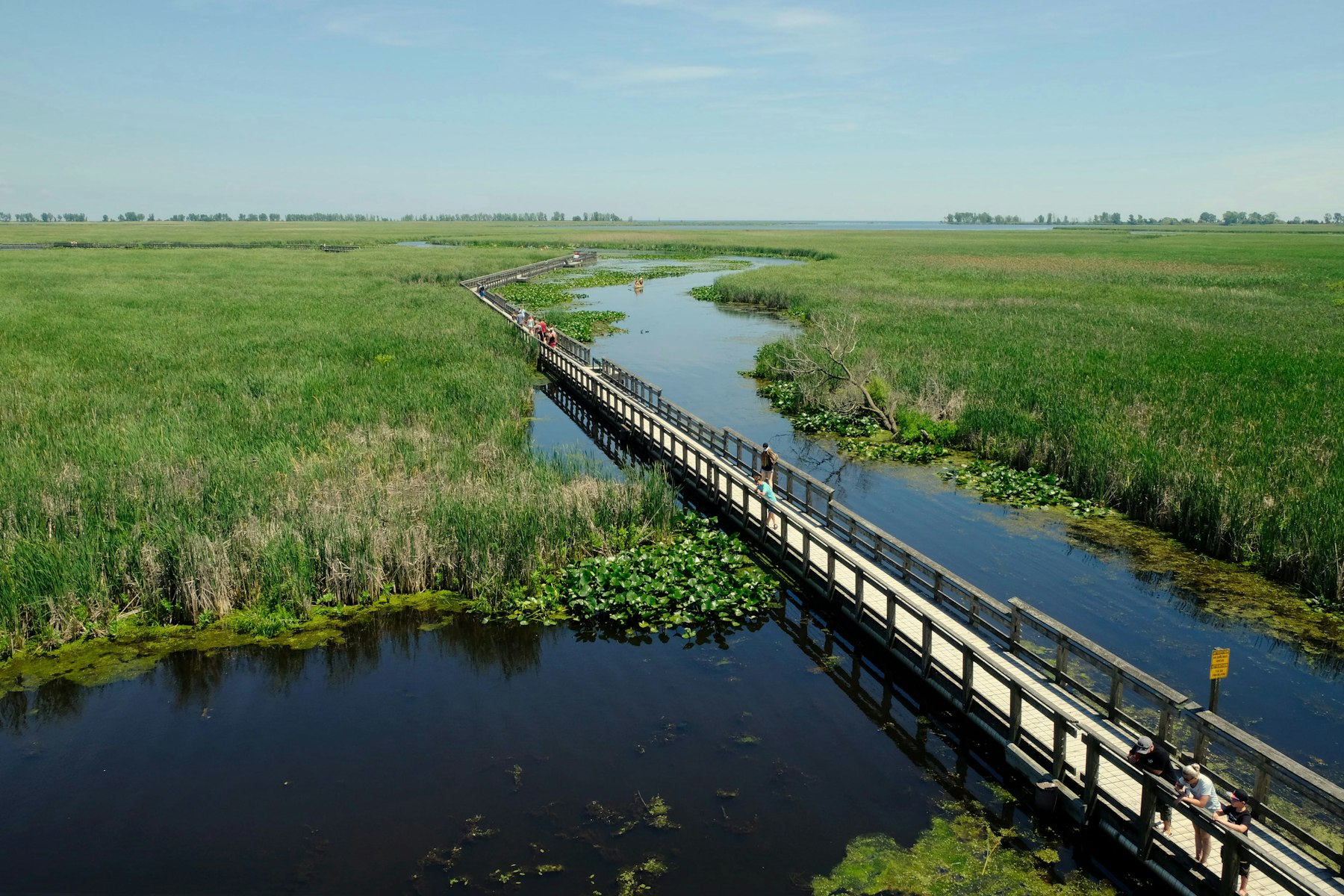
The free version is good, which nobody expects. The Barataria Preserve unit of Jean Lafitte National Historical Park has no entrance fee and needs no pass, and its boardwalks take you out into cypress swamp on foot. Wild alligators, herons, turtles, and nobody throwing food at anything. Go early, take repellent, stay on the boardwalk.
Louisiana is not where this pass makes you money, but it is free and it lasts the school year. If you have a fourth grader, claim it here and use it on your next trip out west. everykidoutdoors.gov.
The River Road, and How That History Is Told Now
Between New Orleans and Baton Rouge the River Road runs past a string of grand houses built on sugar. This needs saying carefully, because these are not stately homes. They were forced labour camps where enslaved people were worked, bought and sold, and for a long time they were marketed as romantic wedding venues with the enslaved people edited out of the tour. That has changed at some of them, and more at some than others. Which one you choose determines what your children learn.
Whitney Plantation tells the history from the point of view of the people who were enslaved there, and it is where I would send a family. It opened as a museum built specifically around that, covering 1752 to 1865. The self guided audio tour is 25 dollars for adults, 11 for children aged six to eighteen, free under six. The guided tour is 32 and 15, same free age, and residents of St John and St James parishes go free. Open 9.30 to 4.30, last entry three, closed Tuesdays, and they ask you to allow a minimum of two hours.
Whitney says the audio tour is appropriate for all ages, and you should still do the preparation yourself. The site includes memorials naming enslaved people, including children, and accounts of what was done to them. That is the point of it, and it is handled with seriousness rather than shock. A child who arrives with no context will struggle. A child who has been told beforehand what they are going to see and why it matters comes away changed in a good way. Have that conversation in the car, not in the parking lot.
Oak Alley is the photograph, and the photograph is the reason to be careful. The quarter mile avenue of live oaks is what everybody pictures. Admission runs from 30 dollars per adult including the Big House tour, or 27 without. Open daily 8.30 to 4.45, guided house tours nine to 4.30. It now carries exhibits on the enslaved people who lived and worked there, which earlier versions of the tour did not, and the foundation speaks openly about the site’s past as a place of enslavement. Take the exhibits as seriously as the avenue.
If you have time for one, go to Whitney. If you have time for two, do Whitney first. The order changes the second visit completely. Arriving at the beautiful house after you have met the people who built it is a different experience from arriving the other way round, and it is the honest way round. They sit within a short drive of each other on the same road.
Watch the language, including your own. Some sites still use the softening vocabulary of servants and workers. The people were enslaved, and saying so is accuracy rather than a political position. Children pick up which words the adults around them use, and this is a place where using the right ones is most of the lesson.
It is an easy half day from New Orleans and a poor full day. The River Road sites sit roughly forty five minutes to an hour west of the city. Two houses plus lunch is a comfortable day. Three is too many, and by the third nobody in the back seat is absorbing anything.
What to Eat in Louisiana
Eating out goes over budget here and it is also the best part of the trip. The cheap version is a po boy, and the cheap version is excellent.
A po boy, split. Fried shrimp or roast beef with gravy on French bread, dressed with lettuce, tomato and mayo. A whole lunch for an adult and enough for two small children. Any corner grocery does one.
Beignets, three, four napkins. Cafe du Monde is the famous one and the line is long. Cafe Beignet has tables and a courtyard and the same powdered sugar. Do not wear black.
Gumbo and jambalaya, seasoned not fiery. Most places cook them mild and the server will tell you. Gumbo is the soup, jambalaya is the rice. Children who like chicken and rice eat jambalaya without noticing it is foreign.
Crawfish in Cajun Country, in season. February to May around Lafayette and Breaux Bridge. A boil is spread across a table on newspaper and children learn to twist the tails in about five minutes. Messy, cheap and the meal they will talk about.
Snoballs and a muffuletta. Shaved ice with syrup from a corner stand, Hansen’s Sno-Bliz on Tchoupitoulas since 1939. And the round Italian sandwich from Central Grocery, one quarter each, on a bench in Jackson Square.
Distances, Driving and the Louisiana Trap
The trap is assuming New Orleans is a base for everything else. It is a corner, not a center, and the good things west of it are further than families expect.
In New Orleans itself a hire car is a liability, not an asset. Hotel parking is charged nightly and is not small money, street parking rules are enforced hard, and the Quarter is walkable end to end in twenty minutes. Take a cab in from the airport, walk and ride streetcars for three days, and pick up a car only on the morning you head west. That one change saves most families a few hundred dollars.
The real distances, so you can plan. Baton Rouge is about eighty miles up the interstate, an hour and a quarter to an hour and a half. Lafayette is about a hundred and thirty five miles, so around two and a quarter hours. Avery Island is another half hour past Lafayette, making it two and a half hours or more from New Orleans. Avery Island is not a day trip from the city with young children. It is a stop on the way through Cajun Country.
Interstate 10 crosses the Atchafalaya Basin on an eighteen mile bridge and it is a sight in itself. Swamp on both sides for twenty minutes with nowhere to stop. Tell the children it is coming, or it passes as boring motorway, and warn anyone who dislikes bridges.
The sensible shape of a week is three nights New Orleans, one on the River Road or in Baton Rouge, two in Lafayette. That gives you the city properly, the plantation road unrushed, and Avery Island as a morning rather than a marathon. Trying to do all of it out of a New Orleans hotel is the mistake nearly everybody makes.

The swamp forty minutes from the hotel. Pick the boat that does not bait the alligators.
Money and Practical Basics
Some places have gone card only and will not take your cash. Both the TABASCO Factory Tour and Jungle Gardens on Avery Island state they do not currently accept cash at all. Meanwhile street musicians and the small places want small notes. Carry both, and keep singles for the buskers.
Avery Island is two separate tickets and people get caught by that. The TABASCO Factory Tour is 15.50 dollars for adults and 12.50 for children, under fours free, open daily 9 to 4. Jungle Gardens is a separate 15.50 and 12.50, open 9 to 5, with ten percent off for seniors and veterans. Budget for both, because doing one and not the other is a wasted drive.
Check the USS Kidd in Baton Rouge before you drive over. The destroyer has been away in drydock at Houma for repairs, and while she has been gone the museum has admitted visitors to the museum building only at 8 dollars, open daily 9.30 to 3.30. Ring first and ask if the ship is back on her berth, because the ship is the reason to go.
Eating out goes over budget, and it is also the best part. A po boy is a whole lunch for an adult and will feed two small children. Neighborhood portions are large and prices reasonable. It is the white tablecloth Creole rooms in the Quarter that carry New York prices, and they are the ones needing a booking days out. Ask about heat before you order, because gumbo and jambalaya are seasoned rather than fiery in most places and the servers will tell you.
Who It Suits and Who Should Skip It
It suits curious children of roughly eight and up. This is a city that rewards noticing things. Ironwork, above ground tombs, a brass band on a corner. A child who asks questions will have a better time here than at most theme parks.
It suits families who want history told rather than prettily. Whitney Plantation and the WWII Museum are serious institutions that do not condescend. If you are raising children who can handle real history, this state has two of the best places in the country to do it.
It suits a short trip. Three or four nights is enough for the city. Unlike most American destinations you do not need ten days and a lot of driving to feel you have done it, which makes it an unusually good add on to a wider southern route.
Skip it if you were hoping for a beach. Louisiana’s coast is marsh and delta rather than sand. If your picture of the Gulf is white beach and clear water, that is the Florida panhandle or Alabama. Come for the city and the swamp, not the shore.
Skip Mardi Gras week itself with under fives. The crowds, the noise and the hotel rates all peak together. Come for a Carnival weekend Uptown instead, or come in October for a third of the price and a tenth of the crush.
Skip July and August if anyone struggles in heat. That is a safety point rather than a comfort one, particularly for older travelers and small children.
How It Compares, and What Surprises People
Tennessee is the other music trip and the easier one with children. Memphis and Nashville are more spread out, more car friendly, less concentrated in one intense neighborhood. If New Orleans sounds like more than your family wants, Tennessee is the gentler version of the same instinct, and it is the one we actually did.
Florida is the opposite trip in every respect. Purpose built, air conditioned, engineered for families, expensive in a different way. Florida is for parks and beaches. Louisiana is where you go when you want your children to see a real place that was not designed for tourists.
The cemeteries surprise everyone. The dead are buried above ground in stone tombs because the water table is too high for graves, which turns a cemetery into a small walled street of little buildings. Several require a licensed guide rather than letting you wander in. Children find them fascinating rather than frightening.
Much of New Orleans sits below sea level and the city runs on pumps. Once you know it, the levees and drainage canals and raised houses all start to make sense. It is a geography lesson your children can walk around in, and it explains the hurricane anxiety better than any museum panel.
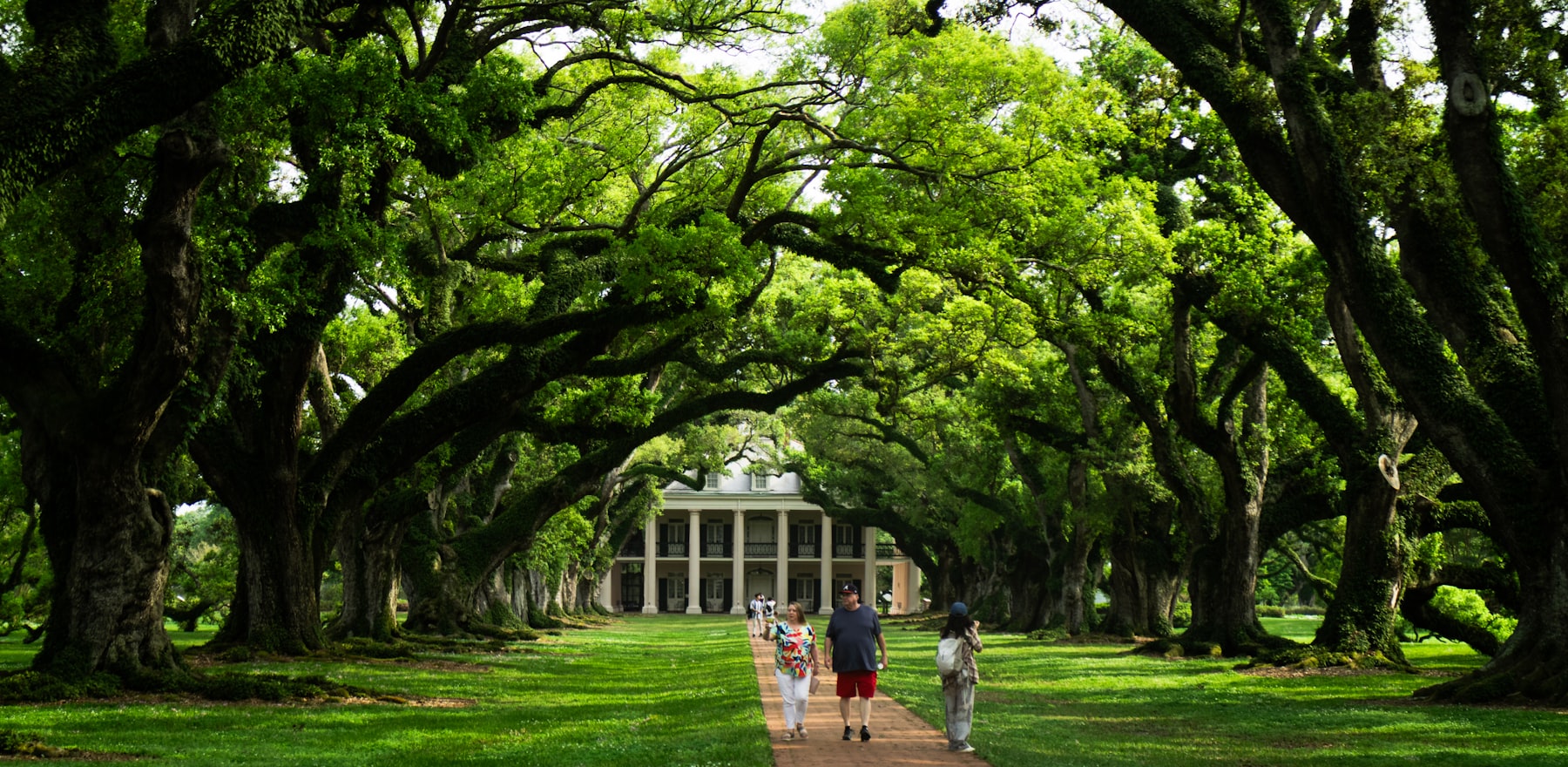
The oak avenue on the River Road. Twenty eight trees, planted before the house was built, by people whose names the museums are only now beginning to say out loud
When to Go, the Heat, and Hurricane Season
Louisiana has a difficult summer and a lovely spring and autumn, and the price of a hotel room tells you which is which.
March to May and October to November are the months. That is not a preference, it is the answer. Warm rather than punishing, lower humidity, and the festivals sit in that window. If you have freedom over dates, take late October. The crowds have gone and rates are sane.
July and August are hard with children and I would not book them by choice. High humidity on top of high heat, and a thunderstorm most afternoons that arrives fast and soaks everything. Mornings outside, afternoons indoors, more water than seems reasonable. Air conditioning indoors is set very cold, so carry a layer for everyone.
Atlantic hurricane season runs 1 June to 30 November, and the statistical peak is around 10 September. Most activity falls between mid August and mid October, and that window overlaps the cheapest rates of the year, which is not a coincidence. Southern Louisiana is low, flat and coastal, and a storm does not need to make a direct hit to shut an airport for two days.
Traveling between August and October, buy proper insurance and read the cancellation terms first. Check specifically if the policy covers a named storm and from what date, because most stop covering one the moment it is named. Book flexible hotel rates. This is the season where I push clients hardest, and the advice most often ignored.
Mosquitoes are a planning factor from spring through autumn, not a footnote. Around water at dawn and dusk they are serious. Repellent on everyone, long sleeves for swamp walks, and treat it as equipment. The swamp at seven in the evening without repellent is miserable for a child.
How Many Days & First-Trip Routing
How many days? Three in New Orleans, one for a swamp tour, and two or three in Cajun country around Lafayette if you have a car.
A week shows the whole southern half of the state.
How to Route a Louisiana Week
New Orleans is a corner, not a centre. Everything else is a drive west or north from it, and the drives are longer than the map says.
New Orleans only, four or five nights. No car. The streetcar, the Quarter before five, the river, the aquarium on the rainy day, a swamp tour with hotel pickup. This is the trip for most families and it is enough.
Add Cajun Country, two nights. Two and a half hours west on Interstate 10 to Lafayette or Breaux Bridge. Crawfish in season, a zydeco breakfast, Avery Island for the TABASCO tour and the egrets. Pick the car up on the way out of the city.
The River Road as a day, not a base. Whitney Plantation, the one that tells the story from the side of the enslaved, is an hour west. Do it as a day from the city with a car for that day only.
Baton Rouge is a stop, not a destination. The tallest state capitol in the country with a free observation deck, the USS Kidd if she is back on her berth. An hour and a half up the road and a good half day on the way to Cajun Country.

Crawfish season in Cajun Country, February to May, on newspaper.
Regions at a Glance
New Orleans
The Quarter, the Garden District, the streetcar and the river. A corner of the state, not the middle, and the whole trip for most families.
The Swamps and the River Road
Barataria, the Honey Island swamp, and the plantations between the city and Baton Rouge. Day trips from the city with a car for a day.
Cajun Country
Lafayette, Breaux Bridge, Avery Island and the Atchafalaya. Crawfish, zydeco, TABASCO and egrets, two and a half hours west.
Baton Rouge and the North
The capitol, the university, Natchitoches and the plantation country on the Cane River. A stop on the way somewhere, and quiet.
Must See and Do
Six specific things with what they cost in 2026. Not categories, not vibes. If you read one block on this page, read this one.


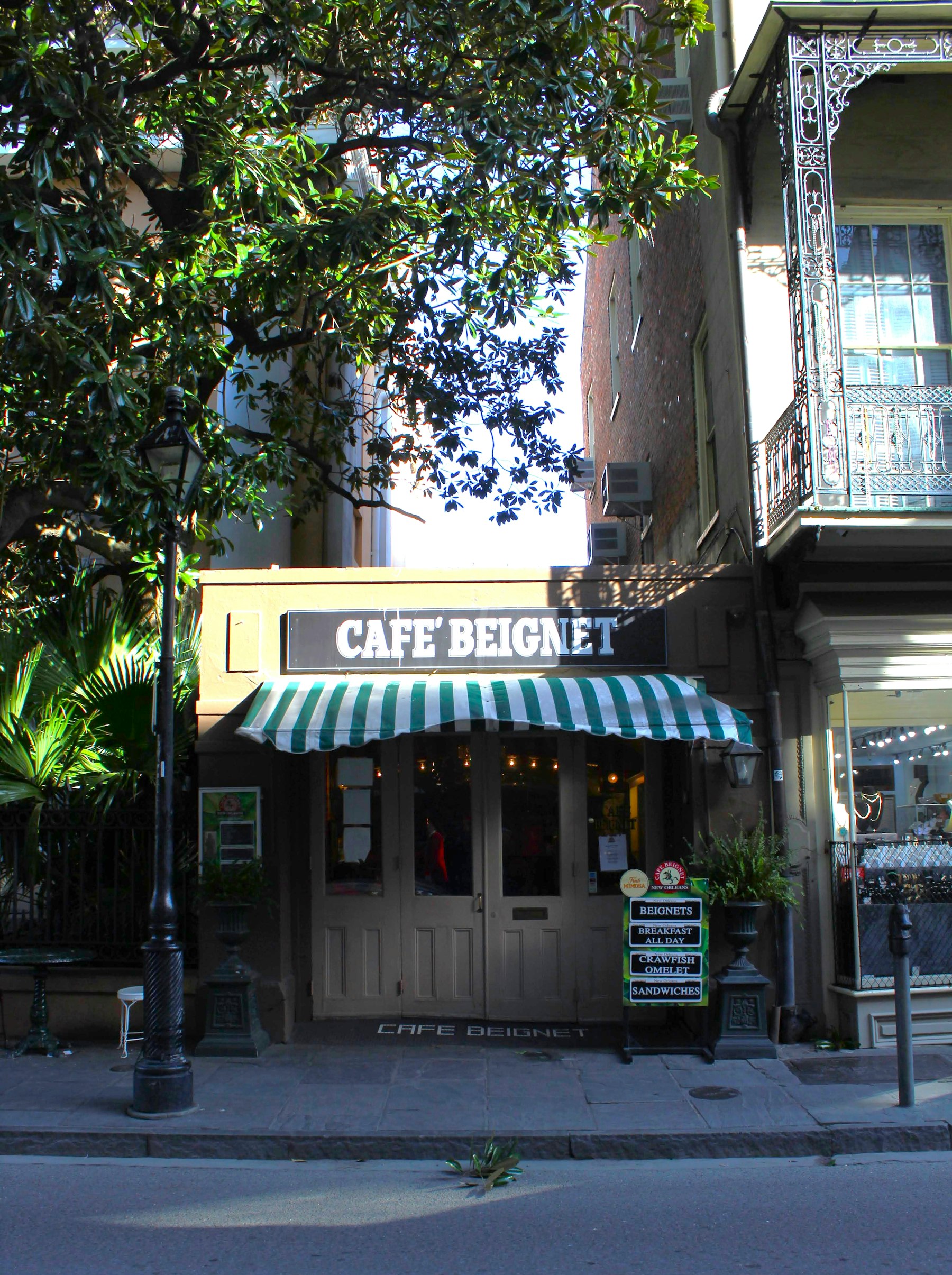
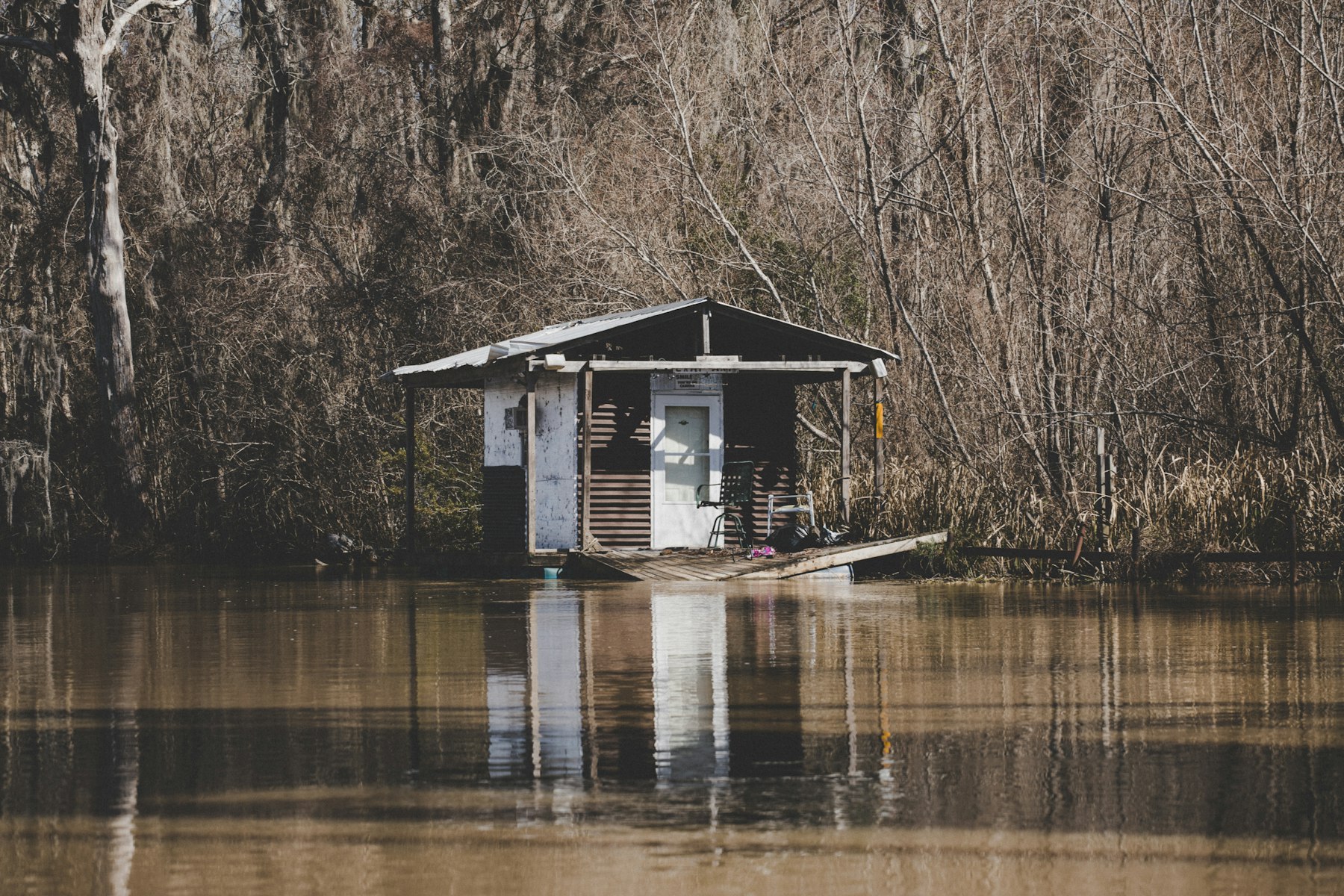

The Quarter from across the river. It is thirteen blocks by six. That is the entire thing, and about four of those blocks are the ones people warn you about
Does New Orleans Work With Children
Yes. Yes. But not the New Orleans you have seen photographs of, and the difference comes down to about four streets and about four hours. The Quarter is thirteen blocks long and six deep. Inside that small rectangle there is a street that is a drinking street, and there are streets that are some of the best walking in America with a child. They run parallel. They are one block apart. New Orleans with kids comes down to picking the right four hours, and a new orleans family vacation built around the streetcar and the park works better than most people expect.
Bourbon Street after dark is not a children’s street, and I will not soften that. New Orleans allows open containers of alcohol on the street, and Bourbon is where that plays out. From about five in the afternoon it thickens, and by nine it is a drinking crowd end to end, with strip clubs and their doormen working the pavement. Daytime Bourbon is a duller thing, mostly closed shutters and delivery vans, and walking it at eleven in the morning to say you have is fine. After dark, take another street.
Royal Street is the one you want, and it is literally one block over. Antique shops, galleries, brass bands, a man with a piano on a trolley. Parts of it close to traffic in the middle of the day, which turns it into a pedestrian street where a child can stand in the road and watch a trombone player for twenty minutes. If you take one instruction off this page, take this one. Walk Royal, not Bourbon.
The clock matters more than the map. Before five, the Quarter is a family city. Between five and eight it is mixed and depends on the block. After about nine it belongs to adults, which is not a moral judgement, just what the city is doing at that hour. Plan your children’s day to finish in the Quarter by early evening and continue somewhere else, and the whole problem dissolves.
Decatur Street, the French Market and the riverfront are fine at any hour you would have children out. Woldenberg Park runs along the Mississippi with grass, shade and ships passing close enough to read the names. This is where you go when the small ones have had enough of pavement and wrought iron.
Frenchmen Street is the local music street and it is an evening street. Three blocks of clubs where New Orleanians go rather than tourists. Early sets are often all ages and wonderful. By ten at night it is a bar strip with a crowd on the pavement. Go at six, leave by eight thirty, and you will have had the best of it.
The Audubon Aquarium and Insectarium is the reliable rainy day, and it is not cheap. Adult tickets run 45 to 55 dollars and child or senior 40 to 50, priced by date, with under twos free. Open daily 10 to 5, last ticket at four. The insectarium half is the surprise hit.
The National WWII Museum is world class and needs an honest age warning. Adults 37 dollars, seniors 34, students from kindergarten through college 27, under fives free. The Beyond All Boundaries film is 9 dollars on top. Open daily 9 to 5. It is superb for a twelve year old and too much for a six year old, in content and in stamina. Half a day minimum.
Where you sleep decides what your evenings look like. A hotel in the lower Quarter near Esplanade, or in the Garden District along St Charles, gives you quiet nights and a short ride in. A room on upper Bourbon gives you noise until three in the morning. Ask which street the room faces before you book. Ask specifically.
Mardi Gras Is Two Completely Different Festivals
This is where families come unstuck, because the word means two separate events happening a few miles apart on the same day. One is a children’s festival local families build their year around. The other is the one that ends up on television. Where you stand decides which you attended. Mardi Gras day falls on Tuesday 9 February in 2027, and the parades leading up to it begin from Twelfth Night on 6 January.
Uptown, along St Charles and Napoleon Avenue, Mardi Gras is a family event and always has been. Local families arrive early and set up ladders with a built in box seat at the top so small children can see over the crowd and catch throws, then stay all day with coolers and folding chairs. Grandparents come. It is loud, crowded and completely wholesome, and almost no visitor knows to go there.
The French Quarter on Mardi Gras day is the other festival, and in practice it is adults only. Heavy drinking, costumes ranging from clever to explicit, and a crush of people on Bourbon Street. Nothing about it is designed for children and locals with children largely avoid it. If your image of Mardi Gras is balconies and beads and a shouting crowd, that is this, and that is the one to skip.
Here is the fact that reframes it. The big parades do not go through the French Quarter at all. The streets there are too narrow for the floats. Parades roll Uptown and down Canal Street. So the two festivals are not only different in tone, they are in different places, and choosing between them is simply a choice about which neighborhood you stand in.
Metairie runs Family Gras, which is exactly what the name says. Parades and stages out in Jefferson Parish with a deliberately family shaped crowd. If you want the throws and the marching bands and none of the risk assessment, that is the low stress version, a short drive from the city.
The two weekends before Fat Tuesday are the peak, not just the day itself. Carnival is a season, not an afternoon, so you can have the parades and the ladders without being in town on the busiest day. Come the weekend before, watch three parades Uptown, leave before the Tuesday. Expect multi night minimums and rates that bear no relation to the same room in September.
Worth the Money in Louisiana
New Orleans is not an expensive city to see. These are the tickets worth buying.
A swamp tour on a boat that does not bait the gators. A covered pontoon out of the Barataria area, ninety minutes, thirty five dollars an adult. Ask one question before you book: do you feed the alligators. If yes, book elsewhere.
The National WWII Museum, for children over ten. World class, half a day minimum, and too much for a six year old in content and in stamina. For a twelve year old it is the best museum in the South.
A hotel in the lower Quarter or on St Charles. A room facing away from Bourbon, or a Garden District hotel with the streetcar at the door. You are paying for quiet nights and the right four hours, and it is worth the difference.
The Steamboat Natchez. A paddlewheeler on the Mississippi with a calliope and a jazz band, two hours, from the Quarter waterfront. Touristy, and every child on board is delighted.
Things That Surprise First Timers
The city is below sea level. Much of New Orleans sits below the river, held in by levees, and the cemeteries bury above ground because of it. Children find the tombs fascinating and the tour is a good one.
Bourbon Street is one block from the best walking street in America. Royal Street runs parallel, one block over, with galleries, brass bands and a piano on a trolley. Walk Royal, not Bourbon, and the worry about the city not working with kids goes away.
Mardi Gras is a family festival in the neighborhoods. On St Charles Avenue families set up ladders with seats for the children and catch beads for weeks. The one on television is a few streets away and a different event.
The air conditioning is set to arctic. Indoors is very cold everywhere. Carry a layer for each child even in August, and keep it in the day bag.
Some places take no cash at all. The TABASCO tour and Jungle Gardens are card only. Street musicians want singles. Carry both.
Where I Would Start
Five people, five nights in late October, and no rental car until day four.
A hotel in the lower Quarter, near Esplanade. Quiet nights, walking distance to Jackson Square at nine in the morning when the artists hang their canvases. Royal Street, not Bourbon, and finish in the Quarter by early evening.
The streetcar to the Garden District and Audubon Park. A day on the St Charles line under the oaks, the zoo or the park, and back for an early set on Frenchmen at six.
One swamp morning. Barataria Preserve boardwalks for free, or a covered boat with pickup. Alligators, cypress, Spanish moss, and the kids go quiet.
Pick up a car and go west for two nights. Lafayette or Breaux Bridge, crawfish if it is season, Avery Island for the sauce and the birds. Fly home from New Orleans or Lafayette.
Louisiana by the numbers
Facts to know before you go
Ways to travel
Louisiana is not one kind of trip
How you move through it changes the trip more than which places you pick.
Walking and hiking
New Orleans is a walking city at its core. The Quarter is thirteen blocks by six, the riverfront is flat, and the Barataria boardwalks run out over the swamp.
For example: Royal Street to Jackson Square to the river, before five.Rail journeys
The St Charles streetcar is the oldest continuously running line in the world, and Amtrak’s City of New Orleans runs to Memphis and Chicago overnight.
For example: the St Charles line end to end under the oaks for 1.25 dollars.Road trips
Interstate 10 west to Cajun Country and the River Road to Baton Rouge. Louisiana outside the city is a driving state and the drives are longer than they look.
For example: New Orleans to Lafayette with Avery Island on the way back.River cruising
Paddlewheelers sail the Mississippi from the Quarter waterfront, and the big river cruise lines start their Lower Mississippi sailings in New Orleans.
For example: the Steamboat Natchez for two hours with the jazz band.Explore by interest
What families come to Louisiana for

Sports
Saints and Tigers
The Saints in the Superdome, LSU football in Baton Rouge on a Saturday night, and the Pelicans. Game day here is a festival with a match attached.

History
French, Spanish and the River Road
A city founded by the French, ruled by Spain, bought by Jefferson, and a plantation history now told from the side of the enslaved at Whitney.

Food and drink
Beignets to crawfish
Beignets, po boys, gumbo, jambalaya, muffulettas and a crawfish boil in season. The best food state in the country and the cheap version is the best version.

Nature
Swamps and egrets
Wild alligators at Barataria, egrets nesting by the thousand at Avery Island, and cypress swamps under Spanish moss forty minutes from the Quarter.
What makes it different
Only in Louisiana

Read
A Confederacy of Dunces, John Kennedy Toole
A comic novel that could not be set anywhere but New Orleans. Not for kids, but worth reading yourself before a trip. Photo via Unsplash.

Watch
The Princess and the Frog
Disney’s own New Orleans story, bayou setting and all. Watch it on the plane down and the swamp tour lands completely differently. Photo via Unsplash.

From here
Jazz itself
Born in New Orleans in the early 1900s, out of brass bands, blues, and ragtime meeting in one city. Preservation Hall still books real sets nightly. Photo via Unsplash.

Only here
Mardi Gras, done right
Other cities throw Mardi Gras parties. New Orleans has thrown the real parade, with krewes and beads and centuries of tradition, since 1699.
Combine It With
The country guide this page sits under. Entry rules, driving, tipping, and how the fifty states actually compare to each other.
The other music state, and the one we have actually driven. Memphis is about six hours north of New Orleans and the two cities make an obvious pair.
The Gulf coast trip with beaches and theme parks, for the half of the family who wanted sand rather than swamp. Nine hours east along Interstate 10.

Plan Louisiana with Nicole
Tell me who is coming, and when.
New Orleans with children is a question of the right four hours and the right four streets, and I have booked it for enough nervous families to know where those are. Send me the ages and the dates and I will build the days around the streetcar, the river and the early sets.
Nicole Damiano, ASTA Verified Travel Advisor with FG Luxury Travel. Adventures We Seek is my travel blog and planning resource. Trips are booked through Favorite Grampy Travels.
Louisiana, Answered
Is New Orleans a good idea with kids? Yes. Stay away from Bourbon Street, do the French Quarter in the morning, ride the streetcar, and spend afternoons in City Park or at the zoo. It is a musical, funny city and kids love it. Mardi Gras uptown on the parade routes is a family event.
How many days? Three in New Orleans, one for a swamp tour, and two or three in Cajun country around Lafayette if you have a car. A week shows the whole southern half of the state.
Which swamp tour? Honey Island near Slidell or the Manchac swamp for a half day from the city. The Atchafalaya basin tours out of Henderson for the real flooded forest. Morning tours see the most alligators and the guides know them by name.
What will picky eaters eat? Beignets, po boys, red beans and rice, plain gumbo, fried chicken and snowballs. Boudin from a gas station. Every restaurant does a mild version of something and the bread is good everywhere.
When should we go? October through April. Summer is very hot and humid and the afternoon storms are daily. Crawfish season runs January to June. Festivals happen most weekends in spring and the Festival International in Lafayette in April is free and family friendly.
Keep exploring from Louisiana
The rest of the states, and the wider map.
Click any card to open that page
More of the United States
 Montana
 South Carolina
 Alaska
 Massachusetts
 Oregon
 Washington
 Wyoming
 Maine
Maine Texas
Texas New York City
 Illinois
 Nevada
 Washington, D.C.
 North Carolina
 Hawaii
 Georgia
 Tennessee
 Arizona
 Colorado
 Utah
Utah California
 Florida
 All of the United States
 All of North America
 Explore the world
 The Travel Library