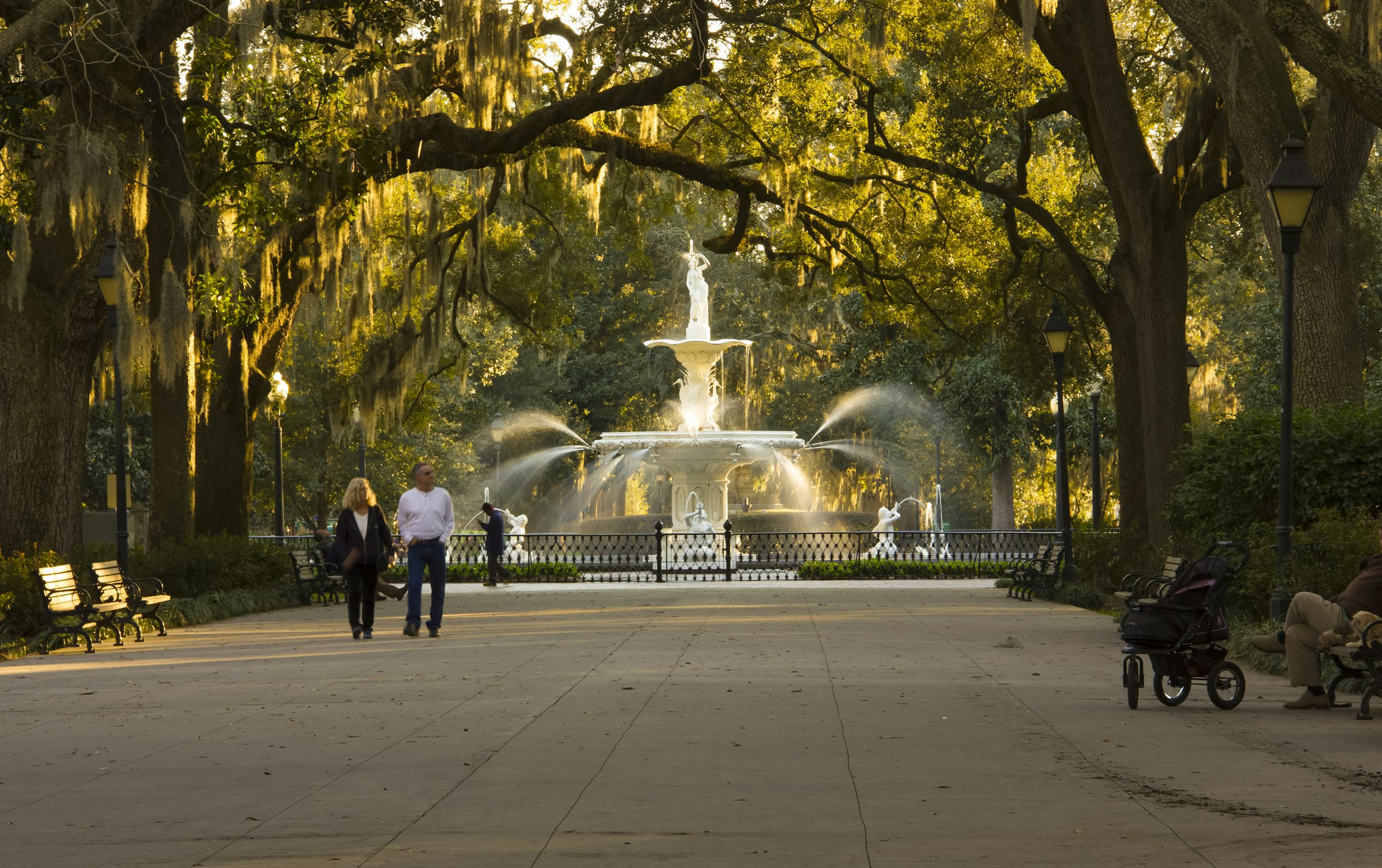
Forsyth Park, Savannah. A city laid out around 22 squares in 1733 and still one of the most walkable places in America
Georgia With Kids Family Travel Guide
“Everyone books Atlanta and Savannah and drives straight past the coast. The barrier islands are the most overlooked family destination in the American South.”
Nicole Damiano, ASTA Verified Travel Advisor with FG Luxury Travel
Atlanta or Savannah?
Atlanta for the aquarium, the museums and the King historic site. Savannah for the squares, the ghost stories and Tybee beach. They are four hours apart and a week does both with the drive in the middle. Families with younger kids lean Atlanta, families with older kids and a taste for atmosphere lean Savannah.
Which beach?
Tybee Island for a day from Savannah. Jekyll Island for a family beach stay with bikes, the turtle center and Driftwood Beach. St Simons for a small town with a lighthouse and a pier. Cumberland Island for a wild day with horses and no shops.
Is Savannah a party town?
There is a lively bar scene on River Street after dark, and the rest of the city is squares, oaks and families on the lawn. Stay in the historic district near Forsyth Park, do the early ghost tour, and it is one of the calmest Southern cities for kids.
When should we go?
March and April for the azaleas and the weather. October and November for cool days and fewer crowds. Summer is hot and humid across the state and the coast and the mountains are where you want to be. The Georgia Aquarium is the answer to any rainy or too hot day.
Is the Okefenokee worth the drive?
Yes for a family that likes boats and alligators. It is a three hour drive from either city and it needs a full day with a guided boat tour from the east entrance. Kids of every age enjoy it from the boat, and the gators are close enough to count.
Nicole’s Perspective
Why families hire me for Georgia

Savannah is one of the only American cities where the trees are as much a character as the buildings. Live oaks dripping with Spanish moss over squares that have not changed shape since they were laid out in 1733.
The whole city runs on a slower clock. People sit on porches. Ghost tours walk the same cobblestones after dark that horse carriages use during the day. It feels like a place that decided a long time ago it was not in a hurry.
Then the coast opens up completely. Cumberland Island has wild horses that just wander the beach like they own it, because at this point they basically do. Jekyll Island has the same slow, salt air feeling with a lot less crowd.
Atlanta is the modern counterweight, a real working Southern city with a great aquarium. But Savannah and the islands are where Georgia shows you who it is.
Beyond the Bookshelf
A shelf of Georgia stories, Southern movies, and peach cobbler recipes to get everyone ready for the drive down.

- Gone with the WindMargaret Mitchell
- The Color PurpleAlice Walker
- Midnight in the Garden of Good and EvilJohn Berendt
- Complete StoriesFlannery O’Connor
- P Is for PeachCarol Crane
- Good Night Georgia
- The Watsons Go to BirminghamChristopher Paul Curtis
- The Lady & Sons Savannah Country CookbookPaula Deen
- JubileeToni Tipton-Martin
- Savannah CelebrationsMartha Nesbit
Book links go to Bookshop.org, which supports local bookstores. Film and music links go to JustWatch and Spotify. As an affiliate we may earn from qualifying purchases.
Why this state, for this family
Why Georgia works with kids
 Poppy marks the family parts. Wherever you see her, that section is written for traveling with children.
Savannah is one of the only American cities where the trees are as much a character as the buildings, and the coast beyond it has wild horses on the beach. Georgia is the slow, walkable version of the South, and children do well on a slow clock.
A city you can walk with a stroller
Savannah is one square mile of shade, benches and squares laid out in 1733. No car, no hills, and a ghost tour after dark on the same cobbles the carriages use by day.
A coast almost nobody books
Cumberland Island has feral horses, ruined mansions and eighteen miles of empty beach with no bridge. Jekyll has a sea turtle hospital. Clients wish they had given it more time every single trip.
The largest aquarium in the country
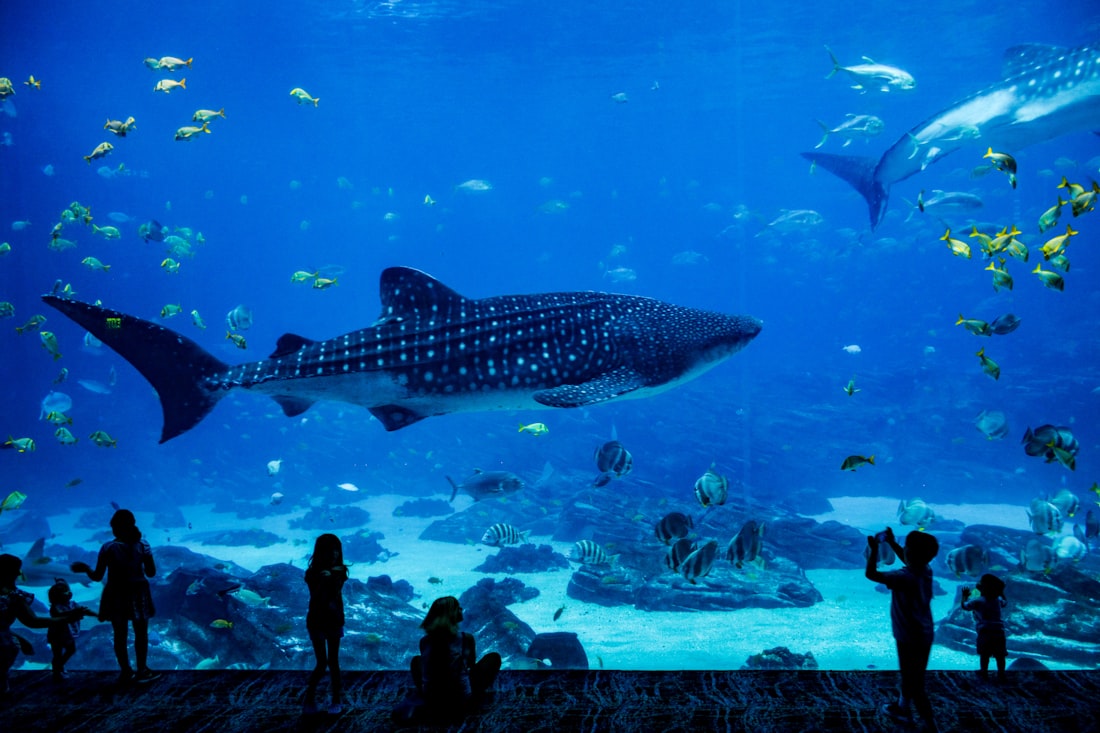
Over eleven million gallons in Atlanta, built around whale sharks, the only ones in the Western Hemisphere. It carries a rainy day on its own and it is next to the airport most families fly into anyway.
The map
Georgia Place by Place
Eight places worth planning around. Georgia divides cleanly into three. The mountains in the north, Atlanta in the middle, and the coast and the islands in the southeast. Atlanta to Savannah is about 250 miles and just under four hours.


State song Georgia on My Mind, the Ray Charles version, which is the one the legislature adopted. Good to know Eastern time. Sales tax around seven to nine percent. Atlanta traffic is the worst thing about Georgia and everything else is better than you expect.
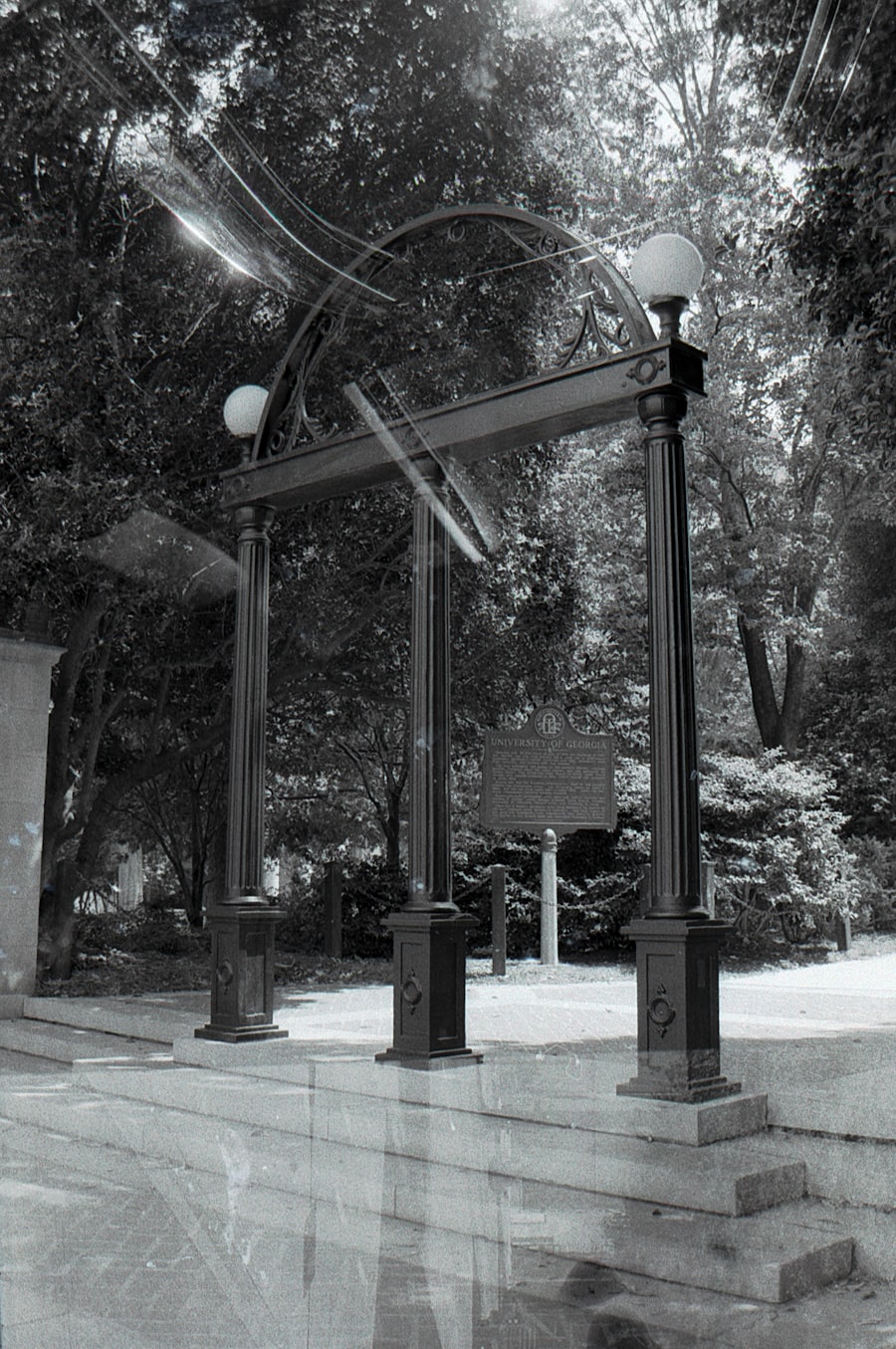
Athens

Atlanta

Blue Ridge
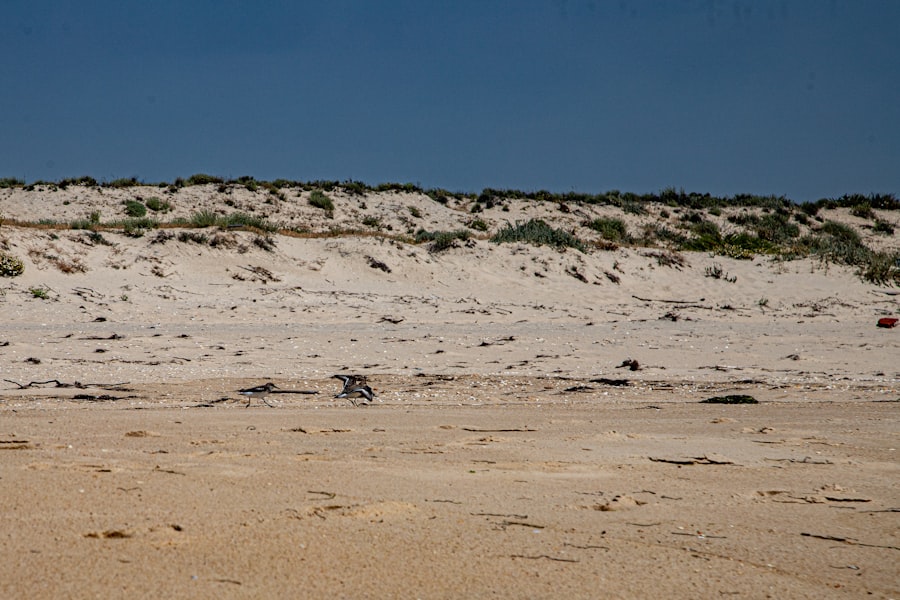
Cumberland Island
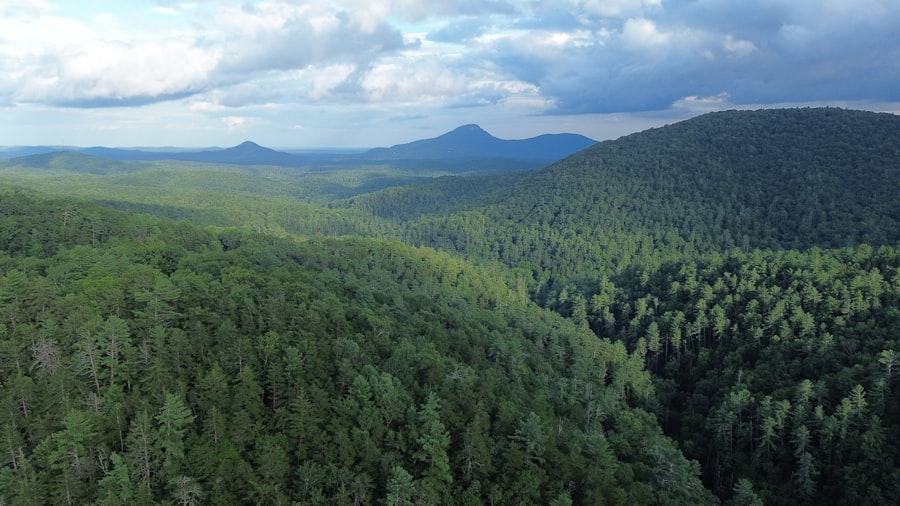
Helen
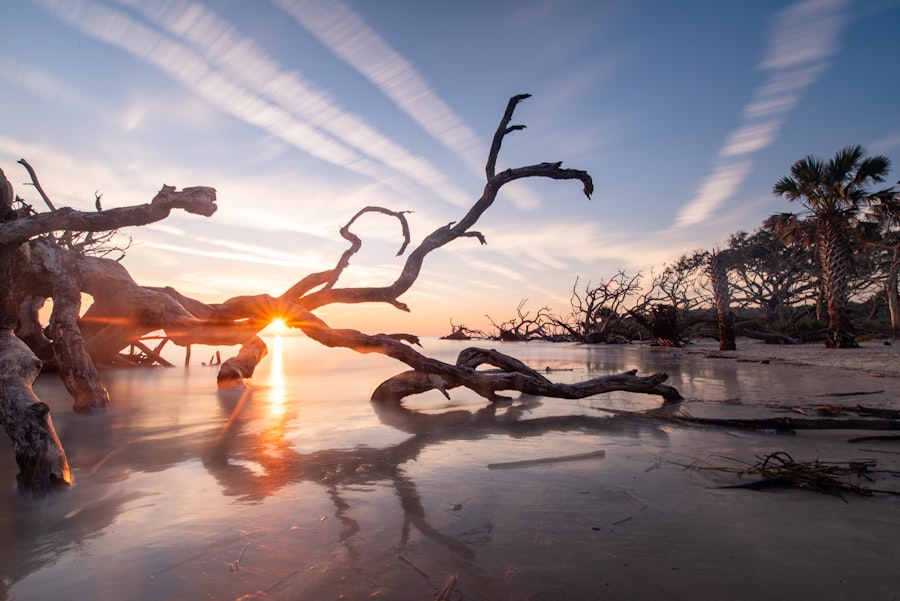
Jekyll Island
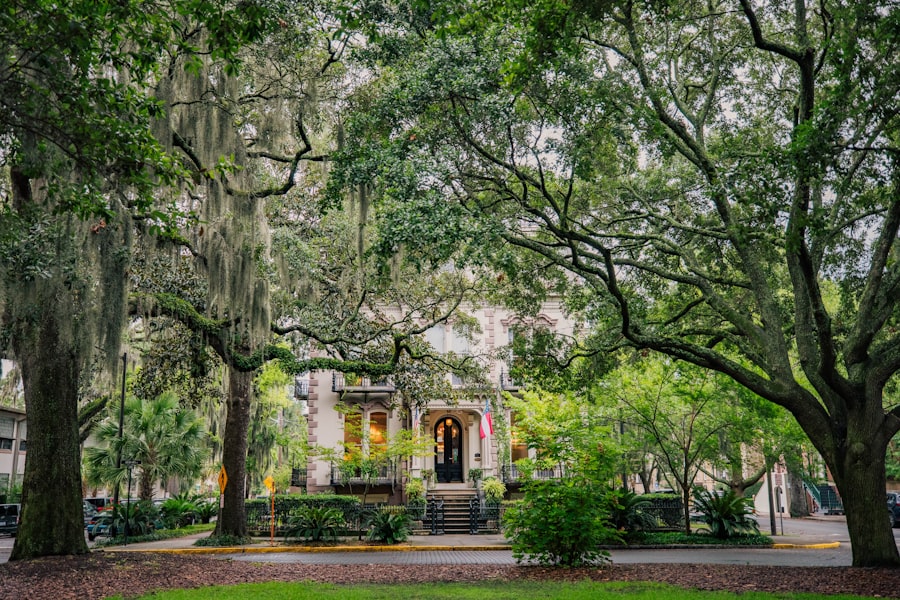
Savannah
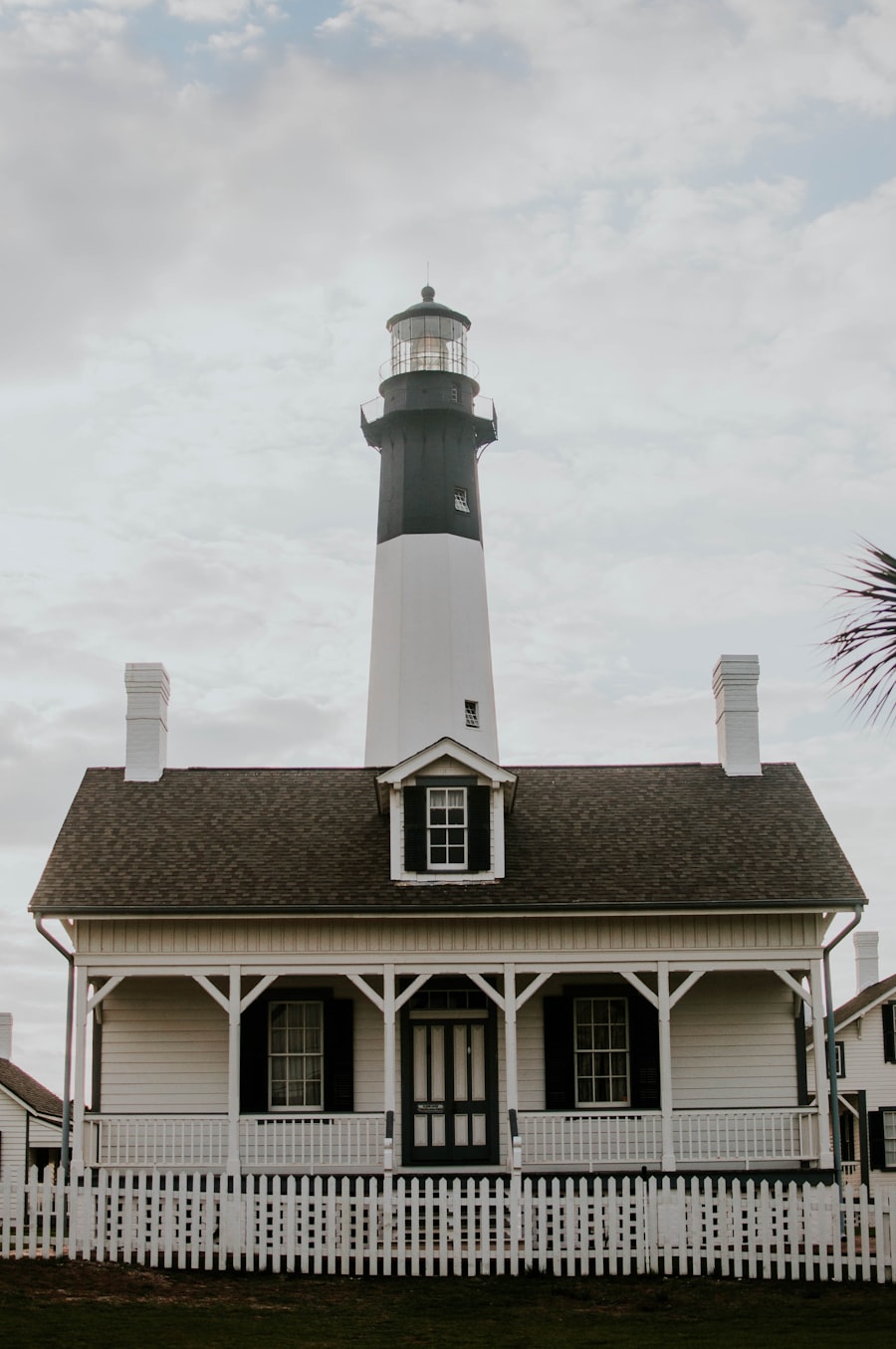
Tybee Island
Georgia Is the Old South and the New South in One State
One of the thirteen colonies, the birthplace of the civil rights movement, a coast built on rice and cotton, and a capital that reinvented itself twice. Children get all of it in a week.
Savannah was planned, and the plan held. James Oglethorpe laid out the squares in 1733 and twenty two of them survive. The whole district is a National Historic Landmark. It is the reason the city walks the way it does.
Atlanta is where the civil rights movement was organised. Martin Luther King Jr was born and preached here. His birth home, Ebenezer Baptist Church and the Center for Civil and Human Rights are all real, all age appropriate with a little preparation, and the most important hour of the trip for an older child.
The Gullah Geechee coast. Descendants of enslaved West Africans kept their own language, food and crafts on the sea islands. Sapelo Island and the Pin Point Heritage Museum outside Savannah are where to hear it told properly.
Coca-Cola, CNN and the Braves. Atlanta is a corporate city and it shows it off. The World of Coca-Cola lets kids try flavours sold nowhere else in the country, and a Braves game at Truist Park is the easiest summer evening in the city.
The mountains are Appalachia. North Georgia is bluegrass, apple orchards, a scenic railway through the Toccoa gorge and a Bavarian themed town called Helen that children find hilarious. Two hours from Atlanta and a different state in feel.
What to Eat in Georgia
Coastal and inland Georgia do not eat the same way, and both are worth the trip.
Shrimp and grits on the coast. Where the shrimp comes off a boat you can see from the table. Savannah, Tybee and the Golden Isles. This is the meal to order first.
A Lowcountry boil. Shrimp, sausage, corn and potatoes boiled in one pot and tipped onto newspaper. Eaten with hands, no plates, and the single best dinner for a table of children on the Georgia coast.
Peaches, in July, from a stand. The state fruit and it means it. Roadside stands around Fort Valley and along Interstate 75 from June to August. Buy a basket for the car and a peach cobbler wherever one is on the menu.
Brunswick stew and barbecue inland. Georgia barbecue is pork, sauced, with Brunswick stew on the side. The Brunswick on the coast claims it, Virginia argues, and nobody at the table cares.
Pralines on River Street. The Savannah candy shops hand out free samples of warm pecan pralines and children plan their afternoons around it. Leopold’s ice cream has been on Broughton Street since 1919 and the line is worth it.
Getting Around Georgia
Atlanta has the busiest airport in the world, Savannah is walkable, and everything in between needs a car.
Fly into Atlanta or Savannah, not both. Atlanta for the aquarium and the mountains, Savannah for the coast. They are 250 miles and just under four hours apart on Interstate 16, so pick a base rather than a loop for a week.
Do not hire a car for the Savannah days. One square mile, shade every block, and parking in the historic district is a chore. Take the airport transfer, walk, and pick the car up on the way to the islands.
The islands need the car and one of them needs a ferry. Tybee is twenty minutes from Savannah. Jekyll and St Simons are an hour and a half south with a small daily parking fee on Jekyll. Cumberland is ferry only from St Marys and the ferry sells out, so book it before anything else.
Atlanta traffic is real and MARTA solves some of it. The train runs from the airport to downtown and Midtown, which covers the aquarium, the World of Coca-Cola and the civil rights sites. Use it for the city days and save the car for the mountains.
North Georgia is a drive. Two hours from Atlanta to Blue Ridge or Helen on good roads. No public transport, mountain roads that wind, and cell signal that drops. Download the maps before you leave the city.

Cumberland Island. No bridge, no crowd, and horses on the beach.
Money and Practical Basics
Georgia is a cheap state to travel in by American standards, and the expensive part is the one you choose.
Savannah inns cost more than chain hotels and are worth it. You are paying for the location, and in Savannah the location is the trip. Two nights on a square beats four nights by the highway.
The aquarium is the big ticket. Fixed date tickets from about 55 dollars a person. Book online, pick a weekday morning, and it is the only attraction in the state that needs a budget line of its own.
The parks and the squares are free. The historic district, Piedmont Park, the BeltLine, Providence Canyon and the state parks charge nothing or a few dollars for parking. Fort Pulaski and Cumberland Island are national park sites with small fees, and neither is on the 100 dollar international surcharge list.
Sales tax and tipping, as everywhere in the country. Seven to nine percent added at the till depending on the county, hotel taxes on top, and eighteen to twenty percent in a sit down restaurant. European families under budget food by about a quarter for these two reasons.
Bug spray and reef safe sunscreen, bought before you fly. Coastal Georgia in summer has sand gnats and mosquitoes that mean it. Buy repellent at a supermarket, not a beach shop, and keep a hat on every child on the islands.
When to Go
March to early May is the best window. Azaleas out in Savannah, warm without being oppressive, and the coast is comfortable. Late March is the peak of it. St Patrick’s Day in Savannah is one of the biggest celebrations in the country and it is not a family week.
October and November are the quiet winner. Humidity drops, the water is still warm enough to swim, the north Georgia color arrives and hotel rates fall. This is what I would book.
June to September is hot, wet and buggy. It is also hurricane season on the Atlantic coast, which peaks in September. If you go, base on the coast where there is a sea breeze and plan indoor afternoons.
Winter is mild and empty. Savannah in January sits in the high fifties and is almost tourist free. The beaches are too cold to swim but the city is at its most pleasant to walk.
How Many Days & First-Trip Routing
How many days do we need in Georgia? A week does the coast. Four nights in Savannah and three on the islands.
Ten days adds Atlanta at the start, two nights for the aquarium and the civil rights sites, then four hours down to Savannah.
A long weekend does Atlanta and the mountains, and fall is the reason to go.
How to Route a Georgia Week
Georgia divides into three and the mistake is trying to see all three. This is how the days fall.
Coast only, a week. Fly into Savannah, four nights in the city, three on the islands, out of Savannah or Jacksonville. The trip most families should take first.
Atlanta and the coast, ten days. Land in Atlanta, two nights for the aquarium and the civil rights sites, drive four hours to Savannah, then the islands. Fly home from Savannah. The drive is the only long day.
Atlanta and the mountains, a long weekend. Two nights in the city, two in Blue Ridge or Helen. Autumn is the reason. Nothing on this route is more than two hours from the airport.
Pair it with a neighbor. Charleston is two hours north of Savannah and the two cities make one easy Lowcountry week. Florida’s beaches and the Jacksonville airport sit forty minutes south of Cumberland.

North Georgia in October, the half of the state nobody plans.
Regions at a Glance
Savannah and the Coast
The squares, Tybee, the Golden Isles and Cumberland. The reason to come, and the region that works best with children under ten.
Atlanta
The airport, the aquarium, the civil rights sites, the BeltLine and a Braves game. A day or two, not a week.
North Georgia
Blue Ridge, Helen, Dahlonega and the Appalachian foothills. Cooler, greener, cheaper, and the autumn color trip two hours from the city.
South Georgia
The Okefenokee Swamp, Providence Canyon and peach country. Empty roads, alligators from a guided boat, and almost no other visitors.
Must See and Do
Six named things worth building a Georgia week around, with 2026 prices where they apply.


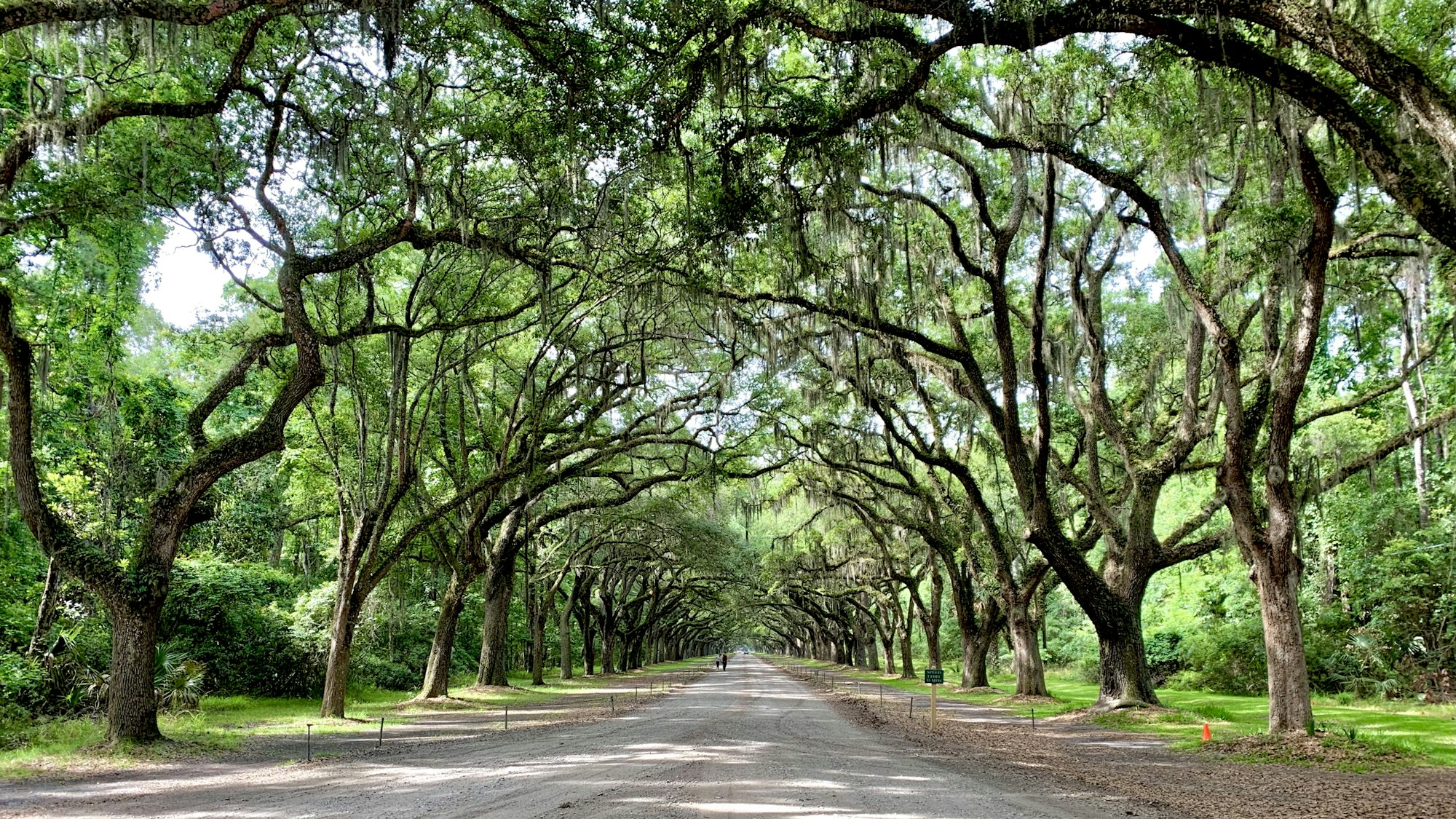
Wormsloe, outside Savannah. Around a mile and a half of live oaks and Spanish moss, and the most photographed avenue in Georgia
Savannah, and Why It Works With Children
Savannah is the reason to come to Georgia and the reason is structural. The city was laid out in 1733 around a grid of squares, and that grid is still the best thing about it.
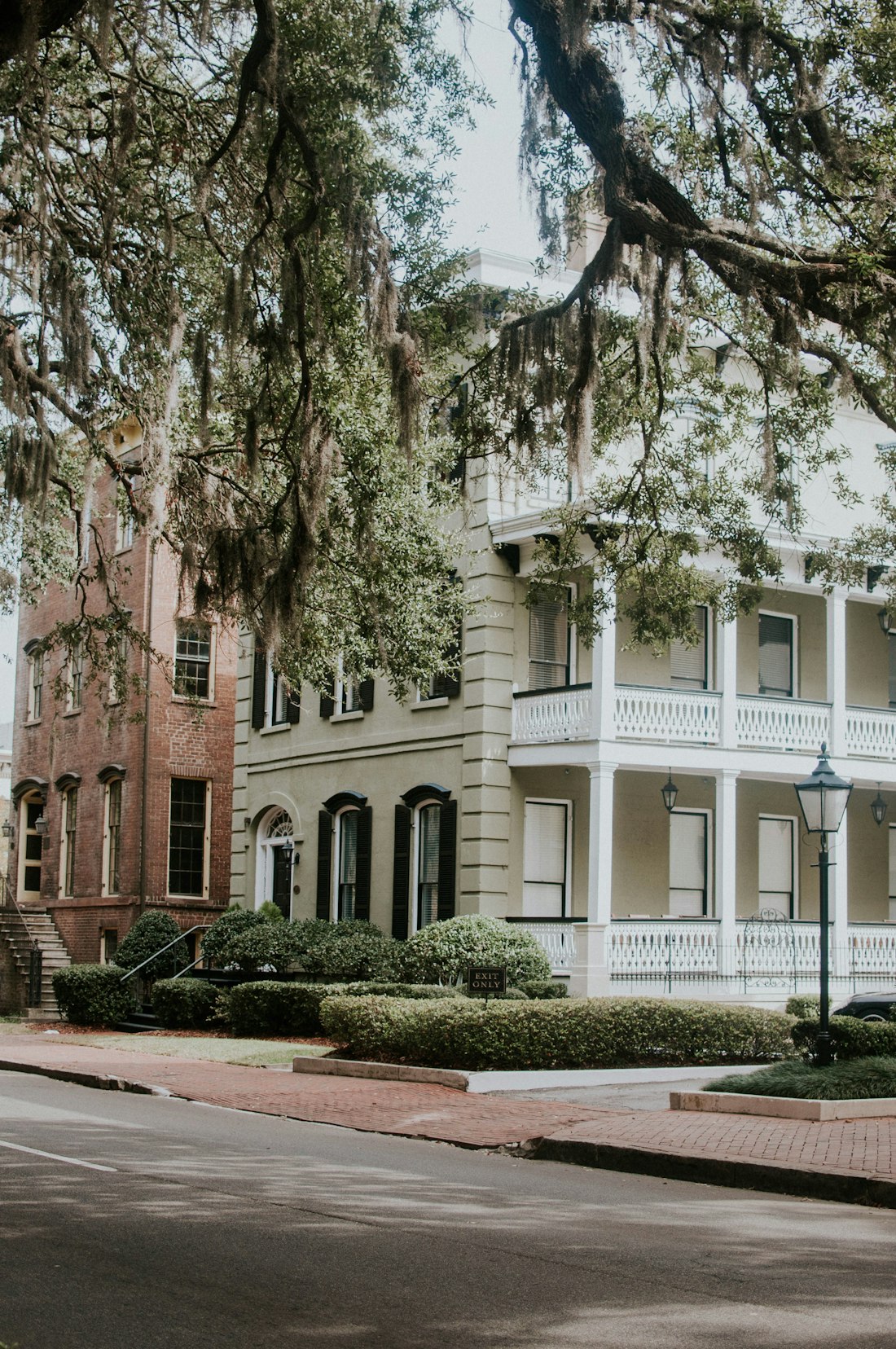
Twenty two squares, every few blocks. Each one is a shaded park with benches and space. That means a small child gets a break roughly every three minutes of walking. No other American city is built like this and it makes a walking trip possible with young children.
Park the car and leave it. The historic district is about one square mile. Once you are in it you do not need a vehicle, and parking is metered and awkward, so do not keep moving it.
Forsyth Park anchors the south end. Thirty acres, a playground, the famous fountain and a farmers market on Saturday mornings. If you have one afternoon with a tired child, this is it.
The ghost tours are the thing children remember. Savannah leans hard into being haunted. There are family friendly versions and adults only versions, and the tour companies are honest about which is which. Ask before you book.
The open container rule surprises people. Adults can carry an open drink in a plastic cup within the historic district. It makes River Street lively in the evening. Not a problem, just worth knowing before you walk into it at nine at night with a five year old.
The Coast Nobody Books
Georgia has about 100 miles of coast and a chain of barrier islands, and clients consistently tell me this is the part they wish they had given more time to.
Cumberland Island is the one. A feral horse herd, ruined mansions, nearly 18 miles of undeveloped beach, over 9,800 acres of designated Wilderness and no bridge. Entry is 15 dollars per person for seven days or 45 dollars for an annual pass. The ferry is 44 dollars plus tax for adults, 42 for seniors, 34 for children 6 to 15 and free under 5. Book it well ahead and it is cashless.
Jekyll Island and Driftwood Beach. A beach full of bleached fallen oak trees that looks like nowhere else on the east coast. There is also a sea turtle rehabilitation center, which is one of the best hours a child can spend in Georgia.
Tybee Island is the easy one. Twenty minutes from Savannah, a proper wide beach, a lighthouse you can climb and casual seafood. It is the day trip that makes a Savannah trip work for children.
The marsh is the point. Georgia holds around half a million acres of marshland, an estimated one third of all the salt marsh on the east coast. Kayaking a tidal creek at dawn with dolphins around the boat is the memory clients come back with.
Cumberland Island is federal land and it charges to get in. A fourth grader in the family covers that, and every other federal site in the country, free for the school year. everykidoutdoors.gov.

Salt marsh outside Savannah. Around half a million acres of it in Georgia, roughly a third of all the marsh on the east coast
Atlanta
Atlanta is the busiest airport in the world and the reason most families end up in Georgia in the first place. As a destination in its own right it is a mixed bag, and one attraction carries most of the weight.
The aquarium is the reason to stop. Opened in November 2005, over 11 million US gallons, the largest aquarium in the United States and the sixth largest in the world. The whale shark exhibit alone holds 6.3 million gallons and was the first outside Asia. Fixed date tickets start at 54.99 dollars, peak dates run 57.99 to 64.99, and an Anytime ticket is 69.99.
The rest of Centennial Olympic Park is a cluster. The World of Coca Cola, the Center for Civil and Human Rights and the College Football Hall of Fame are all within a short walk of the aquarium. Buy a combined pass if you are doing more than two.
Traffic is the reason clients dislike Atlanta. It is a spread out driving city with bad congestion. Stay near what you want to do and use MARTA from the airport, which is quick and cheap and drops you downtown.
The BeltLine changed the city. A ring of disused railway turned into a walking and cycling corridor with parks, murals and food along it. This is the version of Atlanta that families enjoy and it is the one nobody puts on an itinerary.
The summer numbers. Atlanta averages a high of 87 in June, 90 in July and 89 in August. That is not Phoenix hot, but with southern humidity on top it feels considerably worse than the number suggests.
Summer Humidity, Said Plainly
This is the single thing that decides if a Georgia summer trip is a good one. It is not the temperature. It is the moisture in the air.
The Savannah numbers
July highs average 90 degrees with overnight lows around 74, so it never really cools off. The chance a given day is muggy runs between 95 and 98 percent through the month, and roughly one day in two sees rain. Walking a historic district in that is hard work with children.
The afternoon storm is a schedule
Coastal Georgia gets a near daily convective thunderstorm in mid to late afternoon in summer. Plan outdoor things for the morning and indoor things for two until five, and you will be fine. Fight it and you will be soaked and cross.
The bugs are real
Salt marsh mosquitoes and biting sand gnats, which locals call no see ums, are worst at dawn and dusk from late spring through autumn. Repellent is not optional on the coast and long sleeves in the evening are sensible.
North Georgia, the Half Nobody Plans
The Blue Ridge runs into the top of Georgia and it is cooler, greener and dramatically cheaper than the coast. About two hours from Atlanta.
Blue Ridge and the scenic railway. A four hour round trip through the Toccoa River gorge on a restored train, which is a very easy day with small children. The town itself is walkable with good food.
Helen is odd and children love it. A former logging town rebuilt in the 1960s as a Bavarian alpine village, complete with cobblestones and beer halls. It is completely artificial. It is also the single most popular family day trip in north Georgia, and tubing the Chattahoochee through the middle of town is good fun.
Amicalola Falls. The tallest cascading waterfall east of the Mississippi, with a lodge at the top and a staircase alongside it. It also sits at the approach trail to the southern end of the Appalachian Trail, which older children find exciting.
Autumn is the season here. Apple picking around Ellijay, color on the ridges in late October, and none of the coastal humidity. If you are in Georgia in October, go north.
Doing It With Children
These are the things to do in Georgia with kids that I build into real itineraries, not a generic list.
Savannah is the rare walkable American city. One square mile, shade every block, a bench every few minutes. Do not hire a car for the Savannah portion of your trip beyond the airport transfer.
Sea turtle season runs May to October. Loggerheads nest on the Georgia barrier islands and the Georgia Sea Turtle Center on Jekyll Island runs public releases and rehabilitation viewing. Book that in advance.
Book the ferry before you book anything else. Cumberland Island runs on a limited ferry schedule and it sells out. Everything else in Georgia can be decided on the day. That one cannot.
Junior Ranger at Cumberland Island and Fort Pulaski. Fort Pulaski is fifteen minutes from Savannah on the way to Tybee, has a moat and a drawbridge, and is one of the better value hours in the state.
Who Georgia Suits, and Who Should Skip It
It suits families who like walking a city. Savannah is the most walkable historic center in the American South and possibly in the country. If your idea of a good trip is wandering, it is close to perfect.
It suits a beach trip that is not Florida. Wide, quiet, empty barrier island beaches with almost no development, at a fraction of the cost of the Florida coast. If you are pricing out a family vacation in Georgia against a Florida trip, the coast here wins on cost most years.
Skip Atlanta as a destination. Do the aquarium, do the BeltLine, and move on. It is a superb airport and a hard city to trip in with children.
Skip July and August if humidity flattens you. Ninety degrees with a 98 percent chance of muggy is a specific kind of miserable and it catches out visitors from dry climates every summer.
How Georgia Compares to Its Neighbors
Against Florida. Georgia’s beaches are emptier, cheaper and colder. Florida’s are warmer, busier and come with the theme parks. Families driving to Orlando pass through Georgia every year and almost never stop, which is the mistake this page exists to fix.
Against Tennessee. Tennessee has the mountains and the music, Georgia has the coast and the better historic city. Chattanooga to Atlanta is under two hours, so pairing them in one trip is easy and it is a good ten days.
Against South Carolina. Charleston and Savannah are constant rivals and they are more alike than either would admit. Charleston has the better restaurants, Savannah the better squares and the lower prices. They are two hours apart and doing both is the right answer.
Against North Carolina. North Carolina has the higher mountains and the Outer Banks. Georgia has the milder winter and the cheaper coast. For a February trip, Georgia. For an August one, go north.
Worth the Money in Georgia
Georgia is cheap enough that one or two real splurges fit inside a normal budget.
Two nights in a Savannah inn on a square. A historic house with a porch, breakfast included, and the whole district out the door. This is the splurge that changes the trip.
The Cumberland Island ferry and a full day. The boat, the park fee and a bike hire on the island. Wild horses, Dungeness ruins and eighteen miles of beach with almost nobody on it. Book the ferry months out in spring.
A behind the scenes tour at the Georgia Aquarium. The dolphin or whale shark encounters cost real money on top of admission. For a child who loves animals it is the day they will describe for years.
The Blue Ridge Scenic Railway. A four hour round trip on a restored train through the Toccoa River gorge with a stop in a small town for lunch. Easy with small children and the reason to go north for a night.
Things That Surprise First Timers
How walkable Savannah is. Visitors arrive expecting to drive between sights and discover the entire historic district is a square mile with a shaded park every couple of blocks.
How empty the beaches are. Cumberland and Sapelo have almost no development at all. People assume the whole southeast coast looks like Miami Beach and it very much does not.
How big the aquarium is. Over 11 million gallons is difficult to picture until you are standing in front of the whale shark window. It is the one Atlanta attraction nobody regrets.
That Georgia has mountains. The Appalachian Trail starts here, at Springer Mountain. Most visitors have no idea the northern third of the state is Blue Ridge country.
Where I Would Start
Five people, a week in late October or April, and Savannah as the base.
Four nights in Savannah, no car. The squares on foot, River Street for pralines, Forsyth Park, a trolley or a ghost tour at dusk, and Fort Pulaski with its moat and drawbridge on the way to Tybee for an afternoon on the beach.
Two nights on Jekyll Island. An hour and a half south. Driftwood Beach, the Sea Turtle Center, bikes on the flat island paths, and a Lowcountry boil in the evening. St Simons for a lighthouse climb if the weather turns.
The Cumberland ferry from St Marys. A full day on the island with a picnic, then back to the mainland for the last night. Fly home from Jacksonville, forty minutes south, or drive back to Savannah.
Atlanta is the second trip, or the first day. If you fly into Atlanta, do the aquarium and the civil rights sites the day you land, then drive to Savannah. The mountains deserve their own autumn weekend when the leaves turn.
Georgia by the numbers
Facts to know before you go
Ways to travel
Georgia is not one kind of trip
How you move through it changes the trip more than which places you pick.
Road trips
The drive down to the Golden Isles or over toward the Okefenokee both make good use of a rental car and a loose afternoon.
For example: Savannah to Jekyll Island with a stop at Fort Pulaski.Ocean cruising
Not a Georgia port itself, but Savannah is close enough to Charleston and Jacksonville that some families tack it onto a cruise trip.
For example: three Savannah nights before a sailing from Jacksonville.Walking and hiking
Savannah’s historic squares are made for wandering on foot, and there is a new one to find every few blocks.
For example: the squares from Forsyth Park to River Street on foot.Guided and small group travel
A guided boat tour into the Okefenokee is the only real way to see it, and a local guide spots wildlife you would miss on your own.
For example: a guided boat into the Okefenokee from Folkston.Explore by interest
What families come to Georgia for

Sports
Braves, Falcons and the Masters
Atlanta Braves baseball, Falcons football, and the Masters golf tournament every spring in Augusta.

History
Colony to civil rights
Savannah’s role in the Civil War, the Civil Rights Trail through Atlanta, and Georgia’s place as one of the original thirteen colonies.

Food and drink
Peaches and Lowcountry boils
Peaches straight from the orchard, Savannah’s Lowcountry boils, and Atlanta’s food scene across every neighborhood.

Nature
Swamp to sea islands
The Okefenokee Swamp, the Golden Isles beaches, and the Blue Ridge foothills in the north end of the state.
What makes it different
Only in Georgia

Read
Midnight in the Garden of Good and Evil
John Berendt’s true-crime story of Savannah high society. Read it before you go and every square in the historic district feels like a character. Photo via Unsplash.

Watch
Forrest Gump’s bench
Filmed on a real bench set up in Chippewa Square. The bench itself now lives in a museum, but the square is exactly where you remember it. Photo via Unsplash.

From here
Coca-Cola itself
Invented in an Atlanta pharmacy in 1886. The World of Coca-Cola downtown lets the kids try dozens of flavors sold nowhere else in the country. Photo via Unsplash.

Only here
Whale sharks, in an aquarium
The Georgia Aquarium is the only one in the Western Hemisphere with whale sharks, the largest fish in the ocean. Photo via Unsplash.
Combine It With
The parent guide, and where Georgia fits in the wider country.
Two hours north of Atlanta and the obvious other half of a southern trip.
The state everyone drives to. Georgia is the stop worth making on the way.

Plan Georgia with Nicole
Tell me who is coming, and when.
Savannah and Atlanta are the two poles most families choose between, and they are different enough trips that combining both in a short visit usually means neither one gets its due. I help you figure out which one fits your family, and where the Okefenokee or the Golden Isles might fit around it.
Nicole Damiano, ASTA Verified Travel Advisor with FG Luxury Travel. Adventures We Seek is my travel blog and planning resource. Trips are booked through Favorite Grampy Travels.
Georgia, Answered
Atlanta or Savannah? Atlanta for the aquarium, the museums and the King historic site. Savannah for the squares, the ghost stories and Tybee beach. They are four hours apart and a week does both with the drive in the middle. Families with younger kids lean Atlanta, families with older kids and a taste for atmosphere lean Savannah.
Which beach? Tybee Island for a day from Savannah. Jekyll Island for a family beach stay with bikes, the turtle center and Driftwood Beach. St Simons for a small town with a lighthouse and a pier. Cumberland Island for a wild day with horses and no shops.
Is Savannah a party town? There is a lively bar scene on River Street after dark, and the rest of the city is squares, oaks and families on the lawn. Stay in the historic district near Forsyth Park, do the early ghost tour, and it is one of the calmest Southern cities for kids.
When should we go? March and April for the azaleas and the weather. October and November for cool days and fewer crowds. Summer is hot and humid across the state and the coast and the mountains are where you want to be. The Georgia Aquarium is the answer to any rainy or too hot day.
Is the Okefenokee worth the drive? Yes for a family that likes boats and alligators. It is a three hour drive from either city and it needs a full day with a guided boat tour from the east entrance. Kids of every age enjoy it from the boat, and the gators are close enough to count.
Keep exploring from Georgia
The rest of the states, and the wider map.
Click any card to open that page
More of the United States
 Montana
 South Carolina
 Louisiana
 Alaska
 Massachusetts
 Oregon
 Washington
 Wyoming
 Maine
Maine Texas
Texas New York City
 Illinois
 Nevada
 Washington, D.C.
 North Carolina
 Hawaii
 Tennessee
 Arizona
 Colorado
 Utah
Utah California
 Florida
 All of the United States
 All of North America
 Explore the world
 The Travel Library