
The Christianshavn canal in Copenhagen. Photo by Nicole Damiano.
Denmark Family Travel Guide
“We planned a few days in Denmark and ended up staying longer. That is usually a good sign.”
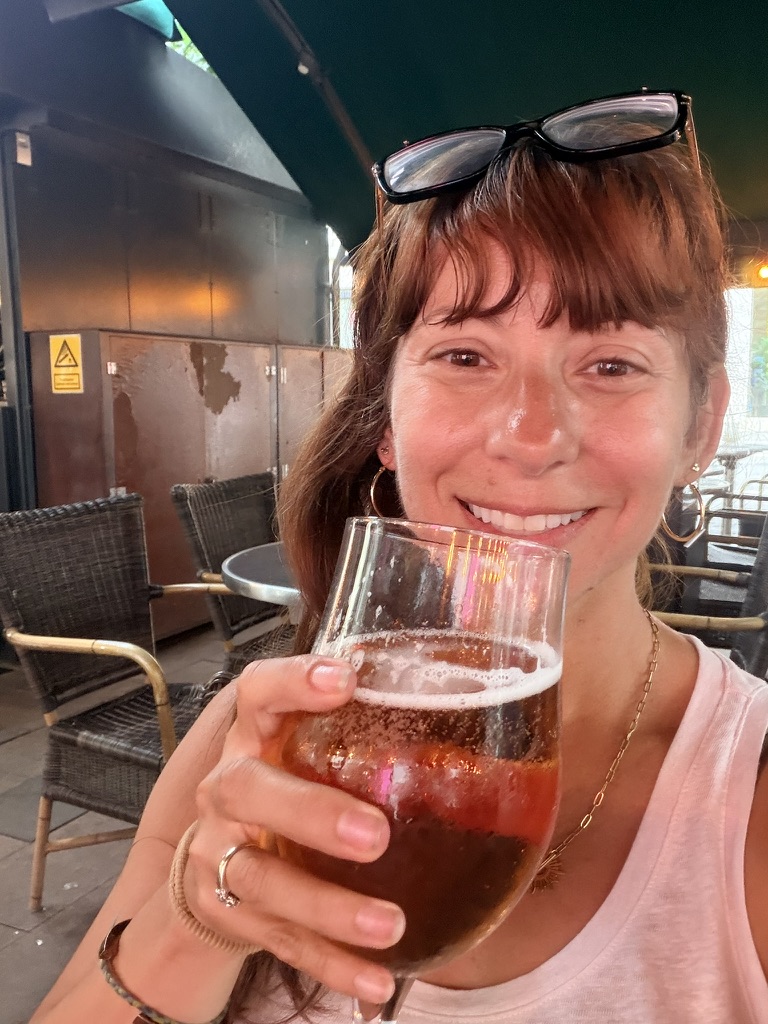
We drove down from Norway after a month in Scandinavia and I did not know what to expect. Norway is dramatic and big and rugged. Denmark is flatter, softer and a lot more easygoing. I adjusted inside a day and then I really liked it.
We came in on the Fjord Line ferry from Kristiansand to Hirtshals. Three and a half hours, clean, on time, car on board. A hundred and eighty four dollars round trip for six of us plus the car. That is a real number and it is a good one.
We planned a few days. We stayed longer. Copenhagen first, then a drive through Jutland. Aarhus, Vejle, Billund, Aalborg, Hirtshals. Gavin had been talking about the Lego House since before we left Kansas. We gave it a full day, open to close, and he asked if we could come back the next morning. We could not. I still think about that.
Denmark City by City
Denmark is small. You could drive the length of it in a day if you wanted to waste a day. These are the eight places I would build a first trip around. Copenhagen and Billund are the two that most families will actually do. The rest are what you add when you come back.
Copenhagen

Billund
Aarhus
Odense

Skagen

Helsingor
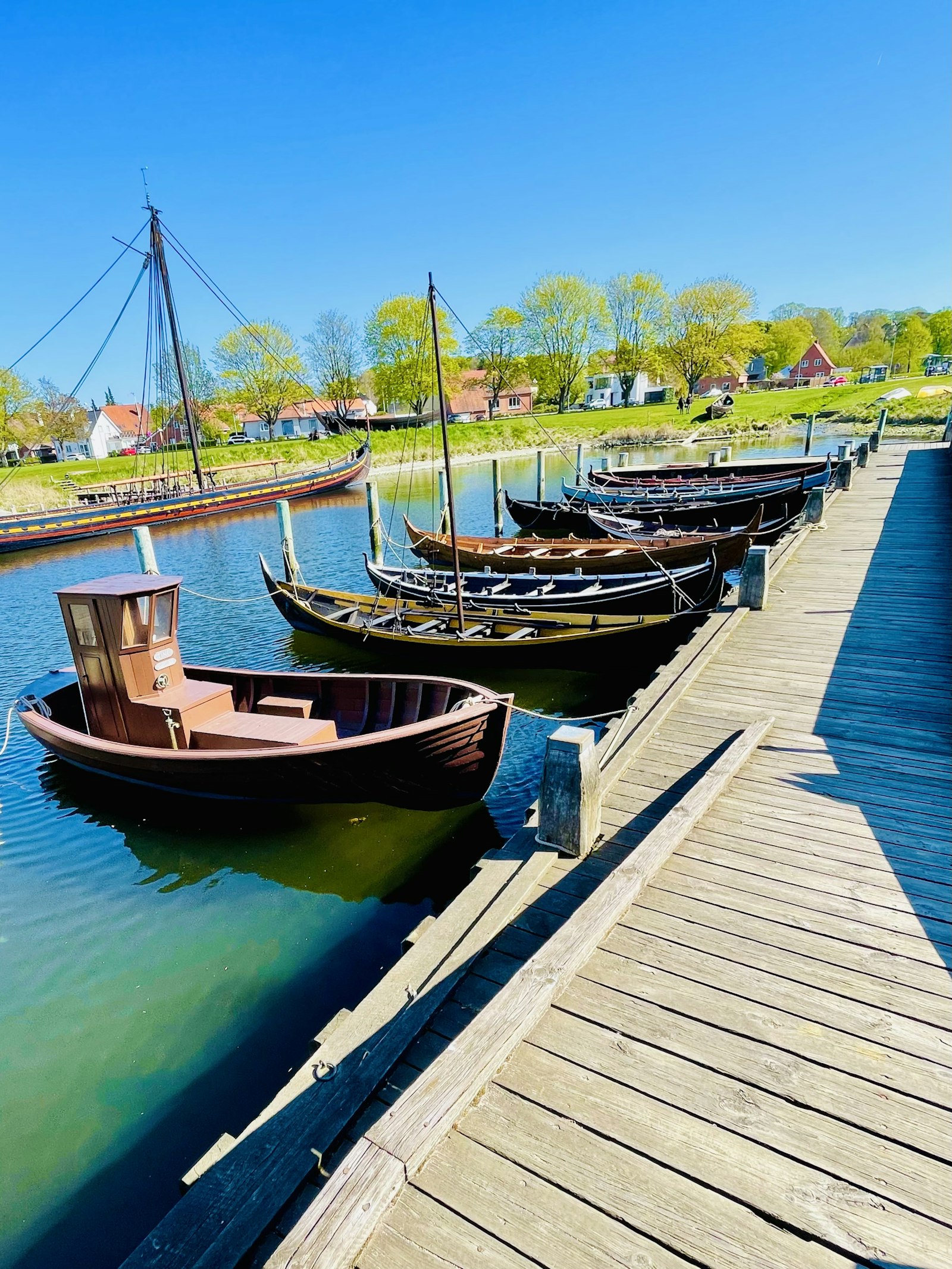
Roskilde

Bornholm
Why Denmark
Denmark is the easiest country in Scandinavia to travel with kids. That is the whole pitch. It is flat, it is small, everyone speaks English, the roads are boring in the best possible way, and the two things your children most want to do sit ninety minutes apart.
Who it is for. Families with a Lego kid. Families who want Europe without the heat, the crowds and the language friction. First time Europe families who need a soft landing. And anyone already doing Norway or Sweden who has four spare days.
Who should skip it. Anyone chasing mountains, drama or sun. Denmark has none of those. If your list is the Alps and the Amalfi Coast, Denmark is going to feel like a very tidy suburb. Anyone on a tight budget should also think hard. Denmark is expensive and it does not apologize for it.
Billund Is the Reason
The Lego House and Legoland Billund sit next door to each other in a town of six thousand people. Give it two days if you can. Most families give it one and then wish they had not.
Bikes Are Infrastructure
Copenhagen bike lanes are not painted lines. They are separate roads with their own curbs and their own signals. People commute in suits and haul three kids in a cargo box.
Nobody Uses Cash
Denmark is close to fully cashless. A card with no foreign transaction fee is all you need. We never once had krone in hand and never once needed it.
We planned a few days and ended up staying longer. That is usually a good sign.
Nicole Damiano, Denmark With Kids, June 2026Culture and Etiquette
Danes are reserved without being cold. Nobody is going to make a fuss over you. They will also not stare at your kids, not comment on your parenting, and not blink when a nine year old orders her own food. It reads as indifference for about a day. It is actually respect.
Quiet is the default. Trains are quiet. Restaurants are quiet. Nobody raises their voice. Loud American family energy gets noticed even when nobody says a word about it.
Stay out of the bike lane. This is the fastest way to annoy a Dane. The bike lane is a road. Look before you step off a curb in Copenhagen, every single time.
Hygge is not decor. It is not candles and throw blankets sold to you in a catalog. It is an evening being allowed to go slowly. You cannot buy it and you do not need to try.
Tipping is not expected. Service is in the price. Round up if the meal was great. Nobody is standing there waiting on it.
Dogs are welcome almost everywhere. Poppy was better received in Denmark than in most places we have taken her. Leashed and calm and she was fine in shops and cafes.
The flag is everywhere and it is not political. Danes fly the Dannebrog on birthdays, stick it in cakes, run it up the front of a bus. It means celebration, not nationalism.
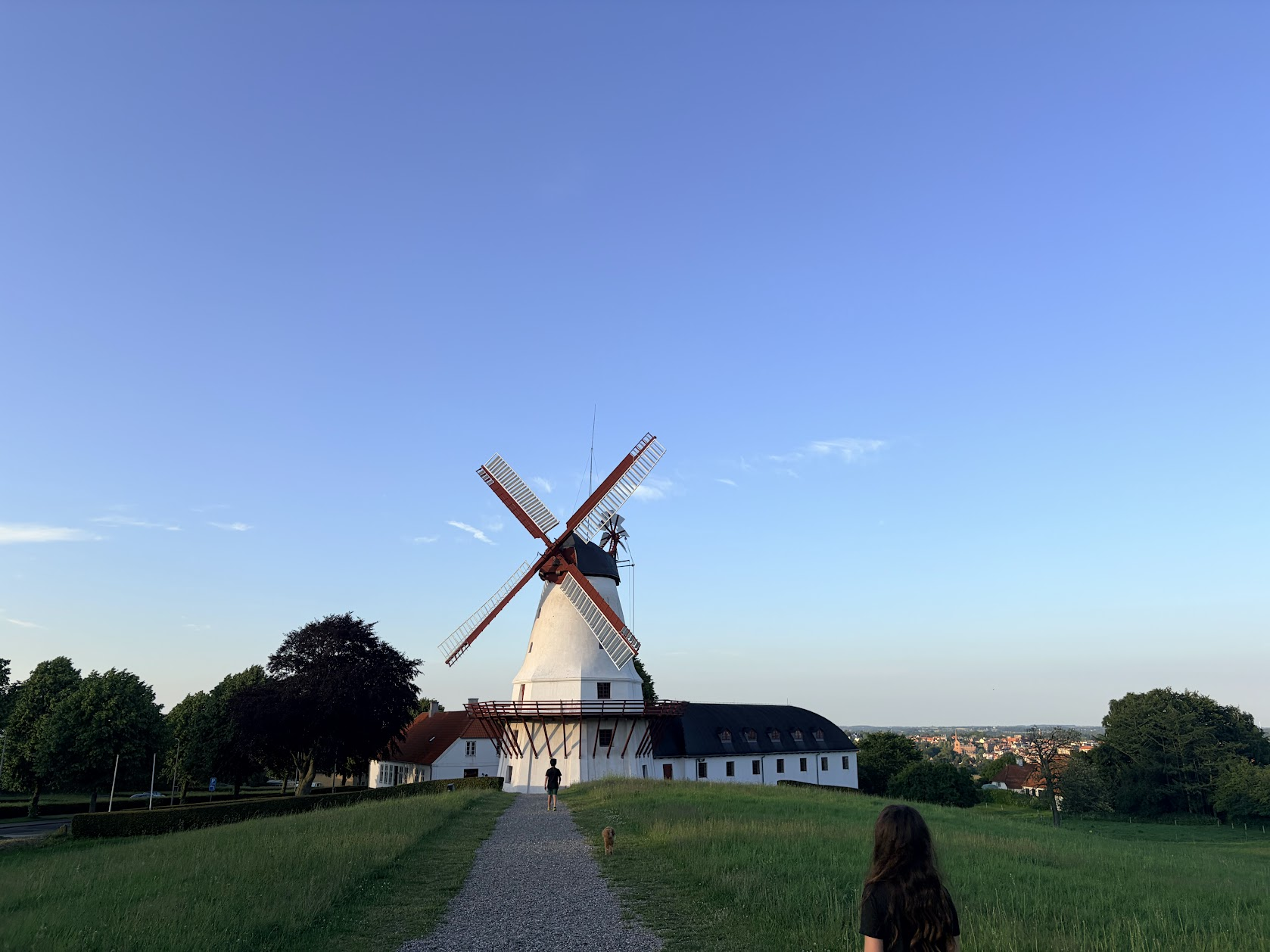
A windmill on an old rampart in Denmark. The country keeps this sort of thing right in the middle of itself.
Food
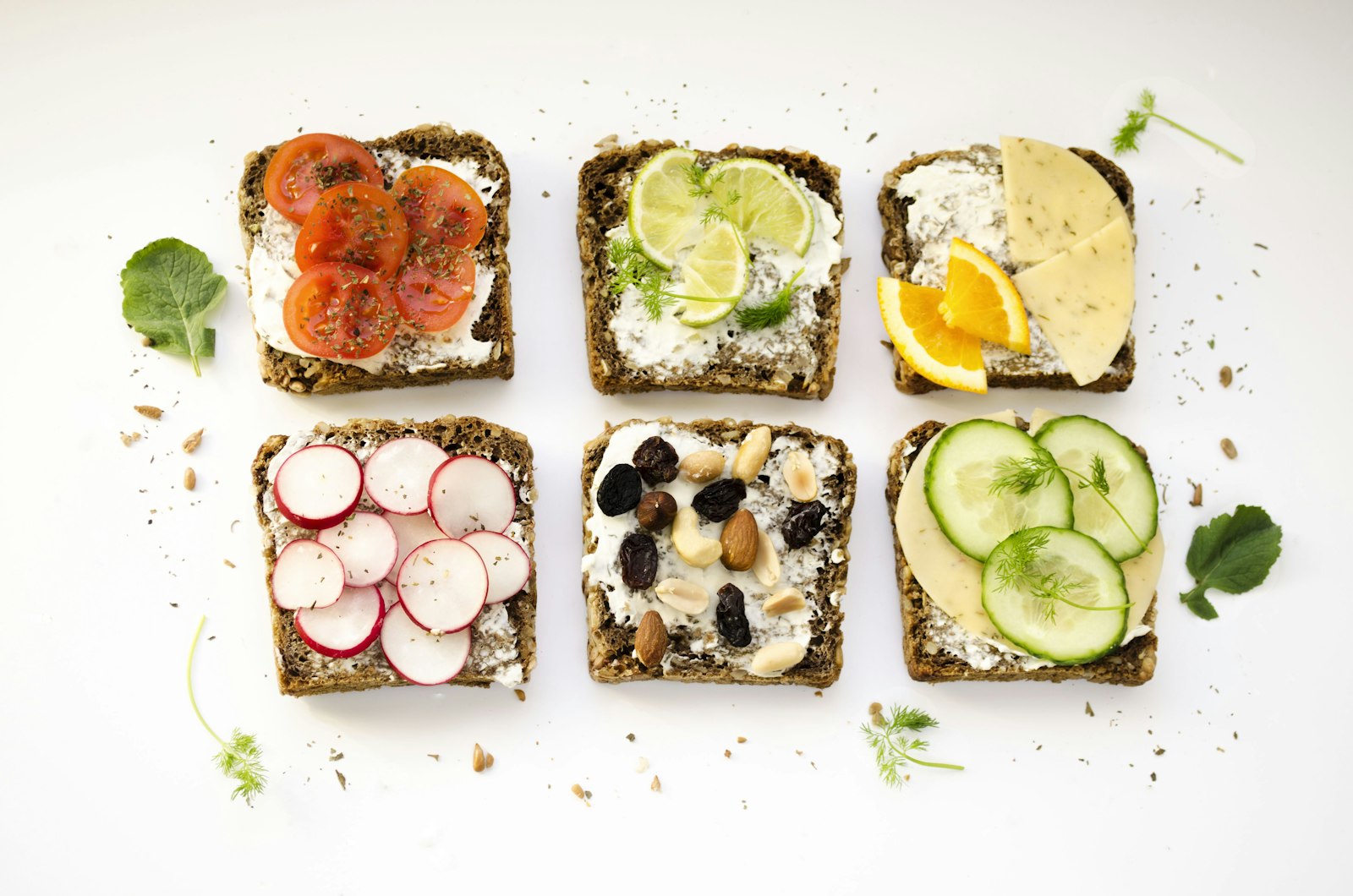
Denmark is not a country you go to for the food, and then the food quietly turns out to be very good. The bakeries are the headline. The Danish pastry you have eaten at home is a rumor of the real thing. I am not exaggerating for effect.
Eating out is expensive. We sat down in a proper restaurant once in Copenhagen and used bakeries and markets for everything else, and I do not think we missed anything. The quality at a good bakery is high enough that it never felt like a compromise.




Getting Around
Copenhagen is a walking and metro city. The metro is driverless, runs around the clock at weekends and is spotless. Buy a City Pass or a Copenhagen Card and stop thinking about tickets.
The rest of Denmark is a car. Not because the trains are bad. DSB runs a good network and Copenhagen to Aarhus is about three hours. It is that Jutland is a road trip and the best stops are small. Driving here is easy. Flat, clearly signed, sane speed limits, no surprises. Parking in Copenhagen is the usual European situation, so book a hotel with parking or park once and leave the car alone.
The Fjord Line ferry from Kristiansand in Norway to Hirtshals takes three and a half hours and takes your car with you. Get in the line an hour early and bring passports even though this is all Schengen.
The Oresund Bridge puts Malmo in Sweden forty minutes from Copenhagen. There is a toll. It is worth paying once.
Money and Practical Basics
Denmark uses the krone, not the euro. It is in the EU and kept its own currency, and this catches people out at the till. Roughly seven krone to the dollar. Divide by seven in your head and you will be close enough.
Almost nothing is cash. Bring a card with no foreign transaction fee and you are done. Contactless works everywhere including the smallest bakery.
Denmark is Schengen. US passports get ninety days in any one eighty across the whole zone. The EU entry and exit system is rolling out, so expect fingerprints and a photo at your first crossing, and ETIAS is coming behind it. Check what is actually live in the month you travel, not the month you book.
VAT is twenty five percent and already in the price. Nothing gets added at the register. What is on the tag is what you pay.
Tap water is excellent everywhere. Do not buy bottled water in Denmark. There is no reason.
English is spoken by essentially everyone. Well, too. There is no language barrier here and no expectation that you attempt Danish.
It is expensive. Groceries cost more than you expect, fresh produce especially. Restaurant meals add up fast. Budget as if you were in Norway and you will be pleasantly surprised instead of the other way round.
When to Go
Denmark has a short good season and a long gray one. That is the honest version. Plan around light, not temperature.
Spring
April into June. Less crowded, decent weather, everything reopening for the year. This is my favorite window if you can travel outside school breaks.
Summer
June through August is peak and there is a reason. Long days, everything open, harbor swimming, Tivoli outdoors until late. Also the crowds and the prices. Danes take July off, so cities thin out and the coasts fill up.
Autumn
September and October are quiet and pretty and cheap by Danish standards. The weather turns properly. Pack for rain and mean it.
Winter
Dark and wet. Copenhagen gets about seven hours of light in December and a lot of that is gray. The exception is Christmas, when Tivoli runs a full Christmas version and the markets are good. Outside of that I would not send a first time family here in January.
How Many Days and How to Route It
Denmark is small enough that you do not need long, and interesting enough that you should not rush it either.
Four days. Copenhagen only. Enough for Tivoli, the National Museum, Nyhavn, a canal boat and one slow day with nothing on it. Add Malmo if the weather cooperates.
Six days. Copenhagen plus Billund. Train or drive across, two nights near Billund, one day at the Lego House and one at Legoland. This is the trip most families are actually asking me for.
Eight to ten days. Copenhagen, Billund and a Jutland loop. Aarhus, Aalborg, up to Skagen and back. This is what I would build for a family with a week and a half.
Or bolt it onto Norway. Four extra days on the end of a Norway trip using the Kristiansand to Hirtshals ferry. That is what we did and it is the best value version of Denmark there is.
Regions at a Glance
Zealand
Copenhagen, Roskilde, Helsingor. The island most first trips never leave. Castles, Viking ships, and the bridge over to Sweden.
Funen
Odense and the middle of the country. Hans Christian Andersen’s town, manor houses, and the softest landscape Denmark has.
Jutland
The mainland. Billund, Aarhus, Aalborg, Skagen. Where the road trip is, and where the country stops being only about Copenhagen.
The Islands
Bornholm out in the Baltic, plus Aero and Samso. Slower, further, and where Danes go on a trip themselves.
Where to Go in Denmark
We have walked Copenhagen and driven Jutland. Bornholm, Skagen and most of Funen are on the advisor side of this list rather than the lived side, and I say which is which.
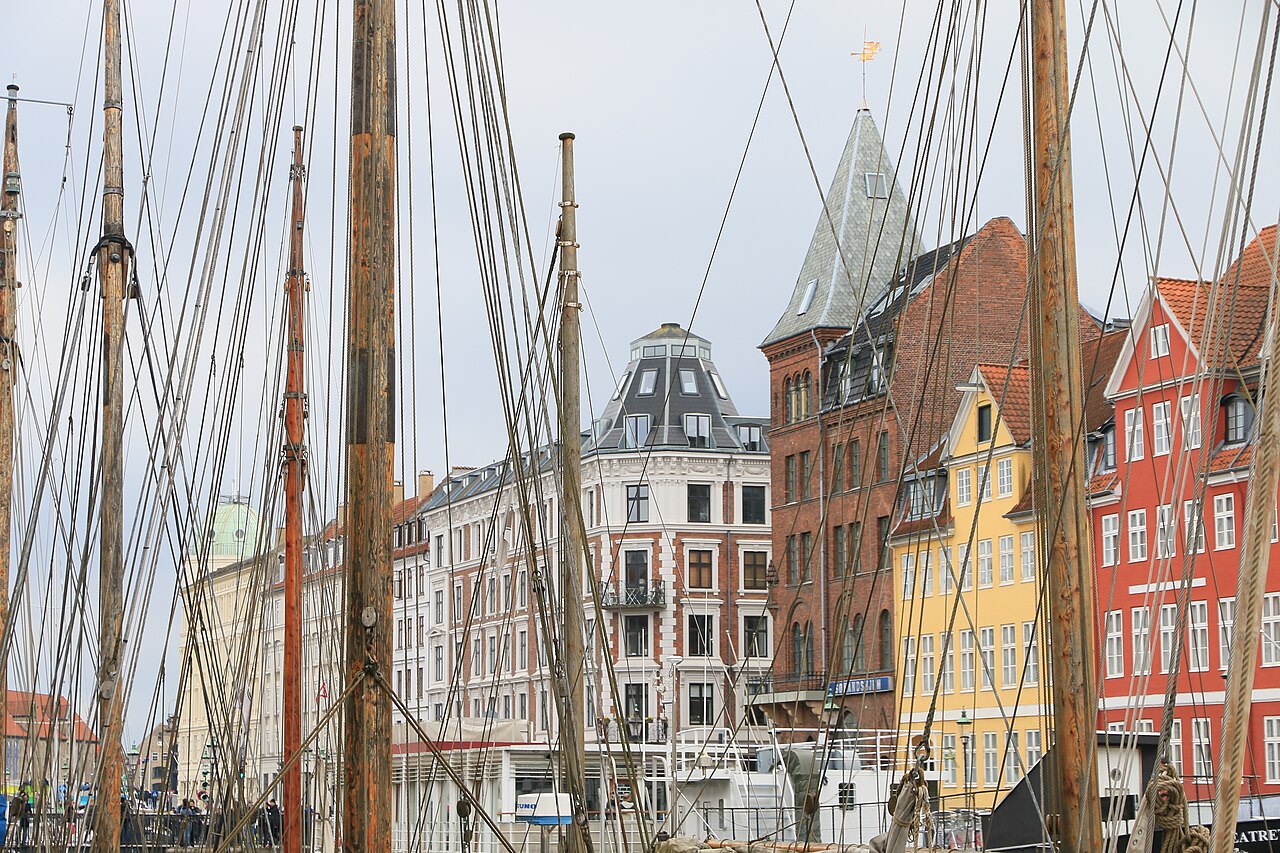
Copenhagen. Walkable, manageable, and the easiest capital in Europe to do with kids. Nyhavn looks exactly like the photograph. Tivoli has been open since 1843 and still has real character rather than theme park polish. The National Museum has a hands on children’s section. Den Blaa Planet is the largest aquarium in northern Europe. And in summer people swim in the harbor. Jake jumped in off a ladder and called it the best thing he did all week. Stay near a ladder so you can get back out.
Billund. A town that exists because Lego exists. The Lego House is not a theme park, it is an experience center, and it works for every age in the family including the adults. The Tree of Creativity is fifteen meters tall and took six million bricks and twenty four thousand hours. Legoland Billund is next door and suits roughly six to twelve. Give the town two days.
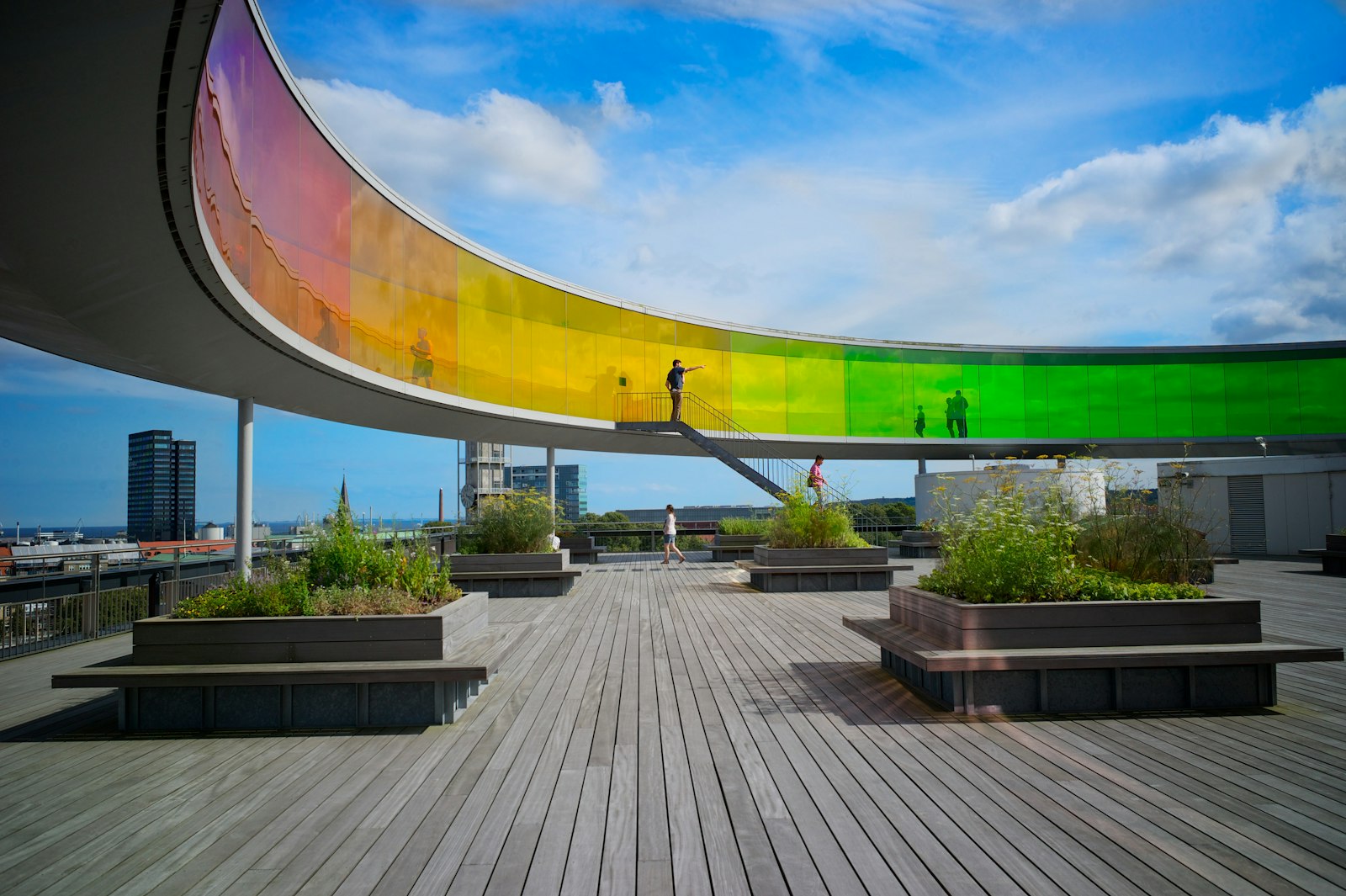
Aarhus. The second city and worth a stop. Dokk1 on the waterfront is a library that does not behave like a library, and the food hall there is a good cheap lunch. ARoS has a rainbow walkway around its roof that our kids talked about longer than the art inside it.
Aalborg. This one surprised us. The harbor is beautiful and there were jellyfish drifting through it, which my kids decided was the highlight of Jutland. We did not give it enough time. Put it on your list properly.
Hirtshals. A port town with not much in it and the Nordsoen Oceanarium, one of the largest aquariums in Europe. There is a fake crack in the floor of one of the tanks that will terrify your children in exactly the way children want to be terrified. Hotel options here are thin, so book early.
Skagen. The very top of Denmark, where two seas meet and you can stand with a foot in each. Dunes, painters’ light, a church half swallowed by sand. Advisor recommendation, not ours yet.
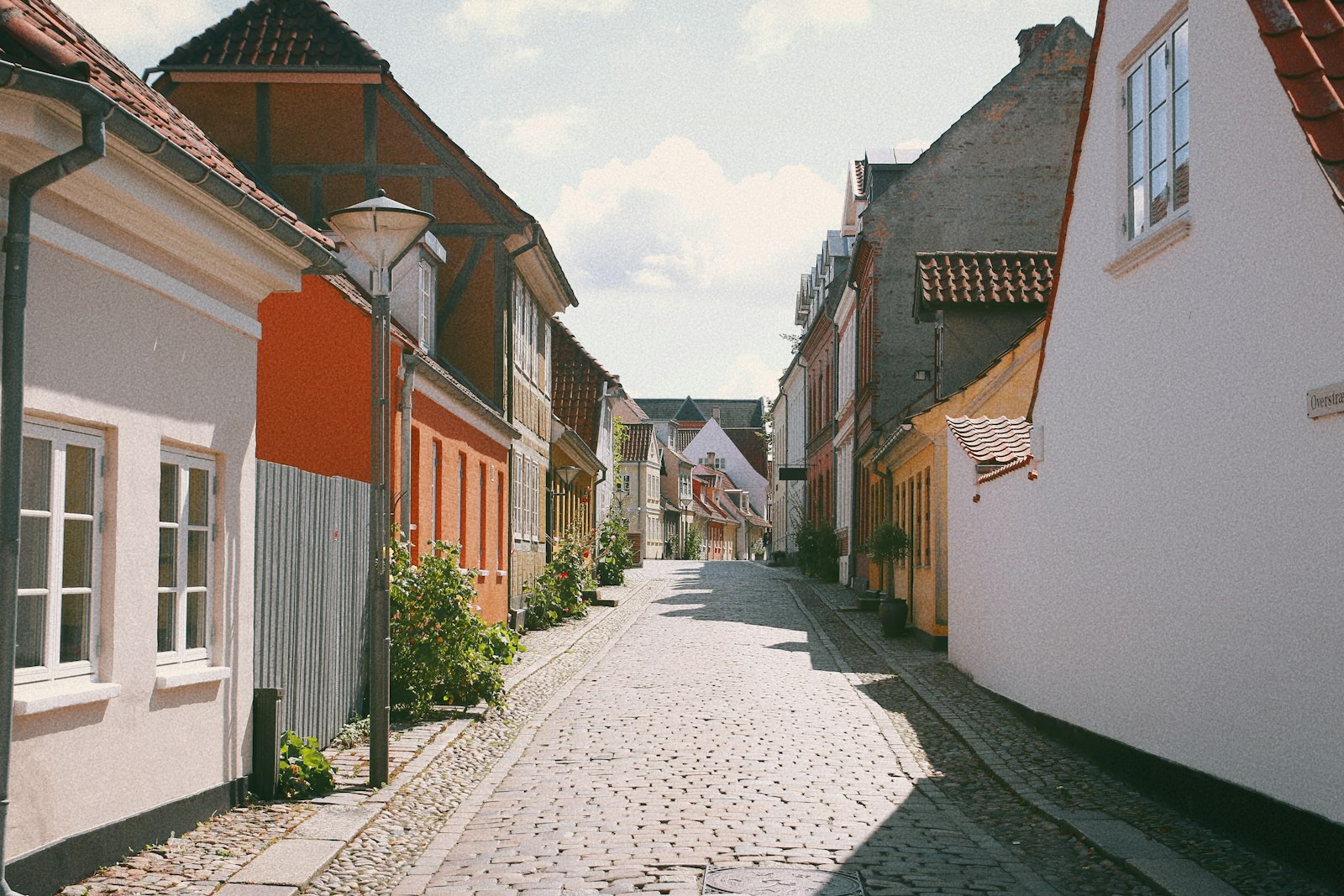
Odense. Hans Christian Andersen’s hometown plus the Funen Village open air museum. Storybook in a way that actually lands with younger children rather than just looking nice on a map.
Helsingor. Kronborg Castle, which is Hamlet’s Elsinore, forty five minutes north of Copenhagen by train. The casemates underneath are properly dark and slightly frightening, which is the point.
Roskilde. The Viking Ship Museum has five excavated ships and a working boatyard where they build replicas you can go out on the water in. Half an hour from Copenhagen and an easy half day.
Bornholm. A Baltic island closer to Sweden than to the rest of Denmark. Rocky coast, smokehouses, round churches, the Hammershus ruins. Danes trip there. Americans mostly have not heard of it.

Panzermuseum East in Jutland. A private Cold War collection in a shed, and one of the best hours our kids had in the country.
Family Travel Considerations
 Poppy marks the family parts. Wherever you see her, that section is written for travelling with children.
Denmark is one of the easiest countries in Europe to travel with children and almost nobody tells you that, because Denmark does not advertise itself.
Kids are treated as people. Not as a problem to be seated at the back. Highchairs, changing tables and room for a stroller are assumed rather than requested.
Distances are short. Nothing in Denmark is more than about four hours from anything else. Car days do not eat your trip the way they do in Norway or Italy.
The playgrounds are absurdly good. Public ones. Wooden, tall, a little bit dangerous, and free. Build one into every day and your afternoons get easier.
Harbor swimming is real. Copenhagen has designated swimming spots in the harbor with lifeguards in summer and the water is clean. It is the single most Copenhagen thing you can do.
Car seat rules are strict and enforced. Under 135 centimeters needs a seat. Confirm what the rental company actually supplies before you land, not at the counter.
The honest downside is how quiet it gets. Outside Copenhagen the towns close down at night. If your family wants evening buzz, this is not the country for it.
Splurge-Worthy Experiences
The Lego House, a full day, first entry
Buy the timed ticket for opening and stay until close. Eat at Mini Chef, where you order by building a brick combination and a robot brings your food in a Lego bowl. This is the one thing in Denmark I would not economise on.
A canal boat in Copenhagen
Cheap by splurge standards and it reorganizes the whole city in your head. Do it on day one, not day three, and the rest of your walking makes more sense.
A night in a Danish kro or a harbor hotel
Small country inns are a real category here. Good beds, enormous breakfasts, and a rate that is not a Copenhagen rate. This is where I would spend the money on a Jutland loop.
The Malmo day trip
Forty minutes over the Oresund Bridge and you have added a country. Swedish meatballs, an old town, a park, and back by late afternoon. Five hours was exactly enough for us.
What Surprises First-Timers
How expensive it is. Not quite Norway expensive. Close. A sit down dinner for a family of five will make your eyes water and it will not be a special occasion meal.
How much it rains. It is not dramatic weather. It is gray drizzle that turns up for two hours and leaves. Rain jackets, not umbrellas, because it arrives sideways.
How early things close. Small town Denmark shuts down at night. Plan dinner earlier than feels natural or you will be eating gas station sandwiches.
How many bicycles there are. Rush hour in Copenhagen is a moving wall of them. It is startling the first time you try to cross it.
That the krone is not the euro. People book Denmark assuming euros. It barely matters because everything is card, but it still catches people out.
How much the adults like the Lego House. Adam kept pointing out parents who had wandered away from their own children to go build something. That is the tell.
Combine It With
If you have the time to add a second country, these are the ones I would actually pair this one with. Not a list of neighbors. A list of trips that work.
Oslo to Copenhagen is an overnight ferry or a short flight. We took the ferry and the kids still bring it up.
Copenhagen to Malmo is a thirty five minute train over the bridge. You can do Sweden as a day trip and still count it.
Hamburg to Copenhagen is a short hop and Denmark is where the trip suddenly gets calm, clean and expensive.
More Europe Guides
Every other country in Europe we have a full guide for. Tap one and go.


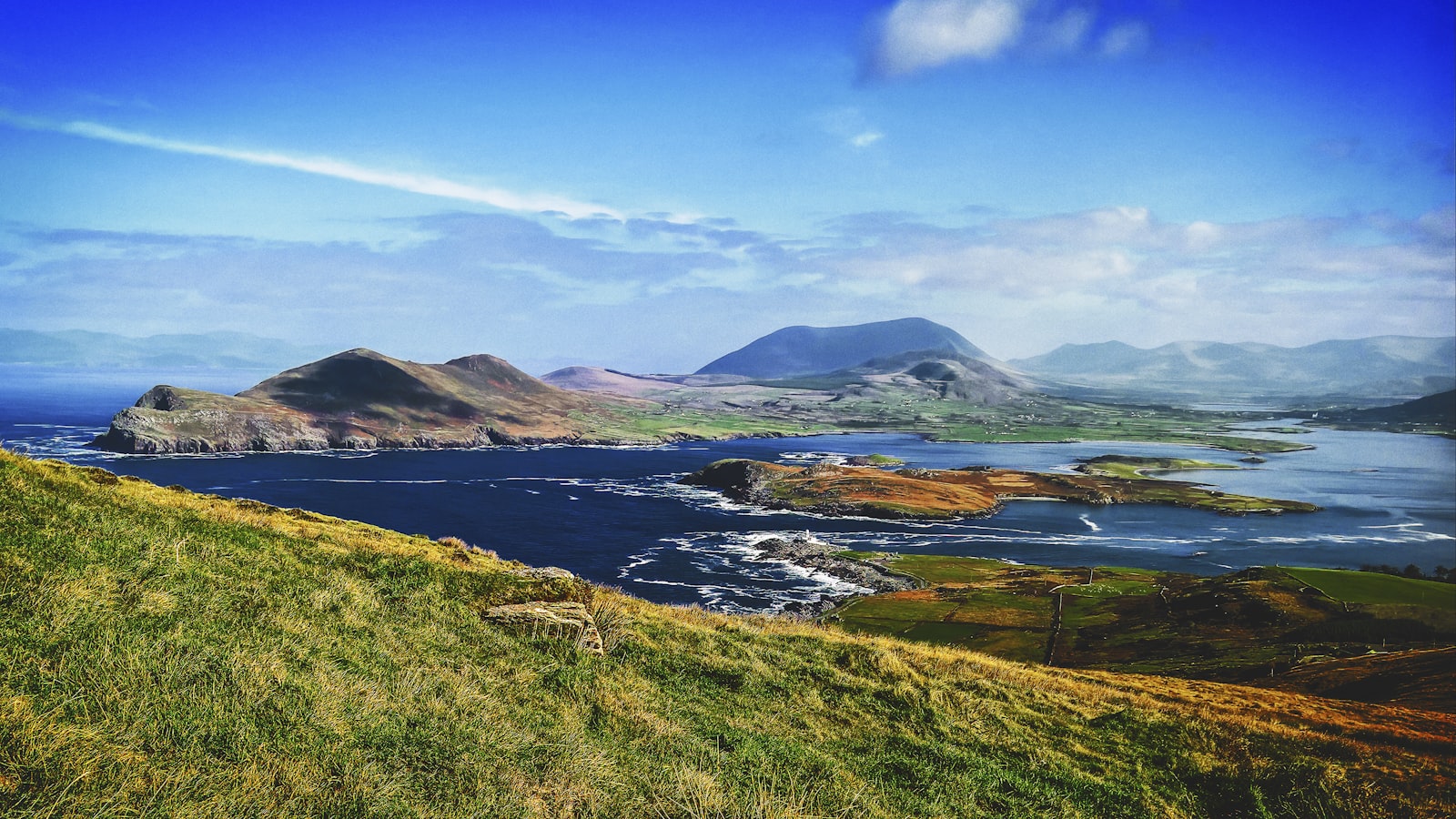




Keep exploring from Denmark
Cities, neighbors, and the wider region.
City guides in Denmark
More of Europe
Ways to travel
Denmark is not one kind of trip
How you move through it changes the trip more than which places you pick.
 01Road TripsYour own pace, your own stops.Open this guide →
 02Rail JourneysThe space between two places, made part of the trip.Open this guide →
 03Ocean CruisingYou unpack once and the world comes to you.Open this guide →
 04River CruisingEurope from the middle of it.Open this guide →
 05Walking & HikingThe slowest way, and often the best one.Open this guide →
 06Guided & Small GroupSomebody else handles it.Open this guide →
 07Independent TravelYou handle it, and it is cheaper.Open this guide →
 08Yacht & ExpeditionFewer people, further out.Open this guide →
