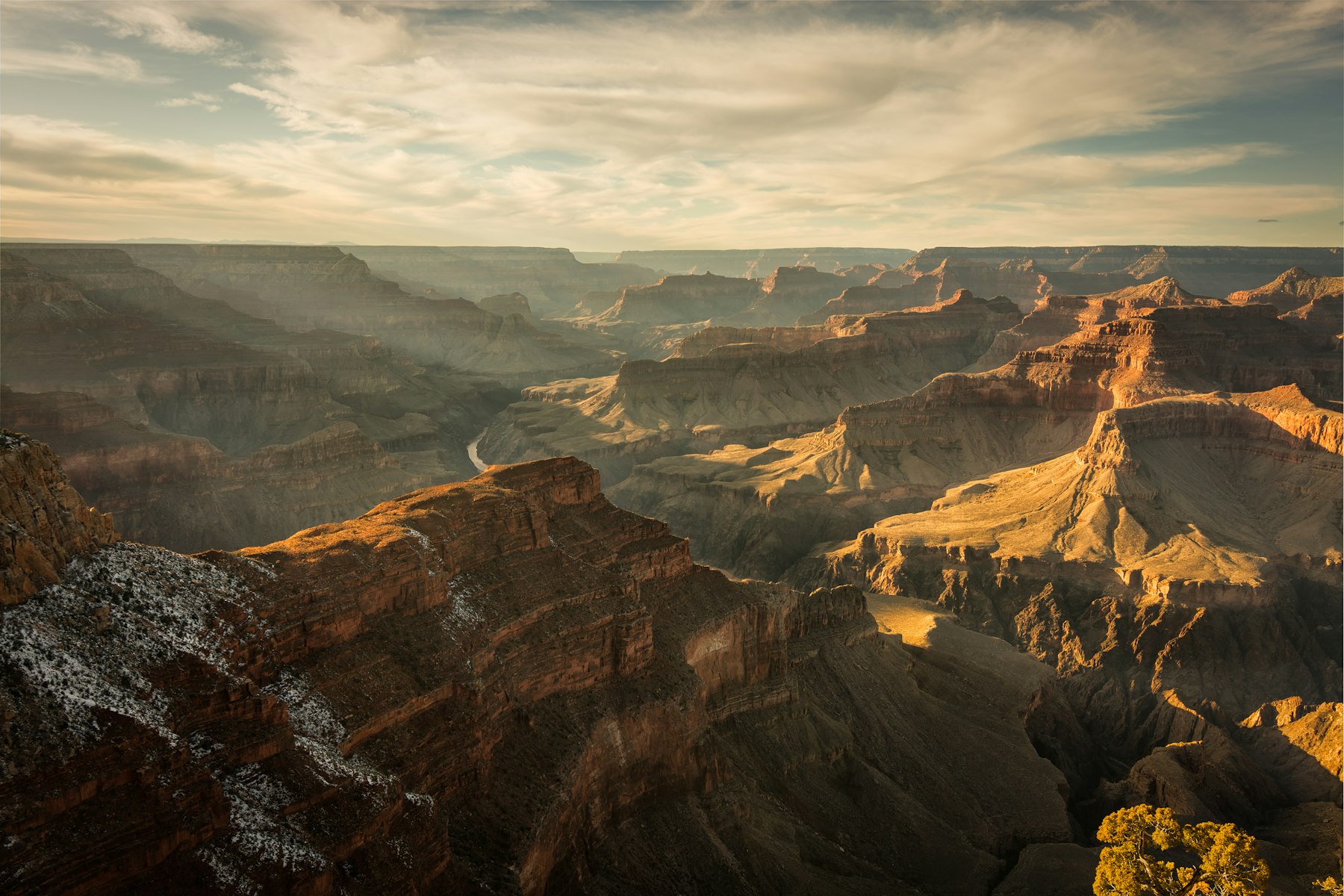
The South Rim in the last hour of light. I camped up here in November and woke to snow on the tent, which is not the Arizona anybody sells you
Arizona With Kids Family Travel Guide
“Arizona punishes people who plan it on a map. The rims are ten miles apart and 215 miles apart at the same time, and that sentence is the whole state in one line.”
Nicole Damiano, ASTA Verified Travel Advisor with FG Luxury Travel
South Rim or North Rim with kids?
South Rim, and it is not close. It is open every day of the year, has the free shuttle network, lodging, food and rangers, and the viewpoints are a short flat walk from a bus stop. The North Rim reopened in 2026 with no overnight lodging at all after the 2025 fire, so that is not the one to plan a family trip around right now.
Is Arizona hot enough to be dangerous for kids?
In summer, yes. Maricopa County confirmed 430 heat related deaths in 2025, most of them outdoors. Do anything outside before nine in the morning, carry more water than feels reasonable, and never leave anyone in the car, not even for two minutes.
What does the Grand Canyon actually cost?
35 dollars a vehicle for seven days, covering both rims, and under 16s are free. If anyone in your party is a non resident 16 or older, add 100 dollars a person on top as of 2026. A fourth grader gets your whole car in free with the everykidoutdoors.gov pass.
Can we just show up at Antelope Canyon or Monument Valley?
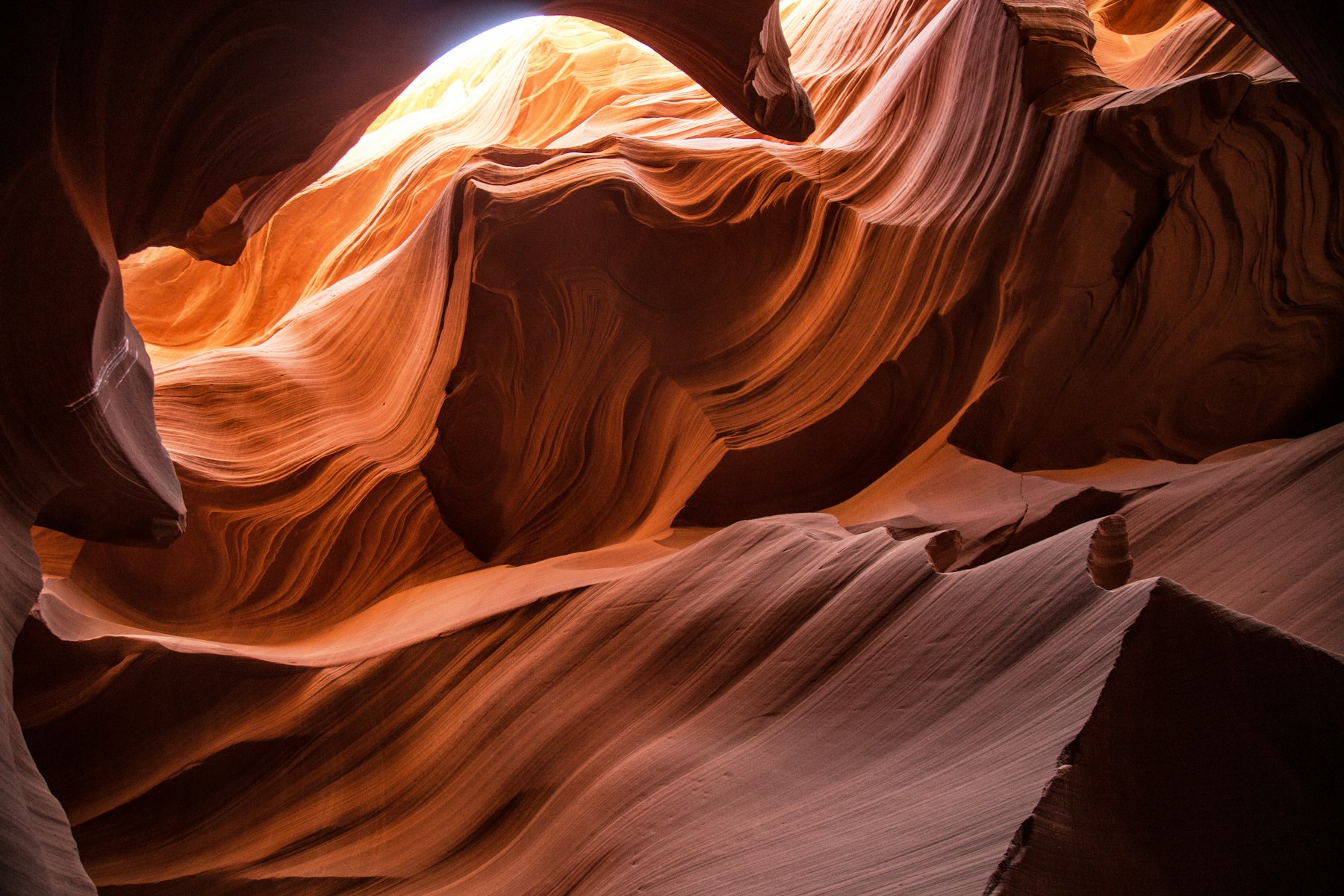
No. Both sit on Navajo Nation land, not federal land, so your national park pass means nothing there. Antelope Canyon requires a booked Navajo guide with no walk up option, and slots sell out two to three weeks ahead in summer.
Why did our tour say we were an hour late when we weren't?
The clock problem. Arizona does not observe daylight saving time, but the Navajo Nation does, so in summer it runs an hour ahead of the rest of the state. Set one phone to manual time before you leave Page and confirm any prepaid tour time out loud with the words Arizona time in the sentence.
Can we do the Grand Canyon and Antelope Canyon in one day?
No. They are 215 miles apart by road, four and a half to five hours of driving. Treat them as separate days in the itinerary rather than one ambitious loop, and book Antelope Canyon first since it is the one with a real chance of selling out.
Nicole’s Perspective
Why families hire me for Arizona

Adam and I drove into the Grand Canyon’s South Rim in November once, years before Gavin was born, and found snow across most of the campsites. We pitched in the one clear spot we could find, and a deer stood across from our tent the whole first evening like it had been hired for the job.
We hiked down about 1,500 feet the next morning, ice underfoot, past mule trains with real cowboys leading them, stripping layers as we dropped in elevation and eating trail mix with frozen fingers. Adam went down hard about a foot from the edge and we still laugh about it.
Photos do not do the canyon justice, and everyone who has stood on that rim already knows it. The scale is the kind that makes conversation stop.
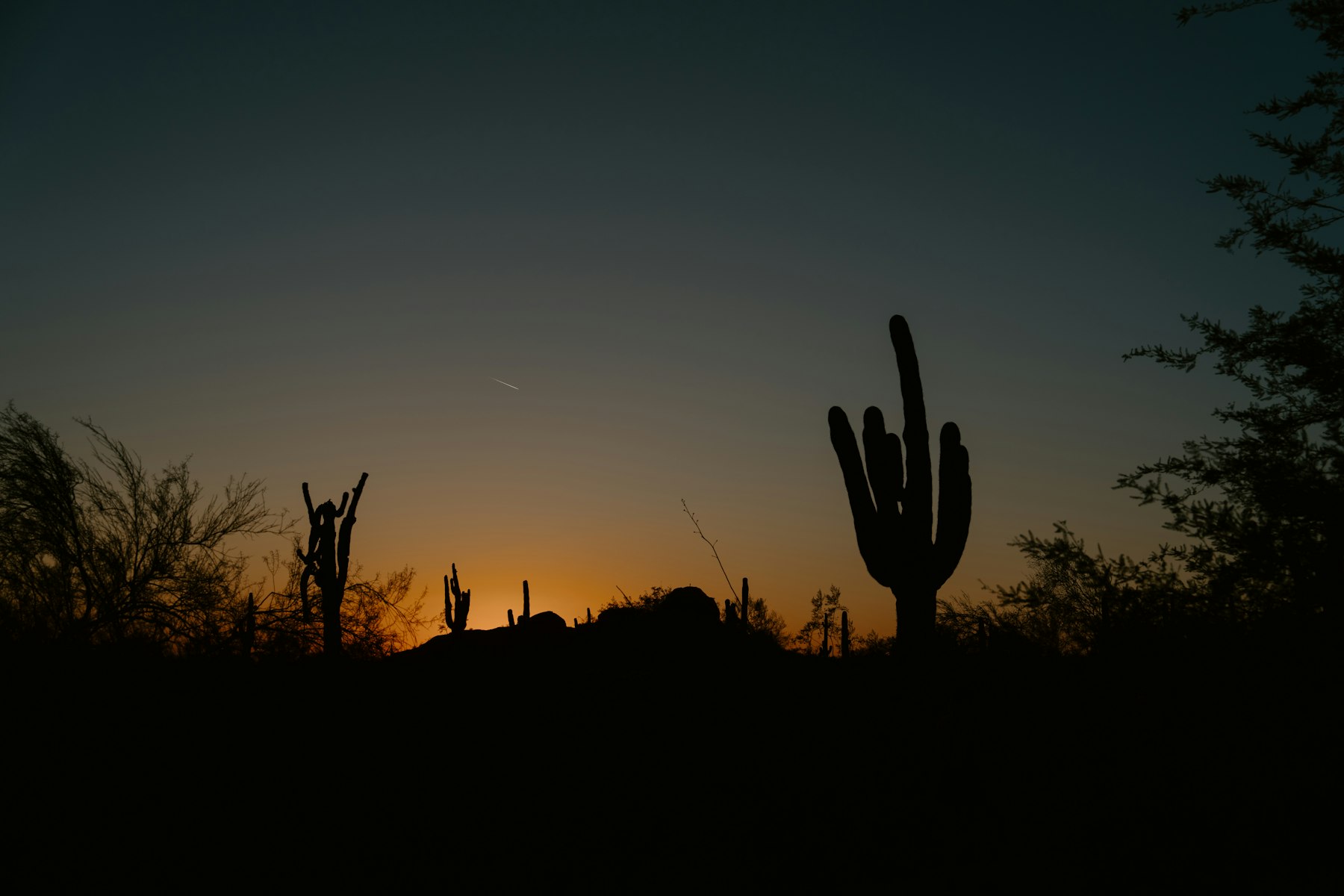
The desert does something similar in its own quieter way. Saguaro cacti taller than a house, sunsets that turn the whole sky orange and pink at once, and silence so complete you can hear your own footsteps.
Beyond the Bookshelf
Real books, films, and music tied to Arizona, the kind that make the desert feel less like a postcard and more like a place. Order a few before you go, or bring the trip home with you after.

- The Bean TreesBarbara Kingsolver
- Animal DreamsBarbara Kingsolver
- The Monkey Wrench GangEdward Abbey
- The Milagro Beanfield WarJohn Nichols
- G Is for Grand CanyonBarbara Gowan
- Good Night Arizona
- The Three Little JavelinasSusan Lowell
- Taste of TucsonJackie Alpers
- Phoenix Cooks
- True FoodAndrew Weil
Book links go to Bookshop.org, which supports local bookstores. Film and music links go to JustWatch and Spotify. As an affiliate we may earn from qualifying purchases.
Why this state, for this family
Why Arizona works with kids
 Poppy marks the family parts. Wherever you see her, that section is written for traveling with children.
Adam and I stood on the South Rim in November with snow in the campsites and a deer outside the tent, years before the kids. It is the state I send families to when they want a landscape that does not look real and a road trip that is easy to drive.
The canyon stops conversation
Photos do not do it justice and every child who has stood on that rim already knows it. Walk a quarter mile below the edge and it turns from a photograph into a place.
A first American road trip that is hard to get wrong
Wide empty roads, cheap fuel, and enough distance between things to feel like a journey without any of the driving being technically difficult. Two nights in each base and nobody falls out.
Two climates in one state
Saguaro desert in the south, pine forest and snow at 7,000 feet in the north, four hours apart. Pick the half that fits your month and the trip works in January and in July.
The map
Arizona Place by Place
Eight places, and the gaps between them are the whole problem. Northern Arizona sits at 7,000 feet and gets 108 inches of snow a year. Southern Arizona is desert that kills people in July. They are the same state and they are four hours apart. Pick your half before you pick anything else.


State song Arizona March Song, and Arizona by Rex Allen Jr as the alternate. Nobody sings either. Good to know Mountain time, but no daylight saving, so it matches California in summer. Sales tax around eight percent. Summer heat above 110 is dangerous, plan around it.

Antelope Canyon

Flagstaff
Grand Canyon South Rim
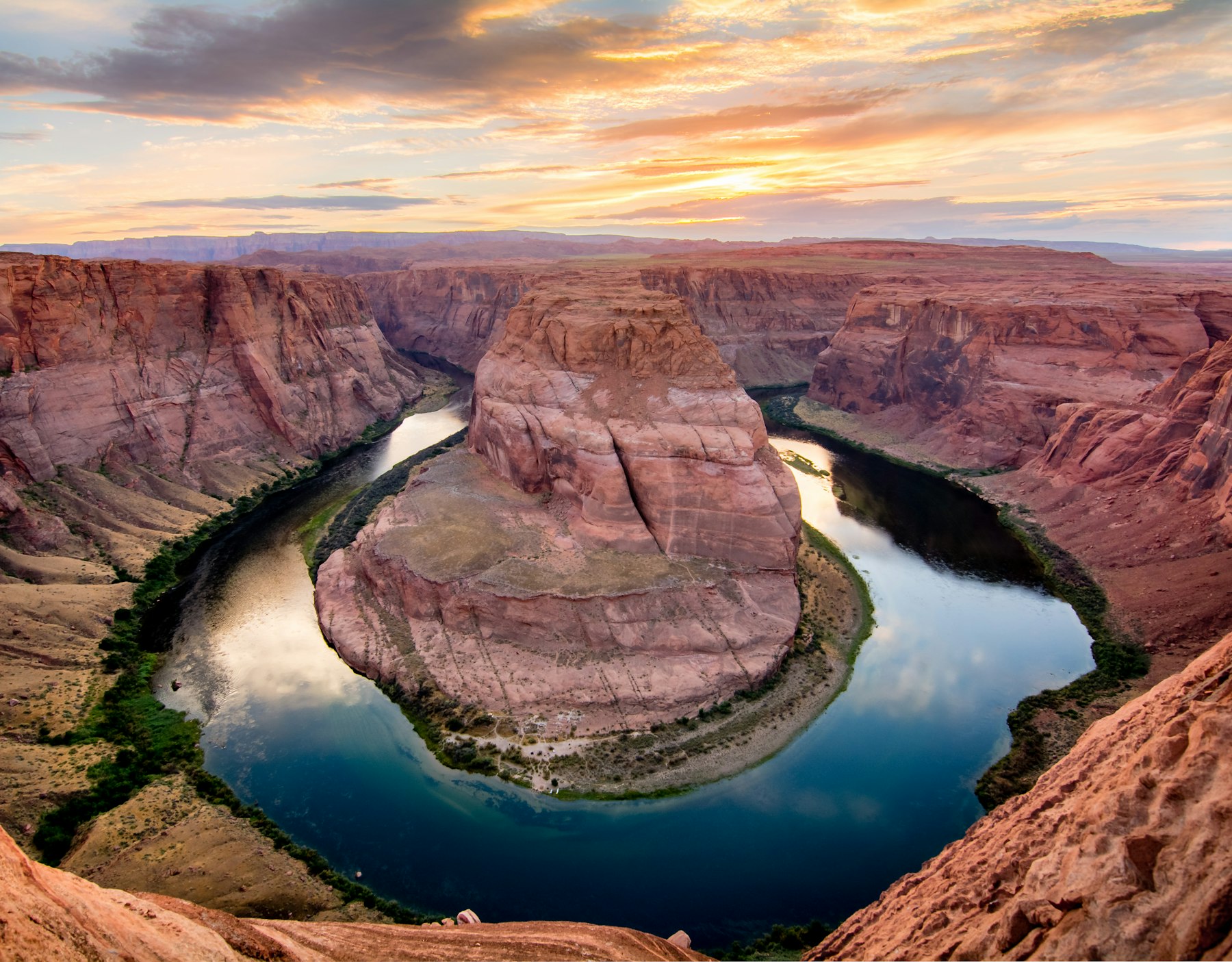
Horseshoe Bend
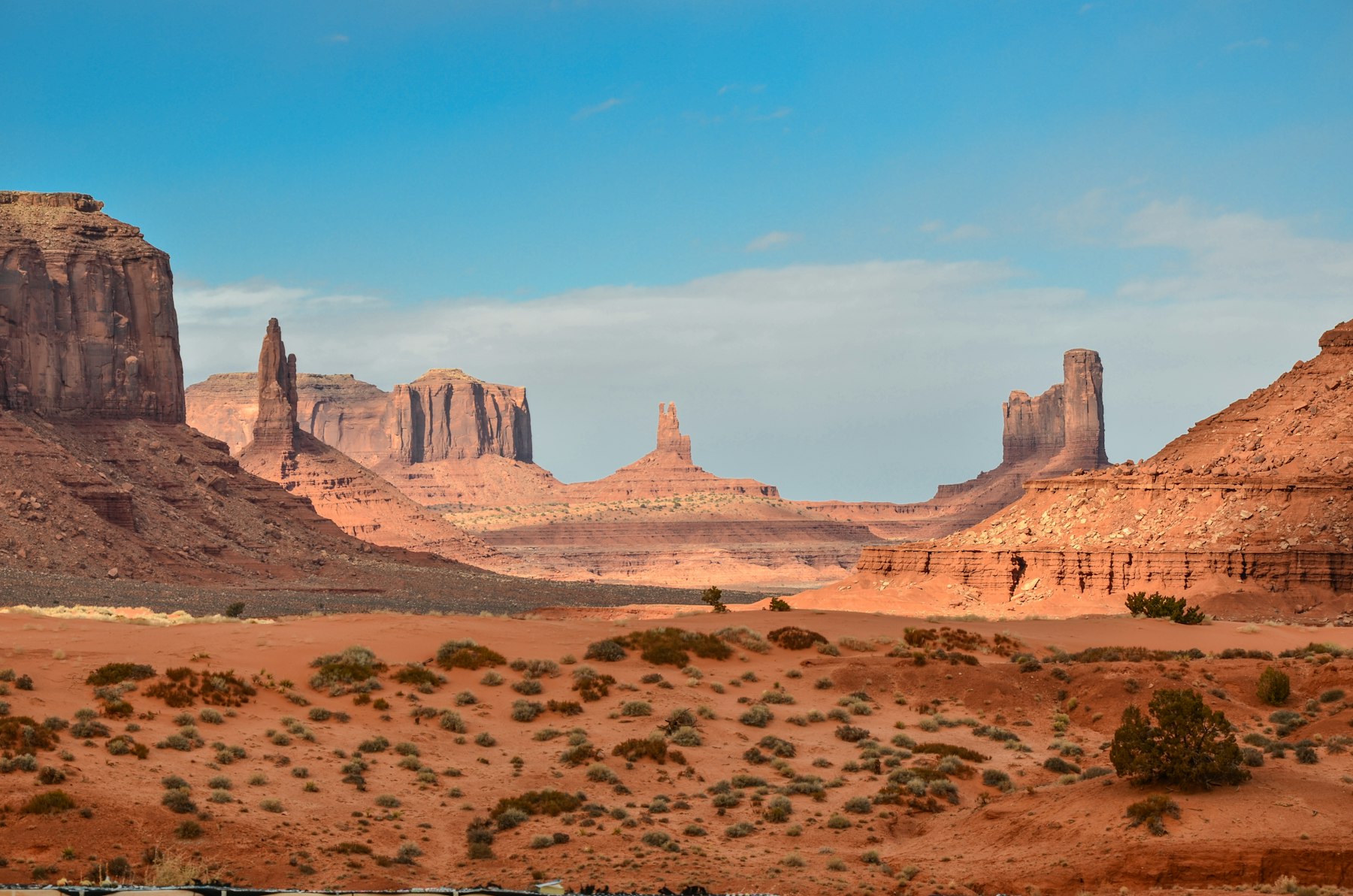
Monument Valley

Phoenix and Scottsdale
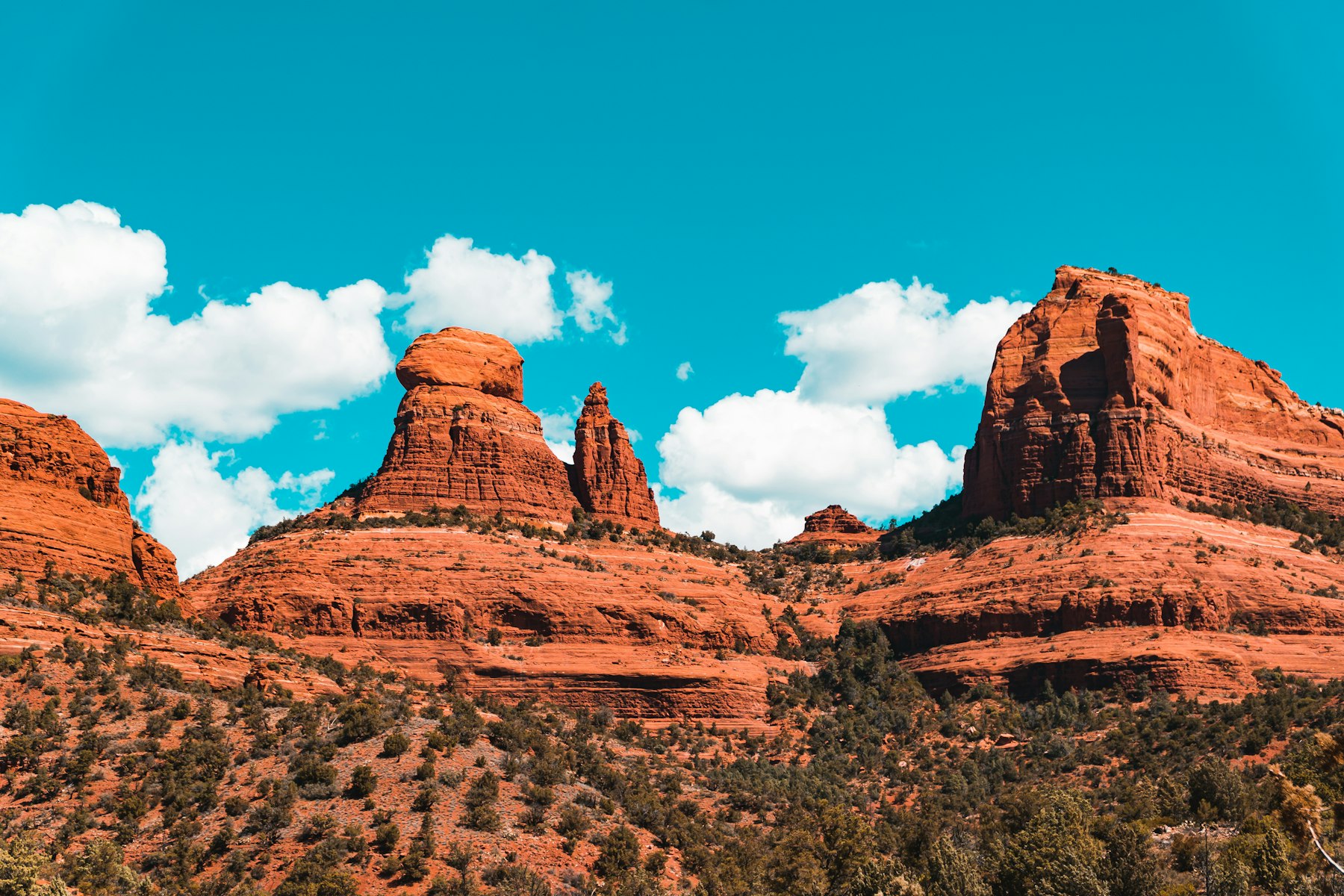
Sedona
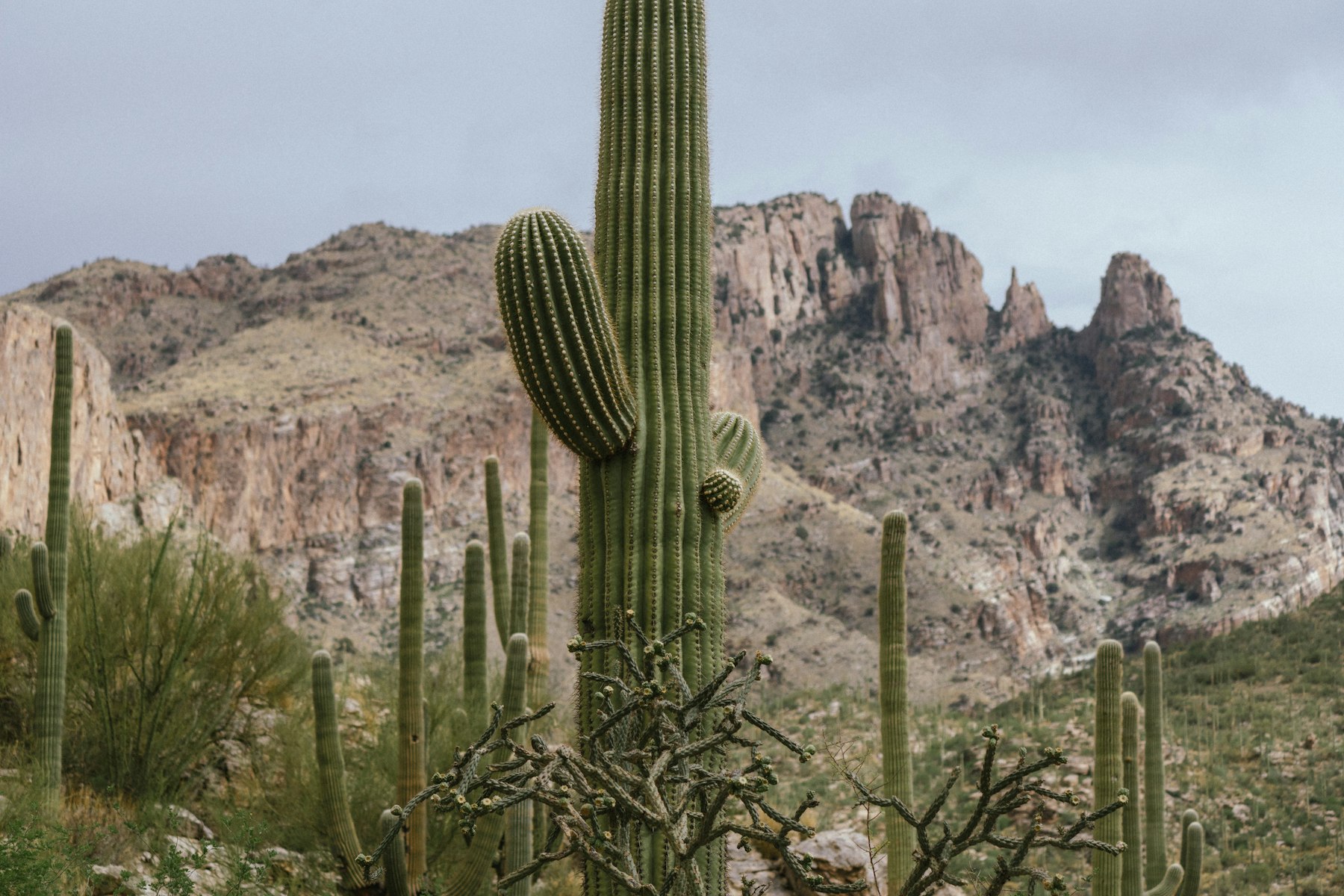
Tucson and Saguaro
Arizona Is Tribal Land, Old West and Sonora
Twenty two federally recognised tribal nations, a border with Mexico that shaped the food, and a mining and ranching past that is still standing in the small towns. That is what you are driving through.
The Navajo Nation is a sovereign nation. It covers the whole northeast corner, holds Antelope Canyon and Monument Valley, runs its own parks, charges its own fees and keeps its own clocks. A Navajo led tour is not optional scenery, it is the only way in, and it is the part children remember.
Hopi, Apache, Tohono O’odham and the rest. The Hopi villages sit inside the Navajo Nation and have been lived in for around a thousand years. The Heard Museum in Phoenix is the place to start with kids, real objects and real voices, before you drive north.
The Old West is a real street, not a set. Tombstone still has the OK Corral and Bisbee is a copper mining town that kept its Victorian houses stacked up the canyon. Both are a day from Tucson and both work better with children than they sound.
Tucson is a UNESCO City of Gastronomy. The first in the United States, for a food tradition that runs back through Sonora and the Tohono O’odham. The Sonoran hot dog is the famous thing and it costs about the same as a bad sandwich.
Route 66 runs across the top. Flagstaff, Williams, Winslow and Seligman keep the neon and the diners. Standing on the corner in Winslow is a cheap, silly stop that a ten year old will insist on.
What to Eat in Arizona
The food gets better the closer you get to Mexico, and the best of it is cheap.
A Sonoran hot dog in Tucson. Bacon wrapped, in a bolillo roll, with beans, tomato, onion and jalapeño sauce on top. Sold from carts and small stands all over the south side of the city. This is the dish Tucson is known for.
Chimichangas, which Tucson claims. A deep fried burrito, invented by accident in a Tucson kitchen depending on who you ask. El Charro Café downtown has been making them since the 1920s and it is a good easy dinner with children.
Navajo tacos and frybread. On the Navajo Nation, at Cameron Trading Post and at the stands near Monument Valley. Frybread topped with beans, meat, lettuce and cheese, or with honey and sugar for the kids. Big enough to share.
Prickly pear anything. Lemonade, syrup, ice cream, candy. The magenta fruit of the prickly pear cactus turns up in every gift shop and it is the one souvenir food children ask for twice.
Breakfast before the heat. Arizona eats early in summer because everyone is outside by six. Diners and Mexican bakeries open before dawn. Eat a big breakfast, do the outdoor thing, and make lunch the indoor meal.
Real Drive Times, and Where the Parking Goes Wrong
Arizona is the sixth largest state and the good things are spread across the whole of it. These are the numbers people get wrong, and getting them wrong is what turns a trip into a driving competition.
South Rim to North Rim is 215 miles and four and a half to five hours. Ten miles as the raven flies. Say that number out loud to anybody in your party who is looking at a map and getting ideas.
Phoenix to Flagstaff is about 142 miles, and Flagstaff to the South Rim about 81. So Phoenix to the Grand Canyon is roughly 225 miles and three and a half to four hours on Interstate 17 and then Highway 180. It is not a day trip with children, however many tour companies sell it as one.
Sedona to the South Rim is about 110 miles and two hours. Sedona to Phoenix Sky Harbor is about 115 miles and two hours. Sedona to Flagstaff is only about 28 miles but takes 45 minutes, because Highway 89A through Oak Creek Canyon is a switchback road and you will not want to hurry it anyway.
Page to the South Rim is 154 miles and about two hours fifty. Flagstaff to Page is about 136 miles and Flagstaff to Monument Valley about 171. Northern Arizona looks compact and is not. Williams to the South Rim is the short one at 60 miles, which is why the railway starts there.
Tucson to Phoenix is about 115 miles and just under two hours on Interstate 10. Flat, straight, dull, and easy. If you want desert and saguaros without the Phoenix heat island, base in Tucson and drive up rather than the other way round.
Sedona parking is the trap nobody warns you about. You need a Red Rock Pass to park at 19 day use sites on Forest Service land, including Cathedral Rock, Bell Rock, Boynton and Dry Creek. It is 5 dollars a day, 15 a week or 20 a year, and an America the Beautiful, Golden Age or Golden Access pass covers it. Stopping for about 15 minutes or less to take a photograph does not need one. Parking without one gets you a citation.
Use the free Sedona Shuttle and stop fighting for a space. It runs year round Thursday to Sunday, and daily during spring breaks and selected trips, on three routes serving five trailheads: Dry Creek Vista and Mescal, Soldier Pass, and Cathedral Rock and Little Horse. Free parking at the park and ride, free ride, and the popular trailhead lots fill before eight in the morning at weekends anyway.
Fly into the right airport. Phoenix Sky Harbor is the big one and usually the cheapest, and it is two hours from Sedona and about four from the canyon. Las Vegas is a real alternative for the north of the state. Flagstaff has a small airport that is expensive but puts you 81 miles from the rim. Tucson is the one to use if the south is your trip.

Horseshoe Bend at first light, before the parking lot fills.
What It Costs, and the New 100 Dollars
If you are reading this from outside the United States, this section is the most important one on the page, and almost nobody has written it up plainly for families.
From 1 January 2026 international visitors aged 16 and over pay an extra 100 dollars per person at eleven national parks, and the Grand Canyon is one of them. That is on top of the normal entrance fee and it is valid seven days. The other ten are Yosemite, Sequoia and Kings Canyon, Acadia, Bryce Canyon, Everglades, Glacier, Grand Teton, Rocky Mountain, Yellowstone and Zion. Photo ID is checked at the gate.
Do the math before you are at the booth, because it is brutal for a family. A British family of five with two adults and a 16 year old pays 35 dollars for the vehicle plus 300 dollars in surcharges. The non resident America the Beautiful annual pass went from 80 dollars to 250 and covers everyone in one vehicle, so if you are doing more than one of those eleven parks the 250 pass is the cheaper answer by a wide margin. US residents still pay 80 for the same pass.
Grand Canyon standard fees for 2026. 35 dollars a private vehicle, 30 a motorcycle, 20 per person on foot or bicycle for anyone 16 and over, all valid seven days and covering both rims. The Grand Canyon annual pass is 70. Under 16s are free.
The Grand Canyon takes no cash. None, anywhere. Card only at the gate and in the park. Bring a card with no foreign transaction fee if you are coming from abroad, and do not plan on paying for anything in dollars you have carefully brought with you.
There are eight fee free days at the Grand Canyon in 2026. 16 February, 25 May, 14 June, 3 to 5 July, 25 August, 17 September, 27 October and 11 November. Worth knowing, though the 100 dollar international surcharge is a separate charge and a fee free day is not a free week.
Saguaro National Park is 25 dollars a vehicle for seven days. 20 for a motorcycle, 15 per person on foot, and that single ticket covers both districts, east and west. The annual pass is 45. There is no international surcharge at Saguaro, which is one more reason it is the softer landing of the two parks.
Sales tax is added at the till and not shown on the shelf. Arizona state rate plus city and county on top, so budget eight to nine percent on most things and more again on hotel rooms, which carry their own bed taxes as separate lines on the bill.
Phoenix Heat Is a Safety Question, Not a Comfort One
Phoenix with kids in July is a different trip than Phoenix with kids in January, and I am not going to be polite about that because being polite about it gets people hurt. Maricopa County, which is Phoenix and Scottsdale and Mesa, confirmed 430 heat related deaths in 2025. That was down from 608 in 2024, and the county calls two consecutive years of decline good news, which tells you where the baseline is. Roughly 74 percent of those 2025 deaths happened outdoors.
June to September in Phoenix is not a beach trip with sun cream. It is regularly over 110 Fahrenheit. Playground equipment, seatbelt buckles, car door handles and pavement all become dangerous to touch, and a child will not tell you their feet are burning until they already are. If your only window is July, that is fine, but you plan the day around the heat rather than around the itinerary.
Do the outdoor thing before nine in the morning. All of it. The Desert Botanical Garden in Phoenix opens at six in the morning through the summer and closes its own trails between one and five in the afternoon during peak heat. When the botanical garden shuts its paths at lunchtime, that is not a scheduling quirk, it is a warning, and you should take the same approach to everything else you plan.
Tucson does this better and it is worth the drive. The Arizona-Sonora Desert Museum runs 7:30 in the morning to four in the afternoon from June to September, and on Saturday evenings in June, July and August it stays open until ten for Cool Summer Nights. Nocturnal animals awake, temperature survivable, children delighted. Admission is 29.95 dollars for ages 13 to 64 and 24.95 for ages 3 to 12, free under 2.
Carry far more water than feels reasonable and put salt in it. Adults sweat out well over a litre an hour hiking in that heat and drinking plain water fast enough to keep up will leave you low on sodium, which is its own problem. Electrolyte tablets are the cheapest insurance in your bag.
Never leave anyone in the car. Not for two minutes. A parked car in a Phoenix summer reaches lethal temperatures in under ten minutes, and the dog counts. Poppy would not last a Phoenix afternoon in a car and neither would a sleeping toddler.
Dry heat is real, and it is a trap
110 in Phoenix really feels less oppressive than 95 in Florida, because your sweat evaporates. That is exactly why people get into trouble. You dehydrate without ever feeling soaked, and you have no wet shirt to warn you.
Two hours north is twenty degrees cooler
Flagstaff sits at about 7,000 feet and is roughly 142 miles from Phoenix. In August it is a different climate entirely. This is what Arizonans do in summer and you should copy them.
Monsoon runs July to September
Sudden violent afternoon storms, flash flooding in slot canyons and washes, dust storms across the interstate. Monument Valley closes its loop drive for it. Do not camp in a wash and do not drive into standing water.
The Clock Problem That Breaks Tour Bookings
Arizona has not observed daylight saving time since 1968. The Navajo Nation, which covers the entire northeast corner of the state and contains Antelope Canyon and Monument Valley, does observe it. The Hopi Reservation, which sits inside the Navajo Nation like a hole in a doughnut, does not. In summer that puts the Navajo Nation an hour ahead of the rest of Arizona, and it means you can drive east from Tuba City along State Route 264 and cross six time zone changes in under 100 miles.
Here is why this matters to you and not just to a trivia quiz. Your Antelope Canyon tour departs from Page, which is in Arizona, and the operators run on Arizona time. Your phone may pick up a tower on Navajo land and quietly move itself forward an hour. If you show up on what your phone says is the right time, you may be an hour late, and an hour late means you have forfeited a booking you paid a hundred dollars a head for with no refund. It also works the other way, and people sit in a parking lot for an hour convinced they have been abandoned.
What I actually tell clients. Set one phone to manual time before you leave Page, or write the departure time on paper and confirm it verbally with the operator the day before with the words Arizona time in the sentence. Arrive an hour early on the day of anything you have prepaid. In summer Arizona is on the same clock as California, and in winter it is on the same clock as Denver, which is another thing that catches out anyone connecting from Las Vegas or Salt Lake City. It is a silly problem and it costs people real money every single week.
When to Go
Arizona has two climates stacked on top of each other and the right month depends entirely on which half of the state you are in. This is the calendar I work from.
Best overall: late March to early May, and mid September to early November. The desert is warm and not lethal, the canyon rim is comfortable, Sedona is walkable, and the North Rim is open in the autumn half of that window. Late April is my single favorite week in the state.
Good for the south, wrong for the north: December to February. Phoenix and Tucson in January are lovely, about as good as winter sun gets in the continental United States. Meanwhile Flagstaff is taking part of its 108 inches of annual snow and the North Rim road is shut entirely.
Hard, but doable if you are disciplined: June to early September. This is when most families can travel, so let us be practical rather than pious. Go north. Base in Flagstaff or at the rim, do the desert only in the first two hours of daylight, and treat afternoons as indoor time. It works. It just does not forgive improvisation.
Monsoon: July to September. Violent afternoon storms, flash flooding through slot canyons and washes, and dust storms that close interstates. Slot canyon tours cancel for it and Monument Valley closes its loop. This is a reason to build a spare day into the week, not a reason to stay away.
The South Rim in winter is beautiful and badly underrated. Snow on the rim against red rock is amazing and the crowds are a fraction of summer. That is the trip Adam and I did in November and I would do it again tomorrow. Roads can ice, sunset comes absurdly early, and you need proper layers, but it is open every day of the year.
Avoid if you can: US spring break in March, and the week around Thanksgiving. Sedona in particular becomes a parking lot, and the Sedona Shuttle goes to daily service during spring break precisely because the town cannot cope.
How Many Days & First-Trip Routing
How many days do we need in Arizona? Two nights at the South Rim is the least I’d do with kids, so you get a sunset and a sunrise at the canyon.
Add a second base and you’re at a week.
Don’t try to do both rims. They’re ten miles apart across the canyon and 215 miles apart by road.
The Two Rims, and Which One You Want
This is the decision that ruins more Arizona itineraries than anything else, so let me settle it. The South Rim and the North Rim face each other across an average of ten miles of open air. By road they are 215 miles apart, which is four and a half to five hours of driving through Cameron and Jacob Lake. People see the map, see ten miles, and plan to do both in a day. You cannot. Nobody can.
With children, take the South Rim. It is not close. The South Rim is open every day of the year, has the free shuttle network, has lodging, food, gas, medical care and rangers, and the viewpoints are a short flat walk from a bus stop. The North Rim is 1,000 feet higher, colder, emptier and served by one road. The South Rim is where the infrastructure is, and with a nine year old the infrastructure is the point.
The North Rim burned in 2025 and it has still not recovered. The Dragon Bravo Fire started with a lightning strike on 4 July 2025 and destroyed around 70 structures, including the historic Grand Canyon Lodge and the North Rim Visitor Center. The lodge was demolished in November 2025 and the rebuild is still at the planning stage.
The North Rim reopened on 15 May 2026, but with nothing on it. There is no overnight lodging at all during the 2026 season. There is no potable water anywhere on the North Rim. Fuel is pay at the pump and food is whatever the General Store has as grab and go. Cottonwood Campground reopened 15 May and North Rim Campground on 1 June, both on recreation.gov. Bright Angel Point, Widforss, Transept and Uncle Jim trails are still closed. North Kaibab is open to foot traffic only and closes on 16 October for waterline repairs.
The South Rim shuttles are free and they are the whole trick. Village, Kaibab Rim, Hikers’ Express, Hermits Rest and a summer only Tusayan route, all included in your entrance fee. Hermit Road is closed to private cars from 1 March to 30 November 2026, so the red shuttle is the only way to drive those seven miles. Park once in the morning and leave the car alone.
Do not hike to the river and back in one day. That is the National Park Service position, not mine, and they are blunt about it between May and September when the inner canyon heat becomes life threatening. More than 300 people a year need rescuing out of that canyon. We went down about 1,500 feet in November on ice and came back up, and even that was a real morning’s work.
The Grand Canyon Railway from Williams is worth it with small children. Two hours fifteen each way, out at 9:30 and back at 15:30, so you get roughly three and a half hours at the rim with nobody driving. Adult coach is about 140 dollars return and child coach about 80, and for selected dates from 1 March to 30 September 2026 one child aged 15 or under rides free in Pullman Class with each paying adult. Under 16s are not allowed in the Dome or Parlor classes at all.
The park took 4.4 million people in 2025, down from 4.9 million in 2024. The fire and the North Rim closures did that, and it dropped the Grand Canyon from third to fourth busiest park in the country. It is still four and a half million people funnelling through mostly one rim, so treat any quiet week as luck rather than a plan.
The Grand Canyon charges by the vehicle, unless you have a fourth grader. American fourth graders get a free pass to federal lands for the whole school year and it covers the entrance fee for your entire car, South Rim included. Ten minutes at everykidoutdoors.gov and it is done.

Flagstaff. Two hours north of Phoenix and twenty degrees cooler.
Regions at a Glance
The North
The Grand Canyon, Flagstaff, Williams and Page. High, cool, pine forest and snow in winter. Where the famous things are.
The Navajo Nation
Antelope Canyon, Monument Valley, Canyon de Chelly. Sovereign land with its own fees, guides and clocks. Plan it properly.
Sedona and the Verde Valley
Red rock between Phoenix and Flagstaff. Easy trails, a shuttle in busy weeks, and the best two night stop on the loop.
The Sonoran South
Phoenix, Scottsdale, Tucson and Saguaro National Park. Warm and lovely from October to April, dangerous in July.
Must See and Do
Six things, named, with what they cost in 2026. If you skim the rest of this page, read these.
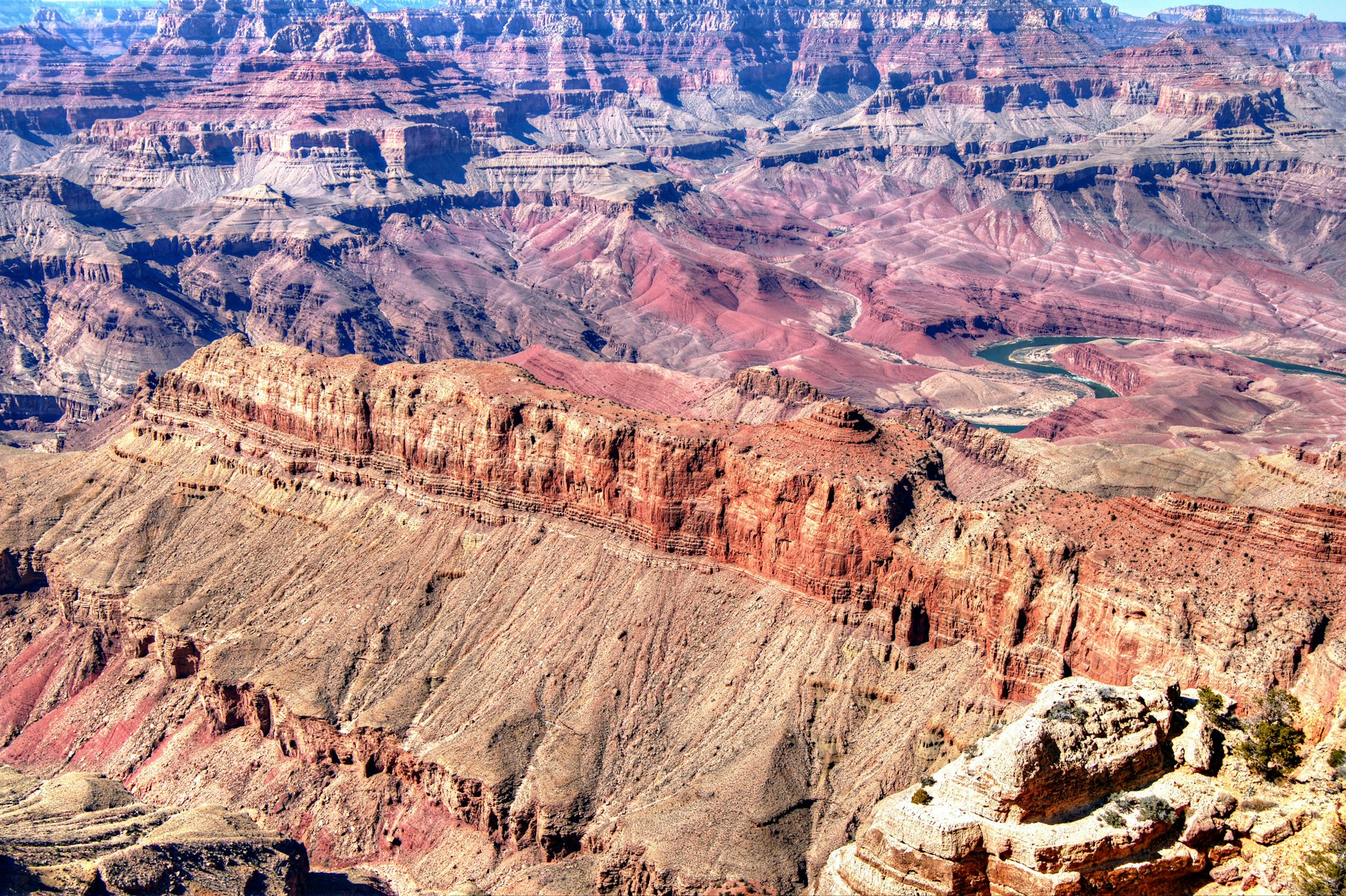



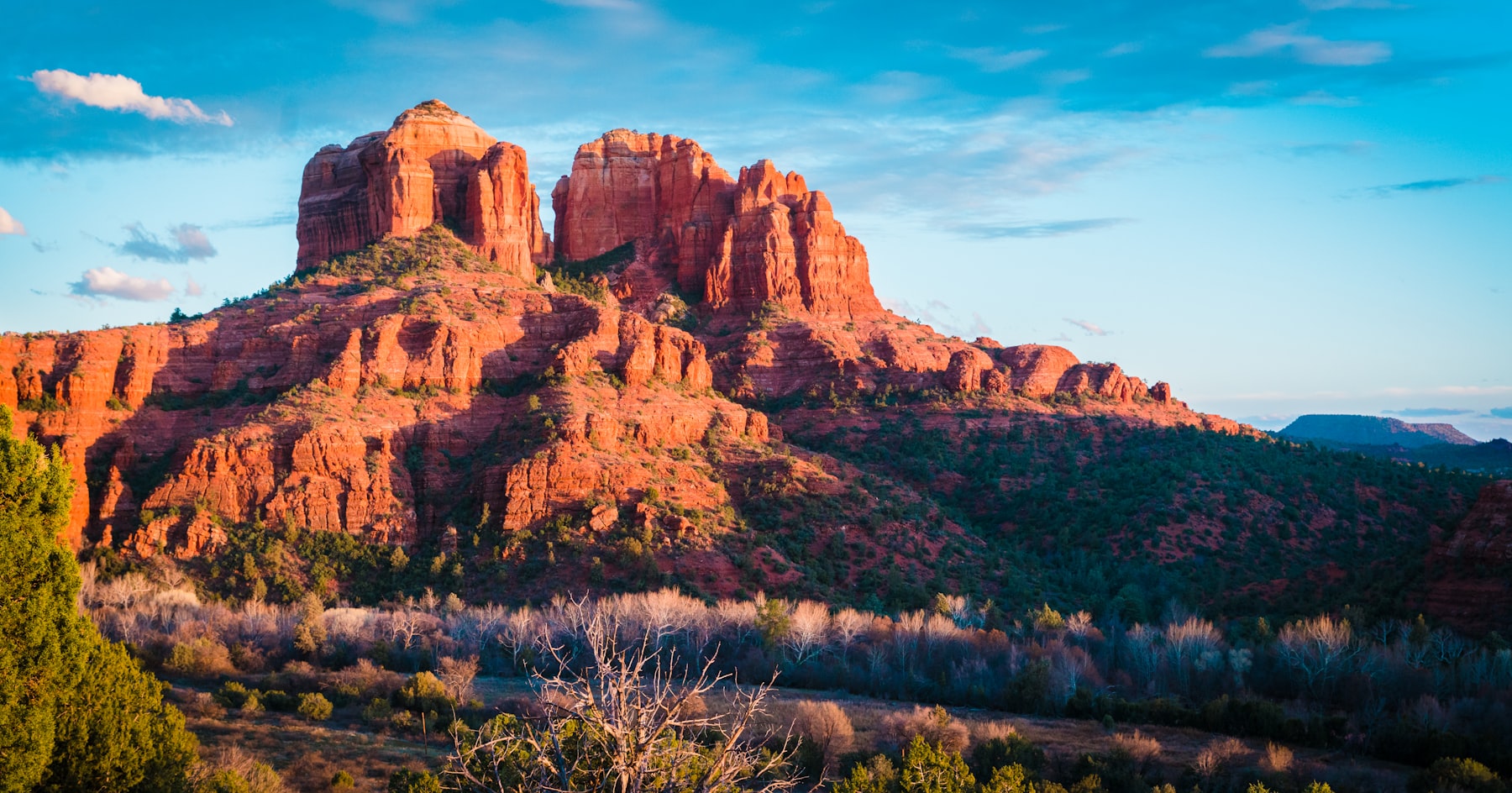
Sedona has about 10,000 residents and takes roughly three million visitors a year. That ratio is why the parking is the way it is, and why the town built a shuttle
Doing It With Children
We have three. Gavin is almost 13, Jake is 10 and Avilene is 9. This is what I would build for a family like ours, and it is the same list of things to do in Arizona with kids that I tell clients who have done it.
Sleep at the rim or in Tusayan, not in Flagstaff. The difference between watching sunrise over the canyon and driving 81 miles to get there is the difference between the trip they remember and the trip they endure. Book park lodging absurdly far ahead. If it is gone, Tusayan is seven miles out and has the summer shuttle.
Go a little way down, not a long way down. Walking even a quarter mile below the rim changes the canyon from a photograph into a place. The rule is simple and non negotiable: everything you walk down you must walk back up, in worse heat, and it takes roughly twice as long. Pick a turnaround point by the clock, tell the children what it is, and honour it.
Do the Junior Ranger program. Properly. Free booklet at any visitor center, a badge sworn in by a real ranger at the end. It converts a viewpoint into a task, and children who have a task stop asking when you are leaving. It works at the Grand Canyon, Saguaro and Petrified Forest.
Closed toe shoes everywhere, and check them out before they go on. Cactus spines, scorpions in the morning, hot ground and loose gravel on rim paths. Sandals are for the hotel pool. This is also the state where you teach the do not put your hands anywhere you cannot see rule once, properly, and then relax.
Hats, long sleeves and lip balm, not just sun cream. The sun at 7,000 feet is far stronger than the temperature suggests and children burn on the rim in weather that feels cool. A cotton long sleeve is better than reapplying cream to a wriggling nine year old every ninety minutes.
The rim has unfenced edges and that is not an oversight. Long stretches of the South Rim have no railing at all. Establish the rule on day one, hold hands at viewpoints with anyone small, and do not let a photograph be the reason anybody steps backwards.
One driving day in three, maximum. Arizona tempts you into four hour transfers back to back. Families who plan two nights minimum in each base see more, not less, and arrive home still speaking to each other.
Who Arizona Suits, and Who Should Skip It
It suits families with children over about six. Old enough to walk a mile without being carried, old enough to be staggered by the scale of the canyon rather than just seeing a big hole. This is the age Arizona pays you back the most.
It suits families who want scenery over attractions. There are no theme parks here worth crossing an ocean for. What there is instead is a landscape that does not look real, and a child who has stood on that rim carries it a very long time.
It suits a first American road trip. Wide empty roads, cheap fuel, easy parking outside Sedona, and enough distance between things to feel like a proper journey without any of the driving being technically hard.
Skip it with a toddler and a stroller in summer. The combination of heat, distance, unfenced edges and rough ground is unrewarding under about four. There is a much better version of this trip waiting for you in five years.
Skip it if anyone in the party will not tolerate heat or altitude. Phoenix in July and the rim at 7,000 feet are two different physical demands and Arizona will hand you both in the same week. Take that seriously for grandparents and for anyone with a heart or lung condition.
Skip it if you do not want to drive. Public transport between Arizona’s highlights is close to nonexistent. Without a car this state shrinks to whatever a coach tour will sell you, and that is a much smaller Arizona.
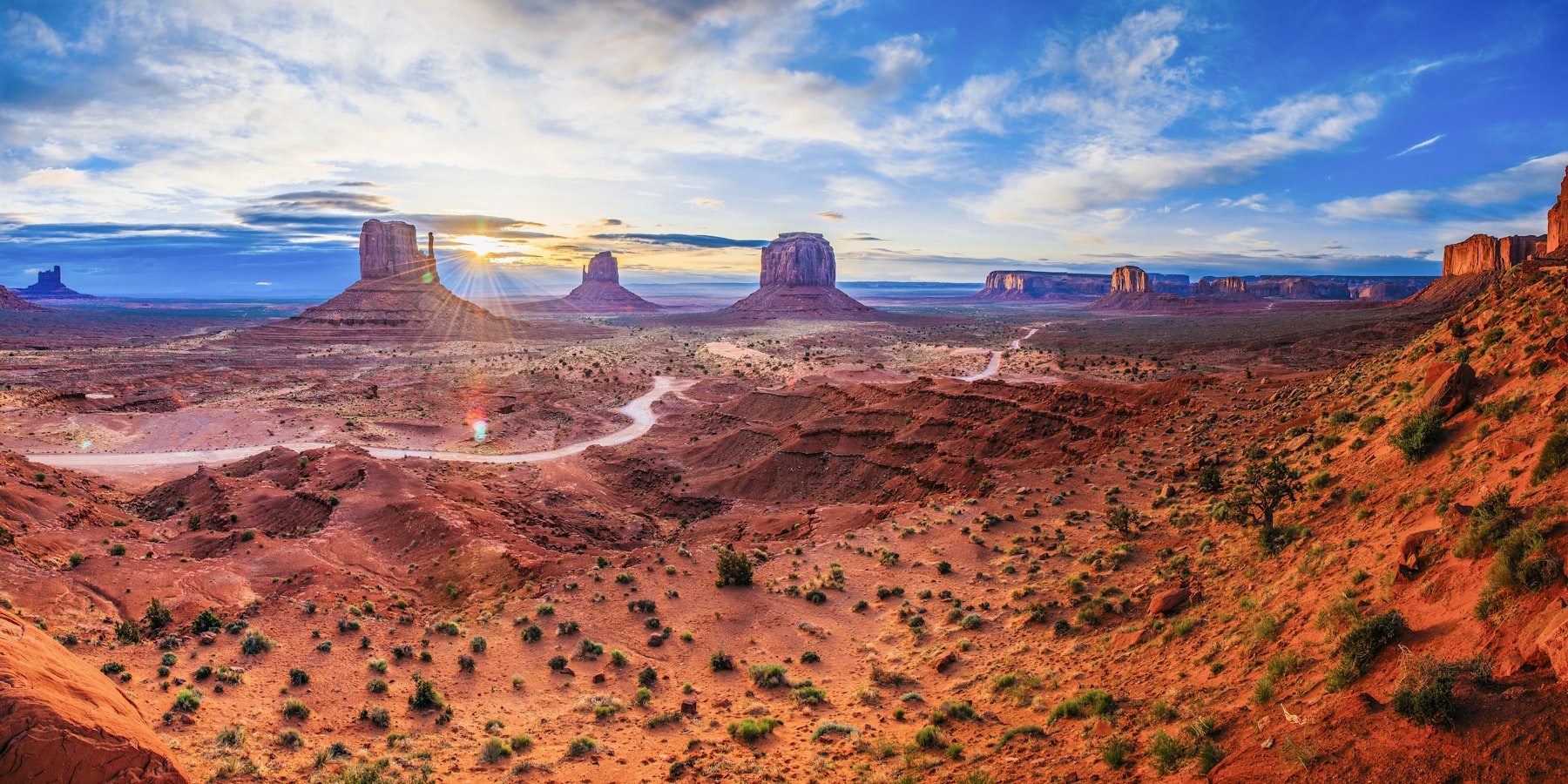
Monument Valley at sunrise. We camped behind a Conoco gas station the night before we saw this, which is the least romantic sentence I have ever written about the most cinematic place in America
How Arizona Compares to Its Neighbors
Utah is the better park state, and it is right there. Zion and Bryce sit within a few hours of Page and the North Rim, and Utah’s parks are more concentrated than Arizona’s. If your family loves this landscape, the honest next trip is Utah rather than more Arizona. The two combine into one loop very naturally.
California is the opposite trip and a common pairing. Coast, cities, cooler air and theme parks. Families who find Arizona too quiet or too hot usually want California next, and the drive from Phoenix to San Diego is a very manageable day.
Colorado is Arizona with altitude instead of heat. If your problem with this trip is the summer temperature rather than the driving, Colorado gives you the same big empty American scale in weather nobody has to be warned about.
Las Vegas is the airport people forget. It is often the cheaper flight for the north of Arizona and it puts you within reach of the Grand Canyon, Page and Zion without ever going near Phoenix. If the city itself belongs in a family trip is your call, but the flights are worth pricing.
Florida is the reverse trade and worth naming.Florida is density, humidity and infrastructure built entirely around children. Arizona is distance, dryness and scenery. Families who find one overstimulating usually love the other, and they almost never want both in the same year.
Worth the Money in Arizona
Arizona is cheap to drive and cheap to eat in, which leaves room for one or two things that cost real money and are worth it.
A room on the rim. El Tovar and the Bright Angel cabins sit on the South Rim itself. Sunrise over the canyon from your door instead of an 81 mile drive from Flagstaff is the whole difference. Book absurdly far ahead, and if it is gone, Tusayan is seven miles out.
A Navajo guided tour of Upper Antelope Canyon. Around 100 dollars an adult with the tax and the permit, more for the midday light slot. You cannot walk in on your own at any price and the light beams are the reason.
The Grand Canyon Railway from Williams. Steam and diesel trains straight to the South Rim, no parking lot, a staged train robbery on the way back that small children take very seriously. It costs more than driving and it is a better day.
A helicopter over the canyon. From Tusayan or Las Vegas. It is the one Arizona splurge I hesitate on because the rim is free and extraordinary, but for a family with an older child who will remember it, it is the view nothing else gives you.
Things That Surprise First Timers
Arizona has the largest contiguous ponderosa pine forest in the world. People arrive expecting saguaro cactus everywhere and drive into pine trees and snow. Flagstaff has a ski area. The cactus you are picturing does not even grow in the north of the state.
The Grand Canyon sells no bottled water and gives it away free. Refill stations all over the park, a policy that has been in place for years, and it still surprises people who arrive planning to buy a case at the shop. Bring bottles for everybody.
The night sky is the part nobody photographs and everybody remembers. Flagstaff was the world’s first International Dark Sky City and the whole northern half of the state is exceptional for it. Take one evening, drive ten minutes out of anywhere, and just stand there. It is free and it beats most of what you paid for.
Gas stations are much further apart than you expect. On the Navajo Nation and between the northern parks you can go a very long way without one. Fill up at half a tank rather than a quarter, and do not rely on mobile signal to find the next one, because there frequently is not any.
The ravens are organized and they are not afraid of you. Grand Canyon ravens work parking lots and picnic tables like professionals. We got mobbed by them in 2011 and I filmed it. Do not leave food out, do not leave a bag open, and do not feed them, which only teaches the next family’s problem.
The temperature drops about 25 degrees from rim to river. The inner canyon in summer regularly runs well over 100 Fahrenheit while the rim is pleasant. That gap is exactly why people underestimate a descent and why the park service is so insistent about it.
Where I Would Start
Five people, a spring or autumn week, and a car. This is the loop.
Fly into Phoenix, drive to Sedona the same day. Two hours north. Two nights. Walk in at Bell Rock or Cathedral Rock with a Red Rock Pass on the dashboard, and eat dinner in town.
Two nights on the South Rim or in Tusayan. Sunrise and sunset from the rim, a short way down the Bright Angel Trail with a turnaround time you honour, and the Junior Ranger badge sworn in by a real ranger.
One night in Page. Antelope Canyon with a Navajo guide, Horseshoe Bend at first light, and Monument Valley as the long day out if you have it in you. Remember the clocks change on Navajo land.
Back south through Flagstaff to Phoenix. Petrified Forest if you swing east, otherwise pine forest, Route 66 and a night in Flagstaff before the flight. Leave Tucson and the Sonoran desert for the winter trip.
Arizona by the numbers
Facts to know before you go
Ways to travel
Arizona is not one kind of trip
How you move through it changes the trip more than which places you pick.
Road trips
Phoenix to Sedona to the Grand Canyon in a loop, or old Route 66 through Flagstaff and Winslow. This is a driving state.
For example: the Phoenix, Sedona, South Rim, Page loop over a week.Rail journeys
The Grand Canyon Railway still runs steam and diesel trains from Williams straight to the South Rim, no parking lot required.
For example: Williams to the rim and back in a day by train.Walking and hiking
Sedona’s red rock trails, the rim trails at the Grand Canyon, the slot walk in Antelope Canyon. Bring more water than you think you need.
For example: a short way down Bright Angel with a turnaround time you keep.Guided and small group travel
A Navajo led tour into Antelope Canyon or Monument Valley is not optional scenery, it is the only respectful way in.
For example: Upper Antelope Canyon with a Navajo guide at midday.Explore by interest
What families come to Arizona for

Sports
Spring training
The Cactus League brings half of Major League Baseball to the Phoenix area every March.

History
Hohokam to Tombstone
Hohokam canals, Navajo and Apache nations, Wild West towns like Tombstone and Bisbee still standing.

Food and drink
Sonoran hot dogs
Tucson is a UNESCO City of Gastronomy, and there is a real wine country growing near Sonoita.

Nature
More than the canyon
The Grand Canyon gets the fame, but Antelope Canyon, Saguaro National Park and Sedona’s red rocks are just as real.
Only in Arizona
Only in Arizona

Read
Tony Hillerman’s Navajo mysteries
Set on the Navajo Nation that spans northeastern Arizona, his Leaphorn and Chee novels are still the best fiction introduction to this landscape.Photo via Unsplash.

Watch
Raising Arizona (1987)
The Coen brothers shot it around Tucson and the open Sonoran Desert. The saguaros in the background are not a set.Photo via Unsplash.

From here
The actual London Bridge
In 1968 an entrepreneur bought London’s old bridge, had it numbered stone by stone, and rebuilt it in Lake Havasu City. It is still there.Photo via Unsplash.

Only here
The saguaro cactus
It grows wild nowhere on earth except the Sonoran Desert of Arizona and a sliver of Mexico. Some standing today were seedlings before Arizona was a state.Photo via Unsplash.
Combine It With
The natural other half of this trip. Zion and Bryce are within a few hours of Page and the North Rim, and one loop covers both states without doubling back.
The country guide this page sits under. Entry rules, driving, tipping, the new international park fees, and how the rest of the states compare.
Coast, cities and cooler air when the desert has done its work. Phoenix to San Diego is one comfortable driving day.

Plan Arizona with Nicole
Tell me who is coming, and when.
Arizona trips go wrong on distances and heat, and both are fixable before you book. Send me the ages, the dates and which half of the state you are picturing, and I will come back with a loop that fits the days.
Nicole Damiano, ASTA Verified Travel Advisor with FG Luxury Travel. Adventures We Seek is my travel blog and planning resource. Trips are booked through Favorite Grampy Travels.
Arizona, Answered
South Rim or North Rim with kids? South Rim, and it is not close. It is open every day of the year, has the free shuttle network, lodging, food and rangers, and the viewpoints are a short flat walk from a bus stop. The North Rim reopened in 2026 with no overnight lodging at all after the 2025 fire, so that is not the one to plan a family trip around right now.
Is Arizona hot enough to be dangerous for kids? In summer, yes. Maricopa County confirmed 430 heat related deaths in 2025, most of them outdoors. Do anything outside before nine in the morning, carry more water than feels reasonable, and never leave anyone in the car, not even for two minutes.
What does the Grand Canyon actually cost? 35 dollars a vehicle for seven days, covering both rims, and under 16s are free. If anyone in your party is a non resident 16 or older, add 100 dollars a person on top as of 2026. A fourth grader gets your whole car in free with the everykidoutdoors.gov pass.
Can we just show up at Antelope Canyon or Monument Valley? No. Both sit on Navajo Nation land, not federal land, so your national park pass means nothing there. Antelope Canyon requires a booked Navajo guide with no walk up option, and slots sell out two to three weeks ahead in summer.
Why did our tour say we were an hour late when we weren’t? The clock problem. Arizona does not observe daylight saving time, but the Navajo Nation does, so in summer it runs an hour ahead of the rest of the state. Set one phone to manual time before you leave Page and confirm any prepaid tour time out loud with the words Arizona time in the sentence.
Can we do the Grand Canyon and Antelope Canyon in one day? No. They are 215 miles apart by road, four and a half to five hours of driving. Treat them as separate days in the itinerary rather than one ambitious loop, and book Antelope Canyon first since it is the one with a real chance of selling out.
Keep exploring from Arizona
The rest of the states, and the wider map.
Click any card to open that page
More of the United States
 Montana
 South Carolina
 Louisiana
 Alaska
 Massachusetts
 Oregon
 Washington
 Wyoming
 Maine
Maine Texas
Texas New York City
 Illinois
 Nevada
 Washington, D.C.
 North Carolina
 Hawaii
 Georgia
 Tennessee
 Colorado
 Utah
Utah California
 Florida
National park guides
 Zion National Park
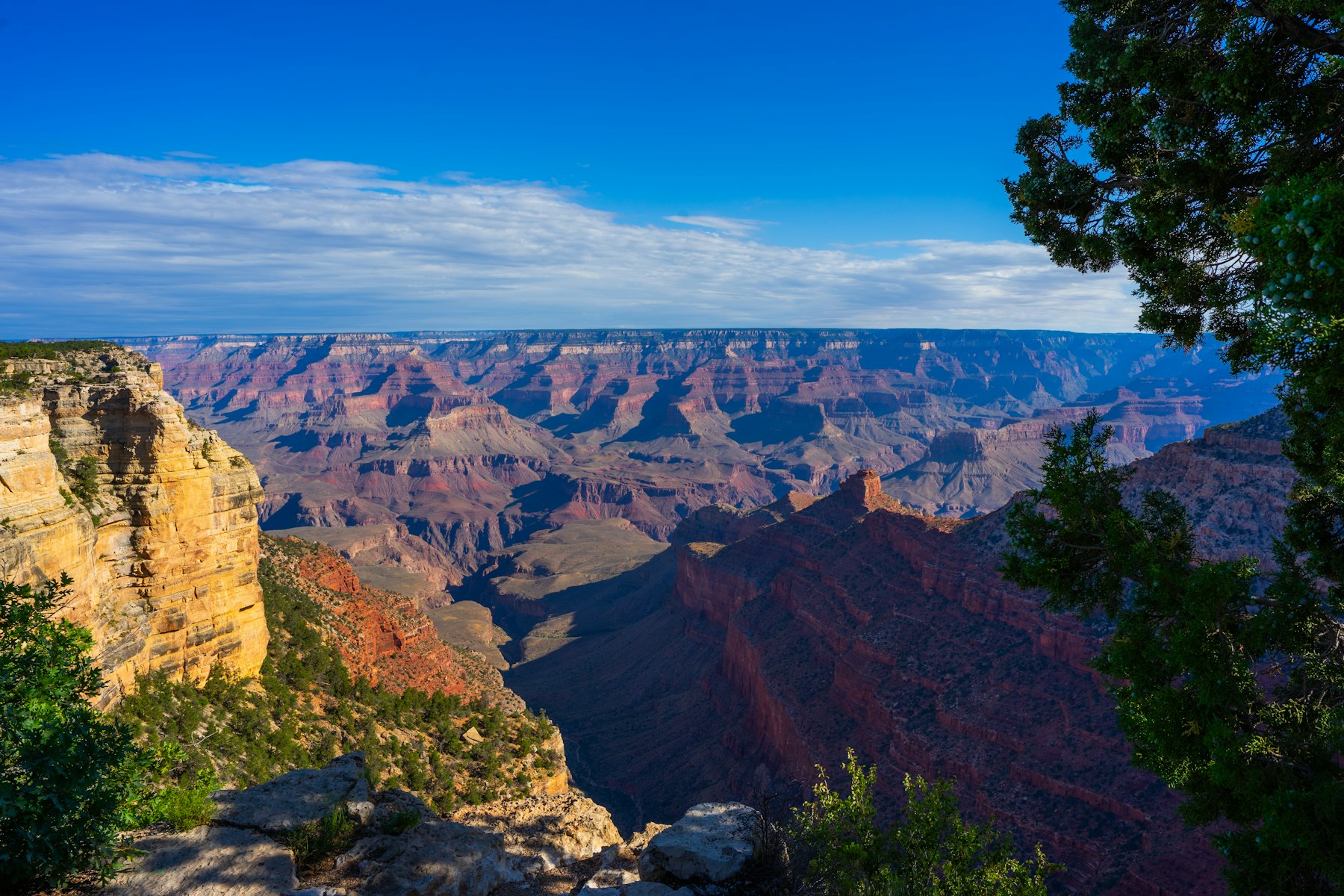 The Grand Canyon
 Yellowstone National Park
 All of the United States
 All of North America
 Explore the world
 The Travel Library