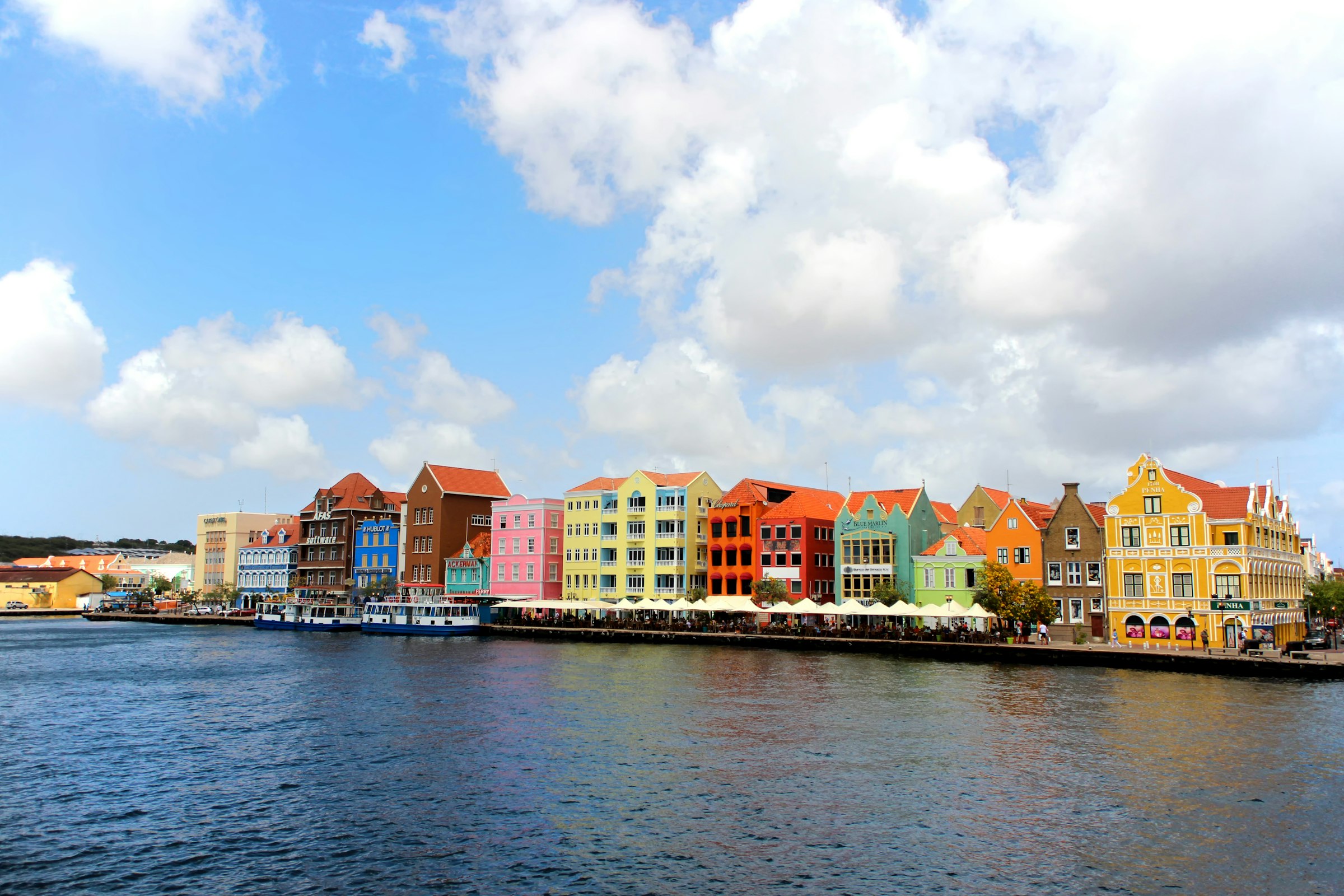
The Handelskade at Willemstad. Dutch gable houses painted in sherbet colors, and a UNESCO World Heritage site that happens to sit on a Caribbean island.
Curacao Family Travel Guide
“Curacao does not feel like the rest of the Caribbean and that is exactly the reason to go. It is Dutch, it has a real city, it sits outside the hurricane belt, and you can walk into the sea from the beach and be on a reef in thirty seconds.”
What this page is, plainly. There is no Curacao story on this site and none of these photographs are mine. I sell the Dutch Caribbean and Curacao is the island I recommend to families who say they want the Caribbean but do not want a resort.
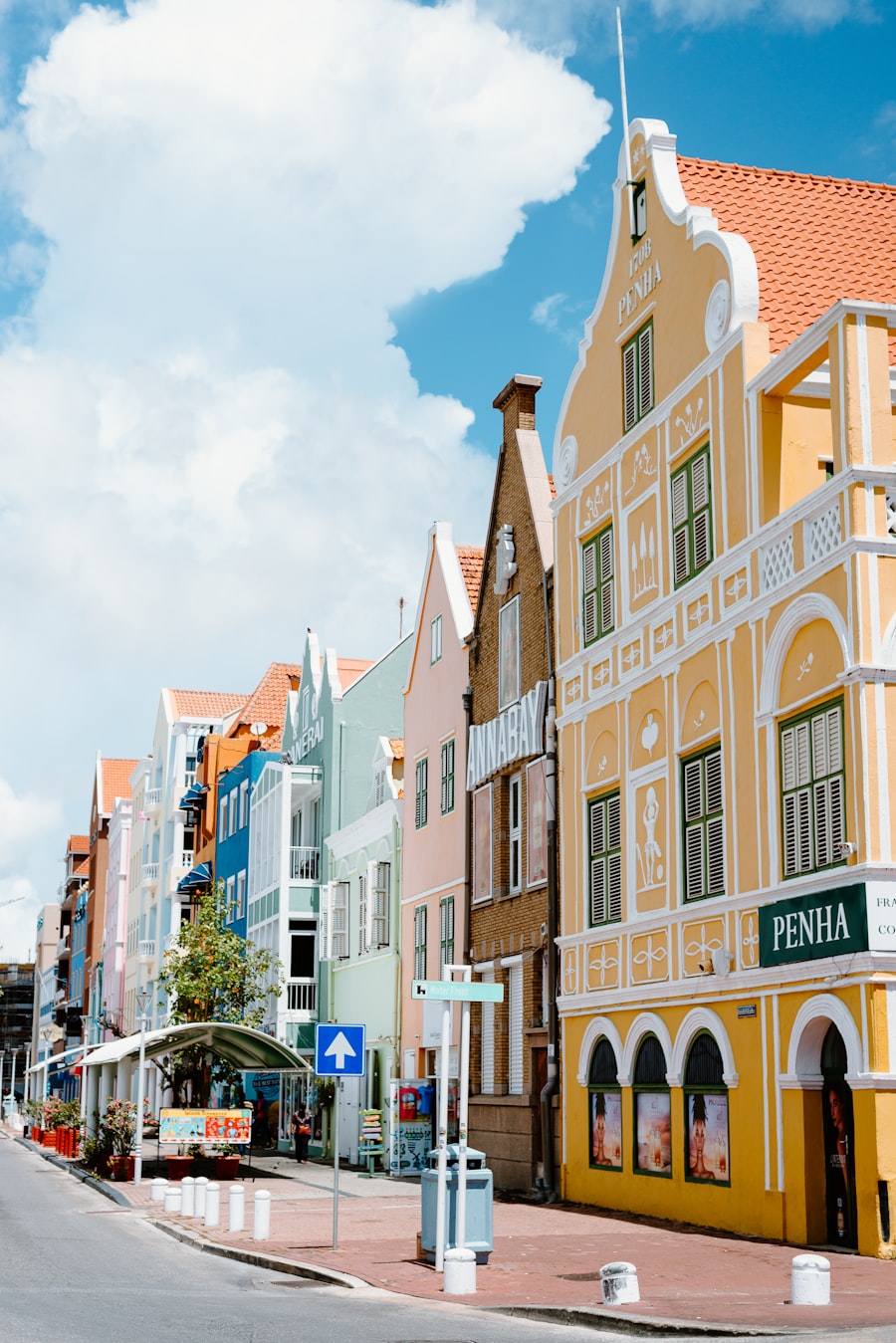
The Dutch part is not a detail, it is the whole personality. The architecture, the food, the languages, the fact that people are direct with you rather than performing for tourists. Willemstad is a proper working city with a UNESCO listed center, and it is the only Caribbean capital I can think of where a family would happily spend two days just walking around.
The second reason is the diving. Curacao has the best shore diving in the Caribbean, full stop. Not boat diving, shore diving. You park, you walk in off the beach, and the reef is right there in twenty feet of water. For a family with a couple of certified divers and a couple of snorkellers, that changes everything about how a week works.
Third, it sits outside the hurricane belt with Aruba and Bonaire, so September in Curacao is a normal trip rather than a gamble. What it does not have is Aruba’s long soft beach. Curacao’s beaches are small coves between cliffs. Beautiful, and not the same thing.
Curacao Place by Place
The island runs about forty miles from the city in the southeast to the wild end in the northwest, and the two halves feel entirely different.
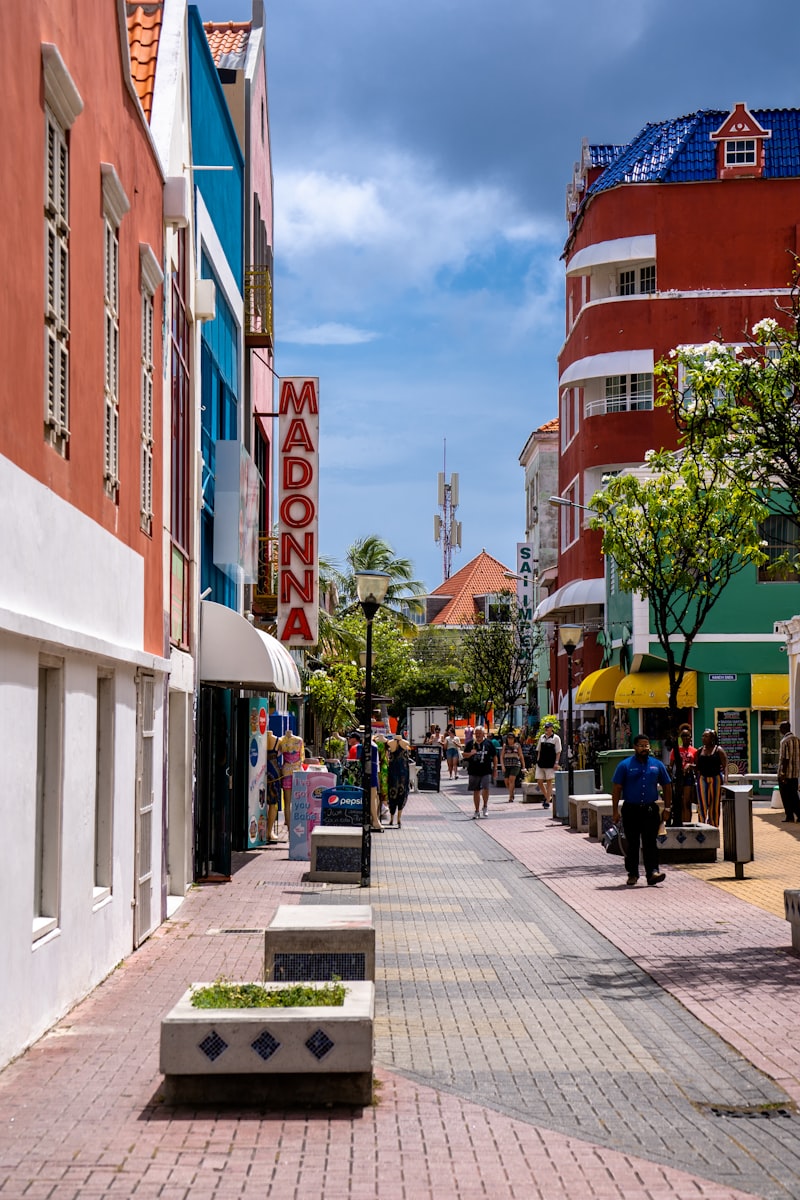
Willemstad
Westpunt
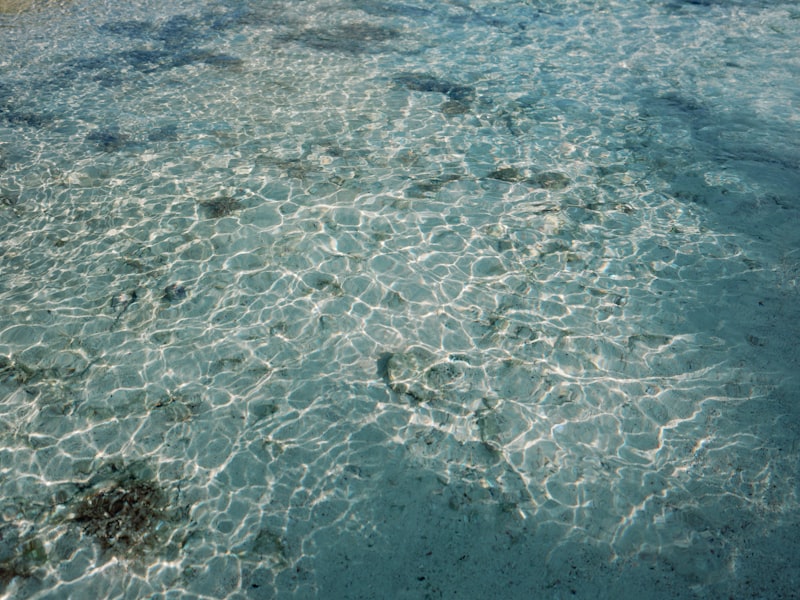
Jan Thiel
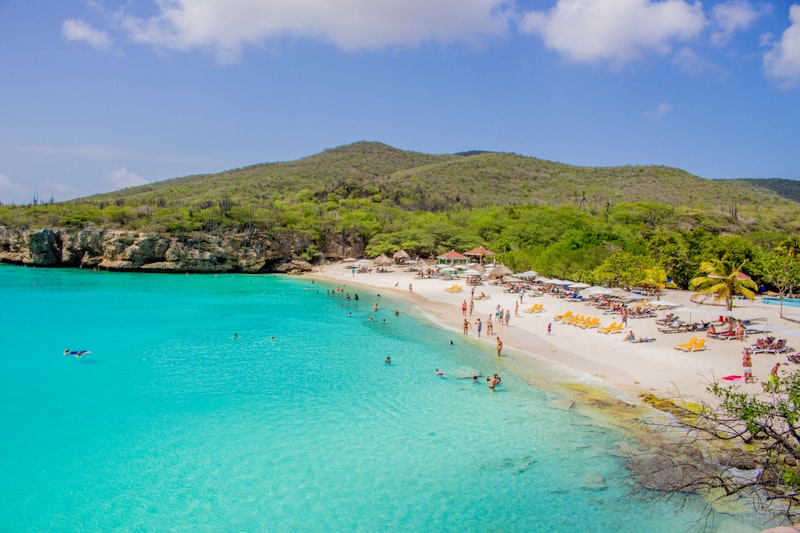
Playa Kenepa
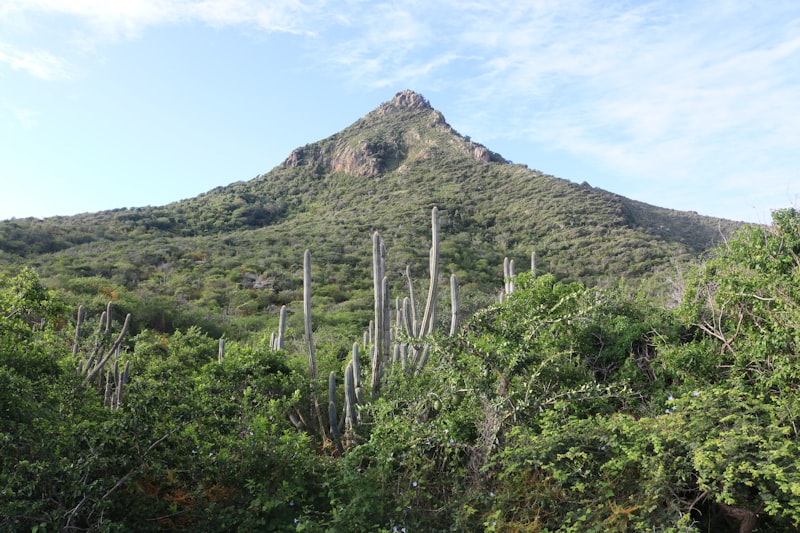
Christoffel Park

Pietermaai

Klein Curacao
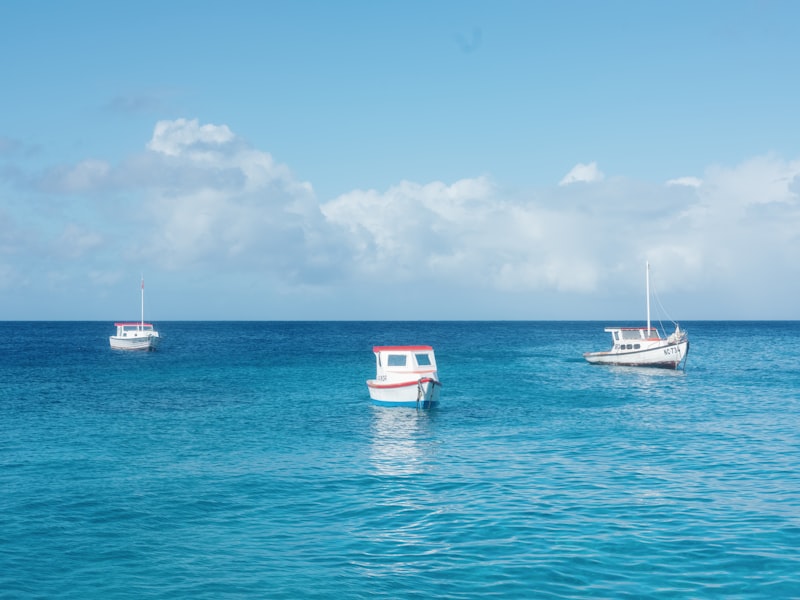
Spanish Water
Why Curacao and Not the Island Next Door
It is Dutch, and it shows
A constituent country of the Kingdom of the Netherlands. Dutch bakeries, Dutch supermarkets, Dutch directness, and gable houses painted in colors no Amsterdam street would allow. It really does not feel like anywhere else in the Caribbean.
Willemstad is UNESCO listed
The historic center with its painted waterfront and the floating Queen Emma pontoon bridge. It is a real city with offices, schools and traffic, not a preserved tourist quarter, and that is what makes it interesting.
Outside the hurricane belt
Far enough south that a direct hit is very rare. September and October here are a normal trip rather than a gamble, which matters enormously if your family can only travel in the autumn.
The best shore diving in the Caribbean
The reef runs close to shore along the whole leeward coast and drops off within swimming distance. Dozens of marked entry points where you walk in off the sand. No boat, no schedule, no expensive day trip.
Four languages, and English is one
Papiamentu is the mother tongue, Dutch is official, Spanish is everywhere because Venezuela is fifty miles away, and English is spoken by almost everyone in tourism. You will not struggle.
The food is varied
Dutch, Caribbean, Latin American, Indonesian left over from the colonial trade, and a serious Portuguese and Jewish influence in the city. It is the most interesting eating of any island in this set of guides.
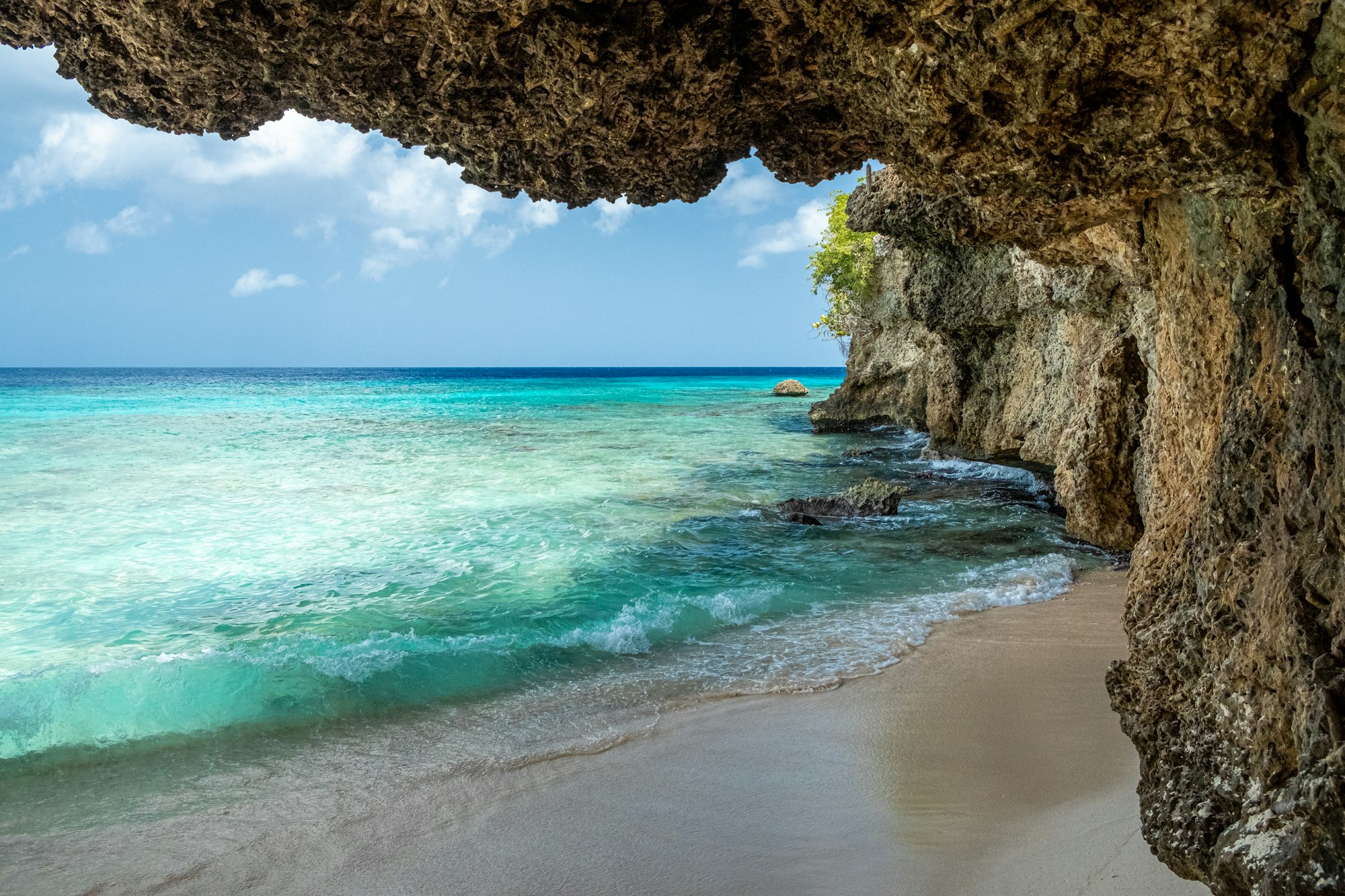
The coastline is limestone cliff with small coves cut into it. That is why the beaches here are pockets rather than the long strips you get on Aruba.
Willemstad, and Why You Should Stay In It
Most families book a resort out east and drive into the city for one afternoon. I would flip that, at least for part of the week.
Punda and Otrobanda face each other. The Queen Emma pontoon bridge swings open for ships several times a day, which children find far more entertaining than it sounds. When it is open a free ferry runs instead.
Pietermaai is the district to stay in. A run down colonial quarter restored into boutique hotels, bars and restaurants along the sea wall. Walkable, atmospheric, and the best food on the island. Not a beach, but a five minute drive from one.
Mikvé Israel Emanuel is the oldest synagogue in the Americas. Continuously in use since 1732, with sand covering the floor. Small, unusual and moving. Fifteen minutes and a small entry fee.
The floating market is Venezuelan. Boats from the mainland selling fruit and fish along the Waaigat. It has thinned out as the situation in Venezuela has worsened, which is worth explaining to older children rather than skipping past.
Kura Hulanda tells the harder history. A museum in a restored quarter about the transatlantic slave trade and Curacao’s central role in it. It is not an easy hour and it is the most important thing on the island.

The leeward coast. The reef drops off within a short swim of most of these coves, which is the whole reason divers keep coming back.
Shore Diving, and Snorkelling Off the Sand
This is the thing Curacao does better than anywhere else in the Caribbean, and it is just as good for a snorkelling family as for a diving one.
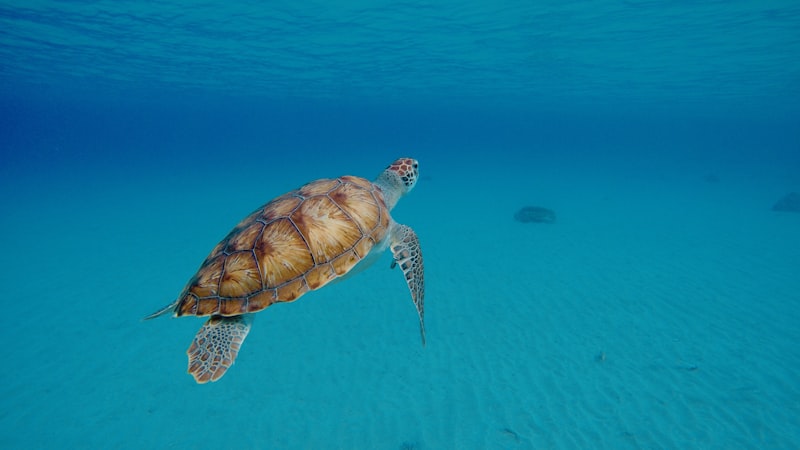
Playa Grandi is the turtle beach. A small fishing cove in the northwest where green turtles come in for the scraps. You snorkel with them from the sand. It gets busy, so go early, and do not touch or chase them.
The Tugboat and Playa Piskado are the classics. A small wreck in shallow water at Caracas Bay covered in coral, and a reef wall you reach by walking in. Both suit strong snorkellers as well as divers.
Cas Abao and Porto Mari for a family beach day. Facilities, loungers, food, calm water and a reef at the edge of the swimming area. This is the combination that makes Curacao work with mixed ages.
The aquarium is unusually good. The Sea Aquarium at Bapor Kibra uses open water systems and has a large collection. Worth a rainy morning or an afternoon with younger children.
Watch the current at the western beaches. Some of the northwest coves have a pull once you are past the headland. Ask locally rather than assuming, because the calm surface can be misleading.
What It Costs
Curacao is mid range for the Caribbean and better value than it looks, largely because you are not trapped inside a resort.
Hotels span the whole range. Big beach resorts at Jan Thiel and Piscadera, small boutiques in Pietermaai, and a lot of apartments and villas. The boutique option in the city is often cheaper than the resort and far more interesting.
Dutch supermarkets change the math. Full sized Dutch chains with normal European prices and normal European stock. Self catering here is cheap by Caribbean standards.
Eating out splits by district. Pietermaai restaurants are city priced. The snack trucks and the local lunch spots serving the plate of the day cost very little and are excellent. Both are worth doing.
The guilder, and the dollar. The Caribbean guilder is the currency, pegged to the US dollar, and dollars are widely accepted with change given in guilders. Cards work almost everywhere.
Budget for a car. The island is long and the good beaches are at the far end. Rental is inexpensive, roads are good, and they drive on the right, which surprises people who assume otherwise.
What You Will Eat
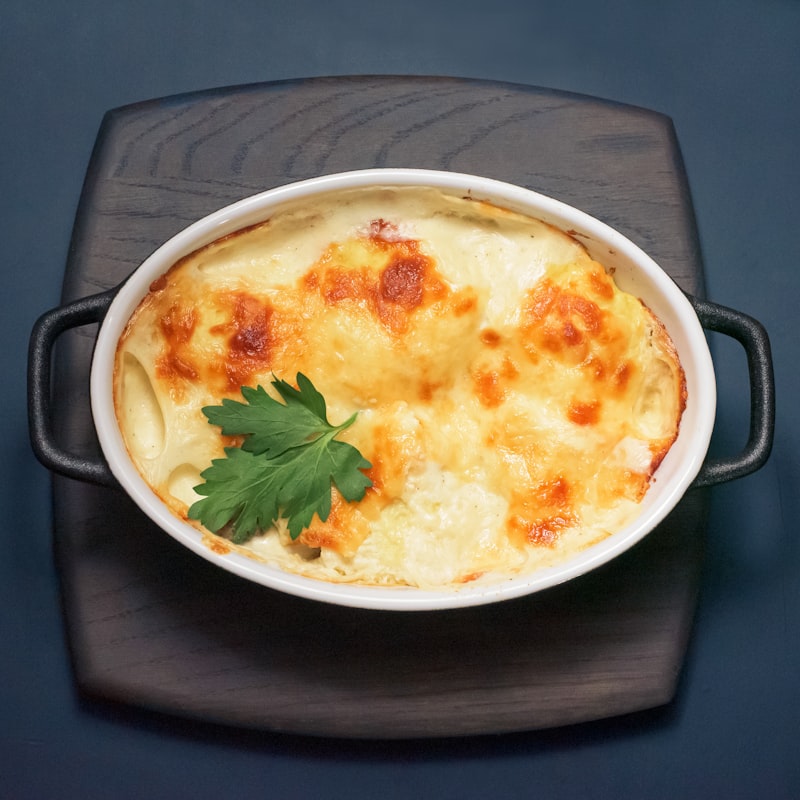
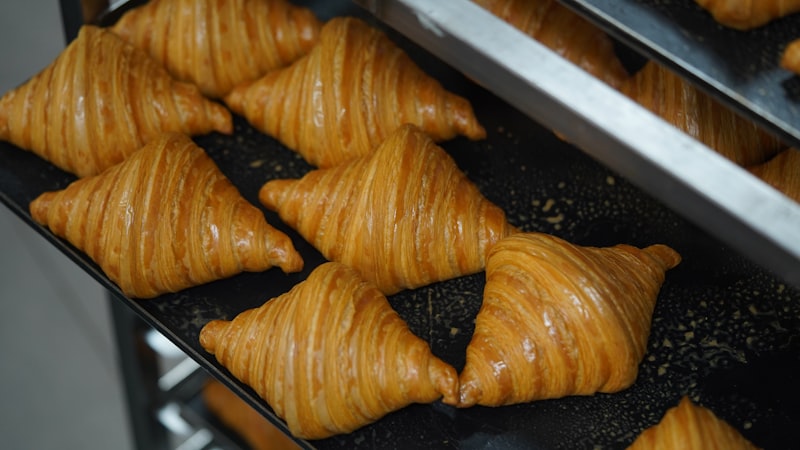
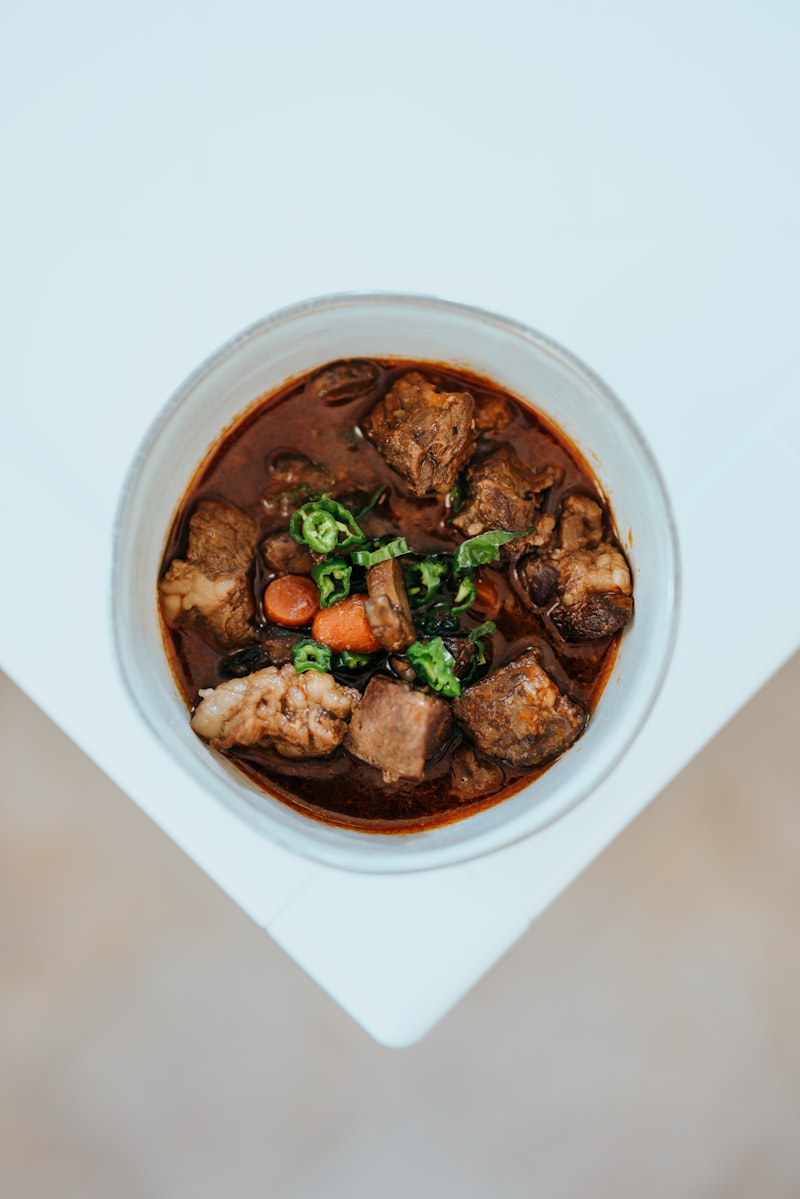
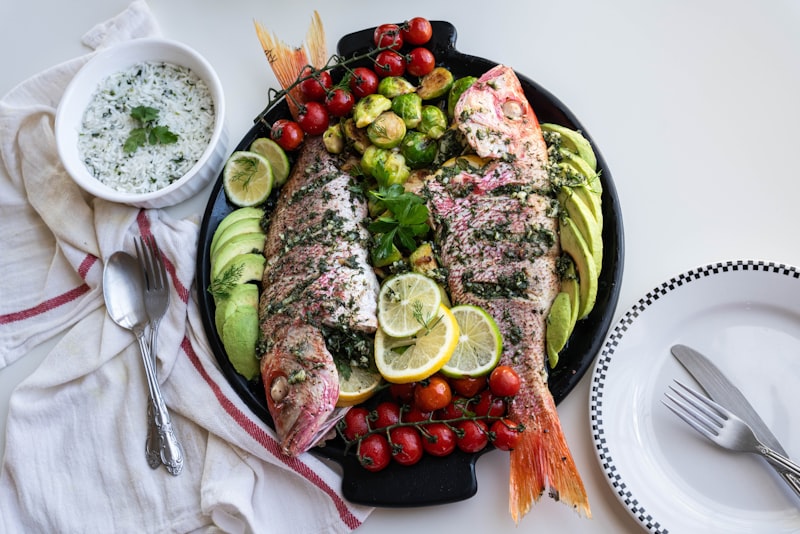
Curacao cooking is its own thing, part Caribbean, part Dutch, part Latin American. The photographs below show the kind of plate each dish arrives on, not that exact dish photographed in Curacao.

Getting Around
Hire a car. They drive on the right. Unlike most of the Caribbean. Roads are good, distances are real, and the northwest beaches are forty five minutes from the city. Without a car you will see a fraction of the island.
The konvoi buses are cheap and slow. Large green buses on fixed routes and shared minivans that leave when full. Fine for the city and Jan Thiel, unhelpful for the far end.
Klein Curacao is a boat day. Ninety minutes each way to an uninhabited island with a lighthouse, a wreck and one of the finest beaches in the region. The crossing can be rough. Take the seasickness tablets seriously.
Willemstad is walkable. Punda, Otrobanda and Pietermaai are all on foot, and the pontoon bridge or the free ferry joins the two halves. Park once and leave the car.
Bonaire and Aruba are short hops. Thirty minutes in the air to either. If you have ten days, adding Aruba or Bonaire onto Curacao is one of the easiest two island trips anywhere.
When to Go
Dec to Apr
High season. Dry, breezy, busiest with Dutch and North American visitors, and priced accordingly. Reliable in every sense.
Jan to Feb
Carnival. Weeks of parades building to the Gran Marcha and the burning of King Momo. It is a serious local festival and the island is fully booked around it.
May to Aug
My pick. Hot, dry, quiet and cheaper, and no hurricane risk to speak of. The one Caribbean island where a summer booking is not a compromise.
Oct to Dec
The wettest months, which in Curacao means short showers rather than washouts. Still outside the hurricane belt. Good value and the island is green for once.
Curacao With Kids
 Poppy marks the family parts. Wherever you see her, that section is written for travelling with children.
Snorkelling from the sand is the win
No boat trip to book, no schedule to keep, no seasick toddler. Walk in, look at a reef, walk out for lunch. For families with mixed swimming ability that is worth more than any excursion.
A city that children enjoy
The floating bridge swinging open, the ferry, the colored houses, ice cream on the waterfront. Willemstad is the rare Caribbean capital that entertains a nine year old for an afternoon.
The beaches are coves, not strips
Small, sheltered, often with an entry fee and facilities. Lovely, but if your picture of a beach trip is walking two miles along the sand, Aruba is the island that does that.
Practical health
Tap water is desalinated and excellent, fine to drink. The hospital in Willemstad is modern and Dutch standard. Nothing tropical to worry about beyond sun and mosquitoes at dusk.
Entry is simple
No visa for US, Canadian, UK or EU passport holders for a trip. There is an online arrival form to complete before you fly, so do it at home rather than in the airport line.
It is hot and dry and windy
Desert island climate with cactus and divi divi trees. The trade wind hides the strength of the sun and people burn on day one without noticing. Rash vests, and shade in the middle of the day.
Who Should Skip Curacao
It is a specific island with a specific appeal, and it is wrong for some families.
Anyone who wants one long beach. Curacao’s coast is cliffs and coves. Aruba is forty minutes away and has seven miles of continuous soft sand. If that is the trip, go there instead.
All inclusive families. A few resorts do it but the model is not what the island is for. You would be paying to stay inside a property on an island whose whole point is leaving the property.
Anyone expecting lush. This is a desert. Cactus, scrub and wind bent trees. If you picture the Caribbean as rainforest and waterfalls, St Lucia is your island and this one will look bare.
Anyone unwilling to drive. Without a car you are stuck between your hotel and one beach. It is not a taxi island and the buses will not get you to the good end.
Families with only toddlers. The diving and the city are wasted on the very young, and the coves are small. Turks and Caicos is a better fit for a family whose oldest child is four.
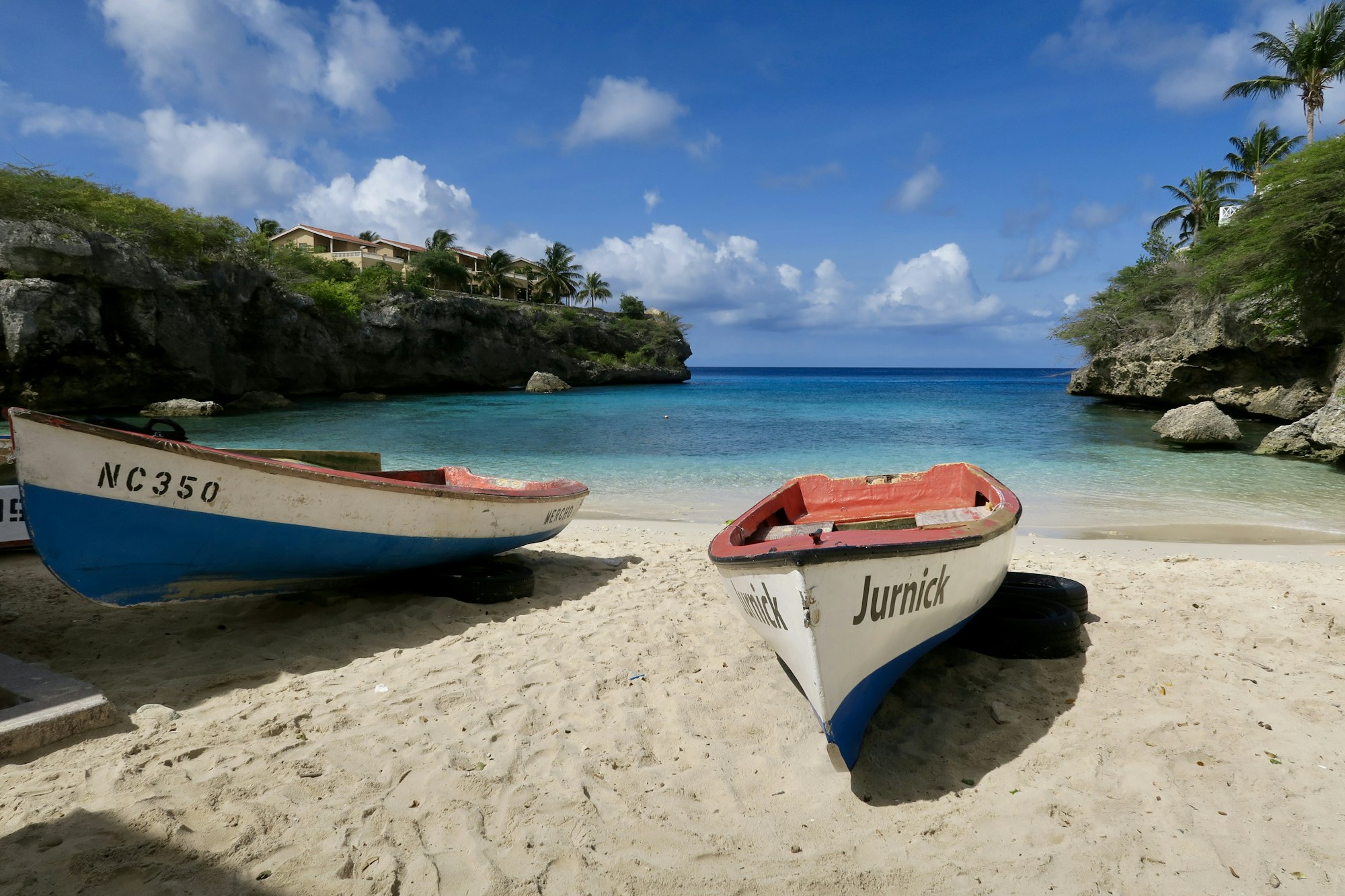
Playa Lagun in the northwest. A working fishing cove first and a beach second, which is true of most of the good ones here.
Things Worth Knowing Before You Book
They drive on the right. Unusual for the Caribbean and a relief for American drivers. Signage is Dutch, roundabouts are common, and the road to the northwest is good.
Some beaches charge entry. Cas Abao, Porto Mari, Playa Kenepa and others take a small fee per car or per person, which pays for the facilities. Carry a bit of cash for it.
Connectivity is European standard. Fast, cheap mobile data and reliable hotel wifi. It is a easy island to work a few days from.
The refinery is real and visible. There is a large oil refinery near the city and the wind occasionally carries it. It is part of why the island has an economy beyond tourism, and it is not something the brochures mention.
Learn two words of Papiamentu. Bon dia and danki. It costs nothing and it changes how people talk to you, because almost no visitor bothers.
Sunday is quiet and Monday is quieter. A lot of restaurants close Sunday evening and Monday entirely. Check before you build a plan around a particular place.
Combine It With
Two islands that sit closest to Curacao on what it is actually offering.
The obvious pairing and thirty minutes away. Aruba has the long beach and the resorts, Curacao has the city and the diving. A week of each is one trip, not two.
Both islands give you somewhere to go as well as somewhere to swim. Barbados is British and sociable, Curacao is Dutch and self contained. Different personalities, similar appeal.
More North America Guides
Everything we have written about this side of the world, in one place.


Keep exploring from Curaçao
Cities, neighbors, and the wider region.
More of the Caribbean & Central America
Ways to travel
Curacao is not one kind of trip
How you move through it changes the trip more than which places you pick.
 01Road TripsYour own pace, your own stops.Open this guide →
 02Rail JourneysThe space between two places, made part of the trip.Open this guide →
 03Ocean CruisingYou unpack once and the world comes to you.Open this guide →
 04River CruisingEurope from the middle of it.Open this guide →
 05Walking & HikingThe slowest way, and often the best one.Open this guide →
 06Guided & Small GroupSomebody else handles it.Open this guide →
 07Independent TravelYou handle it, and it is cheaper.Open this guide →
 08Yacht & ExpeditionFewer people, further out.Open this guide →
