
Adventure
& Outdoors
the trips that need a change of clothes
Adventure with children is mostly about matching the activity to the child rather than the child to the activity, and about picking operators who are safe rather than enthusiastically reassuring. Get those two right and this is the category that produces the biggest and most durable confidence in a child.
Age minimums are not suggestions
Almost every activity has one and they exist for real reasons, usually equipment fit or the ability to follow an instruction under stress.
Operators who waive them are telling you something important about how they run everything else.
Weight minimums matter as much as age for anything involving a harness. A child too light for the equipment is not safe in it regardless of how brave they are.
Check before you plan the trip, not after. This is the single most common cause of a disappointed child on an adventure trip.
Choosing an operator
Ask what their guide to guest ratio is for a group with children. If they cannot answer immediately, that is your answer.
Ask about their equipment for children specifically. Correctly sized helmets, harnesses and buoyancy aids are not universal.
Ask what happens if a child wants to stop halfway. A good operator has a plan for that. A bad one improvises and it goes badly.
Look for accreditation with the relevant national body for the activity, and check it rather than taking the logo on the website at face value.
Read recent reviews specifically from families rather than the overall score.

Where to go
- Costa RicaZip lines, rafting and wildlife, in the most family-organized adventure country there is.
- New ZealandThe adventure capital, with junior versions of nearly everything.
- NorwayFjord kayaking, forest, and the right to walk anywhere.
- SwitzerlandMountains with infrastructure, which makes hard things accessible.
- IcelandGlaciers, caves and landscape that does the work for you.
- CanadaCanoeing, mountains and wilderness with excellent guiding.
- UtahCanyons, slickrock and the best family hiking in America.
- ColoradoRafting, climbing and mountains in summer and winter.
- AlaskaGlaciers, kayaking and real wilderness.
- PortugalSurfing, coast walking and warm water.
- ThailandSea kayaking, islands and snorkelling in warm shallow water.
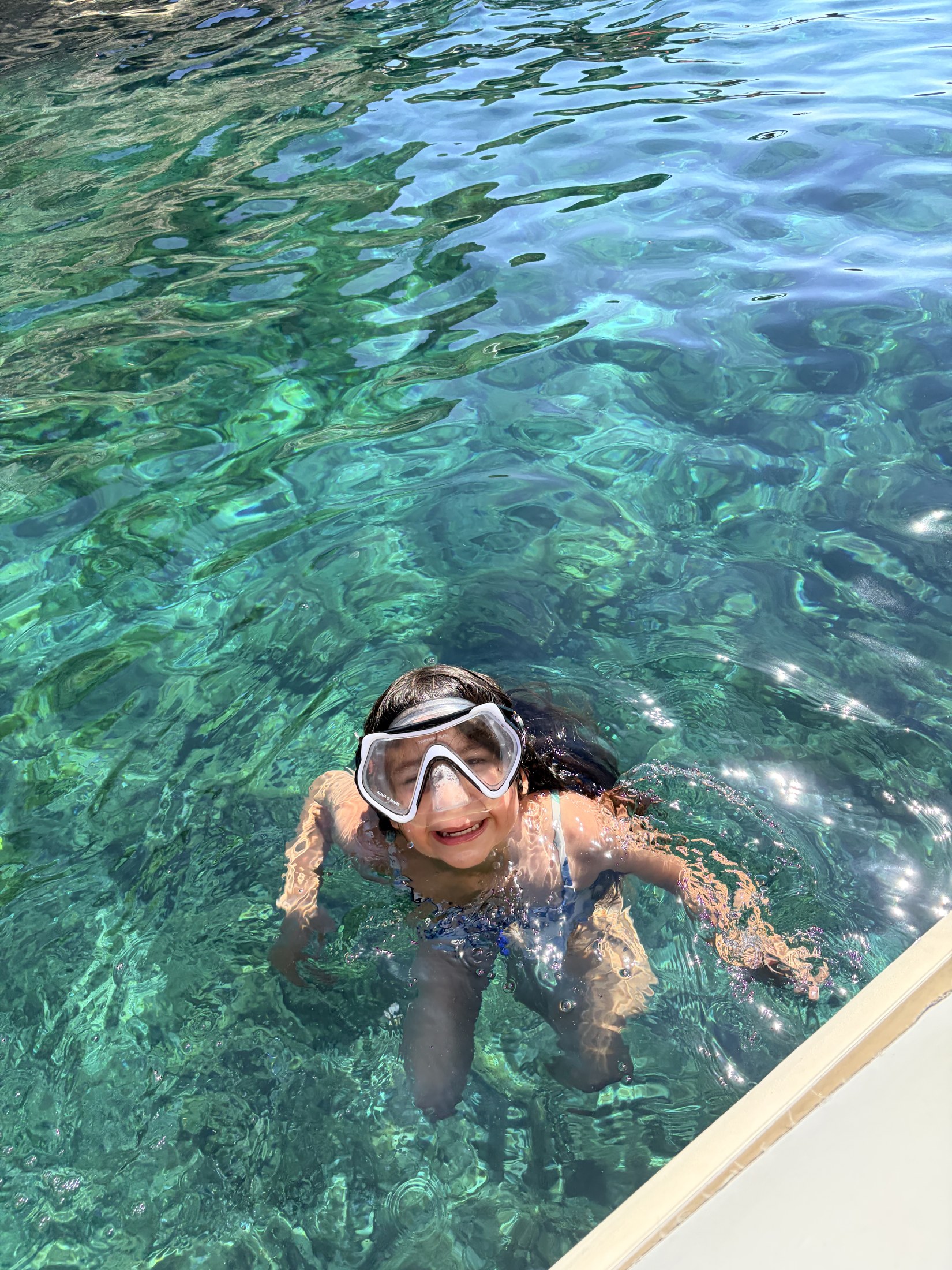
Building the confidence
Start smaller than you think. A child who succeeds at something easy will attempt something hard. A child who is frightened on day one will refuse everything for the rest of the trip.
Never make it a test. The moment a child feels they are being assessed, the enjoyment stops.
Let them quit without consequence. The child who was allowed to stop is the child who asks to try again tomorrow.
Do it with them rather than watching. Children take far more from an activity where a parent is also slightly out of their depth.
And the debrief matters. Talking afterwards about what they did is where the confidence actually gets stored.
Adventure trips need the age and weight minimums checked against your actual children before anything gets booked. Send me the ages and what they are into and I will tell you what is realistic and who to book with.
Questions people actually ask
The ones that come up before anyone books. If yours isn’t here, ask me.
What age can children start adventure activities?
High ropes courses generally start around five, kayaking and snorkelling around six, outdoor climbing and rafting around eight, and canyoning or via ferrata around ten. Specific minimums vary by operator and route.
Why do adventure activities have weight minimums?
Harnesses, buoyancy aids and safety equipment are designed for a weight range. A child below the minimum is not safely secured regardless of age or confidence.
How do you choose a safe adventure operator?
Ask about guide to guest ratios for family groups, confirm they hold correctly sized children’s equipment, ask what happens if a child wants to stop partway, and verify accreditation with the relevant national body.
What should you do if a child wants to stop an activity?
Allow it without consequence. Children permitted to withdraw are considerably more likely to attempt the activity again, whereas being pushed through often produces refusal for the remainder of a trip.
Where is best for family adventure travel?
Costa Rica and New Zealand are the most family-organized adventure destinations with junior versions of most activities. Norway, Switzerland, Iceland and Utah offer excellent outdoor access with strong infrastructure.
More in Themes and Interests
- HistoryWhere the past is still standing.→
- Books & StoriesGo and stand where the book happened.→
- Food & DrinkEat the thing the place is known for.→
- Arts & CultureMuseums, music, and making something.→
- Nature & WildlifeAnimals in the wild, not in an enclosure.→
- SportsWatching, and playing, abroad.→
- Seasonal JourneysAutumn color, winter markets, spring bloom.→
- Festivals & TraditionsTurn up on the right week.→
Keep reading
Written and kept current by Nicole Damiano, ASTA Verified Travel Advisor with FG Luxury Travel. If something here is out of date, tell me and I will fix it.
Tell me who is coming and how long you have.
That is usually enough to know if this is a ship, a train, or a car with the windows down.
