
Curaçao with kids
Curaçao With Kids: A Family Guide
Curaçao has the colorful Dutch colonial waterfront of Willemstad, 35 beaches tucked into rocky coves, warm water year round and an island culture where kids are genuinely welcome everywhere. It sits outside the hurricane belt. Direct flights from Miami land in about four and a half hours. The island is roughly the size of Maui and everything is within a 45-minute drive.
Curaçao is the largest of the ABC islands, sitting about 40 miles north of Venezuela alongside Aruba and Bonaire. Hato International Airport (CUR) in Willemstad receives direct flights from Miami, New York, Charlotte and Atlanta, plus connections from Amsterdam. Most families are at their hotel in 25 to 30 minutes. The island is about 38 miles long and 9 miles wide. Driving is on the right side of the road, roads are well paved and a rental car is the best way to reach the beaches scattered along the coast.
When to go
Curaçao by season
- 1November through March
Peak season
The driest and busiest months. Temperatures around 28°C (82°F) with steady trade winds. European and American visitors push hotel prices to their highest. Book early for Christmas and Carnival, which falls in February.
- 2April through July
Shoulder season
Still dry with slightly warmer days. Hotel prices drop 20 to 30 percent. Fewer crowds at the popular beaches. A great window for families who want the same weather without the peak prices.
- 3August through October
Value season
The warmest months with occasional brief showers. The lowest prices of the year. Curaçao sits outside the hurricane belt so the risk is lower than most Caribbean islands, though the sea can be rougher on the north coast.
Where to go
What families do in Curaçao
Snorkel with sea turtles at Playa Porto Mari, walk the colorful streets of Willemstad, spend a day on Klein Curaçao by boat, feed flamingos at the salt pans, explore Hato Caves, and let the kids run Grote Knip until the sun goes down.
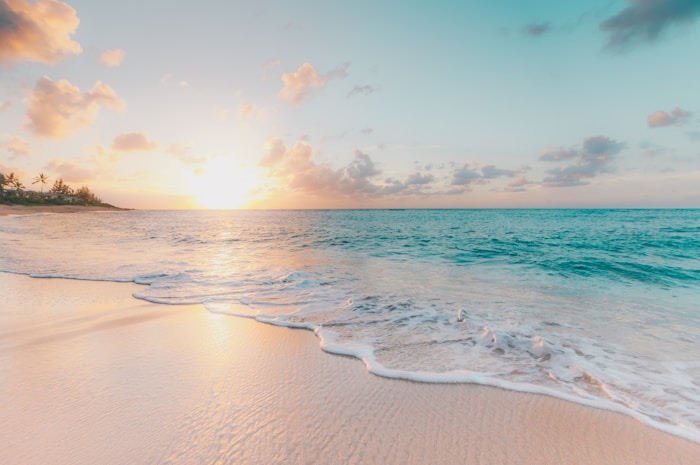
Grote Knip, Playa Porto Mari and Cas Abao
Grote Knip (Kenepa Grandi) has turquoise water, free entry and is one of the most photographed beaches in the Caribbean. Playa Porto Mari has a double reef with sea turtles close to shore and resident pigs that wander the sand. Cas Abao has soft sand, full facilities, showers and an on-site restaurant. Kokomo Beach has calm water and a covered restaurant with healthy options. Jan Thiel is the most developed with dining, loungers and calm water for younger kids.
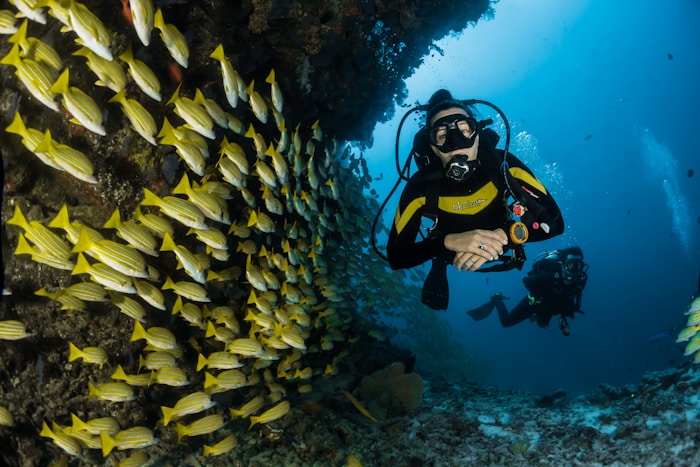
Sea Aquarium, Klein Curaçao and Christoffel Park
The Curaçao Sea Aquarium has dolphin shows, touch tanks and flamingo feeding. Klein Curaçao is an uninhabited island 15 miles offshore with white sand and clear snorkeling, reached by boat. Christoffel National Park has hiking trails through dry forest to the island’s highest point. Hato Caves has stalactites, bats and an underground lake. The Hofi Mango Zipline sends older kids through the tree canopy.
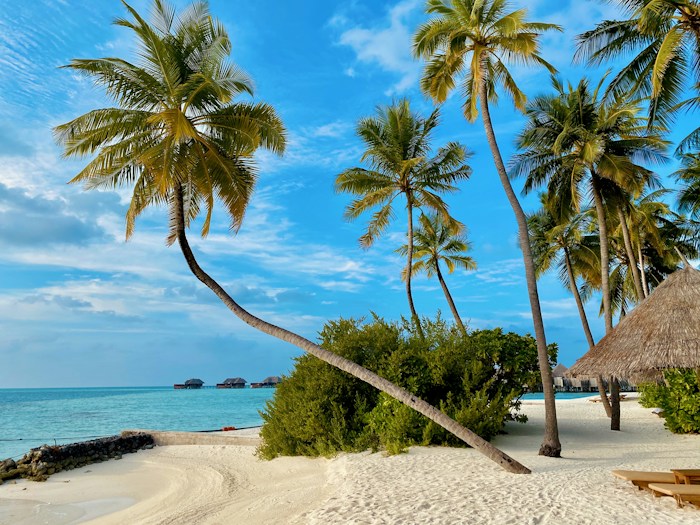
Willemstad, Queen Emma Bridge and the floating market
Willemstad is a UNESCO World Heritage Site with colorful Dutch colonial buildings in Punda and Otrobanda. The Queen Emma Pontoon Bridge swings open for ships. The floating market in Punda sells fruit and fish from Venezuelan boats. The Children’s Museum has interactive zones for ages 1 to 8. The Kura Hulanda Museum covers the island’s history. A TukTuk tour through Willemstad works well for families with little kids.
Where to sleep
Accommodation in Curaçao
Most families base in Willemstad or the Jan Thiel area for restaurants and convenience. The west end is quieter and closer to the best beaches but means more driving for groceries and dining. Vacation rentals are popular and often come with a pool.
| Option | Expect to pay | Good for |
|---|---|---|
| Beach resort (Lions Dive, Papagayo, Avila Beach Hotel) | $250 to 600 per night | Families who want a pool, beach access and restaurants on site |
| Boutique hotel (Scuba Lodge, Pietermaai Boutique Hotel) | $150 to 400 per night | Families who want the Willemstad atmosphere with a pool and walkable restaurants |
| Aparthotel or condo (Jan Thiel area) | $150 to 350 per night | Families who want a kitchen, laundry and space to spread out |
| Vacation rental or villa (west end) | $100 to 400 per night | Families who want a private pool, a kitchen and proximity to the best beaches |
Lions Dive Beach Resort is right next to the Sea Aquarium with a kids’ pool and snorkeling from the beach. Avila Beach Hotel has a calm beach, gardens and a historic feel. Scuba Lodge in Pietermaai has a pool, playground and two-bedroom apartments.
Getting around
How families get around Curaçao
- Fly into Hato International Airport (CUR). Direct flights from Miami (4.5 hours), New York (5 hours), Charlotte, Atlanta and Amsterdam (9 hours)
- Rent a car at the airport. A compact car costs $35 to 60 per day. Request car seats when booking
- Driving is on the right side of the road. Roads are well paved and distances are short
- Most beaches and attractions are within a 45-minute drive of Willemstad
- No ride-share apps on the island. Taxis are available at hotels and the airport, or use the 24/7 Taxi Curaçao app
- Short flights to Aruba and Bonaire on EZ Air and Divi Divi Air for ABC island hopping
Before you go
The practical stuff
Day trips
Klein Curaçao and the ABC islands
Klein Curaçao is the big day trip. An uninhabited island about 15 miles southeast with white sand beaches, clear snorkeling and a shipwreck on shore. Miss Ann and other operators run full-day boat trips with lunch included. The ride is about 90 minutes each way and can be rough, so this is best for kids 6 and up who handle boats well. Aruba and Bonaire are both reachable by short flights on EZ Air or Divi Divi Air. Bonaire is the best snorkeling and diving island in the Caribbean. Aruba has the bigger resort scene and calmer beaches.
“Curaçao is the ABC island I recommend for families who want more than a beach vacation. You get the beaches, absolutely, and some of the best snorkeling in the Caribbean right from shore. But you also get Willemstad, which is one of the most photogenic cities in the Caribbean and a UNESCO World Heritage Site. The kids will love the pontoon bridge opening for ships. Rent a car and hit a different beach every day. Grote Knip is the showstopper. Playa Porto Mari has sea turtles. And Cas Abao is the one where everyone ends up staying longer than planned.”
Nicole Damiano, ASTA Verified Travel Advisor · Certified Family Travel Advisor with FG Luxury Travel. Former social studies teacher, mom of three, 60+ countries.
Thinking about Curaçao with your family?
Resort or villa, Willemstad or the west end, one island or all three ABCs. I can sort the logistics and find the right fit for your crew.
Quick answers
Do you need a passport for Curaçao?
Yes. Curaçao is part of the Kingdom of the Netherlands. US citizens need a valid passport. Children need their own passports. No visa is required for stays under 90 days.
Is Curaçao safe for families?
Yes. Curaçao is one of the safest islands in the Caribbean. Hospitals and clinics meet Dutch standards. Use common sense with valuables on the beach and lock your rental car at trailheads.
What is the best time to visit Curaçao with kids?
Curaçao is good year round because it sits outside the hurricane belt. November through March is peak season with the best weather and highest prices. April through July is the sweet spot with lower prices and similar weather.
What currency does Curaçao use?
The Netherlands Antillean Guilder (ANG) is the local currency, but US dollars are accepted almost everywhere. Credit cards work at hotels, restaurants and most beach clubs. ATMs are widely available in Willemstad.
Do you need a car in Curaçao?
Yes, for most families. The beaches are scattered along the coast and public transportation is limited. A rental car gives you the flexibility to hit a different beach each day. Compact cars cost $35 to 60 per day.
Is the tap water safe to drink in Curaçao?
Yes. Curaçao has a modern desalination plant and the tap water is safe to drink throughout the island.
What language do they speak in Curaçao?
The official languages are Dutch and Papiamentu. English and Spanish are widely spoken, especially in tourist areas. Schoolchildren learn all four languages. You will have no trouble getting by in English.
Keep planning: Aruba with kids, Bonaire with kids, Caribbean with kids, international travel with kids, step by step.
Nicole Damiano, ASTA Verified Travel Advisor · Certified Family Travel Advisor with FG Luxury Travel. Adventures We Seek is my travel blog and planning resource. Trips are booked through Favorite Grampy Travels. Prices and availability last checked October 2026 and change often.
Family trip plans
Where are you taking the kids?
